

Tragaluz occupies a Passatge de la Concepció address in the heart of Eixample, where the room's design has long set the tone for Barcelona's design-led dining generation. The kitchen delivers consistently pleasant food with a particular eye on vegetables, though the overall experience sits comfortably rather than ambitiously within Barcelona's mid-to-upper dining tier. A reliable address for a well-designed evening without the pressure of a destination meal.
Pearl is the En Primeur Club membership app — saves, bookings, and concierge access live there. Same editors, same standards.
- Address
- Passatge de la Concepció, 5, Eixample, 08008 Barcelona, Spain
- Phone
- +34 934 87 06 21
- Website
- grupotragaluz.com
- Directions
- Get directions
 Saves & bookings on Pearl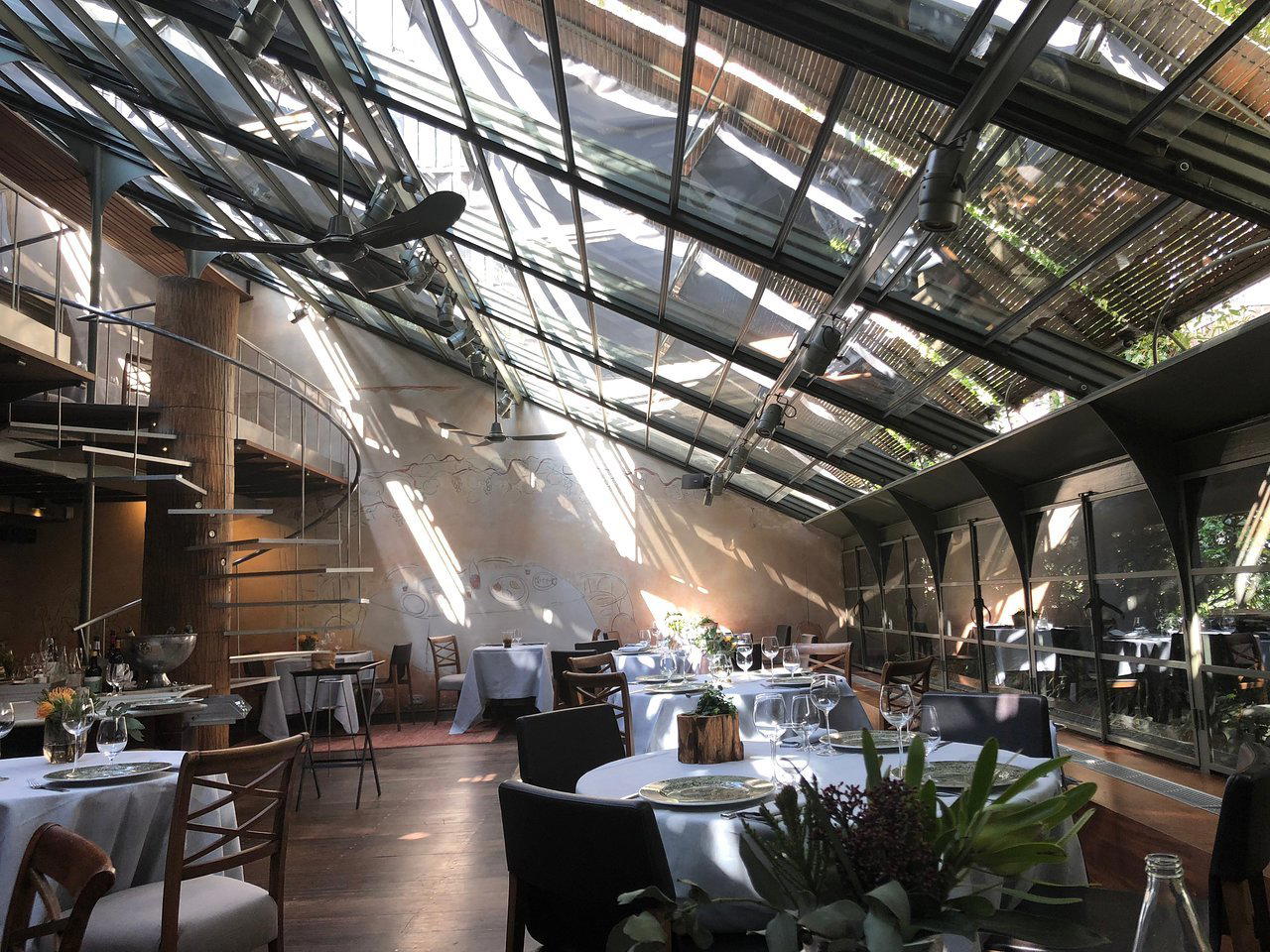
Eixample's Design-Dining Generation, Then and Now
Barcelona's Eixample district has spent the last three decades sorting itself into layers. At the leading sit the tasting-menu destinations: Disfrutar, Lasarte, Enigma, and ABaC, all pressing hard against international creative benchmarks. Below that, a second tier emerged in the late 1980s and 1990s that prized visual identity as much as cooking: rooms that looked like something, staffed well, and fed the city's growing appetite for going out as an aesthetic event. Tragaluz, on Passatge de la Concepció, was one of the earliest and most deliberate expressions of that movement.
Passatge de la Concepció is the kind of address that rewards arrival on foot. The narrow passage runs off Passeig de Gràcia and carries none of that boulevard's commercial weight, which has always given Tragaluz a slightly off-stage quality despite sitting in among the more observed neighbourhoods in Europe. Coming through from the main drag, the restaurant asserts itself through design before anything else: architecture and material choices that, in their era, signalled a particular seriousness about what a Barcelona restaurant should feel like.
Three Decades of Reinvention Without Revolution
The evolution of Tragaluz maps onto the broader arc of Barcelona's dining culture. In the early 1990s, when the restaurant established itself, design-led dining in the city was still a differentiator. A beautiful room, a considered menu structure, vegetables treated as a programme rather than a garnish, these were positions. Over time, as the city's ambitions in gastronomy scaled dramatically upward (the years following elBulli's influence saw Barcelona produce particularly technically demanding kitchens in Europe, from Cocina Hermanos Torres outward), a restaurant like Tragaluz faced a structural question: chase that technical escalation, or hold to the original proposition and let a new generation of diners discover what it had always been doing.
The answer, across multiple iterations, has been consolidation rather than reinvention. The kitchen has not pivoted toward the progressive Spanish model that defines the city's trophy tier, nor has it retreated into tourist-facing simplicity. It occupies a middle ground that Barcelona's serious mid-market has always needed: food that is coherent and well-sourced, a room that functions as the evening's first statement, and a vegetable focus that now looks prescient given how central plant-led cooking has become to Spain's broader conversation. For context on how ambitious that conversation gets at its apex, see El Celler de Can Roca in Girona or Azurmendi in Larrabetzu, Tragaluz is not competing in that register, nor does it need to.
What the Room Tells You Before the Food Arrives
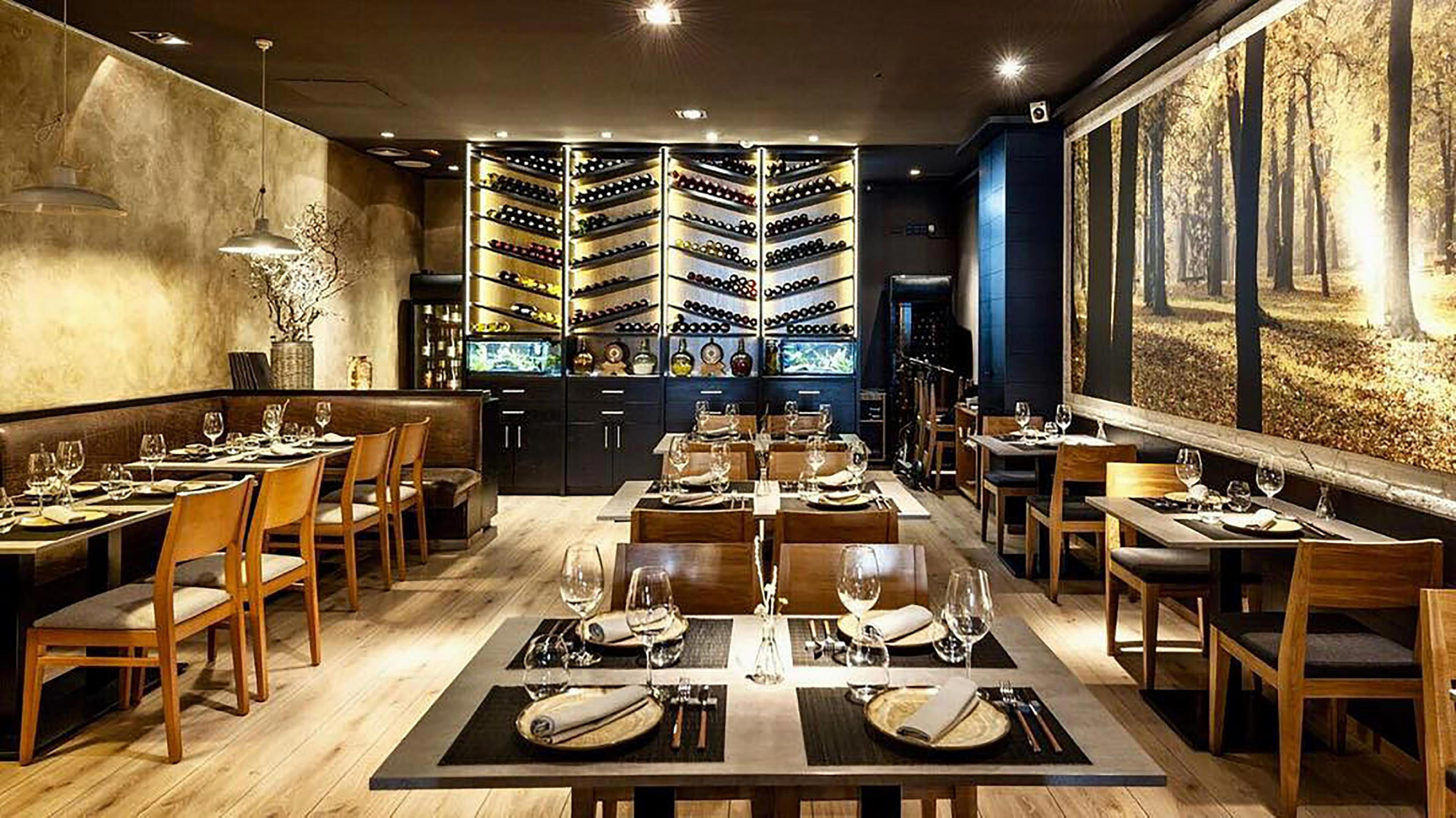
Physical environment at Tragaluz has always been part of the argument. Barcelona's design-dining generation understood early that the room is not decoration for the food, it is part of the experience's logic. Tragaluz's interior makes clear it was conceived rather than assembled, with material and spatial choices that still read as deliberate rather than dated. This is rarer than it sounds: many restaurants from the same period now feel like period pieces, preserved rather than maintained. Tragaluz has managed to stay in use without becoming a museum of early-1990s Catalan hospitality design.
That longevity is its own kind of credential. In a city where the hospitality market turns over quickly and new openings attract disproportionate attention, a restaurant sustaining an audience for over three decades in Eixample has navigated real competitive pressure. The Passatge de la Concepció address helps, it is central enough for convenience, tucked enough for a sense of occasion, but address alone does not explain the run.
The Kitchen's Position in Barcelona's Current Tier Structure
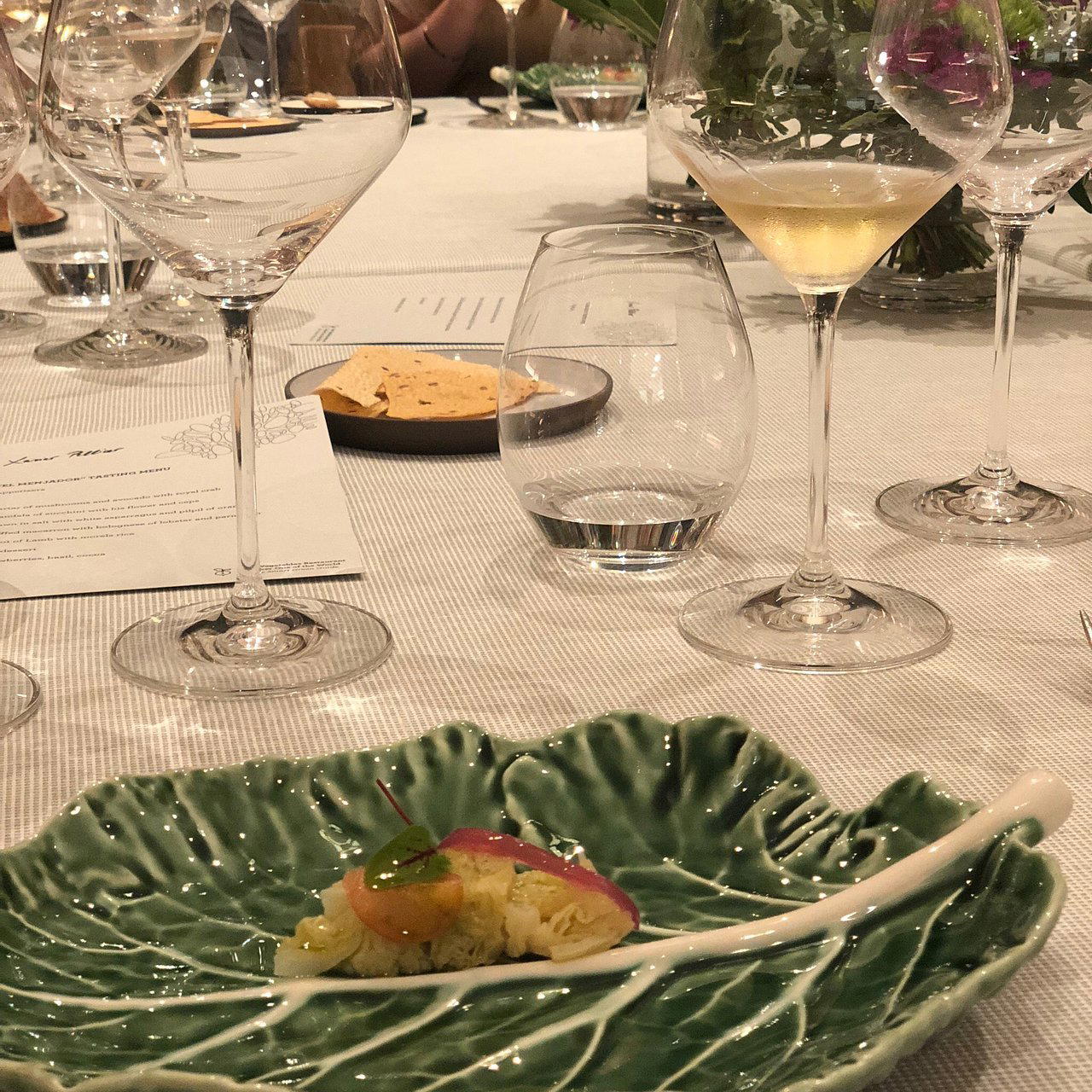
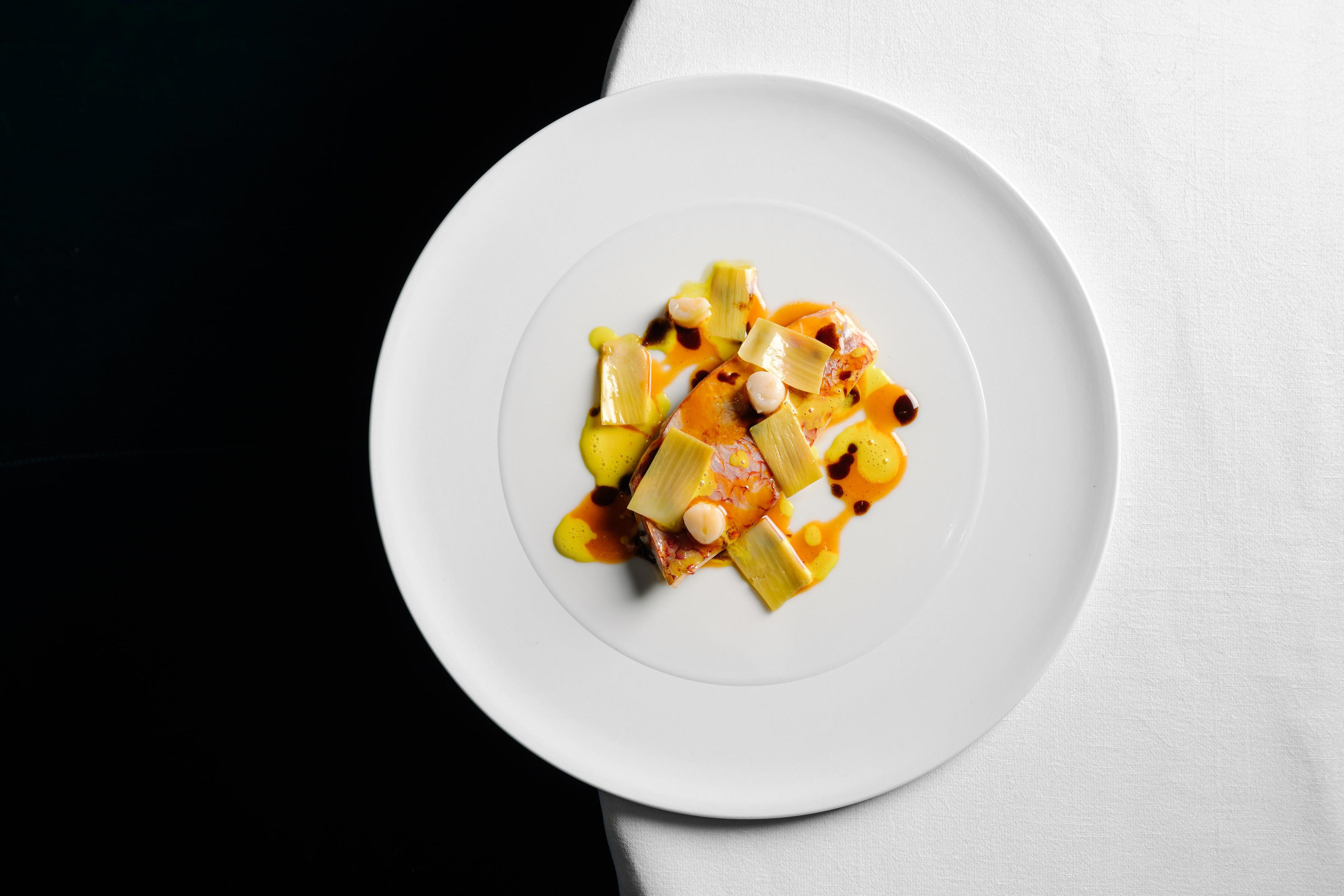
Placed against Barcelona's current restaurant map, Tragaluz sits in a tier that values execution and atmosphere over technical statement. The vegetable dishes, consistently noted as a kitchen strength, reflect a position that was ahead of the mainstream when the restaurant opened and is now substantially of the moment across European mid-to-upper dining. The food, as assessed by visitors who have spent time there, is consistently pleasant and attractive on the plate, the kind of cooking that holds its ground without demanding the full attention that a tasting menu requires.
That is a coherent offer for a specific diner: someone who wants a well-designed evening in a serious room, with food that performs reliably rather than experiments openly. This is not where you go if the goal is the kind of technical provocation that Disfrutar delivers or the range that Martin Berasategui in Lasarte-Oria represents. It is where you go when the room and the ease of the evening matter as much as what lands on the plate.
For broader orientation across Spain's creative dining tier, Arzak in San Sebastián, Aponiente in El Puerto de Santa María, and DiverXO in Madrid define the pressure the leading end places on every serious kitchen below it. Internationally, the comparison class for this kind of sustained, design-anchored mid-upper dining includes addresses like Le Bernardin in New York City and Emeril's in New Orleans, both of which have navigated the long-run question of how an established room stays relevant without abandoning what made it matter.
Planning Your Visit
Tragaluz is on Passatge de la Concepció 5 in Eixample, a short walk from Passeig de Gràcia's main axis and close to the design and fashion institutions that give this part of the neighbourhood its particular tone. For an area overview and complementary recommendations across dining, drinking, and where to stay, see our full Barcelona restaurants guide, our full Barcelona bars guide, our full Barcelona hotels guide, our full Barcelona wineries guide, and our full Barcelona experiences guide. Booking in advance is advisable for dinner, particularly on weekends when Eixample's mid-upper tier fills quickly; the Passatge de la Concepció address draws both local regulars and visitors who have done their research, so same-day availability cannot be counted on. Spring and autumn evenings, when outdoor dining on the passage becomes viable, represent one atmospheric time to visit.
Similar Picks
Comparable venues nearby, for context on price, style, and recognition.
| Venue | Cuisine | Price | Notes |
|---|---|---|---|
| TragaluzThis venue — the venue you are viewing | Modern Mediterranean Italian | $$$ | Not listed |
| Impar | Mediterranean Fusion Tapas | $$$ | la Maternitat i Sant Ramon |
| El Xalet de Montjuïc | Modern Mediterranean with Catalan Influences | $$$ | el Poble Sec |
| La Dama | Modern Mediterranean-French | $$$ | l'Antiga Esquerra de l'Eixample |
| Santo Paladar | Modern Mediterranean Gastropub | $$$ | Sant Andreu |
| El Bosc Garden Restaurant | Traditional Mediterranean with Catalan Influences | $$$ | el Camp d'en Grassot i Gracia Nova |
Recognition history
Dated appearances from independent guides and award organizations, with the underlying list record or original source where available.
Macarfi 7 Food Rating
Macarfi
We're Smart World 2 Radishes
We're Smart World
Continue exploring
More in Barcelona
Restaurants in Barcelona
Browse all →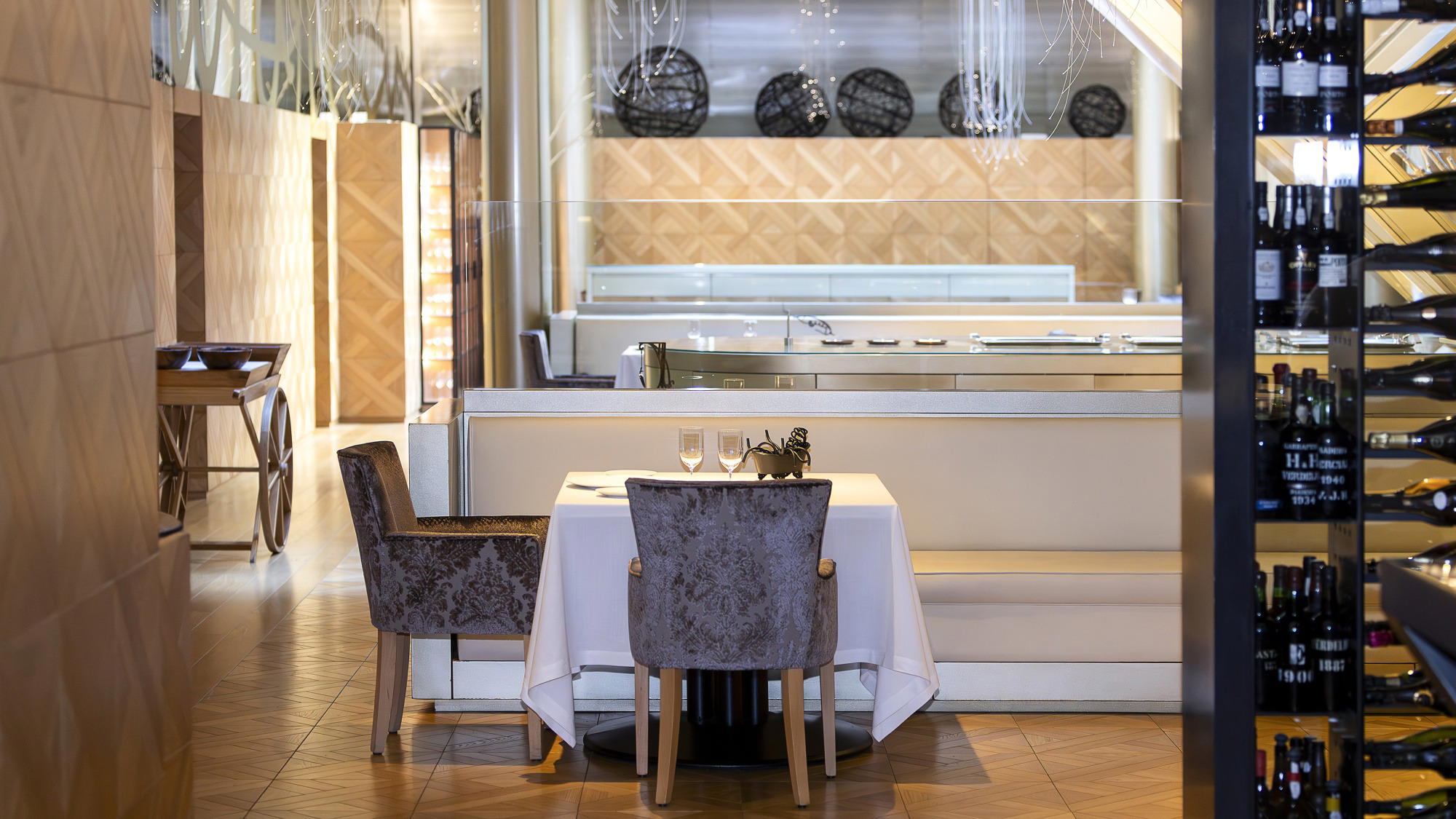
Bars in Barcelona
Browse all →
Hotels in Barcelona
Browse all →
At a Glance
- Elegant
- Romantic
- Modern
- Scenic
- Date Night
- Business Dinner
- Group Dining
- Celebration
- Special Occasion
- Open Kitchen
- Design Destination
- Garden
- Extensive Wine List
- Local Sourcing
- Garden
Current opening hours
- Monday
- 1–5 PM, 8 PM–1 AM
- Tuesday
- 1–5 PM, 8 PM–1 AM
- Wednesday
- 1–5 PM, 8 PM–1 AM
- Thursday
- 1–5 PM, 7 PM–1 AM
- Friday
- 1–5 PM, 7 PM–1 AM
- Saturday
- 1–5 PM, 7 PM–1 AM
- Sunday
- 1–5 PM, 8 PM–1 AM
Hours can change for holidays and private events. Last verified .
Bright, airy, and elegant with abundant natural light from the signature glass ceiling; refined yet relaxed atmosphere with modern design blending industrial elements and greenery.