Akase

A Michelin Plate counter in Jerez de la Frontera serving Japanese-technique cuisine built on Cádiz ingredients, Akase seats a maximum of eight guests per service for its single tasting menu, the Daimyo. Expect Andalusian cuttlefish in usuzukuri style, blue crab marinated in sake, and desserts that introduce koji fermentation alongside Jerez wine culture. Book well ahead.
Pearl is the En Primeur Club membership app — saves, bookings, and concierge access live there. Same editors, same standards.
- Address
- Edificio Málaga, C. Fernando Viola, bloque 4, local 8, 11404 Jerez de la Frontera, Cádiz, Spain
- Phone
- +34 674 39 50 74
- Website
- akaserestaurante.com
- Directions
- Get directions
 Saves & bookings on Pearl
Where Sherry Country Meets Japanese Precision
Akase is a Japanese-Andalusian omakase restaurant in Jerez de la Frontera, Cádiz, with a Michelin Plate in 2024 and 2025. Jerez de la Frontera is not a city that announces its restaurant ambitions loudly. Its culinary reputation is built on bodegas, tapas bars, and the slow-paced ritual of fino and manzanilla consumed standing up. That context makes the counter format at Akase genuinely interesting: a room that seats no more than eight guests per service, centred on a single tasting menu, in a city where the dominant social eating mode is communal, unhurried, and anchored to Andalusian tradition. The contrast is productive rather than jarring. Akase sits inside that Jerez eating culture while operating on different formal terms, importing the intimacy of Japanese counter dining and grafting it onto a larder drawn entirely from the province of Cádiz.
Akase, at €€€, occupies a slightly different price tier and a distinct conceptual niche: the Japanese counter format has no direct peer in the city. The Michelin Plate recognition it has held in both 2024 and 2025 signals that its cooking has been noticed at guide level, even if it operates at a different scale of ambition than the starred neighbours.
The Counter as Social Frame
The izakaya tradition in Japan is fundamentally about proximity: the counter removes distance between cook and guest, food and conversation fold into one another, and the meal becomes less a performance than an exchange. Akase imports this social logic without importing the casual volume of a traditional izakaya. With a ceiling of eight covers, the counter here functions as a private format: everyone in the room is eating the same menu on the same timeline, which creates a shared rhythm that a larger dining room cannot produce.
This format is increasingly common at the sharper end of Spanish tasting-menu culture. Restaurants like Aponiente in El Puerto de Santa María, a short drive from Jerez, have demonstrated that Cádiz's marine larder can support tasting-menu cooking at the highest level. Akase operates on a smaller scale and with a different culinary grammar, but the underlying argument is similar: that this particular stretch of Atlantic coast produces ingredients worth treating with technical seriousness. The show-cooking element that Chef Jaime Mena incorporates reinforces the counter's social function. Watching preparation at the pass is a reminder that the counter format is partly theatrical, and that the eight-seat limit is what makes the theatre intimate rather than distant.
The Daimyo Menu: Cádiz Ingredients, Japanese Grammar
The single tasting menu, named Daimyo, opens with a sequence rooted in Cádiz's coastal produce but processed through Japanese technique. Cuttlefish from the bay arrives cut into usuzukuri, the thin-sliced sashimi preparation that requires both a sharp knife and a precise understanding of how the flesh should give under the blade. Blue crab is marinated in sake. Cured whiting from the waters around Cádiz appears in a form that echoes Japanese shiozake, the salt-cured fish tradition. The logic throughout these opening courses is to let local ingredients carry their own flavour while Japanese cutting and curing methods draw out textures and temperatures that Spanish cooking would typically approach differently.
The move toward dessert introduces two further threads. Koji, the fermentation fungus central to Japanese pantry staples including miso, soy sauce, and sake, appears as a dessert element, which is a reasonable indication of how seriously the kitchen engages with fermentation as a technique rather than a trend. And bubble tea becomes a vehicle for exploring Jerez's bodegas and surrounding vineyards, which is where the local context reasserts itself most directly. Sherry culture and Japanese fermentation culture share more structural logic than the combination might first suggest: both traditions are built on controlled microbial activity, ageing in specific conditions, and the development of umami-adjacent depth. The pairing is intellectually coherent, not merely surprising. For more on the Jerez wine world that provides this backdrop, see our full Jerez de la Frontera wineries guide.
Where Akase Sits in the Japanese Counter Tradition
Specific counter format Akase uses, a fixed tasting menu served to a small number of guests with show-cooking at the pass, is well established in Japan's major cities. Counters like Myojaku in Tokyo and Azabu Kadowaki in Tokyo represent the disciplined, ingredient-first end of that tradition. What Akase does differently is sever the menu from Japanese sourcing entirely, replacing the Japanese pantry with Andalusian produce and using technique as the common language. This is a less common approach globally, and it sits at a different register from the fusion restaurants that became the default mode for Japanese-Western crossover cooking in the 1990s and 2000s. The emphasis here is on Japanese method applied to specific local ingredients, not on mixing visual codes or combining flavour profiles for novelty.
Within Spain, the conversation about technique-led tasting menus is dominated by the Basque Country and Catalonia. Arzak in San Sebastián, Azurmendi in Larrabetzu, Cocina Hermanos Torres in Barcelona, DiverXO in Madrid, and El Celler de Can Roca in Girona define the upper register of that conversation. Akase operates on a smaller scale and at a lower price point than any of those addresses, but the formal logic of the eight-seat counter with a single tasting menu places it in the same category of intent, if not yet of recognition.
Also worth noting in Jerez's broader restaurant context: A Mar for traditional cuisine and Albalá for modern cooking represent adjacent options for those building a broader itinerary around the city. Tsuro is another address worth considering within Jerez's current dining circuit.
Planning Your Visit
Akase is located on Calle Fernando Viola in Jerez de la Frontera, in the Edificio Málaga complex. The format, eight covers maximum per service with a single tasting menu, means that tables are finite in the literal sense: there are no other seatings to fall back on if a preferred date is gone. Booking ahead is essential, and given the cover count, this applies year-round rather than only during peak seasons.
Price Lens
Comparable venues nearby, for context on price, style, and recognition.
| Venue | Cuisine | Price | Awards | Notes |
|---|---|---|---|---|
| AkaseThis venue — the venue you are viewing | Japanese | $$$ | Michelin Plate | Not listed |
| La Carboná | Not listed | $$$ | Michelin Plate | Centro (City Center), Modern Spanish with Sherry Pairings |
| Tsuro | Centro, Traditional Japanese Omakase | $$$$ | Michelin Plate | Not listed |
| A Mar | old quarter, Seafood and Mediterranean | $$$ | Michelin Plate | Not listed |
| Albalá | Not listed | $$ | Michelin Plate | Conjunto Residencial Valdespino, Modern Andalusian Tapas |
| Tabanco El Pasaje | Not listed | $ | Not listed | Centro, Traditional Spanish Tapas & Flamenco |
Recognition history
Dated appearances from independent guides and award organizations, with the underlying list record or original source where available.
Michelin Plate
Michelin
Michelin Plate
Michelin
Michelin Plate
Michelin
Continue exploring
More in Jerez de la Frontera
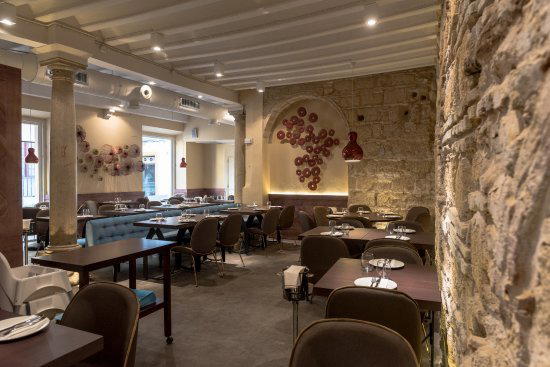
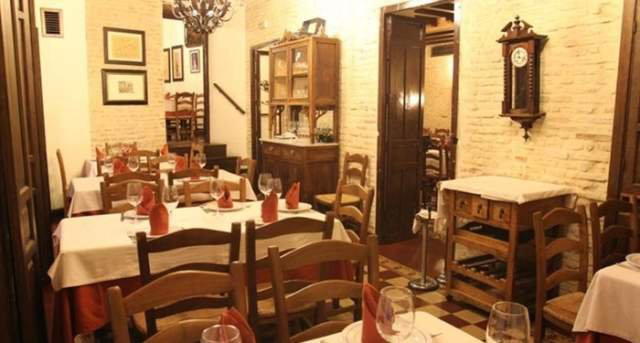
Restaurants in Jerez de la Frontera
Browse all →
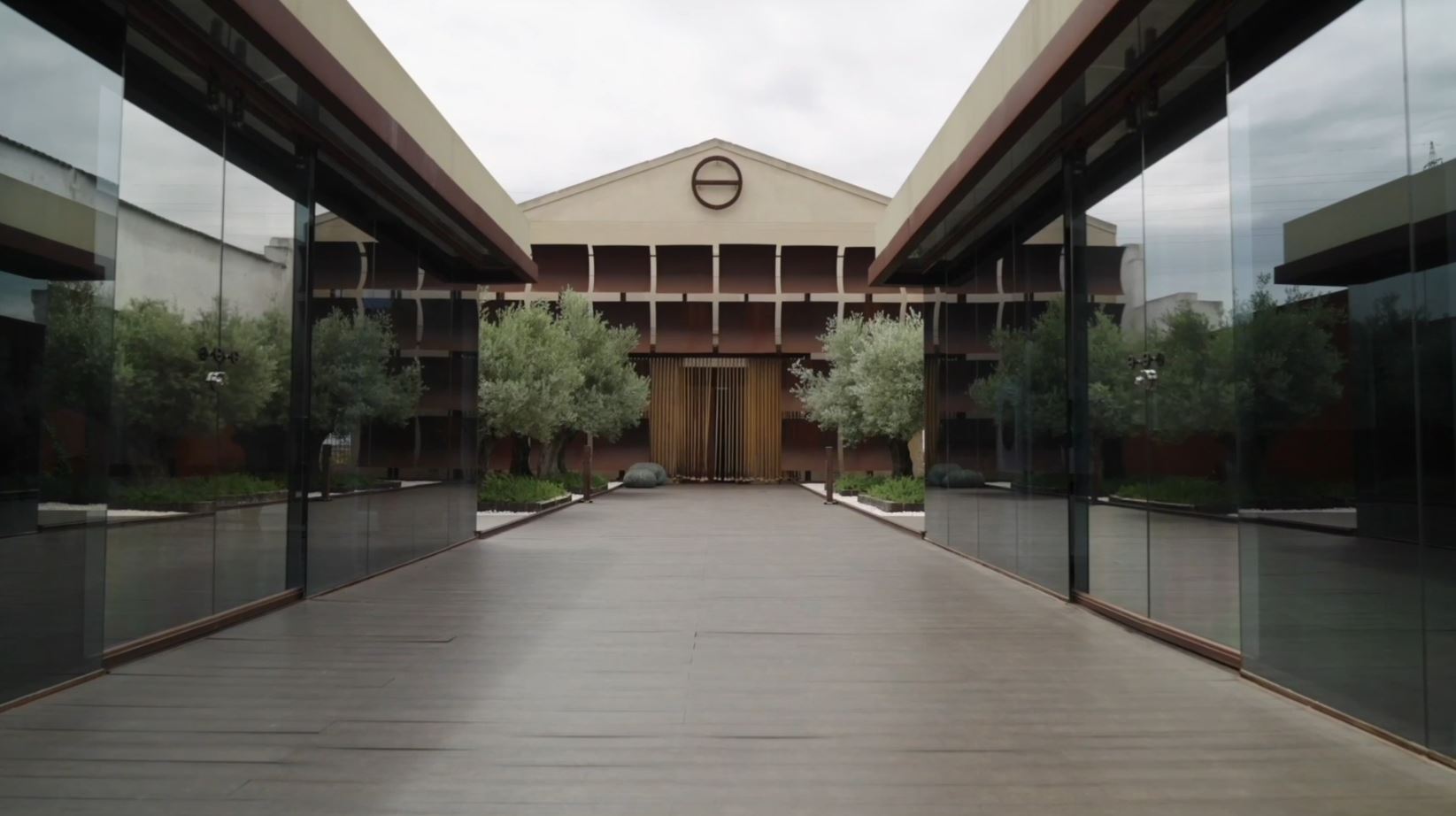
Bars in Jerez de la Frontera
Browse all →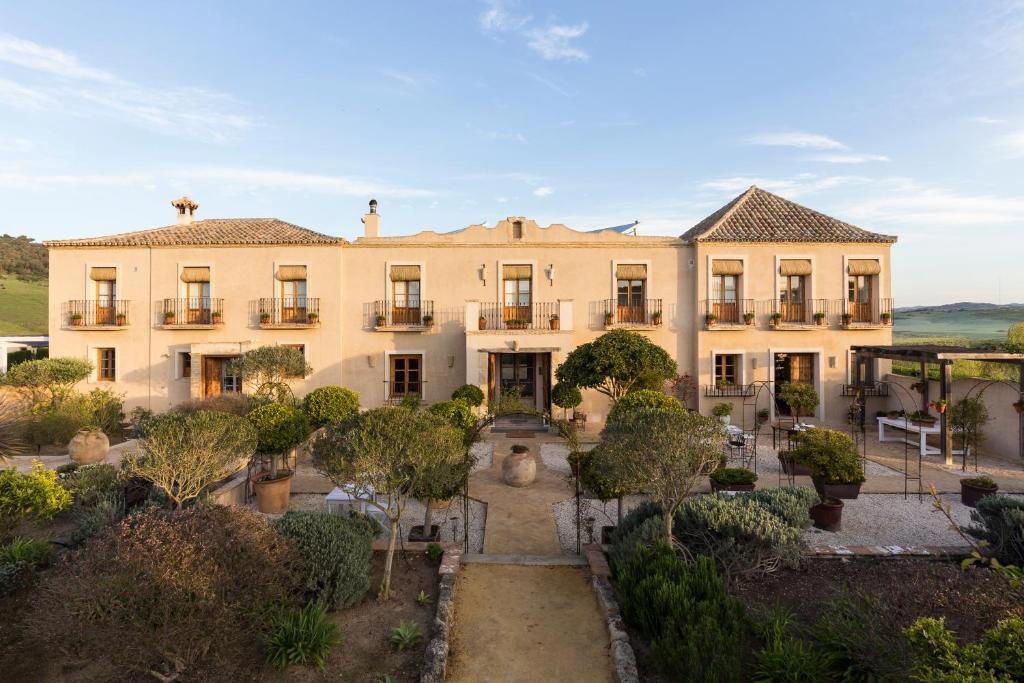
Hotels in Jerez de la Frontera
Browse all →
At a Glance
- Intimate
- Elegant
- Sophisticated
- Modern
- Date Night
- Special Occasion
- Celebration
- Open Kitchen
- Chefs Counter
- Sommelier Led
- Local Sourcing
Current opening hours
- Monday
- Closed
- Tuesday
- 8:30–11:30 PM
- Wednesday
- 1:30–3:30 PM, 8:30–11:30 PM
- Thursday
- 1:30–3:30 PM, 8:30–11:30 PM
- Friday
- 1:30–3:30 PM, 8:30–11:30 PM
- Saturday
- 1:30–3:30 PM, 8:30–11:30 PM
- Sunday
- Closed
Hours can change for holidays and private events. Last verified .
Elegant and tasteful decor with an intimate, minimalist atmosphere designed for small groups; polished service with detailed explanations of each dish.