.png)
A family-run farm restaurant on Venice's mainland, Al Segnavento holds a Michelin Plate (2024 and 2025) and operates on a genuine zero-kilometre model: estate-raised duck, lamb, and pork move from the property's own land to the kitchen. Priced at €€€ with a more casual bistro nearby and guestrooms on-site, it offers a distinctly Venetian agricultural table largely unknown to visitors focused on the lagoon.
 Discover on Pearl
Pearl is the En Primeur Club membership app — saves, bookings, and concierge access live there. Same editors, same standards.
- Address
- Via Gatta, 76C, 30170 Venezia VE, Italy
- Phone
- +39 041 502 0075
- Website
- fhvenezia.it
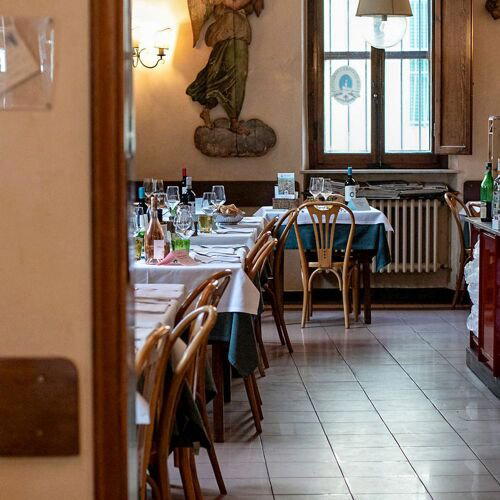
Where the Farm Ends and the Table Begins
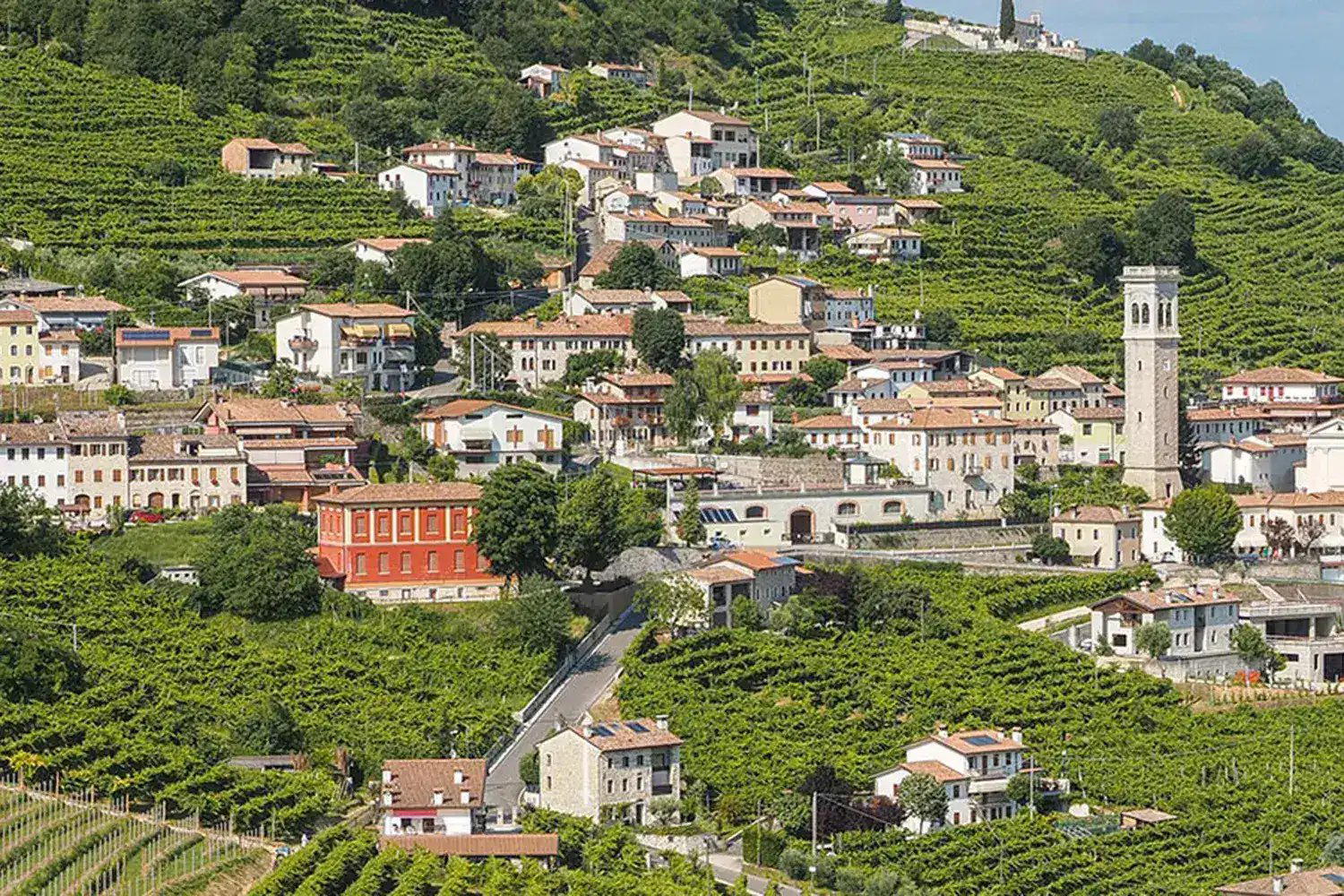
The road into Zelarino from Venice's western edge carries none of the drama of a canal crossing, but that plainness is precisely the point. This is the terraferma, the mainland that most visitors skip entirely in their rush toward the lagoon. What the area offers instead is agricultural proximity: flat land, small holdings, and a foodways tradition that predates the restaurant industry's current enthusiasm for provenance by several generations. Al Segnavento, on Via Gatta in this quiet commune of the Venetian metropolitan area, operates within that tradition.
The setting announces its priorities before the first dish arrives. A working farm operation underpins the kitchen, meaning the distance between soil and plate is, in many cases, measurable in steps rather than kilometres. Fruit, vegetables, mutton, lamb, pork, and a locally prized duck breed all come from the estate's own production. Zero-kilometre cooking, a term that gets used loosely elsewhere in Italy, applies here in its most literal form. That discipline shapes everything about the menu's character: seasonal availability governs what appears, and the kitchen's job is to present rather than transform.
The Zero-Kilometre Argument, Made Concrete
Italy has a complicated relationship with farm-to-table rhetoric. At the three-Michelin-star tier, venues like Atelier Moessmer Norbert Niederkofler in Brunico, Dal Pescatore in Runate, or Le Calandre in Rubano, sourcing integrity is layered into multi-course tasting menus priced at €€€€ and built around a chef's interpretive vision. The argument is philosophical and technical simultaneously. At Al Segnavento, operating at the €€€ price range, the same family that grows the food serves the food, and the menu reflects what that farm produces at any given moment.
That family-run structure is not incidental to the experience, it is the mechanism through which the sourcing commitment becomes credible. When the operation controlling the kitchen also controls the land, the supply chain collapses into something resembling a household logic. The result, in practice, is a Venetian table that reads as genuinely seasonal rather than seasonally themed.
For context, it sits in a different bracket from the €€€€ destination restaurants that draw international itineraries, places like Osteria Francescana in Modena, Enoteca Pinchiorri in Florence, or Enrico Bartolini in Milan. The comparable set here is closer to regionally rooted trattorias with serious kitchen ambition, venues like Casa Perbellini 12 Apostoli in Verona or, further afield, Uliassi in Senigallia, where the recognition signals consistent quality without repositioning the restaurant as a destination venue.
Venetian Cuisine on Its Own Terms
The Veneto's culinary tradition is often reduced to cicchetti and seafood risotto for external audiences, but the region's agricultural interior tells a different story. Mainland Venetian cooking has always relied on the smallholder economy: duck raised in the wetland margins, lamb from upland flocks, pork products from family operations that have run continuously for generations. Al Segnavento's menu operates within that tradition, drawing on the same animal breeds and cultivation practices that defined the region's kitchen before restaurant culture imposed standardisation.
The duck, in particular, carries weight here. Specific duck breeds tied to the Venetian lagoon and its surrounding wetlands have a documented culinary history in this region, and sourcing from an estate-raised example rather than a commodity supply chain changes the product meaningfully. Similar logic applies to the mutton and lamb, animals finished on estate pasture rather than sourced through wholesale channels produce a different result on the plate, in fat composition, in texture, and in how the meat responds to slow cooking methods that Venetian tradition favours.
For those interested in how Venetian cuisine translates to other contexts, it is worth noting the divergent approaches taken at La Caravella on the Amalfi Coast and March in Houston, both of which engage with Venetian culinary reference points from very different geographic and conceptual positions. The comparison sharpens what Al Segnavento is doing: not interpretation, but continuation.
Two Formats, One Operation
The restaurant offers two modes of engagement. The main dining room operates at the formal end of the €€€ register, with the full farm-driven menu and the kitchen's complete range. A separate, more informal bistro nearby, part of the same operation, offers simpler fare and wine by the carafe for those who want proximity to the same sourcing story without the formality. That dual-format structure is common in Italian agriturismo operations but less common among Michelin-recognised restaurants, and it signals something about the venue's priorities: serving the community that lives here, not just the visitors who arrive with itineraries.
The availability of guestrooms adds a further dimension. Staying on-site changes the rhythm of the visit, with early mornings on the property and a meal paced without the logistics of a return trip to Venice.
Planning a Visit
Al Segnavento sits in Zelarino, a short drive from central Venice, practical by car, less so without one. The €€€ pricing places it at a level appropriate for a deliberate dinner rather than a casual stop, and the Michelin Plate recognition in consecutive years (2024 and 2025) provides a stable quality signal for first-time visitors. Google review data shows a 4.2 rating across 495 reviews, which, for a family-run farm restaurant operating outside Venice's tourist circuit, reflects a broad local base rather than a transient visitor one.
For those building a wider northeastern Italian itinerary that engages with serious cooking at varying price points, other Veneto-adjacent reference points worth considering include Piazza Duomo in Alba, Quattro Passi in Marina del Cantone, and Reale in Castel di Sangro, each operating at the €€€€ tier with distinct regional anchors but sharing the commitment to sourcing as a primary editorial statement.
Side-by-Side Snapshot
Comparable venues nearby, for context on price, style, and recognition.
| Venue | Cuisine | Price | Awards | Notes |
|---|---|---|---|---|
| Al SegnaventoThis venue — the venue you are viewing | Venetian Farm-to-Fork | $$$ | Michelin Plate | |
| Ai Gondolieri | Traditional Venetian Meat-Focused | $$$ | Michelin Plate | Dorsoduro |
| Da Guido | Italian Seafood | $$$ | Michelin Plate | Jesolo |
| Menegaldo | Traditional Italian Seafood | $$$ | Michelin Plate | Monastier di Treviso |
| Chat Qui Rit | Modern Lagoon Fusion Italian | $$$ | Michelin Plate | San Marco |
| Il Credenziere | Italian Seafood with Puglian Influences | $$$ | Michelin Plate | Annone Veneto |
Continue exploring
More in Zelarino
Restaurants in Zelarino
Browse all →
Bars in Zelarino
Browse all →
Hotels in Zelarino
Browse all →

At a Glance
- Elegant
- Rustic
- Cozy
- Scenic
- Date Night
- Special Occasion
- Group Dining
- Garden
- Extensive Wine List
- Farm To Table
- Local Sourcing
- Garden
Refined and elegant atmosphere in a charming farmhouse with bright, sparkling interiors and peaceful countryside surroundings.