Al Pozzo

Al Pozzo brings an almost dogmatic focus on seafood to the Veneto hills, earning consecutive Michelin Plate recognition in 2024 and 2025. The kitchen works across three distinct techniques: raw preparations, extended fish ageing for intensified flavour and crispy skin, and grilling.7 across 370 reviews confirms the consistency that underpins its reputation in this landlocked setting.
Pearl is the En Primeur Club membership app — saves, bookings, and concierge access live there. Same editors, same standards.
- Address
- Via Chiesa, 10, 36064 Colceresa VI, Italy
- Phone
- +39 0424 411816
- Website
- alpozzoilristorante.it
- Directions
- Get directions
 Saves & bookings on Pearl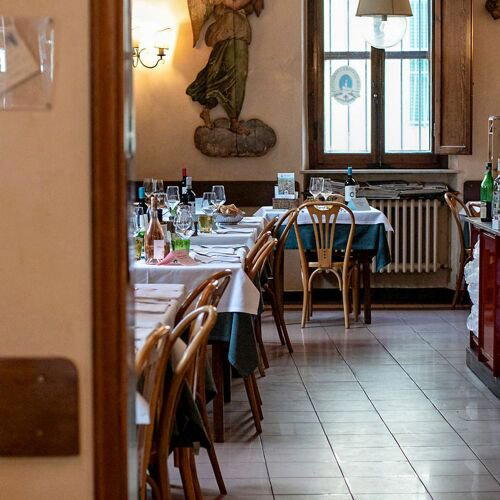
Seafood in the Veneto Interior: Why Distance from the Coast Changes the Equation
There is a particular kind of ambition required to run a serious seafood restaurant in the Veneto hills. Mason Vicentino sits well inland, far from the Adriatic ports that supply Venice and the coastal trattorias of the Adriatic littoral. At this distance, sourcing is not a passive act. Every fish on the pass has been selected, transported, and handled with a degree of deliberate care that coastal kitchens can afford to take for granted. Al Pozzo, on Via Chiesa in Colceresa, has built its entire identity around that constraint, and the result is a programme that treats the inland location not as a limitation but as a forcing function for rigour.
7 across 385 reviews suggests that standard holds across the full dining room, not just on a chef's leading days. For context within the Veneto and northeast Italy, that places Al Pozzo in a different tier and format from the region's starred heavyweights: Le Calandre in Rubano operates at the three-Michelin-star level with a progressive Italian and creative remit, while Casa Perbellini 12 Apostoli in Verona brings a similarly refined framework to a city audience. Al Pozzo is neither of those things. It is a specialist house with a narrow, coherent focus, priced at the €€€ level and earning its recognition through depth of commitment to a single discipline rather than breadth of culinary ambition.
Three Techniques, One Thesis
The kitchen at the restaurant works from three structural pillars, each of which reflects a specific position on how fish flavour is leading expressed. The first is an extensive raw programme. Raw fish preparation at this level of seriousness demands that ingredient quality be beyond discussion, because there is nothing else in the dish to compensate for sourcing shortfalls. The breadth of the raw menu here is a statement about supply chain confidence as much as it is about culinary preference.
The second pillar is where the kitchen makes its most distinctive technical argument: ageing. The practice of ageing fish, widely adopted in Nordic and Japanese kitchens over the past decade, remains far less common in Italian seafood restaurants, which have historically favoured immediacy, the idea that the freshest fish is the fish eaten closest to the catch. Ageing works against that instinct deliberately, allowing enzymatic processes to develop flavour complexity and alter texture in ways that immediate preparation cannot achieve. The specific outcome noted in the kitchen's approach is a skin that becomes pleasantly crispy during cooking, a result that depends on controlled moisture loss during the rest period. This is a technique-forward position, and it differentiates the restaurant from the broad category of Italian seafood restaurants that define quality purely through proximity to the sea.
Third pillar, grilling, works in concert with the ageing programme. Aged fish responds differently to high heat than fresh fish, and the combination of the two techniques creates a specific textural and flavour profile that is harder to achieve with either approach alone. Across the Italian seafood spectrum, from Uliassi in Senigallia on the Adriatic to Quattro Passi in Marina del Cantone on the Tyrrhenian coast, the dominant mode remains creative elaboration of coastal product. The restaurant's commitment to ageing and the grill places it in a smaller, more technical sub-category.
The Sourcing Imperative in a Landlocked Setting
Italy's leading seafood tables cluster near water for obvious logistical reasons. Alici on the Amalfi Coast and Gambero Rosso in Marina di Gioiosa Ionica operate in environments where the sea is part of the context, where the product and the setting reinforce each other. Inland seafood restaurants of serious ambition exist throughout Italy, but they face a structural challenge that their coastal counterparts do not: the sourcing story cannot be told through geography alone. It has to be told through process, through the visible evidence of how the kitchen handles what it receives.
At the restaurant, the ageing programme is that evidence. Committing to an ageing protocol for a fish-only kitchen in the Veneto interior requires a supply chain built around consistent quality rather than volume. Fish that is going to be aged must arrive in better condition than fish destined for immediate service, because any compromise in initial quality is amplified rather than masked by the rest period. The decision to age is, therefore, a sourcing commitment as much as a technical one. It is the inland restaurant's answer to the question of how it justifies its seafood credentials, and it is a more specific and verifiable answer than proximity to the coast could ever provide.
Where Al Pozzo Sits in the Broader Italian Seafood Context
Italian fine dining has a well-documented stratification at the leading end, with three-Michelin-star houses like Dal Pescatore in Runate, Osteria Francescana in Modena, Enoteca Pinchiorri in Florence, Enrico Bartolini in Milan, Piazza Duomo in Alba, Reale in Castel di Sangro, and Atelier Moessmer Norbert Niederkofler in Brunico representing different regional expressions of Italian culinary ambition at the highest tier. The restaurant does not operate in that bracket. Its Michelin Plate recognition positions it as a kitchen the Guide considers worth knowing about: technically serious, consistent, but not yet at the starred level.
Within its own category, a focused seafood specialist at the €€€ price point in an inland Veneto town, it competes on terms that are largely its own. The comparable set is not the coastal starred houses but rather the broader category of serious regional Italian seafood restaurants that prioritise technique and sourcing discipline over setting and prestige address.
Planning Your Visit
The restaurant is located at Via Chiesa 10 in Colceresa, part of the municipality of Mason Vicentino in the Vicenza province. The address places it in a quiet hill town context, which reinforces the inland-seafood dynamic that defines the restaurant's identity. Given the €€€ price range and the kitchen's technical focus, this is a considered destination rather than a casual stop, and booking ahead is advisable.
How It Stacks Up
Comparable venues nearby, for context on price, style, and recognition.
| Venue | Cuisine | Price | Awards | Notes |
|---|---|---|---|---|
| Al PozzoThis venue — the venue you are viewing | Modern Italian Seafood | $$$ | Michelin Plate | Not listed |
| Osteria della Tana | Traditional Veneto Trattoria | $$$ | Michelin Plate | Asiago |
| Bàcaro Il Gusto | Modern Venetian Seafood Bàcaro | $$$ | Michelin Plate | Fosso |
| Ansitz Romani | Regional South Tyrolean Cuisine | $$$ | Michelin Plate | Termeno sulla Strada del Vino |
| Marechiaro | Italian Seafood & Pizza | $$$ | Michelin Plate | Centro |
| Al Camin | Modern Italian Alpine | $$$ | Michelin Plate | Località Alverà |
Recognition history
Dated appearances from independent guides and award organizations, with the underlying list record or original source where available.
Michelin Plate
Michelin
Michelin Plate
Michelin
Michelin Plate
Michelin
Continue exploring
More in Mason Vicentino
Restaurants in Mason Vicentino
Browse all →
Bars in Mason Vicentino
Browse all →
Hotels in Mason Vicentino
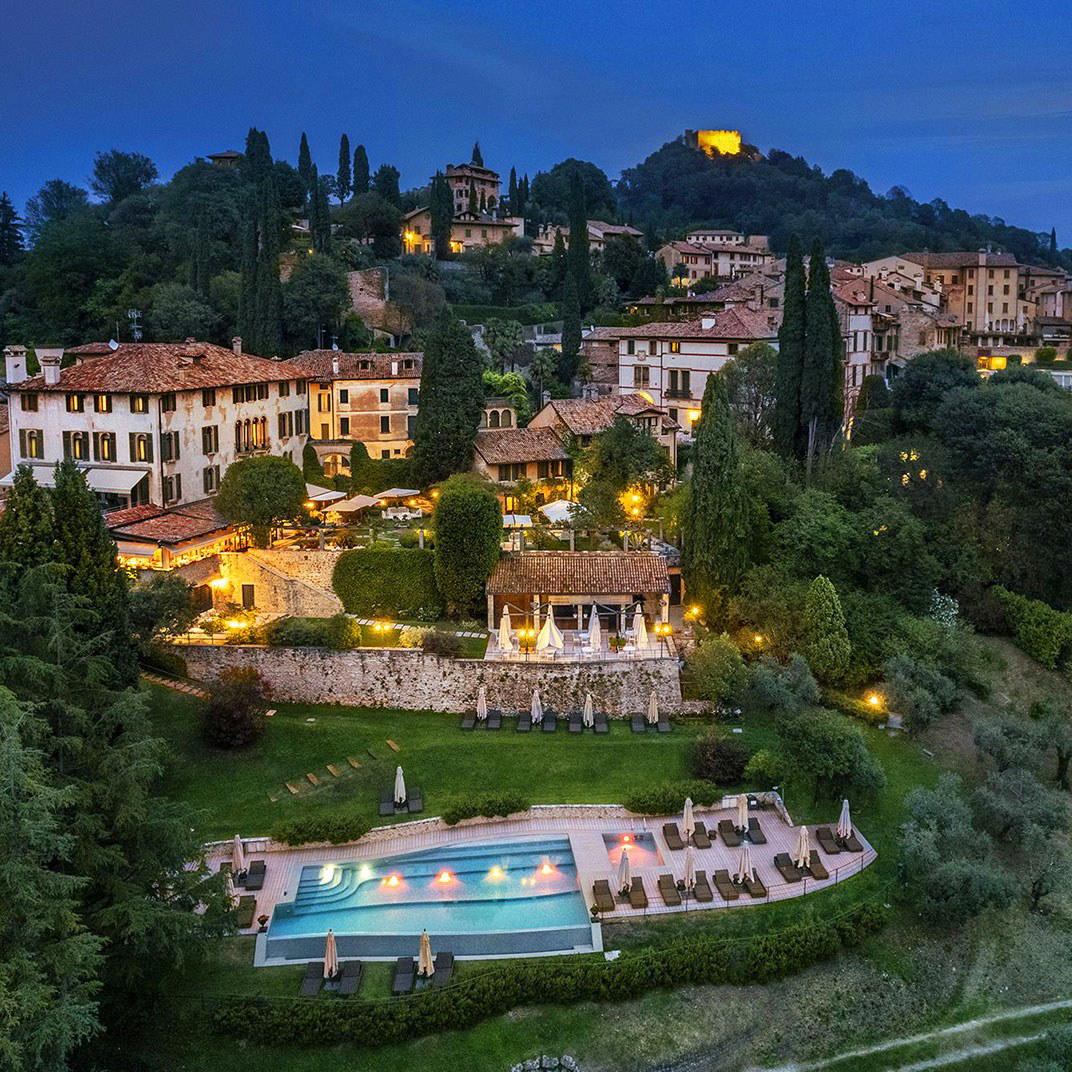
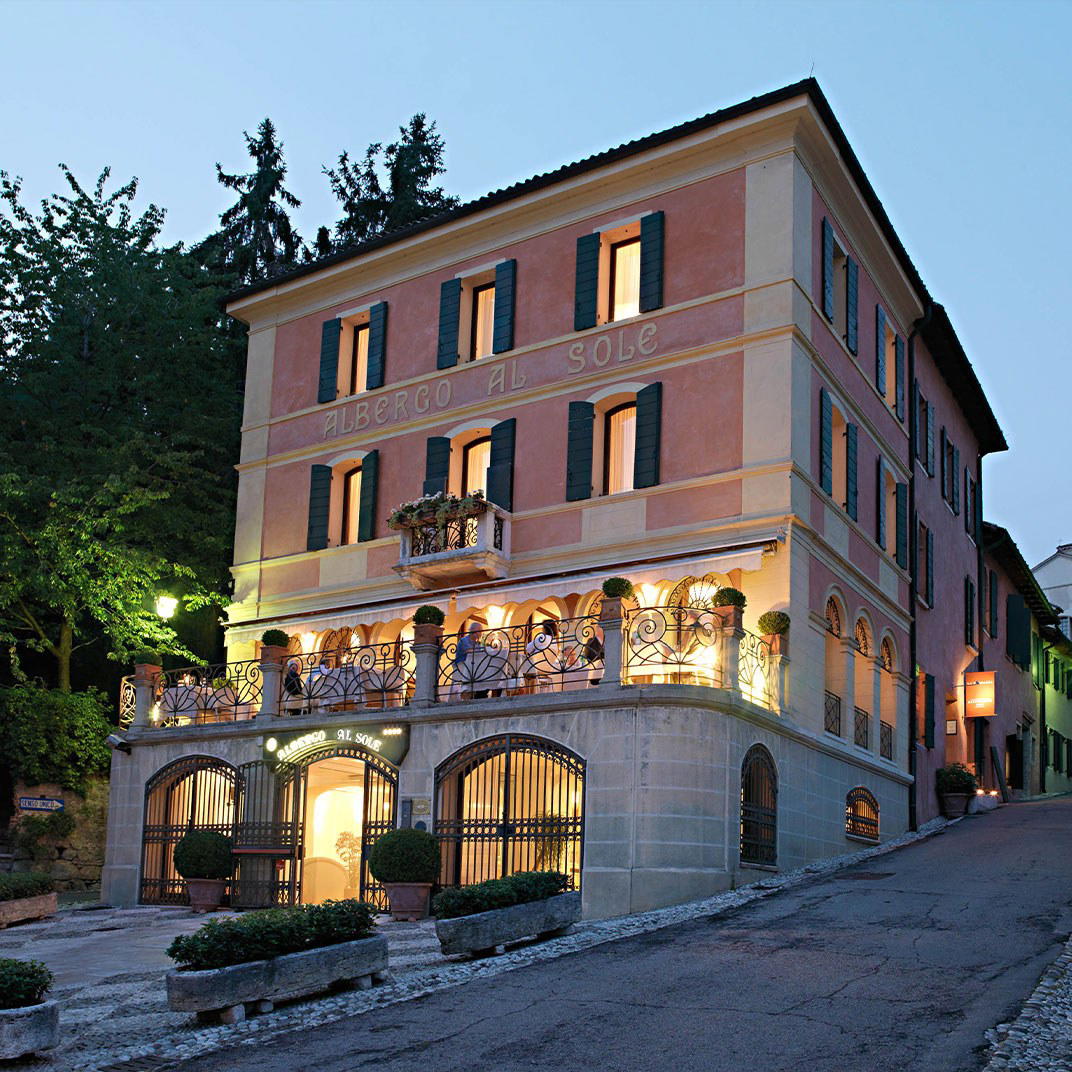
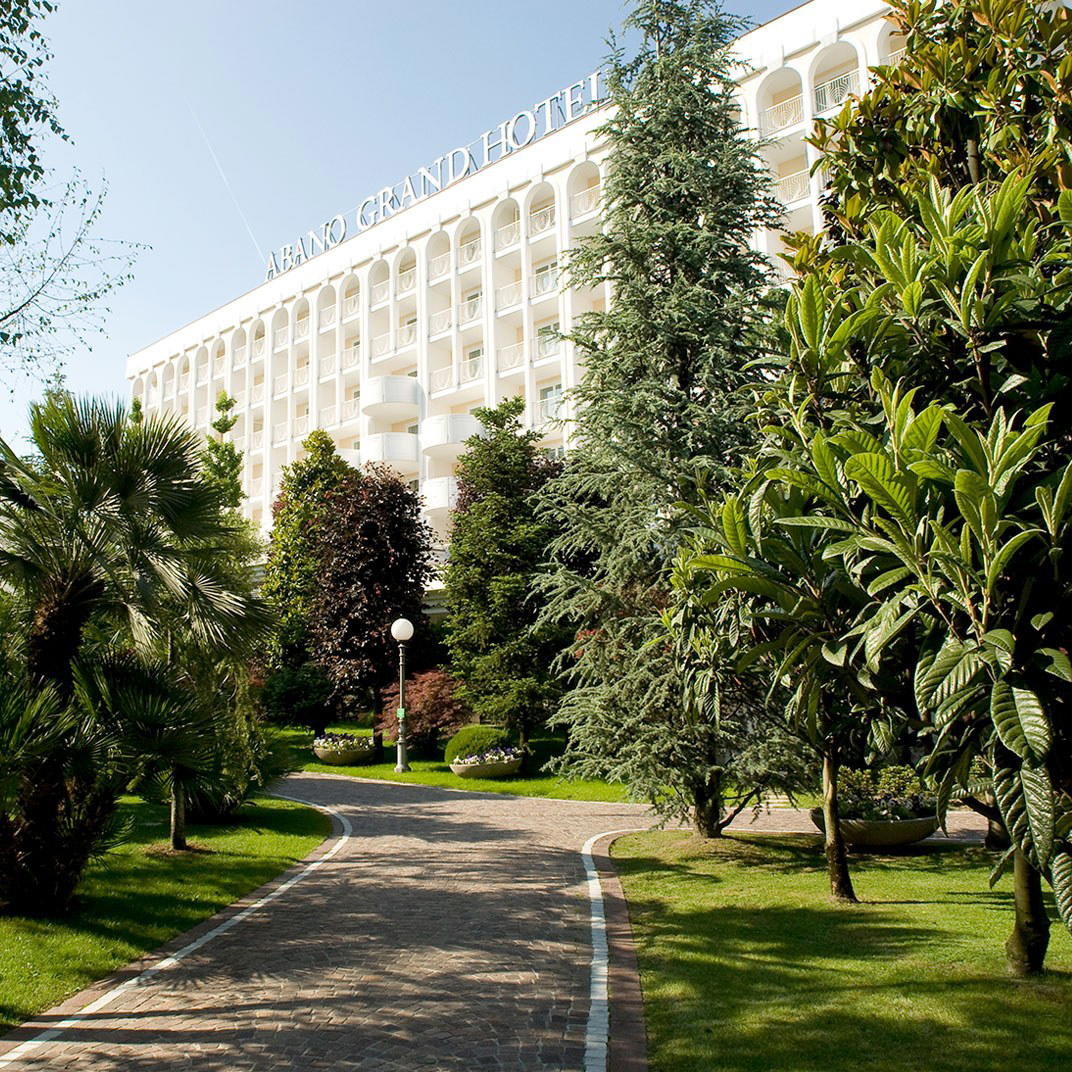
Browse all →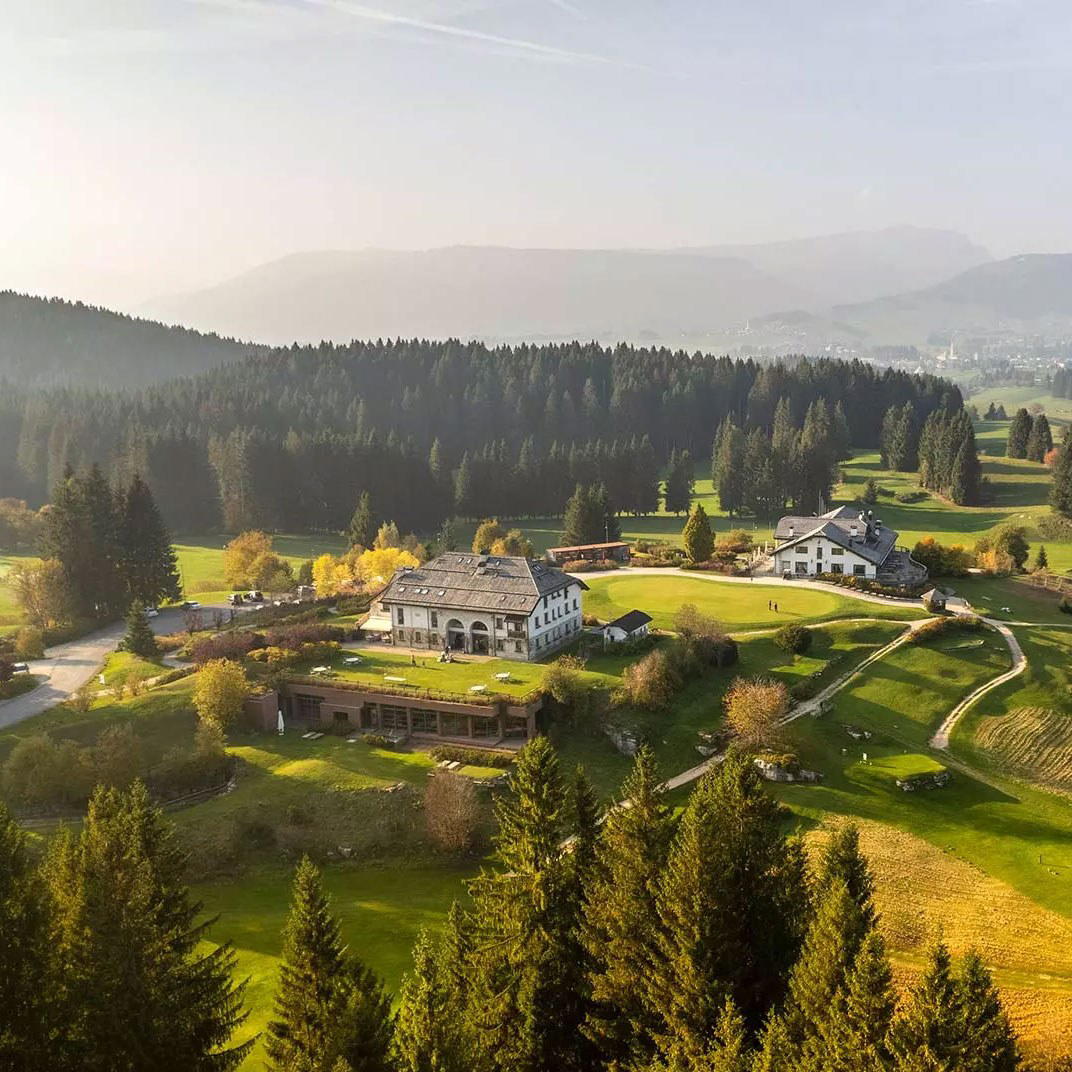

At a Glance
- Elegant
- Cozy
- Intimate
- Date Night
- Special Occasion
- Business Dinner
- Open Kitchen
- Extensive Wine List
Current opening hours
- Monday
- 8 PM–12 AM
- Tuesday
- Closed
- Wednesday
- Closed
- Thursday
- 8 PM–12 AM
- Friday
- 8 PM–12 AM
- Saturday
- 12:30–2:30 PM, 8 PM–12 AM
- Sunday
- 12:30–2:30 PM, 8 PM–12 AM
Hours can change for holidays and private events. Last verified .
Cozy and refined environment with precise service and an elegant, collective atmosphere.