al di là Trattoria
Al di là Trattoria has anchored the Park Slope dining scene at 248 Fifth Avenue since 1998, earning a durable reputation as one of Brooklyn's most consistent Italian kitchens. The trattoria format, rooted in northern Italian tradition, draws a neighbourhood crowd alongside diners crossing the bridge specifically for the handmade pasta and measured wine list. For Italian dining in Brooklyn, it remains a reliable reference point.
Pearl is the En Primeur Club membership app — saves, bookings, and concierge access live there. Same editors, same standards.
- Address
- 248 5th Ave, Brooklyn, NY 11215
- Phone
- +1 718 783 4565
- Website
- aldilatrattoria.com
- Directions
- Get directions
 Saves & bookings on Pearl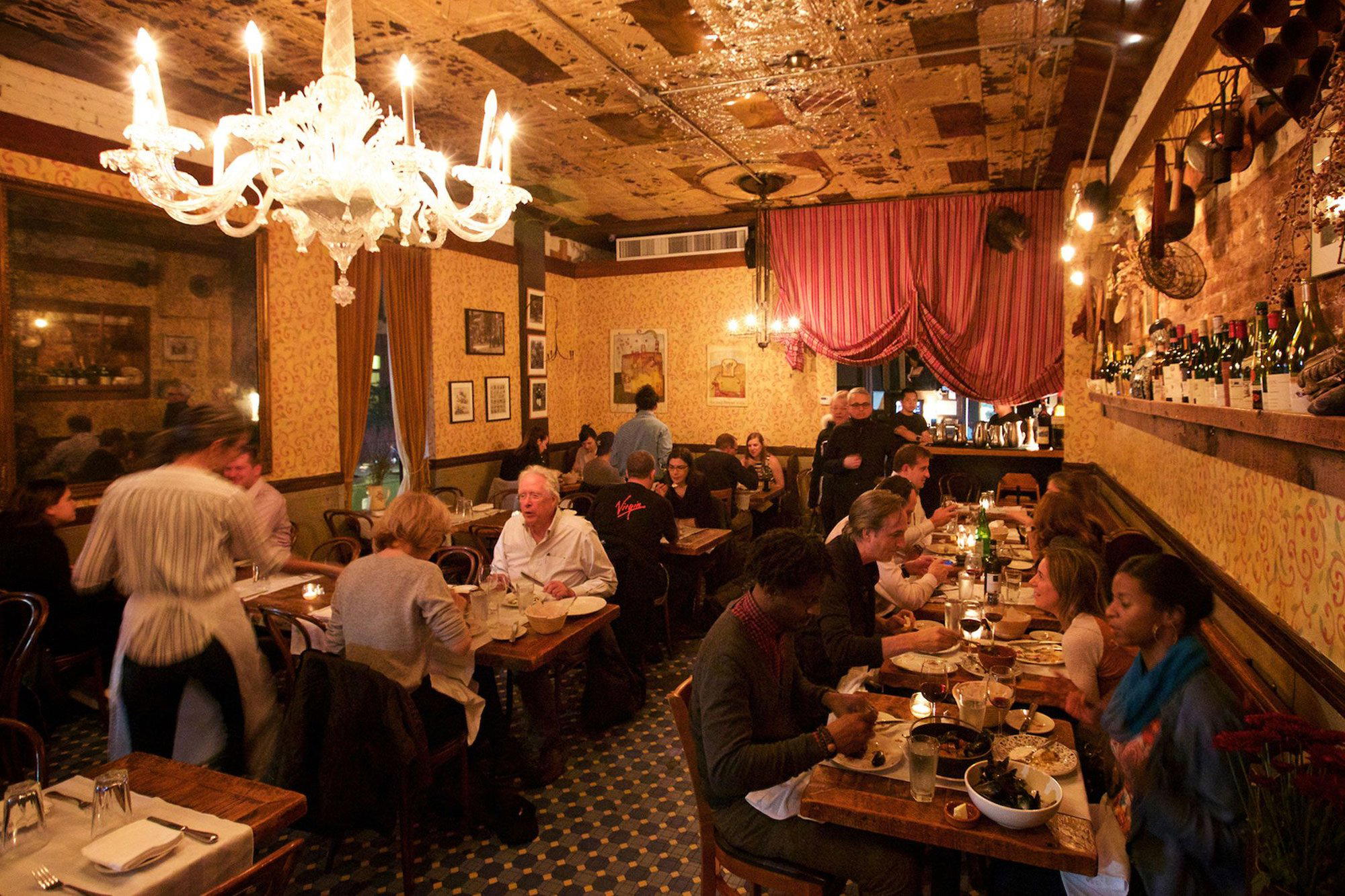
A Brooklyn Institution in the Italian Trattoria Tradition
When al di là Trattoria opened on Fifth Avenue in Park Slope in 1998, Brooklyn's restaurant scene was a fraction of what it has since become. The neighbourhood had working-class Italian roots, a handful of serious wine bars, and little of the culinary infrastructure that would define it two decades later. Al di là arrived early, planted a flag for northern Italian cooking done without shortcuts, and has remained at that address ever since. In a borough where restaurant tenures are increasingly measured in months, twenty-five-plus years in the same room on the same block is its own form of credential.
The trattoria format itself carries meaning worth unpacking. In Italy, a trattoria sits below the ristorante in formality but above the osteria in ambition, traditionally defined by a short, handwritten menu, a wine list that skews regional, and cooking that prioritises technique over theatrics. That framework shapes the entire experience at al di là: the menu moves with the seasons, portions are generous without being excessive, and the room is designed for conversation rather than spectacle. Compared to the tasting-menu counters and omakase formats that dominate coverage at the summit end of New York dining, places like Le Bernardin, Atomix, or Per Se, al di là operates in a deliberately different register. The goal here is the well-executed weeknight dinner, the kind that becomes a habit rather than an occasion.
Northern Italian Cooking and the Logic of Restraint
Italian regional cooking remains one of the more misunderstood traditions in American dining. The popular imagination still defaults to red-sauce southern Italian, the grammar of Manhattan's old-school Italian-American restaurants. Al di là's cooking draws instead from the north: Veneto, Emilia-Romagna, Friuli. These are cuisines built around butter as often as olive oil, braised meats, hand-rolled pasta with egg, and wines that lean toward structure over fruit. That regional specificity is not incidental to what al di là does; it is the entire premise.
The sustainability dimension of this cooking tradition is worth considering. Northern Italian cuisine, at its most traditional, was never about abundance for its own sake. It was about using all of what you had: braising tougher cuts, folding offal into ragù, extending pasta dough further with technique rather than throwing expensive proteins at every plate. That philosophy maps neatly onto what the broader restaurant industry now calls nose-to-tail or root-to-stem cooking. Restaurants built around this logic, including Blue Hill at Stone Barns in Tarrytown, Smyth in Chicago, and Single Thread Farm in Healdsburg, have made that ethos the explicit centre of their identity. At al di là, it has simply always been the way things are done, embedded in the tradition rather than announced as a programme.
The practical expression of this is a menu that does not pad itself with premium ingredients for the sake of price-point signalling. Handmade pasta, seasonal vegetables, carefully sourced proteins: these are the levers. When the kitchen uses rabbit or lamb or organ meats, it is because those ingredients belong to the regional canon, not because they represent luxury. It is a usefully different orientation from kitchens where ingredient prestige drives the menu architecture.
Park Slope and the Neighbourhood Context
Fifth Avenue in Park Slope is a different dining corridor from Smith Street, Atlantic Avenue, or the more media-saturated blocks of Williamsburg and Greenpoint. It is quieter, more residential, and built around a regular clientele rather than destination traffic. That suits al di là. The restaurant has never seemed particularly interested in the press cycle that keeps newer Brooklyn openings in rotation. Its longevity is the product of a steady neighbourhood relationship, not a sustained marketing effort.
For visitors arriving from Manhattan, the logistics are manageable. The F and G trains stop at Fourth Avenue/Ninth Street, a short walk from 248 Fifth Avenue. The R train at Union Street is another option. The neighbourhood rewards arriving early enough to walk: the Prospect Park entrance at Grand Army Plaza is fifteen minutes on foot, and the park itself is worth the detour before or after dinner, particularly in warmer months.
Park Slope's Italian-American history also provides context for why al di là landed where it did. The neighbourhood had enough existing familiarity with Italian food to receive the trattoria format without needing it explained, but enough culinary curiosity to appreciate the regional specificity that al di là brought. That combination is rarer than it sounds. Compare it to the challenge facing Frasca Food and Wine in Boulder, where Frasca has spent years educating a market on Friulian wine and food together, or to the Italian fine-dining tradition that places like Dal Pescatore in Runate and Atelier Moessmer Norbert Niederkofler in Brunico represent in their home regions. Al di là sits at a different point on the formality spectrum, but it draws from the same well of regional integrity.
Where Al Di Là Sits in New York's Italian Dining Picture
New York's Italian restaurant tier runs from midtown red-sauce institutions to high-end white tablecloth rooms charging tasting-menu prices, with a growing cohort of neighbourhood-focused trattorias and osterie in between. Al di là belongs to that middle cohort, a category that has grown more competitive since the restaurant's founding as Brooklyn's food scene has matured. The competition now includes technically accomplished Italian kitchens across Carroll Gardens, Cobble Hill, and Williamsburg, all drawing on similar sourcing networks and similar regional references.
What keeps al di là relevant inside that competition is consistency over time. The restaurant has not chased trends or expanded into a group. It has stayed in one room and repeated the same set of commitments across twenty-five years. For diners interested in what that kind of institutional steadiness produces, it is the right data point. For those seeking the tasting-menu format or the kind of press-recognised prestige attached to Eleven Madison Park or Masa, the register is entirely different. Both things can be true: al di là is not trying to be those restaurants, and those restaurants are not trying to be al di là.
Know Before You Go
- Address: 248 Fifth Avenue, Park Slope, Brooklyn, NY 11215
- Nearest Transit: F/G to Fourth Ave/9th St; R to Union St
- Format: Trattoria; northern Italian; à la carte
- Booking: Contact the restaurant directly; walk-ins may be available at the bar depending on the evening
- Leading for: Neighbourhood dinners, pasta-focused Italian meals, mid-week dining without tasting-menu formality
- Price orientation: Mid-range by Brooklyn standards; substantially below Manhattan tasting-menu pricing
- Note: Phone and website details are not listed here.
Style and Standing
Comparable venues nearby, for context on price, style, and recognition.
| Venue | Cuisine | Price | Notes |
|---|---|---|---|
| al di là TrattoriaThis venue — the venue you are viewing | Northern Italian Trattoria (Veneto) | $$ | Not listed |
| Leo | Neapolitan-Style Pizza | $$ | Williamsburg |
| La Bella Vita | Authentic Italian | $$ | SoHo-Little Italy-Hudson Square |
| La Mela | Traditional Southern Italian | $$ | SoHo-Little Italy-Hudson Square |
| Lil' Frankie's | Neapolitan Pizza and Pasta | $$ | East Village |
| Pizza Studio Tamaki | Tokyo-Style Neapolitan Pizza | $$ | East Village |
Continue exploring
More in New York City
Restaurants in New York City
Browse all →
Bars in New York City
Browse all →
Hotels in New York City
Browse all →






At a Glance
- Rustic
- Cozy
- Intimate
- Classic
- Date Night
- Special Occasion
- Casual Hangout
- Standalone
- Extensive Wine List
Current opening hours
- Monday
- 5–9:30 PM
- Tuesday
- 5–9:30 PM
- Wednesday
- 5–9:30 PM
- Thursday
- 5–9:30 PM
- Friday
- 5–10 PM
- Saturday
- 5–10 PM
- Sunday
- Closed
Hours can change for holidays and private events. Last verified .
Warm, rustic atmosphere with wooden tables, soft lighting, mismatched chairs, and an inviting, old-world Italian trattoria feel.