Al Bachero
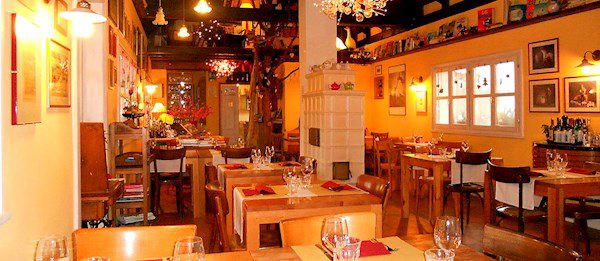
Al Bachero occupies a quiet address on Via Pilacorte in Spilimbergo, a small Friulian town better known for its mosaic school than its restaurant scene. The kitchen draws on the agricultural and foraging traditions of the Friuli-Venezia Giulia region, where the interplay between alpine and Adriatic influences shapes what ends up on the plate. It is a local address that rewards visitors willing to look beyond the obvious circuits.
Pearl is the En Primeur Club membership app — saves, bookings, and concierge access live there. Same editors, same standards.
- Address
- Via Pilacorte, 5, 33097 Spilimbergo PN, Italy
- Phone
- +39394272317
- Website
- osteriabachero.com
- Directions
- Get directions
 Saves & bookings on Pearl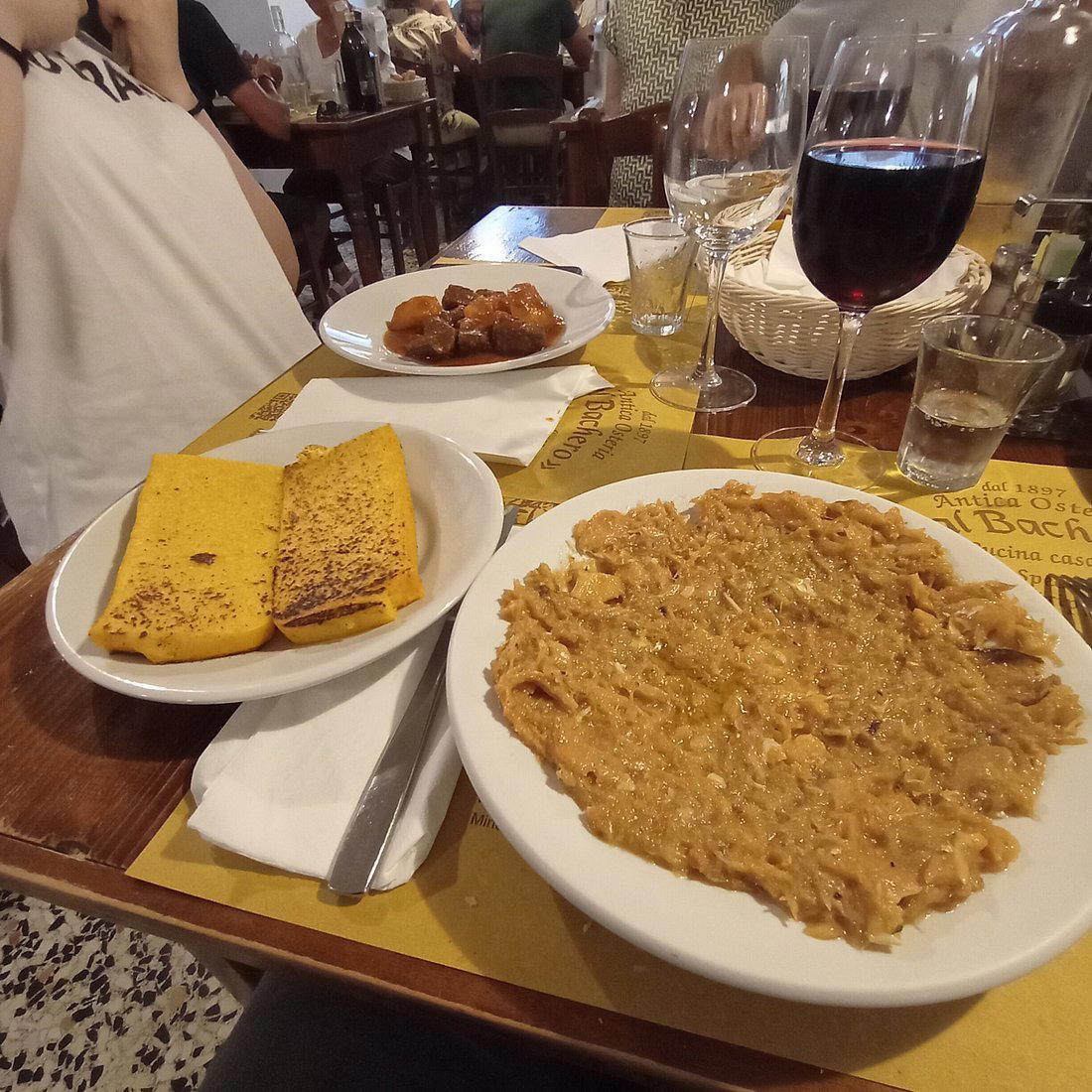
Friuli's Larder: Why Spilimbergo's Dining Scene Rewards Attention
The Friuli-Venezia Giulia region occupies a corner of northeastern Italy that most international visitors pass through rather than stop in. Wedged between the Dolomites, the Slovenian border, and the upper Adriatic, it draws from three distinct culinary traditions simultaneously: the cured meats and grain-based dishes of the inland foothills, the river fish and freshwater culture of the Tagliamento valley, and the brinier, more assertive flavors that come in from the coast. Spilimbergo sits roughly in the middle of this triangle, a medieval town of 12,000 people whose reputation rests mainly on the Scuola Mosaicisti del Friuli, one of Europe's few remaining professional mosaic training schools. The restaurant scene is proportionally modest, but that modesty is part of the point: what kitchens here serve tends to reflect actual regional supply chains rather than the curated-for-tourists menus that flatten regional cooking elsewhere in Italy.
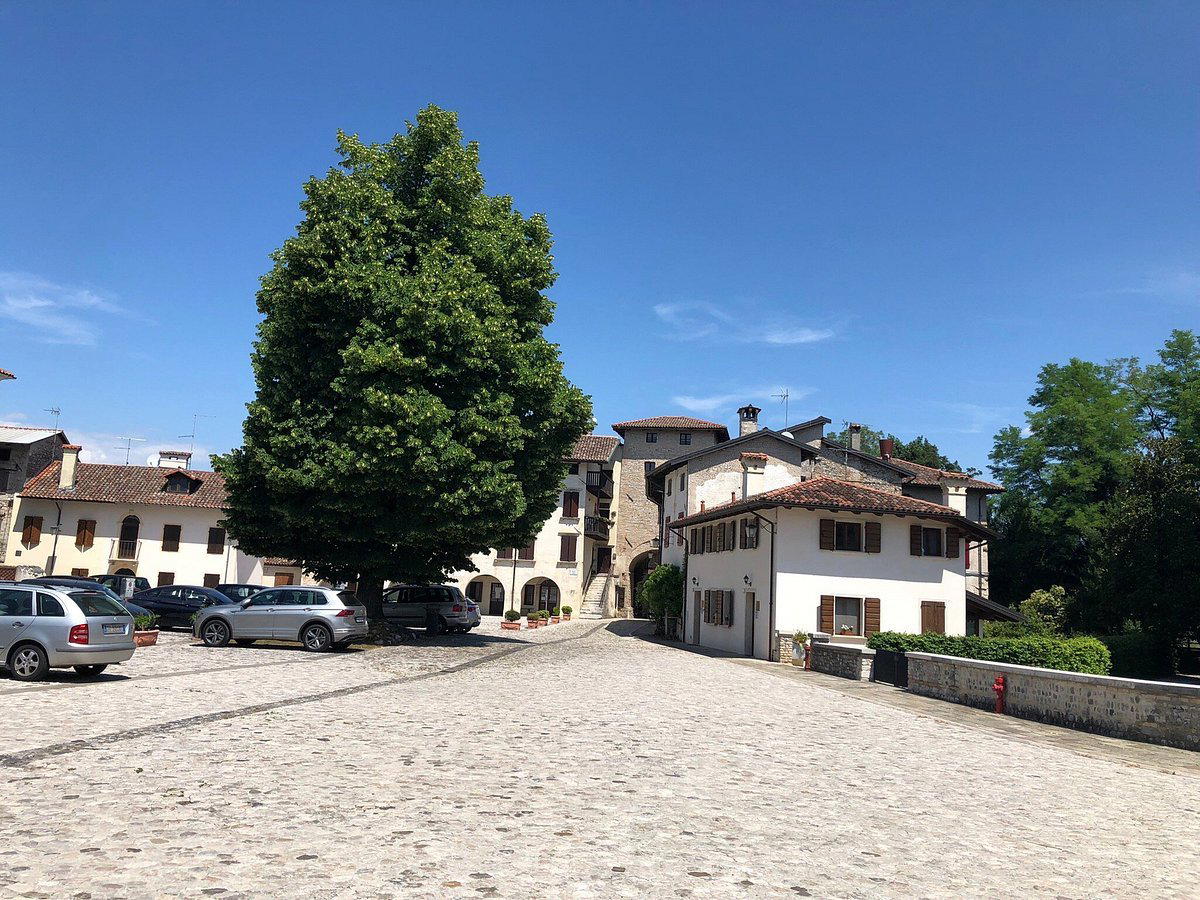
Al Bachero, addressed at Via Pilacorte 5, operates within this context. The street sits in the older core of town, where the architecture still reads as a functioning Friulian market settlement rather than a stage set. Arriving on foot from the central piazza, the scale shifts quickly from open square to narrow stone, the kind of transition that signals you are in a place that has not been significantly remodeled for visitor consumption. That physical character tends to attract kitchens that cook for the town itself, which in Friuli means cooking close to the source.
The Ingredient Logic of the Tagliamento Valley
Friuli-Venezia Giulia has a sourcing identity that sets it apart from more celebrated Italian food regions. The Po Valley to the south is about volume and breadth; Tuscany and Emilia-Romagna have long since been codified into canon. Friuli operates differently, with a strong culture of small-farm specificity, seasonal foraging, and a tradition of using the whole animal or plant in ways that reflect the region's relatively recent prosperity. San Daniele prosciutto, aged in the dry alpine winds that funnel through the Tagliamento valley, is particularly globally exported proof of this terroir-specific production culture. Frico, the fried Montasio cheese and potato dish that serves as Friuli's closest equivalent to a regional calling card, depends entirely on the character of milk produced in this particular landscape.
Kitchens in Spilimbergo that cook honestly from this region work with a supply network that is geographically tight. The Tagliamento river, which runs close to the town, historically supplied trout and other freshwater fish. The surrounding hills yield mushrooms and herbs that shift with altitude and season. This is the sourcing context in which Al Bachero operates, and understanding it matters more than any individual menu item. A kitchen in this position either commits to that regional supply logic or defaults to a more generic northern Italian repertoire. The former produces something worth seeking out; the latter is indistinguishable from a hundred other provincial Italian restaurants.
For points of contrast at the higher end of Italian regional sourcing discipline, the approaches taken at Atelier Moessmer Norbert Niederkofler in Brunico and Reale in Castel di Sangro illustrate how seriously the leading Italian kitchens now treat proximity and seasonal discipline. Dal Pescatore in Runate and Uliassi in Senigallia show what long-standing regional commitment looks like when it reaches the level of international recognition. Al Bachero operates at a different scale and in a different register, but the underlying logic of cooking from a defined geography is consistent across all these addresses.
Situating Al Bachero in Spilimbergo's Dining Options
Spilimbergo is not a city with a layered restaurant scene. The addresses worth knowing are a short list, and each one occupies a distinct position. La Torre and Osteria da Afro represent the other named options in town for regional cuisine, and the differences between these places matter when you are choosing where to spend an evening. The restaurant's address on Via Pilacorte places it in a slightly quieter part of the old center, which tends to correlate with a more local clientele and a lower degree of tourist-facing formatting in the menu. Our full Spilimbergo restaurants guide covers the town's dining options with more comparative detail.
The broader Friuli-Venezia Giulia food circuit for a visitor willing to travel within the region includes the wine zone of Collio to the east, where producers such as those in the Oslavia area have made orange wines in a style that predates the trend's global popularity, and the coast around Grado and Trieste, where the Adriatic seafood culture overlaps with Austro-Hungarian culinary history. A day trip from Spilimbergo can reach either end of this spectrum, which means the town works well as a base for a more exploratory itinerary rather than as a standalone destination.
Planning a Visit
Spilimbergo is accessible by train from Udine, with the journey running under an hour on regional services. Driving from Udine takes roughly 40 minutes on the A28. The town is compact enough to move around on foot once you arrive, and Via Pilacorte is reachable within a few minutes of the central piazza. This is standard practice for smaller trattoria-scale addresses in provincial Friuli, where operations are often family-run and not consistently represented online. Visiting in autumn aligns with the regional mushroom and game season, which tends to represent one ingredient-driven period for kitchens cooking from local supply.
For context on how other Italian kitchens at different scales and price tiers have built their reputations, Piazza Duomo in Alba, Le Calandre in Rubano, Osteria Francescana in Modena, Enoteca Pinchiorri in Florence, Enrico Bartolini in Milan, Casa Perbellini 12 Apostoli in Verona, Da Vittorio in Brusaporto, Villa Crespi in Orta San Giulio, Quattro Passi in Marina del Cantone, Le Bernardin in New York City, and Lazy Bear in San Francisco each demonstrate how regional sourcing commitment and kitchen identity translate across different market contexts. The distance between those addresses and the restaurant is partly one of scale and recognition, but the underlying question each kitchen answers, about what the surrounding land and water actually produce and how to cook it honestly, is the same.
Comparable Venues
Comparable venues nearby, for context on price, style, and recognition.
| Venue | Cuisine | Price | Awards | Notes |
|---|---|---|---|---|
| Al BacheroThis venue — the venue you are viewing | Traditional Friulian Osteria | $$ | Not listed | Not listed |
| Osteria da Afro | Traditional Friulian Osteria | $$$ | Michelin Plate | historic centre |
| La Torre | Modern Friulian Fine Dining | $$$ | Bib Gourmand | Spilimbergo |
| F.lli Martina | Traditional Italian Trattoria | $$ | Not listed | Chiusaforte |
| Venchi Cioccogelateria | Italian Chocolate Gelateria | $$ | Not listed | San Marco |
| Croce del Sud | Neapolitan Pizza and Seafood | $$ | Not listed | Lignano Sabbiadoro |
Continue exploring
More in Spilimbergo
Restaurants in Spilimbergo
Browse all →
Bars in Spilimbergo
Browse all →
Hotels in Spilimbergo
Browse all →
At a Glance
- Rustic
- Cozy
- Classic
- Family
- Casual Hangout
- Group Dining
- Historic Building
- Extensive Wine List
- Local Sourcing
Current opening hours
- Monday
- 9:30 AM–2 PM
- Tuesday
- 9:30 AM–2 PM, 6–10 PM
- Wednesday
- 9:30 AM–2 PM, 6–10 PM
- Thursday
- 9:30 AM–2 PM, 6–10 PM
- Friday
- 9:30 AM–2 PM, 6–10 PM
- Saturday
- 9 AM–2 PM, 6–10 PM
- Sunday
- Closed
Hours can change for holidays and private events. Last verified .
Cozy tavern atmosphere with wooden furniture, central fireplace, and convivial rustic charm evoking authentic Friulian tradition.