Osteria da Afro

Michelin Plate
Our verdict
A Michelin Plate family osteria in the Friuli town of Spilimbergo, Osteria da Afro operates from two warm dining rooms with a fireplace and a blackboard menu of daily specials rooted in the regional traditions of Friuli-Venezia Giulia. At €€ pricing with a handful of guestrooms furnished in fir and cherry wood, it represents the kind of quietly serious cooking that rarely travels beyond its own postcode.

Pearl is the En Primeur Club membership app, where members save venues, book tables and use the concierge.
The menu
What to order
- Risotto ai funghi
- Gnocchi with wild boar sauce
Where Friuli Eats at Home
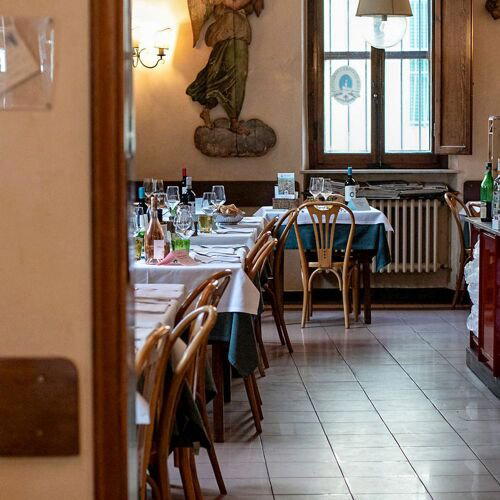
There is a particular kind of Italian restaurant that exists not to impress visitors but to feed a community the way it has always been fed. In Friuli-Venezia Giulia, that means heavy-bottomed soups, cured meats with serious provenance, and pasta shapes that don't appear on any menu outside a fifty-kilometre radius. Osteria da Afro, set along Via Umberto I a short walk from Spilimbergo's historic centre, belongs to that category. Two dining rooms, one with a fireplace, a blackboard of daily specials, and a family running the floor with the ease of long practice, this is what regional cuisine looks like when it hasn't been edited for an outside audience.
The Michelin Plate awarded in 2025 places Osteria da Afro inside a tier of Italian restaurants that inspectors recognise for kitchen quality without awarding stars. It is a meaningful signal in a country where the Plate category separates restaurants worth a detour from those that simply exist. In Spilimbergo's dining scene, that credential carries weight. See our full Spilimbergo restaurants guide for the broader picture of what the town offers.
The Culture Behind the Blackboard
Friuli-Venezia Giulia is one of the more instructive regions for understanding how Italian regional cooking actually works. Bordered by Austria, Slovenia, and the Adriatic, it absorbed influences from Central European grain cultures, Venetian lagoon traditions, and Alpine dairy habits, and turned all of them into something distinctly its own. The result is a cuisine that resists easy categorisation. A plate here might carry the structural logic of a Mitteleuropean kitchen, cured, fermented, dense, while the technique behind it is purely northern Italian.
The blackboard format at Osteria da Afro is not an affectation. It reflects the way cooking in this tradition actually operates: around what is seasonal, what was sourced that morning, what makes sense given the weather outside. Fixed menus and printed tasting notes belong to a different kind of restaurant, and the kitchens that have earned the most respect in this region, from the multi-Michelin-starred ambition of Le Calandre in Rubano to the produce-first rigour of Atelier Moessmer Norbert Niederkofler in Brunico, share an underlying respect for ingredients that respond to place and season. At Osteria da Afro, that philosophy is expressed without ceremony or a tasting menu format: the blackboard lists what is available, and the kitchen cooks it.
This puts the osteria at the opposite end of the Italian fine dining spectrum from the €€€€ destinations that define Italy's international reputation. Operations like Osteria Francescana in Modena, Enoteca Pinchiorri in Florence, Uliassi in Senigallia, Piazza Duomo in Alba, Reale in Castel di Sangro, Quattro Passi in Marina del Cantone, Enrico Bartolini in Milan, and Dal Pescatore in Runate occupy a register built around composition, narrative, and spectacle. Osteria da Afro operates on a different set of values entirely, and for a significant proportion of serious Italian food travellers, that is precisely the point.
Inside the Two Rooms
The physical setup matters here. Italian osterie at this level tend to use their rooms as evidence of intent: the fireplace signals permanence and domesticity, not design investment. The two dining rooms at Osteria da Afro function in the same way. One room, warmed by an open fire, sets a register that a polished urban restaurant cannot replicate.
The guestrooms, furnished in fir and cherry wood, extend the osteria's logic into accommodation. In a region where the most considered food experiences are often attached to places where you can also stay, the combination is practical rather than boutique. It places Osteria da Afro in a small category of working Italian restaurants that offer an overnight option without shifting into agriturismo or hotel territory. Anyone planning a longer stay in the area should consult our full Spilimbergo hotels guide.
Spilimbergo's Position on the Friuli Table
Spilimbergo is a mosaic town in both the literal and culinary sense. The Scuola Mosaicisti del Friuli has been operating here since 1922, and the craft tradition it represents gives the town a slower, more artisan character than a similarly sized Friulian centre might carry. That character shows in how the town eats. Osteria da Afro's nearest named competitor in Spilimbergo's restaurant scene is La Torre, but the two operate in different registers, and the osteria's Michelin recognition in 2025 gives it a distinct position in the local hierarchy.
The comparison that illuminates Osteria da Afro's position most clearly is not with other Spilimbergo restaurants but with the class of regional osterie recognised by Michelin across northern Italy. Fahr in Künten-Sulz and Gannerhof in Innervillgraten represent similar commitments to regional cooking in Alpine-adjacent settings, where the kitchen's job is to reflect a specific geography rather than to transcend it. Osteria da Afro belongs to that peer group more naturally than it does to any urban category.
Planning a Visit
Osteria da Afro sits at Via Umberto I°, 14, Spilimbergo, with a €€ price point that reflects its role as a working family restaurant rather than a destination tasting-menu operation. The 2025 Michelin Plate means the kitchen has been formally assessed and found to be cooking at a level worth recording. The guestrooms provide an option for staying on after dinner, which makes the osteria a natural base for anyone spending time in the western Friuli interior. For broader orientation, our full Spilimbergo bars guide, our full Spilimbergo wineries guide, and our full Spilimbergo experiences guide cover the rest of what the town and its surroundings have to offer.
Frequently asked questions
Is Osteria da Afro okay with children?
The format suits families well. Two warm dining rooms, including one with a fireplace, and a €€ price point signal a relaxed, community-facing setting rather than a formal dining environment. The blackboard-driven daily specials format also makes ordering flexible and low-pressure.
What's the overall feel of Osteria da Afro?
This is a working family osteria in Spilimbergo's historic centre, holding a Michelin Plate for 2025, recognition for consistent, honest kitchen output rather than theatrical presentation. Expect a fireplace, two dining rooms, and a pace set by regulars and daily specials rather than by a composed tasting menu. Visitors arriving with formal-restaurant expectations should recalibrate before walking in.
What kind of recognition has Osteria da Afro received?
Osteria da Afro has received recognition including: An expertly run family restaurant not far from the historic centre. Warm atmosphere in the two dining rooms (especially the one with the fireplace), where the daily specials are marked on a blackboard. A real gem of restaurant, which also h….
What should I order at Osteria da Afro?
The blackboard of daily specials is the operative menu here. Michelin Plate recognition in this category typically reflects a kitchen that tracks seasonal availability closely, so the specials board represents the most current expression of what the kitchen is doing well. Skip the fixed menu in favour of whatever is chalked up that day.
Cost Snapshot
| Venue | Cuisine | Price | Awards | Notes |
|---|---|---|---|---|
| Osteria da AfroThis venue (the venue you are viewing) | Traditional Friulian Osteria | $30–50 | Michelin Plate | Not listed |
| Atelier Moessmer Norbert Niederkofler | Modern Alpine Fine Dining | $300–500 | 3 Michelin Stars · World's 50 Best #20 | Italian, Creative |
| Dal Pescatore | Classic Italian Fine Dining | $200–300 | 3 Michelin Stars · World's 50 Best #38 | Italian, Italian Contemporary |
| Enoteca Pinchiorri | Contemporary Italian Fine Dining | $200–300 | 3 Michelin Stars · World's 50 Best #32 | Italian - French, Italian Contemporary |
| Enrico Bartolini | Modern Italian Fine Dining | $300–500 | 3 Michelin Stars · World's 50 Best #85 | Creative |
| Osteria Francescana | Avant-Garde Italian Contemporary | $300–500 | 3 Michelin Stars · World's 50 Best #1 | Progressive Italian, Creative |
Recognition history
Dated appearances from independent guides and award organizations, with the underlying list record or original source where available.
Michelin Plate
Michelin
Full recognition history (2 entries)
Michelin Plate
Michelin
Continue exploring
More in Spilimbergo
Restaurants in Spilimbergo
All restaurants in Spilimbergo →
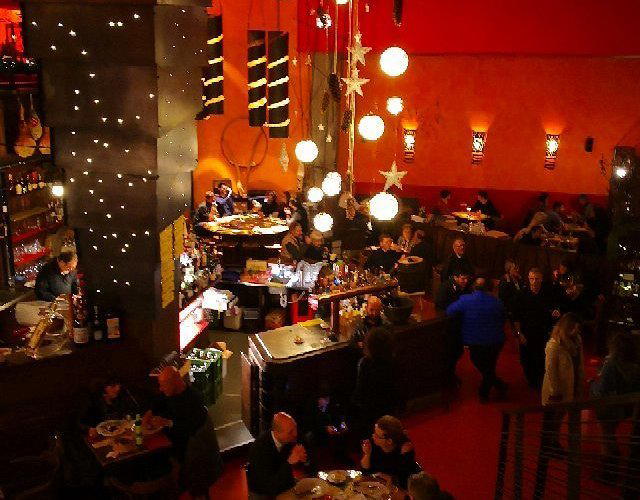
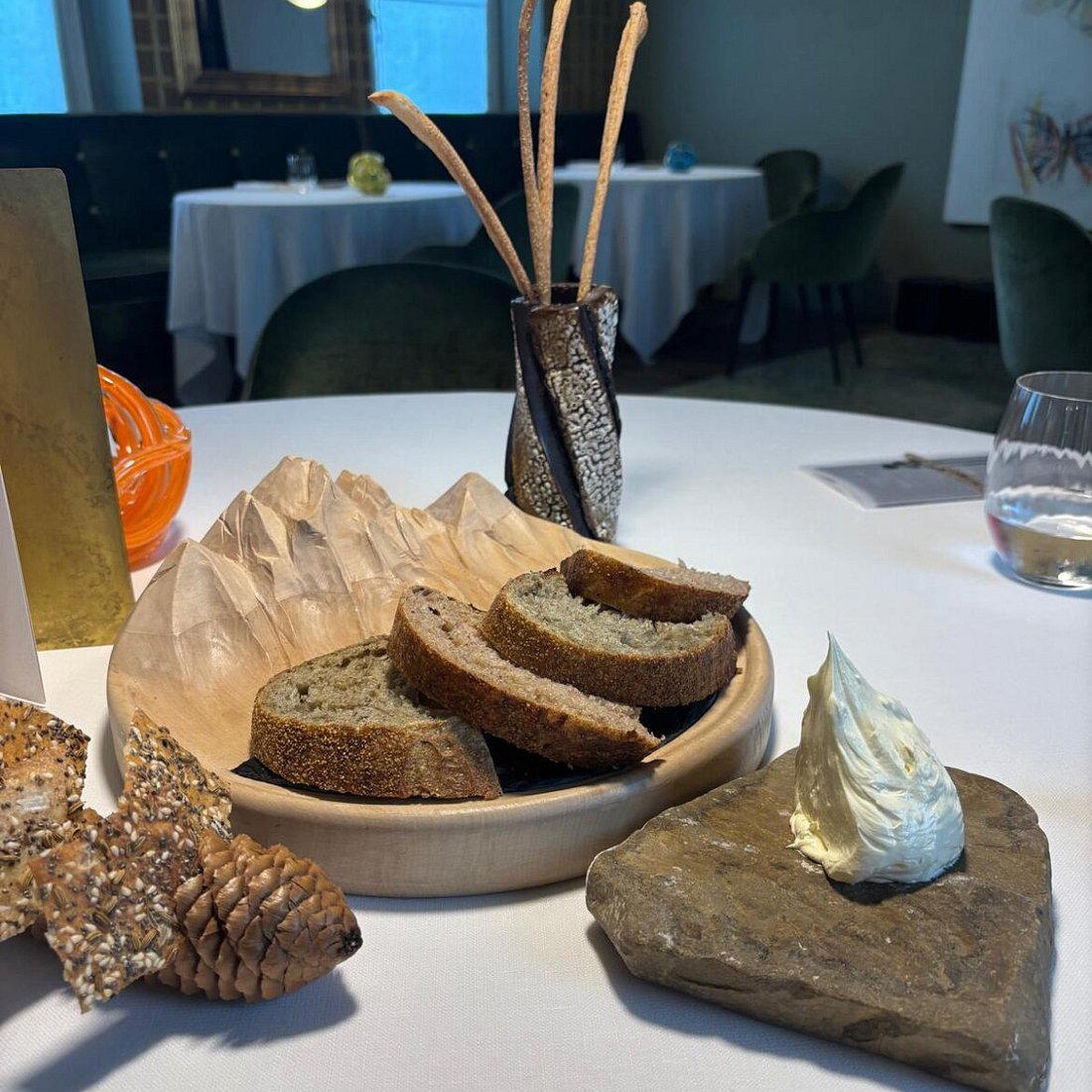
Bars in Spilimbergo
Browse all →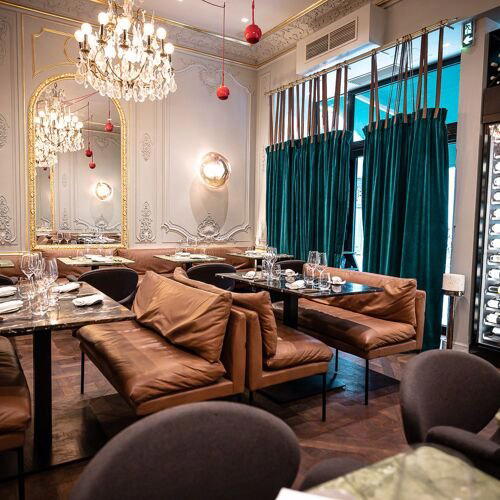
Hotels in Spilimbergo
Browse all →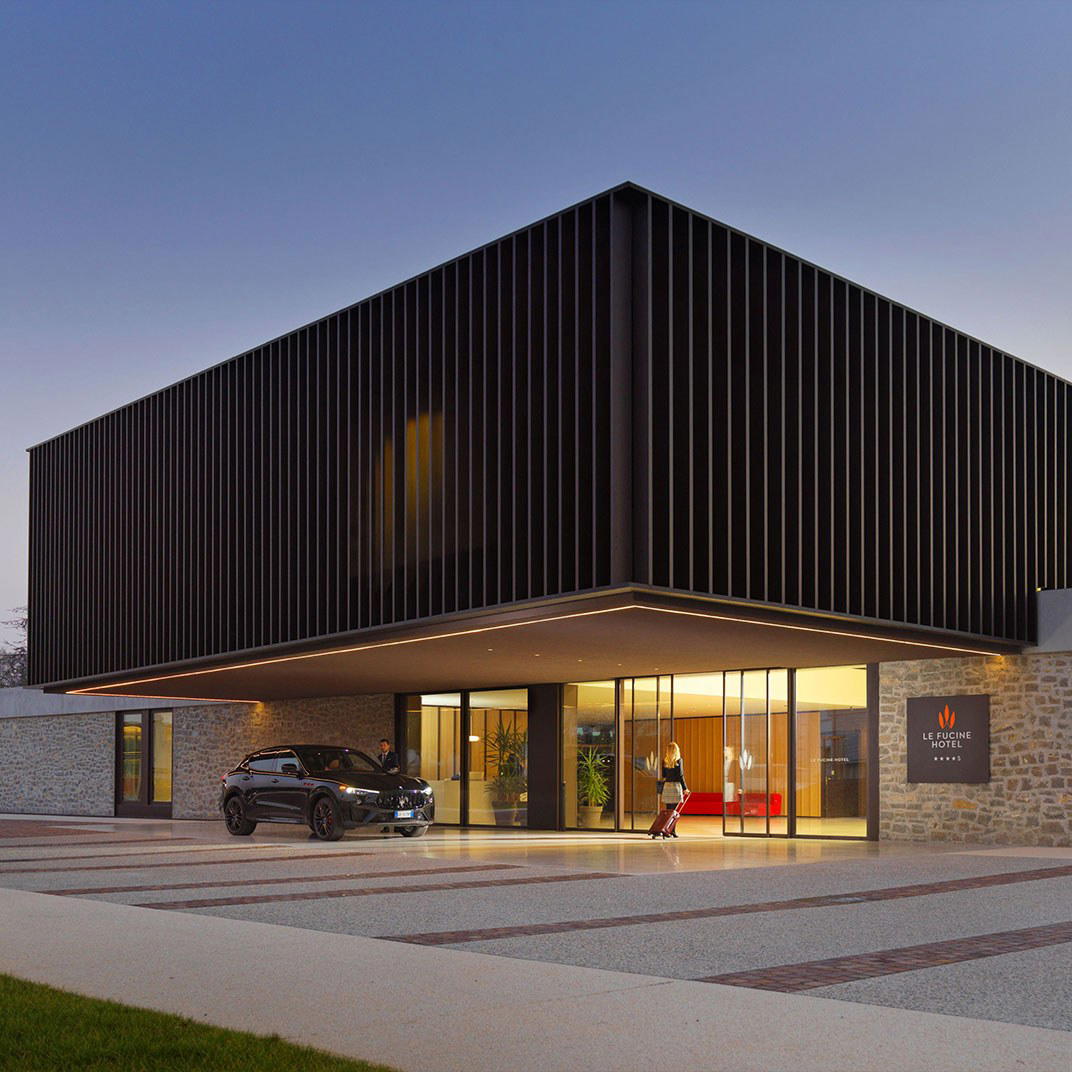
Details
- Cozy
- Rustic
- Romantic
- Date Night
- Family
- Casual Hangout
- Open Kitchen
- Extensive Wine List
- Local Sourcing
- A La Carte
- Vegetarian Friendly
Warm and welcoming with cozy lighting from a fireplace in one dining room, traditional charm, and a relaxed family feel.