.png)
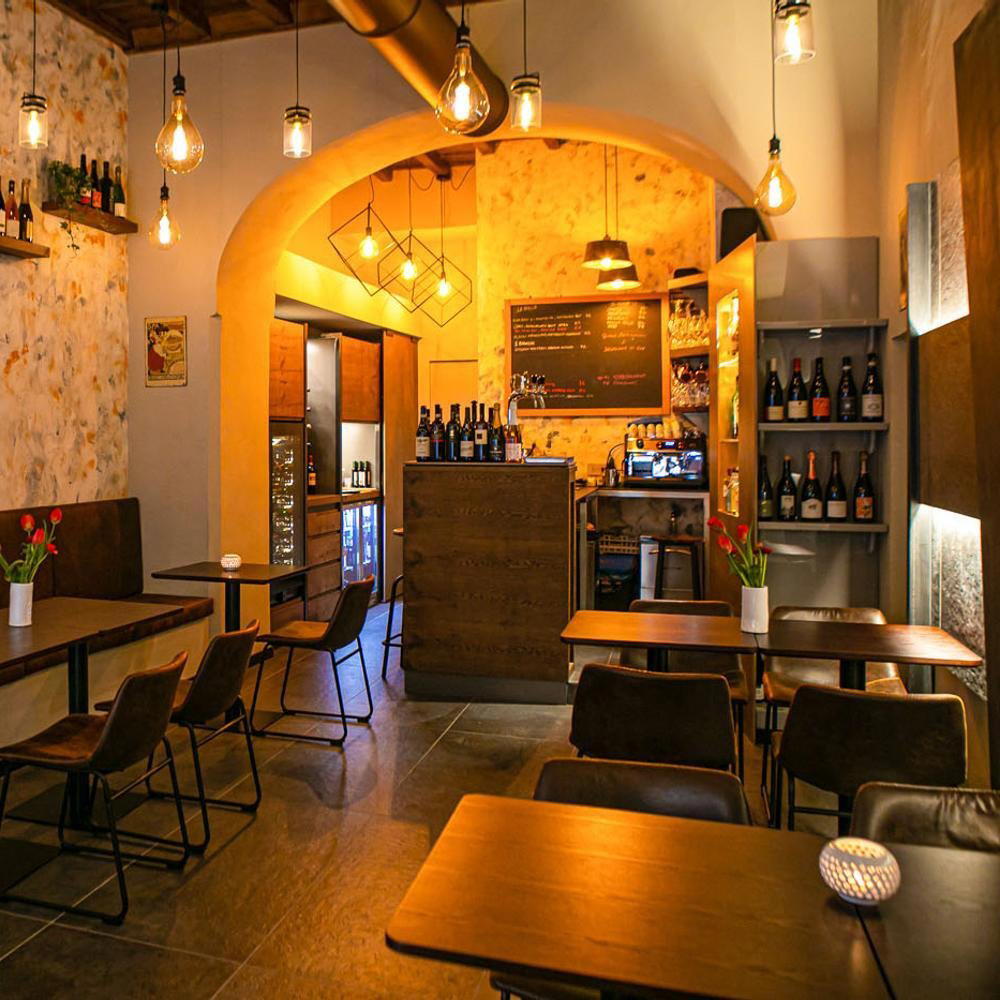
A Michelin Plate-recognised address in Piombino's medieval centre, Al Baccanale occupies a vaulted stone room with just a handful of tables. The kitchen reinterprets traditional Tuscan cooking with a personal, modern sensibility, placing it squarely in the current wave of Italian regional restaurants rethinking what local cuisine can mean. Book ahead: the room is small and reservations fill quickly.
Pearl is the En Primeur Club membership app — saves, bookings, and concierge access live there. Same editors, same standards.
- Address
- Via XX Settembre, 20, 57025 Piombino LI, Italy
- Phone
- +39 0565 222039
 Saves & bookings on Pearl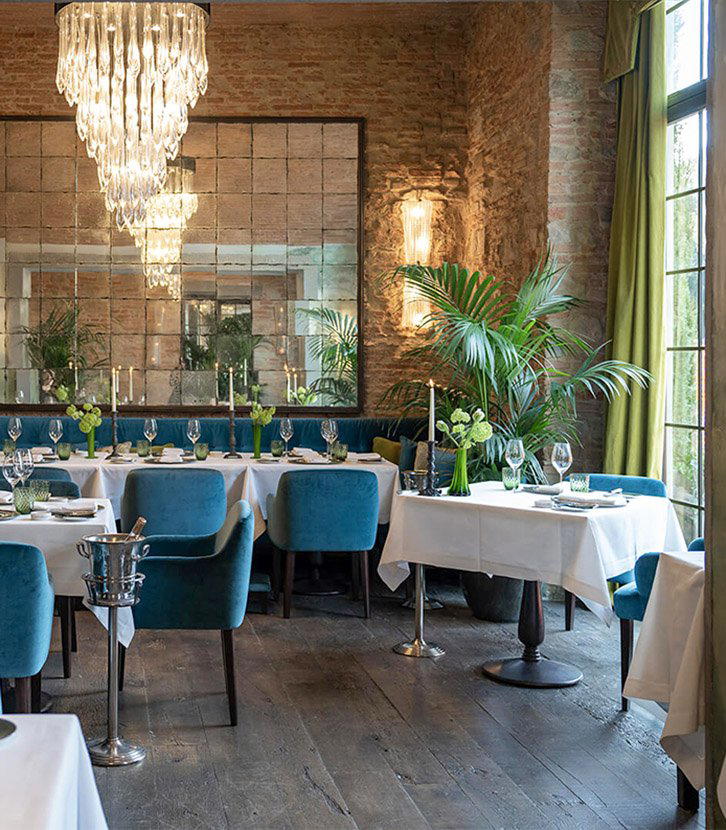
Stone Walls, Small Tables, and the Case for Coastal Tuscany
Piombino sits on a promontory jutting into the Tyrrhenian Sea, separated from the island of Elba by a narrow strait and, gastronomically, from the Chianti-and-bistecca circuit that dominates most visitors' mental map of Tuscan eating. The town is a working port city, with a medieval centre that remained largely untouched by the agritourism boom that transformed the Sienese countryside. That relative obscurity has a culinary consequence: the restaurants that do operate here serve a local clientele first, and that shapes what ends up on the plate. Al Baccanale, on Via XX Settembre a short walk from the former Medici fortress, is the kind of address that functions as the neighbourhood's serious-cooking anchor, the place locals direct visitors to when the question is where to eat properly, not just conveniently.
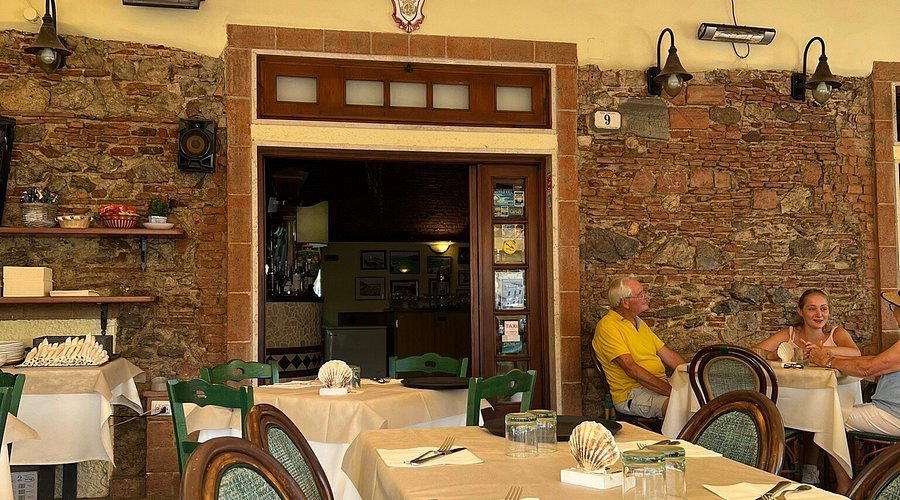
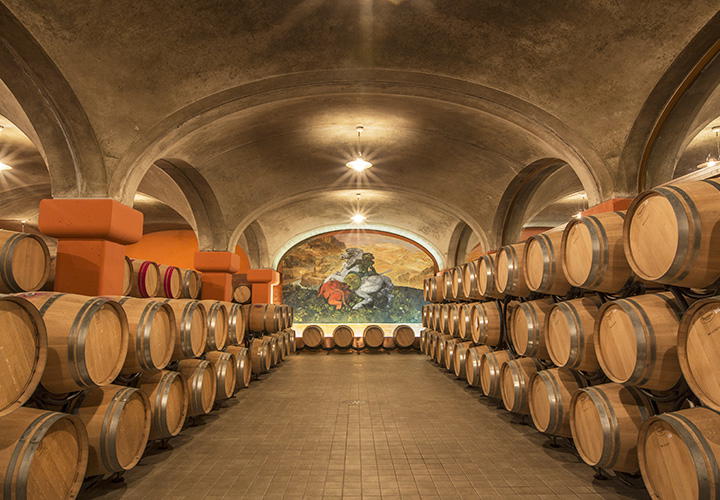
The physical setting does immediate editorial work. Exposed stonework and vaulted ceilings signal that the building pre-dates every culinary trend the kitchen might engage with. The room holds only a few tables, which means the dining experience is quiet in the structural sense: no ambient roar, no table-turning pressure, a pace set by the kitchen rather than by management targets. Spaces like this are common in central Italy's smaller towns, but they carry a specific responsibility, the food must earn the architecture, or the room becomes a museum piece rather than a restaurant.
What Tuscan Provenance Actually Means at This Price Point
The editorial angle that matters most at Al Baccanale is the sourcing question, which in Tuscany is more loaded than it might initially appear. At the three-Michelin-star end of Italian regional cooking, the tier occupied by addresses like Caino in Montemerano and L'Asinello in Castelnuovo Berardenga, provenance is both a menu selling point and a structural commitment: direct relationships with specific producers, foragers, and fishermen, documented on menus and in press materials. At the €€ mid-market level, the conversation is different. The question is whether the kitchen is genuinely connected to the surrounding territory or whether it is using Tuscan trappings (the chestnut flour, the cured meats, the coastal fish) as decoration on a menu that could have been assembled anywhere.
In Piombino, territorial sourcing has a particular geography. The Maremma coastline immediately to the north produces pecorino and cured pork from Cinta Senese. The Tyrrhenian directly offshore supplies fish that rarely reaches Florence, occhiata, sarago, palamita, because the volumes are too small for wholesale routes that serve larger cities. Inland, the Alta Maremma's forests are among the leading in Tuscany for wild mushrooms and game in autumn and winter. A kitchen operating at Al Baccanale's price point, serving a local audience that knows these ingredients from their own tables, has less room to misrepresent provenance than a tourist-facing operation in Siena or San Gimignano. That accountability is itself a form of quality signal.
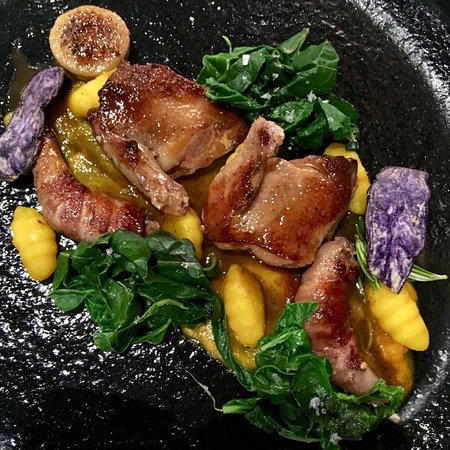
The approach described in the Michelin 2024 recognition, traditional Tuscan cuisine reinterpreted with a modern and individual perspective, maps onto a current in Italian regional cooking that resists the binary between strict traditionalism and creative reinvention. It is the same instinct, applied at vastly different budgets and scales, that drives the kitchens at Osteria Francescana in Modena or Reale in Castel di Sangro, the idea that regional identity is a foundation to build from, not a cage to cook inside. At Al Baccanale, that philosophy operates without the multi-course tasting architecture and the international recognition those addresses carry. The Michelin Plate, awarded in 2024, confirms that the kitchen is producing food worth the recognition, without placing it in competition with the starred tier.
The Competitive Position in Italian Regional Dining
Italy's €€ restaurant category is enormous and variable. At one end, it includes competent trattorias running on institutional inertia; at the other, owner-operated rooms where the kitchen is doing real work and the Michelin Plate or Bib Gourmand functions as a signal that the food deserves attention independent of the setting. Al Baccanale's 4.6 rating across 309 Google reviews, alongside the 2024 Michelin Plate, places it firmly in the latter group. For context, a 4.6 average maintained across more than three hundred reviews, not a sample that can be explained by a handful of enthusiastic regulars, reflects consistent execution over time. That consistency is harder to sustain in a small room where the owner-chef is doing most of the creative and operational work simultaneously.
The comparable set for Al Baccanale is not the Michelin three-star circuit, not Enoteca Pinchiorri in Florence, not Dal Pescatore in Runate, not Le Calandre in Rubano, not Piazza Duomo in Alba, not Enrico Bartolini in Milan, and not Atelier Moessmer Norbert Niederkofler in Brunico. Nor is it the mid-scale contemporary Italian segment represented by addresses like Quattro Passi in Marina del Cantone, Uliassi in Senigallia, or Casa Perbellini 12 Apostoli in Verona. Al Baccanale competes in the category of serious regional cooking at accessible prices, the tier where the food is doing something considered and the prices do not require the occasion to justify themselves.
Planning Your Visit
Al Baccanale sits at Via XX Settembre, 20, in Piombino's historic centre, close to the medieval Porta Buia and within reasonable walking distance of the port ferry terminal for those crossing to Elba. The room's small capacity makes advance booking a practical requirement rather than a precaution. As with most Italian owner-operated rooms at this price point, the rhythm of the kitchen is worth respecting: arriving at the start of service allows the meal to unfold at the pace the kitchen intends, rather than compressed into the final window before closing. The €€ price range positions it below the threshold where a booking requires advance financial planning, which makes it a reasonable anchor around which to build a longer stop in Piombino or the surrounding Maremma coast. For wider context on eating and drinking in the area, see our full Piombino restaurants guide, our full Piombino bars guide, our full Piombino wineries guide, our full Piombino experiences guide, and our full Piombino hotels guide for accommodation options nearby.
Fast Comparison
Comparable venues nearby, for context on price, style, and recognition.
| Venue | Cuisine | Price | Awards | Notes |
|---|---|---|---|---|
| Al BaccanaleThis venue — the venue you are viewing | Modern Italian Fine Dining | $$$ | Michelin Plate | |
| Papaveri e Papere | Modern Tuscan with White Truffle Specialties | $$$ | Michelin Plate | San Miniato |
| Particolare di Siena | Modern Tuscan Italian | $$$ | Michelin Plate | outside city walls |
| Il Doretto | Italian Seafood in Farmhouse Setting | $$$ | Michelin Plate | Cecina |
| Nugolo | Contemporary Tuscan | $$$ | Michelin Plate | Ricorboli |
| Osteria del Tasso | Traditional Tuscan Trattoria | $$$ | Michelin Plate | Bolgheri |
At a Glance
- Intimate
- Cozy
- Elegant
- Rustic
- Hidden Gem
- Date Night
- Special Occasion
- Historic Building
- Extensive Wine List
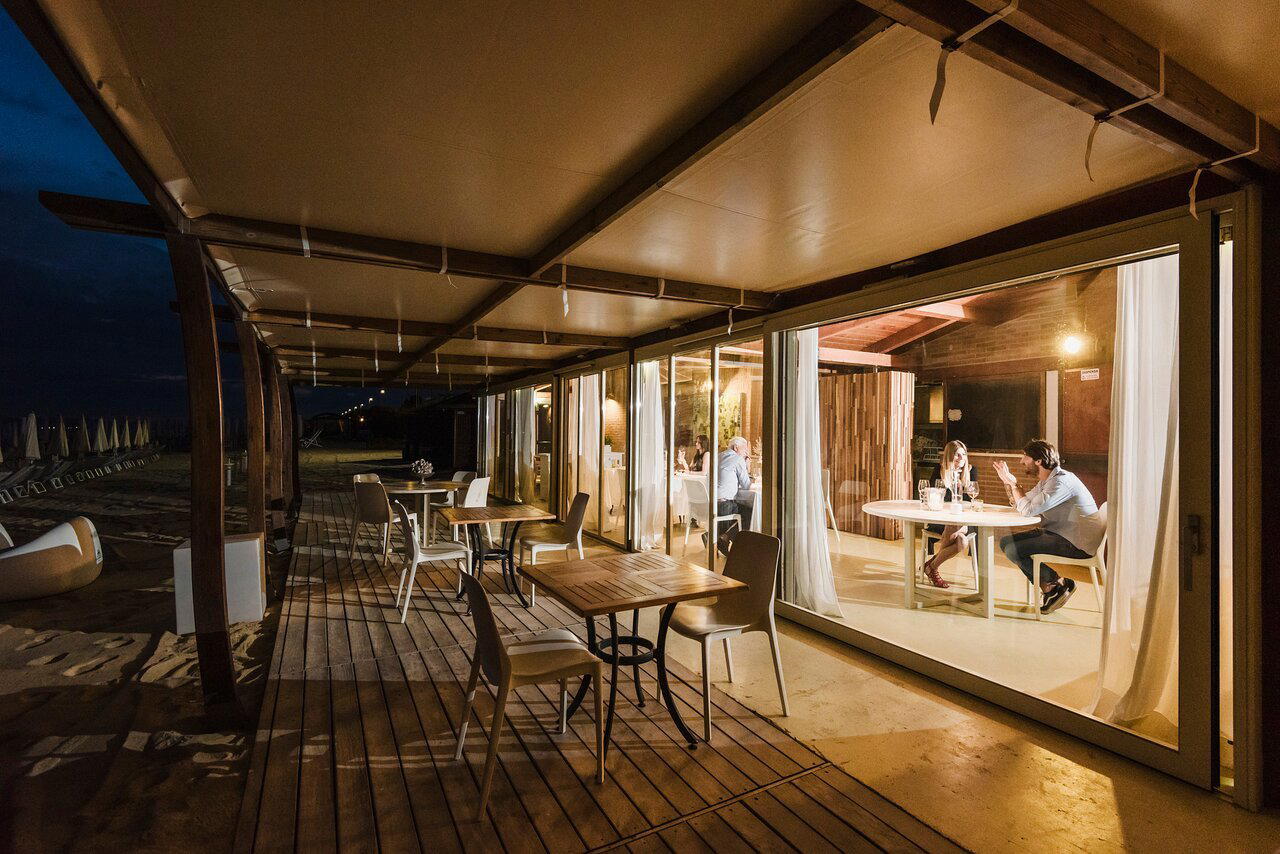
Quiet, intimate atmosphere with exposed stonework, vaulted ceilings, warm lighting, and a welcoming, relaxed historic charm.