Akatuki Muswell Hill
Our verdict
The restaurant occupies a double address at 240–242, giving it more room than most neighbourhood spots in this tier. For north London residents weighing local options against a trek into Zone 1, it represents a considered local alternative worth understanding in context.

Pearl is the En Primeur Club membership app, where members save venues, book tables and use the concierge.

The menu
What to order
- Katsu Curry
- Shrimp and Enoki Tempura
- Sushi and Sashimi Platter
For context, London's upper dining tier, venues like CORE by Clare Smyth, Restaurant Gordon Ramsay, Sketch, The Lecture Room and Library, The Ledbury, and Dinner by Heston Blumenthal, operate in a different register entirely, one defined by tasting-menu formats, destination pricing, and formal service structures. Neighbourhood restaurants like Akatuki are benchmarked differently: against convenience, consistency, and the value of not having to factor in a tube journey and a babysitter. That is a legitimate competitive set, and it is worth taking seriously on its own terms.
The Lunch and Evening Divide in Neighbourhood Dining
One of the more useful lenses for reading a neighbourhood restaurant is how its daytime and evening services actually differ. In London's suburban dining strips, this gap is often sharper than in central venues. Lunch tends to attract a lighter crowd, solo workers, couples running errands, parents between school drop-off and pick-up, and the expectation is quicker pacing, lower spend, and food that doesn't demand full attention. Evening service shifts the room's centre of gravity: tables fill with parties of three and four, the booking rhythm tightens, and the kitchen is expected to sustain a more complete experience over two or more courses. Evening service, by contrast, requires the restaurant to be someone's deliberate choice rather than a convenience decision, and that is a harder position to hold in a neighbourhood where Central London is 25 to 30 minutes away by tube.
Across the wider UK restaurant scene, venues that handle this divide well tend to do so through format discipline: a shorter, tighter lunch offering that runs efficiently, and an evening menu that justifies the deliberate decision to stay local. Restaurants like Hand and Flowers in Marlow and Midsummer House in Cambridge have built strong regional reputations partly by giving their evening service a clear identity that separates them from generic neighbourhood spending. The same logic applies at the neighbourhood level in London, even without the destination-dining prestige. A decade ago, the serious eating in north London was concentrated in Islington, Upper Street, Exmouth Market, with scattered outliers in Stoke Newington and Crouch End. The further-out residential strips were largely served by chains and long-established local institutions that hadn't changed their offer in years.
That picture has shifted.
Comparable dynamics are visible across UK regional dining, where operators outside major city centres have used neighbourhood loyalty as the foundation for something more ambitious. Hide and Fox in Saltwood and Opheem in Birmingham are useful reference points for how a clearly defined culinary identity can convert a local audience into a repeating one, even without the pull of a destination address.
At the furthest end of that spectrum sit venues like L'Enclume in Cartmel, Moor Hall in Aughton, Ynyshir Hall in Machynlleth, Gidleigh Park in Chagford, Waterside Inn in Bray, and Restaurant Andrew Fairlie in Auchterarder, operations where the location is part of the appeal and the dining format is the primary reason for the journey. Akatuki operates in an entirely different register, one where proximity and reliability carry more weight than destination appeal. That is not a lesser ambition; it is a different one, and it should be evaluated accordingly. For comparison points beyond the UK, Le Bernardin in New York City and Lazy Bear in San Francisco illustrate how city neighbourhood contexts can anchor serious dining even outside traditional fine-dining corridors.
Our full London restaurants guide covers the city's dining tiers in greater depth, from Michelin-level central options to the neighbourhood operators building quieter but durable reputations across zones 2 through 4.
Just the Basics
| Venue | Cuisine | Price | Awards | Notes |
|---|---|---|---|---|
| Akatuki Muswell HillThis venue (the venue you are viewing) | Authentic Japanese Sushi and Tempura | $20–30 | Not listed | Not listed |
| CORE by Clare Smyth | Modern British Fine Dining | $150–200 | 3 Michelin Stars · World's 50 Best #97 | Modern British |
| Restaurant Gordon Ramsay | French Fine Dining | $200–300 | 3 Michelin Stars · World's 50 Best #13 | Contemporary European, French |
| Sketch, The Lecture Room and Library | Modern French Fine Dining | $200–300 | 3 Michelin Stars · World's 50 Best #18 | Modern French |
| The Ledbury | Modern British Fine Dining | $300–500 | 3 Michelin Stars · World's 50 Best #83 | Modern European, Modern Cuisine |
| Dinner by Heston Blumenthal | Historic British Fine Dining | $200–300 | 2 Michelin Stars · World's 50 Best #45 | Modern British, Traditional British |
Continue exploring
More in London
Restaurants in London
All restaurants in London →
Bars in London
All bars in London →



Details
- Cozy
- Modern
- Date Night
- Casual Hangout
- Open Kitchen
- Sake Program
- A La Carte
- Small Plates
- Sake Program
Current opening hours
- Monday
- 12–3 PM, 5–10:30 PM
- Tuesday
- 12–3 PM, 5–10:30 PM
- Wednesday
- 12–3 PM, 5–10:30 PM
- Thursday
- 12–3 PM, 5–10:30 PM
- Friday
- 12–3 PM, 5–11 PM
- Saturday
- 12–11 PM
- Sunday
- 12–10 PM
Hours can change for holidays and private events. Hours as of .
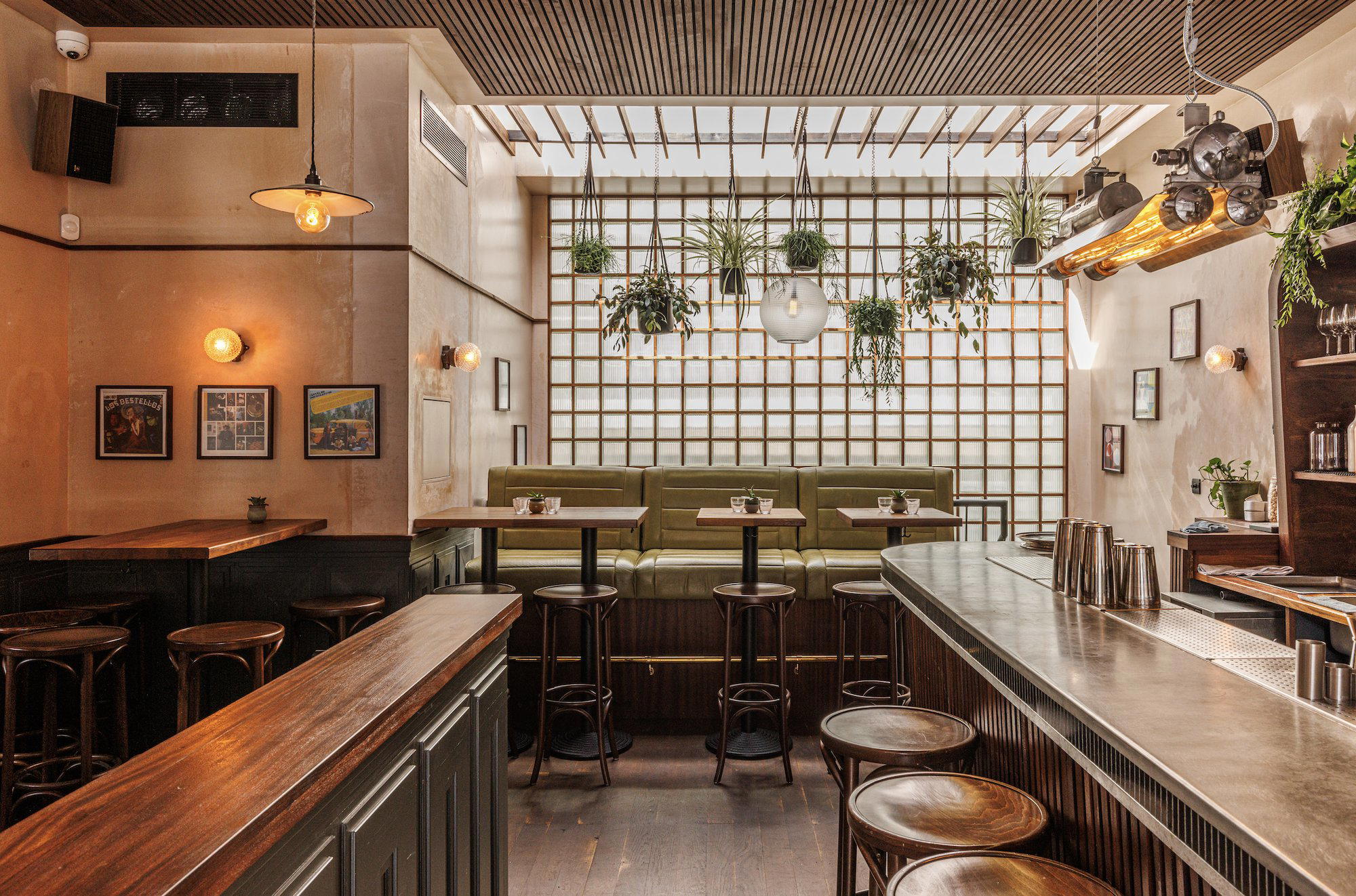
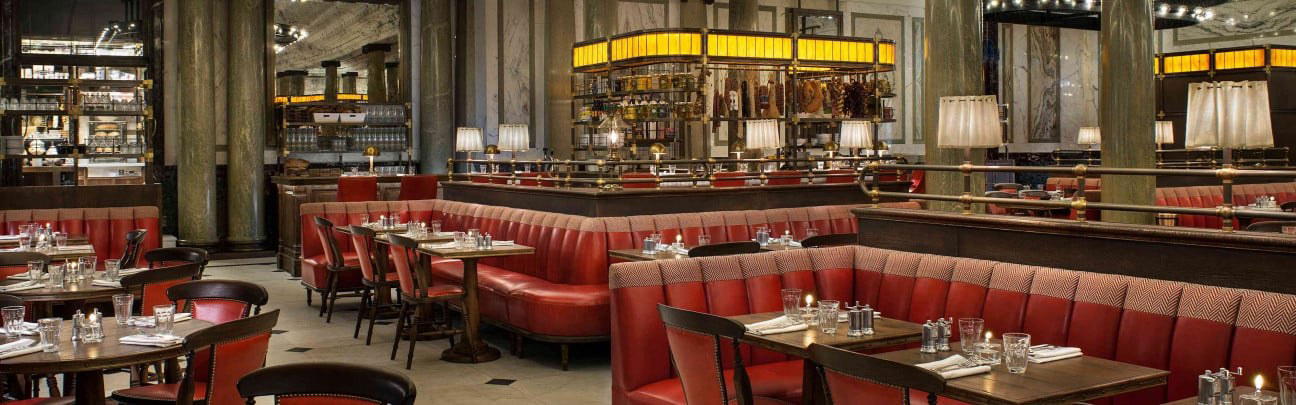
Cozy with pleasant modern decor featuring wall of lights and artistic presentation.