Wang Peng Noodle operates in Lukang, one of Taiwan's most historically dense towns, where hand-pulled and braised noodle traditions have run alongside temple culture for generations. The shop sits inside a dining scene defined less by celebrity chefs than by family continuity and recipe age. For visitors making the trip to Lukang's old streets, it represents the kind of low-cost, high-context eating that the town does better than almost anywhere in central Taiwan.

Pearl is the En Primeur Club membership app — saves, bookings, and concierge access live there. Same editors, same standards.
Noodles as Local Record: Lukang's Everyday Culinary Heritage
JL Studio in Taichung and logy in Taipei, where modernist technique meets local produce at four-figure price points. But the more durable strand of Taiwanese food culture runs through something far less photogenic: the noodle shop that has occupied the same address for decades, whose menu changes slowly if at all, and whose reputation travels entirely by word of mouth. In Lukang, that strand is everywhere, and Wang Peng Noodle is one of the clearest examples of it.
Lukang sits roughly midway down Taiwan's western coast in Changhua County, and for much of the Qing dynasty it functioned as one of the island's most significant trading ports. That commercial history left behind a concentration of temples, guild halls, and narrow merchant-era lanes that now make it among the more frequently visited historic towns in central Taiwan. It also left behind a food culture shaped by Fujian immigrant traditions, the economics of a working port, and centuries of incremental local adaptation. Noodle dishes in this context are not a simplified category, they carry specific regional vocabularies: braised pork cuts, fermented sauces, hand-pressed noodle forms that differ from the machine-cut varieties that dominate Taipei's fast-casual scene.
The Cultural Weight of a Bowl in Lukang
To understand Wang Peng Noodle's place in Lukang's food culture, it helps to understand what noodle shops have historically represented in Taiwanese market towns. Unlike the banquet-format restaurants that developed around ceremonial occasions, the street-level noodle shop served as the daily anchor of working neighbourhoods. Recipes were rarely written down; they were transmitted through family lines or apprenticeship, adjusted to the taste preferences of a specific local community over time. The result is that two noodle shops separated by a few streets in the same town can produce substantially different bowls using nominally the same ingredients, because the institutional memory embedded in each kitchen diverged generations ago.
This is the tradition Wang Peng Noodle operates within. The relevant comparison set is not GEN in Kaohsiung or A Xia in Tainan, both of which occupy a formal dining tier shaped by contemporary technique. The restaurant belongs to a different category entirely: the locally embedded, low-price-point institution whose authority comes from longevity and specificity rather than critical recognition. In a town where culinary tourism increasingly drives visitor traffic, these shops function as primary sources, the places that tell you what the cuisine actually looked like before it was reinterpreted for wider audiences.
The techniques are simpler, the environment is unadorned, and the price point is a fraction of anything appearing in the fine dining conversation. What you are paying for, insofar as payment is even the relevant frame, is access to a culinary practice that has not been mediated by outside influence.
Lukang's Broader Eating Context
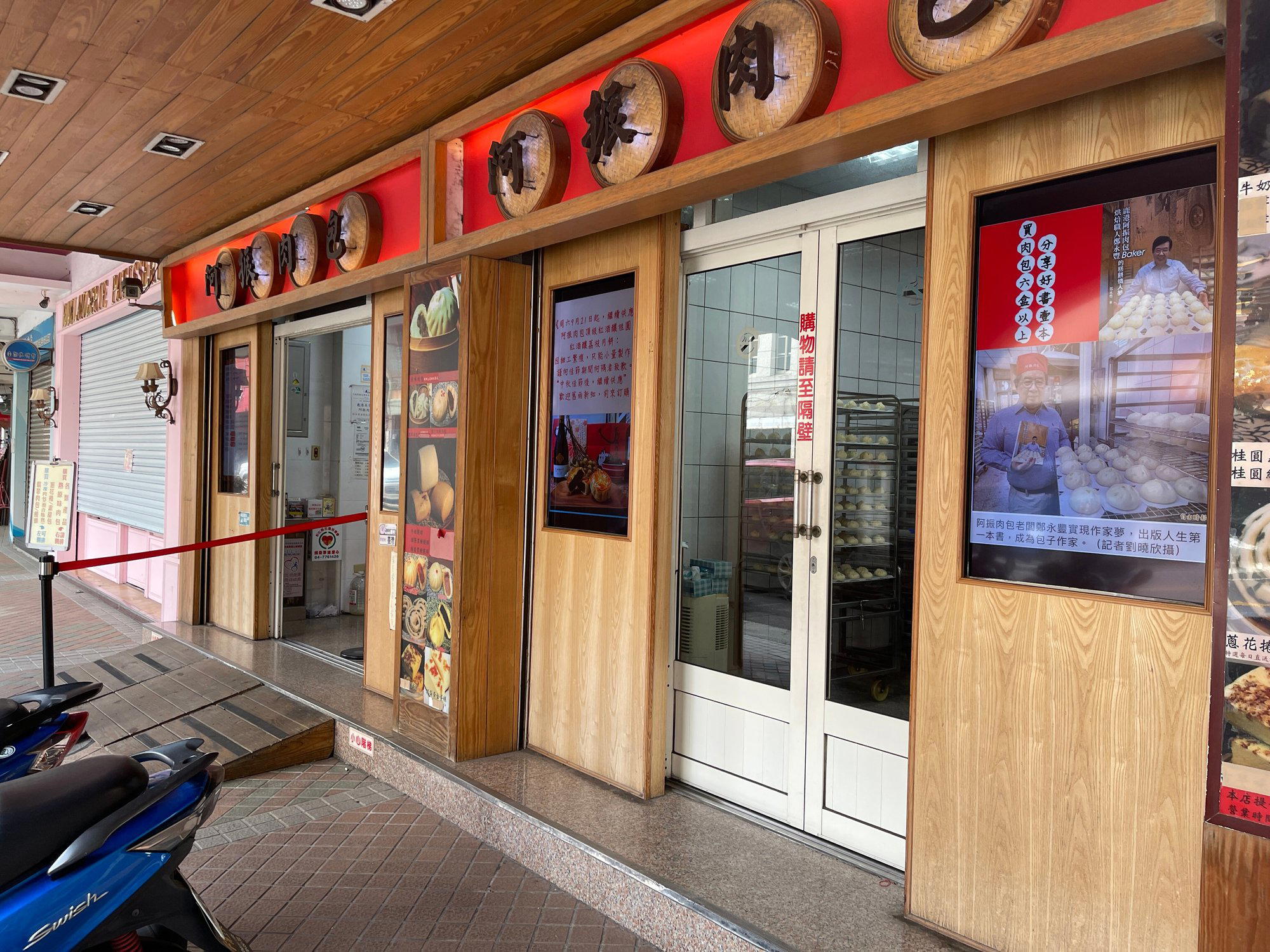
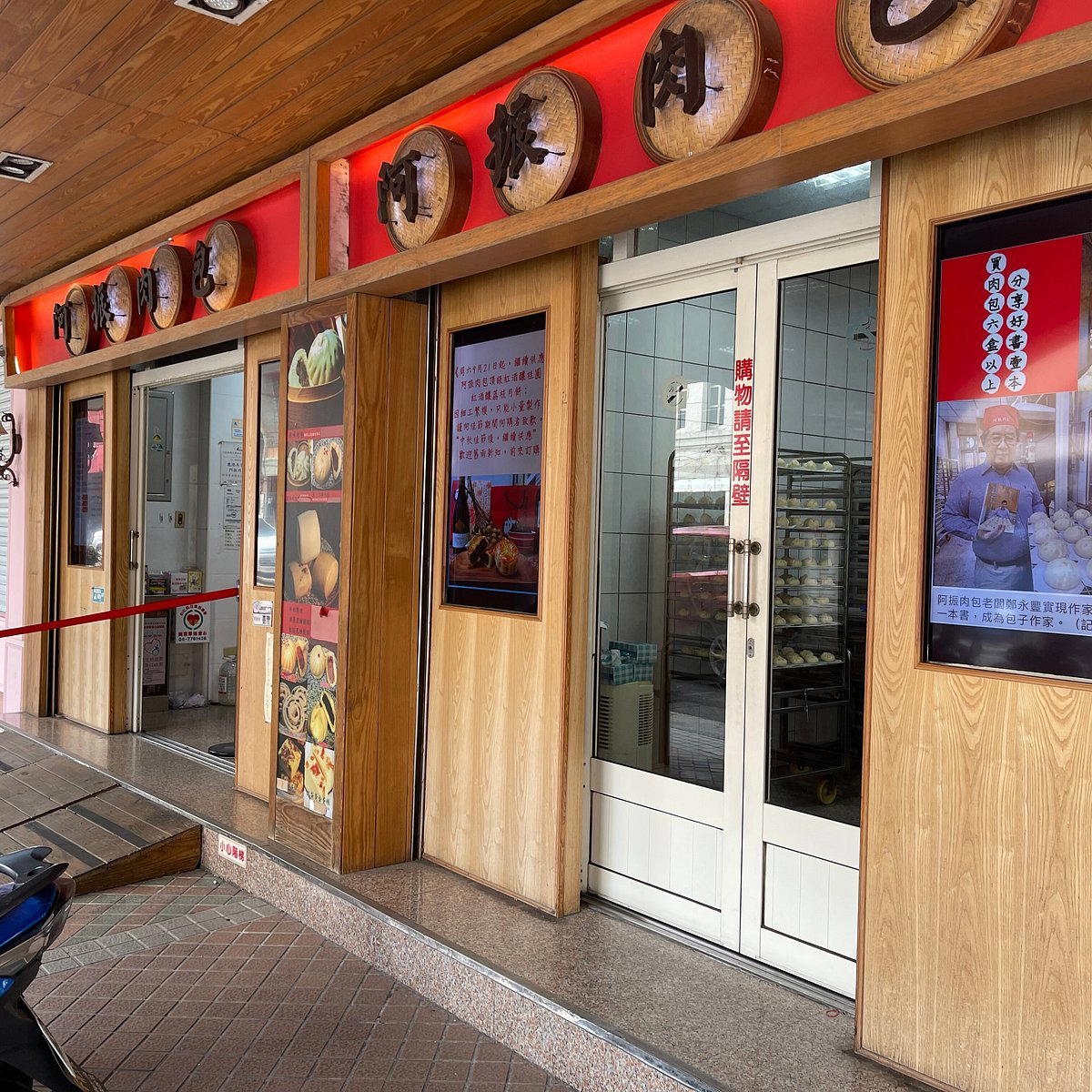
The restaurant does not operate in isolation. Lukang's old street area supports a dense cluster of traditional food stalls and small restaurants, many of them specialising in a single preparation: oyster fritters, taro rice, sesame-oil chicken, pork lung soup. Ah Zhen Rou Bao is another local reference point in this same orbit, its steamed bun format representing a parallel strand of Fujianese-derived street food. The logic of eating in Lukang is additive rather than singular: you build a meal across multiple stops, each focused on one thing, rather than sitting through multiple courses at a single address.
This format mirrors how food has traditionally been consumed in Taiwanese market towns, where the concept of a comprehensive restaurant menu is relatively recent. Historically, specific vendors specialised in specific preparations, and a full meal required moving between them. Lukang's old quarter preserves that structure more intact than most Taiwanese towns of comparable size, which is part of what makes it worth the journey from Taichung, roughly 30 kilometres to the northeast, or from Changhua city, which sits closer still.
For context on how this kind of regional specificity plays out across Taiwan at a higher price tier, the Golden Formosa Taiwanese Cuisine format in Taipei's Shilin district offers a banquet-style approach to preserving traditional Taiwanese recipes, while operations like Good Good Hainan Chicken Rice in Xinyi show how immigrant-derived food traditions settle into urban Taiwanese life. The restaurant's version of preservation is less formal and more granular: it is a single family's interpretation of a single noodle tradition, served in the town where that tradition developed.
The town rewards slow movement: the streets are narrow enough that most of the significant food stops are within ten minutes of each other on foot, and the density of options means that arriving without a plan is a reasonable strategy so long as you are willing to eat multiple small portions rather than one large meal.
Planning Your Visit
The old quarter concentrates most of the historically significant food vendors within a walkable zone around Lukang's central temple complex. The restaurant, like most of its neighbours, operates at price points that reflect the local economy rather than tourist premiums, which means the financial commitment to a visit is low even if you work through several stops. Arrival times matter in this part of Taiwan: particularly established noodle and snack vendors in market towns typically run through the morning and into early afternoon, with many closing once the day's preparation is sold through. Going early is not a stylistic preference so much as a practical one.
Le Bernardin in New York City or Atomix is not a hierarchy, it is a range. The intelligence embedded in a bowl that has been made the same way for several decades in a specific Taiwanese coastal town is a different kind of intelligence than what you find in a 16-course tasting menu, but it is not a lesser one.
Price Lens
Comparable venues nearby, for context on price, style, and recognition.
| Venue | Cuisine | Price | Notes |
|---|---|---|---|
| Wang Peng Noodle | Lukang Old Street, Taiwanese Noodles | $ | Not listed |
| Vesuvio pizzeria | Pizza | Not listed | Not listed |
| Ah Zhen Rou Bao | Lukang Township, Taiwanese Meat Buns | $$ | Not listed |
| 四鄉五島馬祖麵店 | Not listed | $ | Zhongshan District, Matsu-Style Black Sesame Noodles |
| Hai Bo Beef Noodle Restaurant | Not listed | $ | Pingtung City, Traditional Taiwanese Beef Noodles |
| Longji Beef Noodle Restaurant | Not listed | $ | Toucheng Township, Taiwanese Beef Noodles |
Continue exploring
More in Lukang
Restaurants in Lukang
Browse all →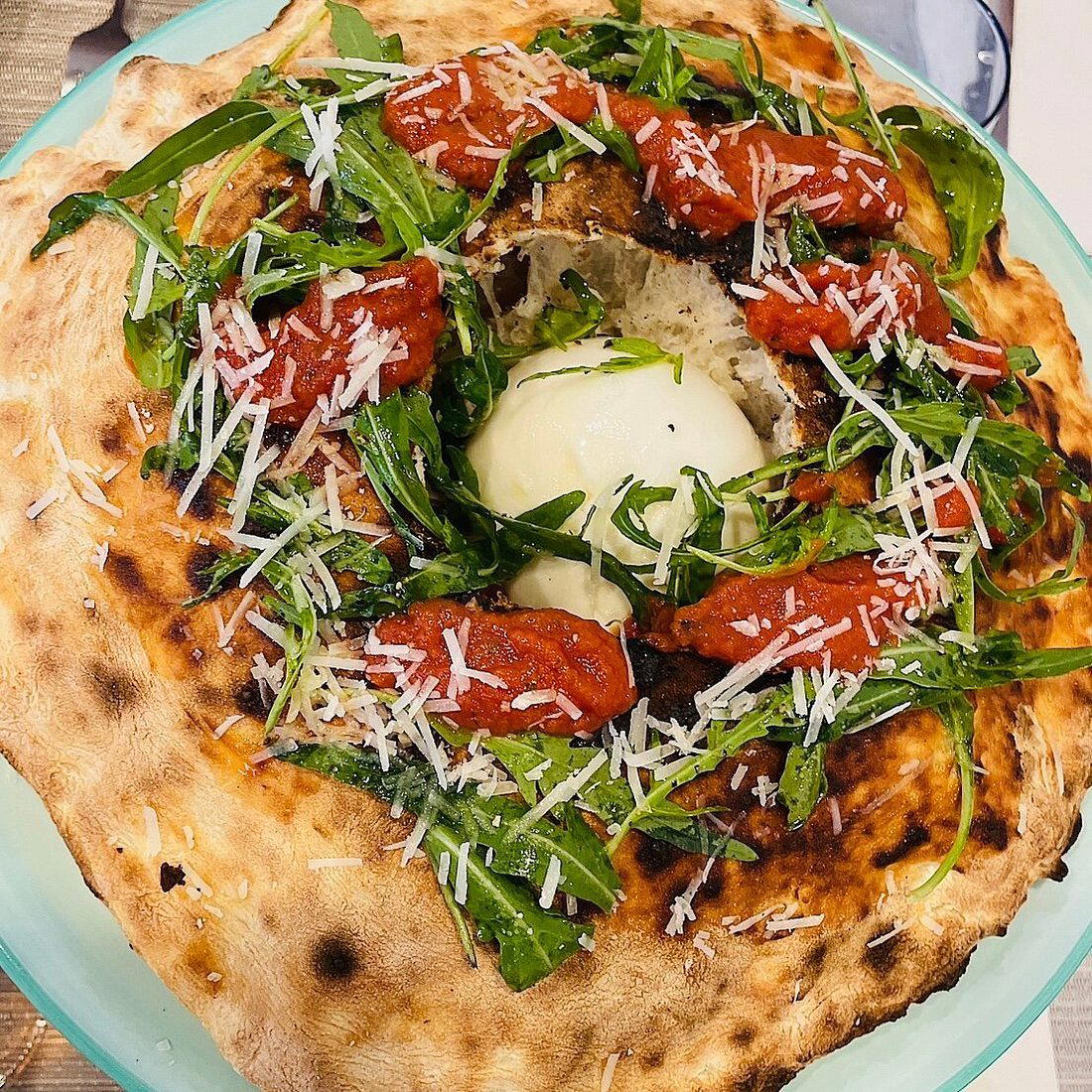
At a Glance
- Rustic
- Casual Hangout