Our verdict
An agritourism address in the Pazin hinterland of Istria, Agroturizam Ograde sits on a working rural property where the food is inseparable from the land producing it. The format belongs to a long Istrian tradition of farm-table hospitality that predates the region's current culinary reputation. Visitors come here not for a curated tasting menu but for something considerably harder to fabricate: a meal that reflects an actual place.

Pearl is the En Primeur Club membership app, where members save venues, book tables and use the concierge.
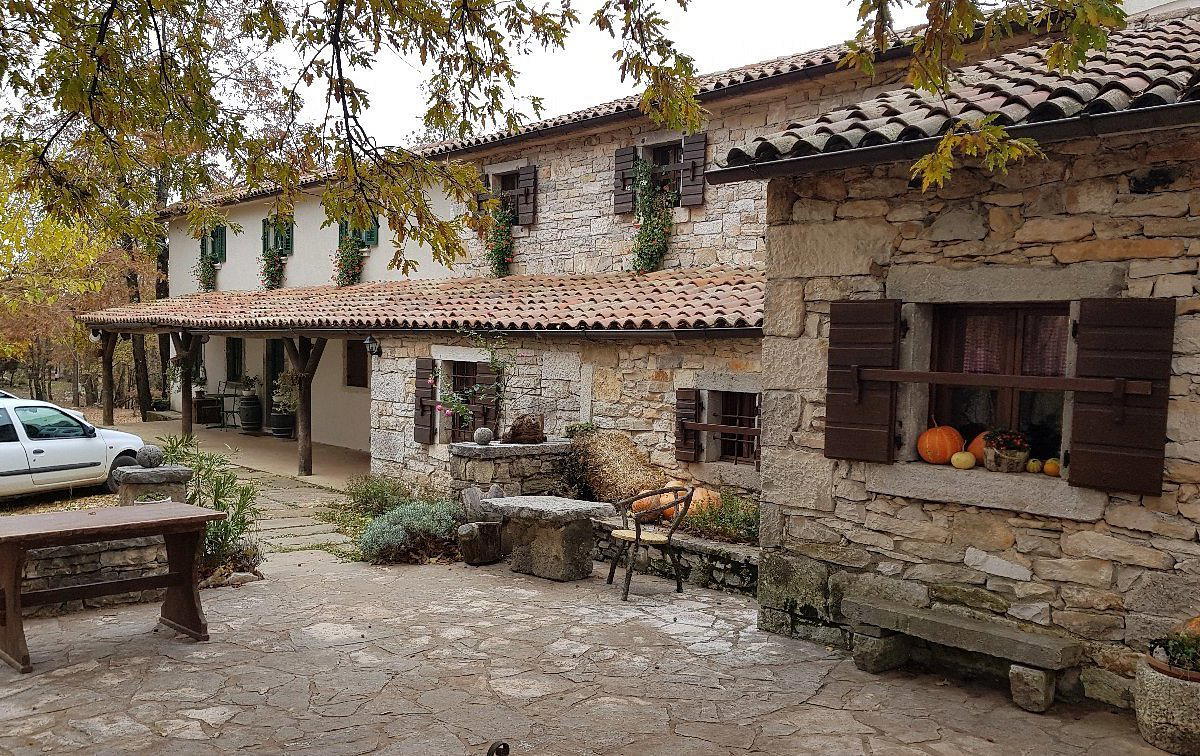
Where the Food Starts Before the Kitchen
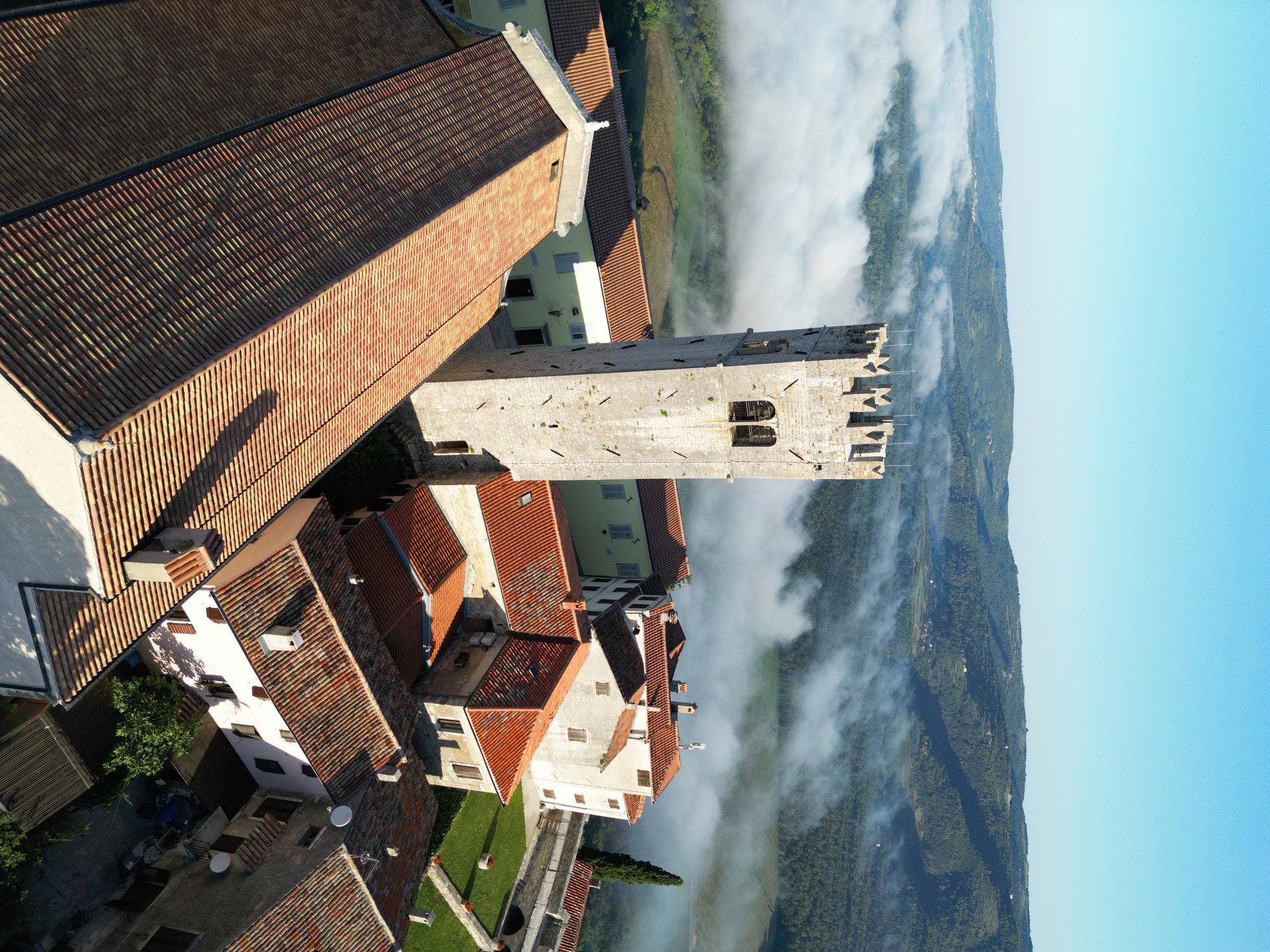
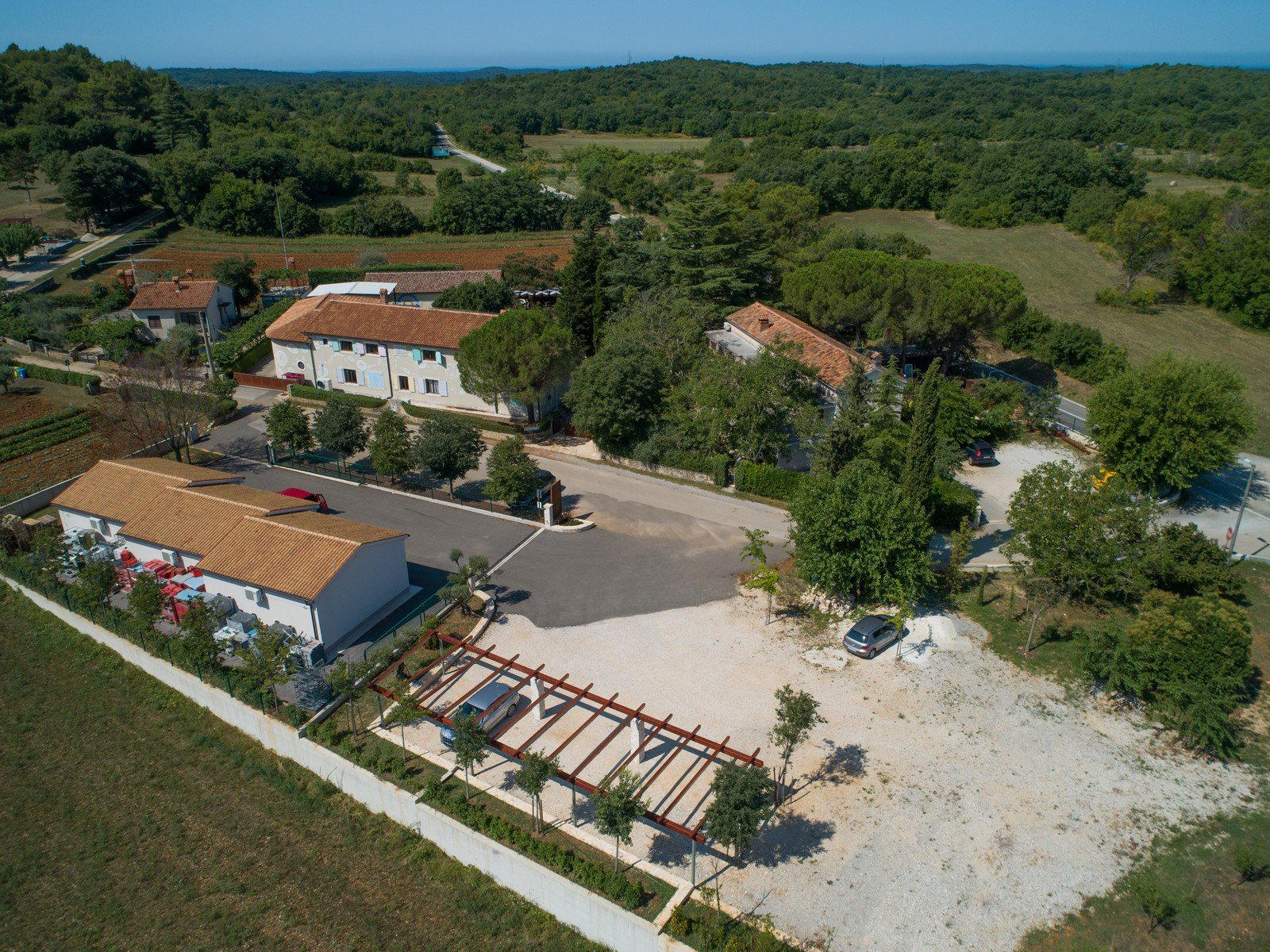
The drive toward Lindarski katun, the ridge settlement above Pazin where Agroturizam Ograde sits, already tells you something about what kind of meal you are heading toward. The roads narrow, the oak and chestnut canopy thickens, and the infrastructure of conventional restaurant culture, delivery vans, wine merchant signage, urban density, recedes entirely. What replaces it is the source material: grazed hillsides, kitchen gardens, the particular silence of central Istrian upland. By the time you arrive at the property at Lindarski katun 60, the editorial argument has already been made by the landscape itself.
Agritourism of this kind occupies a specific and increasingly scrutinized position in Croatian food culture. In Istria especially, the agroturizam format carries legal and cultural meaning: the food served must originate substantially from the property or its immediate surroundings, and the experience is framed around agricultural production rather than professional restaurant service. This is not a softened standard. It places genuine constraints on the menu and genuine demands on the farmer-hosts, which is precisely why the format produces meals that urban restaurants at considerably higher price points cannot replicate.
The Istrian Agritourism Tradition in Context
Istria has developed one of the more sophisticated agritourism ecosystems in the Adriatic region over the past two decades. The peninsula's combination of fertile terra rossa soil, a temperate micro-climate shaped by both Alpine and Mediterranean air, and a long history of mixed smallholder farming created the conditions for ingredients, truffles, Istrian prosciutto, sheep's cheese, olive oil, wild herbs, that give farm-table meals here their authority. What distinguishes the central Istrian interior, around Pazin, from the more visited coastal strips is a relative lack of commercial pressure. Properties here have not been formatted for high-volume tourism. The rhythm remains agricultural first, hospitality second.
Across Croatia, a narrower tier of restaurants has built serious culinary reputations on precisely this sourcing logic. Agli Amici Rovinj in Rovinj applies Italian contemporary technique to Istrian ingredients in a polished, formally structured setting. San Rocco in Brtonigla operates from a rural Istrian property with a hotel component. EatIstria in Pluj and Humska Konoba in Hum both occupy the traditional konoba end of the regional spectrum. Agroturizam Ograde belongs to none of these tiers precisely; it operates earlier in the food chain than any of them, where sourcing is not a positioning choice but an operational reality.
Further along Croatia's culinary register, establishments like Pelegrini in Sibenik, Nebo by Deni Srdoč in Rijeka, and Restaurant 360 in Dubrovnik represent the Michelin-recognized end of Croatian dining, where technique and provenance are held in careful balance. Boskinac in Novalja, LD Restaurant in Korčula, and Alfred Keller in Mali Lošinj each anchor different segments of the premium island dining conversation. What connects them to a place like Agroturizam Ograde is not format or price but the underlying argument that Croatian food is most honest when it is most local. The agritourism model simply makes that argument with fewer intermediaries.
What Farm-to-Table Means When the Farm Is Literal
The sourcing logic at an Istrian agritourism property is worth understanding in concrete terms. Croatian agritourism regulations require that the majority of food served originates from the registered agricultural holding. This means the seasonal limitations are genuine: what grows, what is cured, what is pressed or fermented on the property determines what appears at the table. The kitchen at a place like this is not interpreting a seasonal philosophy, it is operating under a structural seasonal constraint that produces a more honest version of the same outcome.
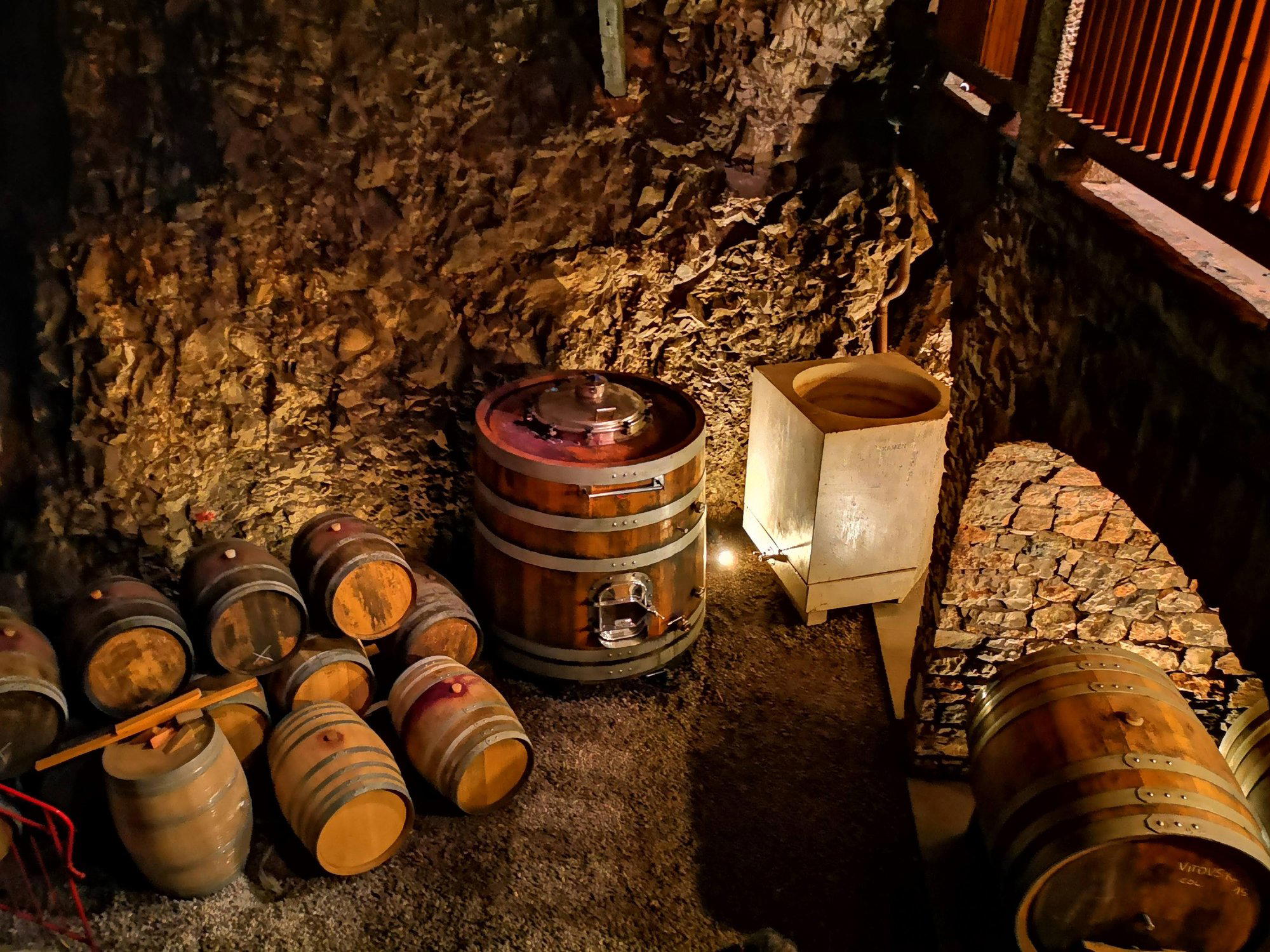
Central Istrian properties in the Pazin area typically work with a combination of cured meats from their own animals, dairy products from small local herds, garden vegetables and foraged greens that shift with the season, and the region's storied truffle supply from the Motovun forest system nearby. The olive oil and wine on the table at these properties often carry the same address as the building. This kind of compression, between producer, preparer, and server, is what makes agritourism meals resistant to direct comparison with restaurant meals, regardless of how sophisticated those restaurants are. You can explore that wider Croatian dining conversation across our full Zabrezani restaurants guide and across properties like Korak in Jastrebarsko and Dubravkin Put in Zagreb for the mainland counterpart to Istria's rural hospitality tradition.
Planning a Visit: What to Know Before You Go
Agritourism properties in central Istria are not walk-in operations. The production-led format means that meal service is almost always by advance arrangement, with the hosts needing to know numbers ahead of time to prepare from their own stores. Visitors coming from Pazin, the nearest town with rail connections to Pula and Rijeka, should allow time for the drive into the upland settlement, which is not accessible by public transport. The Pazin area sits roughly in the geographic center of the Istrian peninsula, making it a viable base for exploring the wider region, including the truffle grounds of Motovun, the Venetian hilltop town of Grožnjan, and the coastal dining scene at Poreč and Rovinj.
The agritourism format typically runs to a fixed, shared meal rather than an à la carte selection, and dress code is emphatically informal. This is a working farm property, and the experience reflects that. Visitors accustomed to the formal precision of a place like Krug in Split, Restaurant Filippi in Curzola, or Trg Sv. Stjepana 3 in Lesina will find a categorically different register here. That difference is the point. The comparison is not between quality tiers but between fundamentally different modes of hospitality, each legitimate on its own terms.
Frequently asked questions
Is Agroturizam Ograde a family-friendly restaurant?
The agritourism format at Lindarski katun above Pazin lends itself naturally to families. Farm properties operating under Croatia's agritourism framework typically centre meals around communal, unhurried eating, which suits mixed-age groups better than a formal urban restaurant would. Advance reservations are advisable regardless of group composition.
Is Agroturizam Ograde formal or casual?
Agroturizam Ograde sits firmly on the casual end. Located at Lindarski katun 60 in the ridge settlement above Pazin, the property follows the working agritourism model, where the farm context sets the tone rather than any dining-room formality. Expect rustic settings and unpretentious service consistent with central Istrian agritourism norms.
How does the location at Lindarski katun above Pazin affect the dining experience at Agroturizam Ograde?
Lindarski katun is a ridge settlement in central Istria, and the drive there from Pazin already signals that this is not a roadside stop. The katun settlement type historically served as seasonal highland grazing grounds, which means Agroturizam Ograde sits within an agricultural geography that predates modern food tourism by centuries. That context shapes the pace and character of a meal here in ways the food alone cannot.
What should I eat at Agroturizam Ograde?
Croatian agritourism law requires that the majority of food served at registered properties derives from the farm's own production, so the menu at Agroturizam Ograde reflects what the land around Lindarski katun near Pazin actually yields. Expect seasonal, production-led dishes shaped by the Istrian interior rather than a fixed written menu. Specific dish details are best confirmed directly when booking.
Where is Agroturizam Ograde in Zabrezani?
Agroturizam Ograde is located at Lindarski katun 60, 52000, Pazin, Croatia, Zabrezani.
Do they take walk-ins at Agroturizam Ograde?
Walk-ins are not a reliable option at this type of property. Agritourism operations in central Istria, including those around Pazin, structure meal service around advance reservations because production output directly determines what can be served and to how many guests. Contact the property before visiting to confirm availability.
What makes Agroturizam Ograde worth seeking out?
The address itself, Lindarski katun 60 on the ridge above Pazin, situates Agroturizam Ograde within one of Istria's older pastoral settlement patterns, which gives the meal a geographic honesty that purpose-built restaurants cannot replicate. Croatian agritourism registration means the sourcing chain is legally bound to the farm, not to wholesale suppliers. That structural constraint produces food with a traceable, local character that is increasingly rare even in Istria's well-developed agritourism scene.
In Context: Similar Options
| Venue | Cuisine | Price | Awards | Notes |
|---|---|---|---|---|
| Agroturizam OgradeThis venue (the venue you are viewing) | Croatian Farm-to-Table | Not listed | Not listed | Not listed |
| Pelegrini | Modern Dalmatian Fine Dining | $100–150 | 1 Michelin Star · La Liste Top Restaurants | Mediterranean, Modern Cuisine |
| Restaurant 360 | Modern Mediterranean with Asian and French Influences | $200–300 | 1 Michelin Star · La Liste Top Restaurants | International, Modern Cuisine |
| Foša | Modern Seafood | $50–100 | Michelin Plate | Croatian, Classic Cuisine |
| Nautika | Traditional Mediterranean Seafood | $100–150 | Michelin Plate · Star Wine List | Modern European, Classic Cuisine |
| Agli Amici Rovinj | Modern Mediterranean Fine Dining | $200–300 | 2 Michelin Stars · La Liste Top Restaurants | Italian Contemporary |
Continue exploring
More in Zabrezani
Restaurants in Zabrezani
All restaurants in Zabrezani →
Bars in Zabrezani
Browse all →

Details
- Rustic
- Cozy
- Casual Hangout
- Family
- Garden
- Farm To Table
- Local Sourcing
- A La Carte
- Vegetarian Friendly
Rustic farmhouse atmosphere with traditional Croatian hospitality.