Makilala occupies a Church Street address in Toronto's downtown core, drawing a loyal return crowd that suggests something more considered than its neighbourhood surroundings might imply. Filipino-inflected cooking in a city still finding its footing with the cuisine makes this a address regulars treat as their own discovery. Booking details remain limited, so arriving informed is half the work.
Pearl is the En Primeur Club membership app — saves, bookings, and concierge access live there. Same editors, same standards.
- Address
- 105 Church St, Toronto, ON M5C 2G3, Canada
- Phone
- +14163667444
- Website
- opentable.com
- Directions
- Get directions
 Saves & bookings on Pearl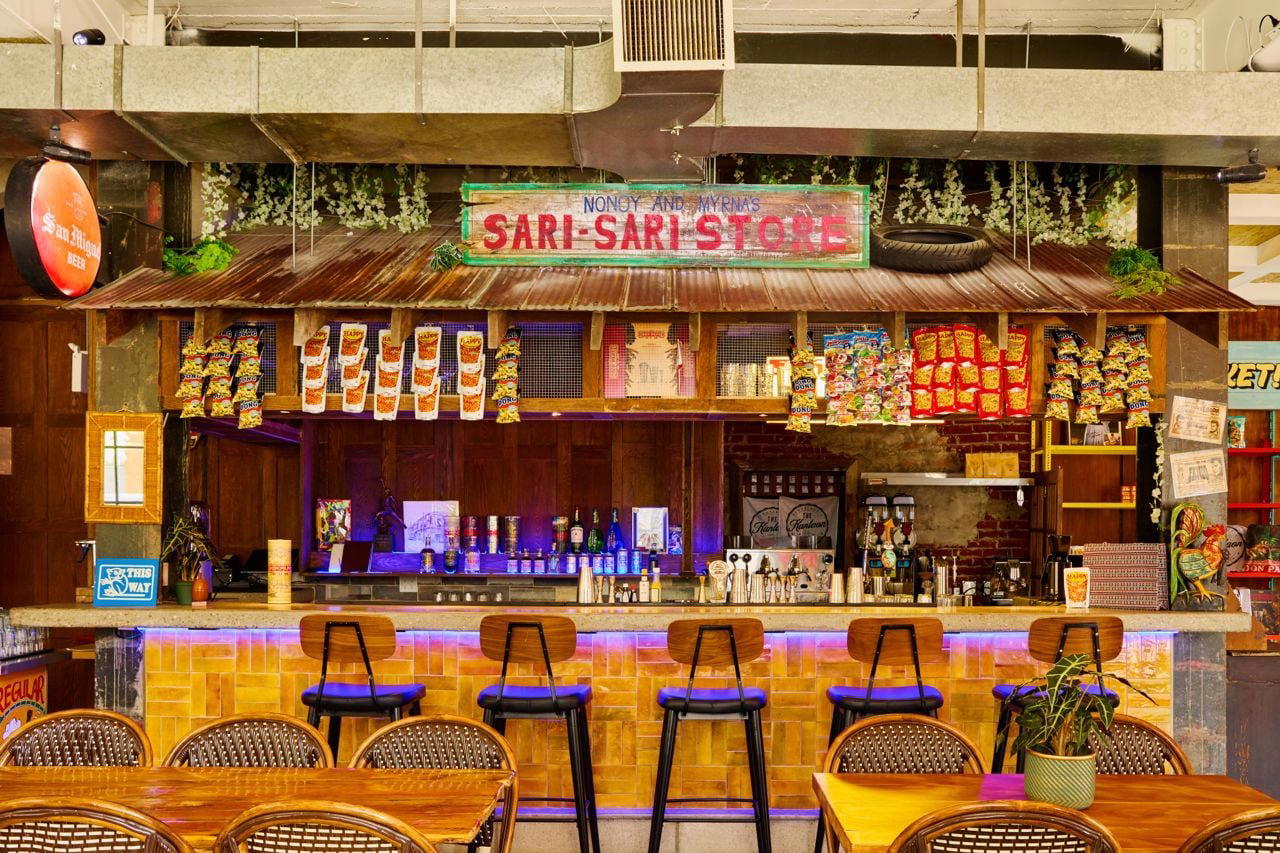
Church Street, and Why Regulars Keep Quiet About It
There is a particular kind of Toronto restaurant that circulates primarily through word of mouth, where the regulars have a proprietary relationship with the room and would prefer the reservation system stay exactly as frictionless as it currently is. Makilala, at 105 Church St in the eastern edge of downtown, fits that pattern. The Church Street corridor has historically been defined by its village character and neighbourhood-scale ambition rather than destination dining, which makes the loyalty this address generates worth paying attention to.
Filipino cooking in Toronto sits in an interesting position: the city has one of the largest Filipino diaspora communities in Canada, yet the cuisine has been slower than Japanese, Korean, or Vietnamese to move into the premium dining conversation. That is beginning to shift, and restaurants operating at the intersection of Filipino tradition and more deliberate modern kitchens are the ones attracting the kind of repeat clientele that sustains a room long-term. Makilala is part of that shift.
What the Return Crowd Is Actually Coming Back For
The regulars' perspective on a restaurant is usually a more reliable editorial instrument than a first-visit review. First visits catch a room performing; repeat visits reveal what it actually does consistently. At addresses like Makilala, the loyalty pattern points toward a kitchen that has found a register it can hold across services, rather than one chasing novelty with each menu cycle.
Filipino cuisine offers a particularly interesting canvas for this kind of consistency. The cooking tradition draws on Malay, Spanish, Chinese, and American influences layered across centuries of contact, producing a flavour vocabulary that is simultaneously familiar to Western palates (the acidity, the slow braises, the rice-centred structures) and genuinely distinct in its combinations. Adobo's interplay of vinegar and soy, the sourness of sinigang, the slow-rendered depth of kare-kare: these are not flavour profiles that require translation for a Toronto diner who eats broadly, but they reward the kind of attention that regulars bring.
In a city where the premium dining tier is dominated by tasting-menu operations at addresses like Alo, the sushi counter formalism of Sushi Masaki Saito, or the kaiseki precision of Aburi Hana, a Filipino-focused room occupies a different kind of cultural space. It is not competing for the same customer on the same occasion. It is building its own occasion type, which is exactly what produces the regulars-first dynamic that defines addresses like this one.
Placing Makilala in Toronto's Broader Dining Movement
Toronto's restaurant culture has been in a sustained period of diversification, with second-generation chefs and diaspora-rooted kitchens increasingly moving beyond the casual register that Filipino, Southeast Asian, and Caribbean cooking has historically been slotted into. This mirrors patterns visible in other major immigrant-receiving cities: London's Nigerian fine dining movement, New York's elevation of West African and Filipino cooking to tasting-menu formats (the latter exemplified by Atomix's success with Korean cuisine at the premium tier), and the broader Canadian trend toward cuisine that reflects the country's actual demographic composition rather than its colonial culinary inheritance.
Across Canada, the more interesting editorial story is not the French-lineage institutions like Aux Anciens Canadiens in Quebec or the tasting-menu prestige circuit represented by Tanière³ in Quebec City, but the kitchens working to make diaspora cooking legible at a more considered level. In Ontario specifically, the conversation around ingredient-led cooking has been shaped by rural producers and farm-connected restaurants like Eigensinn Farm in Singhampton and The Pine in Creemore, but the urban version of that conversation is happening in rooms like this one, where the ingredient story is cultural rather than agrarian.
Italian at the premium end has DaNico and Don Alfonso 1890 competing for the same occasion. Filipino does not yet have that competitive density in Toronto, which means the rooms doing it at any level of seriousness occupy a less contested position in the booking calculus.
Planning a Visit
Makilala's address at 105 Church St places it within walking distance of the St. Lawrence Market neighbourhood and the King Street dining corridor, accessible by TTC from King or Queen stations. Church Street's character is pedestrian and neighbourhood-scaled, which means arrival on foot or by transit reads more naturally than arriving by car. Check current hours and reservation availability before planning around it. Given the loyal return crowd this kind of address tends to generate, walk-in availability during peak dinner service should not be assumed.
For visitors assembling a broader Toronto itinerary, Makilala works well as a contrast pairing alongside the city's more formally structured rooms. The full picture of what Toronto's restaurant culture is doing right now requires both the tasting-menu tier and the neighbourhood-anchored rooms where different culinary traditions are finding their contemporary expression. The wider field includes similarly regarded addresses in Vancouver like AnnaLena, in Montreal with Jérôme Ferrer - Europea, and in smaller Ontario markets like Restaurant Pearl Morissette in Lincoln and Barra Fion in Burlington.
Fast Comparison
Comparable venues nearby, for context on price, style, and recognition.
| Venue | Cuisine | Price | Notes |
|---|---|---|---|
| MakilalaThis venue — the venue you are viewing | Filipino | $$ | Not listed |
| Loga's Corner | Tibetan Momos | $$ | Little Tibet |
| Spirits of York Distillery | Distillery Bar with Farm-to-Table Bites | $$ | Waterfront Communities-The Island |
| Bairradino Churrasqueira | Portuguese Churrasqueira | $$ | Dovercourt-Wallace Emerson-Junction |
| White Noise | Cocktail Bar | $$ | Church and Wellesley |
| Henderson Brewing co | Brew Pub & Pizza | $$ | Junction Triangle |
Continue exploring
More in Toronto
Restaurants in Toronto
Browse all →
Bars in Toronto
Browse all →
Hotels in Toronto
Browse all →

Wineries in Toronto
Browse all →
At a Glance
- Lively
- Trendy
- Cozy
- Group Dining
- Casual Hangout
- Late Night
- Open Kitchen
- Craft Cocktails
Current opening hours
- Monday
- Closed
- Tuesday
- 11:30 AM–9 PM
- Wednesday
- 11:30 AM–9 PM
- Thursday
- 11:30 AM–9 PM
- Friday
- 11:30 AM–10 PM
- Saturday
- 11:30 AM–10 PM
- Sunday
- 11:30 AM–9 PM
Hours can change for holidays and private events. Last verified .
Fun, lively atmosphere mimicking a Filipino village hall with communal tables and a stage for karaoke.