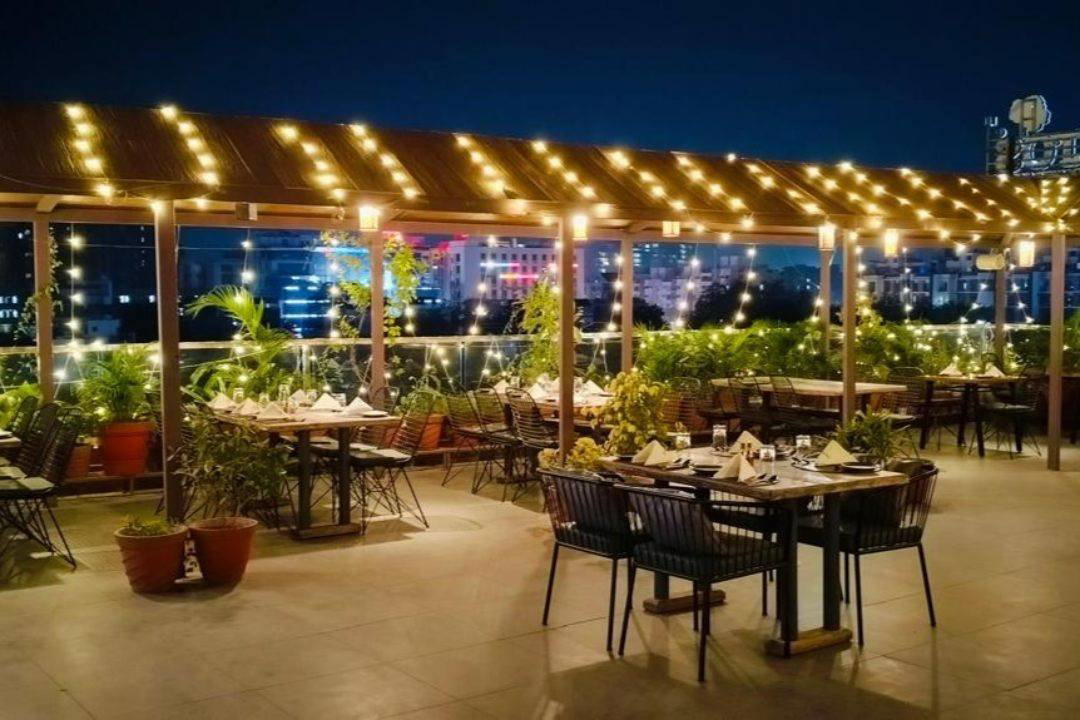
Agashiye occupies a rooftop at the House of MG, one of Ahmedabad's most carefully preserved heritage properties, and serves traditional Gujarati thali in a setting that frames the Old City skyline. The kitchen draws from regional produce and centuries-old recipes, placing it among India's most serious practitioners of home-style Gujarati cooking. Book ahead, especially during peak winter travel season.
 Discover on Pearl
Pearl is the En Primeur Club membership app — saves, bookings, and concierge access live there. Same editors, same standards.
- Address
- the house of MG sidi saiyyed mosque, Old City, Gheekanta, Lal Darwaja, Ahmedabad, Gujarat 380001, India
- Phone
- +917925506946
- Website
- houseofmg.com
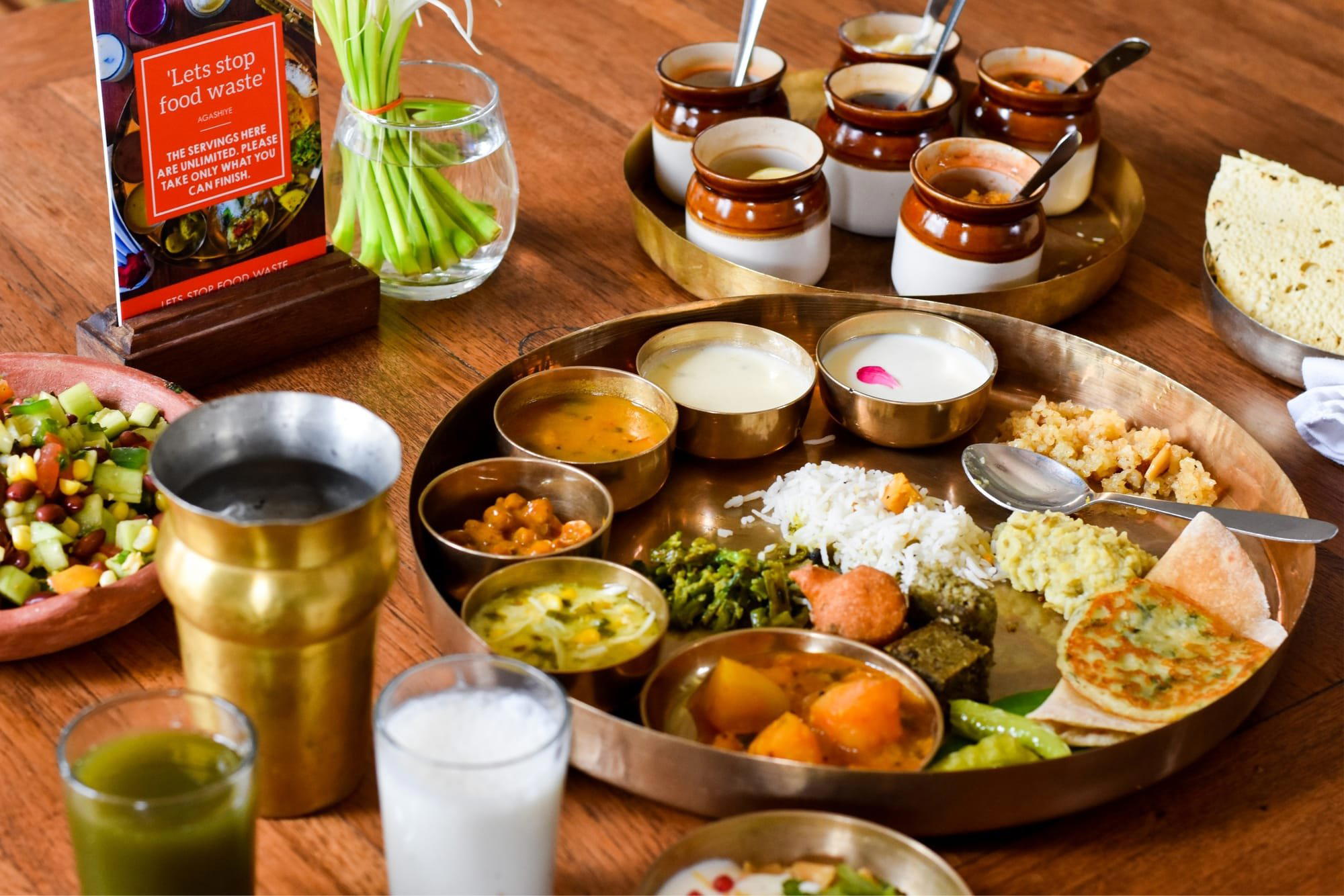
Old City, Open Sky: Dining at Ahmedabad's Heritage Core
There is a particular quality to eating in Old Ahmedabad at dusk, when the minarets of Sidi Saiyyed Mosque catch the last light and the lanes below fill with the sound of the evening. Agashiye is a restaurant serving Authentic Gujarati Thali in Ahmedabad, India, at the House of MG beside Sidi Saiyyed Mosque. The rooftop at Agashiye, set within the House of MG on Lal Darwaja, sits directly inside this atmosphere. The property is a restored haveli, one of a handful of colonial-era mansion conversions in Gujarat that have been returned to active use without being hollowed into generic heritage hotels. From the rooftop, the mosque's famous stone lattice is visible at close range, which gives the setting a sense of place that purpose-built restaurants rarely achieve.
That context matters because the food served here is not decorative. Agashiye operates in the tradition of the Gujarati thali, a format that rewards attention. Across India's regional dining traditions, few are as layered in their logic of balance: sweet, sour, salty, spiced, and cooling elements arrive together, each component in a specific ratio that reflects centuries of domestic cooking practice. The thali is not a tasting menu in the contemporary restaurant sense; it is a codified meal structure that predates the concept of a restaurant entirely. Agashiye is one of the few formal dining addresses in India where that structure is taken seriously rather than simplified for tourist comfort.
The Sourcing Logic Behind Traditional Gujarati Cooking
The ingredient tradition behind a Gujarati thali is largely agricultural and seasonal. Gujarat's cooking draws on the western plains' produce, methi (fenugreek), undhiyu's winter vegetables, the sorghum and millet grains that predate wheat as the staple, and on the dairy output of a region with deep pastoral roots. The classical Gujarati kitchen is almost entirely vegetarian, not by modern preference but by long-standing religious and cultural convention. That constraint has produced one of the subcontinent's most developed vegetarian cuisines, where protein comes from lentils, dairy, and legumes prepared with considerable technical sophistication.
Where a kitchen like Agashiye diverges from contemporary farm-to-table framing is in its relationship to provenance: the sourcing is less a marketing statement than an inherited obligation. Traditional Gujarati recipes specify not just technique but ingredient quality, the sweetness of jaggery used in dal, the variety of rice paired with kadhi, the ghee that carries fat-soluble spices through the cooking. Restaurants that honor this tradition necessarily source with precision, because the recipes leave little room for substitution without altering the dish's internal balance. Compared to kitchens like Farmlore in Bangalore, which frames ingredient sourcing in an explicitly contemporary tasting-menu context, or Inja in New Delhi, which works within a fusion register, Agashiye's sourcing logic is embedded in tradition rather than concept.
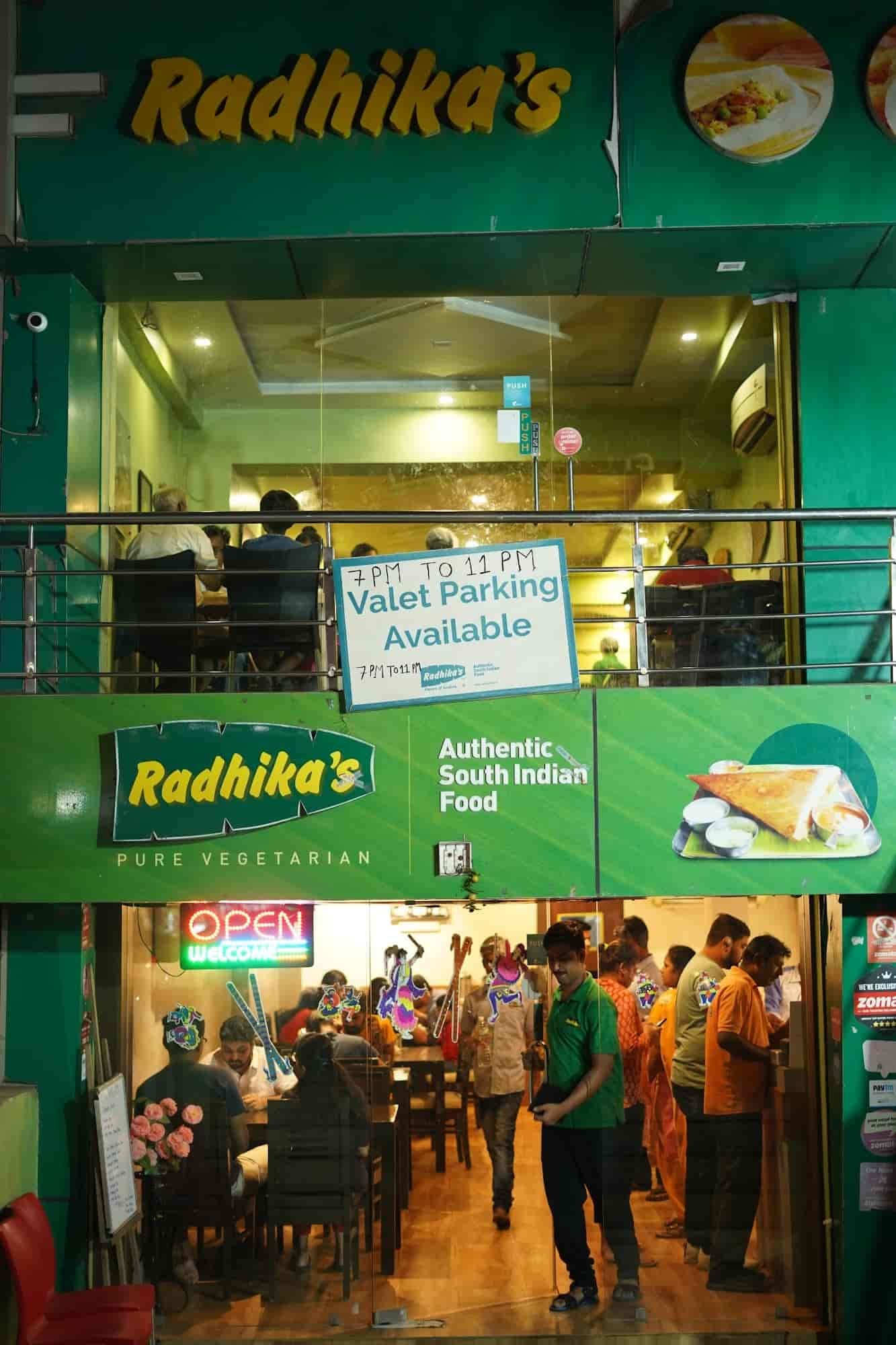
Within Ahmedabad itself, regional cooking done with this level of fidelity is not common at a restaurant scale. Radhika's Authentic South Indian Food and Renbasera represent other points in the city's traditional dining picture, but they operate in different regional registers entirely.
The Thali Format and What It Demands of the Diner
The thali format at its serious end is an exercise in attention rather than accumulation. A traditional Gujarati thali might arrive with dal, kadhi, two or three sabzis, rice, roti, papad, pickle, and a sweet, but the skill lies in how those components interact across the meal rather than in the individual dishes in isolation. Kadhi (a yogurt-and-besan broth tempered with mustard and curry leaf) functions as a palate reset; the sweetness in dal provides counterpoint to the heat in a sabzi. Eating in the right sequence, or in deliberate combination, is part of the meal's logic.
This is a format that has produced serious practitioners across India's heritage restaurant tier. Comparable attention to regional thali tradition appears at addresses like Adaa at Falaknuma Palace in Hyderabad for Nizami cuisine, and at Kappa Chakka Kandhari in Chennai for Kerala's own rice-meal tradition. Each operates within a different regional grammar, but the shared commitment is to cooking as cultural archive rather than commercial product.
For travelers mapping India's regional dining traditions more broadly, the range across Indian addresses on this platform reflects how varied that archive is: from Naar in Kasauli and Neel in Patiala in the north, to Leela Kerala Terrace in Trivandrum and The Malabar House in Fort Cochin in the south, to Bomras in Anjuna and Dining Tent in Jaisalmer in the west. Agashiye sits within this map as one of the few Gujarati-specific addresses operating at a heritage scale.
Planning Your Visit
Agashiye is located within the House of MG, directly beside Sidi Saiyyed Mosque in the Lal Darwaja area of Ahmedabad's Old City, which places it within walking distance of the UNESCO-listed walled city's main sites. The rooftop setting makes timing sensitive: the cooler months between November and February offer the most comfortable outdoor dining conditions, and this is also Ahmedabad's peak cultural calendar period, when the city draws visitors for heritage walks, kite festivals, and the Rann Utsav in neighboring Kutch.
The rooftop is open to the elements, which means the monsoon months (June through September) may affect accessibility; travelers planning visits during this period should confirm in advance. The Old City is easily reached by auto-rickshaw from central Ahmedabad or from the newer western districts, and the Lal Darwaja area is walkable for those already in the heritage core. The restaurant is vegetarian, which aligns with the cuisine tradition and should be noted by travelers accustomed to mixed menus.
Palaash in Yavatmal, Ran Baas The Palace in Qila Mubarak, and internationally benchmarked venues like Le Bernardin in New York City or Lazy Bear in San Francisco or Americano in Mumbai illustrate the full range of what serious-format dining looks like across different culinary traditions.
Comparison Snapshot
Comparable venues nearby, for context on price, style, and recognition.
| Venue | Cuisine | Price | Awards | Notes |
|---|---|---|---|---|
| AgashiyeThis venue — the venue you are viewing | Authentic Gujarati Thali | $$$$ | , | |
| Radhika's Authentic South Indian Food | Authentic South Indian | $$ | , | Drive-in Road, Gurukul |
| Renbasera | North Indian & Chinese Multicuisine | $$ | , | Odhav Gam |
| Bukhara Restaurant | North West Frontier Indian | $$$ | , | Diplomatic Enclave |
| SUJÁN JAWAI | Modern Indian Grill | $$$$ | Bisalpur | |
| Chandni | Traditional Indian Fine Dining | $$$$ | , | Lake Pichola waterfront |
Continue exploring
More in Ahmedabad
At a Glance
- Iconic
- Elegant
- Scenic
- Classic
- Sophisticated
- Group Dining
- Special Occasion
- Celebration
- Rooftop
- Terrace
- Historic Building
- Hotel Restaurant
- Panoramic View
- Street Scene
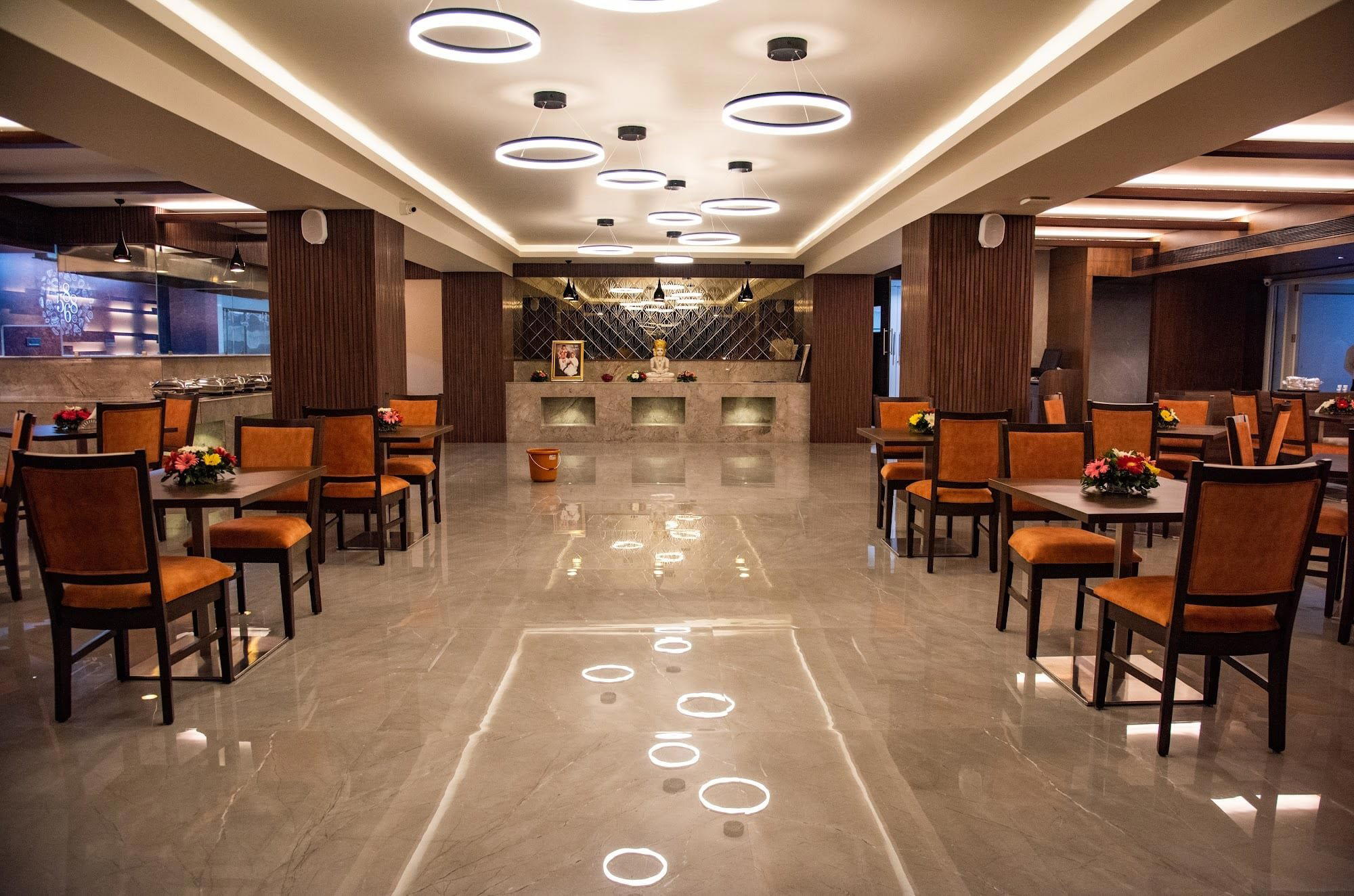
Traditional ethnic architecture and design with warm, cultural ambiance; terrace setting with natural light during day, intimate evening atmosphere overlooking the walled city.