Our verdict
South Indian cooking in Ahmedabad occupies a specific niche: a cuisine built on fermented batters, stone-ground lentils, and regionally distinct spice blends, served far from its home geography. Radhika's Authentic South Indian Food, on Prernatirth Derasar Road in the Jodhpur Village neighbourhood, brings that tradition into a city whose own culinary identity is firmly rooted in Gujarati vegetarian cooking.

Pearl is the En Primeur Club membership app — saves, bookings, and concierge access live there. Same editors, same standards.
- Address
- Ground Floor, Krushnashray Flat, Prernatirth Derasar Rd, Prernatirth Part 1, Jodhpur Village, Ahmedabad, Gujarat 380015, India
- Phone
- +919855269855
- Hours
- Daily 8:30 AM–11:30 PM
- Website
- radhikas.in
- Directions
- Get directions
- Booking
- Book on the venue's website
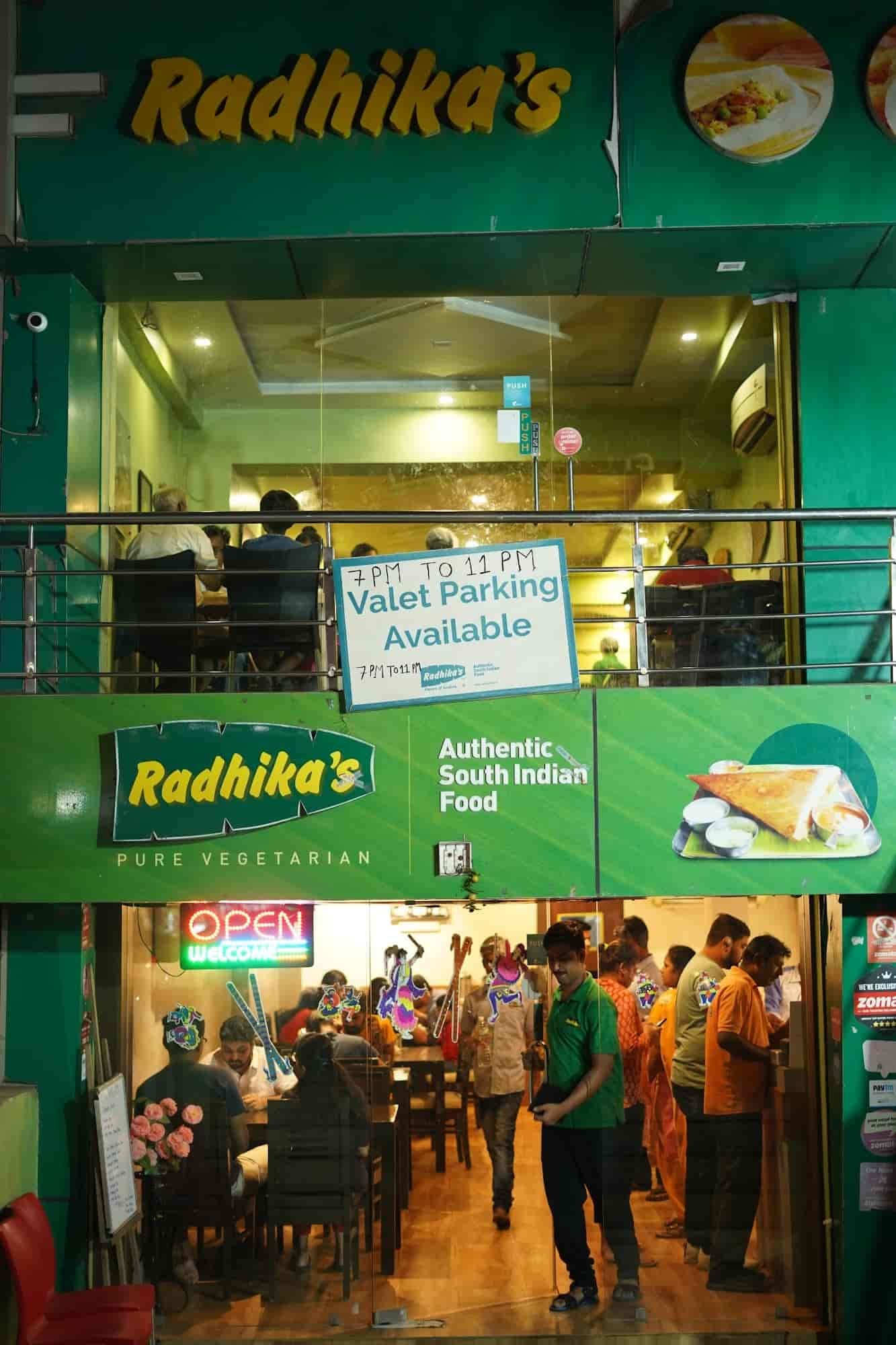
The menu
What to order
- Masala Dosa
- Mysore Masala Dosa
- Rava Masala Dosa
- Idli
- Uttapam
- Fry Idli
- Ghee Podi Dosa
South Indian Food in a Gujarati City
Ahmedabad's food culture is defined, at its core, by the Gujarati thali: a rotating cast of dals, shaaks, rotlis, and farsan that reflect the state's deep vegetarian tradition. Into that context, South Indian cooking arrives as something genuinely distinct. The fermented batter of dosas and idlis, the tempering of mustard seeds and curry leaves in hot oil, the use of tamarind as a souring agent rather than amchur or kokum — these are not merely different dishes but a different culinary logic. Radhika's Authentic South Indian Food, situated on Prernatirth Derasar Road in the Jodhpur Village area of west Ahmedabad, occupies this position: a kitchen rooted in South Indian technique operating within a city whose palate runs in a different direction entirely.
For context on where Radhika's sits within Ahmedabad's wider dining options, our full Ahmedabad restaurants guide maps the city's range from heritage Gujarati institutions to newer arrivals. At the more formal end of that spectrum, Agashiye represents Gujarati thali at its most considered, while Renbasera takes a different approach to the city's vegetarian tradition. Radhika's addresses a different appetite altogether.
The Logic of Fermentation and Stone-Ground Batters
South Indian cooking's dependence on fermentation is not incidental — it is structural. The idli and dosa batter requires an overnight ferment of rice and urad dal, a process that both softens the grains and develops the faint sourness that defines the finished product. Done correctly, the fermentation is calibrated to temperature and humidity; done poorly, the batter either under-develops or tips into sharpness. This is the first test any South Indian kitchen faces, and it is one that cannot be shortcut. Stone-grinding, which breaks down lentils and rice differently than blender blades, produces a batter with a coarser, more porous texture that holds air better during cooking, a detail that matters when the goal is an idli with a light, springy interior rather than a dense, gummy one.
The sourcing logic that underlies South Indian cuisine is also distinct from what Gujarati or North Indian kitchens demand. Curry leaves, a flavour that does not survive drying, must arrive fresh and be used quickly. Urad dal, the black lentil used in batter and in many chutneys, behaves differently from the yellow moong or toor dal central to Gujarati cooking. Tamarind, used in sambar and rasam, requires a wet paste rather than a dry powder to deliver the rounded, fruity acidity the dishes depend on. A kitchen serious about South Indian food manages a supply chain oriented around these specifics, which in a city like Ahmedabad, well supplied for Gujarati ingredients, less so for South Indian ones, represents a practical commitment rather than a marketing claim.
For comparison, Farmlore in Bangalore demonstrates how a South Indian city's restaurant culture can build sourcing into its central editorial identity, drawing on Karnataka's agricultural diversity. The challenge Radhika's faces is a mirror image: applying the same sourcing discipline in a city where the supply infrastructure for those ingredients is thinner.
The Setting on Prernatirth Derasar Road
Jodhpur Village is a residential neighbourhood in west Ahmedabad, away from the old city's dense fabric of pols and havelis, and distinct from the commercial corridors of Prahlad Nagar or SG Highway. The address on Prernatirth Derasar Road, a street named for the Jain derasar nearby, places the restaurant within a neighbourhood where the local population skews toward educated, middle-class families with strong vegetarian preferences. This is not the Ahmedabad of tourist itineraries; it is the city as its residents actually live in it.
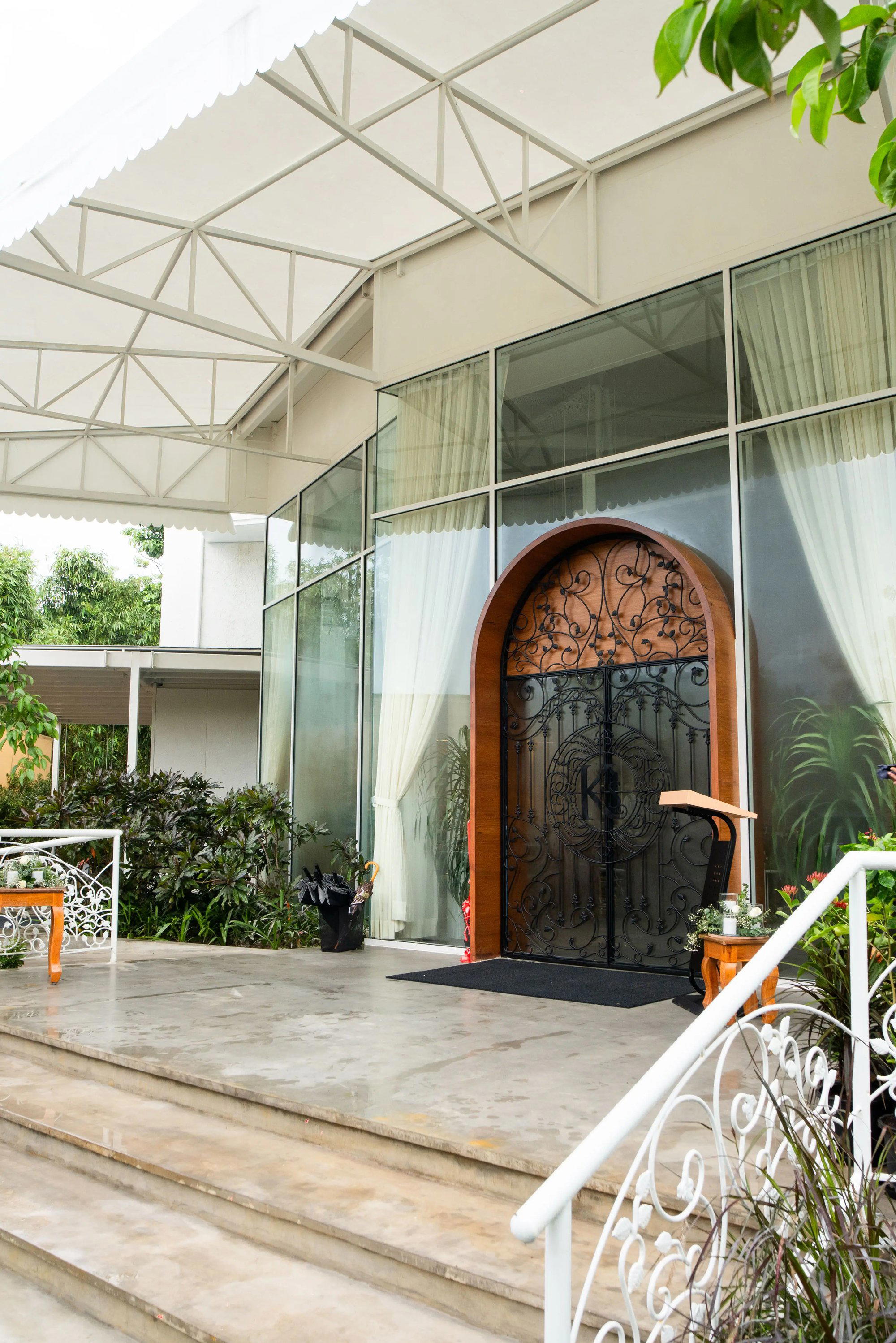
Ground-floor premises in a residential flat complex like Krushnashray suggest a setting that is functional rather than designed for atmosphere. In South Indian restaurant culture, that is not a liability. The category's most respected operators, from the old Brahmin-run filter coffee houses of Chennai to the working idli shops of Madurai, have historically prized consistency and sourcing over décor investment. The physical environment is often spare by design, tile floors, steel tumblers, laminated menus, because the food's authority comes from process, not presentation. Whether Radhika's fits that archetype precisely is something the space itself would confirm, but the address and format point in that direction.
South Indian Vegetarian Cooking in a National Context
Across India, the spread of South Indian restaurants into non-South Indian cities has followed a particular pattern. The first wave typically brings the basics: dosa, idli, vada, sambar, coconut chutney. The second wave, where it occurs, introduces regional specificity: Chettinad pepper preparations, Kerala-style appam with stew, Andhra-style pesarattu, or Tamil Nadu's kothu parotta. The distinction between the two waves is partly about market demand and partly about ingredient access. A kitchen willing to source fresh coconut for grinding, or to maintain the correct ratio of chana dal and toor dal in sambar, signals that it is operating with more ambition than a kitchen that relies on powder-based shortcuts.
At the national level, South Indian flavour logic has begun to attract serious critical attention. Leela Kerala Terrace in Trivandrum represents the formal end of Kerala's hospitality tradition, while Dosa Crepes N More in Mehsana addresses a comparable audience to Radhika's, South Indian staples in a Gujarati city context. The range of approaches across India's South Indian restaurant tier is wide, from the highly technical to the thoroughly accessible. Radhika's name and positioning suggest it is aiming at the accessible end of that range, prioritising recognisability and consistency over elaboration.
Other vegetarian traditions across India, Dadi Ki Rasoi in Budaun offers a useful contrast from North India, show that the pure vegetarian format is not itself a differentiator. What separates one vegetarian kitchen from another is almost always process: how long the dal simmers, whether spices are ground fresh, how the tempering sequence is managed. South Indian cooking makes those process questions unusually visible, because the dishes are simpler in their components and the margin for error is correspondingly smaller.
For those planning a broader India itinerary that takes in serious cooking of different registers, Bukhara in New Delhi and Esphahan in Agra anchor the Mughal-influenced North Indian end of the spectrum, while Naar in Kasauli represents a different regional approach entirely. The South Indian tradition Radhika's draws from sits at the opposite end of that culinary geography.
Planning a Visit
Radhika's Authentic South Indian Food is located at the ground floor of Krushnashray Flat, Prernatirth Derasar Road, Prernatirth Part 1, Jodhpur Village, Ahmedabad, a residential address in west Ahmedabad that is most practically reached by auto-rickshaw or cab. No booking details or website are listed in the public record, which for a neighbourhood South Indian restaurant of this type typically means walk-in is the standard approach. South Indian restaurants in this format tend to have peak hours at breakfast and lunch, when idli, dosa, and vada are at their freshest from the morning's batter; the dinner menu may vary. Arriving early in the service is generally the better strategy for both availability and food quality. No pricing data is publicly listed, but the address, format, and neighbourhood context place it in the accessible, everyday-meal tier of Ahmedabad's dining options rather than the occasion-dining bracket.
Frequently asked questions
Does Radhika's Authentic South Indian Food work for a family meal?
The ground-floor location in Krushnashray Flat on Prernatirth Derasar Road, a residential stretch in Jodhpur Village, points to a neighbourhood setup rather than a large dining hall. South Indian menus built around idlis, dosas, and rice plates tend to suit mixed-age groups well, with familiar, shareable formats. Families seeking a sit-down meal in west Ahmedabad should find the setting functional and low-key.
What kind of setting is Radhika's Authentic South Indian Food?
This is a ground-floor, residential-neighbourhood spot on Prernatirth Derasar Road in Jodhpur Village — west Ahmedabad, away from the old city's commercial density. That address signals a local, community-facing operation rather than a destination dining room. Expect a compact, unfussy space oriented around the food itself.
Is Radhika's Authentic South Indian Food a good option for South Indian breakfast in Ahmedabad?
South Indian breakfast — idli, vada, dosa — is precisely the category that restaurants like Radhika's, positioned in a residential Ahmedabad neighbourhood, tend to anchor their daily service around. Ahmedabad's own breakfast culture runs toward fafda, jalebi, and Gujarati farsan, making a dedicated South Indian kitchen on Prernatirth Derasar Road a distinct alternative for those seeking fermented-batter staples in the morning.
What should I order at Radhika's Authentic South Indian Food?
The venue's name flags South Indian cooking as its core commitment, and in that category the anchors are fermented-batter preparations: idlis, dosas, and their variants, alongside sambar and chutneys. These dishes define the kitchen's identity across South Indian restaurants operating in Gujarati cities, where they fill a gap the local thali tradition does not cover.
How do I find Radhika's Authentic South Indian Food?
Radhika's Authentic South Indian Food is located at Ground Floor, Krushnashray Flat, Prernatirth Derasar Rd, Prernatirth Part 1, Jodhpur Village, Ahmedabad, Gujarat 380015, India, Ahmedabad.
Do they take walk-ins at Radhika's Authentic South Indian Food?
No booking or reservation data is available for this address on Prernatirth Derasar Road. Neighbourhood South Indian restaurants in Ahmedabad typically operate on a walk-in basis, particularly for breakfast and lunch service, though peak hours can mean a wait. Confirming current hours directly before visiting is advisable.
A Quick Peer Check
Comparable venues nearby, for context on price, style, and recognition.
| Venue | Cuisine | Price | Notes |
|---|---|---|---|
| Radhika's Authentic South Indian FoodThis venue — the venue you are viewing | Authentic South Indian | $1–10 | Not listed |
| Renbasera | North Indian & Chinese Multicuisine | $10–20 | Odhav Gam |
| Agashiye | Authentic Gujarati Thali | $30–50 | Lal Darwaja |
| Zing | World of Flavors Buffet - Asian, Italian, Indian & Maharashtrian | Not listed | Chikalthana MIDC |
| Dosa Crepes N More | South Indian Dosa & Crepes | $1–10 | Mehsana |
| Nand Di Hatti | Classic Punjabi Chole Bhature | $1–10 | Sadar Bazar |
Continue exploring
More in Ahmedabad
Details
- Cozy
- Classic
- Family
- Group Dining
- Casual Hangout
- Brunch
- Standalone
- A La Carte
- Filter Coffee
- Vegetarian Friendly
- Vegan Options
Current opening hours
- Monday
- 8:30 AM–11:30 PM
- Tuesday
- 8:30 AM–11:30 PM
- Wednesday
- 8:30 AM–11:30 PM
- Thursday
- 8:30 AM–11:30 PM
- Friday
- 8:30 AM–11:30 PM
- Saturday
- 8:30 AM–11:30 PM
- Sunday
- 8:30 AM–11:30 PM
Hours can change for holidays and private events. Last verified .
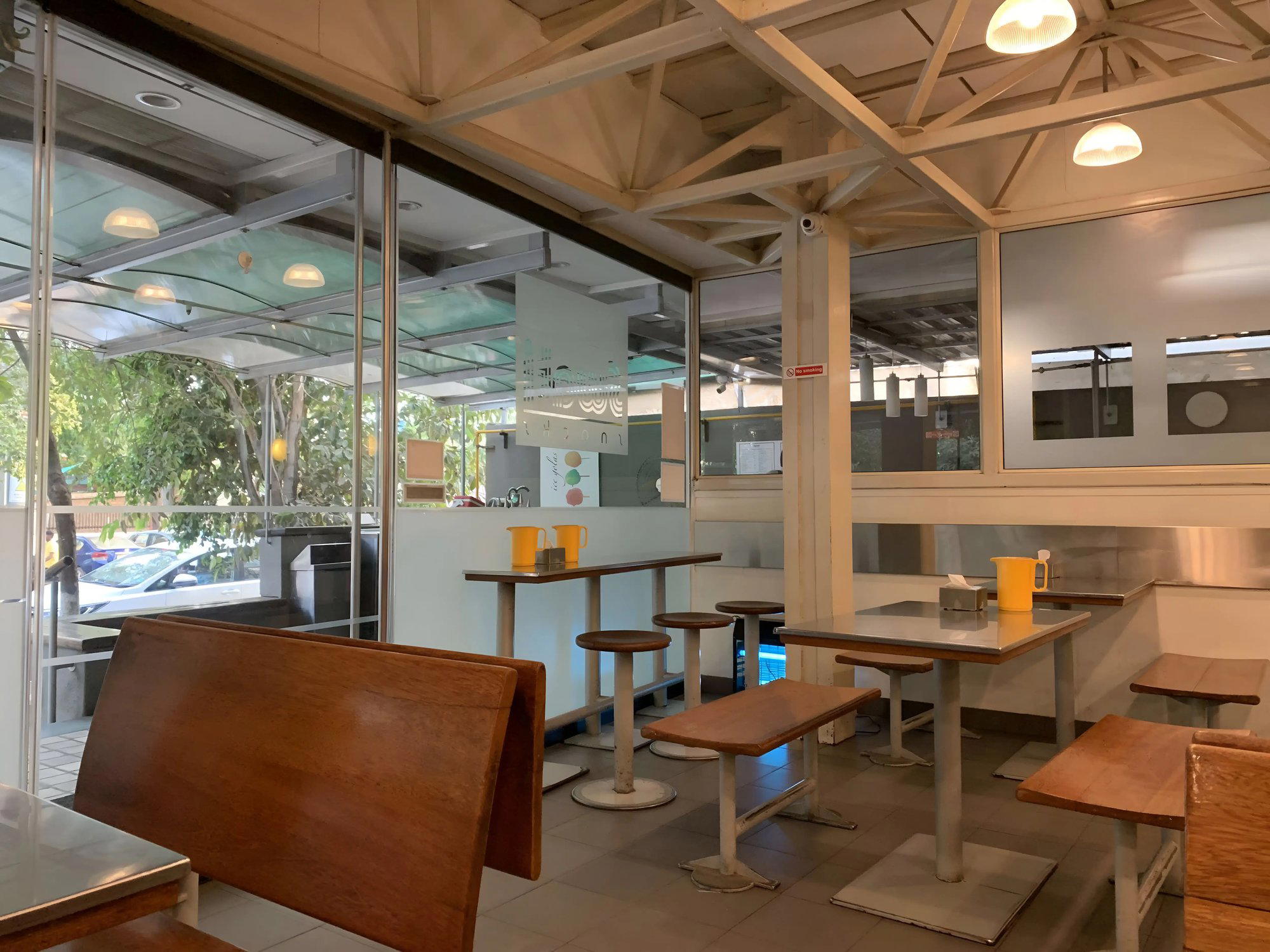
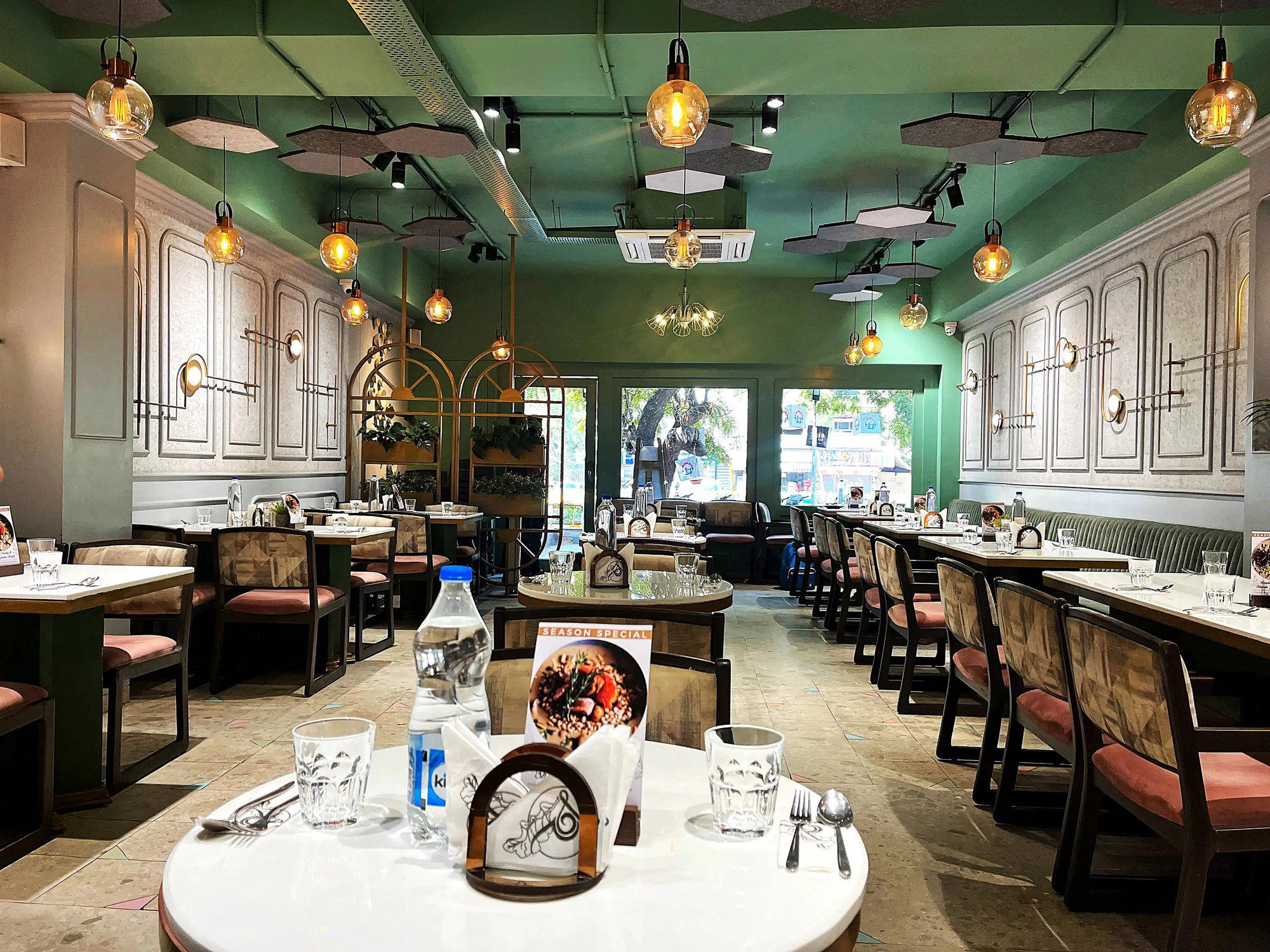
Spacious, clean, and well-organized interior with simple, unpretentious design; bright and welcoming atmosphere suitable for families and casual dining.