Our verdict
Abstinence sits on Avenue de la Motte-Picquet in Paris's 15th arrondissement, a neighbourhood that trades Rive Gauche prestige for a quieter, more residential register.

Pearl is the En Primeur Club membership app, where members save venues, book tables and use the concierge.

The 15th and the Restaurants It Doesn't Advertise
Paris's 15th arrondissement occupies an awkward position in the city's dining hierarchy. It is the most populous arrondissement in the capital, densely residential, and almost entirely absent from the lists that drive reservation demand at addresses like Alléno Paris au Pavillon Ledoyen or Le Cinq at the Four Seasons Hôtel George V. That structural obscurity works both ways. It keeps tourist traffic low and means that restaurants here must earn repeat custom from the neighbourhood itself rather than from the international reservation economy that sustains much of the 1st, 7th, and 8th.
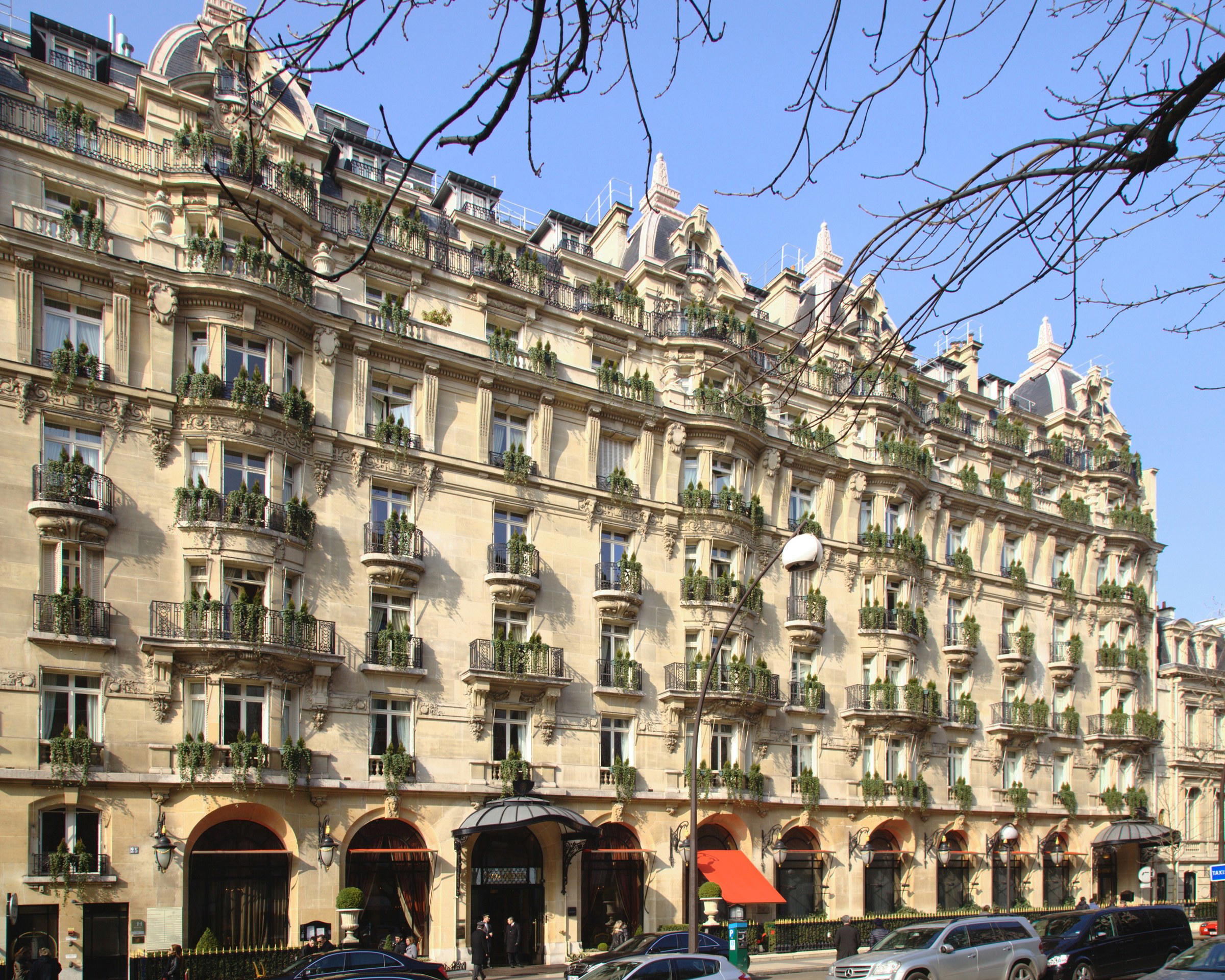
Avenue de la Motte-Picquet runs from the Champ-de-Mars toward the Ségur area, threading through a part of the 15th that sits within walking distance of the Eiffel Tower but reads nothing like the tourist belt. It is a street of boulangeries, pharmacies, and unremarkable apartment facades, which makes it a reasonable address for a restaurant that clearly is not positioning itself on spectacle or location cachet.
What the Name Signals
Restaurant names in Paris carry legible codes. Names that reference a chef's surname, as at Arpège or Kei, place the individual at the centre of the proposition. Names that reference a place, a season, or a material signal something about sourcing philosophy. A name like Abstinence makes a different kind of declaration: it points toward restraint, subtraction, or a deliberate refusal of excess.
That conversation has been running in serious French kitchens for over a decade. The most documented version of it lives in three-star houses outside Paris, at Bras in Laguiole, where vegetable-forward cooking preceded the trend, or at Flocons de Sel in Megève, where alpine restraint informs the kitchen's approach. But the impulse toward reduction is not exclusive to destination restaurants. It also surfaces in smaller urban addresses with no awards profile and no published tasting menu price.
Team Dynamics in the Absence of a Public Record
The editorial angle that makes smaller Paris restaurants worth tracking is often less about a single chef and more about how a front-of-house team and kitchen function as a coherent unit. At addresses with no Michelin star and no documented chef biography, the question is whether the floor reads the room with the same precision that a starred house deploys in service. Paris has no shortage of technically correct service; the rarer quality is a front-of-house that makes a meal feel like a considered sequence rather than a transaction.
At houses like L'Ambroisie on Place des Vosges, or Auberge de l'Ill in Illhaeusern, the team dynamic is decades in the making and institutionally documented. At a newer, less-publicised address, that dynamic is harder to verify from the outside, but it remains the thing most worth interrogating when you arrive. Who pours? Does the person explaining the menu actually know what is in the glass? Is there a sommelier or a server covering both roles? These are the structural questions that separate a neighbourhood bistro with ambition from one that is merely quiet.
The collaboration between kitchen and floor matters especially in Paris's mid-register, where a fixed menu at a reasonable price point depends on the front-of-house reading the pace of the meal and adjusting accordingly. Restaurants at the level of Troisgros in Ouches or Paul Bocuse in Collonges-au-Mont-d'Or have formalised this into institutional ritual. The interesting version of the same question at a smaller, newer house is whether the team has built its own version of that discipline without the scaffolding of a three-generation reputation.
Paris Beyond the Grand Addresses
The conversation about where Paris dining is actually interesting has shifted over the past several years. The grand addresses, with their multi-course menus priced at several hundred euros and their months-long booking windows, remain reference points, but they are no longer where the city's most contested culinary arguments are playing out. That ground has moved to smaller rooms in less-frequented arrondissements, to chefs with no public biography who are working out ideas without the pressure of an awards campaign.
Internationally documented examples of this pattern exist outside France too. Lazy Bear in San Francisco built a reputation through an unconventional format before it had conventional recognition. Le Bernardin in New York City represents the opposite end of that trajectory, decades of institutional recognition, but it started as an import from a French culinary tradition that trusted the cooking to make the argument. The 15th arrondissement is not a fashionable address for either of those trajectories, which is exactly what gives it room to be interesting.
For reference across France's most recognised kitchens, EP Club's coverage extends from Mirazur in Menton to Les Prés d'Eugénie in Eugénie-les-Bains, Auberge du Vieux Puits in Fontjoncouse, La Table du Castellet, and Georges Blanc in Vonnas. See our full Paris restaurants guide for the broader picture.
Planning a Visit
| Factor | Abstinence (15th) | Starred Paris peers (1st–8th) | Mid-tier Paris bistros |
|---|---|---|---|
| Booking lead time | Not confirmed; likely short notice | 2–8 weeks for most starred houses | Same-week or walk-in possible |
| Price range | Not published | €€€€ across all tracked peers | €€–€€€ typical |
| Awards on record | None confirmed | Rarely awarded | |
| Neighbourhood character | Residential, low tourist density | Prestige arrondissements | Varies by district |
| Dress code | Not published | Smart casual to formal | Casual to smart casual |
Frequently asked questions
Where is Abstinence in Paris?
Abstinence is located at 47 Av. de la Motte-Picquet, 75015 Paris, France, Paris.
What's the defining idea at Abstinence?
The name is the most legible signal available. In Paris dining, a restaurant that brands itself around the concept of abstinence is positioning against maximalism, against multi-butter sauces, against lengthy tasting menus, against wine lists that function as status documents. Whether that philosophy manifests through ingredient count, alcohol programming, or portion discipline, the name alone places Abstinence in a conversation happening across a generation of smaller Paris addresses that are editing down rather than adding up.
What's the signature dish at Abstinence?
The restaurant's name points toward a kitchen philosophy built around restraint, reduction, editing, or the deliberate absence of excess, which in Paris's current serious dining conversation tends to mean tightly focused menus rather than broad showpiece cooking. Concrete dish details should be verified directly with the restaurant at its Avenue de la Motte-Picquet address.
How far ahead should I plan for Abstinence?
Restaurants at this positioning in Paris's 15th arrondissement, smaller, non-starred, without heavy press profiles, can be surprisingly accessible compared to cited addresses in the 6th or 8th, though that can shift quickly once a venue gains word-of-mouth traction. Contacting the restaurant directly at 47 Avenue de la Motte-Picquet, 75015 Paris is the only reliable way to gauge current availability.
What's the defining dish or idea at Abstinence?
Abstinence is best approached by focusing on the core concept and signature offerings.
Price Lens
| Venue | Cuisine | Price | Awards | Notes |
|---|---|---|---|---|
| AbstinenceThis venue (the venue you are viewing) | Modern French Bistro | $50–100 | Not listed | Not listed |
| Alléno Paris au Pavillon Ledoyen | Modern French Fine Dining | $150–200 | 3 Michelin Stars · World's 50 Best #79 | Creative |
| Kei | Modern French with Japanese Influences | $300–500 | 3 Michelin Stars · World's 50 Best #93 | Contemporary French, Modern Cuisine |
| L'Ambroisie | Classic French Haute Cuisine | $300–500 | 2 Michelin Stars · World's 50 Best #23 | French, Classic Cuisine |
| Le Cinq - Four Seasons Hôtel George V | Modern French Fine Dining | $300–500 | 3 Michelin Stars · World's 50 Best #24 | French, Modern Cuisine |
| Pierre Gagnaire | Avant-Garde French Fine Dining | $200–300 | 3 Michelin Stars · World's 50 Best #17 | French, Creative |
Continue exploring
More in Paris
Restaurants in Paris
All restaurants in Paris →
Bars in Paris
All bars in Paris →
Details
- Trendy
- Cozy
- Elegant
- Modern
- Date Night
- Casual Hangout
- Group Dining
- Terrace
- Natural Wine
- Craft Cocktails
- Street Scene
- A La Carte
- Small Plates
Current opening hours
- Monday
- 11:30 AM–2:30 PM, 6:30 PM–2 AM
- Tuesday
- 11:30 AM–2:30 PM, 6:30 PM–2 AM
- Wednesday
- 11:30 AM–2:30 PM, 6:30 PM–2 AM
- Thursday
- 11:30 AM–2:30 PM, 6:30 PM–2 AM
- Friday
- 11:30 AM–2:30 PM, 6:30 PM–2 AM
- Saturday
- 6 PM–2 AM
- Sunday
- 11:30 AM–3 PM, 6:30 PM–2 AM
Hours can change for holidays and private events. Hours as of .
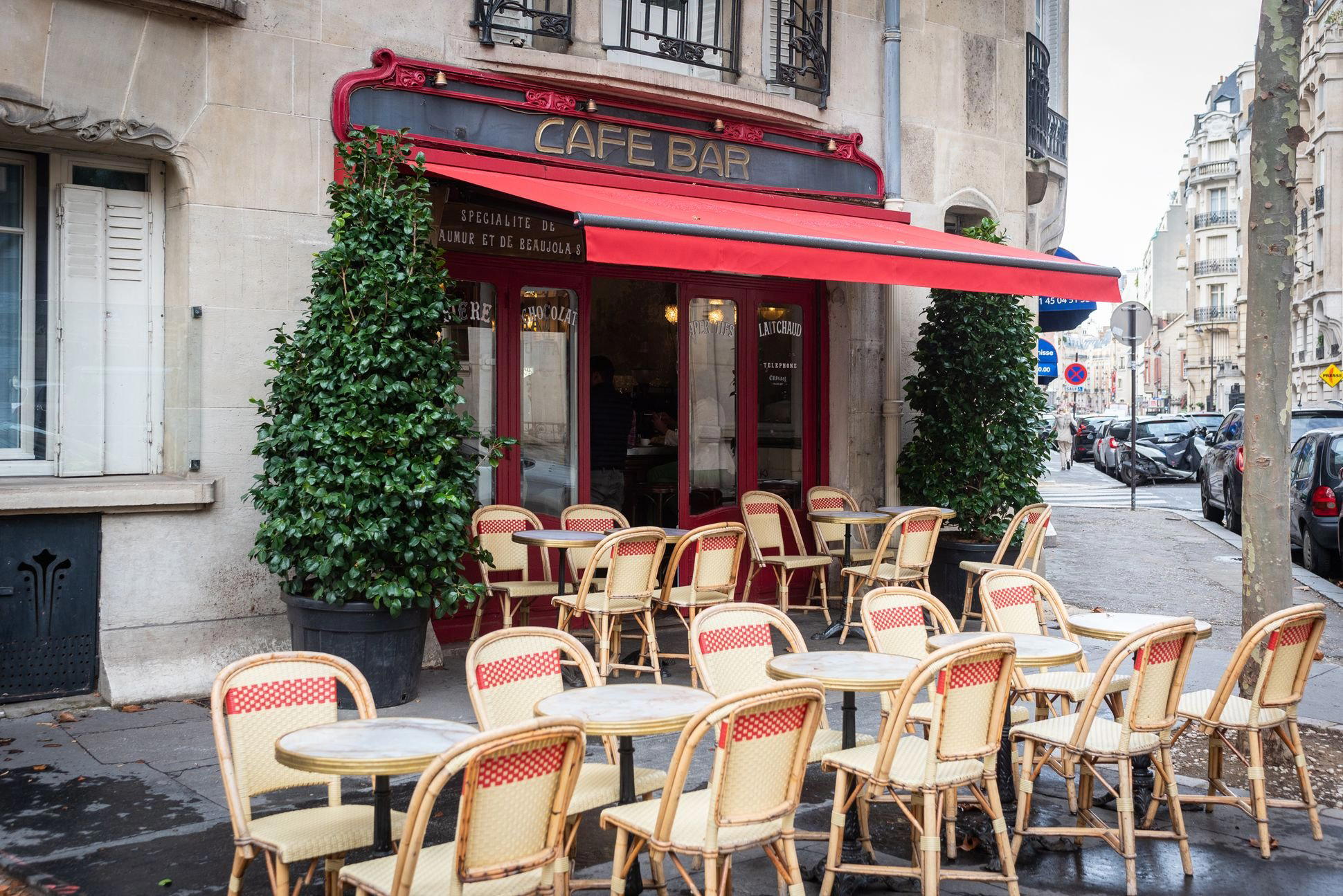
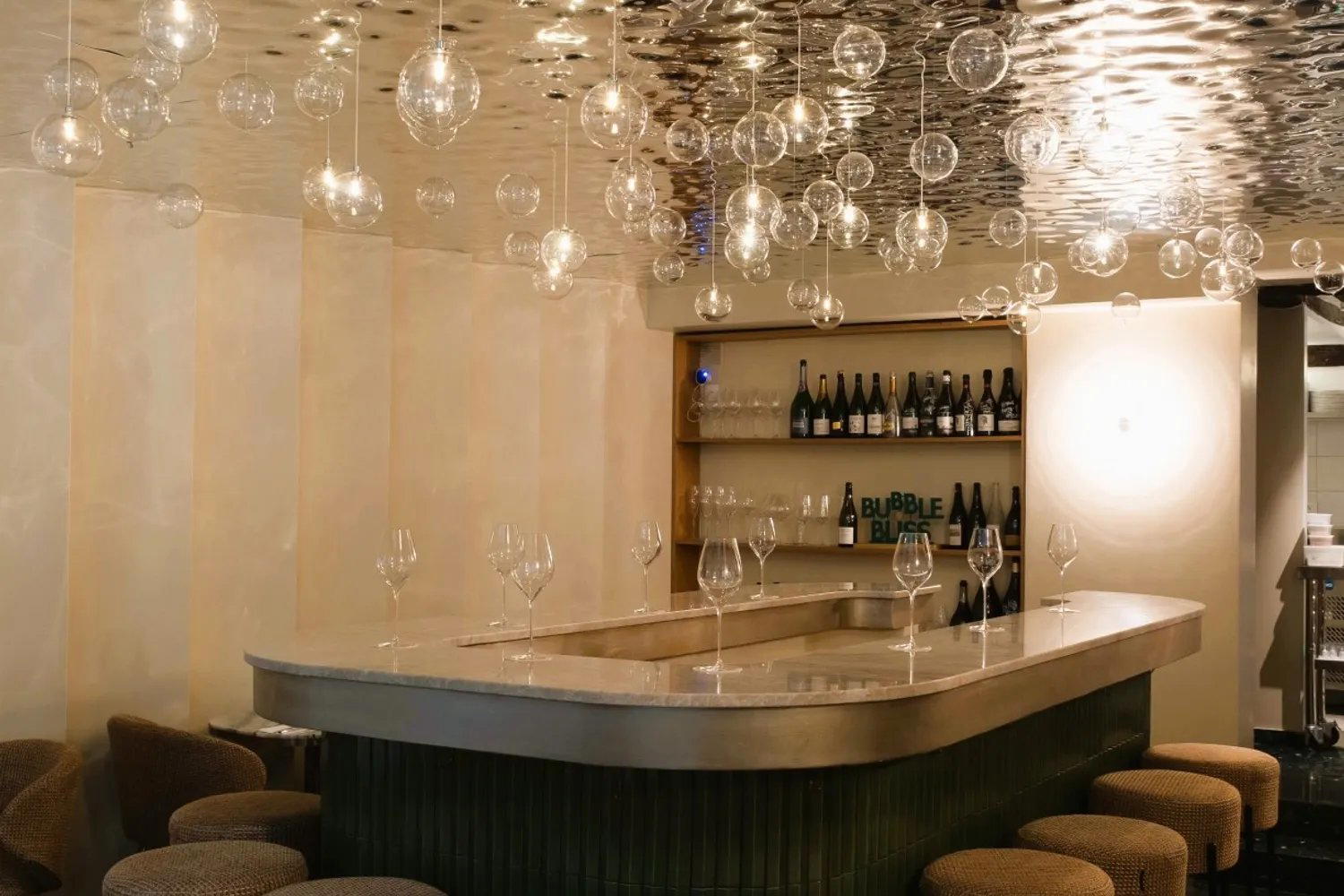
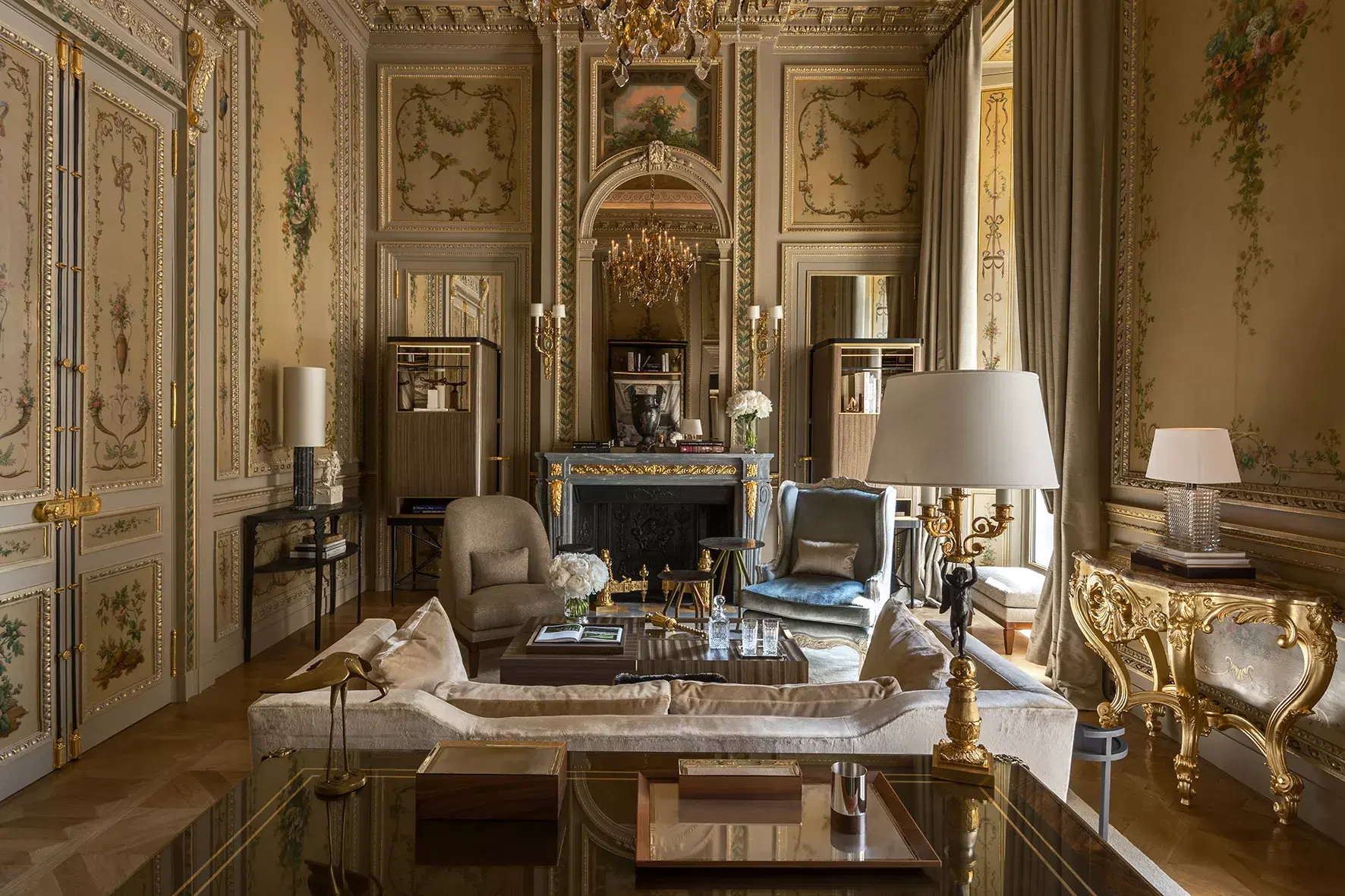
Cozy bistro atmosphere with mossy green leather benches, wooden furniture, lacquered ceiling, globe lights, marble bar, and vinyl records playing.