On Rue Saint-Honoré, where the 1st arrondissement's fashion houses and government ministries converge, Café Ruc occupies the kind of address that attracts a self-selecting crowd of Parisian regulars. The brasserie format here is less about novelty and more about reliability: the same faces returning for the same table, the same plates, the same afternoon light through the windows facing the Comédie-Française.
Pearl is the En Primeur Club membership app — saves, bookings, and concierge access live there. Same editors, same standards.
- Address
- 159 Rue Saint-Honoré, 75001 Paris, France
- Phone
- +33142609754
- Website
- caferuc.com
- Directions
- Get directions
 Saves & bookings on Pearl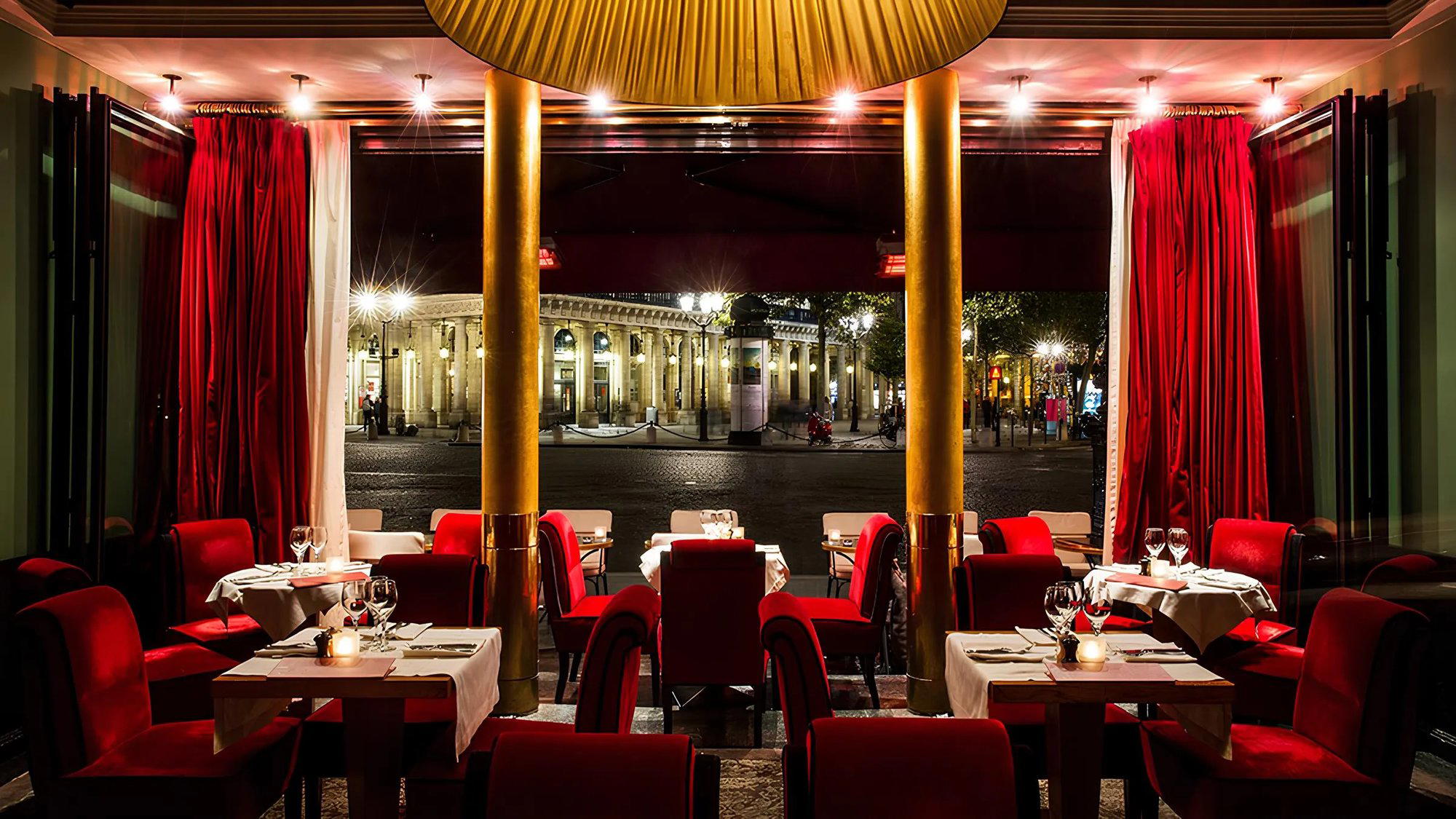
Where the 1st Arrondissement Eats on Its Own Terms
Rue Saint-Honoré has always operated on a different register from the tourist-facing boulevards nearby. The street runs from the Louvre end of the city toward Place Vendôme, threading through a district where the clientele is predominantly Parisian, ministry workers, gallery owners, the kind of shopper who has a preferred appointment at Colette's old address, rather than visitors working through a checklist. Café Ruc, at number 159, sits directly opposite the Comédie-Française, and that positioning is not incidental. The theatre's audience, its staff, and the cultural administrators of the quarter have long used brasseries and cafés of this type as a second dining room rather than an occasion venue.
This is a meaningful distinction in Paris dining. The city supports a wide spectrum of restaurants operating at the formal end, places like L'Ambroisie on Place des Vosges, or Alléno Paris au Pavillon Ledoyen on the Champs-Élysées, where the Le Cinq at the Four Seasons George V or Kei occupy a bracket defined by tasting menus, polished service ratios, and €€€€ pricing. Café Ruc belongs to a different layer of the city's food culture: the neighbourhood anchor that regulars measure not against Michelin stars but against personal memory and consistency.
The Geometry of a Regular's Table
The visual language of French brasseries in this part of Paris follows a known grammar: banquette seating, mirrors amplifying a room that is always fuller than it looks from outside, some variation of warm amber lighting that holds through lunch and into evening service. Café Ruc operates within that grammar. The proximity to the Comédie-Française means the dining rhythm has a theatrical dimension: the pre-show dinner, the post-curtain supper, the late lunch that extends because no one has a matinée to rush toward. Regulars who know the format choose their timing accordingly.
What keeps a repeat diner returning to a brasserie in this tier, rather than ascending to the €€€€ prix-fixe world of Arpège or the creative cooking at comparable addresses, is almost always a combination of ease and precision. Ease means the table is available with reasonable notice, the staff recognise a returning face, the bill does not require a particular financial readiness. Precision means the classics are executed without drift: the steak is cooked as asked, the sauce is made, not approximated, the dessert arrives at the right temperature. In the 1st arrondissement, where the competition for the lunch cover includes everything from quick counters around the Palais Royal gardens to the formal rooms of the grandes maisons, a brasserie that delivers on both counts builds its clientele through accumulation rather than launch-week coverage.
The Unwritten Menu: What the Comédie-Française Crowd Actually Orders
In any well-established Paris brasserie, the gap between the printed menu and the order a regular places tells you a great deal about the kitchen's actual strengths. Theatregoers in this district tend toward dishes that travel well across time, an entrée that can be finished without rushing if curtain time moves, a plat that holds without suffering if conversation extends. The classic brasserie repertoire was, in part, designed around this: terrines, soups, grilled proteins, the kind of tart or mousse that does not collapse if the table lingers.
The regulars' perspective also extends to wine. The 1st arrondissement dining crowd skews toward educated wine drinkers, and the carafe tradition in French brasseries means the house wine carries more informational weight here than it might elsewhere. A well-chosen house white signals something about the kitchen's broader seriousness; a poorly chosen one signals the reverse. At addresses like this, where the room's credibility rests on accumulated visits rather than a single theatrical meal, the wine list is part of the implicit contract with the regular.
Café Ruc in the Context of Paris Dining Tiers
To understand where the restaurant sits, it helps to map the broader French dining hierarchy outward from Paris. The country's most formally recognised restaurants, Mirazur in Menton, Troisgros in Ouches, Paul Bocuse in Collonges-au-Mont-d'Or, Bras in Laguiole, Auberge de l'Ill in Illhaeusern, Les Prés d'Eugénie in Eugénie-les-Bains, Flocons de Sel in Megève, Georges Blanc in Vonnas, Auberge du Vieux Puits in Fontjoncouse, La Table du Castellet, all occupy a destination tier where the journey is part of the calculus. Paris's own haute cuisine addresses occupy a parallel category. Below both sits the everyday tier that actually defines how Parisians eat on a weekly basis: the bistrot, the brasserie, the café-restaurant with a serious lunch menu. The restaurant belongs to this third category, which is not a lesser category, it is simply a different one, with different metrics of success.
Comparable addresses in other cities operate in the same register. Le Bernardin in New York represents the formal apex of French cooking in that city; the neighbourhood anchor playing a different role entirely. Lazy Bear in San Francisco operates as a conceptual dining room with a communal format. Neither is the right comparison for a Rue Saint-Honoré brasserie. The right comparison is the kind of place a Parisian theatre director would suggest to a visiting colleague: good without requiring explanation, reliable without being dull.
Planning a Visit
The restaurant is located at 159 Rue Saint-Honoré in the 1st arrondissement, directly opposite the Comédie-Française. The nearest Métro stations are Palais Royal-Musée du Louvre and Pyramides, both within a short walk. Given the theatre schedule opposite, the room tends to fill around early evening on performance nights; a midday visit or a post-peak dinner will typically be less pressured.
Cuisine and Credentials
Comparable venues nearby, for context on price, style, and recognition.
| Venue | Cuisine | Price | Notes |
|---|---|---|---|
| Café RucThis venue — the venue you are viewing | Classic French Brasserie | $$$ | Not listed |
| Aux Crus de Bourgogne | Classic French Bistro with Burgundian Specialties | $$$ | Montorgueil |
| Porte 12 | Modern Neo-Bistro | $$$ | 10e |
| Hugo & Co | Modern French Fusion Bistro | $$$ | Latin Quarter |
| Le Layon | Modern French Fusion | $$$ | 14th Arrondissement |
| Philippe Excoffier | Classic French Bistro with Soufflés | $$$ | Gros-Caillou |
Continue exploring
More in Paris
Restaurants in Paris
Browse all →
Bars in Paris
Browse all →
Hotels in Paris
Browse all →



At a Glance
- Classic
- Elegant
- Well Known
- Lively
- Sophisticated
- Date Night
- Business Dinner
- Group Dining
- Casual Hangout
- After Work
- Brunch
- Late Night
- Terrace
- Historic Building
- Standalone
- Craft Cocktails
- Street Scene
Current opening hours
- Monday
- 8 AM–2 AM
- Tuesday
- 8 AM–2 AM
- Wednesday
- 8 AM–2 AM
- Thursday
- 8 AM–2 AM
- Friday
- 8 AM–2 AM
- Saturday
- 8 AM–2 AM
- Sunday
- 8 AM–2 AM
Hours can change for holidays and private events. Last verified .
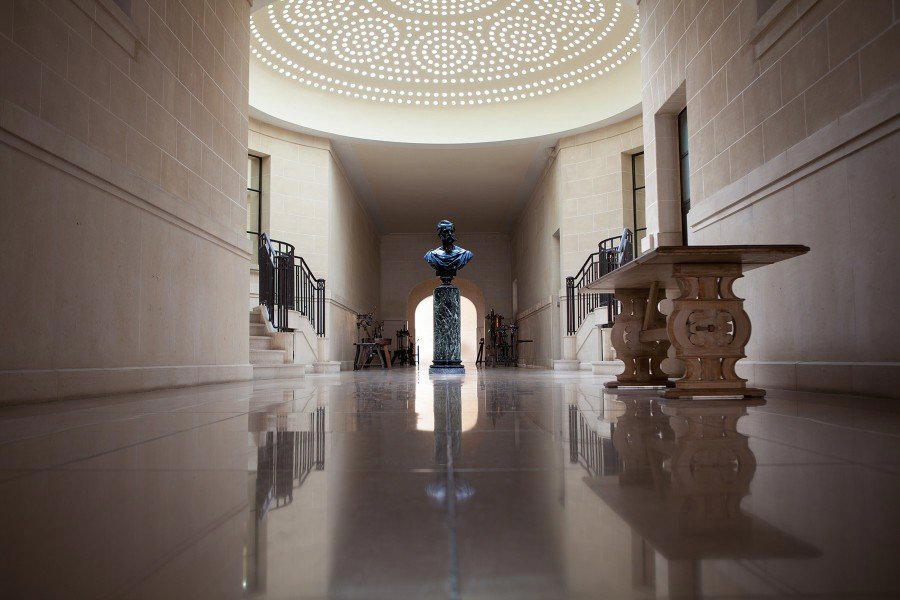
Soft lighting with warm materials and cozy furniture, red velvet benches, subdued lights creating a chic and confidential atmosphere that feels both theatrical and intimate.