ABC Seafood
Our verdict
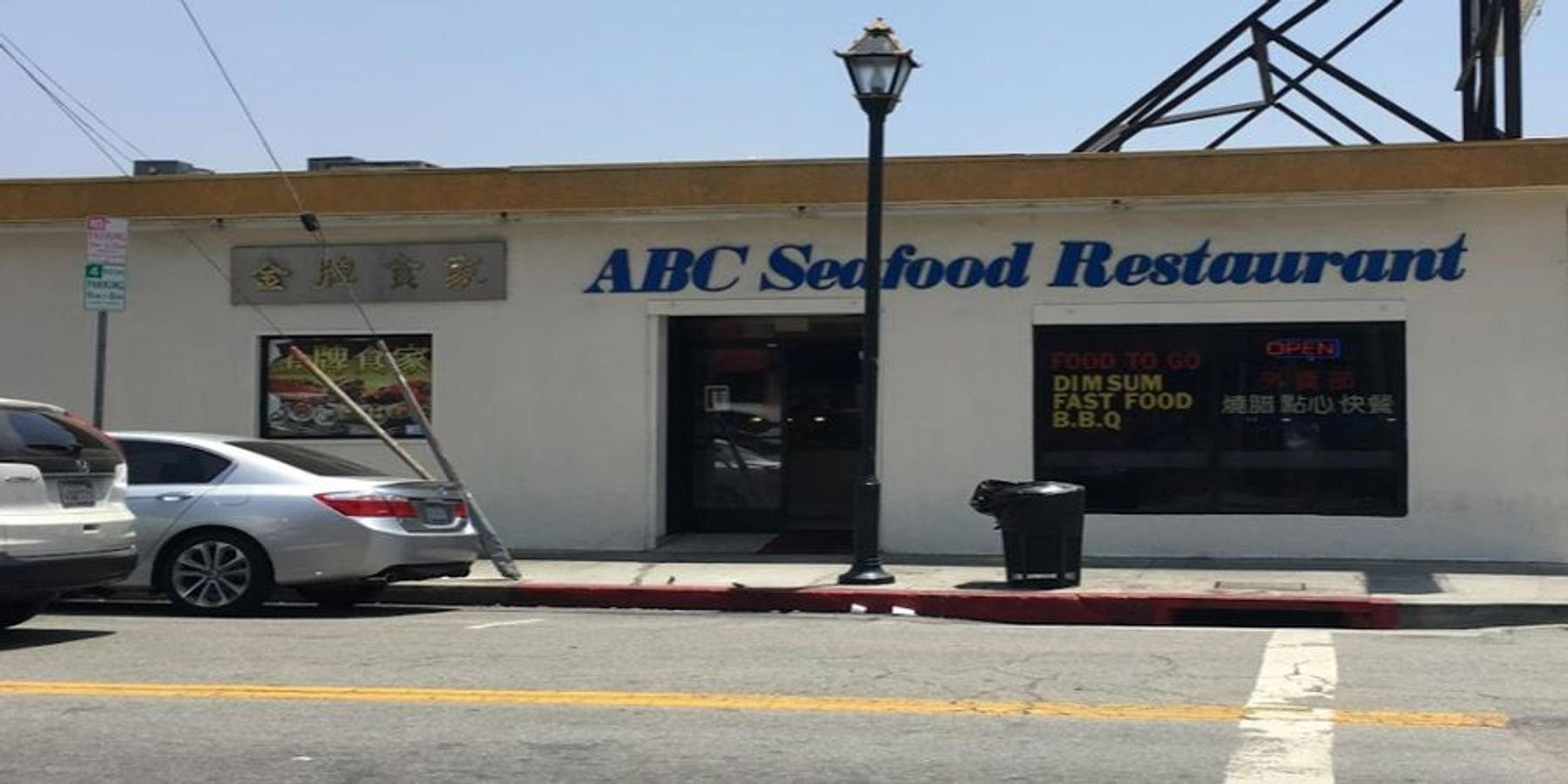
ABC Seafood at 205 Ord St sits at the center of Chinatown's dim sum and seafood tradition in Los Angeles, operating within a category of Cantonese dining rooms that have anchored the neighborhood for decades. The address places it squarely in a corridor where live-tank seafood and banquet-format service define the room, not individual plates. For context on where it sits within the broader LA dining scene, our full Los Angeles restaurants guide offers comparative framing.

Pearl is the En Primeur Club membership app — saves, bookings, and concierge access live there. Same editors, same standards.
The menu
What to order
- Salt and pepper crab
- Whole steamed fish
- Shrimp har gow
Chinatown's Seafood Dining Rooms: A Category With Its Own Logic
Walk down Ord Street in Los Angeles's Chinatown and the signals are consistent: red lanterns, live-tank displays visible through plate glass, and dining rooms scaled for families and banquet tables rather than couples at a counter. This is a different category from the tasting-menu corridor that runs through West Hollywood and Downtown, and it operates by different rules. ABC Seafood at 205 Ord St sits within that tradition, a Cantonese seafood house in a neighborhood where that format has remained the dominant mode of feeding people for generations.
The Chinatown seafood dining room is, in its own way, one of the more ecologically deliberate formats in Los Angeles dining, even if it rarely frames itself in those terms. Live tanks mean product arrives swimming and leaves the kitchen only when ordered. There is no mise en place of pre-portioned fish that may or may not move on a given night. Waste at the product level is structurally lower than in a Western à la carte format where fish is broken down in advance and held in refrigeration. That operational logic, present across the Cantonese seafood house category, is worth naming before discussing any individual venue within it.
Sustainable Sourcing and the Cantonese Live-Tank Tradition
The broader question of sustainable seafood sourcing sits differently in the Cantonese dining room tradition than it does in, say, the contemporary American seafood format practiced at venues like Providence, where sourcing provenance is printed on the menu and integrated into the editorial identity of the restaurant. At Providence, citing a specific fisherman or a Marine Stewardship Council certification is part of how the room communicates its values. In the Cantonese live-tank format, the sustainability logic is embedded in the operational structure itself: you see the animal alive, you select it, and it is prepared. The transparency is physical rather than textual.
This contrast matters because it reframes how diners evaluate ethical sourcing across different culinary traditions. The live-tank model common to restaurants along Ord Street and in Chinatown broadly is not a lesser form of environmental consciousness; it is a different expression of it, one rooted in a centuries-old approach to freshness and minimal waste. Comparing this format unfavorably to farm-to-table certification culture misreads the tradition. Globally, operations like Atelier Moessmer Norbert Niederkofler in Brunico have built international reputations on a philosophy of zero-waste and hyper-local sourcing; the Cantonese seafood house arrives at some of the same outcomes through a completely different cultural pathway.
The question of species selection is where the live-tank format faces more scrutiny. Certain popular species in Cantonese seafood dining, including geoduck and various reef fish, carry genuine sustainability concerns depending on sourcing region and catch method. This is a conversation the category is having unevenly, and it is worth acknowledging that individual venues within the Chinatown corridor differ in how seriously they engage with it.
Where ABC Seafood Sits in the Los Angeles Dining Ecosystem
Los Angeles has developed an unusually layered seafood dining scene. At the high end of price and formality, Providence operates as the city's reference point for fine-dining seafood, with a Michelin two-star designation and a sourcing program that is among the most documented in California. Further along the contemporary spectrum, Kato works Taiwanese and Asian coastal ingredients into a tasting-menu format that has earned significant critical attention. Hayato approaches Japanese kaiseki with a similar precision and earned Michelin recognition for it.
The Chinatown corridor, including the block where ABC Seafood operates, occupies a different tier and a different cultural register. It is not competing with the prix-fixe formats at Somni or the Italian anchor of Osteria Mozza.
For diners mapping this against comparable seafood-forward thinking elsewhere in the country, the contrast is instructive. Le Bernardin in New York City and Single Thread Farm in Healdsburg represent the far end of the sourcing-documentation spectrum, where fish provenance is a central part of the dining narrative. The Chinatown tradition at venues like ABC Seafood represents the opposite end of the visibility spectrum, where sourcing is operationally embedded rather than marketed, and where the category logic has remained largely stable for decades while the rest of LA's dining scene has undergone considerable transformation.
Neighbourhood and Logistics
Chinatown's Ord Street sits just north of Downtown Los Angeles, accessible by the Metro A Line (formerly Blue Line) and Gold Line from Union Station, which is roughly a ten-minute walk from the restaurant's block. Street parking is available along Hill Street and Bernard Street, though weekend dim sum hours can compress availability significantly. The neighbourhood operates on weekend morning schedules that differ from Western dining norms: peak dim sum service typically runs from mid-morning through early afternoon, and arriving outside those windows changes both the menu and the room's energy considerably.
For visitors building a wider Los Angeles itinerary, our full Los Angeles restaurants guide maps the city's dining scene across neighbourhoods and price tiers, including the San Gabriel Valley's Cantonese and regional Chinese dining corridor, which offers a useful comparison set for anyone specifically interested in this category. Nationally, diners who value the farm-and-water-to-table sourcing approach visible at Blue Hill at Stone Barns in Tarrytown or the ingredient-driven restraint of Smyth in Chicago will find the Chinatown seafood house a genuinely different experience in format and philosophy, though not necessarily a lesser one.
Planning Comparison: Chinatown Seafood vs. Peer Formats in Los Angeles
| Venue | Format | Price Tier | Booking Lead Time |
|---|---|---|---|
| ABC Seafood | Cantonese seafood, dim sum | Not confirmed | Walk-in typical for category |
| Providence | Contemporary seafood, tasting menu | $$$$ | Several weeks in advance |
| Kato | New Taiwanese, Asian, tasting menu | $$$$ | Several weeks in advance |
| Hayato | Japanese kaiseki | $$$$ | Weeks to months in advance |
Frequently asked questions
What is the must-try dish at ABC Seafood?
What the Cantonese seafood house format at this address traditionally centres on, consistent with the category across Los Angeles Chinatown, is live-tank seafood preparation and dim sum service. Diners interested in how the cuisine compares at the fine-dining seafood end of the spectrum can reference Providence, where the sourcing provenance of each fish is documented, or Le Bernardin in New York City for a French-inflected benchmark in the same category.
What is the ideal way to book ABC Seafood?
Walk-in service is typical of the Cantonese seafood house format at this price tier and address within Los Angeles Chinatown, particularly for dim sum hours. Diners planning a visit alongside higher-demand venues in the city, such as Kato or Hayato, should note that those venues require advance reservations of several weeks, while the Chinatown corridor generally operates on shorter or no lead times. Visiting 205 Ord St directly or calling ahead on the day is the category norm.
How does ABC Seafood fit into Los Angeles's Chinatown dining compared to the San Gabriel Valley's Chinese restaurant corridor?
Chinatown's Ord Street dining rooms, including ABC Seafood, represent an older, more centrally located tier of Cantonese dining in Los Angeles, with historical continuity and proximity to Downtown. The San Gabriel Valley, by contrast, has developed a denser and more regionally diverse Chinese dining corridor over the past three decades, drawing a larger resident Cantonese and Mandarin-speaking population and offering a wider range of regional Chinese cuisines alongside Cantonese seafood. For visitors based Downtown or arriving via the Metro system, Chinatown's Ord Street address is the more accessible entry point; for those specifically seeking the broadest range of comparison within the category, the San Gabriel Valley warrants a separate trip. Our full Los Angeles restaurants guide covers both corridors.
Pricing, Compared
A compact comparison to help you place this venue among nearby peers.
| Venue | Cuisine | Price | Awards | Notes |
|---|---|---|---|---|
| ABC SeafoodThis venue — the venue you are viewing | Cantonese Seafood & Dim Sum | $20–30 | Not listed | Not listed |
| Kato | Modern Taiwanese Fine Dining | $300–500 | 2 Michelin Stars · World's 50 Best #49 | New Taiwanese, Asian |
| Hayato | Traditional Japanese Kaiseki | $300–500 | 2 Michelin Stars · La Liste Top Restaurants | Japanese |
| Vespertine | Avant-Garde Tasting Menu | $200–300 | 2 Michelin Stars · La Liste Top Restaurants | Progressive, Contemporary |
| Holbox | Modern Mexican Seafood | $30–50 | 1 Michelin Star · World's 50 Best #26 | Mexican Seafood, Mexican |
| Sushi Kaneyoshi | Edomae Omakase | $300–500 | 1 Michelin Star · LA Times 101 Best Restaurants #24 | Sushi, Japanese |
Continue exploring
More in Los Angeles
Restaurants in Los Angeles
All restaurants in Los Angeles →
Bars in Los Angeles
All bars in Los Angeles →
Hotels in Los Angeles
All hotels in Los Angeles →



Wineries in Los Angeles
All wineries in Los Angeles →

Details
- Lively
- Classic
- Family
- Group Dining
- Casual Hangout
- Open Kitchen
- A La Carte
- Small Plates
Current opening hours
- Monday
- 8 AM–10 PM
- Tuesday
- 8 AM–10 PM
- Wednesday
- 8 AM–10 PM
- Thursday
- 8 AM–10 PM
- Friday
- 8 AM–10 PM
- Saturday
- 8 AM–10 PM
- Sunday
- 8 AM–10 PM
Hours can change for holidays and private events. Last verified .
Bustling, communal atmosphere in a vast casual dining room with neighborhood energy.