Panda Inn

LA Times 101 Best Restaurants #101
Our verdict
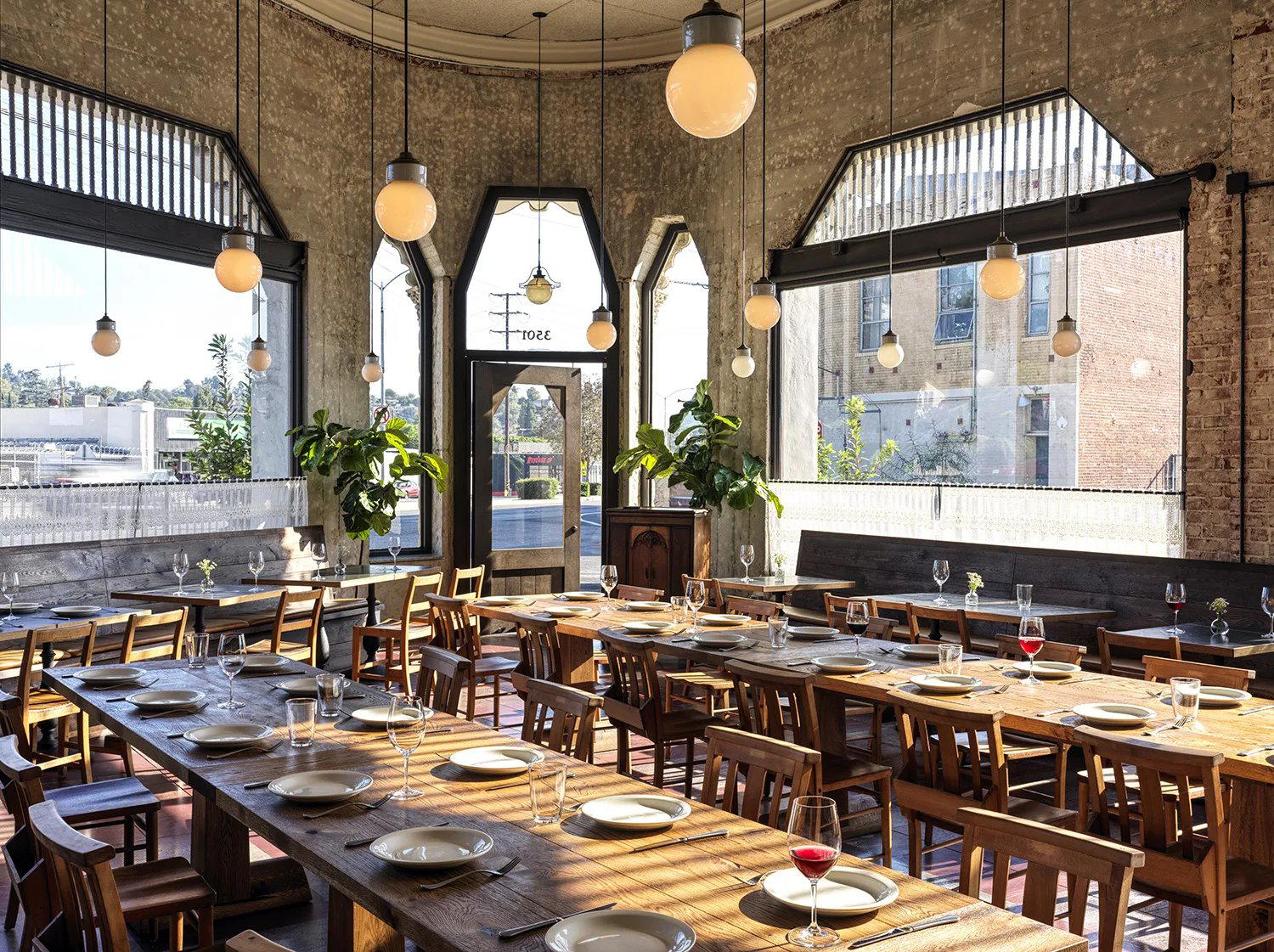
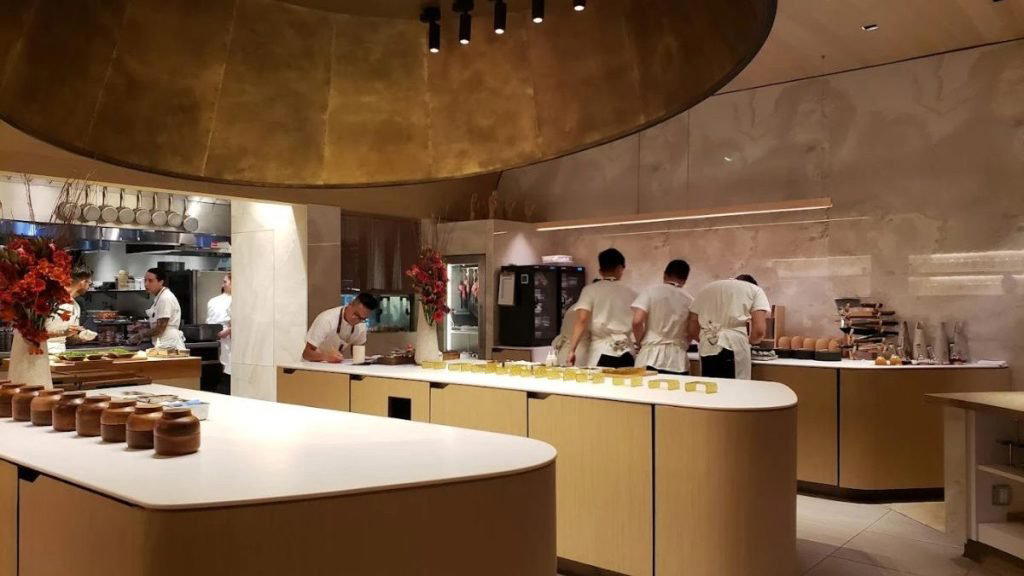
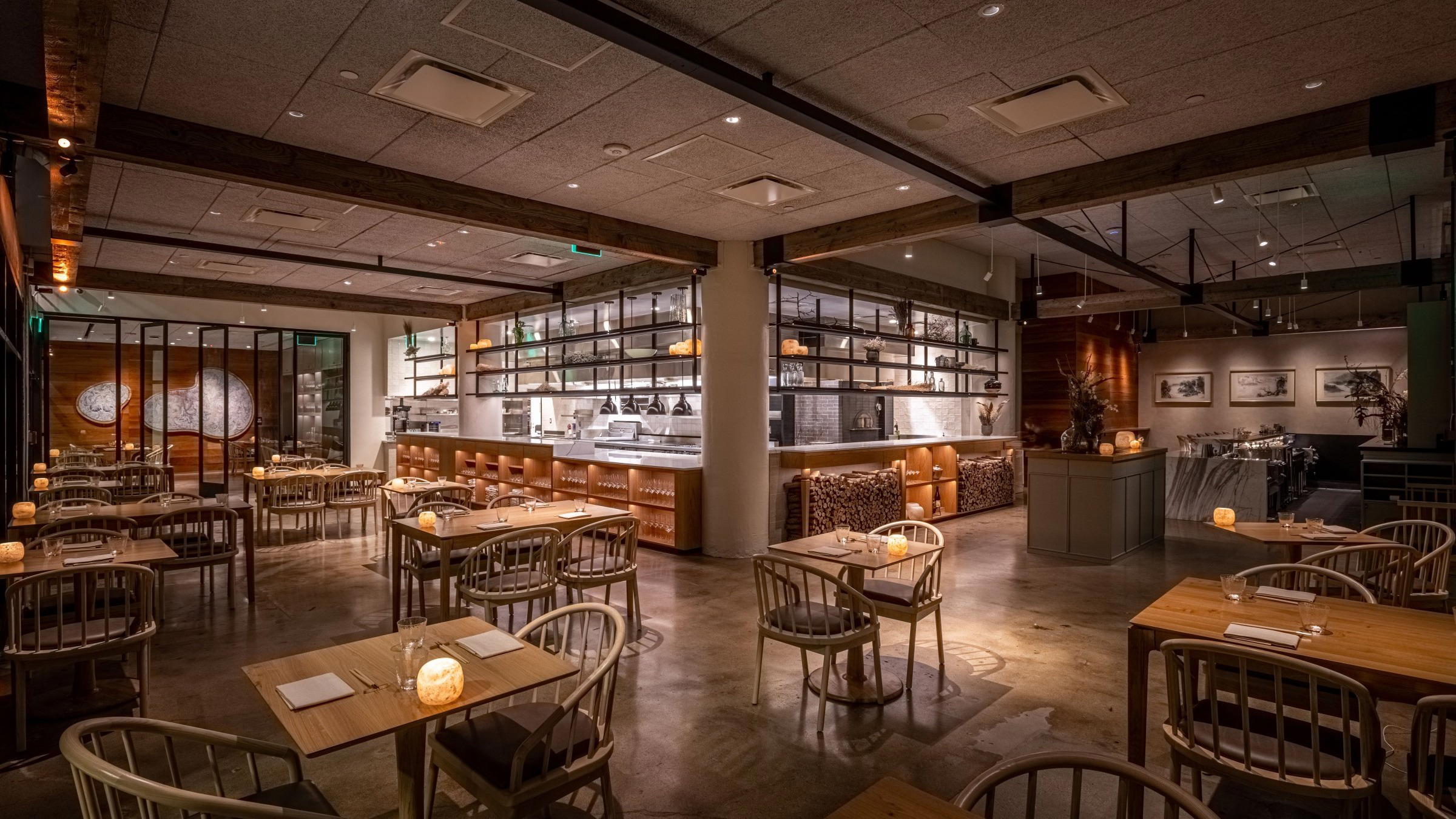
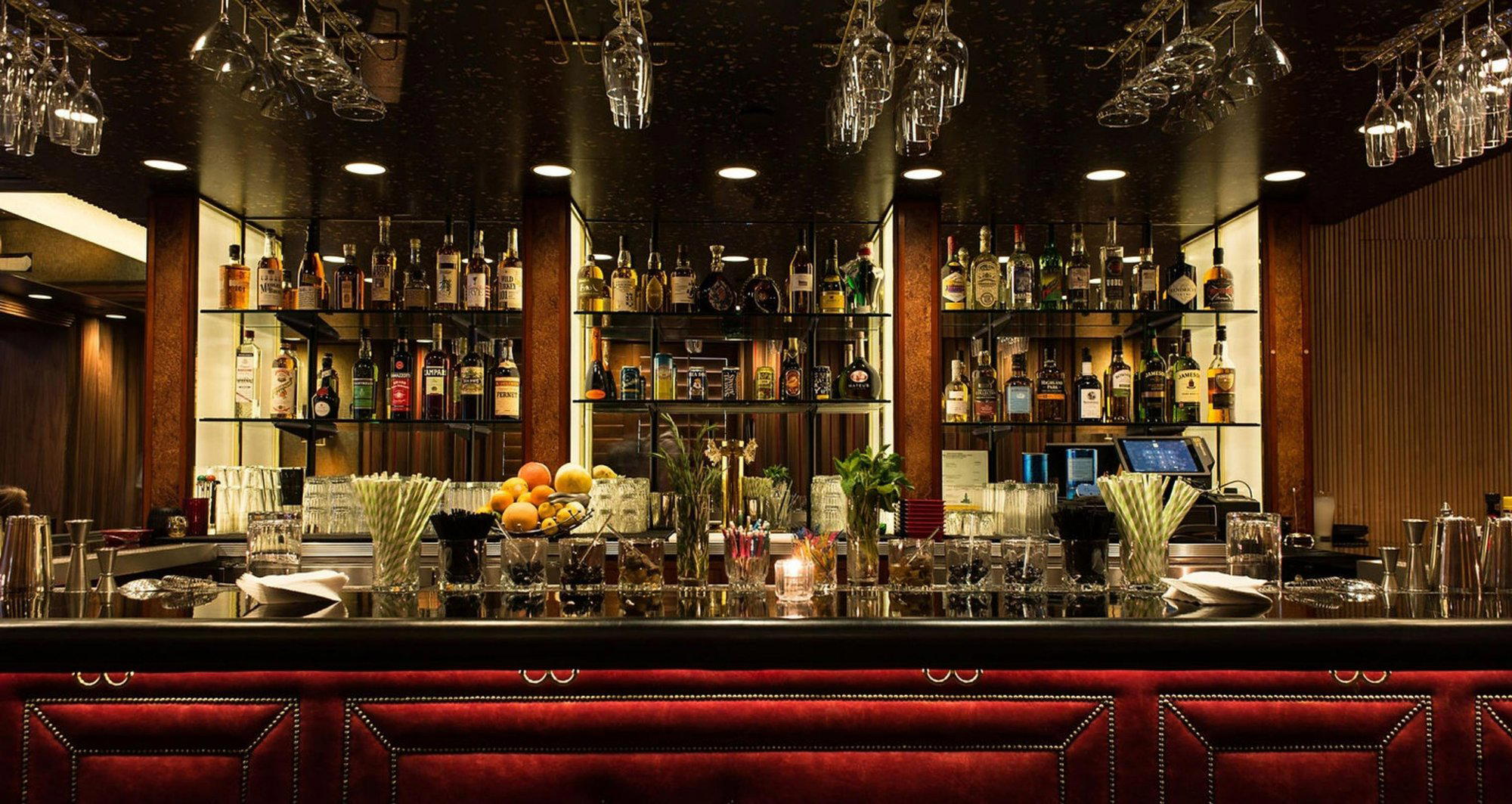
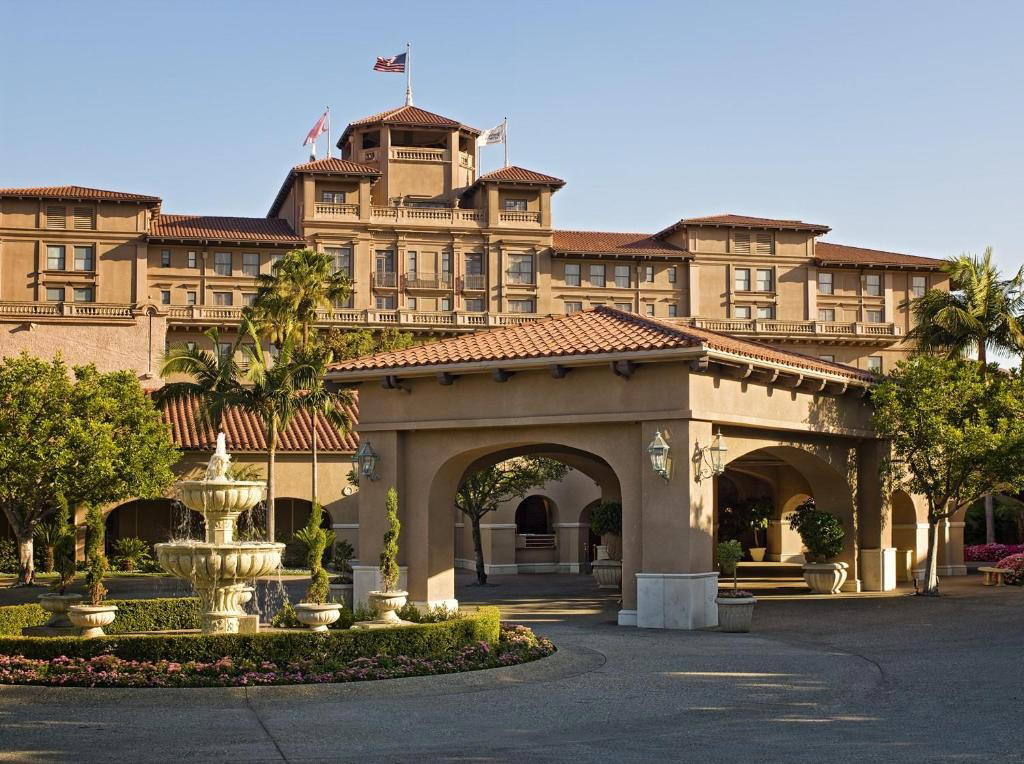
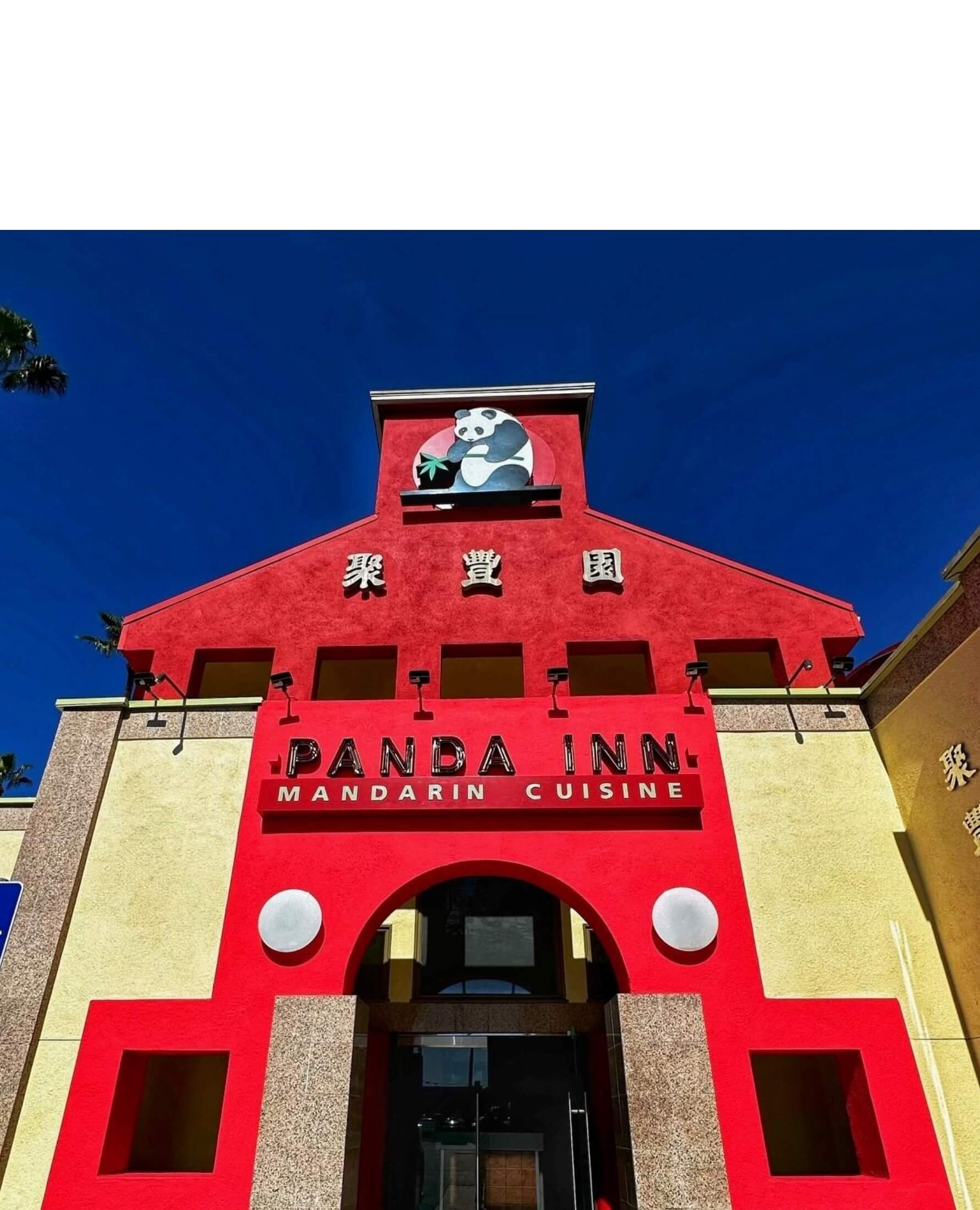
The original Panda Inn in Pasadena, the restaurant that gave rise to the Panda Express chain, has reopened following a full renovation. The revamped space offers classic Chinese-American dishes alongside regional Chinese specialties and an eight-seat sushi bar, positioning itself as a sit-down dining destination in the San Gabriel Valley. 3488 E Foothill Blvd, Pasadena.

Pearl is the En Primeur Club membership app — saves, bookings, and concierge access live there. Same editors, same standards.
A Pasadena Original, Reimagined for a Different Dining Era
Chinese-American dining has a complicated relationship with its own history. Dishes like orange chicken and egg foo young spent decades being dismissed by a food press fixated on regional authenticity, only to be reconsidered as a legitimate culinary tradition in their own right, one shaped by immigrant ingenuity, local ingredient availability, and the economics of feeding a skeptical American public. Against that backdrop, the reopening of Panda Inn in Pasadena carries more weight than a typical restaurant relaunch. This is the property that gave rise to Panda Express, the chain that industrialized Chinese-American cooking for a mass audience. The original Panda Inn opening in 1973 at this Foothill Boulevard address represents one of the founding data points of that entire commercial lineage.
The renovation is complete and the format has shifted. What returns is not a preservation exercise but something more considered: a sit-down room with a menu that runs from the Chinese-American classics that built the brand to newer regional specialties, alongside an eight-seat sushi bar that signals an explicit move upmarket. That combination, Chinese-American comfort food and Japanese omakase-adjacent seating in the same address, is an unusual editorial bet, but it reflects the way the San Gabriel Valley's dining culture has always operated: pragmatically, pluralistically, and with less anxiety about category purity than the restaurant press tends to project onto it.
The Chinese-American Tradition This Restaurant Helped Build
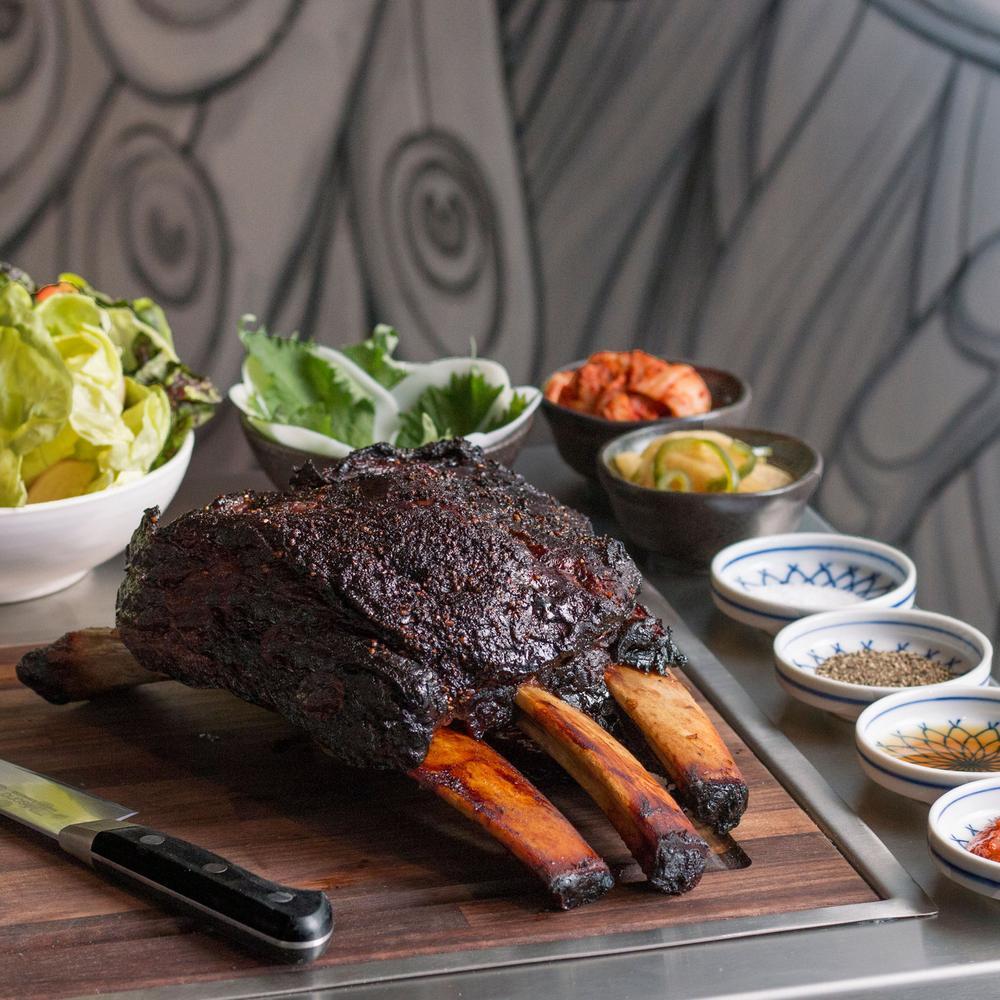
Orange chicken, the dish most closely associated with Panda Express and therefore with this founding address, is worth taking seriously as a culinary object. Its sweet-acidic glaze, designed for palatability across a broad demographic, is a direct descendant of the tang cu (sweet and sour) techniques brought over by Cantonese and Taishan immigrants in the 19th century, adapted progressively through the 20th century as Chinese restaurateurs read American taste preferences in real time. The dish is not an accident or a corruption. It is an evolved form.
Panda Inn's revamped menu reportedly holds those dishes alongside regional specialties, which suggests a format similar to the direction taken by newer Chinese-American restaurants in cities like Los Angeles and New York: honoring the legacy menu while pulling in Sichuan, Shanghainese, or Cantonese dishes that predate or exist parallel to the American adaptations. This approach has gained traction as second and third-generation Chinese-American diners become a larger share of the customer base at these restaurants, bringing different reference points and different expectations to the table.
For a broader read on how Los Angeles handles its diverse Asian dining traditions, Kato (New Taiwanese, Asian, $$$$) and Hayato (Japanese, $$$$) represent the higher-end of that spectrum in Los Angeles proper, while Atomix in New York City shows how Korean-American fine dining is undergoing its own parallel reconsideration on the opposite coast.
The Sushi Bar Question
The eight-seat sushi bar is the detail that most distinguishes the reopened Panda Inn from a direct Chinese-American revival. In Los Angeles, the sushi counter has its own developed hierarchy, running from neighborhood standbys up through the Michelin-starred omakase rooms in Torrance and downtown. Attaching a sushi bar to a Chinese-American restaurant in Pasadena does not place it in competition with that tier. Instead, it positions the room as a complete neighborhood dining destination, one that can serve a group with varied preferences without requiring a separate booking elsewhere.
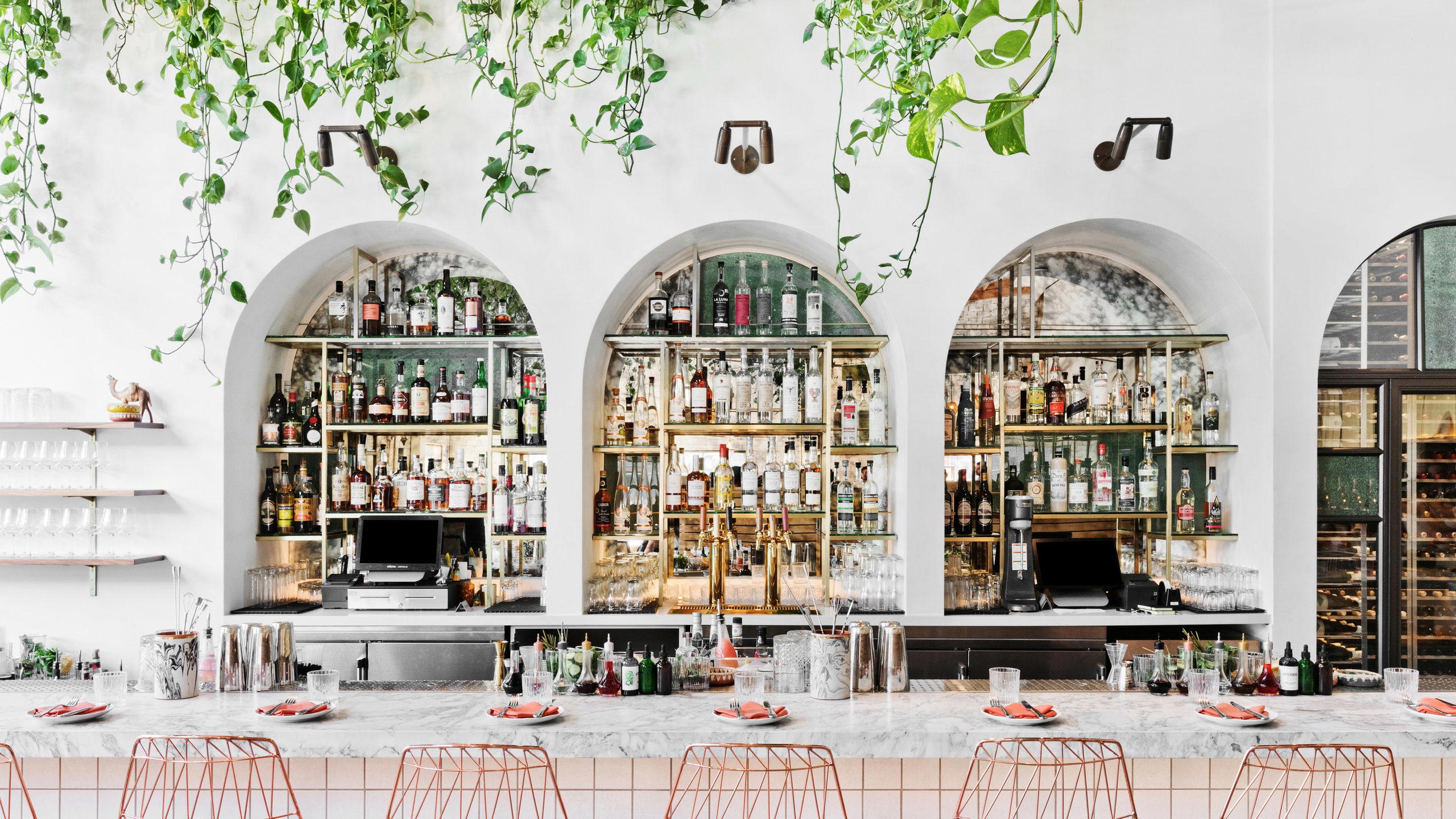
The format choice also reflects a broader trend in suburban Los Angeles dining, where the pressure to specialize is lower than in denser urban markets and the customer base is large enough to support hybrid programming. The San Gabriel Valley, which runs east from Alhambra through Pasadena and beyond, has one of the highest concentrations of Chinese, Taiwanese, and broader East Asian restaurants in North America. Panda Inn is not trying to compete with that ecosystem on authenticity. It is occupying a different tier: the swankier, sit-down room with table service and a bar program, a category that the SGV has historically underserved relative to the sheer density of its more casual offerings.
Sustainability and Sourcing in Chinese-American Cooking
Editorial angle of environmental consciousness is worth raising here, not because the revamped Panda Inn has made explicit public commitments on sourcing or waste that the available record documents, but because the question is increasingly relevant to any Chinese-American restaurant operating in California in 2024. The state's restaurant sector operates under some of the most demanding environmental regulations in the country, from composting mandates to restrictions on single-use plastics. Panda Express itself has made corporate-level sustainability commitments in recent years, including waste reduction targets and supply chain initiatives.
What is observable is that a restaurant repositioning itself from casual chain origin to sit-down dining destination, with a renovated space and a menu that includes regional specialties, is making choices about ingredients that a quick-service format does not require. The move toward regional Chinese dishes in particular tends to involve more specialized sourcing than a standardized menu, which carries its own implicit quality signal.
Where Panda Inn Sits in the Los Angeles Picture
Los Angeles's restaurant hierarchy spans a significant range. At the upper end, rooms like Providence (Contemporary Seafood), Somni (Molecular), and Osteria Mozza (Italian) represent the city's critical establishment. Further afield, Lazy Bear in San Francisco, The French Laundry in Napa, Single Thread Farm in Healdsburg, and Alinea in Chicago illustrate how destination dining operates at different price tiers across the American landscape. Panda Inn is not positioning in that cohort. Its story is about something different: a restaurant with genuine historical significance to American food culture, returning as a neighborhood dining room with broader ambitions than its chain successor.
The comparison set that matters more here is the mid-to-upper casual tier in Pasadena and the broader SGV, where the competition is strong, the customer base is knowledgeable, and a renovated room with table service and a dual-format menu has to earn its positioning through execution rather than legacy alone. For context on how other American dining institutions have managed similar repositioning moments, Emeril's in New Orleans offers a useful parallel: a restaurant whose cultural footprint outgrew its original format, requiring a recalibration of what the physical room was actually trying to do.
For anyone building a broader Los Angeles itinerary, the full picture is available through our full Los Angeles restaurants guide, our full Los Angeles hotels guide, our full Los Angeles bars guide, our full Los Angeles wineries guide, and our full Los Angeles experiences guide.
Planning Your Visit
| Detail | Panda Inn (Pasadena) | Kato (Los Angeles) | Hayato (Los Angeles) |
|---|---|---|---|
| Address | 3488 E Foothill Blvd, Pasadena, CA 91107 | Downtown LA | Downtown LA |
| Price tier | Not confirmed | $$$$ | $$$$ |
| Format | Sit-down dining room + 8-seat sushi bar | Tasting menu counter | Kaiseki counter |
| Cuisine | Chinese-American + regional specialties + sushi | New Taiwanese, Asian | Japanese |
| Booking | Not confirmed — check directly | Advance reservation required | Advance reservation required |
Frequently asked questions
What kind of setting is Panda Inn?
Panda Inn at 3488 E Foothill Blvd in Pasadena is a sit-down dining room that completed a full renovation before reopening. The revamped space operates at a noticeably swankier register than the fast-casual chain it inspired, with table service and an eight-seat sushi bar as the most visible departures from its predecessor format.
What kind of recognition has Panda Inn received?
Panda Inn has received recognition including: The original Panda Inn, which inspired the Panda Express chain, has reopened after a complete overhaul. It offers classic Chinese-American dishes like orange chicken alongside new regional specialties and an eight-seat sushi bar, providing ….
What's the signature dish at Panda Inn?
Orange chicken carries the most historical weight here: this Pasadena address is where the Panda Express chain originated, making the dish something of a house legacy item. The reopened kitchen also adds regional Chinese specialties alongside it, so orange chicken now shares menu space with a broader range than the original location offered.
Where exactly is Panda Inn?
Panda Inn is located at 3488 E Foothill Blvd, Pasadena, CA 91107, Los Angeles.
Is Panda Inn reservation-only?
Booking policy for the reopened Panda Inn has not been publicly confirmed. The eight-seat sushi bar operates on a counter format that, at comparable Los Angeles restaurants, typically fills quickly and rewards advance planning regardless of whether a formal reservation system is in place.
Recognition, Side-by-Side
Comparable venues nearby, for context on price, style, and recognition.
| Venue | Cuisine | Price | Awards | Notes |
|---|---|---|---|---|
| Panda InnThis venue (the venue you are viewing) | Classic Chinese-American | $20–30 | LA Times 101 Best Restaurants #101 | Not listed |
| Men & Beasts | Modern Plant-Based Chinese | Not listed | Not listed | Echo Park |
| Hu's Szechwan Restaurant | Classic Szechwan Chinese | $10–20 | Not listed | Palms |
| Pine and Crane Silverlake | Fast-Casual Taiwanese | $20–30 | Michelin Bib Gourmand | Silver Lake |
| ABC Seafood | Cantonese Seafood & Dim Sum | $20–30 | Not listed | Chinatown |
| Dolan's Uyghur Cuisine | Authentic Uyghur Cuisine | $20–30 | LA Times 101 Best Restaurants #63 | Alhambra |
Recognition history
Dated appearances from independent guides and award organizations, with the underlying list record or original source where available.
LA Times 101 Best Restaurants #101
LA Times