A16 Napa

A16 Napa brings the cooking of southern Italy, specifically Campania and the regions around the ancient Roman road for which the original San Francisco location is named, into wine country's Italian-leaning dining scene. The kitchen's focus on wood-fired technique, regional pasta traditions, and southern Italian grape varieties positions it distinctly among Napa's Italian options, which range from the casual end represented by Ciccio to higher price tiers.
Pearl is the En Primeur Club membership app — saves, bookings, and concierge access live there. Same editors, same standards.
- Address
- Napa, United States
- Phone
- (707) 883-3696
- Website
- a16pizza.com
- Directions
- Get directions
 Saves & bookings on Pearl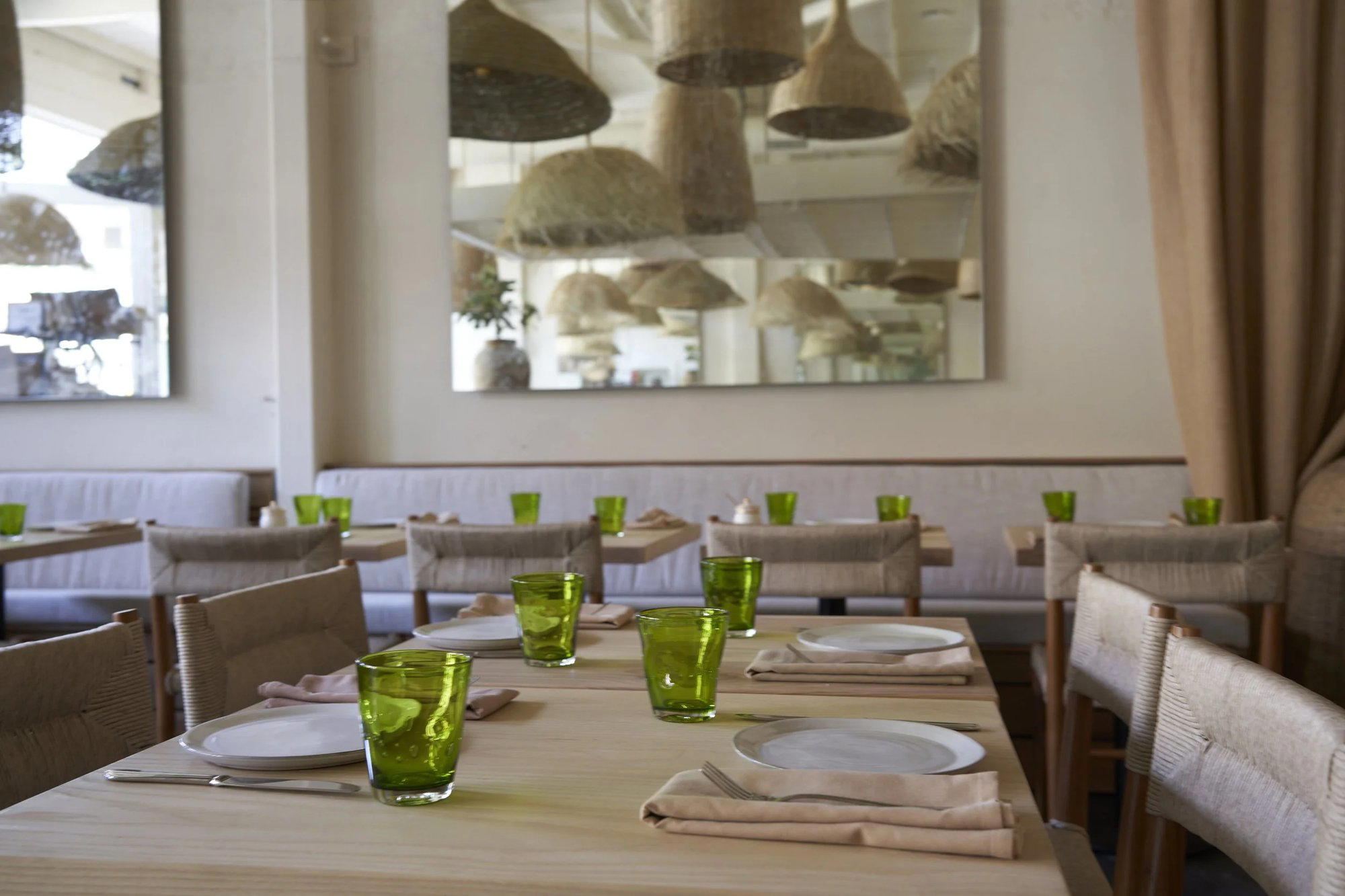
Southern Italian Cooking in a Wine Country Context
A16 Napa is a restaurant in Napa serving Southern Italian wood-fired cooking at a mid-range price point. The A16 name originates with the Autostrada 16, the highway that runs through Campania and connects Naples to the Adriatic coast, and that regional specificity has always been the point. Where many American Italian restaurants draw from a composite, region-neutral tradition, A16's culinary identity is anchored in the south: Campania, Puglia, and the broader Mezzogiorno, with wood-fired cooking and southern grape varieties as structural commitments rather than menu accents.
That orientation matters in Napa because it creates a genuinely different frame of reference. The valley's fine dining conversation is dominated by Californian and French-influenced cooking, The French Laundry sets one end of that spectrum, The Restaurant at Auberge du Soleil another, while Italian options in the mid-range often default to familiar northern Italian formats. A16's southern Italian focus places it in a narrower, more specific niche. For comparison, Ciccio on Washington Street operates as a well-regarded, accessible Italian option at the lower price tier; A16 comes from a different tradition and a different set of culinary references.
The Logic of Campanian Cooking
Southern Italian cooking, and Campanian cooking in particular, operates by a different set of priorities than the northern Italian traditions most Americans associate with Italian cuisine. The north, Piedmont, Lombardy, Emilia-Romagna, tends toward butter, cream, risotto, and slow-braised proteins. Campania and its neighbors work with olive oil, dried pasta, wood fire, and the tomato as a serious ingredient rather than a background note. Pizza Napoletana, with its high-heat blistered crust and minimal topping philosophy, is one visible expression of this tradition globally, but it represents only a fraction of what the region produces. Pasta formats like paccheri and schiaffoni, slow-cooked ragù made with pork and wine, and vegetables that have been charred rather than sautéed all belong to the same culinary logic: direct heat, assertive flavors, and a respect for the ingredient's own character.
The wine program at an A16-affiliated restaurant follows this regional logic. Southern Italian grape varieties, Aglianico, Fiano, Falanghina, Greco di Tufo, Nero d'Avola, remain obscure to most American wine drinkers even though they represent some of Italy's most geographically specific viticulture. Aglianico in particular, grown on the volcanic slopes of Campania and Basilicata, produces wines of significant structure and tannin that pair with the kind of slow-cooked, fat-rich dishes the kitchen produces. In a region like Napa, where the default Italian wine conversation circles around Sangiovese and Super Tuscans, a wine list built around southern varietals represents a genuine editorial position.
Where It Sits in the Napa Dining Scene
Napa's broader restaurant scene rewards comparison shopping. At the high end, venues like Kenzo, the Japanese kaiseki operation with its own estate, demonstrate how far the valley has moved beyond its original wine-country-casual register. At the accessible end, the dining strip along First Street and the surrounding blocks offers a range of options that serve the tourist and local trade without much culinary ambition. A16 occupies a middle register: more specific and more serious about its culinary tradition than most mid-range Italian, but not positioning itself against the tasting-menu operations that anchor the valley's fine dining tier.
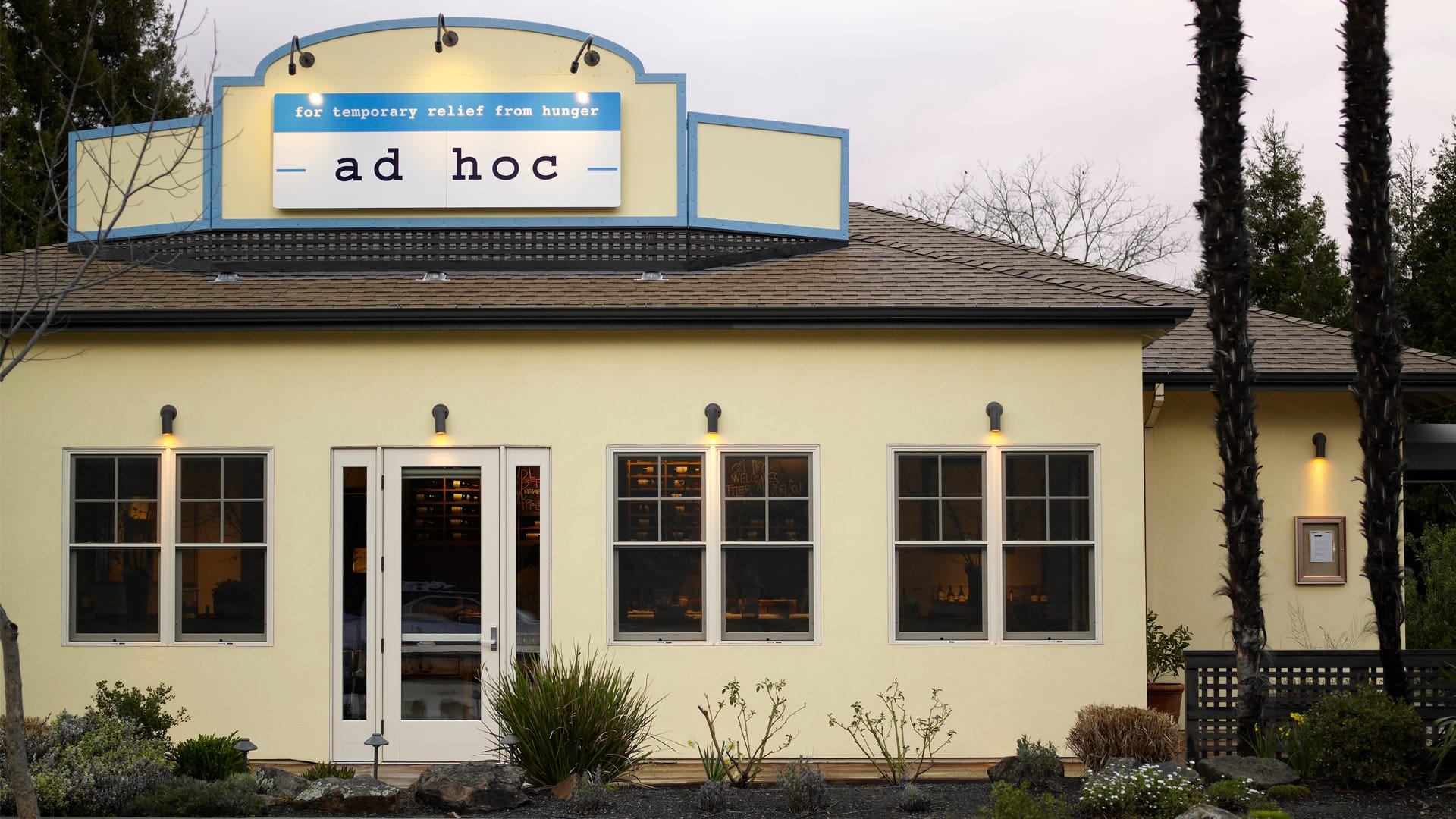
For readers building a multi-night Napa itinerary, the broader scene includes a range of Napa restaurants. Those interested in American regional cooking with a similar level of sourcing seriousness might look at Ad Hoc, Thomas Keller's casual format in Yountville. For Italian cooking at the fine dining tier, the comparison points extend outside Napa: Frasca Food & Wine in Boulder operates with a similar regional specificity (Friuli-Venezia Giulia rather than Campania), while internationally, 8½ Otto e Mezzo Bombana in Hong Kong shows how Italian regional cooking travels when the wine program and kitchen discipline hold. For a sense of how Italian-influenced technique intersects with place-driven produce in an American context, Single Thread Farm in Healdsburg, thirty minutes north, takes a Japanese-influenced approach to the same wine country ingredient base.
The A16 brand originated in San Francisco's Mission District, where the original location established a reputation for serious southern Italian cooking and a wine list of genuine depth. The Napa outpost extends that identity into wine country, where the audience skews toward food-literate visitors already interested in the relationship between regional cooking and regional wine production. That audience tends to be receptive to the Campanian frame of reference in a way that might require more explanation in other markets.
Planning Your Visit
Napa's dining reservation calendar operates differently from a major city's. The valley sees concentrated demand on Friday and Saturday evenings year-round, with the harvest period from late August through October adding further pressure across all dining tiers. Booking several weeks ahead for weekend visits is standard practice at restaurants with any following; mid-week reservations in the shoulder season, particularly January through March, carry more flexibility. A16's positioning at a middle price tier means it serves a broader local and visitor audience than the tasting-menu operations, which can mean higher table turnover and more walk-in opportunity at lunch or on weeknights. For context on how Napa's booking calendar compares to other wine country markets, the approach at Single Thread Farm in Healdsburg, which requires advance booking months ahead, illustrates how demand concentrates at the summit of the wine country market.
Visitors arriving from San Francisco typically build Napa dining into a broader valley itinerary. The A16 concept travels well to that context: the wood-fired format and southern Italian wine program give it a distinct identity that reads clearly against the Californian and French-leaning options that dominate the valley's upper tiers. Those interested in the range of Italian cooking formats represented across American fine dining, from Providence in Los Angeles to Smyth in Chicago, will find A16's regional specificity a useful data point in that broader map.
Comparison Snapshot
Comparable venues nearby, for context on price, style, and recognition.
| Venue | Cuisine | Price | Notes |
|---|---|---|---|
| A16 NapaThis venue — the venue you are viewing | Southern Italian Wood-Fired | $$$ | Not listed |
| Brix | Farm-to-Table California with French and Italian Influences | $$$ | Oakville |
| Ristorante Allegria | Italian with California influences | $$$ | downtown Napa |
| Frog's Leap Winery | California Wine Country Tasting Experience | $$$ | Rutherford |
| FARM | Italian Farm-to-Table | $$$$ | Carneros |
| Hog Island Oyster Co | Sustainable Seafood Oyster Bar | $$ | Oxbow Public Market |
Recognition history
Dated appearances from independent guides and award organizations, with the underlying list record or original source where available.
Wine Spectator Best of Award of Excellence
Wine Spectator
Continue exploring
More in Napa
Restaurants in Napa
Browse all →
Bars in Napa
Browse all →
Hotels in Napa
Browse all →

At a Glance
- Lively
- Cozy
- Energetic
- Date Night
- Casual Hangout
- Group Dining
- Open Kitchen
- Extensive Wine List
- Local Sourcing
Lively and cozy neighborhood atmosphere with an open wood-fired kitchen.