On Guo Hua Street, one of Tainan's oldest food corridors, this minced pork rice specialist represents a format that has anchored Taiwanese everyday dining for generations. The lu rou fan tradition demands precision over spectacle: braised pork fat, soy-darkened rice, and a pace set by the lunch queue rather than a reservation system. An essential stop on any serious tour of the city's street-level food culture.
Pearl is the En Primeur Club membership app — saves, bookings, and concierge access live there. Same editors, same standards.
- Address
- 民族路三段104號, 台南市中西區, 700
- Directions
- Get directions
 Saves & bookings on Pearl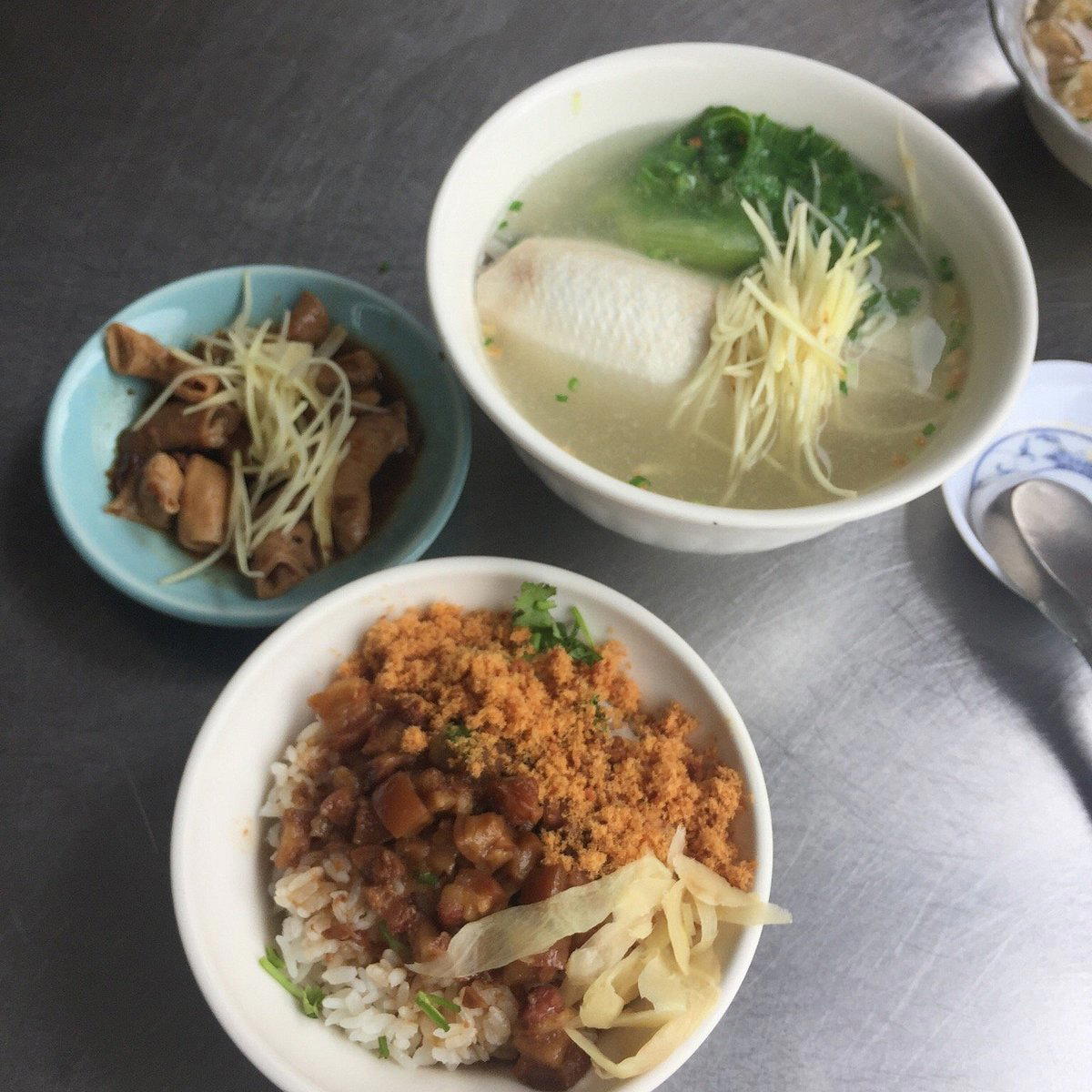
The Street Before the Bowl
Guo Hua Street Minced Pork Rice is a Taiwanese minced pork rice restaurant in Tainan, priced at about US$5 per person. Guo Hua Street operates on a frequency that most of Tainan's newer dining corridors do not. The older shophouse blocks, the mid-morning prep sounds, the plastic stools already filling before noon: this is not a district that performs its food culture for visitors. It simply runs. On a street that has sustained daily eating habits for decades, a minced pork rice counter occupies a specific and serious role in the local food order, the kind of place where regulars arrive at a particular hour, not because the menu changes, but because the queue does.
That arrival rhythm is itself part of the ritual. Minced pork rice, known in Taiwanese as lu rou fan, is Taiwan's most debated everyday dish, precisely because its parameters are so narrow. Braised pork belly or shoulder, cut or ground fine, cooked low in soy, rice wine, and spice until the fat renders into a lacquered sauce, then ladled over short-grain rice. The variables are few: cut of pork, fat ratio, braising time, the depth of the soy reduction. Which is why, in a city where food criticism operates at street level, the regulars at any given counter have strong opinions about which version earns their return visit.
What the lu rou fan Tradition Actually Asks of a Cook
The gap between a competent lu rou fan and a notable one is almost entirely about restraint and time. Cooks who rush the braise produce a sauce that reads sweet and thin. Those who over-reduce lose the pork's texture beneath an aggressive soy base. The versions that attract repeat custom across Taiwan's older food streets share a common characteristic: the fat and lean components remain distinct after braising, the sauce clings to rice rather than pooling, and the seasoning registers as savoury without tipping into salt. It is a discipline of repetition rather than innovation.
Tainan's version of the dish carries a regional signature that differs from Taipei's. Southern interpretations tend toward richer fat content and a slightly deeper soy profile, a reflection of the city's broader preference for pronounced, direct flavours across its street food canon. Compare the lu rou fan tradition here to what you find at the lighter, brothier preparations common in northern Taiwan, and the contrast clarifies why Tainan food culture maintains such a distinct identity within the island's dining geography.
Eating at the Counter: Pacing and Custom
The format at street-level lu rou fan counters is among the least complicated in Taiwan's food culture, but it has its own protocol. You order at the point of service, often choosing between small and large portions of rice, with a standard set of accompaniments: braised egg, pickled vegetables, a dish of blanched greens. The meal does not stretch. There is no arc of courses, no pause between dishes. The bowl arrives quickly and is meant to be eaten at that pace, sitting or standing, before the next round of customers moves forward.
This compression is not a limitation, it is the point. The lu rou fan counter functions as a daily reset, the kind of eating that a city's working population returns to because it is consistent, affordable, and fast without being careless. In Tainan, where street food is taken with the same seriousness that other cities reserve for formal dining, consistency across hundreds of visits is the reputation-building mechanism. A counter that serves the same bowl to the same standard every day across decades earns a different kind of trust than a restaurant that evolves its menu seasonally.
Where This Fits in Tainan's Wider Food Picture
Tainan is regularly cited as Taiwan's food capital, a claim that rests not on the presence of fine dining, but on the depth and consistency of its street food infrastructure. The city's food reputation is built from the bottom up: breakfast shops, beef soup counters, coffin bread vendors, oyster omelette stalls, and rice counters like this one. These form the daily fabric of how the city eats, and they remain the primary reason serious food travellers extend their itinerary beyond a single day.
For travellers who move through Taiwan's restaurant hierarchy, the contrast is useful to hold. At the formal end of the spectrum, JL Studio in Taichung and logy in Taipei represent the Michelin-tier expression of Taiwanese and Asian ingredient traditions. GEN in Kaohsiung plays in a comparable register. The lu rou fan counter in Guo Hua Street operates at the opposite end of that hierarchy without being lesser: it is simply a different category of culinary seriousness, one measured in the queue at 11:45am rather than the reservation list three months out.
Planning Your Visit
Cuisine Lens
Comparable venues nearby, for context on price, style, and recognition.
| Venue | Cuisine | Price | Awards | Notes |
|---|---|---|---|---|
| Guo Hua Street Minced Pork RiceThis venue — the venue you are viewing | Taiwanese Minced Pork Rice | $$ | Not listed | Not listed |
| 阿裕牛肉涮涮鍋 | 台南溫體牛肉涮涮鍋 | $$ | Not listed | 仁德區 |
| 府城黃家蝦捲●1/28到2/11店休十五天● | Traditional Tainan Shrimp Rolls | $ | Not listed | 中西區 |
| å³çæ串çå± é å±-å°ååº | Taiwanese Hand-Skewered BBQ | $ | Not listed | West Central District |
| Chuan Tai Hao Milkfish Ball | Taiwanese Milkfish Balls | $$ | Michelin Plate | West Central District |
| ææ¢ åæ°£ | Casual Cafe | $$ | Not listed | Tainan |

At a Glance
- Rustic
- Casual Hangout
- Standalone
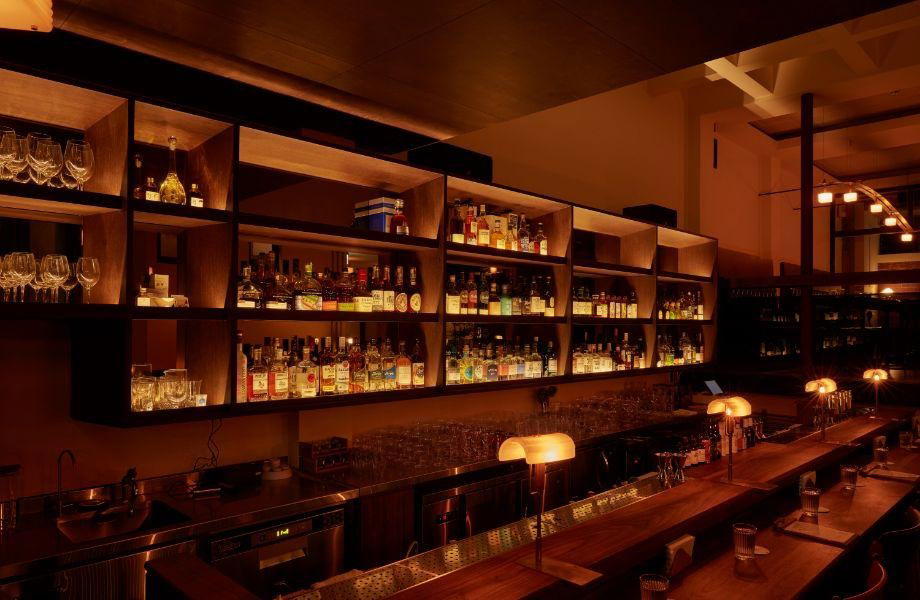
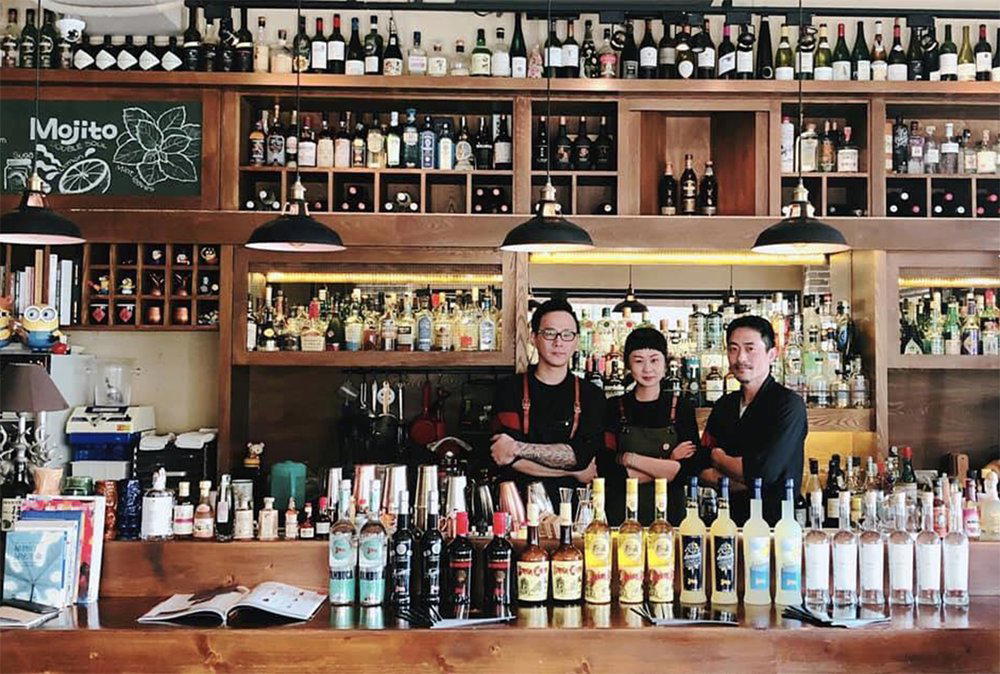
Casual street food stall atmosphere typical of bustling local eateries in Tainan.