Ahi Assassins
Our verdict
On South Beretania Street, Ahi Assassins occupies a specific position in Honolulu's working dining scene: a kitchen where Hawaiian waters meet technique borrowed from elsewhere. The name signals intent, ahi, the prized Pacific yellowfin, treated with the kind of precision more commonly associated with continental kitchens than island lunch counters. A reference point for locals who know where to find serious fish cookery without the resort markup.

Pearl is the En Primeur Club membership app, where members save venues, book tables and use the concierge.
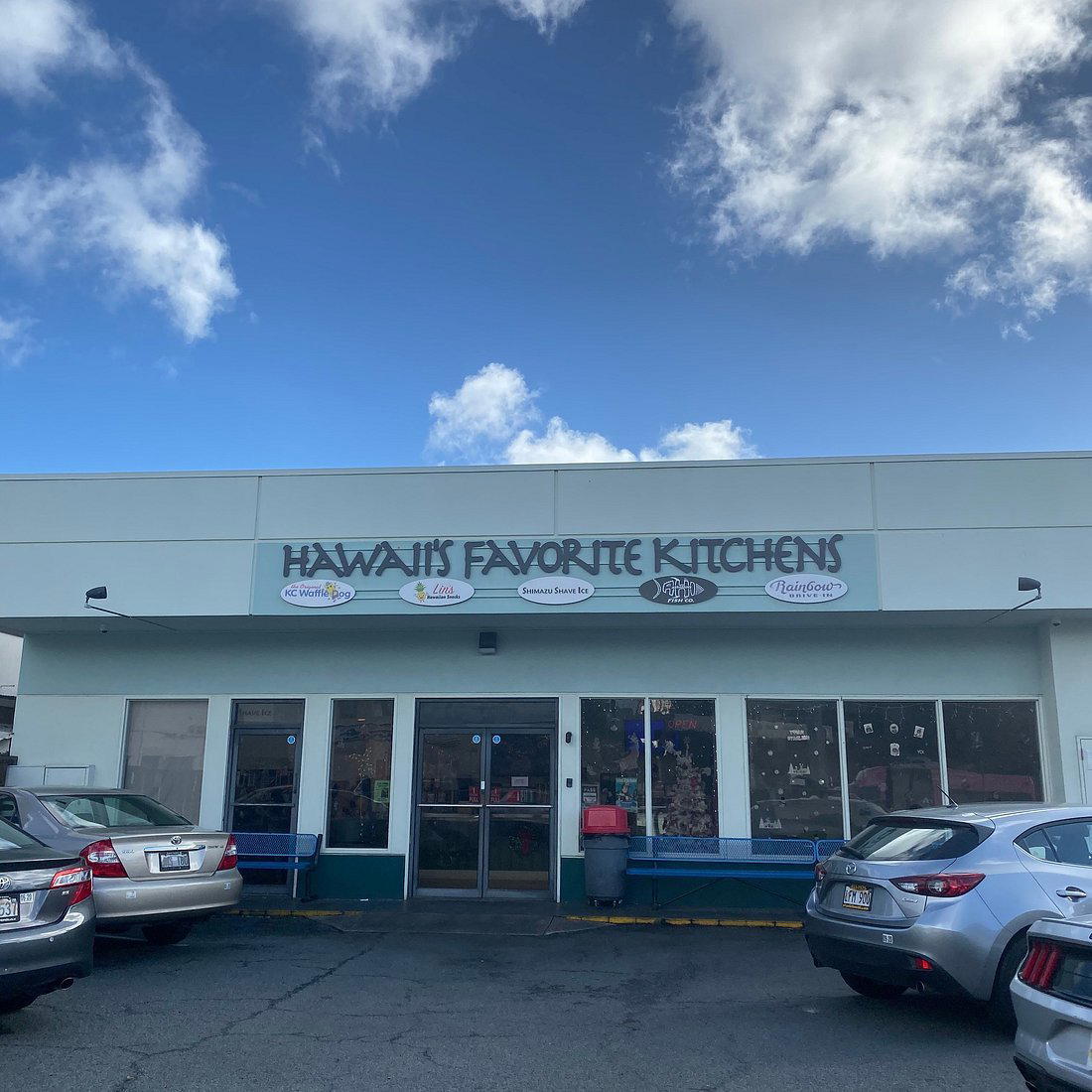
The menu
What to order
- Lunatic Poke
- Hawaiian Poke
- Smoked Marlin Dip
Where Pacific Waters Meet Imported Precision
Honolulu's serious fish cookery has always existed on two tracks. The first runs through resort dining rooms, polished, predictable, priced for visitors who won't return for a year. The second, less visible from the outside, runs through neighbourhood spots on streets like South Beretania, where the fish is as good or better and the room makes no concessions to spectacle. Ahi Assassins sits on that second track, at 2570 S Beretania St, in a part of Honolulu that feeds residents rather than tourists.
The name is a declaration of focus. Ahi, Pacific yellowfin tuna, is among the most harvested and most mishandled fish in American dining. Hawaii's proximity to the fishing grounds that supply it changes the calculus: what arrives in a landlocked steakhouse after days of transit arrives here with a different biography. The question any serious kitchen in Honolulu must answer is what to do with that proximity, and how much technique to apply without obscuring the product.
The Intersection of Local Waters and Borrowed Method
The editorial angle that defines Honolulu's most interesting fish-forward kitchens in the 2020s is not localism alone, it is what happens when Pacific ingredients encounter methods that travelled from elsewhere. Across the American dining scene, the most consequential cooking of the past two decades has come from exactly this friction. Kitchens like Le Bernardin in New York City built their reputations on treating seafood with European classical rigour; Providence in Los Angeles applies French technique to California and Pacific catch. In Hawaii, the equivalent tension plays out differently, because the raw material starts with a structural advantage that neither of those cities can fully replicate.
Hawaiian waters produce yellowfin tuna, mahi-mahi, ono, and opah at a quality that has historically been underserved by the cooking applied to it. The resort corridor tends toward safe preparations, grilled fish with tropical salsa, seared ahi with ponzu, that satisfy expectation without pushing further. The more interesting kitchens take those same fish and apply precision borrowed from Japanese, French, or contemporary American traditions without erasing the Pacific character of the ingredient. That approach, when it works, produces something that neither tradition could reach alone.
Ahi Assassins reads as a kitchen committed to that intersection. The name itself leans into craft-level specificity rather than broad menu positioning. A restaurant that centres its identity on a single fish species is making an argument about focus, and focus in fish cookery is the variable that separates competent from precise. Across the wider Honolulu dining scene, that kind of specialisation is more common in Japanese-leaning formats, the city's sashimi and poke traditions both reward narrow expertise, but it appears in other registers too, particularly in the neighbourhood tier where kitchens serve a returning local clientele rather than a rotating visitor base.
Honolulu's Neighbourhood Dining Tier
South Beretania Street sits in the working residential and commercial fabric of Honolulu, away from the Waikiki concentration and the waterfront restaurant clusters that absorb most of the visitor spend. This is the context in which Ahi Assassins operates.
The Honolulu restaurant scene more broadly has a strong mid-tier of Japanese-influenced cooking, spots like Ginza Bairin and Fujiyama Texas serve a local constituency with direct lineage to Japan's dining traditions. At the other end of the formality spectrum, venues like Fête (New American) and 3660 On the Rise operate in the special-occasion register with a more composed, multi-course format. 53 By The Sea occupies the celebratory waterfront tier. Ahi Assassins, based on its address and positioning, sits in a different bracket: accessible, neighbourhood-anchored, and built for regulars.
That positioning matters when evaluating what a kitchen like this can do. Neighbourhood spots in fish-focused cities often outperform their formal counterparts on the ingredient itself, because their supply relationships are built on volume and repetition rather than curated tasting-menu procurement. A fisherman who supplies a small local kitchen five days a week has a different relationship with that kitchen than one who delivers to a hotel dining room. The freshness differential at this level is not marginal.
How Ahi Assassins Fits the Broader American Fish Cookery Conversation
The conversation about serious fish cookery in America has expanded well beyond its traditional coastal nodes. Kitchens across the country are reckoning with how to honour Pacific and Gulf catch without defaulting to European frames that don't fit. Single Thread Farm in Healdsburg approaches Northern California product through a kaiseki-inflected lens; Blue Hill at Stone Barns in Tarrytown makes the sourcing chain the explicit subject of the meal. Atomix in New York City applies Korean technique to American ingredients with precision that reframes what both traditions can do.
Hawaii's version of this conversation is structural: the fish here is not a curated sourcing story, it is the default. The challenge is technique and restraint, not procurement. Kitchens that understand this, that the product does not need to be announced, only honoured, tend to produce the most compelling food in the islands. That is the standard against which a place like Ahi Assassins is measured by the local diners who return repeatedly.
For context on what serious cooking looks like at the formal end of the American spectrum, The French Laundry in Napa, Alinea in Chicago, and Lazy Bear in San Francisco each represent a different answer to the question of how American kitchens absorb global technique. The neighbourhood fish kitchen in Honolulu is a different answer to the same question, arrived at through geography and local economy rather than tasting-menu ambition. See our full Honolulu restaurants guide for how this fits the wider city dining picture.
How does Ahi Assassins compare to Honolulu's Japanese-style fish restaurants?
Honolulu has a dense layer of Japanese-influenced fish cooking, sashimi bars, poke specialists, and ramen-adjacent kitchens, that draws on Hawaii's significant Japanese-American culinary heritage. Ahi Assassins, based on its positioning and name, suggests a kitchen that applies similar ingredient-level seriousness to ahi and related Pacific catch, but within a format and street address that reads as neighbourhood American rather than explicitly Japanese. The city's broader dining scene, which includes everything from Arancino at The Kahala's Italian register to Bar Maze's cocktail-omakase format, reflects how many different traditions are in active use in Hawaiian kitchens.
Frequently asked questions
Where do I go for Ahi Assassins?
Ahi Assassins is located at 2570 S Beretania St, Honolulu, HI 96826, Honolulu.
Is Ahi Assassins a good option for visitors staying outside Waikiki in Honolulu?
The address at 2570 S Beretania St places Ahi Assassins in the working fabric of Honolulu proper, well outside the Waikiki hotel corridor. For visitors based in neighbourhoods like Moiliili or Makiki, or anyone looking to eat where Honolulu residents actually eat, this part of the city offers a different register of fish cookery than the polished resort dining rooms. It is the kind of address that reflects how seriously Hawaii takes its fish supply chains, independent of tourism infrastructure.
What do regulars order at Ahi Assassins?
The name points directly at the menu's anchor: ahi, the Pacific yellowfin tuna that runs through Hawaii's fish-cooking tradition in forms from raw preparations to cooked applications. A neighbourhood following on South Beretania Street, away from the resort corridor and its tourist-calibrated menus, tends to self-select around kitchens that commit to a single product done with precision. That kind of local regularity is a reliable signal of consistency over spectacle.
Should I book Ahi Assassins in advance?
Honolulu's neighbourhood dining tier, which includes working local spots off the Waikiki and waterfront concentration, generally operates on shorter booking windows than resort or destination restaurants. South Beretania Street is a residential and commercial stretch that draws a repeat local crowd rather than one-time visitors, which means popular slots can fill without much online visibility. Calling ahead or arriving early in service is the standard approach for spots in this bracket.
Cuisine and Credentials
Comparable venues nearby, for context on price, style, and recognition.
| Venue | Cuisine | Price | Notes |
|---|---|---|---|
| Ahi AssassinsThis venue (the venue you are viewing) | Fresh Hawaiian Poke | $10–20 | Not listed |
| Fumi's Kahuku Shrimp | Hawaiian Garlic Shrimp | Not listed | Ala Moana |
| Fort Ruger Market | Hawaiian & Filipino Plate Lunch with Fresh Poke | $10–20 | Diamond Head |
| Moani Waikīkī | Island-Style Hawaiian Comfort Food | $30–50 | Waikiki |
| The Sunrise Shack - Sunset Beach | Dining | Not listed | Waikiki |
| Poke Fix Hawaii | Hawaiian Poke Bowls | $10–20 | Waikiki |
Continue exploring
More in Honolulu
Restaurants in Honolulu
All restaurants in Honolulu →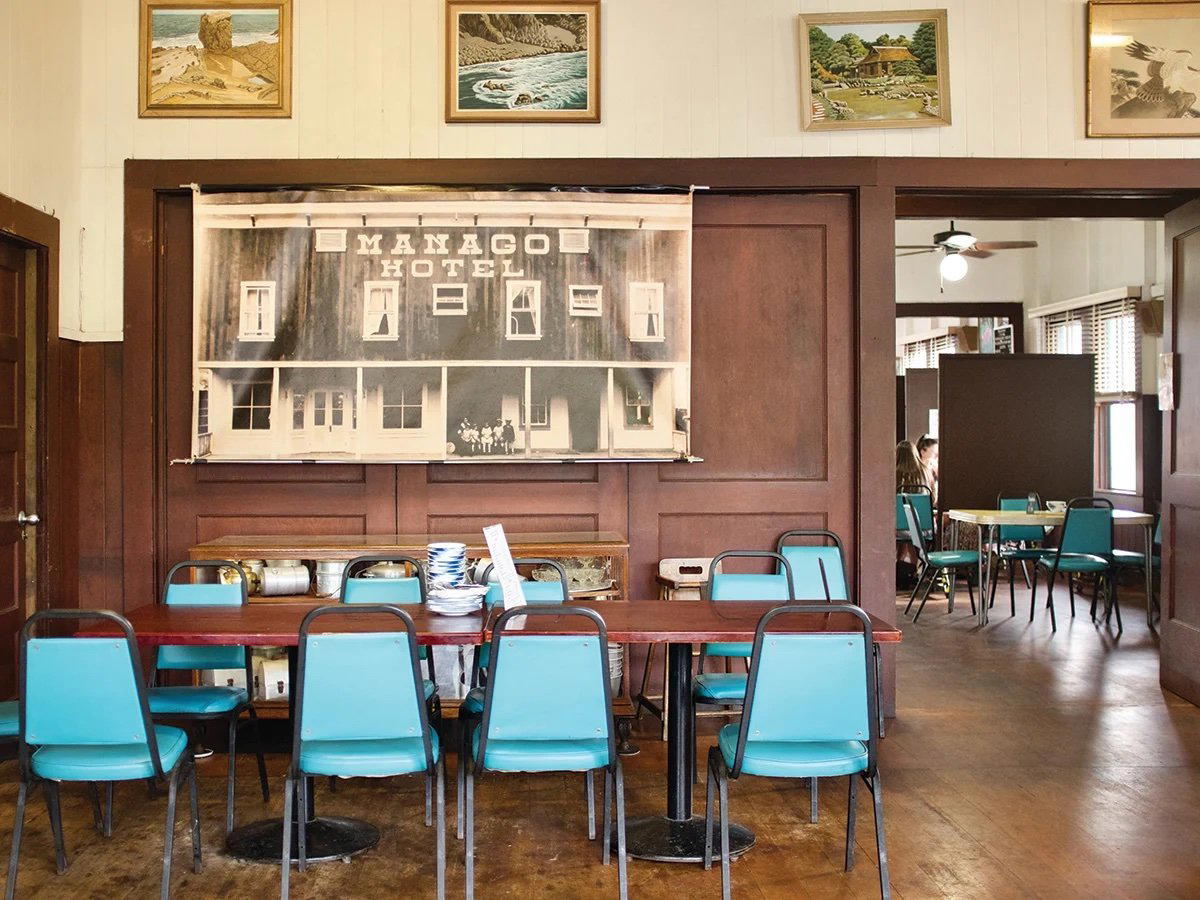
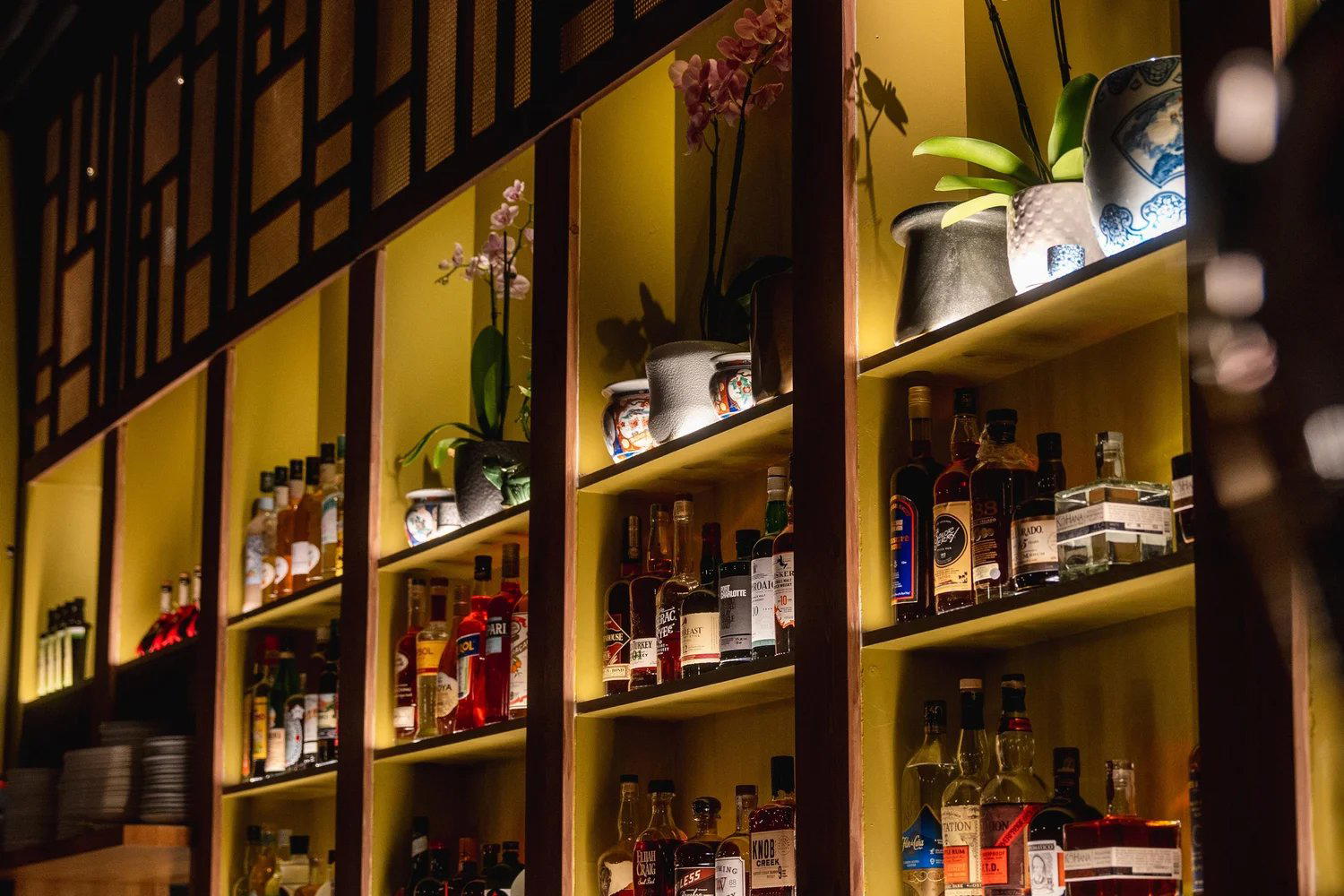
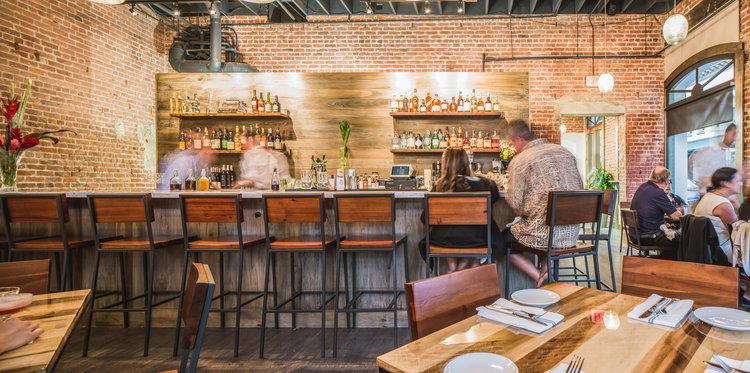
Bars in Honolulu
All bars in Honolulu →
Details
- Trendy
- Casual Hangout
- Local Sourcing
- Sustainable Seafood
- A La Carte
- Gluten Free Options
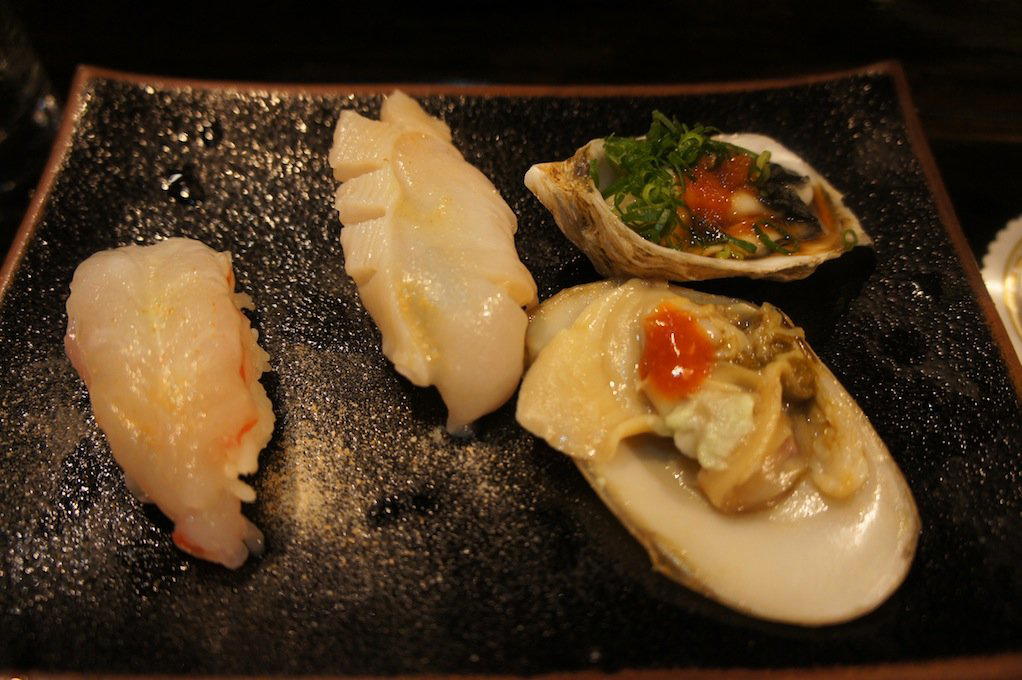
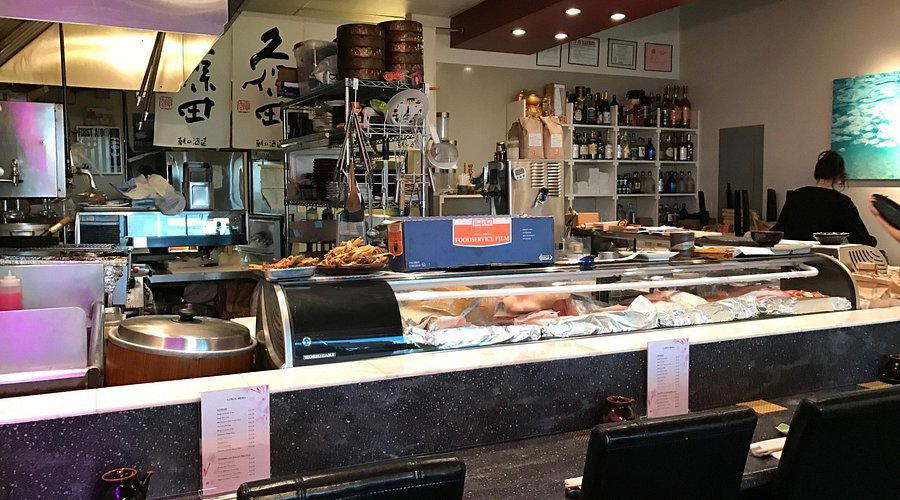
Casual hole-in-the-wall spot on a second-floor balcony with friendly aloha service and no dine-in seating.