Casino-Integrated Dining Along the Hồ Tràm Coast The Hồ Tràm strip, roughly a two-to-three hour drive south of Ho Chi Minh City along the Bà Rịa–Vũng Tàu coastline, has become one of Vietnam's more concentrated zones for resort-casino hospitality. It sits in a category that separates itself geographically and operationally from the urban dining scenes of Hanoi or Ho Chi Minh City: this is destination-resort territory, where the dining decision is rarely made independently of the broader itinerary. 8 Dragons sits inside that casino complex, which means its audience arrives by resort booking rather than by neighbourhood walk-in. That context matters for understanding what the venue is, and what it is not. Across Southeast Asia, casino-resort dining has followed a recognisable arc over the past two decades. Properties in Macau, Singapore, and Manila established the template: anchor restaurants carrying premium positioning, with cuisine formats ranging from Cantonese banquet to contemporary Asian, calibrated to an international gaming clientele with high average spend. Vietnam's coastal resort corridor, still maturing relative to those markets, is moving in the same direction. 8 Dragons, with a name that signals Chinese ceremonial symbolism common to this format, fits that regional pattern of casino dining that leans on pan-Asian registers to serve a mixed-nationality floor. Ingredient Provenance in a Resort Context One of the structural tensions in casino-resort dining anywhere in Southeast Asia is the sourcing question. Resort kitchens serving large volumes across multiple outlets often rely on centralised supply chains, which can distance the plate from the regional ingredient culture that defines Vietnam's leading dining. Along the Bà Rịa–Vũng Tàu coast, however, the raw material argument is credible: the province is among Vietnam's most productive for seafood, with fishing communities operating out of Vũng Tàu city and surrounding coastal settlements. Squid, crab, grouper, and mantis shrimp come out of waters immediately proximate to the resort zone, and properties with kitchen ambition have reason to source locally rather than import. What the regional context does establish is that the sourcing opportunity exists in a way it does not for, say, an inland casino operation. Venues like Bien 14 Seafood Buffet Restaurant in Hạ Long and White Rose in Hội An demonstrate how Vietnamese coastal dining can anchor its identity in hyper-local catch. The question for any serious casino-resort dining program is whether operational scale allows for that kind of sourcing discipline or works against it. For comparison, La Maison 1888 in Đà Nẵng shows what a resort restaurant can achieve when it commits to a specific sourcing and culinary identity, drawing on both French technique and Central Vietnamese produce. That model, high-commitment resort dining with a defined ingredient philosophy, represents the aspirational tier. Casino-integrated venues operate under different commercial pressures, but the proximity of Hồ Tràm to productive coastal waters remains a genuine asset. How 8 Dragons Sits Within Hanoi's Broader Restaurant Conversation The venue data lists Hanoi as the city, though the physical address is unambiguously in Bà Rịa–Vũng Tàu province. This classification likely reflects a corporate or booking-system grouping rather than geographic reality. Hanoi's own high-end dining circuit is a different proposition entirely: the capital has developed a tier of restaurants where Vietnamese contemporary cooking, fine-dining technique, and local ingredient sourcing converge at a level that invites serious critical attention. Gia operates at the sharper end of that scene, applying contemporary technique to Vietnamese culinary references. Hibana by Koki brings a teppanyaki format to Hanoi's leading price tier, showing how international cooking formats have found a foothold in the capital's premium segment. Tầm Vị, 19 P. Ngũ Xã, and 1946 Cua Bac each represent different registers of Vietnamese cooking within the city, from neighbourhood staples to heritage-focused formats. 8 Dragons does not sit in that competitive set. Its peer comparison is regional casino dining, not Hanoi's independent restaurant scene. Internationally, the gap between casino-floor dining and the independent fine-dining tier is illustrated by venues like Le Bernardin in New York City and Lazy Bear in San Francisco, which operate under entirely different commercial and creative conditions. Understanding where the restaurant sits requires bracketing those comparisons and evaluating it within its actual operational format. What to Know Before You Go The restaurant is physically located at ấp Hồ Tràm, Vũng Tàu, Bà Rịa–Vũng Tàu, inside a casino complex. Access is effectively tied to resort stay or casino access rather than independent neighbourhood dining. Visitors travelling specifically for the restaurant should factor in the drive from Ho Chi Minh City or arrangements through the resort directly. Those already staying at the resort will find the restaurant positioned as the higher-register dining option within the casino's F&B; mix, consistent with how similar venues operate across the region. For dining that requires a separate trip from a major Vietnamese city, the commitment is significant, and independent research on current format and menu before travel is advisable. Travellers interested in Vietnam's broader restaurant scene, including venues in Ho Chi Minh City, Đà Nẵng, Huế, and Đà Nẵng's Thanh Khê district, will find the country's dining range extends well beyond resort corridors. Our full Hanoi restaurants guide maps the capital's dining scene in more detail, from street-level staples to contemporary fine dining. For regional chain formats and casual dining options in Vietnam's secondary cities, King BBQ in Rạch Giá, Jollibee in Kon Tum, and Dookki in Tuyên Quang illustrate the spread of branded dining across the country's provincial centres. Frequently Asked Questions What's the signature dish at the restaurant?No confirmed signature dish data is available for the restaurant. Given its casino-resort format and the name's reference to Chinese ceremonial tradition, the menu likely operates within a Cantonese or pan-Asian register common to this category of venue across Southeast Asia. Contact the resort directly for current menu details before visiting.Do they take walk-ins at the restaurant?The restaurant sits inside a casino complex at Hồ Tràm, which typically means access is tied to resort or casino entry rather than open street-level walk-in. In casino-integrated dining at this tier across Vietnam and the broader region, reservations coordinated through the resort are standard. Current walk-in policy is not confirmed; check with the property directly.What's the standout thing about the restaurant?Its position within a casino-resort on the Bà Rịa–Vũng Tàu coast places it in a small cohort of higher-spend dining venues serving Vietnam's developing resort corridor. The coastal location offers genuine proximity to productive local seafood sources, which is a structural advantage this category of venue can exploit when the kitchen program is committed to it. No awards or chef credentials are confirmed in available data.Can the restaurant adjust for dietary needs?Dietary accommodation details are not confirmed for the restaurant. Casino-resort restaurants at this scale generally maintain kitchen capacity to address common dietary requirements, but specific policies should be confirmed through the resort's reservations contact ahead of dining. No direct phone or website is available in current records.Is the restaurant actually in Hanoi, or is the location different from what some listings suggest?Despite some listings categorising the restaurant under Hanoi, the confirmed physical address is ấp Hồ Tràm, Vũng Tàu, Bà Rịa–Vũng Tàu province, inside a casino resort. This places it approximately 125 kilometres southeast of Ho Chi Minh City, not in or near Hanoi. Travellers planning a visit should orient around the Hồ Tràm resort strip rather than the capital, and factor in the coastal drive from Ho Chi Minh City as the practical access route.
Pearl is the En Primeur Club membership app — saves, bookings, and concierge access live there. Same editors, same standards.
- Address
- ấp Hồ Tràm, Vũng Tàu, Bà Rịa - Vũng Tàu 790000 (inside casino)
- Directions
- Get directions
 Saves & bookings on Pearl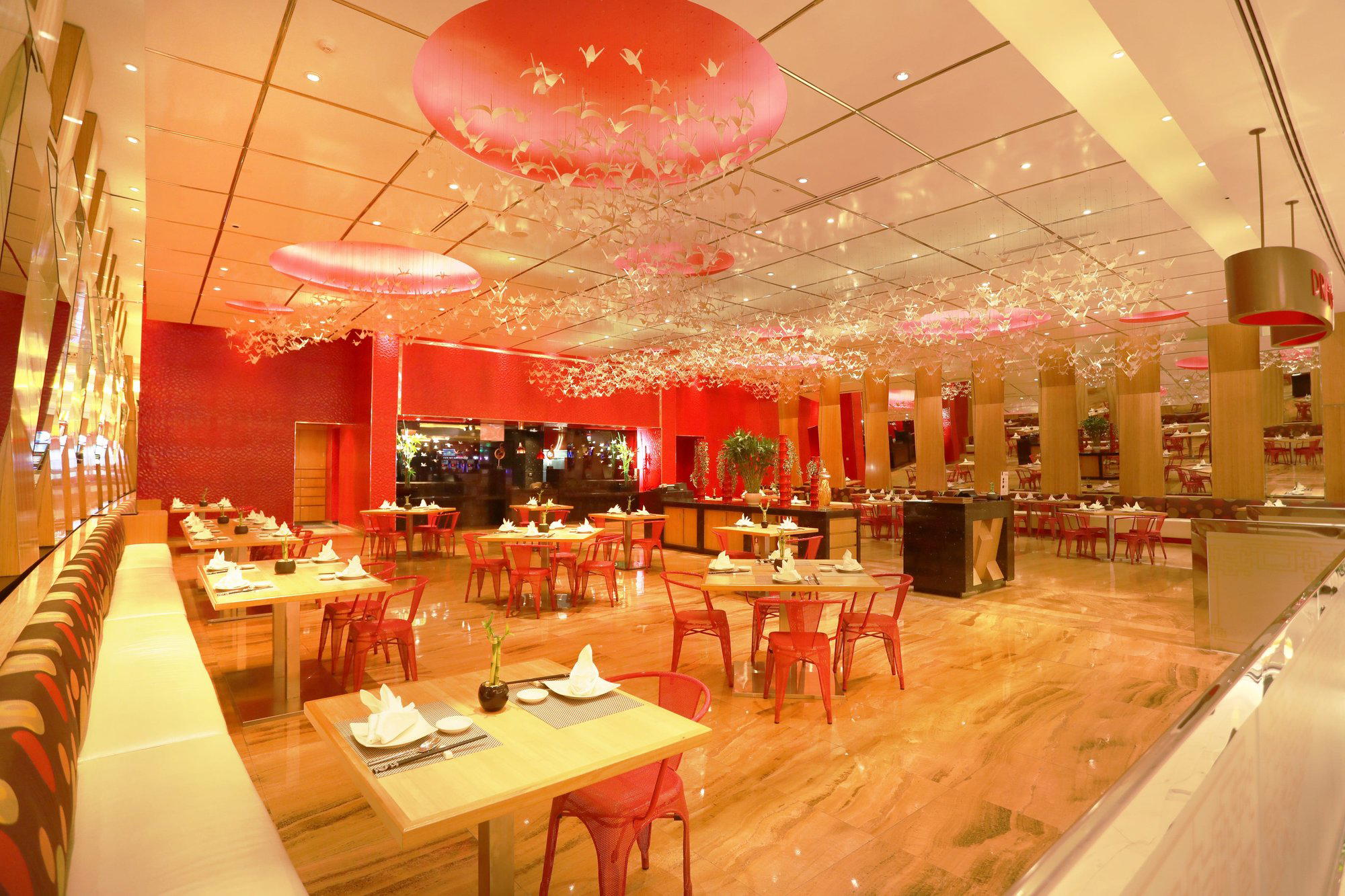
Casino-Integrated Dining Along the Hồ Tràm Coast
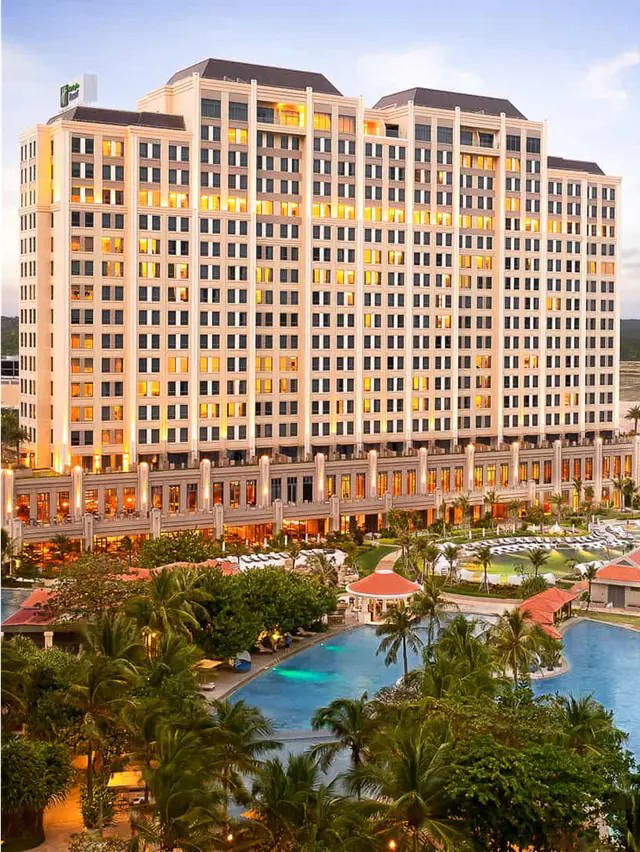
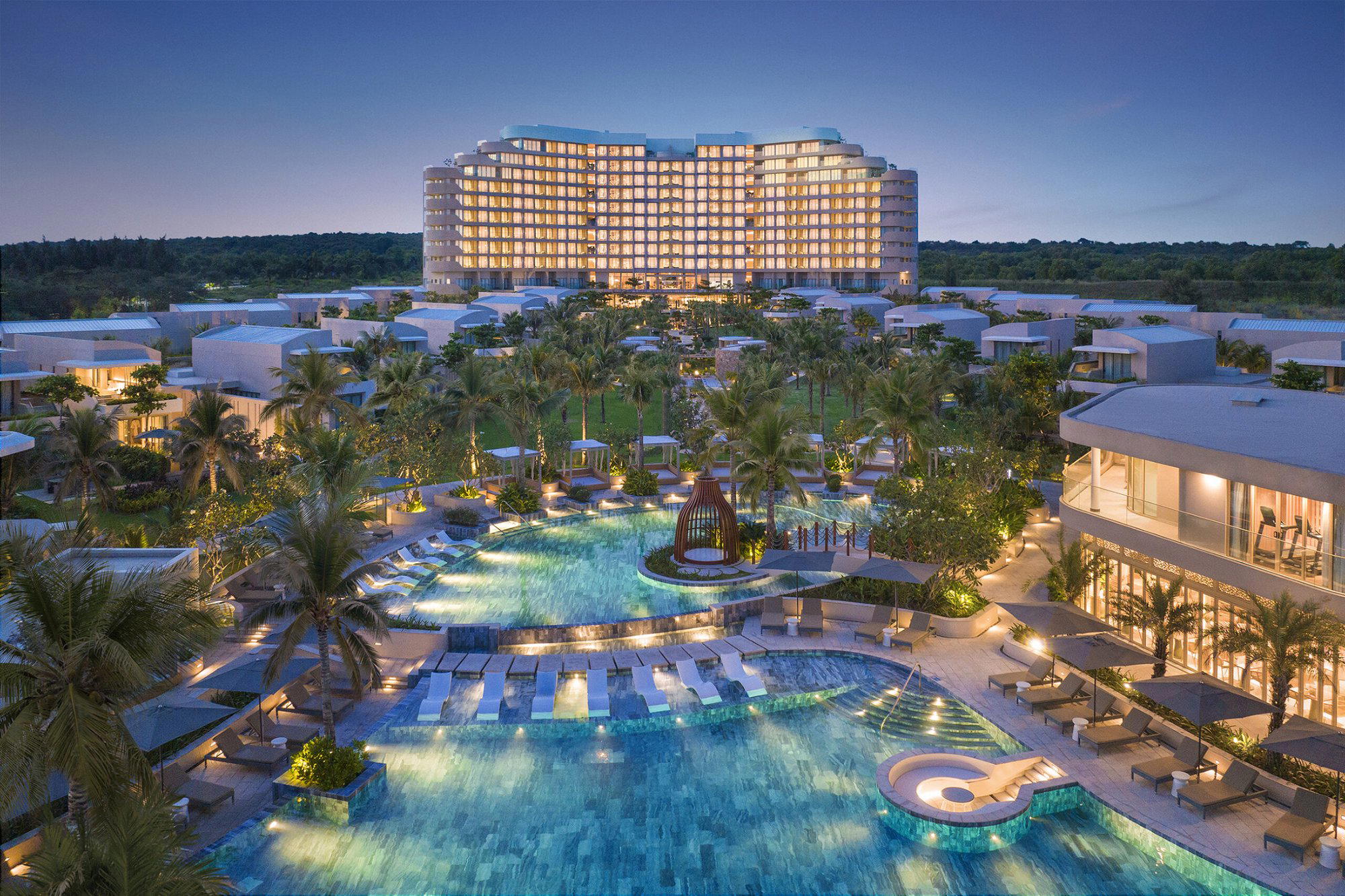
The Hồ Tràm strip, roughly a two-to-three hour drive south of Ho Chi Minh City along the Bà Rịa–Vũng Tàu coastline, has become one of Vietnam's more concentrated zones for resort-casino hospitality. It sits in a category that separates itself geographically and operationally from the urban dining scenes of Hanoi or Ho Chi Minh City: this is destination-resort territory, where the dining decision is rarely made independently of the broader itinerary. 8 Dragons sits inside that casino complex, which means its audience arrives by resort booking rather than by neighbourhood walk-in. That context matters for understanding what the venue is, and what it is not.
Across Southeast Asia, casino-resort dining has followed a recognisable arc over the past two decades. Properties in Macau, Singapore, and Manila established the template: anchor restaurants carrying premium positioning, with cuisine formats ranging from Cantonese banquet to contemporary Asian, calibrated to an international gaming clientele with high average spend. Vietnam's coastal resort corridor, still maturing relative to those markets, is moving in the same direction. 8 Dragons, with a name that signals Chinese ceremonial symbolism common to this format, fits that regional pattern of casino dining that leans on pan-Asian registers to serve a mixed-nationality floor.
Ingredient Provenance in a Resort Context
One of the structural tensions in casino-resort dining anywhere in Southeast Asia is the sourcing question. Resort kitchens serving large volumes across multiple outlets often rely on centralised supply chains, which can distance the plate from the regional ingredient culture that defines Vietnam's leading dining. Along the Bà Rịa–Vũng Tàu coast, however, the raw material argument is credible: the province is among Vietnam's most productive for seafood, with fishing communities operating out of Vũng Tàu city and surrounding coastal settlements. Squid, crab, grouper, and mantis shrimp come out of waters immediately proximate to the resort zone, and properties with kitchen ambition have reason to source locally rather than import.
What the regional context does establish is that the sourcing opportunity exists in a way it does not for, say, an inland casino operation. Venues like Bien 14 Seafood Buffet Restaurant in Hạ Long and White Rose in Hội An demonstrate how Vietnamese coastal dining can anchor its identity in hyper-local catch. The question for any serious casino-resort dining program is whether operational scale allows for that kind of sourcing discipline or works against it.
For comparison, La Maison 1888 in Đà Nẵng shows what a resort restaurant can achieve when it commits to a specific sourcing and culinary identity, drawing on both French technique and Central Vietnamese produce. That model, high-commitment resort dining with a defined ingredient philosophy, represents the aspirational tier. Casino-integrated venues operate under different commercial pressures, but the proximity of Hồ Tràm to productive coastal waters remains a genuine asset.
How 8 Dragons Sits Within Hanoi's Broader Restaurant Conversation
The venue data lists Hanoi as the city, though the physical address is unambiguously in Bà Rịa–Vũng Tàu province. This classification likely reflects a corporate or booking-system grouping rather than geographic reality. Hanoi's own high-end dining circuit is a different proposition entirely: the capital has developed a tier of restaurants where Vietnamese contemporary cooking, fine-dining technique, and local ingredient sourcing converge at a level that invites serious critical attention. Gia operates at the sharper end of that scene, applying contemporary technique to Vietnamese culinary references. Hibana by Koki brings a teppanyaki format to Hanoi's leading price tier, showing how international cooking formats have found a foothold in the capital's premium segment. Tầm Vị, 19 P. Ngũ Xã, and 1946 Cua Bac each represent different registers of Vietnamese cooking within the city, from neighbourhood staples to heritage-focused formats.
8 Dragons does not sit in that competitive set. Its peer comparison is regional casino dining, not Hanoi's independent restaurant scene. Internationally, the gap between casino-floor dining and the independent fine-dining tier is illustrated by venues like Le Bernardin in New York City and Lazy Bear in San Francisco, which operate under entirely different commercial and creative conditions. Understanding where the restaurant sits requires bracketing those comparisons and evaluating it within its actual operational format.
What to Know Before You Go
The restaurant is physically located at ấp Hồ Tràm, Vũng Tàu, Bà Rịa–Vũng Tàu, inside a casino complex. Access is effectively tied to resort stay or casino access rather than independent neighbourhood dining. Visitors travelling specifically for the restaurant should factor in the drive from Ho Chi Minh City or arrangements through the resort directly. Those already staying at the resort will find the restaurant positioned as the higher-register dining option within the casino's F&B; mix, consistent with how similar venues operate across the region. For dining that requires a separate trip from a major Vietnamese city, the commitment is significant, and independent research on current format and menu before travel is advisable.
Travellers interested in Vietnam's broader restaurant scene, including venues in Ho Chi Minh City, Đà Nẵng, Huế, and Đà Nẵng's Thanh Khê district, will find the country's dining range extends well beyond resort corridors. Our full Hanoi restaurants guide maps the capital's dining scene in more detail, from street-level staples to contemporary fine dining. For regional chain formats and casual dining options in Vietnam's secondary cities, King BBQ in Rạch Giá, Jollibee in Kon Tum, and Dookki in Tuyên Quang illustrate the spread of branded dining across the country's provincial centres.
At a Glance
- Modern
- Lively
- Cozy
- Casual Hangout
- Group Dining
- Family
- Hotel Restaurant
- Standalone
- Extensive Wine List
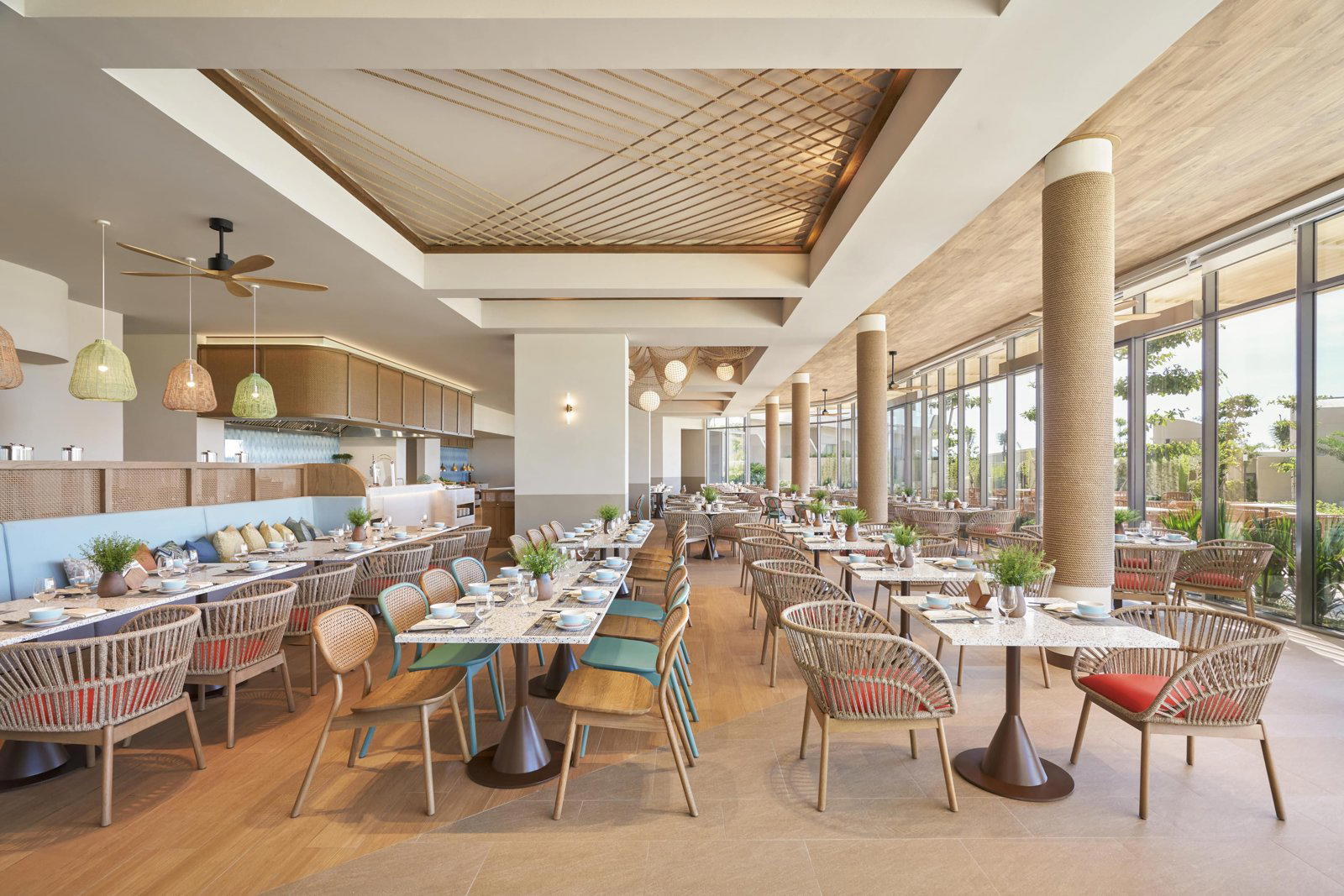
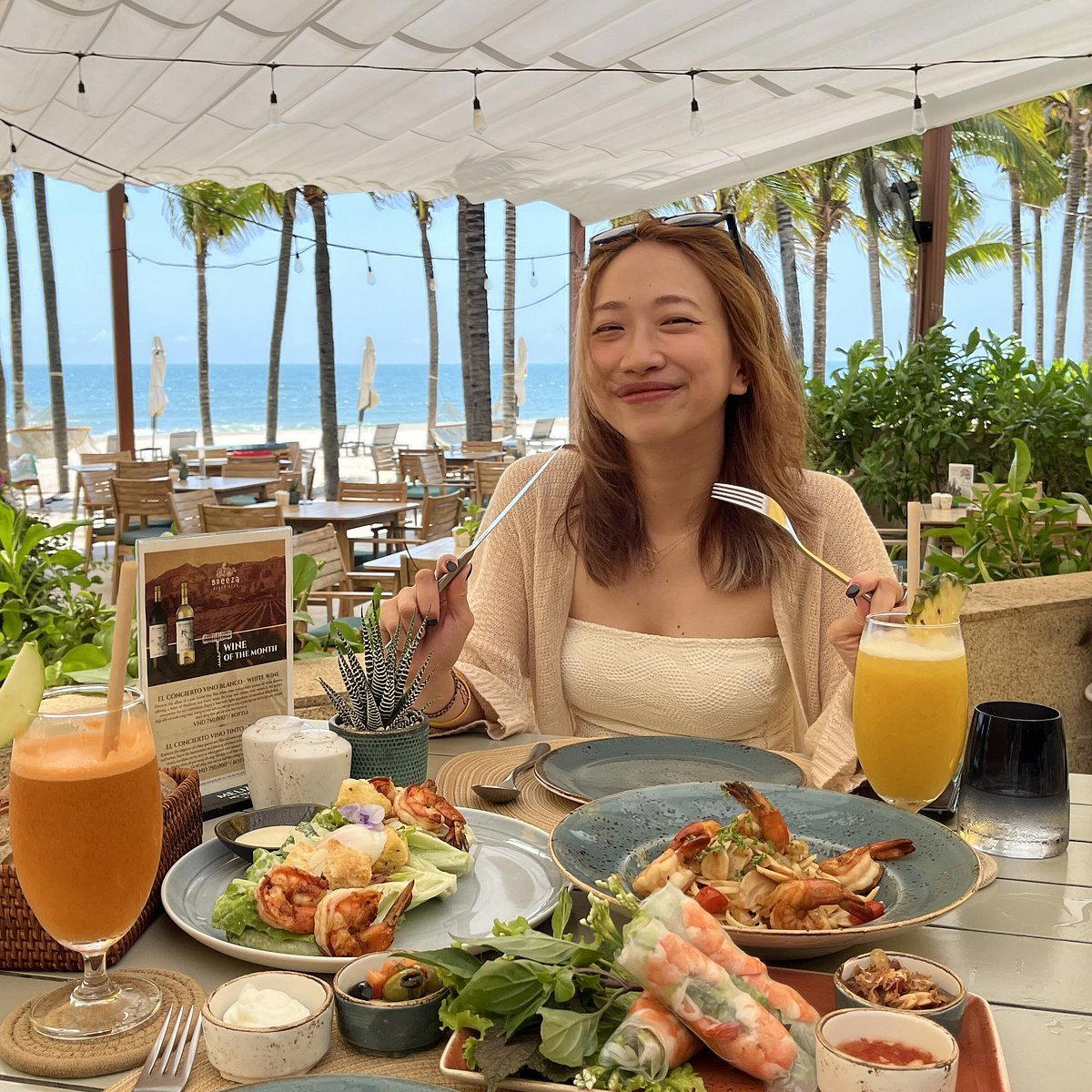
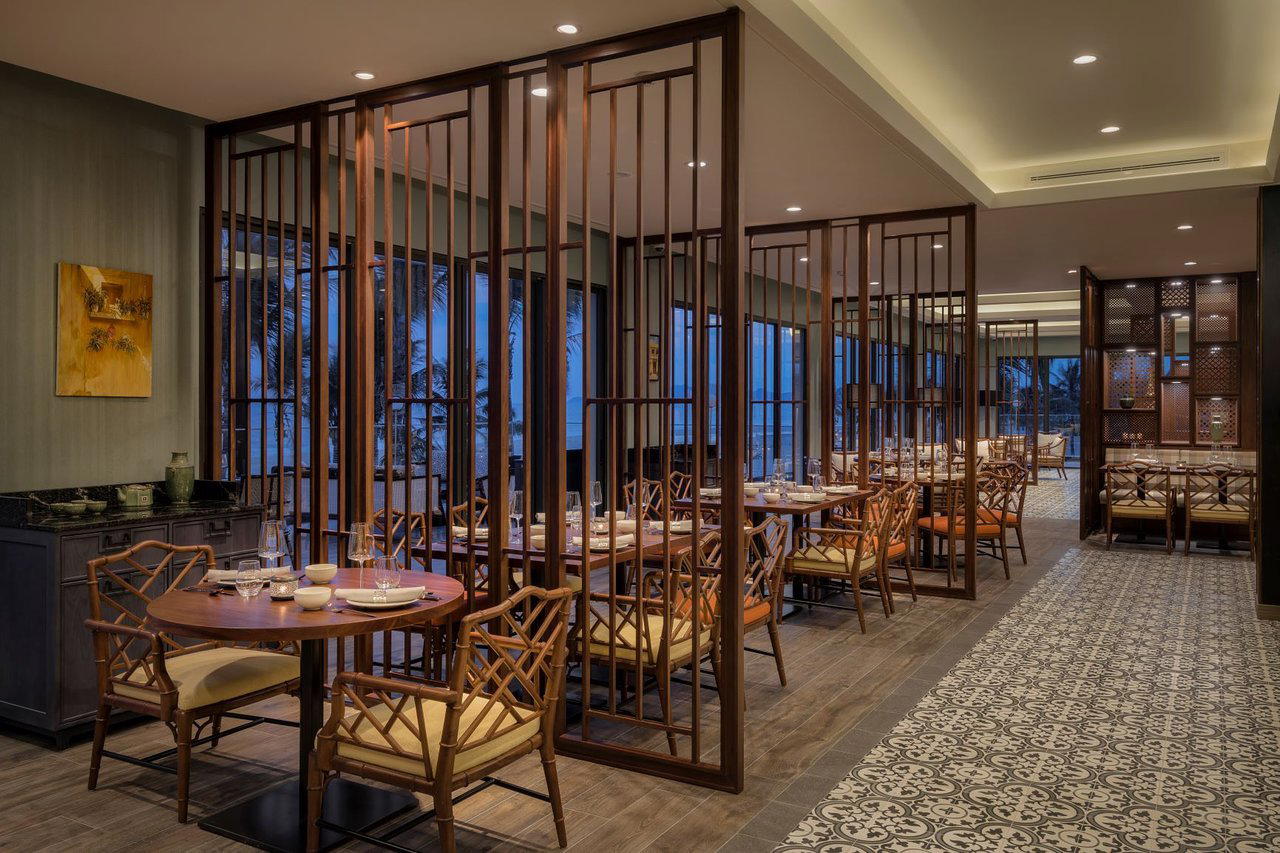
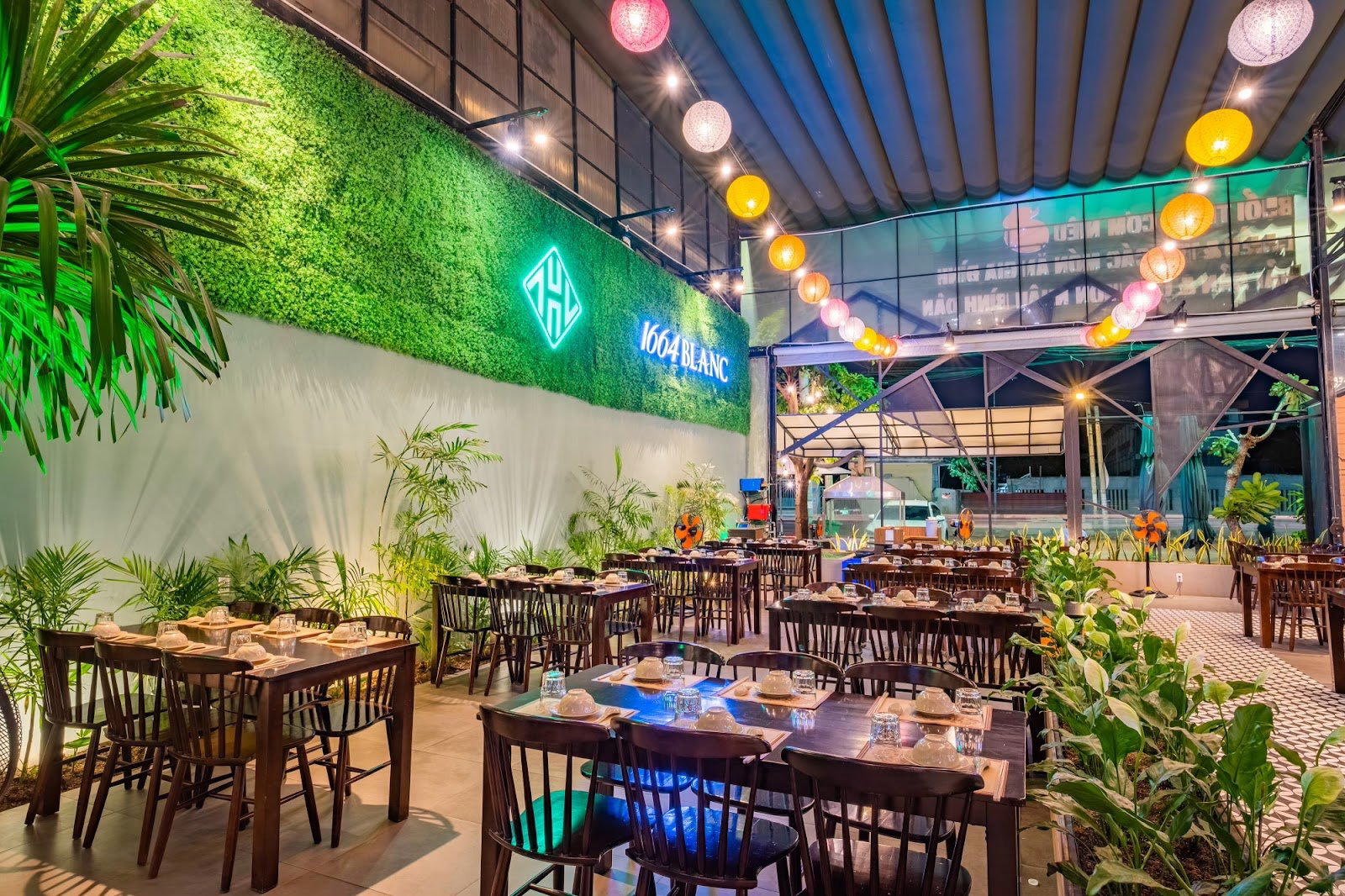
An Asian fusion restaurant inside the casino with a comfort-food focus and a casual, mixed East-meets-West atmosphere.