原創花雕雞 on Civic Boulevard brings one of Chinese cuisine's most deliberate cooking traditions to central Taipei: Shaoxing wine-braised chicken prepared with a patience that the city's faster dining circuits rarely allow. The format is built around the slow-cooked centrepiece, making it a reference point for anyone tracing Taiwan's relationship with mainland Chinese wine-cooking heritage.
Pearl is the En Primeur Club membership app — saves, bookings, and concierge access live there. Same editors, same standards.
- Address
- 市民大道四段181號, 台北市
- Directions
- Get directions
 Saves & bookings on Pearl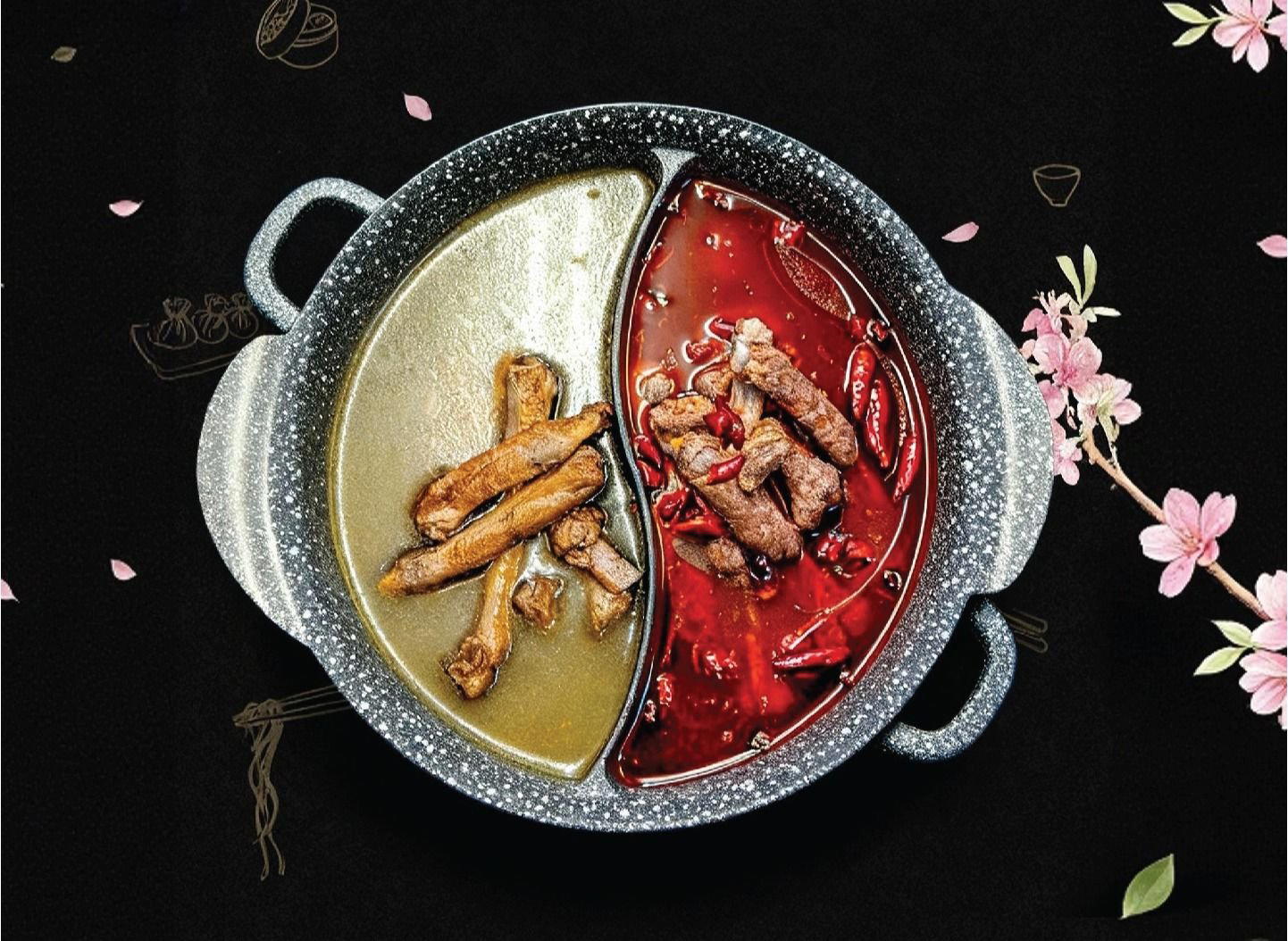
A Slow Ceremony on Civic Boulevard
市民大道, Civic Boulevard, runs east through Zhongshan and Da'an in a broad, utilitarian corridor that connects Taipei's commercial mid-section without much ceremony. The restaurants along its length tend to serve the district's office density rather than its ambitions, which makes the presence of a specialist wine-chicken house all the more deliberate. 原創花雕雞 occupies an address at No. 181, Section 4, a stretch where traffic moves fast and dining choices are made quickly. The restaurant's proposition runs counter to both: the cooking technique at the centre of its menu is deliberate, and the format rewards patience over speed.
That contrast matters as context. Taipei's mid-range and premium dining scenes have, over the past decade, tilted toward either the fast-casual end or the high-tasting-menu tier occupied by rooms like logy, Taïrroir, and L'Atelier de Joël Robuchon. The space between those poles, specialist, mid-register, technique-led, is less crowded, and that is precisely where a focused wine-chicken specialist sits.
The Tradition Behind the Dish
花雕雞, or huādiāo chicken, takes its name from the huādiāo variety of Shaoxing rice wine used in the braising process. Shaoxing wine cooking is one of the older strands of Chinese culinary tradition, associated with Zhejiang province and the broader Jiangnan food culture that shaped much of what Taiwan absorbed through waves of mainland migration in the twentieth century. The technique involves long submersion: the chicken is cooked slowly in a liquor-forward braise, the wine's fermented depth penetrating the meat over time rather than coating it with a quick reduction.
What separates a disciplined huādiāo preparation from a casual wine-chicken dish is the quality of the wine itself and the control of the braise temperature. Huādiāo, sometimes spelled hua diao, refers specifically to aged Shaoxing wine stored in ceramic jars, typically matured for several years before use. The longer the aging, the more complex the aromatic base brought to the pot. In Taiwan, this tradition exists alongside Cantonese wine-chicken preparations and the broader Taiwanese braised-meat (滷味) culture, but it occupies a distinct position: more fragrant, more wine-forward, and with a specific regional identity that diners familiar with Jiangnan cooking will recognise immediately.
For a comparative read on how Cantonese cooking traditions are being expressed at the higher end of Taipei's dining spectrum, Le Palais provides a useful reference point. The two restaurants are not in direct competition, they occupy different price tiers and entirely different formats, but together they illustrate how Chinese regional cooking heritage, whether Cantonese or Jiangnan, continues to hold serious ground in a city that has also developed strong contemporary currents through places like Molino de Urdániz.
Reading the Meal as a Sequence
At a restaurant built around a single centrepiece preparation, the logic of the meal tends to be linear rather than modular. The opening moves at a table here are about setting context: lighter, cleaner flavours, cold accompaniments, pickled vegetables, or lighter proteins, that prepare the palate for the weight of a long-braised wine chicken. This sequencing is not distinctive to this address; it reflects a broader structure in Chinese banquet and family-style cooking where the richest, most time-intensive dish arrives mid-meal or as the primary event, supported rather than competed with by its surroundings.
The chicken itself, when it arrives, carries the accumulated depth of the braise: amber-toned, fragrant with wine vapour, the meat yielding where it should and maintaining texture where that matters. Eating it well means working through it slowly, using accompanying rice or lighter broths to reset between portions. Finishing the meal typically means returning to something restrained, a clear soup or simply the braising liquid thinned and served as a final drink, a practice common in Jiangnan-influenced cooking where wasting a well-built braise is considered poor form.
This kind of meal arc is worth comparing to what happens at Taiwan's tasting-menu rooms, where the progression is managed by the kitchen and the pacing is fixed. Here, the structure is more communal and self-directed, with the table controlling the rhythm. That makes it a different kind of experience from what you would find at JL Studio in Taichung or GEN in Kaohsiung, and a more representative example of how most Taiwanese families actually eat when they are eating well.
Taipei's Regional Specialist Tier
Taiwan's dining map rewards those willing to move beyond the flagship address. The island has developed a dense network of regional specialists, in Tainan, places like A Xia anchor local culinary identity through specific technique; in the greater Taipei area, spots like GARDENh in Yonghe District and the braised rice specialist in Sanchong District show how adjacent districts sustain their own culinary gravity. A wine-chicken specialist on Civic Boulevard belongs to this tier: not a destination dining address in the international-recognition sense, but a reference point for a specific tradition executed with purpose.
For anyone building an itinerary that spans Taiwan's broader dining geography, the EP Club Taipei restaurants guide maps the full spectrum from street-level classics to Michelin-starred tasting rooms. Elsewhere on the island, Volcanic Rock in Zhubei City and Chenggong Douhua illustrate how far Taiwan's regional food culture extends beyond the capital.
Planning Your Visit
原創花雕雞 is located at 市民大道四段181號 in central Taipei, accessible by MRT at the nearby Zhongxiao Xinsheng or Zhongxiao Fuxing stations, both a short walk from Section 4 of Civic Boulevard. As with most specialist restaurants in this tier, arriving with a clear sense of the format, communal, centred on the braised chicken, makes the ordering process direct. The meal works well for groups of two or more, since the huādiāo chicken is a shared preparation rather than an individual portion dish.
Cuisine and Credentials
Comparable venues nearby, for context on price, style, and recognition.
| Venue | Cuisine | Price | Notes |
|---|---|---|---|
| 原創花雕雞This venue — the venue you are viewing | Taiwanese Huadiao Chicken Hotpot | $$ | Not listed |
| The Master Spicy Noodle (大師兄銷魂麵舖) | Modern Taiwanese Spicy Noodles | $$ | Da'an District |
| 明福台菜 | Taiwanese Homestyle | Not listed | Heng'an |
| Restaurant Pinecone | Modern Taiwanese Bistro | $$ | Fujin |
| 鼎泰豐 Din Tai Fung | Taiwanese Dim Sum | $$ | Xinyi District |
| 藍玲四川牛肉麵 | Sichuan-Style Beef Noodles | $$ | Daan District |
Continue exploring
More in Taipei
Restaurants in Taipei
Browse all →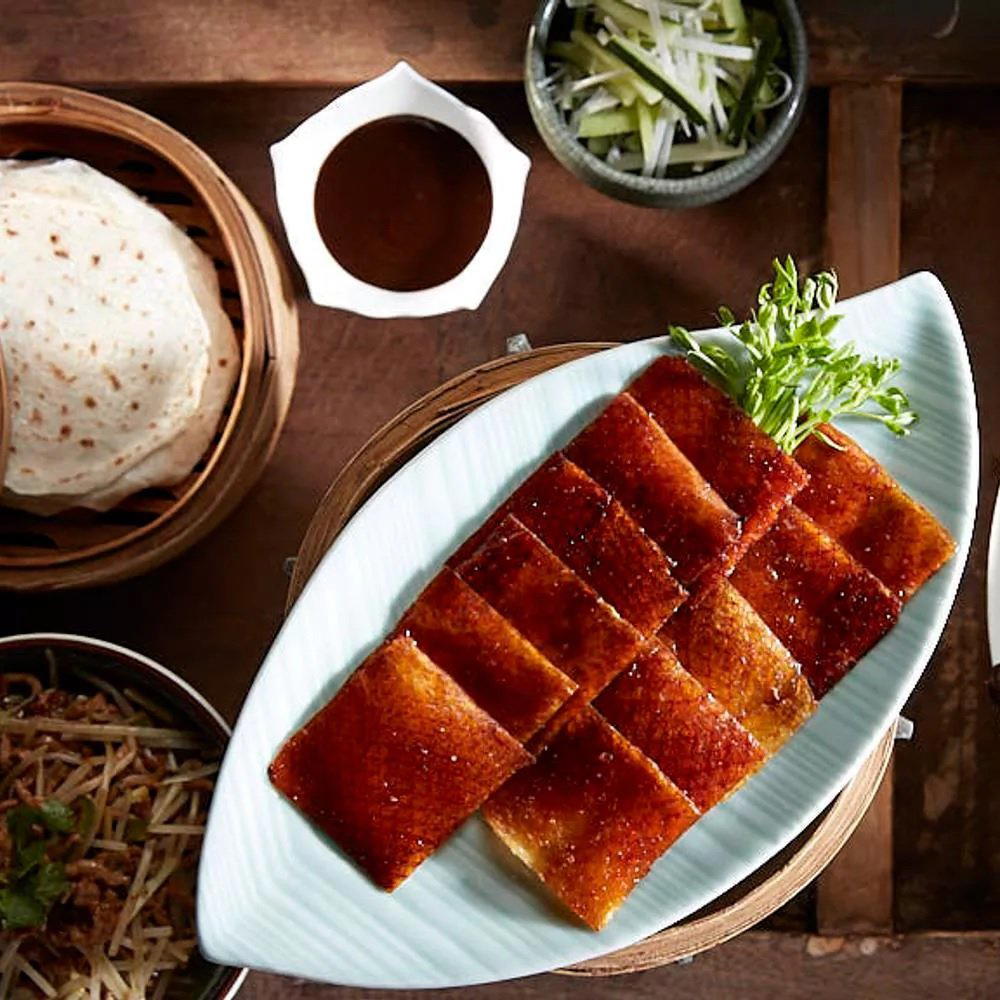
Bars in Taipei
Browse all →
Hotels in Taipei
Browse all →
Wineries in Taipei
Browse all →
At a Glance
- Classic
- Cozy
- Well Known
- Lively
- Group Dining
- Family
- Celebration
- Casual Hangout
- Late Night
- Standalone
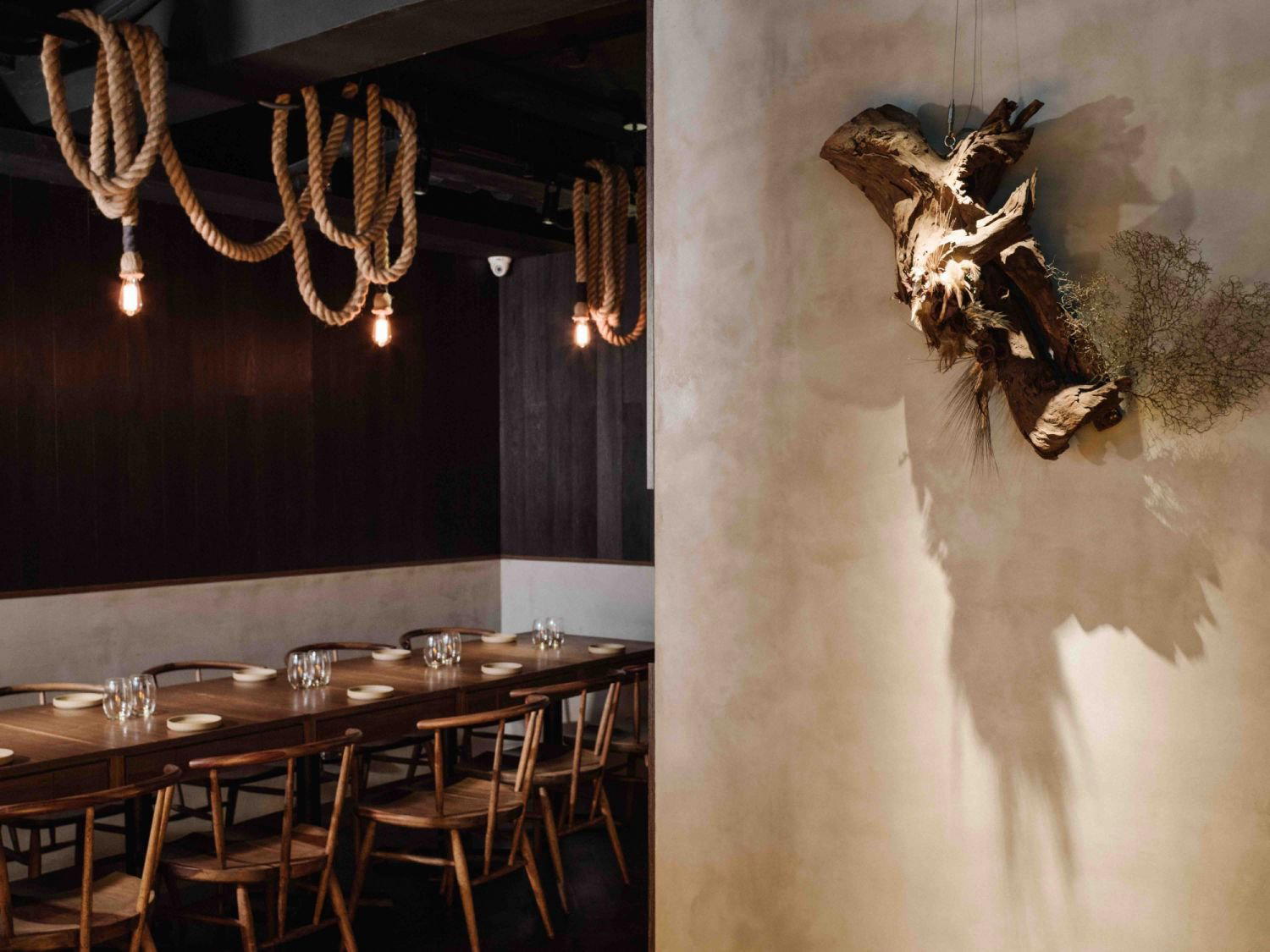
Bustling and casual with a warm, savory aroma from the huadiao wine and simmering pot; more energetic than quiet, especially during peak hours.