Located on Pingxi Road in Shalu District, 鳳祥鵝肉店(沙鹿本店) sits within Taichung City's established roast goose tradition, a format that rewards those who understand what they're ordering. The Shalu original draws locals from across the greater metropolitan area for its goose-centred menu, positioning it as a reference point within a genre that rarely courts outside attention.
Pearl is the En Primeur Club membership app — saves, bookings, and concierge access live there. Same editors, same standards.
- Address
- No. 170號, Pingxi Rd, Shalu District, Taichung City, Taiwan 433
- Phone
- +886426314040
- Directions
- Get directions
 Saves & bookings on Pearl
Shalu District and the Goose Tradition It Keeps Alive
Taiwan's roast goose counters occupy a specific and often overlooked tier of the island's food culture. Unlike the banquet-style Cantonese roasted meats operations in major cities, the Taiwanese goose shop, particularly in Taichung's outer districts, tends toward a more spartan format: open kitchens, communal tables, chopped-to-order birds, and a local clientele that judges quality not by ambience but by the crispness of skin against the grain of the meat. Shalu District, on Taichung's western fringe, has maintained this tradition across several decades, with a cluster of goose-focused operations that collectively function as a regional reference point for the style.
鳳記鵝肉老店(沙鹿本店), the original Shalu branch on Pingxi Road, sits within this tradition rather than above it. It does not announce itself with signage designed for outsiders. Its authority is local, accumulated over time, and visible in the rhythm of the lunch and dinner services rather than in any formal credential.
What the Menu Architecture Tells You
Goose shops in this part of Taiwan operate on a logic that rewards those who read the menu as a system rather than a list of options. The bird is typically divided into sections, breast, thigh, neck, wing, offal, each priced and presented differently, and the decision of which cuts to order reflects a level of familiarity with the format that separates regulars from first-timers. Accompaniments tend toward simplicity: rice, broth, seasonal vegetables, occasionally preserved side dishes that counterbalance the richness of the roasted meat.
The wine angle here is not one of curated cellars or sommelier programs, that is not what this category of restaurant does, nor should it. But there is an analogue worth noting for those who think about pairing seriously: the fat content and char of well-prepared goose skin creates a textural and flavour profile that responds well to higher-acid beverages, whether that means a cold Taiwan beer, a light Taiwanese oolong, or, for those inclined toward wine in an informal context, something in the vein of a northern Rhône Syrah or a restrained Pinot Noir from a cooler climate. The point is that the food here has more structural complexity than its setting suggests, and the beverage decision is not trivial. Elsewhere on Taiwan's dining circuit, at Amei in Tainan or Akame in Wutai Township, there are formal wine programs built around indigenous ingredients with similar structural demands. The goose shop format simply delivers that same flavour challenge without the formal framework around it.
Taichung's Outer Districts as a Dining Context
Much of Taichung's editorial attention concentrates on the central and Xitun districts, where newer openings and more photographable formats cluster. Shalu, by contrast, functions as a working district with a food culture that is older and less curated. Dining here means engaging with restaurants that were not designed for the kind of visitor who books tables three weeks in advance and cross-references ratings before arrival. The trade-off is access to a more unmediated version of how Taichung's broader metropolitan population actually eats, which, for a significant portion of that population, means goose, rice, and broth at a table shared with strangers.
Other Taichung restaurants worth placing on the same itinerary include A Kun Mian for noodle-format comparison, Abura Yakiniku for a contrasting meat-forward experience, and DIN YUE RESTAURANT for a more formal Chinese dining room. The Burger Joint and cafe crotchet represent the city's more casual international-facing tier. The goose shop occupies none of these categories, it is a format unto itself within the city's food structure.
For comparative context across Taiwan's regional dining traditions, the picture is useful: GEN in Kaohsiung and Shen Yen in Yilan demonstrate how regional ingredients become the backbone of serious restaurants in cities outside Taipei. The goose tradition in Shalu operates on the same geographic logic, ingredient sourcing tied to local agriculture, a menu built around what a specific region raises and eats, even if the format and price point are entirely different. Further afield, Bebu in Hsinchu County, Chi Yuan in New Taipei, and Dongmen Rice Noodle Soup in Hsinchu City each represent a version of this same principle.
Planning a Visit to Shalu
Shalu District sits roughly 15 kilometres northwest of central Taichung, most practically reached by car or scooter; the Taiwan Railways Authority also serves Shalu Station, within reasonable walking distance of Pingxi Road. Goose shops in this category typically operate for lunch and dinner services and tend to close once the bird is sold out, which in practice means arrival before the midpoint of a service is advisable. No formal booking system is recorded for this venue. Visitors combining a Shalu visit with broader Taichung itineraries might also consider Volando Urai Spring Spa & Resort in Wulai District as a contrast in format and geography for a longer Taiwan circuit.
Side-by-Side Snapshot
Comparable venues nearby, for context on price, style, and recognition.
| Venue | Cuisine | Price | Awards | Notes |
|---|---|---|---|---|
| 鳳記鵝肉老店(沙鹿本店)This venue — the venue you are viewing | Taiwanese Noodle House | $ | Not listed | Not listed |
| 阿禧師懷舊餐館 | Taiwanese Hot Pot | Not listed | Not listed | Ren'ai |
| Chun Shui Tong | Traditional Taiwanese teahouse & bubble tea | $$ | Not listed | West District |
| Rong Cuisine | Modern Taiwanese with Japanese Influences | $$ | Michelin Plate | Luchuan |
| Orient Dragon | Traditional Taiwanese Home-Style Cooking with Sichuanese Influences | $$ | Michelin Plate | Gouqian |
| Moon Mucang | High-End Hot Pot | $$$ | Not listed | Chaoyang |
At a Glance
- Cozy
- Casual
- Family
- Casual Hangout
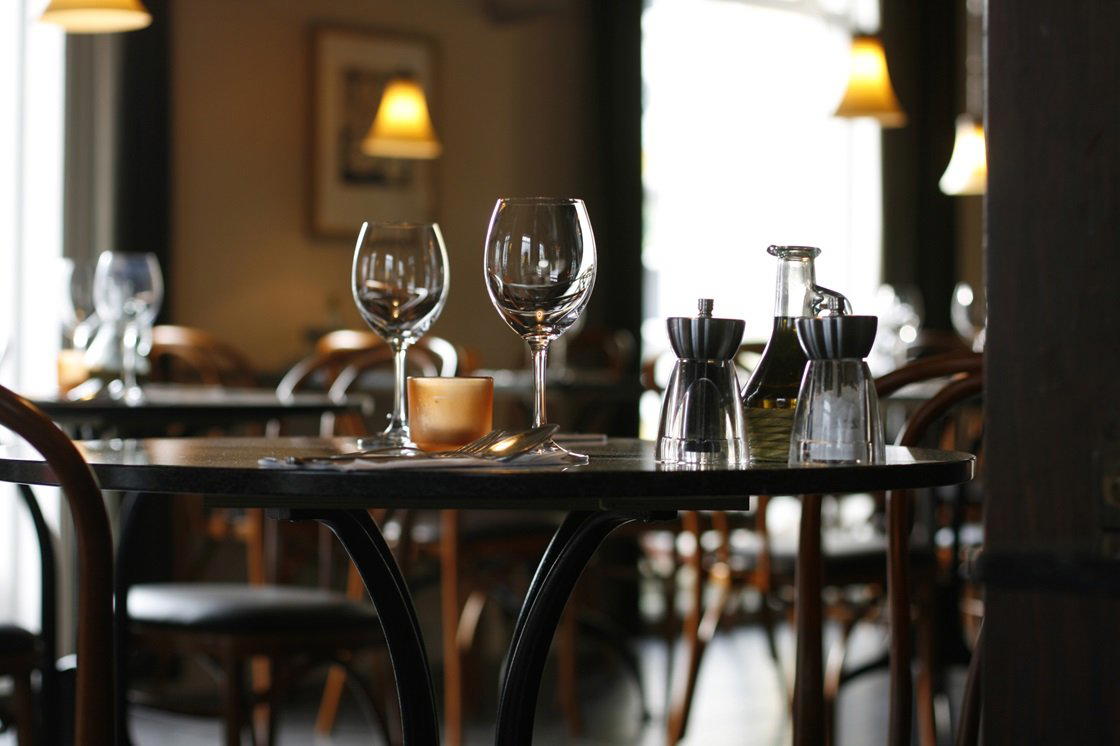
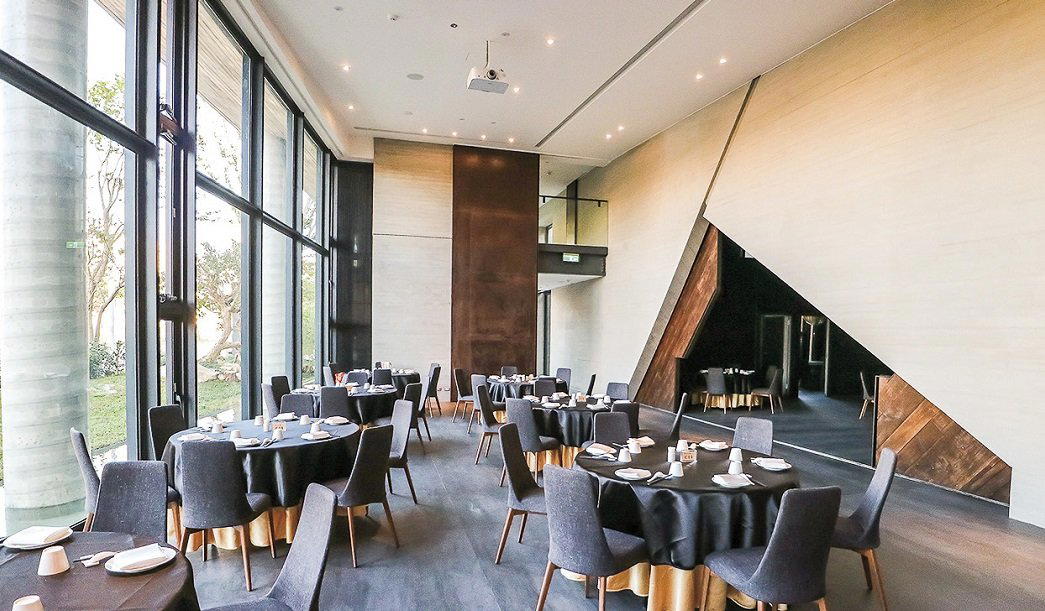
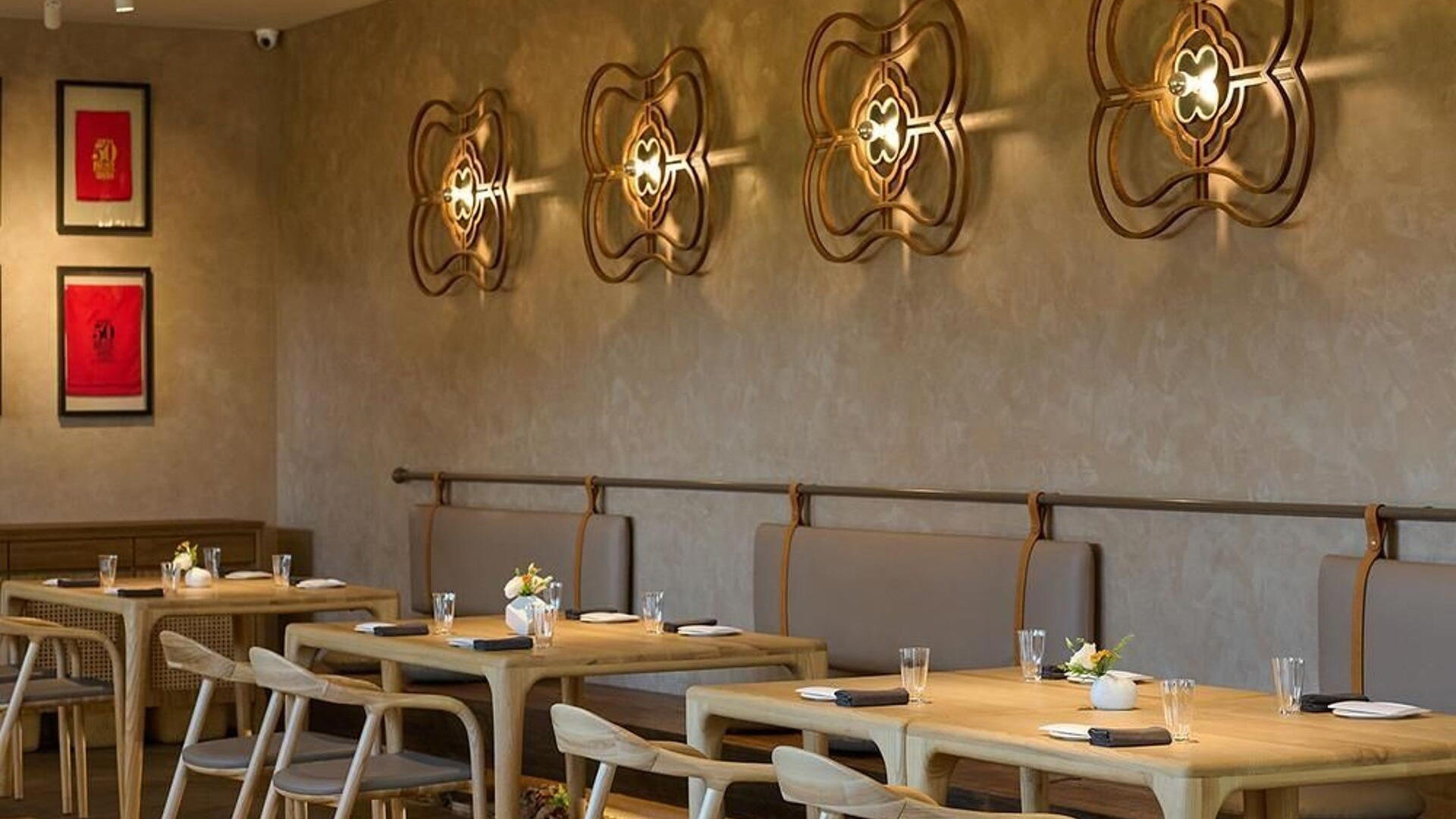
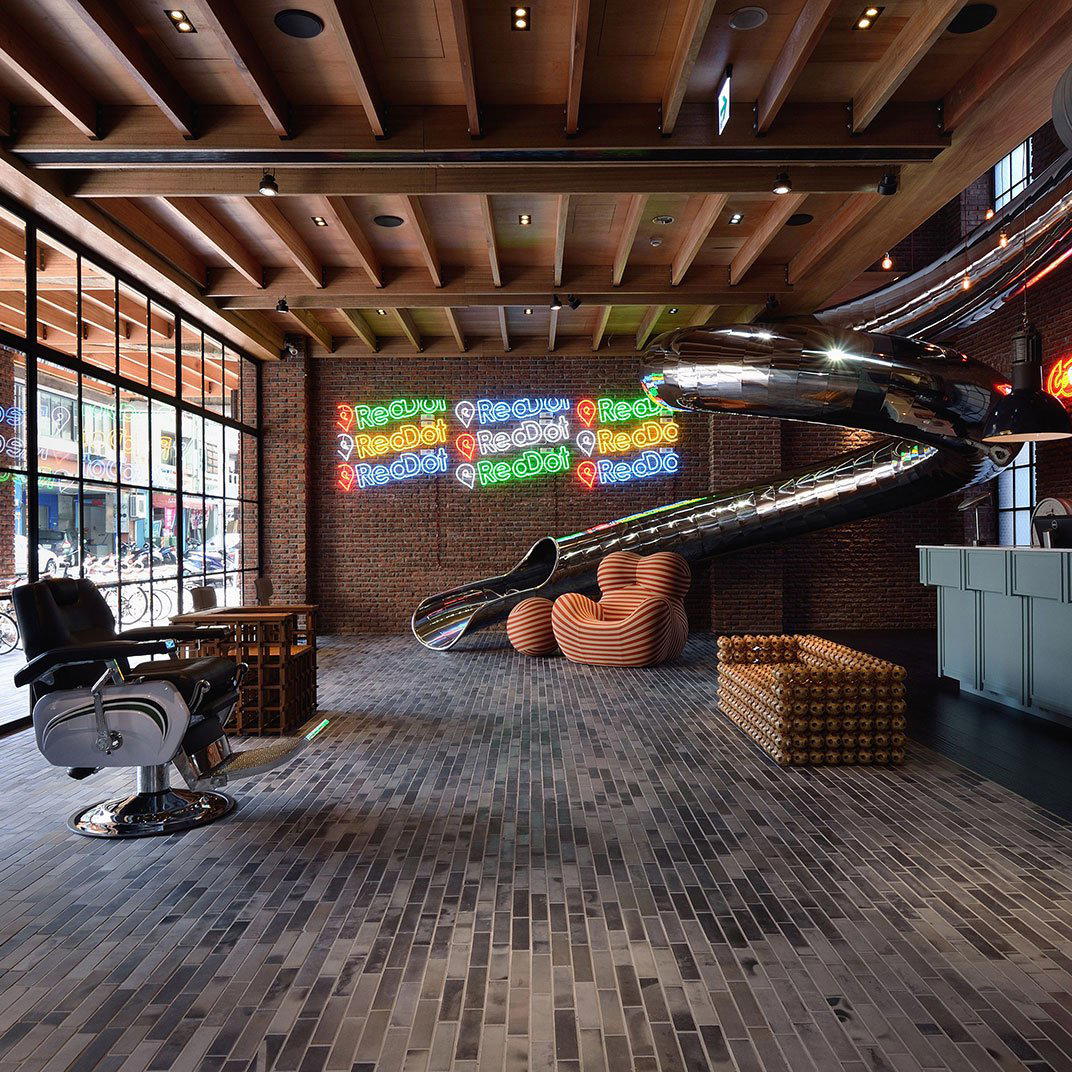
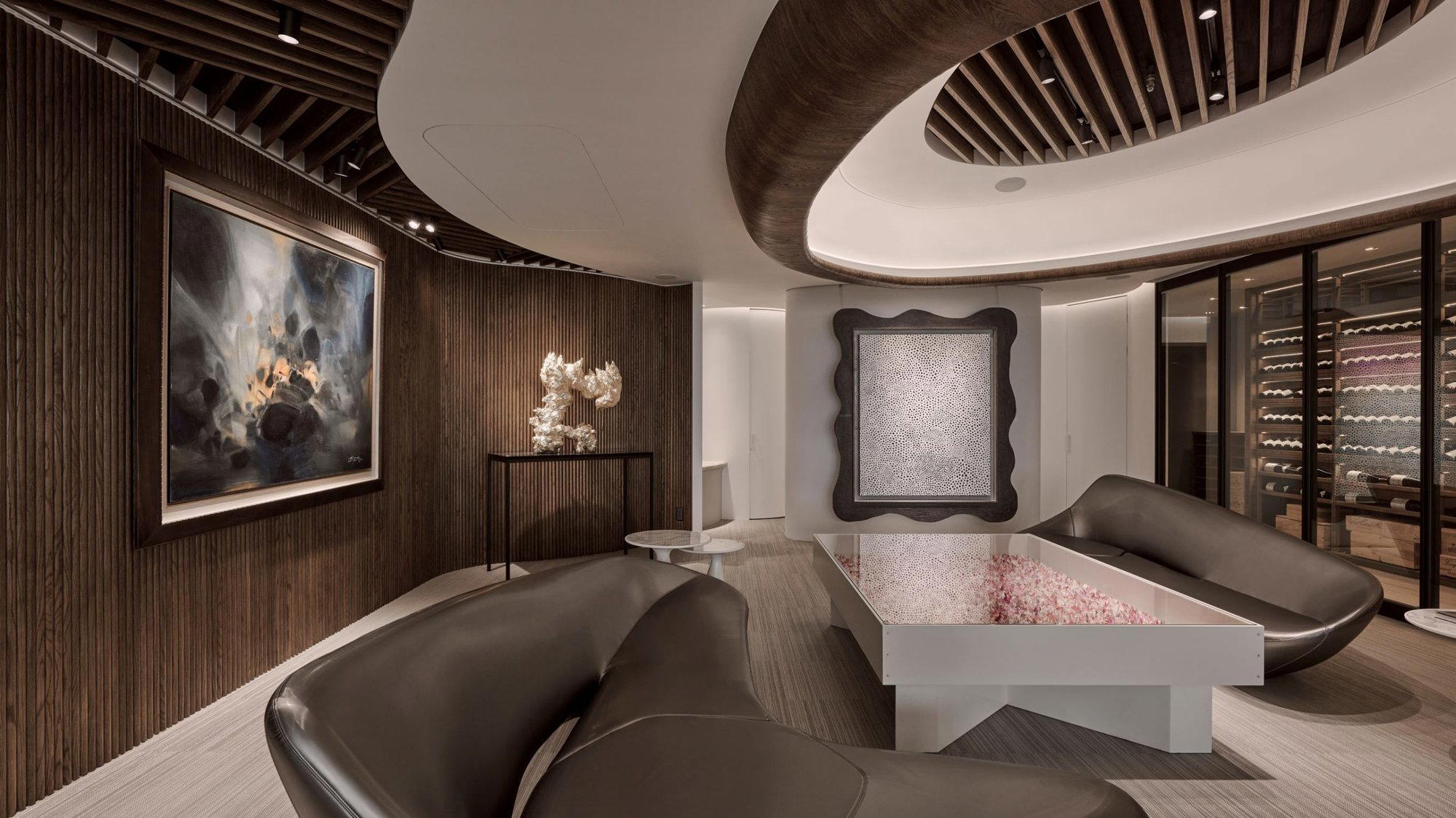
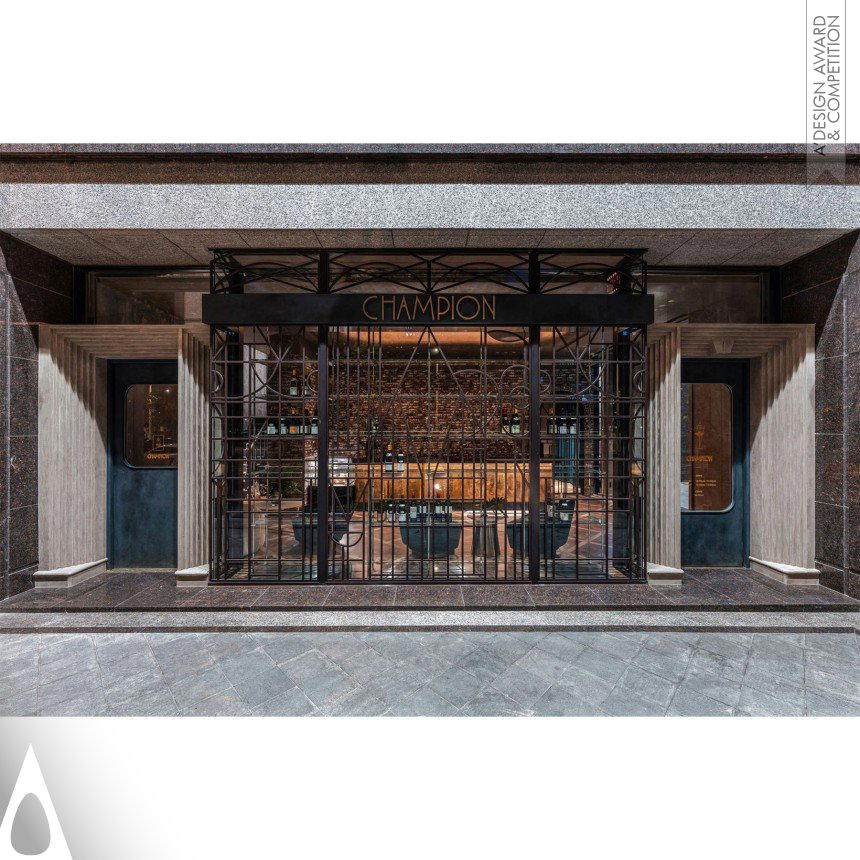
Casual and homey with simple lighting and bustling local atmosphere.