
Chun Shui Tong belongs to Taichung’s tea-house tradition rather than the city’s tasting-menu circuit: casual, drink-led, and built around the social rhythm of tea, snacks, and shared tables. Its 2026 Highly Recommended placement in an Asia casual dining ranking gives it a credentialed reason to sit on a serious Taichung itinerary, especially for travelers reading the city through everyday food culture.
Pearl is the En Primeur Club membership app — saves, bookings, and concierge access live there. Same editors, same standards.
- Address
- No. 182號, Section 4, Nanjing East Road, Taichung, Taiwan
- Phone
- +886 2 3393 9529
 Saves & bookings on Pearl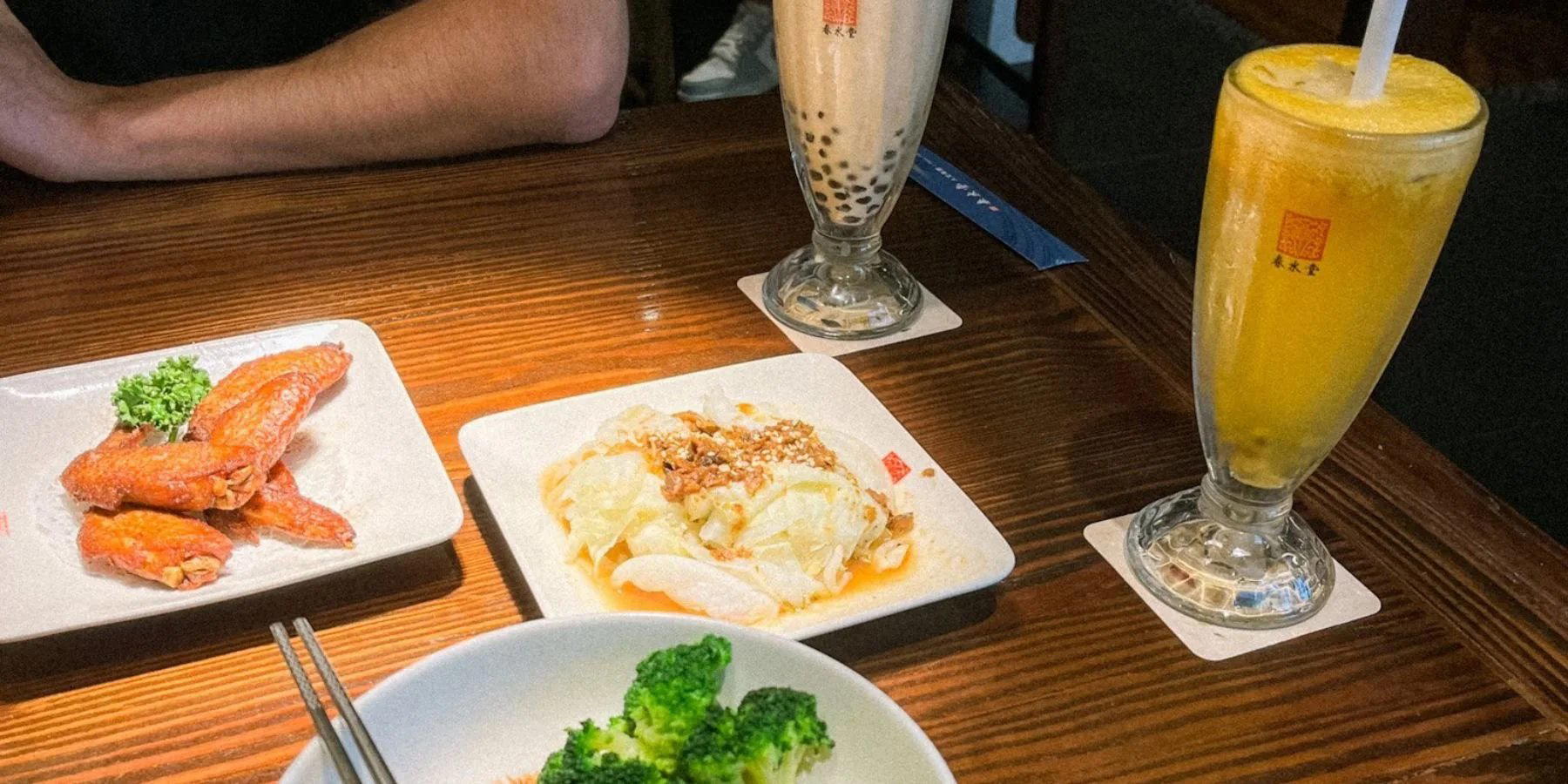
Approach a Taiwanese tea house in Taichung and the first signal is usually not ceremony but cadence: cups moving, tables turning, small plates arriving in clusters, and tea treated as the anchor rather than the afterthought. Chun Shui Tong sits inside that tradition, where the point is not a chef’s signature performance but a system of service that made tea drinking social, casual, and repeatable. In a city whose eating culture runs from noodle counters to night-market frying oil, that format matters.
Tea-house culture as Taichung's everyday dining language
Taichung rewards travelers who look beyond the single big dinner. The city’s stronger food identity is cumulative: breakfast shops, noodle rooms, grilled snacks, cafés, and tea houses that work across the day rather than only at night. Chun Shui Tong belongs to that middle register, a tea-house format with food attached, not a restaurant using tea as decoration. That distinction is useful for planning: this is a place to understand how Taiwanese casual dining stretches between drink, snack, and meal.
The 2026 Highly Recommended recognition in an Asia casual dining ranking places the venue in a category that is often harder to evaluate than fine dining. Casual rooms do not rely on long tasting menus, starched service, or cellar depth; they are judged by consistency, local relevance, and whether the format has enough identity to travel beyond its neighborhood. In Taichung, that means a tea house has to compete with a broad field of quick, affordable, habit-forming meals rather than with formal restaurants.
That is also why the chef angle here is collective rather than biographical. With “Various” listed for the kitchen, the story is not a single cook’s training arc. It is the evolution of a Taiwanese service model: recipes, tea preparation, pacing, and kitchen output handled as a repeatable craft. For readers used to chef-led restaurants, the adjustment is important. The intelligence is in the format, not in a personality-driven menu.
Where it fits in a Taichung food day
Taichung’s casual map is broad enough to make sequencing matter. A tea-house stop makes more sense when placed beside the city’s noodle, grill, café, and night-market patterns rather than treated as an isolated meal. For a noodle-focused day, A Kun Mian and Ajisai (Noodles) point to the city’s bowl-and-broth habits. For a heavier evening, Abura Yakiniku, Burger Joint, and 86碳烤雞排 @逢甲夜市 in 西屯 show how grilled meat, Western casual formats, and night-market eating sit in the same city without needing the same occasion.
The café thread matters too. Taichung has long treated cafés as places to linger, not just caffeine stops, which makes cafe crotchet å å¤åå¡ å°ä¸æç¾çªæ¯åå¡å»³ a useful counterpoint to a tea-house visit. One format leans into coffeehouse atmosphere; the other keeps tea at the center of the table. Together, they explain why Taichung’s daytime dining can feel as consequential as dinner.
For broader planning, the city pages help frame the trip beyond one meal: Our full Taichung restaurants guide, Our full Taichung hotels guide, Our full Taichung bars guide, Our full Taichung wineries guide, and Our full Taichung experiences guide map the practical spread of the city. Travelers extending the Taiwan route can also read across casual and specialist addresses such as (Gui Tian Hotel) capitalists Japanese garden restaurant in Tainan, 115港式燒臘 in Zuoying, 16 by Flo in Taipei, å èè ¿åº« in Sanchong District, and A Eh Douhua in Chiayi. For a wider Asian-diaspora lens outside Taiwan, Jōdo Saké Bar in Los Angeles and Onigiri Time in Pasadena show how focused casual formats travel into different city habits.
The critical read
Chun Shui Tong is strongest as a cultural stop, not as a trophy dinner. The value for a visitor is the way it compresses several Taiwanese habits into one room: tea as a social drink, snacks as a flexible meal structure, and casual service as a serious dining category. Its 2026 casual-dining recognition gives that reading external support, but the larger point is Taichung itself. This is a city where the day’s better eating often happens between formal mealtimes, and the tea house remains one of its clearest expressions.
Comparable Venues Nearby
Comparable venues nearby, for context on price, style, and recognition.
| Venue | Cuisine | Price | Notes |
|---|---|---|---|
| Chun Shui TongThis venue — the venue you are viewing | Traditional Taiwanese teahouse & bubble tea | $$ | Not listed |
| å¯é¼æºè±¬è ³-ä¸æ£åº | chinese | $ | Liuhe |
| Moment in Beijing | Northern Chinese Classics | $$ | Shengping |
| ä¸æµ·æªå麵é»é ¸æ¢ 湯 | Modern Taiwanese Noodle Bar | $$$ | Gongyuan |
| 東方龍古味今品料理 | Authentic Mongolian Flavors | Not listed | Gouqian |
| Orient Dragon | Traditional Taiwanese Home-Style Cooking with Sichuanese Influences | $$ | Gouqian |
Recognition history
Dated appearances from independent guides and award organizations, with the underlying list record or original source where available.
Opinionated About Dining Casual in Asia Highly Recommended
Opinionated About Dining

At a Glance
- Classic
- Cozy
- Well Known
- Lively
- Family
- Group Dining
- Casual Hangout
- Solo
- After Work
- Standalone
- Historic Building
- Zero Proof
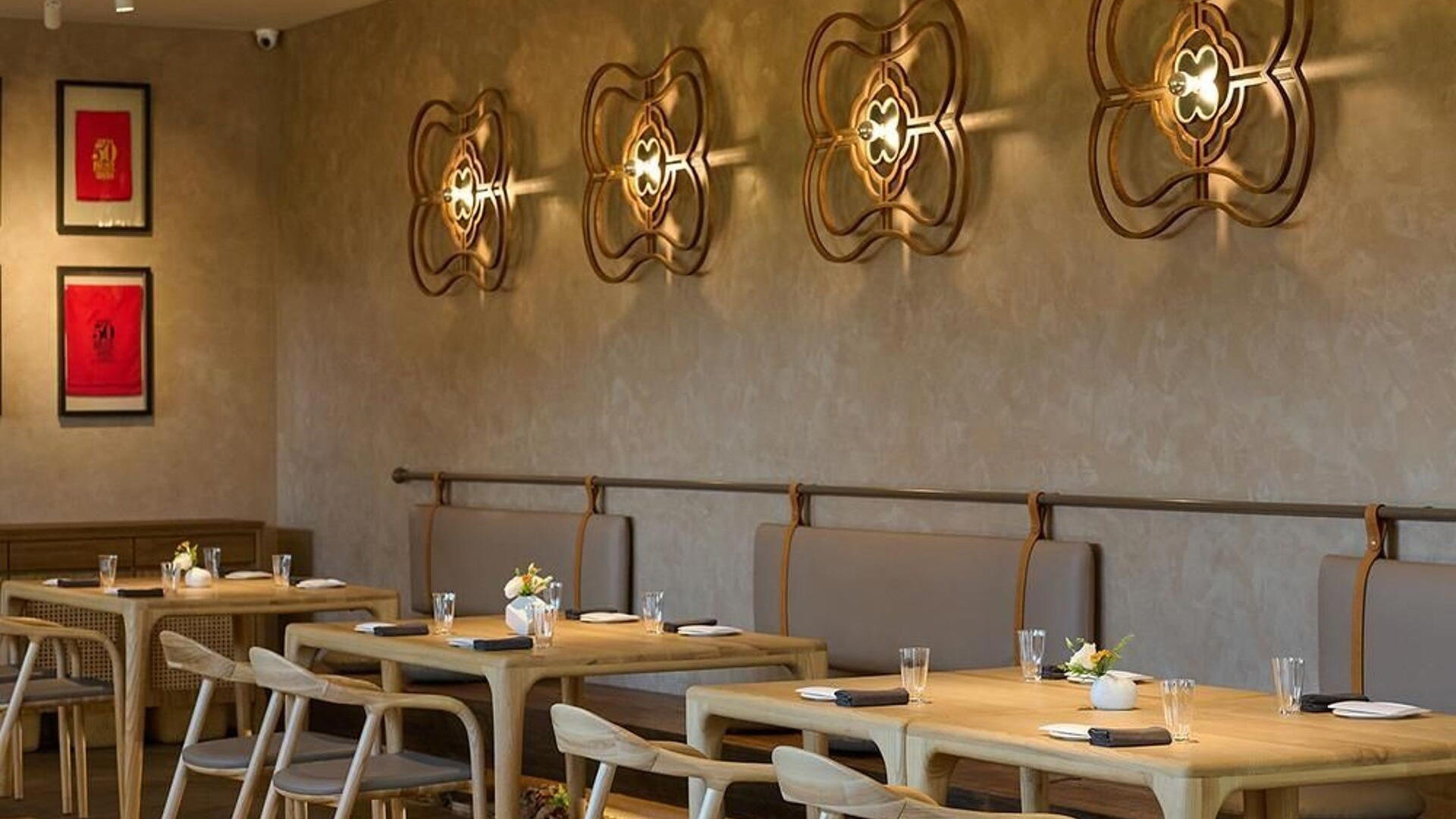
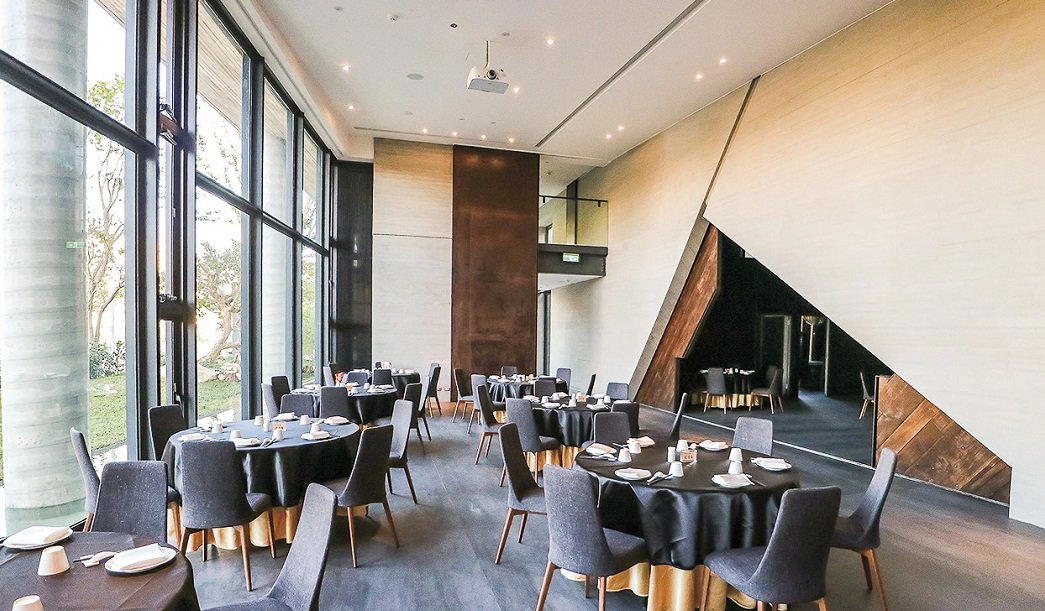
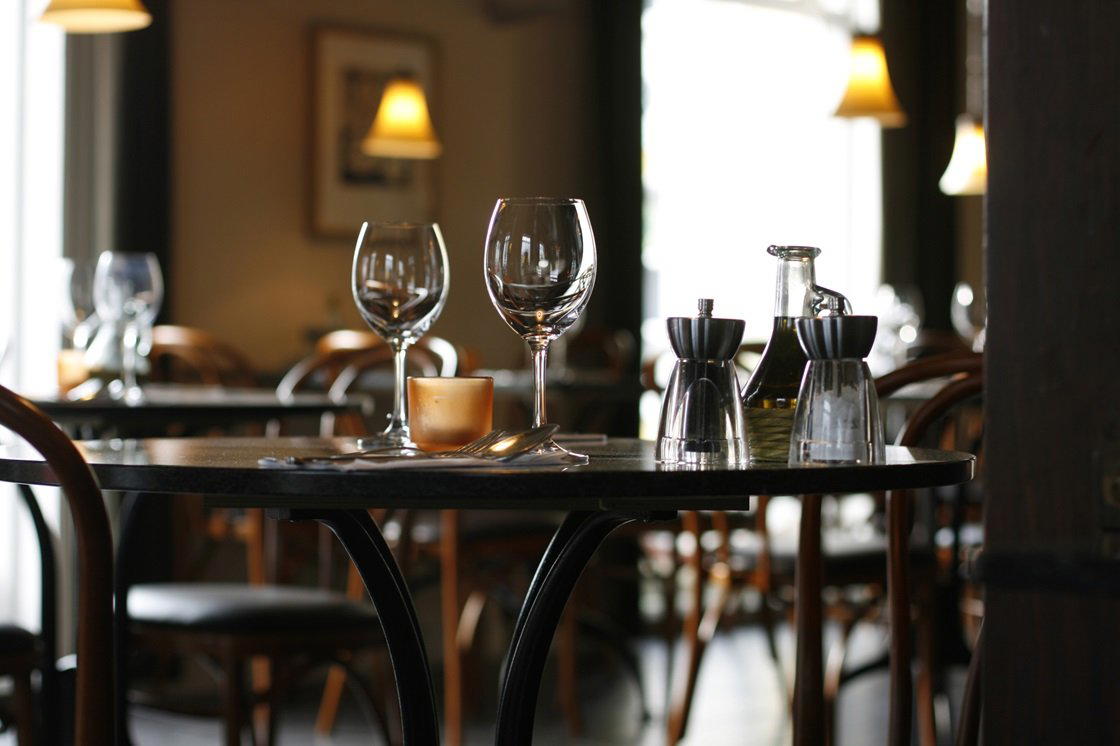
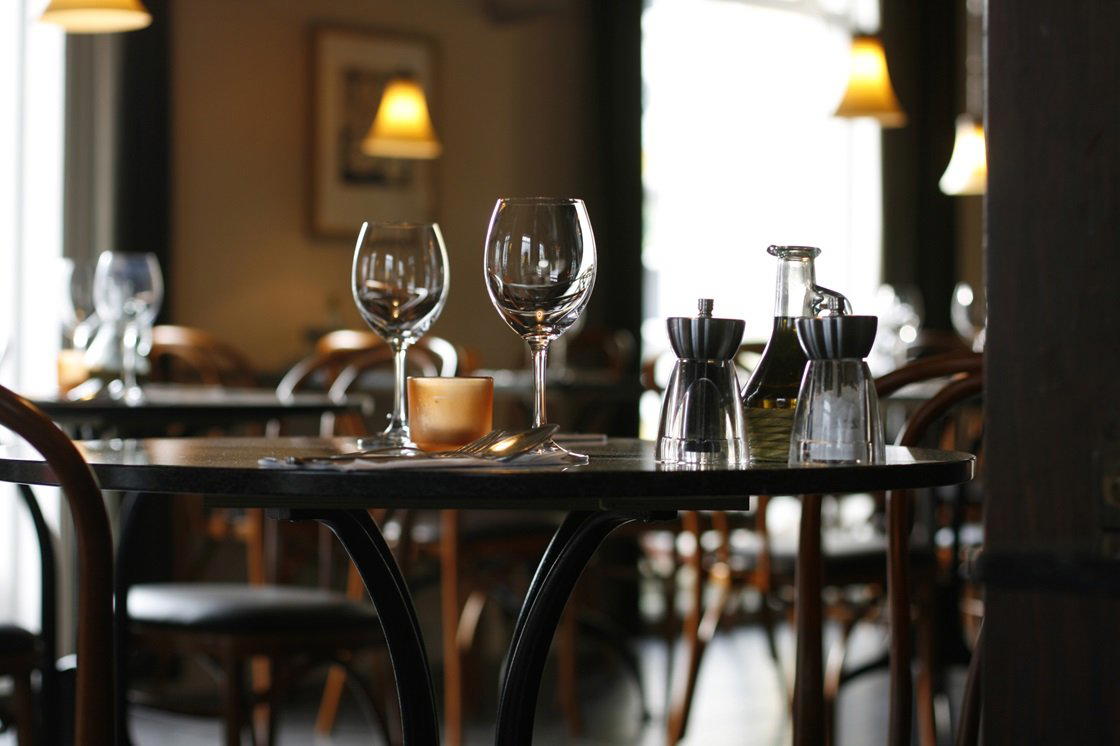
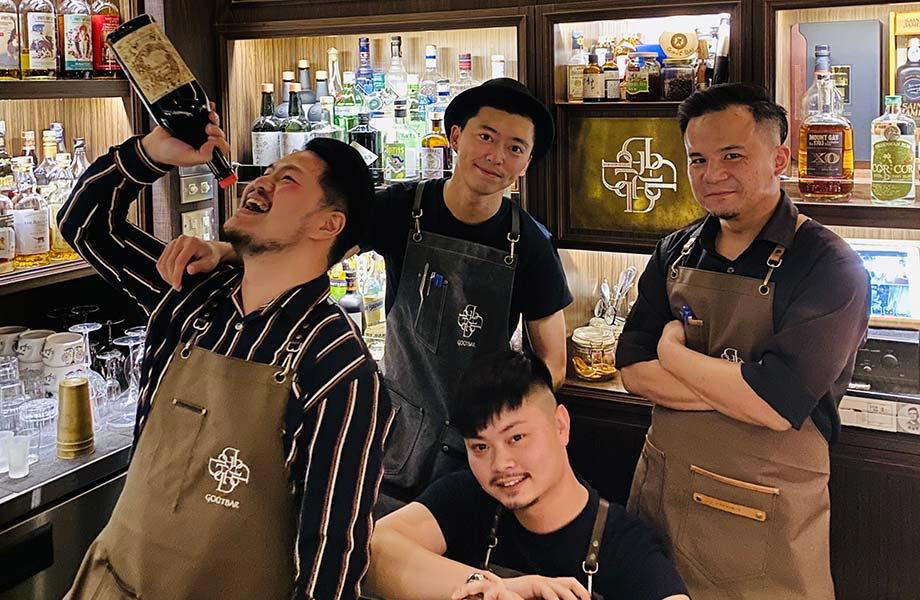
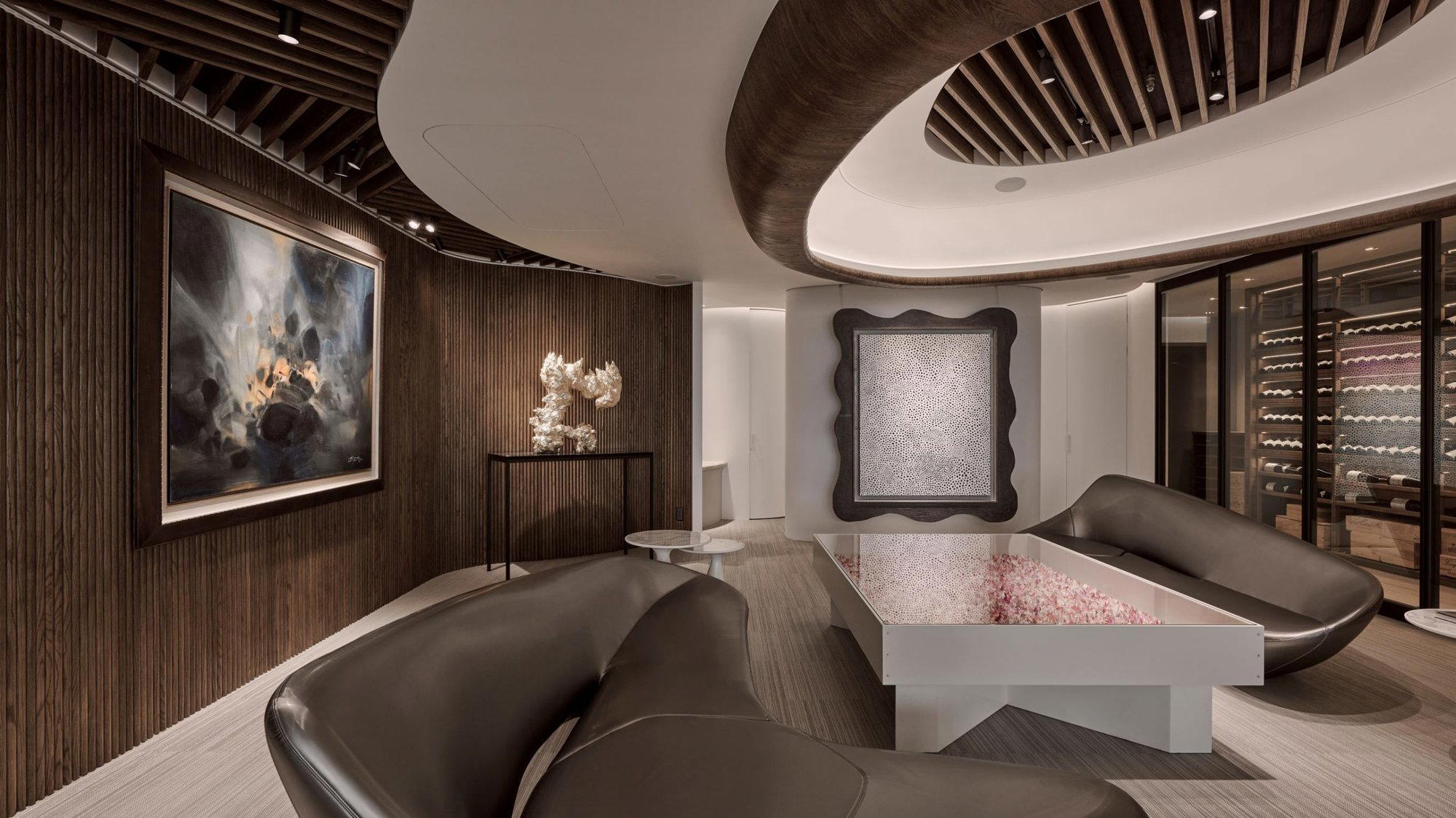
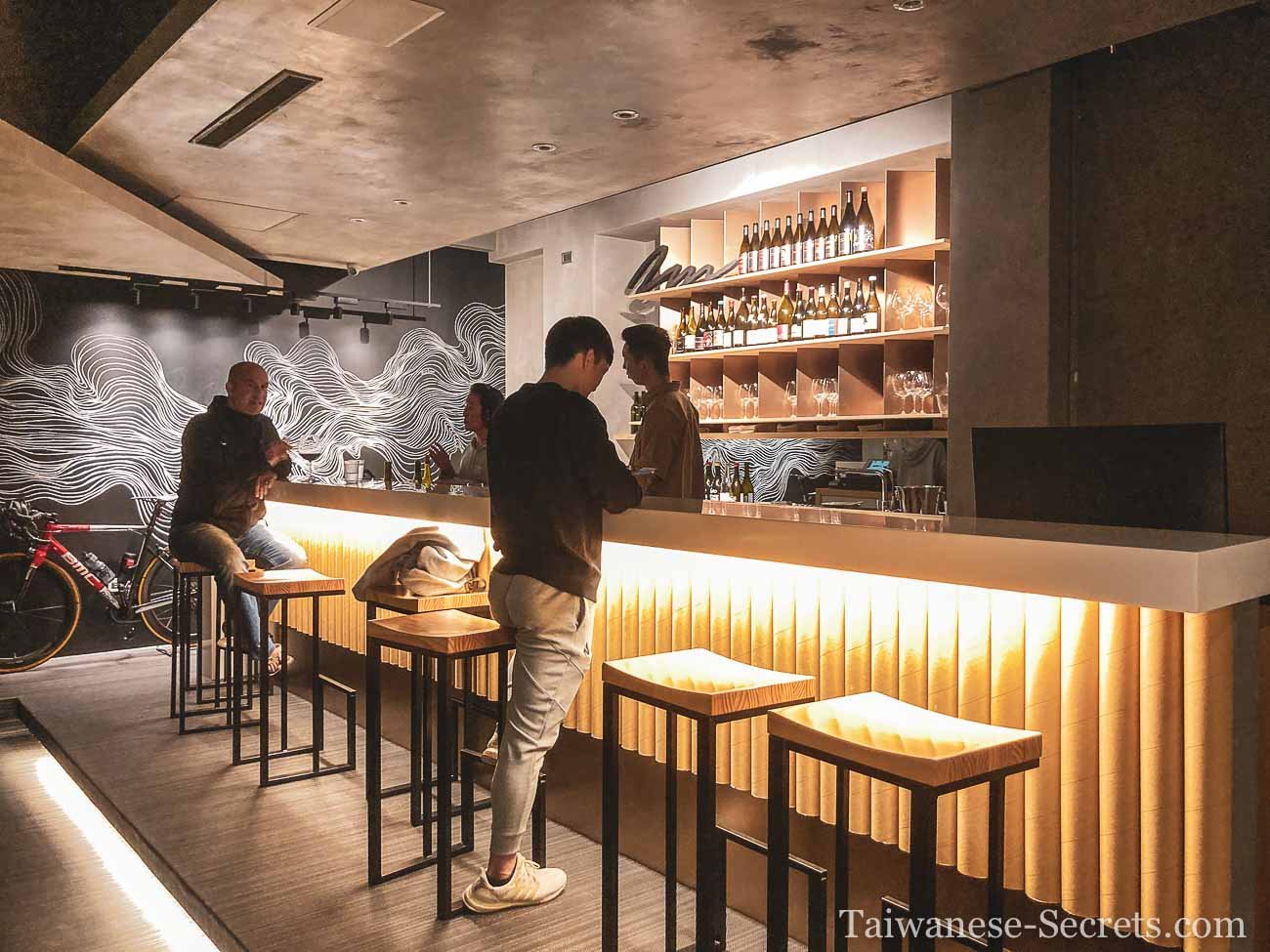
A sit‑down cultural teahouse atmosphere with classic wooden interiors, ample seating, and a relaxed yet bustling vibe where guests linger over tea, noodles, and snacks.