Korean Cooking in Sofia's Quiet Eastern Quarters The Izgrev neighbourhood sits at a remove from Sofia's central dining corridor, its residential streets more accustomed to corner bakeries and neighbourhood kafenes than to the fermented, layered...
 Discover on Pearl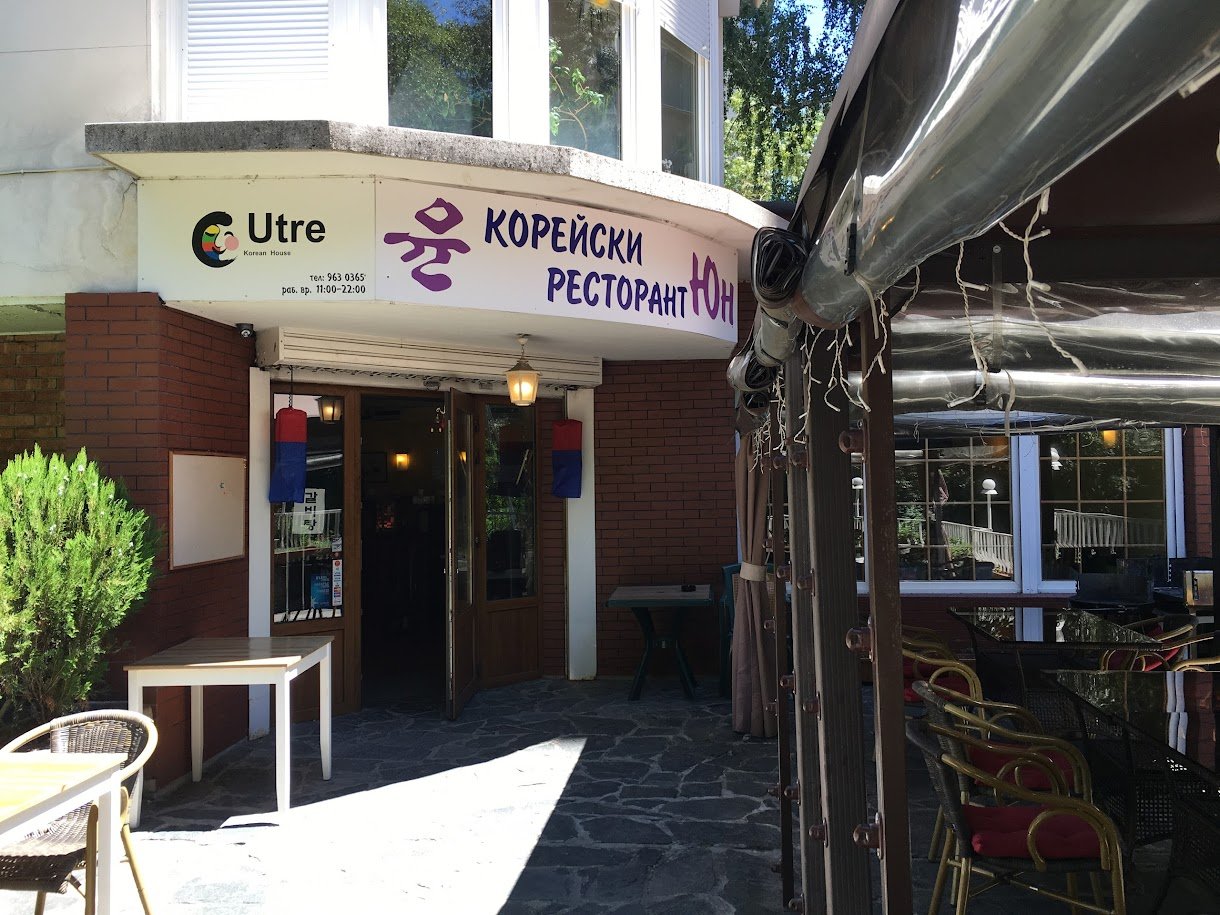
Korean Cooking in Sofia's Quiet Eastern Quarters
The Izgrev neighbourhood sits at a remove from Sofia's central dining corridor, its residential streets more accustomed to corner bakeries and neighbourhood kafenes than to the fermented, layered flavours of the Korean peninsula. That contrast is part of what makes the area's Korean dining proposition worth attention. Корейски ресторант Юн, on ul. Elemag 34, occupies this quieter geography, and the decision to trade central foot traffic for a local, community-anchored setting reflects a pattern common across smaller Korean operations in Eastern European capitals: lower overhead, longer-staying guests, and a kitchen with less pressure to simplify for a tourist crowd.
Korean cuisine arrived in Sofia as part of a broader wave of East Asian cooking that reached Bulgaria in the 2000s and 2010s, trailing the growth of the city's international resident population and the country's expanding trade ties with South Korea. Unlike the sushi-bar model, which spread quickly through franchise-style replication, Korean restaurants in Sofia have grown more slowly and stayed smaller. The category is thin: there are no Korean dining addresses in Sofia with major international awards, no Michelin presence in Bulgaria at all, and the competitive set is defined by authenticity of sourcing and technique rather than by formal recognition. Юн sits in that context, a neighbourhood-scale address serving a cuisine that remains genuinely niche in the Bulgarian capital. For comparison, Korean restaurants in cities like New York or Hong Kong have been absorbed into the highest tiers of fine dining culture; in Sofia, the cuisine is still building its audience.
The shortlist, unlocked.
Hard-to-book tables, cellar releases, and concierge-planned trips.
Get Exclusive Access →What Korean Culinary Tradition Brings to the Table
Korean cooking is built on fermentation, balance, and communal eating in a way that separates it sharply from the individuated plate culture of most European dining. Kimchi, gochujang, doenjang, and ganjang are not condiments in the Western sense but foundational flavour systems, developed over months or years before they reach a kitchen. A table set for Korean barbecue or a shared jjigae service looks nothing like a Central European restaurant setup: small banchan dishes occupy the centre, the protein is often cooked at or near the table, and the meal proceeds by accumulation rather than by courses. For diners arriving from a Bulgarian context, where shared meze culture does exist but the flavour register is entirely different, Korean food can read as simultaneously familiar in its conviviality and entirely foreign in its palate.
That gap between recognition and unfamiliarity is part of what sustains the appeal of addresses like Юн for the subset of Sofia diners who seek them out. The restaurant draws on a cuisine with significant regional depth: Seoul-style bossam and naengmyeon, the galbi and bulgogi tradition of the grill, the slow-simmered stews of sundubu and doenjang jjigae, and the rice-based comfort of bibimbap all represent distinct culinary lineages within Korea. Which of these Юн emphasises, and how faithfully it sources key fermented ingredients, are questions the available data does not answer directly, but the address and community-facing format suggest a kitchen oriented toward regulars rather than toward an introductory tourist menu.
The Izgrev Setting and What It Signals
Izgrev is a mid-rise residential district developed largely during the late Soviet period, the kind of Sofia neighbourhood that functions almost entirely on foot and by tram. Its dining addresses tend toward the durable and low-key: places that survive on repeat custom from residents rather than on destination traffic. For a Korean restaurant, this is a meaningful context. The Sofia dining addresses that attract the most consistent external attention occupy the centre, places like Divaka and Secret by Chef Petrov, or venture into the southern residential belt where the Bulgarian farmhouse tradition has found a comfortable home, as at Aestivum in Melnik and the Zornitza Family Estate. Izgrev's Korean address operates in a different register entirely: it is not competing with those venues, and it is not trying to.
The practical implication for visitors is that getting to ul. Elemag 34 requires intent. It is not on the way to anything else on a standard Sofia itinerary, and the absence of a website or bookable online profile means that first contact typically happens through word of mouth or through the small cluster of diner reviews that have accumulated in local dining communities. That friction acts as a filter, ensuring the room stays oriented toward people who specifically want Korean food rather than toward diners treating the cuisine as a novelty. For reference, this model of low-visibility, high-loyalty Korean dining is common across smaller Eastern European capitals, from Warsaw's Praga district to Bucharest's Floreasca, where Korean communities anchor restaurants that serve primarily their own networks and the city's more adventurous local diners.
Planning Your Visit
Because no website, phone number, hours, or booking method are publicly listed in available records, planning a visit to Корейски ресторант Юн requires more groundwork than a typical Sofia dinner reservation. The practical advice for any low-profile neighbourhood Korean restaurant in Eastern Europe applies here: arrive at a mid-week lunch or early-week dinner to reduce the risk of finding the kitchen closed or the room full, ask within Sofia's expat and Korean community forums for current status, and treat the address as a discovery rather than a confirmed booking. For a city with as active a dining scene as Sofia now has, documented through our full Sofia restaurants guide, the Korean segment remains the least mapped and most rewarding for those willing to do the legwork.
The broader Sofia restaurant scene offers useful contrast. The city's Bulgarian-modern addresses, including Cinecittà in Boyana and Bistro 55 in Zornitsa, have become considerably easier to book through digital platforms in the past three years. Korean and other niche Asian cuisines in Sofia have not followed that digitisation curve at the same pace, and Юн appears to be among those that rely on phone and walk-in contact rather than third-party reservation systems. The same applies, differently scaled, to venues like Koriata Restaurant in Kazichene, which also sits slightly outside the mainstream booking infrastructure. If certainty and pre-confirmed seating matter, Paşa Restaurant in Plovdiv or Dieci Boutique Restaurant in Devino offer formats with more accessible booking channels.
Frequently Asked Questions
- Does Корейски ресторант Юн work for a family meal?
- Korean restaurants in Sofia typically run at accessible price points relative to the city's European dining peers, and the communal serving style of Korean food adapts naturally to family groups.
- What is the atmosphere like at Корейски ресторант Юн?
- The Izgrev address and neighbourhood-residential setting suggest a room oriented toward regular, local diners rather than the kind of atmosphere engineered for special occasions. No awards or formal style designations appear in public records for this address, which places it in the informal, community-facing tier that characterises most Korean dining in Sofia at this stage of the cuisine's presence in the city.
- What do people recommend at Корейски ресторант Юн?
- No verified dish data or chef information is available in public records. Korean cuisine's core anchors, fermented vegetable preparations, grilled meats, and stew-based dishes, represent the most likely focus of a neighbourhood-oriented kitchen of this type in Sofia, but specific menu details should be confirmed directly with the restaurant.
- How far ahead should I plan for Корейски ресторант Юн?
- With no online booking channel or published phone number in current records, planning should begin early. Seek current contact details through local dining forums or the Korean community in Sofia before committing the visit to your itinerary, particularly if you are travelling specifically for this address.
- What has Корейски ресторант Юн built its reputation on?
- The restaurant's reputation, built without formal awards or critical recognition in any published record, appears to rest on its position as one of a very small number of Korean dining addresses in Sofia, serving a cuisine that remains substantially underrepresented in the Bulgarian capital relative to cities of comparable size elsewhere in Europe.
- Is Корейски ресторант Юн the kind of address that Sofia's Korean community uses, or is it aimed at a broader audience?
- The Izgrev location and low external profile both suggest an address that functions primarily within an in-group network, drawing Korean residents and a small circle of locally-oriented diners rather than positioning itself as an introduction to the cuisine for first-timers. That community-facing orientation is common to Korean restaurants operating in smaller European capitals where the Korean diaspora is present but modest in scale. Whether it also accommodates curious non-Korean diners is a question leading answered by direct contact, since no format or policy data is available in current records.
Budget and Context
These are the closest comparables we have in our database for quick context.
| Venue | Price | Awards | Notes |
|---|---|---|---|
| Корейски ресторант Юн | This venue | ||
| Aestivum | Bulgarian Farmhouse | ||
| Zornitza Family Estate | Bulgarian Farmhouse | ||
| Космос - Cosmos | Bulgarian Cuisine | ||
| Nikolas 0/360 | Bulgarian Seafood | ||
| Андрé - André | Bulgarian Modern |
Need a table?
Our members enjoy priority alerts and concierge-led booking support for the world's most difficult tables.
Get Exclusive AccessThe shortlist, unlocked.
Hard-to-book tables, cellar releases, and concierge-planned trips.
Get Exclusive Access →