Cinecittà sits in Boyana, the leafy residential quarter at Sofia's southern edge where the Vitosha foothills begin. The address on ul. Kumata places it within a neighbourhood increasingly associated with table-focused dining that draws from Bulgarian agricultural tradition rather than imported formats. For Sofia diners looking beyond the city centre, Boyana's slower pace and proximity to mountain produce make it a credible destination.
Pearl is the En Primeur Club membership app — saves, bookings, and concierge access live there. Same editors, same standards.
- Address
- BojanaVitosha, ul. "Kumata" 75, 1616 Sofia, Bulgaria
- Phone
- +359885760160
- Website
- cinecitta.bg
- Directions
- Get directions
 Saves & bookings on Pearl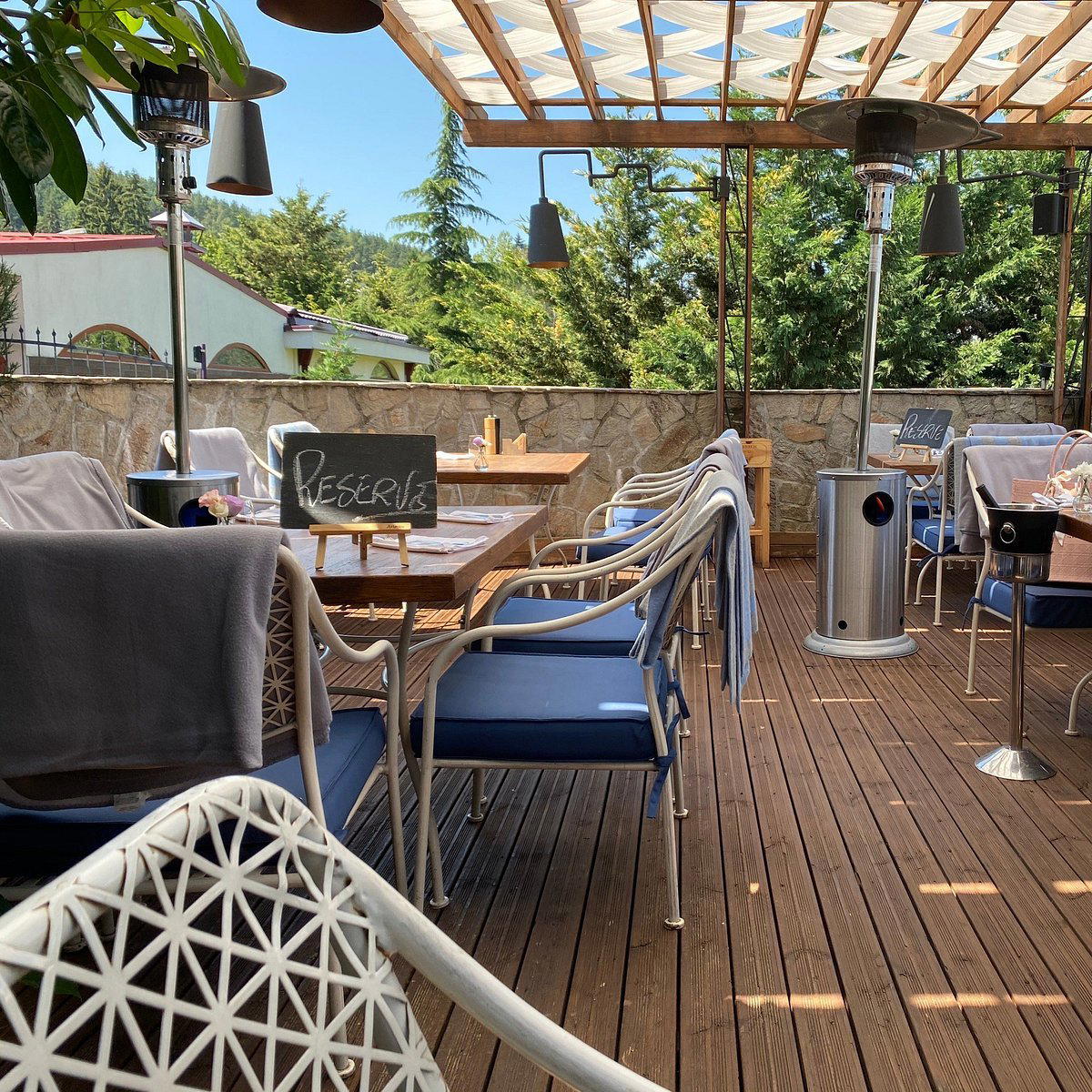
Boyana's Quiet Claim on Sofia Dining
Sofia's restaurant geography has shifted meaningfully over the past decade. The centre still commands attention, but a quieter, more considered dining culture has taken root in the residential quarters that press against Vitosha National Park to the south. Boyana is the clearest example of that shift. The neighbourhood sits where the city's grid softens into tree-lined streets and older stone buildings, and where proximity to mountain terrain makes a certain kind of ingredient-led cooking feel less like a concept and more like a geographical fact. Cinecittà, at ul. Kumata 75, occupies this specific zone, a Boyana address that already signals something about what kind of meal to expect and what kind of city relationship the kitchen is likely to maintain.
The Vitosha Proximity Argument
Across European dining, particularly persuasive ingredient-sourcing stories tend to come from restaurants that sit close enough to their sources that the supply chain is almost visible. Alpine restaurants with relationships to specific farms in their valley. Coastal kitchens where the fish market is a ten-minute walk. In Sofia's case, the Vitosha foothills create a comparable logic for the restaurants that have chosen to operate in Boyana rather than in the more commercially pressured centre. The mountain's eastern slopes and the agricultural zones that fan out from them toward the Struma Valley and the Rhodopes have historically supplied Sofia's markets with produce that reflects Bulgaria's pronounced seasonal character: foraged mushrooms and wild herbs in autumn, dense root vegetables through winter, lamb and young dairy in spring.
A restaurant positioned in Boyana, on a street like ul. Kumata, is making an implicit argument about that geography. It is choosing a location where the conversation between kitchen and source region is shorter, and where the dining room's relationship to the wider range of Bulgarian agricultural production can be stated in logistical rather than purely rhetorical terms. That positioning places Cinecittà in a peer group that includes ingredient-conscious addresses across the country, from Aestivum in Melnik, which draws hard on Struma Valley viticulture and regional produce, to Zornitza Family Estate in Nessebar, where the estate's own land is the sourcing foundation.
What Bulgarian Sourcing Actually Means at the Table
Bulgaria's agricultural output is more varied than most international visitors expect. The country produces distinct regional cheeses, particularly the aged white-brine varieties of the Rhodope and Balkan mountain areas. Lamb from the high pastures above Plovdiv and the Rhodopes carries a different fat structure and flavour profile from lowland-reared animals. River fish from the Iskar and Struma systems, foraged wild garlic from Vitosha's lower slopes in early spring, and preserved fruits and peppers from the autumn harvest all feature in the better kitchens that take Bulgarian sourcing seriously rather than treating it as a marketing note.
The restaurants that handle this material well tend to share a common characteristic: they treat Bulgarian ingredients not as substitutes for French or Italian produce but as primary materials with their own logic, seasonality, and preparation traditions. Dark Sister by Made in Home in Sofia represents one version of that approach within the city itself. Further afield, Dieci Boutique Restaurant in Devino and Bistro 55 in Zornitsa show how regional addresses are increasingly articulating the same sourcing logic with their own local specificity.
Internationally, the restaurants that have most influentially made the case for hyper-local sourcing as a complete culinary programme include places like Atelier Moessmer Norbert Niederkofler in Brunico, where the Alpine sourcing brief is absolute, and Dal Pescatore in Runate, which has maintained a multigenerational relationship with the Po Valley's agricultural output. The principle, that the source region should shape the menu rather than the reverse, travels across culinary traditions.
Sofia's Wider Restaurant Context
Sofia's dining scene in 2024 sits at an interesting moment of consolidation. A wave of modern Bulgarian restaurants opened in the previous decade with an emphasis on either international formats or a self-conscious reworking of traditional dishes. The more durable addresses that have emerged from that period tend to be those that developed a genuine point of view about Bulgarian produce and cooking tradition rather than simply adapting global trends to a local setting. Secret by Chef Petrov in Sofia and Koriata Restaurant in Kazichene both sit within that more considered tier. Paşa Restaurant in Plovdiv shows how the same sourcing discipline applies in Bulgaria's second city, where Ottoman-inflected culinary traditions and Thracian agricultural produce create a different but equally specific ingredient logic.
Boyana's contribution to this pattern is geographic before it is gastronomic. The neighbourhood's distance from Sofia's commercial centre creates the conditions for a dining culture less driven by footfall economics and more capable of sustaining the kind of regular, relationship-based sourcing that ingredient-led cooking requires.
Boyana is accessible from central Sofia by taxi or rideshare in roughly twenty to thirty minutes depending on traffic, with the address at ul. Kumata 75 placing the restaurant on a residential street that runs parallel to the main Boyana thoroughfare. The neighbourhood is quieter in the evening than Sofia's centre, which affects both the approach and the atmosphere on arrival: expect tree cover, lower ambient noise, and a pace of street life that is closer to a settled residential quarter than a dining district. Cinecittà is recommended for reservations and open daily from 12 to 11 PM. For broader context on other options in the area while planning, the Boyana restaurants guide maps the neighbourhood's full table offering.
Internationally minded diners who follow sourcing-led programmes at restaurants like Lazy Bear in San Francisco, Atomix in New York City, or HAJIME in Osaka will find the underlying logic familiar, even as the specific Bulgarian ingredient vocabulary is its own territory.
How It Stacks Up
Comparable venues nearby, for context on price, style, and recognition.
| Venue | Cuisine | Price | Notes |
|---|---|---|---|
| CinecittàThis venue — the venue you are viewing | Modern Italian Osteria | $$ | Not listed |
| Sofia Center, ul. "Tsar Shishman" 37 | Modern European Bistro | $$ | Sofia Center |
| The Happy Pig - Food & Cocktails | Modern Bulgarian-Asian Fusion | $$ | Oborishte |
| Art Club Museum | Modern European Bistro | $$ | Oborishte |
| 33 Gastronauts | Modern Mediterranean Fusion | $$ | Oborishte |
| Pri Orlite | Contemporary Bulgarian | $$$ | Sofia Center |
At a Glance
- Cozy
- Elegant
- Scenic
- Date Night
- Special Occasion
- Brunch
- Open Kitchen
- Terrace
- Extensive Wine List
- Local Sourcing
- Mountain
- Skyline
Current opening hours
- Monday
- 12–11 PM
- Tuesday
- 12–11 PM
- Wednesday
- 12–11 PM
- Thursday
- 12–11 PM
- Friday
- 12–11 PM
- Saturday
- 12–11 PM
- Sunday
- 12–11 PM
Hours can change for holidays and private events. Last verified .
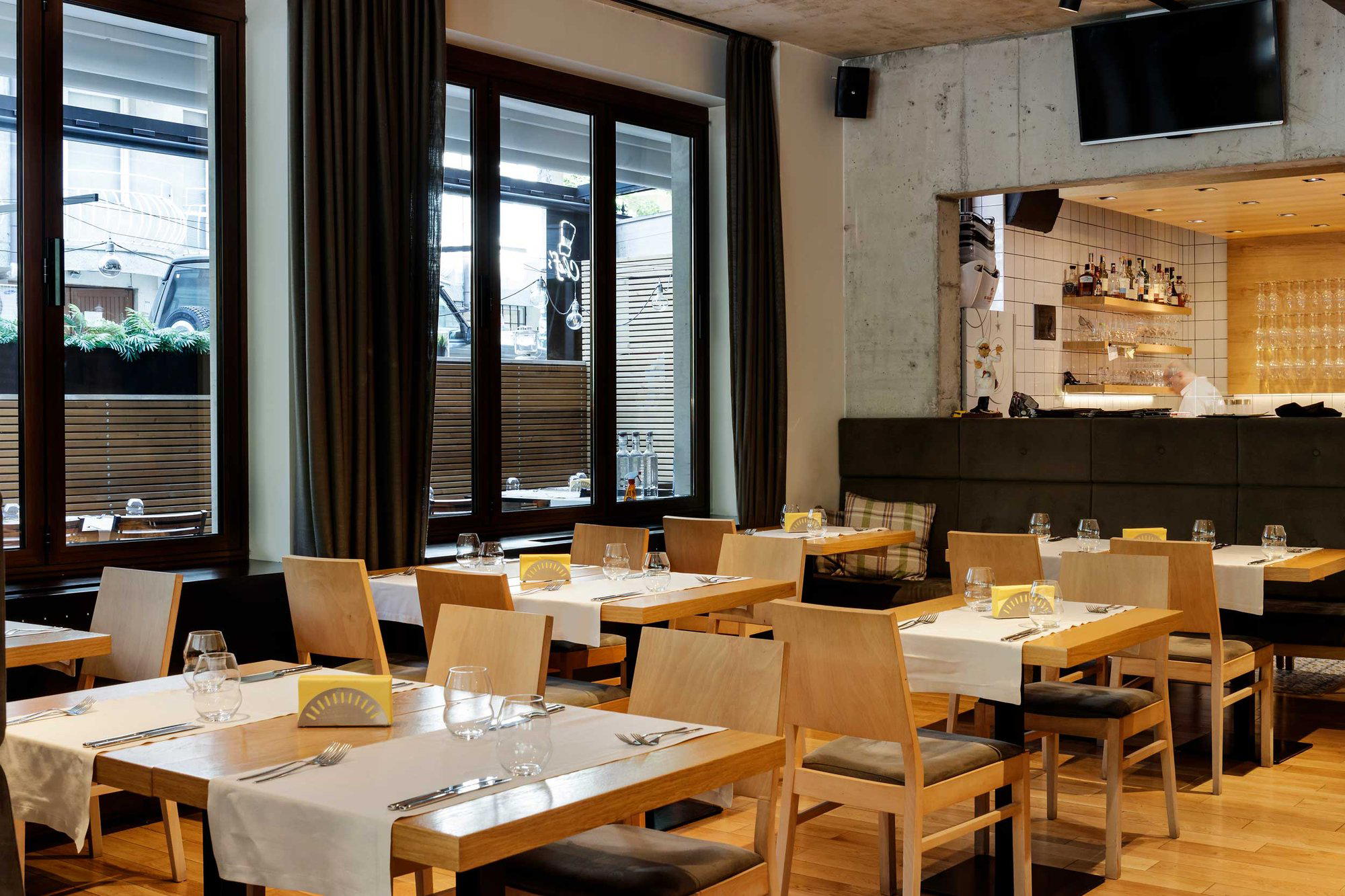
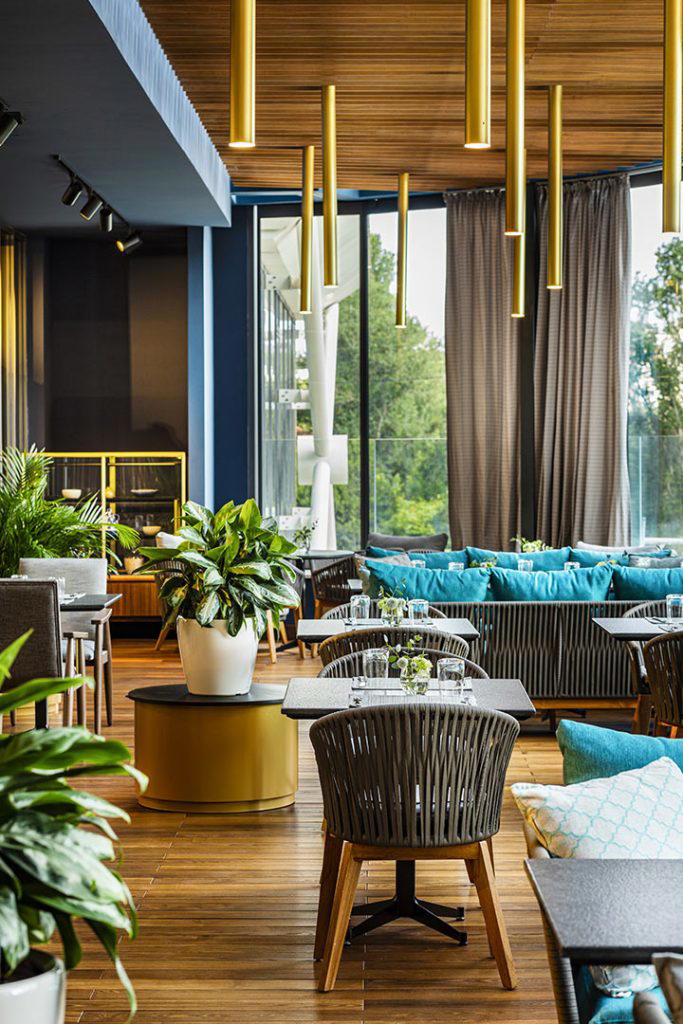
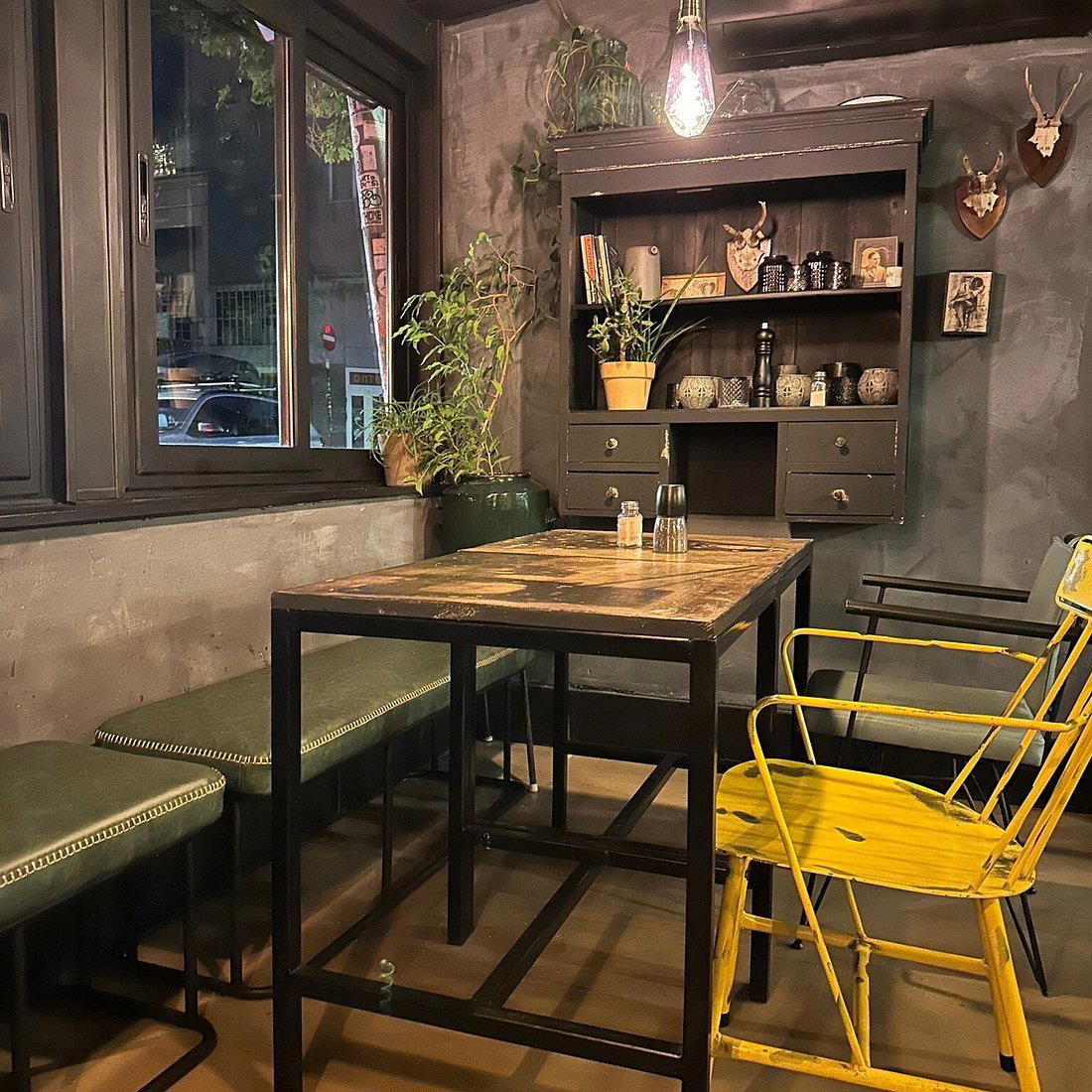
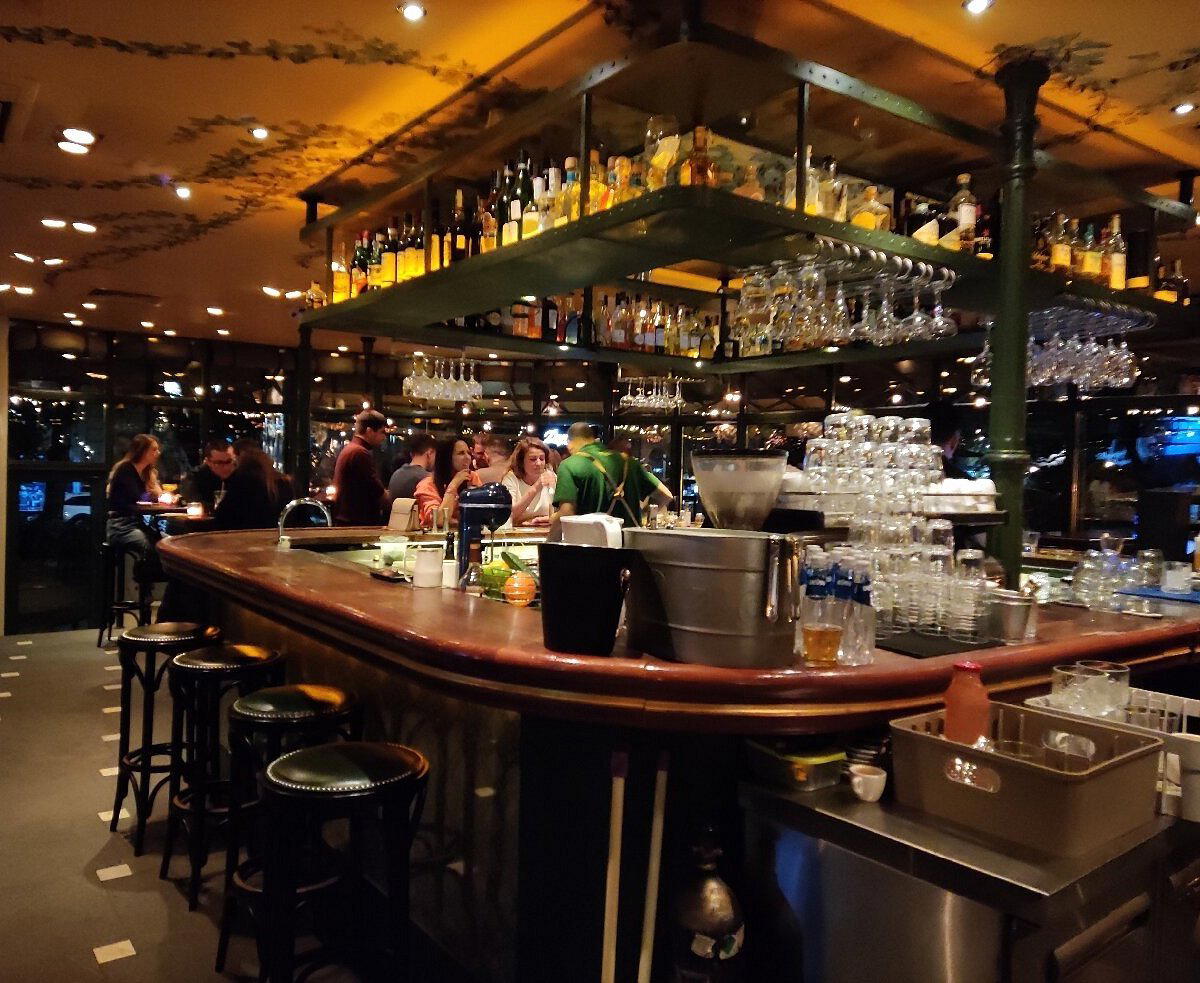
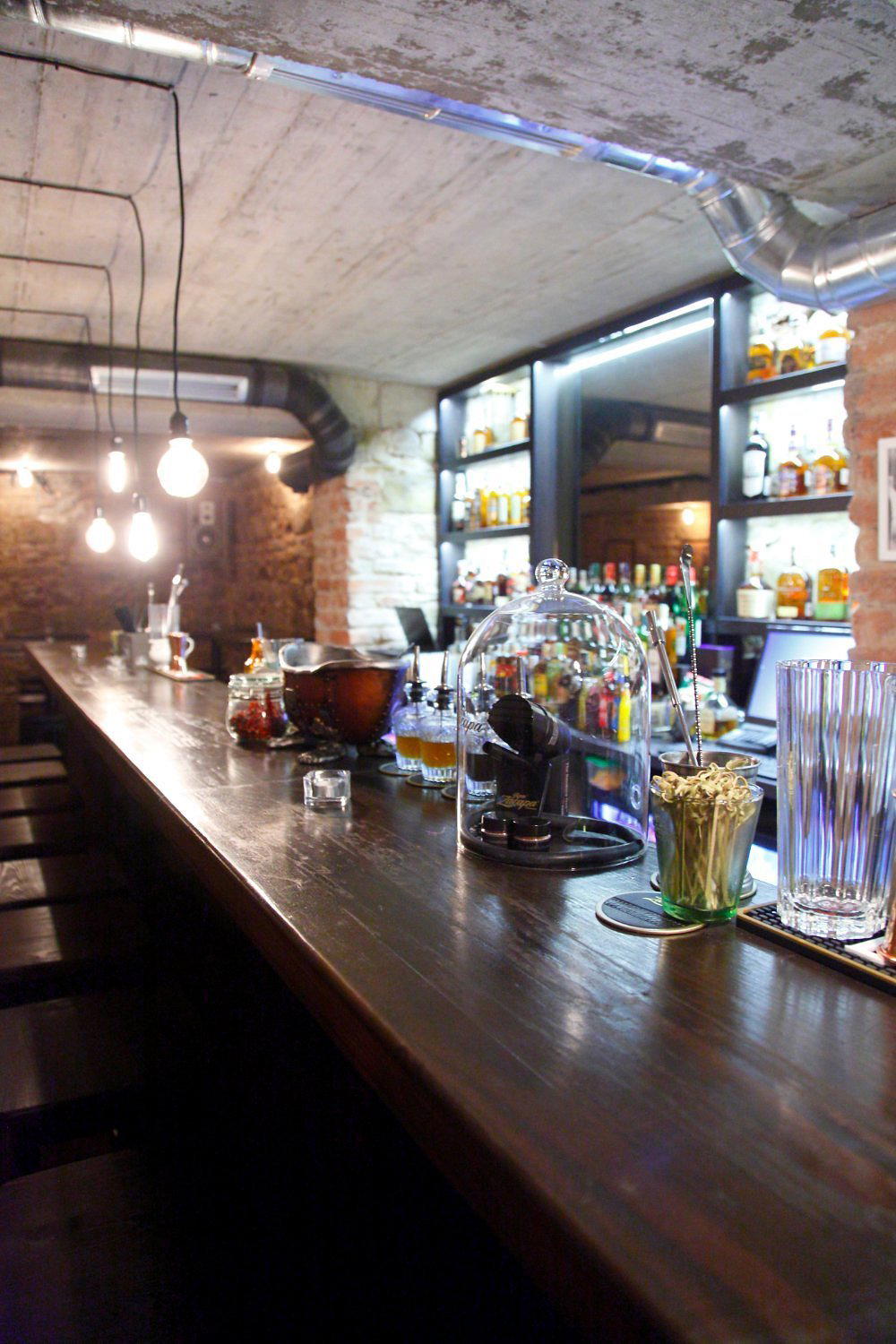
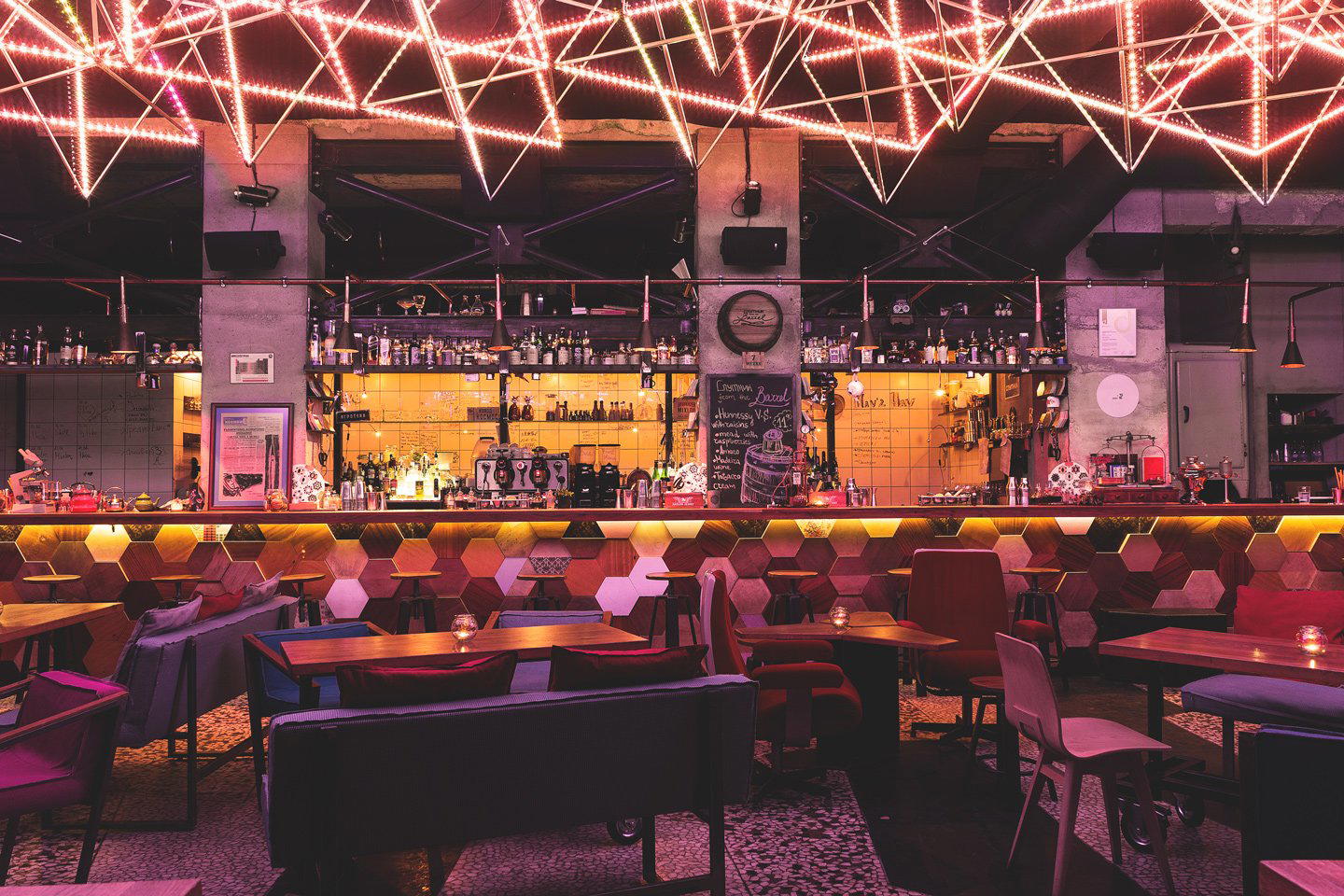
Warm, harmonious atmosphere with views of Vitosha mountain and Sofia, featuring artfully plated dishes in a cozy setting.