On Ulitsa Zlatarska in Plovdiv's old town quarter, Paşa Restaurant occupies a setting shaped by the city's layered Ottoman and Bulgarian heritage. The kitchen draws on regional sourcing traditions that run deep in Plovdiv's culinary character, placing the restaurant within a broader conversation about how Bulgarian cooking reconnects with its agricultural roots. A considered address for anyone spending serious time in the city.
 Discover on Pearl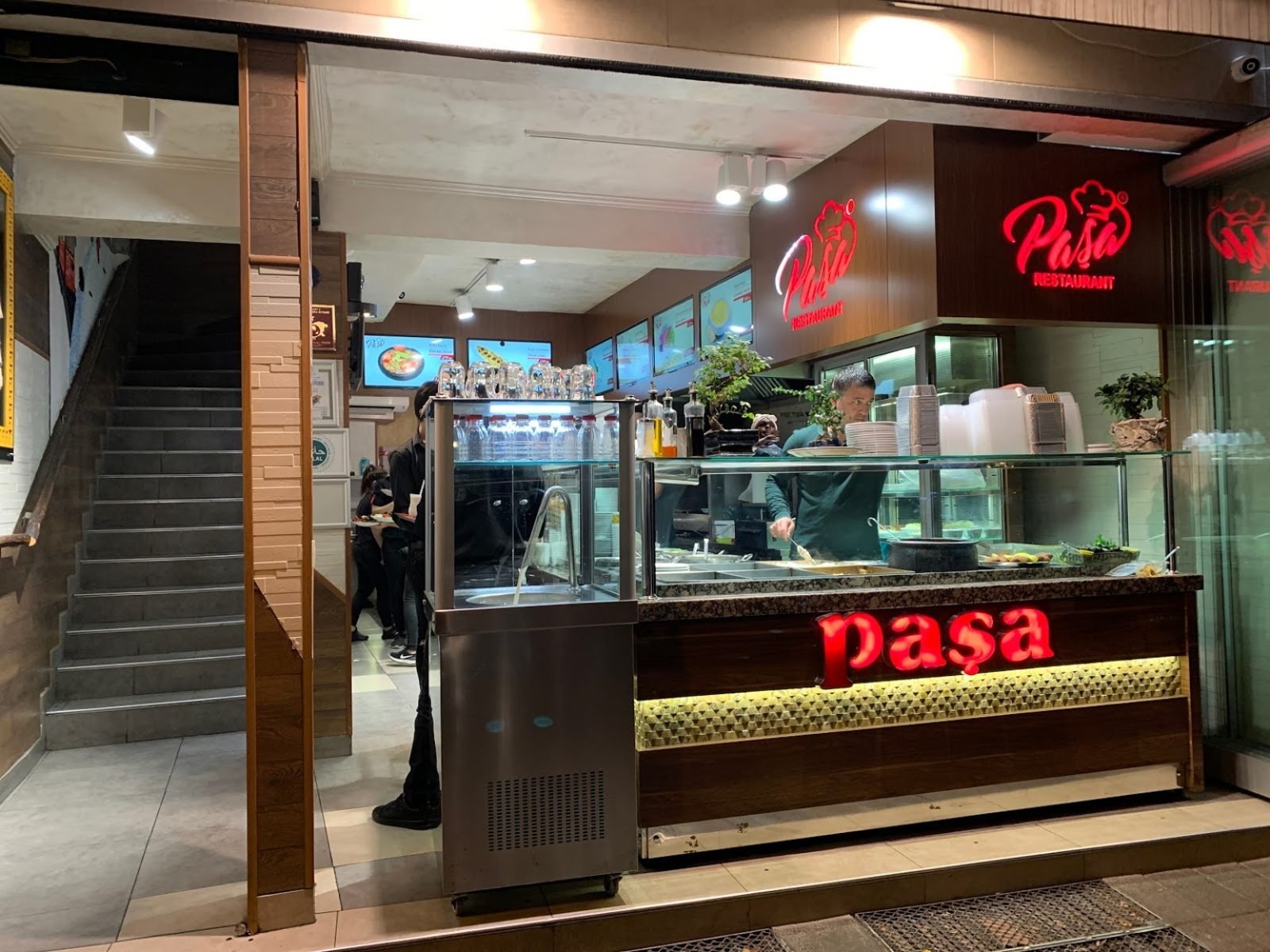
Where Plovdiv's Old Town Sets the Table
Approaching Ulitsa Zlatarska on foot, the street does what the leading of Plovdiv's old town always does: it slows you down. Cobblestones, revival-period facades, and the particular quality of afternoon light that bounces off ochre plaster walls create a context that no interior decorator can replicate. Paşa Restaurant sits inside this environment at number 8, and the address itself is an editorial statement about how the restaurant positions within the city's dining scene. In a city where the old town has become a focal point for restaurants attempting to connect Bulgarian cooking to its deeper historical roots, location on Zlatarska is not incidental.
Plovdiv carries one of the longest continuous urban histories in Europe, and that layering — Thracian, Roman, Byzantine, Ottoman, Bulgarian — feeds directly into the culinary character of the city. The Ottoman period in particular left a pronounced mark on the region's food culture: slow-cooked preparations, spiced meats, stuffed vegetables, and a comfort-first approach to the table that persists in Plovdiv kitchens in ways that have largely been smoothed out of Sofia's more internationally oriented restaurant scene. The name Paşa itself references that Ottoman chapter, and in a neighbourhood dense with restored nineteenth-century architecture, the historical framing carries weight beyond mere branding.
The shortlist, unlocked.
Hard-to-book tables, cellar releases, and concierge-planned trips.
Get Exclusive Access →Ingredient Sourcing and the Plovdiv Agricultural Hinterland
Bulgaria's relationship with its agricultural land is one of the defining features of the country's culinary identity, and Plovdiv sits at the centre of some of the country's most productive growing regions. The Thracian Plain stretching south and east of the city has fed it for millennia. Peppers , including the varieties that form the basis of lyutenitsa and the dried pepper preparations central to Bulgarian autumn cooking , come in from villages within commuting distance of the old town. Rose-hip, walnut, and dried fruit traditions from the Rhodope foothills are accessible to any kitchen that chooses to reach for them.
This matters for understanding restaurants in this part of Plovdiv specifically. The old town dining scene has, over the past decade, split into two broad categories: establishments that trade on the setting alone, offering generic Balkan comfort food to tourist traffic, and a smaller group that treats the regional larder as a living resource. The latter category demands actual supplier relationships, seasonal adjustment, and a kitchen that understands what it means when Bulgarian peppers hit their peak in late August or when lamb from highland flocks carries different fat profiles than lowland-raised animals. For any restaurant on a street like Zlatarska, the sourcing question is the editorial question , it determines which category it belongs to.
Bulgarian farmhouse cooking, as practised by properties like Aestivum in Melnik and Zornitza Family Estate, has established a benchmark for ingredient provenance in the country's more ambitious restaurants. Sofia has its own version of this conversation, visible at addresses like Divaka and Secret by Chef Petrov. Plovdiv's position, closer to the productive agricultural zones, gives restaurants here a structural advantage in this regard , shorter supply chains, more direct farmer relationships, and faster turnaround on seasonal ingredients.
The Old Town Dining Scene in Context
Plovdiv has grown substantially as a dining destination since its tenure as European Capital of Culture in 2019 drew sustained international attention to the city. That moment accelerated a process already underway: a younger generation of restaurateurs and cooks taking the city's heritage cuisine seriously rather than treating it as a nostalgic backdrop. The old town became the geographic centre of this shift, with Kapana , the creative quarter adjacent to the old town , providing additional energy through its café and bar culture.
Within this context, a restaurant on Ulitsa Zlatarska operates in a competitive set defined less by price tier (which varies considerably in this neighbourhood) and more by how seriously it engages with the culinary tradition the address implies. Comparisons with farmhouse-oriented operations further afield, like Koriata Restaurant in Kazichene or Bistro 55 in Zornitsa, are instructive: those venues have the advantage of proximity to rural supply chains but lack the urban old-town context that gives Plovdiv's heritage restaurants their particular character.
For diners arriving from elsewhere in Bulgaria, the comparison with Sofia's more internationally oriented restaurant scene is relevant. Properties like Cinecittà in Boyana or Dieci Boutique Restaurant point toward a different direction , European-inflected cooking for an affluent urban audience. Plovdiv's old town restaurants generally resist that pull, which is either a strength or a limitation depending on what the diner is looking for. For visitors coming specifically to read the city's culinary history through its food, that resistance is a strength.
Planning Your Visit
Ulitsa Zlatarska 8 is walkable from the main old town entry points and from Kapana. The old town's cobbled streets are leading navigated on foot; parking in the historic core is limited and the neighbourhood rewards a slow approach rather than a quick arrival. Plovdiv's old town restaurants generally follow Balkan service rhythms , lunch extends later than northern European conventions, and dinner shifts later still, particularly in summer when tables on covered terraces stay occupied well past ten. For visitors cross-referencing this against our full Plovdiv restaurants guide, Zlatarska sits at the heart of the area the guide covers most thoroughly.
Specific booking details, current hours, and pricing for Paşa were not available at time of publication. Checking directly with the restaurant before visiting is advisable, particularly for groups or weekend evenings when the old town sees its highest foot traffic.
Frequently Asked Questions
- Is Paşa Restaurant suitable for children?
- In a city like Plovdiv where restaurants are generally family-oriented, the old town setting and Bulgarian comfort-food traditions make most venues at this address accessible to families , though the cobbled street approach and terrace seating may be worth considering with very young children.
- What's the vibe at Paşa Restaurant?
- Plovdiv's old town sets a particular register: unhurried, heritage-conscious, and shaped by the revival-period architecture surrounding it. Without current awards data or a confirmed price tier to triangulate against, the address on Ulitsa Zlatarska places this restaurant within the neighbourhood's mid-to-upper casual dining band, where the setting does significant atmospheric work alongside the food.
- What should I order at Paşa Restaurant?
- The cuisine traditions of Plovdiv's old town lean toward Ottoman-influenced Bulgarian cooking: stuffed peppers, slow-cooked lamb preparations, and grilled meats with regional pepper-based condiments. Without confirmed menu data or chef credentials to cite, the strongest ordering strategy in any Plovdiv old town restaurant is to ask what has come in that week from regional suppliers , the answer usually points toward the kitchen's actual strengths.
- How does Paşa Restaurant connect to Plovdiv's Ottoman culinary heritage?
- The name itself references the Ottoman administrative class that shaped Plovdiv's architecture and food culture for several centuries. In a city where Bulgarian and Ottoman culinary traditions remain genuinely intertwined rather than merely decorative, a restaurant operating under this name in the old town carries an implicit curatorial responsibility toward that heritage. How actively the kitchen engages with Ottoman-derived preparations , slow braises, spiced stuffings, preserved vegetable traditions , is the substantive question that distinguishes serious old-town restaurants from those that use the history as backdrop alone. For a broader sense of how Bulgarian restaurants are navigating this heritage question, the work being done at Aestivum and across our Plovdiv guide provides useful reference points.
Comparable Spots, Quickly
These are the closest comparables we have in our database for quick context.
| Venue | Cuisine | Price | Awards | Notes |
|---|---|---|---|---|
| Paşa Restaurant | This venue | |||
| Aestivum | Bulgarian Farmhouse | Bulgarian Farmhouse | ||
| Zornitza Family Estate | Bulgarian Farmhouse | Bulgarian Farmhouse | ||
| Космос - Cosmos | Bulgarian Cuisine | Bulgarian Cuisine | ||
| Nikolas 0/360 | Bulgarian Seafood | Bulgarian Seafood | ||
| Андрé - André | Bulgarian Modern | Bulgarian Modern |
Need a table?
Our members enjoy priority alerts and concierge-led booking support for the world's most difficult tables.
Get Exclusive AccessThe shortlist, unlocked.
Hard-to-book tables, cellar releases, and concierge-planned trips.
Get Exclusive Access →