Our verdict
On 6th September Street in Sofia's center, Divaka occupies a position within the city's evolving dining scene where Bulgarian culinary tradition meets a more considered, course-driven approach. The address places it squarely in the capital's restaurant corridor, where competition ranges from casual modern Bulgarian to ambitious tasting formats. For visitors tracking Sofia's progression as a serious dining destination, Divaka merits attention.

Pearl is the En Primeur Club membership app — saves, bookings, and concierge access live there. Same editors, same standards.
- Address
- Sofia Center, 6th September St 41А, 1000 Sofia, Bulgaria
- Phone
- +359 895 700 000
- Hours
- Daily 12–11 PM
- Website
- divaka.bg
- Directions
- Get directions
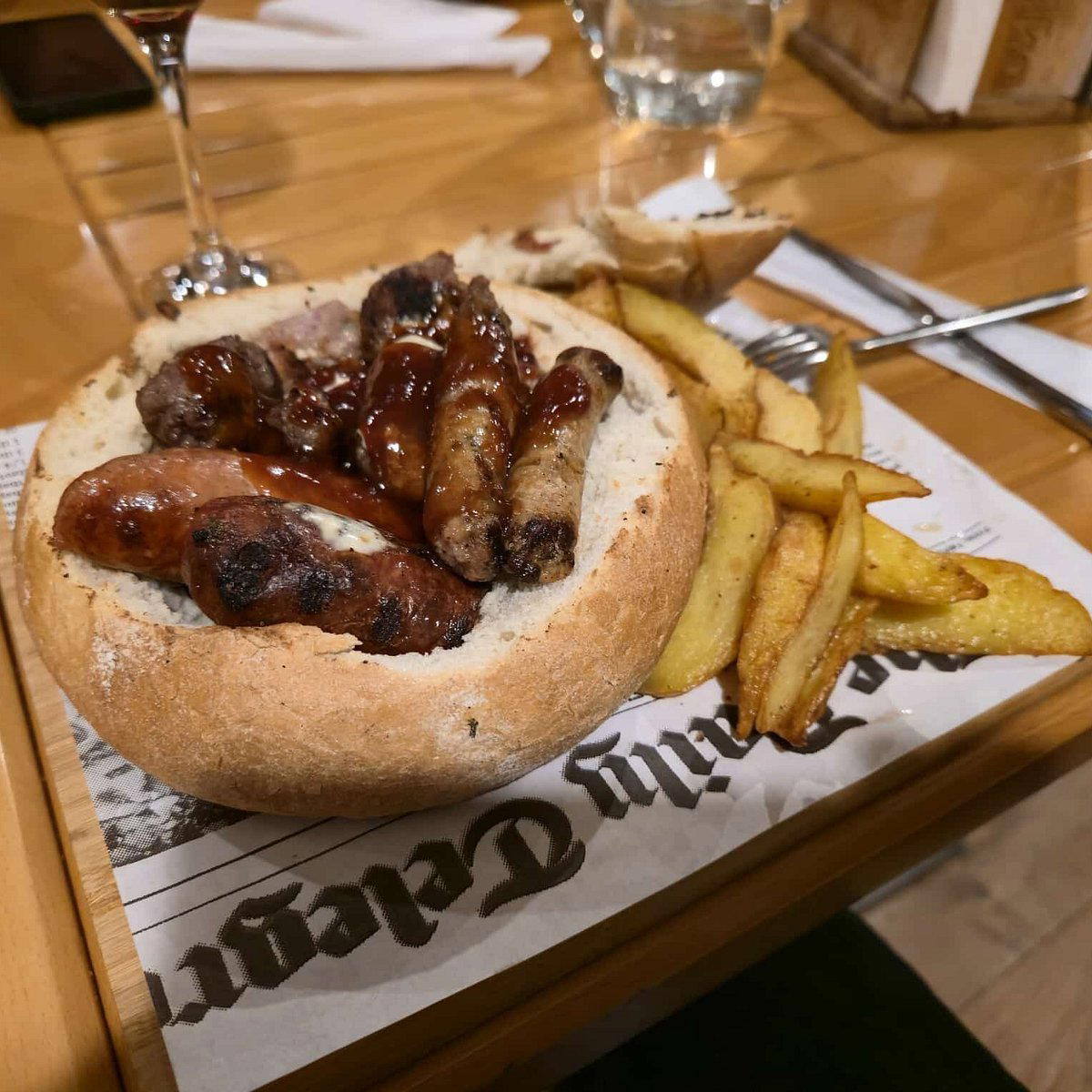
The menu
What to order
- Shopska Salad
- Tarator
- Sarmi
- Kavarma
- Meshana Skara
- Chicken Wings with Sauce and French Fries
Where Sofia's Center Sets the Pace
6th September Street in central Sofia functions as one of the city's more concentrated strips for serious dining. The boulevard sits within walking distance of the National Palace of Culture and the broader downtown grid, placing it in the orbit of restaurants that serve both a local professional crowd and an increasingly informed visiting audience. This is not the tourist-facing fringe of Sofia dining; it is closer to the working center, where expectations around food and format have been climbing steadily over the past decade. Divaka, at number 41А, occupies this address at a moment when Bulgarian cuisine is undergoing one of its more significant reassessments.
The broader context matters here. Sofia's restaurant scene has split along lines familiar to other mid-sized European capitals: a casual tier of comfort-driven Bulgarian cooking, a fast-casual layer represented by operations like Boom! Burgers, and an upper tier where chefs are asking more pointed questions about what modern Bulgarian food should look like. Divaka enters that conversation from the center of the city, which gives it both visibility and a degree of competitive pressure from neighbors operating in similar registers.
The Arc of the Meal
In cities where the tasting format has taken hold, the meal's structure becomes as meaningful as any individual dish. Sofia has been moving in this direction, with restaurants like Chef's and Art Club Museum demonstrating that local diners will commit to a longer, more sequenced experience when the kitchen earns that commitment course by course. The logic of a well-built progression is simple: early courses should orient the palate and establish a point of view, middle courses should build complexity and introduce the kitchen's technical range, and the closing sequence should resolve the meal with enough weight to feel conclusive without tipping into excess.
Within Sofia's center, this kind of course-driven thinking aligns with a broader ambition to position Bulgarian ingredients as the protagonists rather than the backdrop. The country's larder, from the highland dairy of the Rhodopes to the river fish of the Danube plain and the dry-aged meats that have long anchored village cooking, gives any kitchen working in this register a genuine foundation to build from. The question is always one of editorial restraint: how much does a kitchen want to say about those ingredients per plate, and how does each course hand off to the next?
For context on what this approach looks like at its most developed outside Sofia, Aestivum in Melnik and the Zornitza Family Estate have shown how Bulgarian wine country can anchor a tasting-format meal in a way that connects terroir to table with unusual directness. Sofia-based kitchens working in a similar spirit face the added challenge of doing so without the vineyard backdrop, which tends to push the emphasis further onto technique and sourcing provenance.
Sofia's Evolving Standards
The capital's dining culture has changed measurably since the early 2010s. Reservation-led formats have become more common, the gap between a well-funded casual operation and a serious tasting kitchen has narrowed in terms of ingredient quality, and the city's wine culture has grown sophisticated enough to support genuine pairing programs. Venues like 33 Gastronauts and Bamboo Flavor Factory represent different expressions of this shift, the former leaning into a locavore sensibility, the latter exploring format as much as flavor.
What the city still lacks, relative to Warsaw, Bucharest, or Zagreb, is a large cohort of kitchens that have achieved consistent international recognition. Michelin has not established a Bulgarian guide, which means the usual shorthand signals are absent and diners rely more heavily on editorial sources, word of mouth, and the kind of on-the-ground intelligence that EP Club tracks. This absence of formal ranking infrastructure is not a ceiling; it is, in some ways, an opportunity. Kitchens operating without the distorting pressure of star retention tend to cook with more freedom, and Sofia's better restaurants have benefited from exactly that latitude.
Comparable ambition can be found further afield in the country: Dieci Boutique Restaurant in Devino, Bistro 55 in Zornitsa, and Cinecittà in Boyana each demonstrate that the quality impulse in Bulgarian dining is not confined to the capital. Within Sofia itself, Koriata Restaurant in Kazichene has built a reputation for sourcing discipline that pushes the conversation about local ingredients forward.
Planning a Visit
Divaka's address on 6th September Street puts it within the walkable core of central Sofia, accessible from the main hotel district without requiring transport. For visitors building a broader Bulgarian dining itinerary, the capital works well as an anchor point before traveling to wine-country destinations like Melnik or Plovdiv, where Paşa Restaurant and Secret by Chef Petrov represent the regional tier. For those extending toward the coast, Sushi Box Vinitsa in Varna shows how Black Sea influences register differently from the capital's landlocked kitchen sensibility.
Sofia's better central restaurants have been tightening reservation windows as the city's dining profile rises, so lead time matters more than it did three years ago. For a full account of where Divaka sits within the capital's current dining hierarchy, see our full Sofia restaurants guide.
For international reference points on what a committed tasting progression looks like at its most disciplined, the cooking at Le Bernardin in New York City, the communal-format evolution at Lazy Bear in San Francisco, and the legacy kitchen model of Emeril's in New Orleans all illustrate how different philosophies of sequencing and hospitality translate into meal structure. Sofia's kitchens are drawing on a narrower but increasingly self-assured tradition, and Divaka's position in the city's center places it at the point where that tradition is being negotiated most actively.
Frequently asked questions
Where do I go for Divaka?
Divaka is located at Sofia Center, 6th September St 41А, 1000 Sofia, Bulgaria, Sofia.
Where exactly is Divaka located in Sofia, and how accessible is it?
Divaka is at 6А September Street 41А in Sofia Center, postcode 1000, placing it inside the walkable core of the Bulgarian capital. The address is within reach of the main hotel district without requiring a taxi, which matters on an evening when timing around a structured meal is relevant. Sofia Center is the densest cluster for serious dining in the city, and this particular block is among its more active stretches.
What's the best thing to order at Divaka?
The menu details are not published in advance, which is consistent with how Sofia's more considered dining rooms now operate — the kitchen sets the terms. Given Divaka's position on 6th September Street, a central address that draws from the city's sharpest supply lines, the structured meal format is where the experience is concentrated. Arriving without a fixed order in mind is the appropriate approach.
Do they take walk-ins at Divaka?
Divaka sits on 6th September Street in Sofia's walkable centre, but the shift toward reservation-led formats across that corridor means walk-in availability is uncertain. Sofia's more focused dining rooms increasingly hold tables for confirmed bookings, particularly on weekends. Contacting the venue directly before arriving is the practical move.
What's the defining dish or idea at Divaka?
Divaka operates in a part of Sofia where the structure of the meal — its arc and pacing — has become the organising principle, not any single dish. That reflects a broader shift in the capital's dining culture since the early 2010s, when reservation-led formats began to carry more weight than à la carte spontaneity. The defining idea is the deliberate meal, not a signature plate.
How does Divaka handle allergies?
As a general standard across Sofia's more structured dining rooms, dietary requirements are best communicated at the time of booking rather than on arrival, particularly where the kitchen controls the menu's sequence. Raising this directly with Divaka before your reservation is the most reliable route.
Is eating at Divaka worth the cost?
What can be said is that 6th September Street in central Sofia has become a corridor where the gap between a well-funded production and genuine kitchen ambition has narrowed measurably. The address alone places Divaka among the city's more deliberate dining options.
Standing Among Peers
Comparable options at a glance, pulled from our tracked venues.
| Venue | Cuisine | Price | Awards | Notes |
|---|---|---|---|---|
| DivakaThis venue — the venue you are viewing | Traditional Bulgarian | $1–10 | Not listed | Not listed |
| Космос - Cosmos | Modern Bulgarian Fine Dining | $50–100 | La Liste Top Restaurants · The Best Chef One Knife | Bulgarian Cuisine |
| Nikolas 0/360 | Balkan-Asian Fusion Fine Dining | $50–100 | La Liste Top Restaurants | Bulgarian Seafood |
| Андрé - André | Bulgarian Modern | Not listed | Not listed | Not listed |
| Dark Sister by Made in Home | Modern Mediterranean with Eastern European influences | $20–30 | Not listed | Not listed |
| Boom! Burgers | Gourmet American Burgers | $10–20 | Not listed | Not listed |
Continue exploring
More in Sofia
Restaurants in Sofia
Browse all →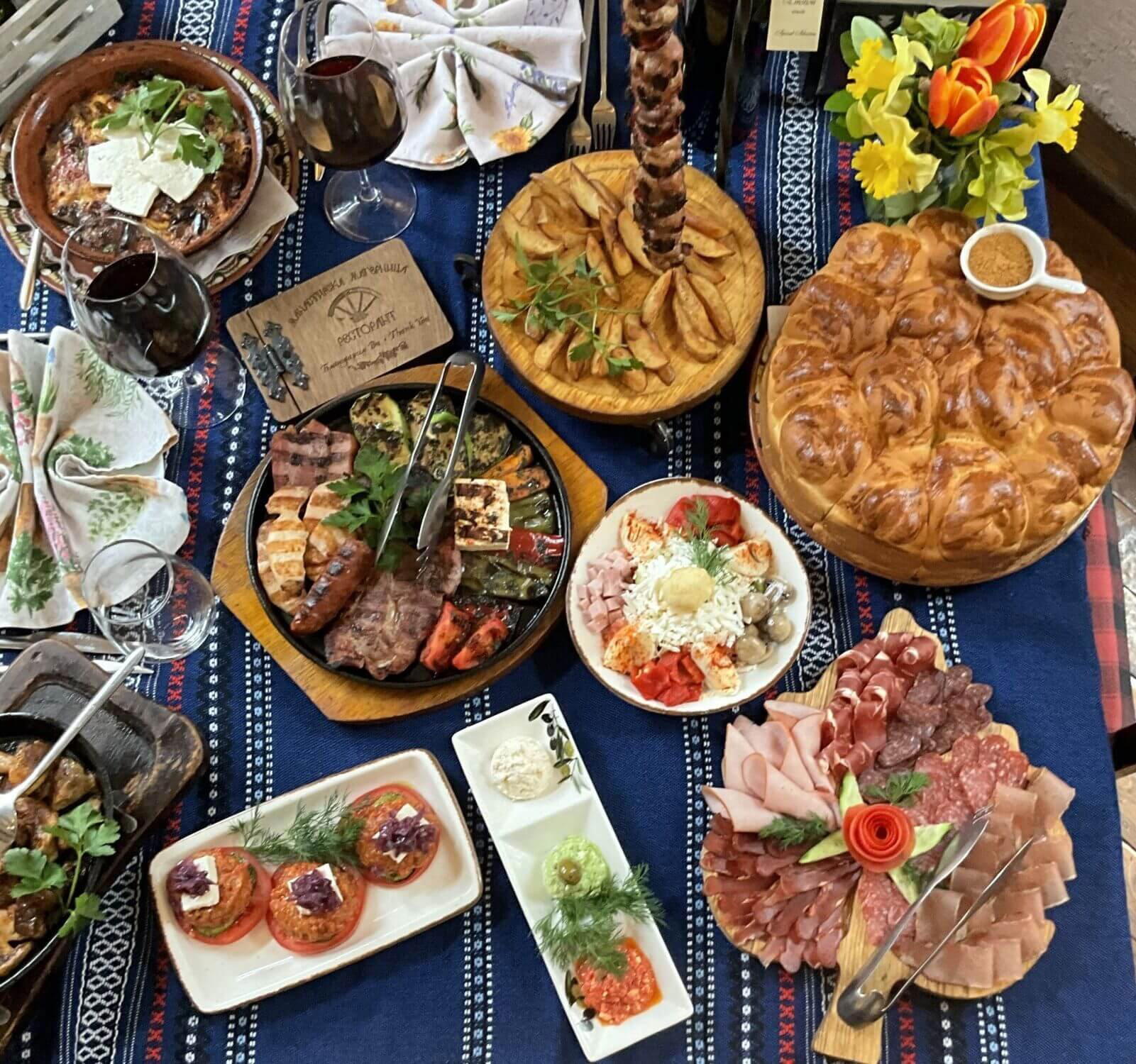
Bars in Sofia
Browse all →
Hotels in Sofia
Browse all →
Wineries in Sofia
Browse all →
Details
- Rustic
- Lively
- Classic
- Casual Hangout
- Group Dining
- Family
- After Work
- Garden
- Standalone
- Beer Program
- Local Sourcing
- A La Carte
- Family Style
- Beer
- Raki
- Vegetarian Friendly
- Vegan Options
Current opening hours
- Monday
- 12–11 PM
- Tuesday
- 12–11 PM
- Wednesday
- 12–11 PM
- Thursday
- 12–11 PM
- Friday
- 12–11 PM
- Saturday
- 12–11 PM
- Sunday
- 12–11 PM
Hours can change for holidays and private events. Last verified .
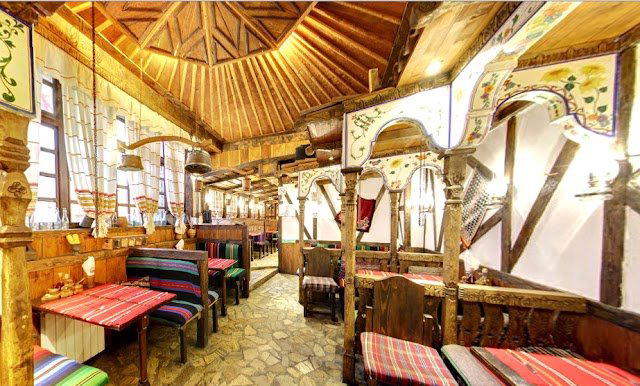
Lively and inviting with a mix of indoor and outdoor seating; unpretentious and relaxed atmosphere capturing genuine Bulgarian hospitality.