
Bistro 55 sits in the Melnik wine country of southwestern Bulgaria, a region where the food on the table and the wine in the glass draw from the same narrow strip of sandstone terrain. The kitchen works within a local-ingredient tradition that the broader Zornitsa area is quietly building into a recognisable culinary identity, placing it alongside neighbours like Aestivum and Zornitza Family Estate in a small but serious cluster of destination dining.
 Discover on Pearl
Pearl is the En Primeur Club membership app — saves, bookings, and concierge access live there. Same editors, same standards.
- Address
- Melnik Area, 2821 Zornitsa, Bulgaria
- Phone
- +359877762217
- Website
- zornitzaestate.com
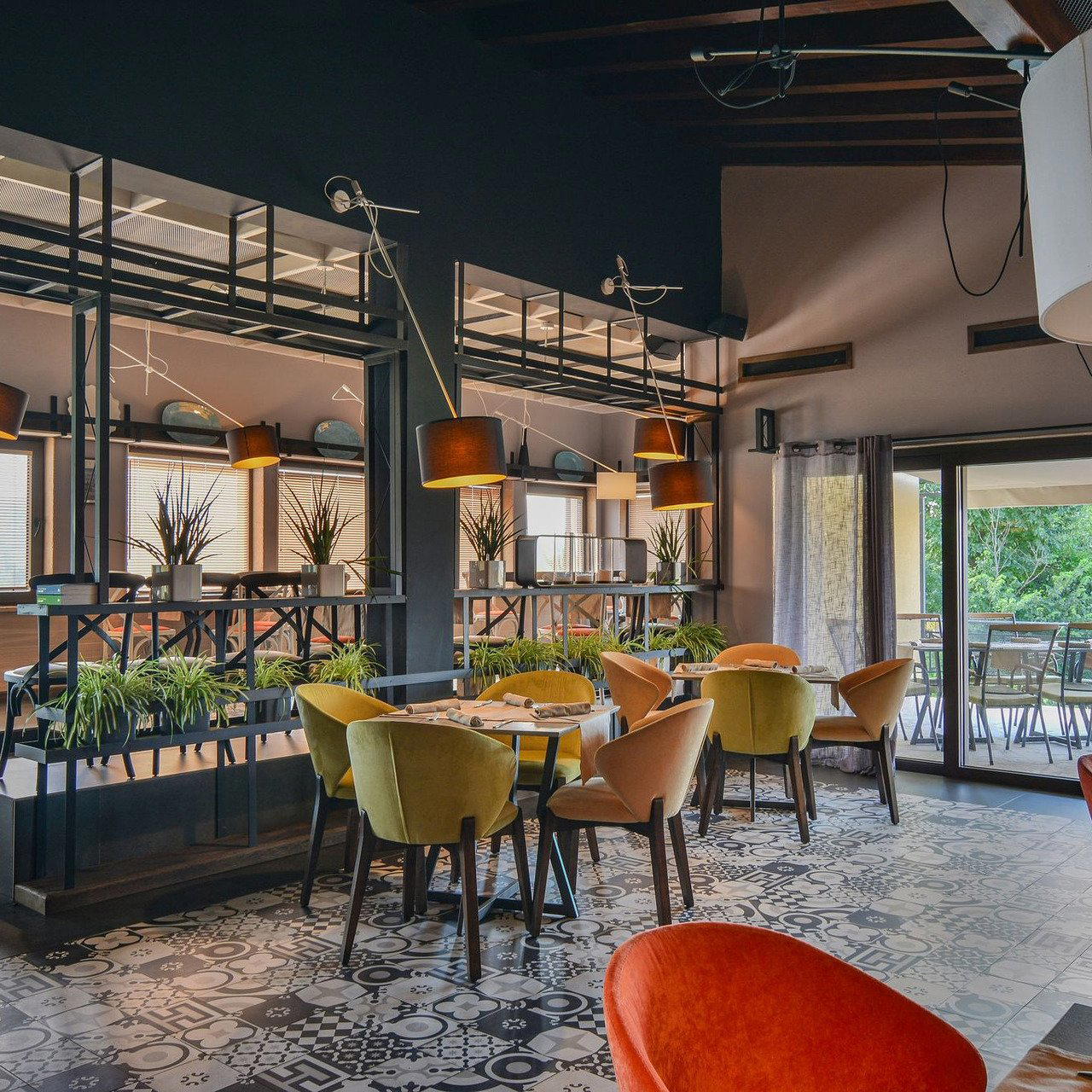
The road into the Melnik area of southwestern Bulgaria does not prepare you for subtlety. Sandstone pyramids rise from the valley floor, the Struma River cuts through terrain that feels more Anatolian than Balkan, and the villages arrive in clusters of whitewashed houses and vine-covered walls. Bistro 55 is a restaurant in Zornitsa, Bulgaria, serving Bulgarian, Asian & American Fusion Bistro cuisine.
Wine Country Dining and the Sourcing Logic of the Melnik Belt
Southwestern Bulgaria has developed a distinct identity in the country's emerging fine-dining conversation, one built less on chef celebrity and more on terroir specificity. The Melnik wine region produces Shiroka Melnishka Loza, a grape variety cultivated nowhere else on earth, and the vineyards that surround Zornitsa belong to a tight geographic band where altitude, aspect, and sandstone composition create conditions that amplify local character. Restaurants that operate within this zone face a direct editorial question: do they treat the location as backdrop, or do they treat it as ingredient?
The cluster of dining options in and around Zornitsa, which includes Aestivum in Melnik and Zornitza Family Estate, has collectively leaned toward the second answer. Both operate under a Bulgarian Farmhouse designation that signals estate-grown produce, preserved technique, and a menu philosophy tied to what the immediate land yields across seasons. Bistro 55 sits within this same geographic cluster, and the logic of the region applies: sourcing here is not a marketing position but a practical reality shaped by what local farmers, foragers, and winemakers actually produce within reach of the kitchen.
Across Europe, the strongest argument for ingredient-led dining comes not from proximity to a major city but from proximity to producers who grow for quality rather than volume. In that respect, the Melnik belt resembles smaller wine-and-food corridors in northern Italy or southern France, where restaurants are embedded in agricultural systems rather than positioned above them. Dal Pescatore in Runate and Atelier Moessmer Norbert Niederkofler in Brunico represent the fully realized version of that model at the award level. In Zornitsa, the same structural logic operates at a different scale and without equivalent international recognition, which means the ingredient story carries more weight than the critical one.
What the Region Puts on the Table
Bulgarian farmhouse cuisine in this part of the country draws on a preservation tradition that predates refrigeration: fermented vegetables, smoked meats, dried pulses, and slow-cooked preparations that were designed to extend the growing season across the Rhodope and Pirin mountain winters. The Melnik area adds wine-country specificity to that base, meaning that grape must, vine leaves, and the byproducts of winemaking enter the kitchen as working ingredients rather than decorative ones. Dishes in this tradition tend to be assertive rather than delicate, built around fat and acidity, and calibrated to sit alongside tannic, full-bodied reds.
That context matters when reading any menu in the Zornitsa cluster. The food is not trying to be light or internationally neutral. It is trying to express a specific place at a specific time of year, which means seasonal variation is real rather than rhetorical. Visiting in late summer versus early spring produces a genuinely different experience, because the sourcing changes and the kitchen adjusts to what is available rather than maintaining a year-round fixed card.
For travelers comparing options in the region, this sourcing emphasis places Bistro 55 in a different conversation than urban Bulgarian restaurants such as Dark Sister by Made in Home in Sofia or Secret by Chef Petrov in Sofia, both of which operate within a modernist Bulgarian frame rather than a farmhouse-and-terroir one. The distinction matters: urban modern Bulgarian cooking tends to reinterpret tradition through technique, while estate and village-adjacent restaurants in the Melnik belt tend to work within the tradition more directly.
Zornitsa in the Wider Bulgarian Dining Picture
Bulgaria's restaurant culture remains underrepresented in international food media relative to the depth of its regional cooking traditions. While cities like Plovdiv and Varna have drawn more attention, the southwestern wine country has developed quietly and without significant critical infrastructure. That means travelers arrive without the orienting data that Michelin or 50 Best recognition would provide, and local knowledge carries disproportionate weight.
Comparable dynamics appear in other parts of the Balkans and in smaller wine regions globally, where the absence of award infrastructure does not reflect the absence of culinary seriousness. Dieci Boutique Restaurant in Devino and Cinecittà in Boyana represent different nodes of Bulgaria's wider dining geography, each operating within distinct regional contexts. The Melnik cluster is the most tightly tied to wine-country identity and the one where sourcing arguments have the most geographic specificity to draw on.
Planning a Visit
Zornitsa is a small village and the Melnik area receives the bulk of its visitors between May and October, when road conditions improve and the vine-heavy landscape is at full expression. Travel from Sofia runs approximately 180 kilometres by road, making it a full day's commitment rather than a half-day excursion, and most travelers who come specifically for the dining cluster build overnight stays around the visit. The surrounding estate accommodations, including those connected to Zornitza Family Estate, allow for a lodging-and-dining combination that removes the driving calculation from the wine pairing.
In Context: Similar Options
Comparable venues nearby, for context on price, style, and recognition.
| Venue | Cuisine |
|---|---|
| Bistro 55This venue — the venue you are viewing | |
| Aestivum | Bulgarian Farmhouse |
| Zornitza Family Estate | Bulgarian Farmhouse |
| Космос - Cosmos | Bulgarian Cuisine |
| Nikolas 0/360 | Bulgarian Seafood |
| Андрé - André | Bulgarian Modern |
Continue exploring
More in Zornitsa
Restaurants in Zornitsa
Browse all →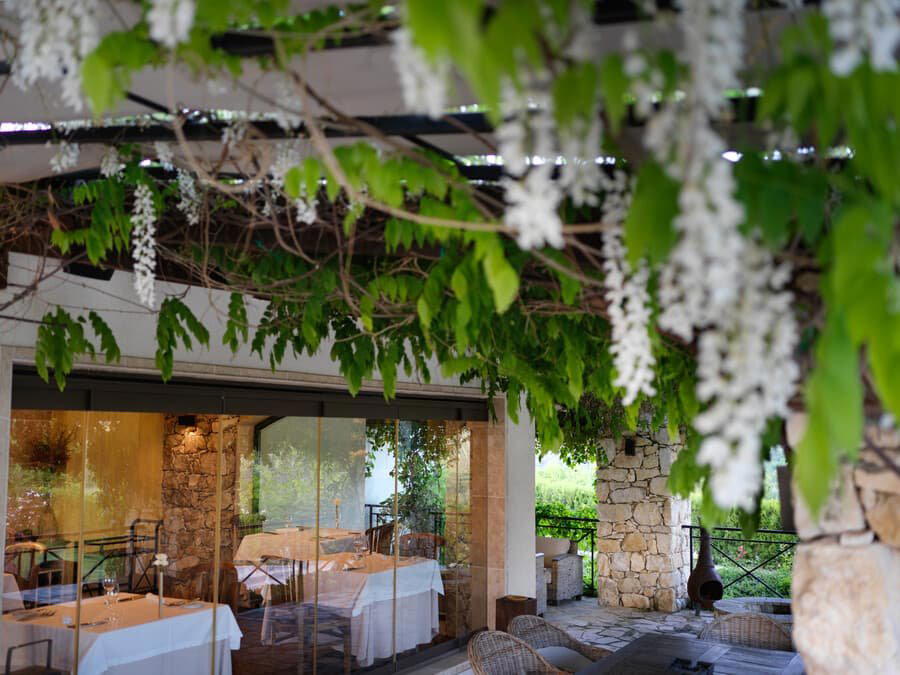
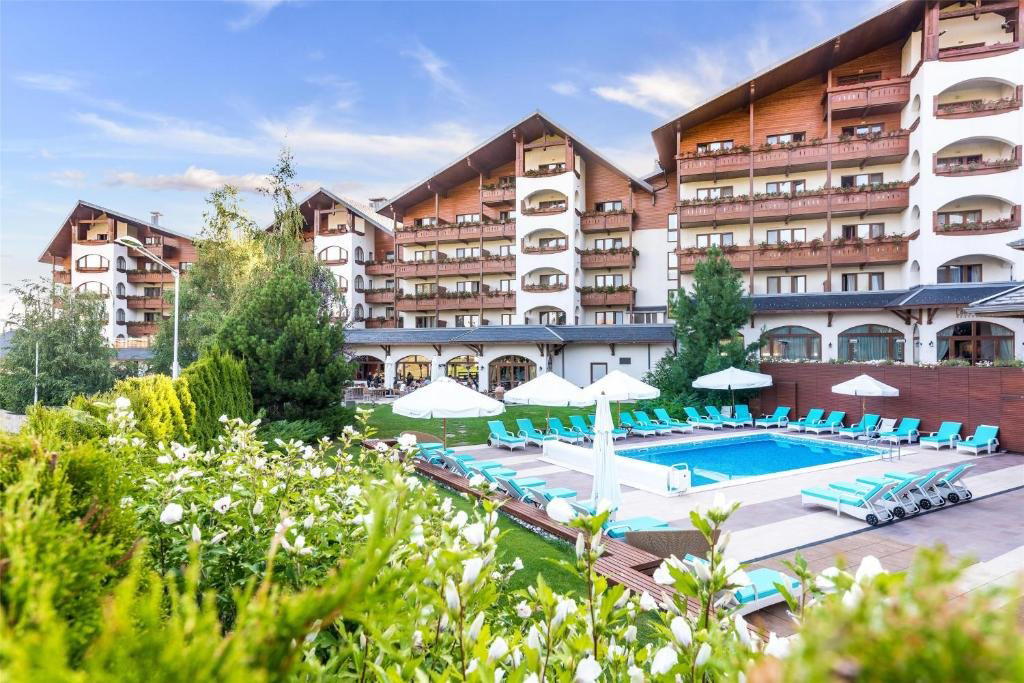
Hotels in Zornitsa
Browse all →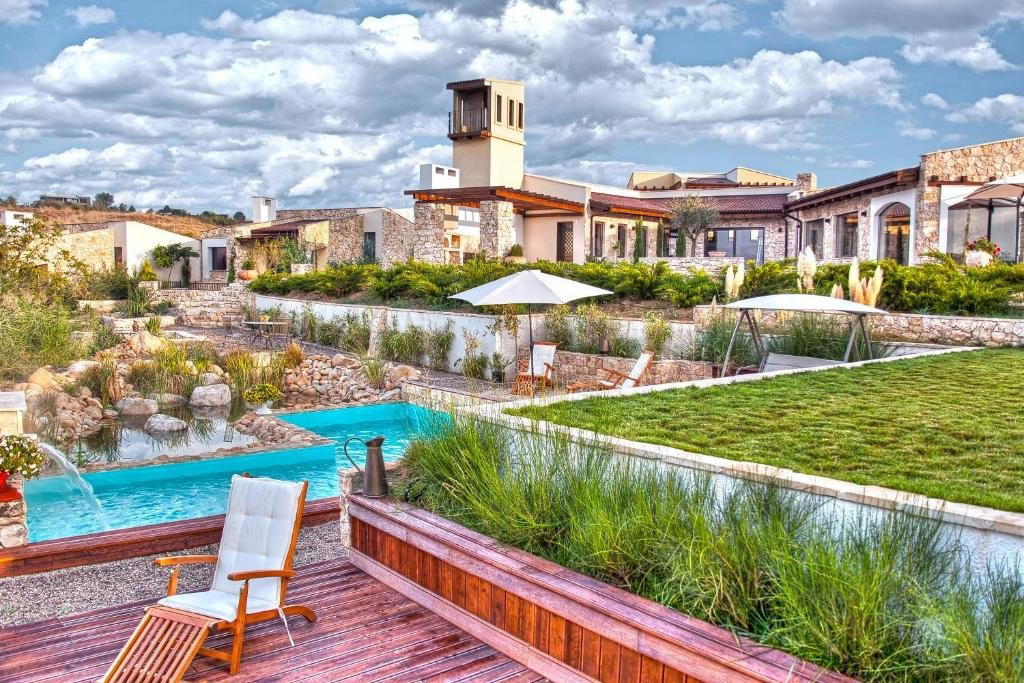
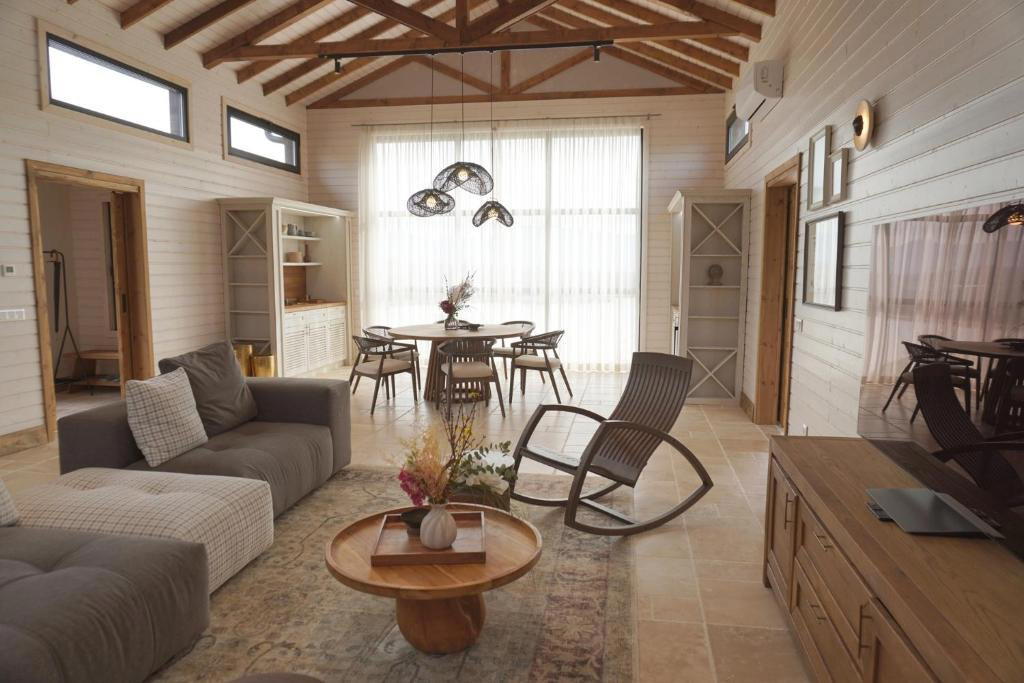
Wineries in Zornitsa
Browse all →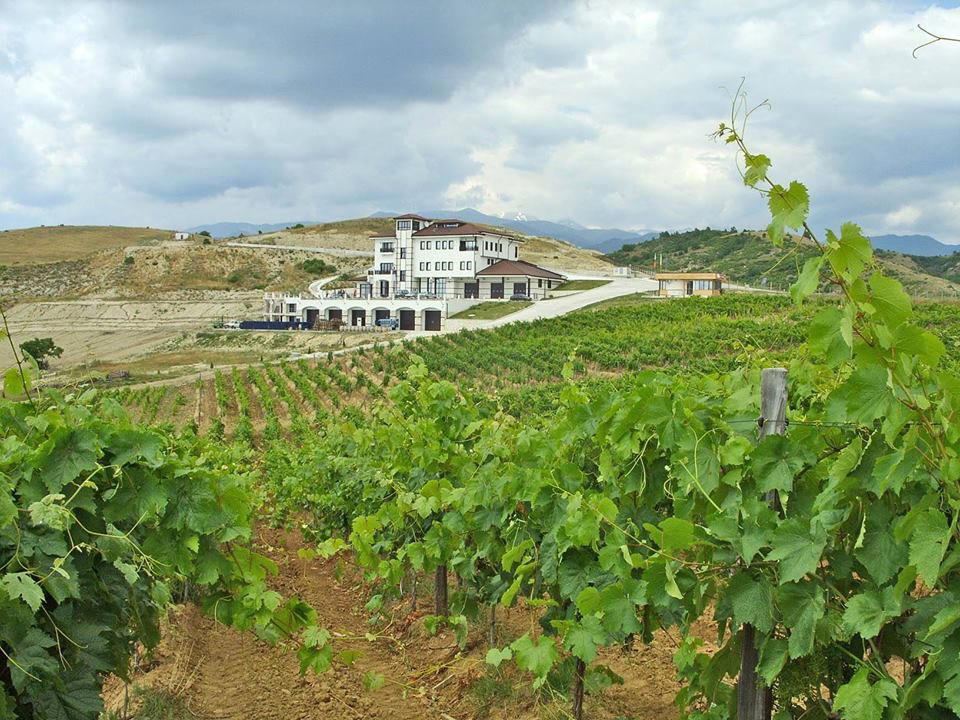
At a Glance
- Modern
- Cozy
- Elegant
- Casual Hangout
- Group Dining
- Special Occasion
- Hotel Restaurant
- Garden
- Terrace
- Extensive Wine List
- Sommelier Led
- Farm To Table
- Organic
- Local Sourcing
- Garden
Bright, stylish setting with modern décor featuring colorful fabrics and crockery, located within a boutique hotel above ZOMA body & soul spa.