


Cosmos occupies a considered position within Sofia's evolving fine-dining tier, representing Bulgarian cuisine at its most formally ambitious. Chef Vladislav Penov has earned consecutive La Liste recognition, 76.5 points in 2025 and 75 points in 2026, placing the restaurant within a small peer group of Bulgarian addresses that compete on the international stage. The address on Lavele Street in Sofia Center puts it at the centre of the city's most concentrated stretch of serious dining.
Pearl is the En Primeur Club membership app — saves, bookings, and concierge access live there. Same editors, same standards.
- Address
- Sofia Center, Lavele St 19, 1000 Sofia, Bulgaria
- Phone
- +359 88 820 0700
- Website
- cosmosbg.com
- Directions
- Get directions
 Saves & bookings on Pearl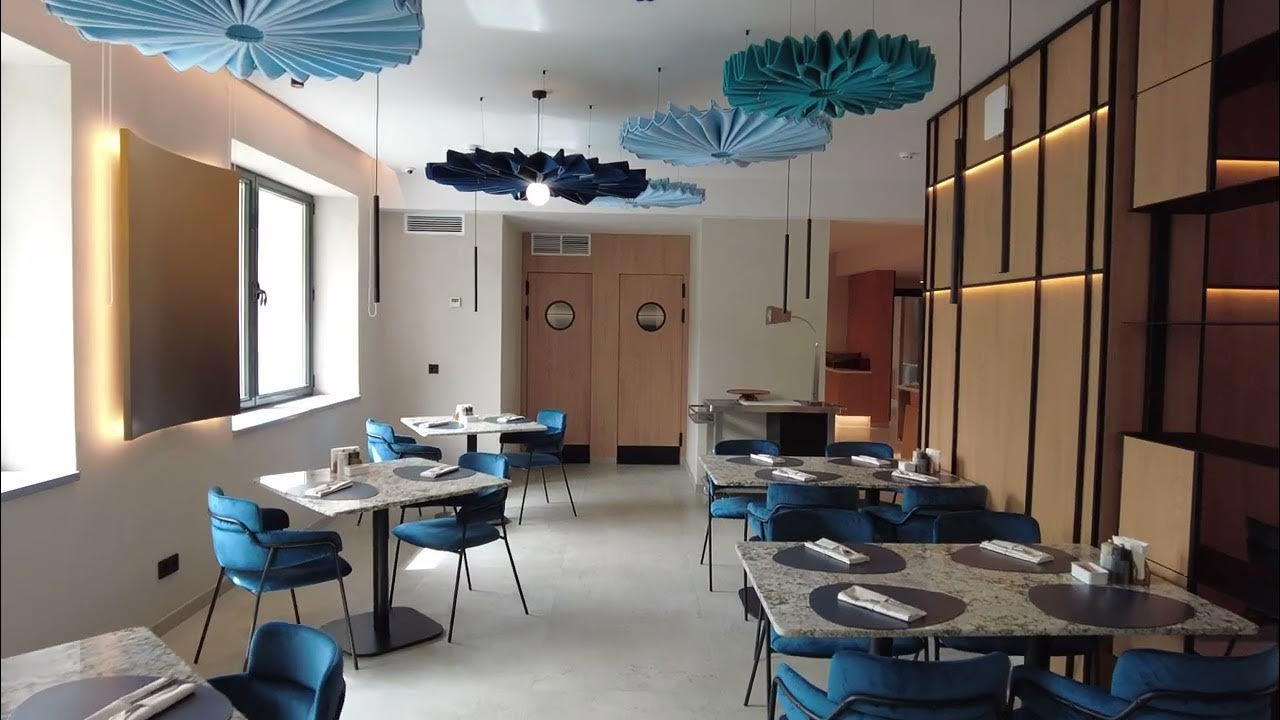
A Room Where Bulgarian Cooking Takes Itself Seriously
Lavele Street, in the compressed grid of Sofia Center, has become the corridor where the city's most considered restaurants announce themselves. The approach to Cosmos carries that ambient signal: the address sits within a neighbourhood where European urban density and post-Soviet architectural texture overlap, creating a streetscape that is neither flashy nor forgettable. Inside, the register shifts. This is a room that has made deliberate decisions about what it wants to communicate, that Bulgarian cooking, given appropriate attention and technique, belongs in the same conversation as the cuisines that have long dominated international fine-dining discourse.
That claim is not made lightly, and in Cosmos's case it is backed by consecutive appearances on La Liste's global ranking: 76.5 points in 2025 and 75 points in 2026. La Liste aggregates critical assessments from publications across dozens of countries, which means a score at that level reflects consistent recognition across multiple national critical traditions, not a single domestic endorsement. For context, La Liste's scoring places Cosmos in the same ranked universe as destinations including Le Bernardin in New York City, Atomix in New York City, and Alain Ducasse at Louis XV in Monte Carlo, though at a different scoring tier, this shared framework positions Cosmos within a genuinely global reference set rather than a purely regional one.
Bulgarian Cuisine as the Subject, Not the Backdrop
The culinary tradition that Cosmos draws from is older and more specific than the Central European comfort-food shorthand often applied to Balkan cooking. Bulgarian cuisine is defined by distinct regional logic: the vegetable-forward meze culture of the Rhodope valleys, the fermented dairy traditions, principally kiselo mlyako, the local yogurt whose bacterial culture is botanically specific to Bulgaria, the wood-fired preparations that carry smoke as a primary flavour rather than an accent, and the vine-leaf and grain combinations that reflect centuries of Ottoman, Thracian, and Slavic convergence.
What distinguishes serious Bulgarian cooking at the level Cosmos operates at is the decision to treat these traditions as source material for precision rather than nostalgia. The same arc has played out in other national cuisines that were long undervalued internationally: the emergence of a generation of chefs who trained in technically exacting European kitchens and returned with the tools to apply rigour to ingredients and preparations that had previously existed only in domestic or folk contexts. In Sofia, that shift is now visible across a small but coherent tier of addresses. Андрé (André) represents the modern Bulgarian strand, Nikolas 0/360 focuses on the country's Black Sea and freshwater seafood tradition, and Cosmos sits within that comparable set as the address most explicitly oriented toward formal Bulgarian cuisine as a serious dining proposition.
Beyond Sofia, the same argument is being made in different registers. Aestivum at Zornitza Village pursues a farmhouse-rooted approach in the Rhodope foothills, while Dieci Boutique Restaurant at Devino frames Bulgarian ingredients within a wine-estate context in the Thracian Valley. Together, these addresses make the case that the country's culinary identity is capable of sustaining multiple serious interpretations simultaneously.
Chef Vladislav Penov and the Technical Tier
At the counter of any kitchen operating in this bracket, the chef's positioning relative to culinary peers matters more than personal biography. Vladislav Penov's presence as the named chef across both La Liste cycles, 2025 and 2026, indicates consistent critical confidence in the kitchen's direction under his tenure. What is documentable is the outcome: a kitchen that has held its position across two international assessment cycles in a city that is still in the early stages of building international dining credibility.
That credibility question is worth addressing directly.
Where Cosmos Sits in Sofia's Dining Tier
Sofia's fine-dining tier is small relative to the city's overall restaurant population, which skews heavily toward casual eating. The formal end of the market concentrates in Sofia Center and the surrounding blocks, where Cosmos's Lavele Street location places it within easy reach of the city's hotel and cultural infrastructure.6 across 3,840 reviews suggests that the gap between critical recognition and guest experience is narrow here, which is not always the case at restaurants operating in the internationally recognised tier.
Reservations are recommended. The physical address on Lavele Street 19 in Sofia Center is especially reliable anchor for planning.
The Broader Argument This Restaurant Is Making
Restaurants that earn international recognition while cooking their own national cuisine in a city that lacks existing global dining prestige are making a specific argument: that the quality of the ingredient tradition and the seriousness of the kitchen can overcome the handicap of geographic anonymity. The clearest parallels are in the way restaurants like Lazy Bear in San Francisco or Emeril's in New Orleans built reputations that preceded their cities' current dining prominence, or the way Aponiente in El Puerto de Santa María established international credibility in a town that would otherwise not appear on fine-dining itineraries at all.
Cosmos is making that argument for Sofia and for Bulgarian cuisine simultaneously. The consecutive La Liste scores suggest the argument is landing with international critics. Whether the broader travel market follows is a longer story, but for now the restaurant represents the clearest single proof point that Sofia's fine-dining tier is real and that Bulgarian cooking, at its most formally ambitious, is capable of holding international attention.
Planning Your Visit
Cosmos is located at Lavele Street 19 in Sofia Center, one walkable part of the city for visitors staying in the hotel zone around the National Theatre and Vitosha Boulevard. Booking specifics are not published in the public record; the standard approach for restaurants at this level in Sofia is direct contact. Reservations are recommended, especially on weekends.
Cuisine and Recognition
Comparable venues nearby, for context on price, style, and recognition.
| Venue | Cuisine | Price | Notes |
|---|---|---|---|
| Космос - CosmosThis venue — the venue you are viewing | Modern Bulgarian Fine Dining | $$$$ | Not listed |
| Manastirska Magernitsa | Traditional Bulgarian Monastery Cuisine | $$ | Sofia Center |
| Sofia Center, ul. "Tsar Shishman" 37 | Modern European Bistro | $$ | Sofia Center |
| Андрé - André | Modern Bulgarian Fine Dining | $$$$ | Sofia Center |
| Корейски ресторант Юн | Authentic Korean BBQ | $$ | Izgrev |
| Secret by Chef Petrov | Modern Bulgarian Historical Tasting Menu | $$$$ | City Center |
Recognition history
Dated appearances from independent guides and award organizations, with the underlying list record or original source where available.
La Liste Top Restaurants
La Liste
La Liste Top Restaurants
La Liste
The Best Chef One Knife
The Best Chef
World Culinary Awards Bulgaria's Best Restaurant 2025 #1
World Culinary Awards
At a Glance
- Modern
- Elegant
- Sophisticated
- Minimalist
- Date Night
- Special Occasion
- Celebration
- Open Kitchen
- Extensive Wine List
Current opening hours
- Monday
- 12–3:30 PM, 5:30–10:30 PM
- Tuesday
- 12–3:30 PM, 5:30–10:30 PM
- Wednesday
- 12–3:30 PM, 5:30–10:30 PM
- Thursday
- 12–3:30 PM, 5:30–10:30 PM
- Friday
- 12–3:30 PM, 5:30–10:30 PM
- Saturday
- 11 AM–4 PM, 6–10:30 PM
- Sunday
- 11 AM–4 PM, 6–10:30 PM
Hours can change for holidays and private events. Last verified .
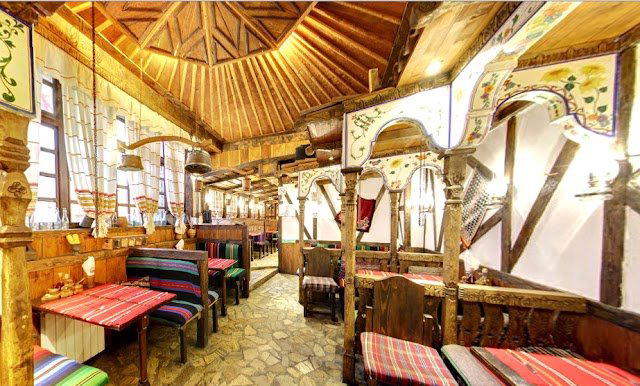
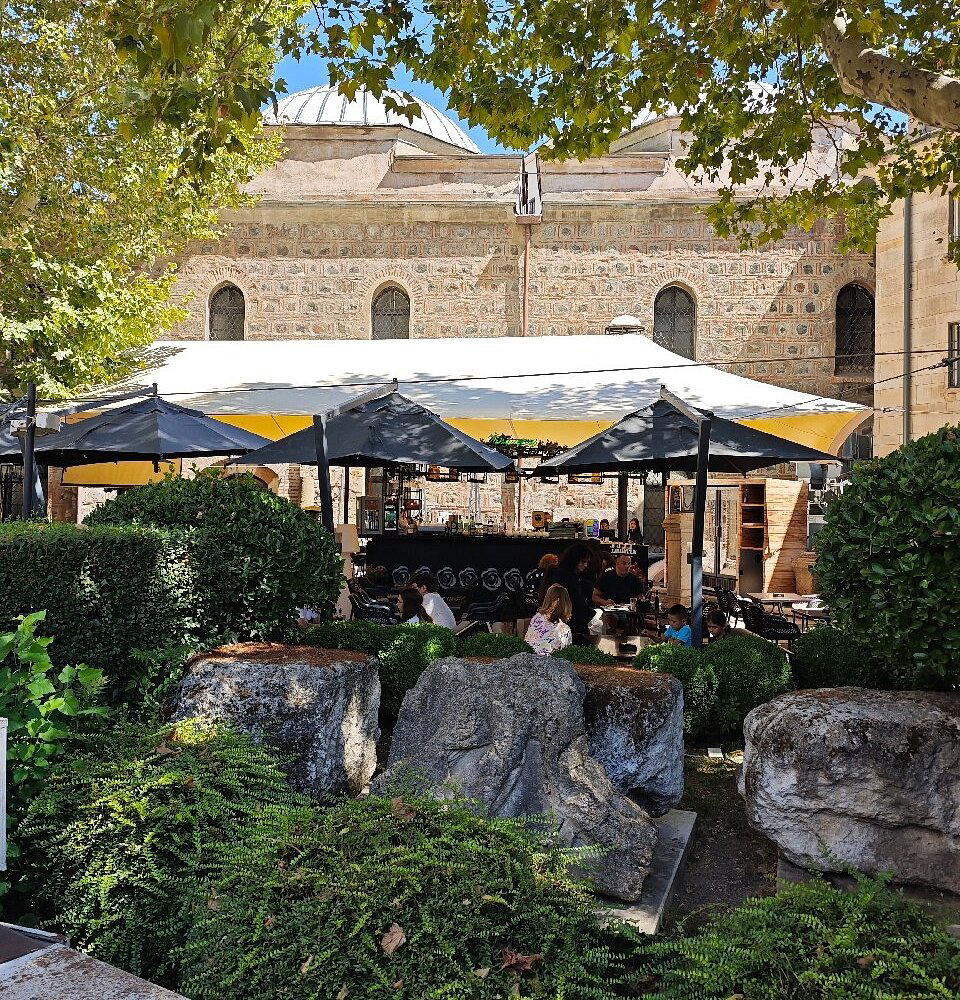
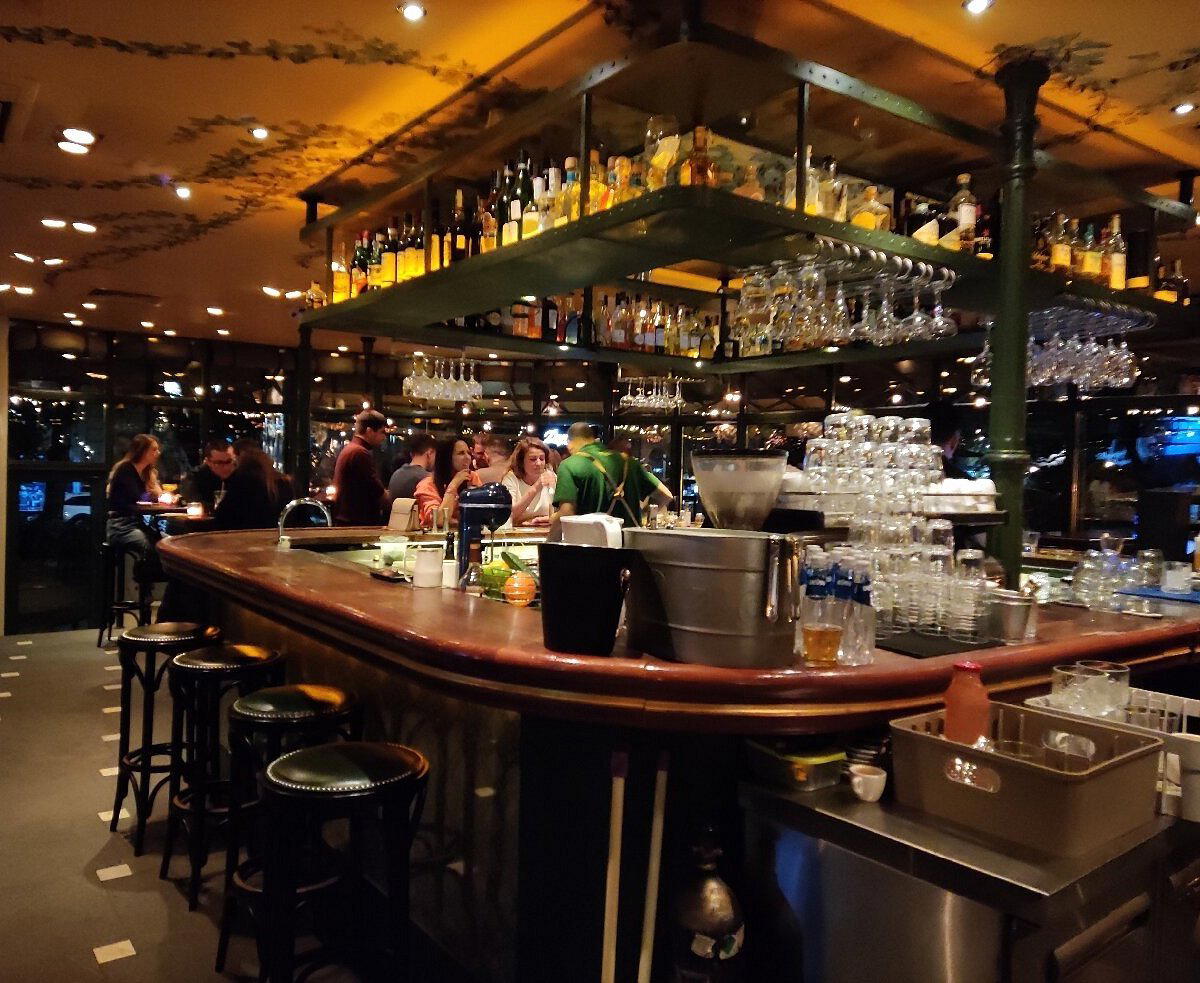
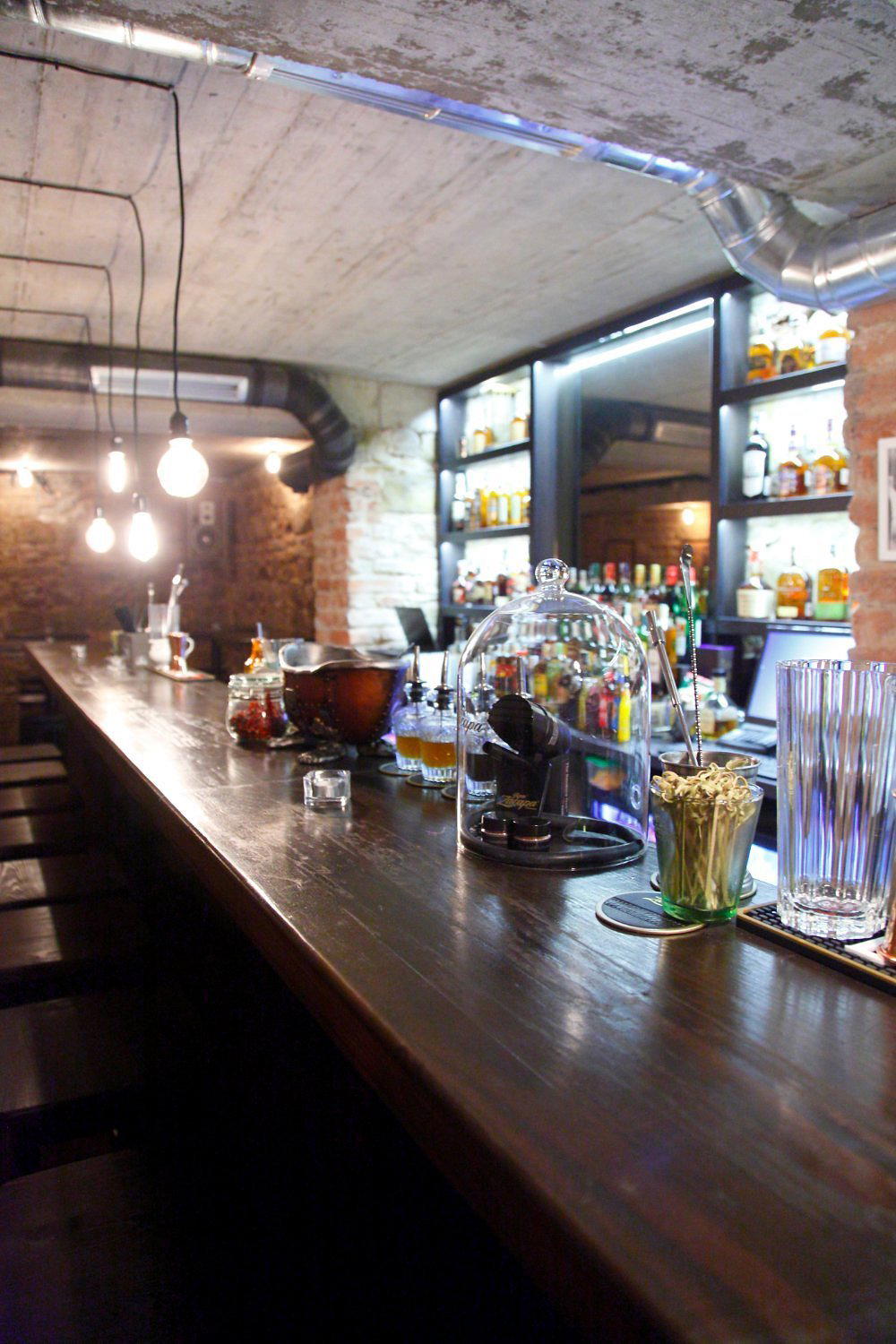
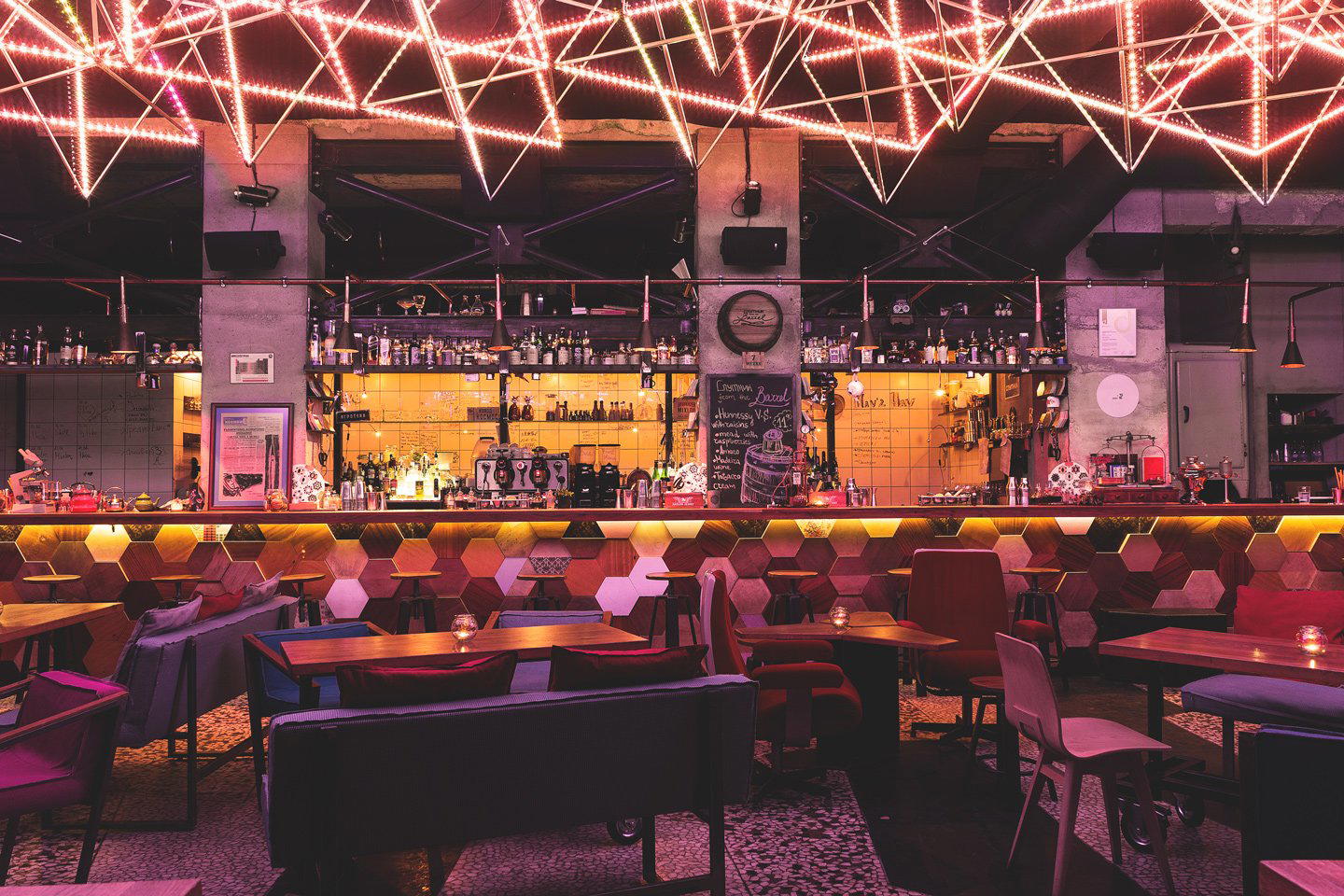
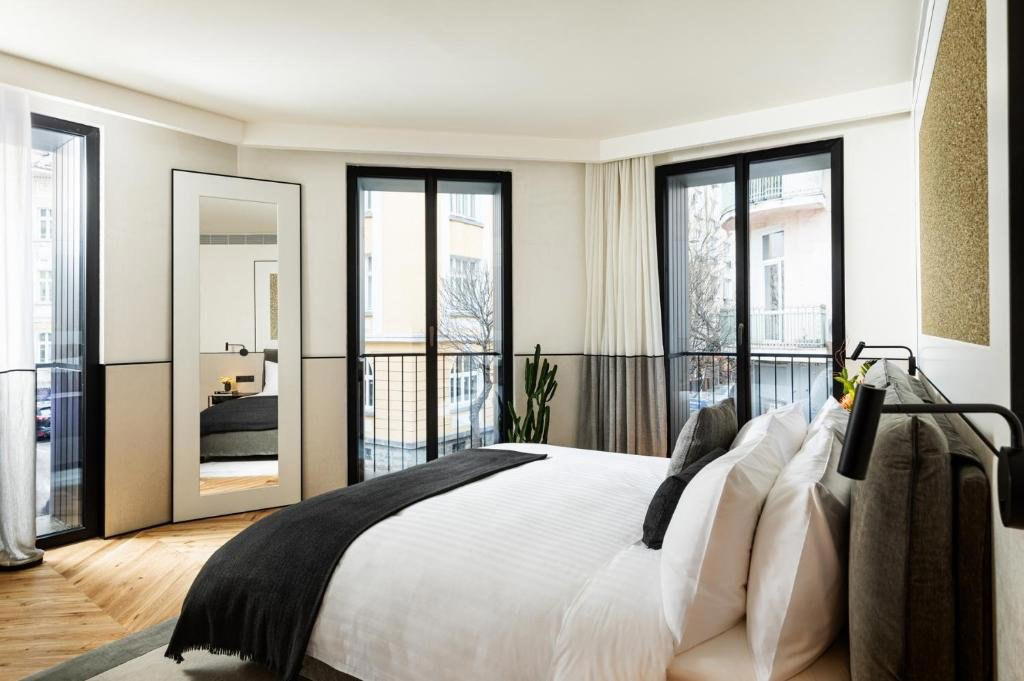
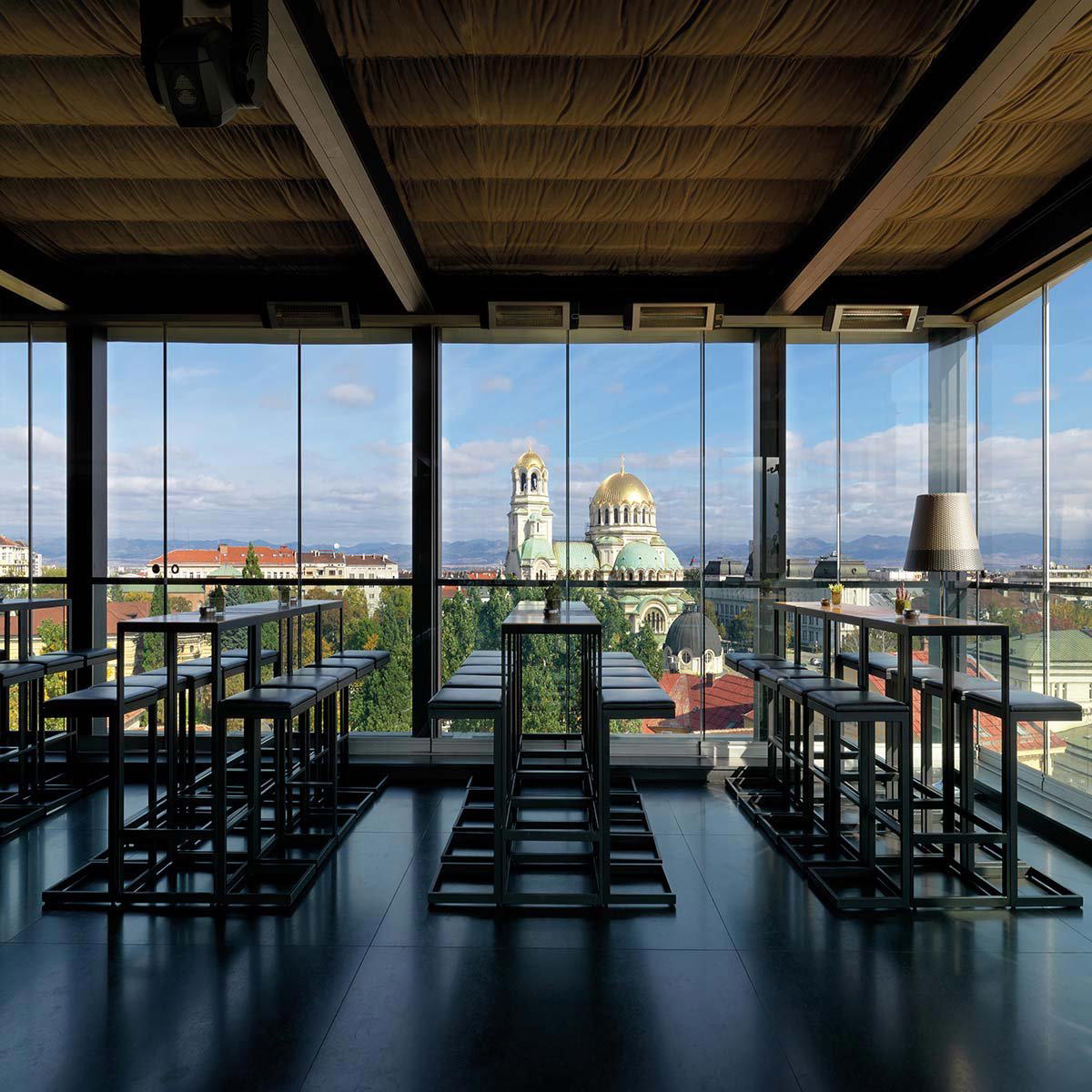
Elegant, refined, minimalist decor with flashing, moving elements, daily light, and a welcoming yet sophisticated atmosphere.