On the Eastern Fringe of Sofia's Dining Scene The road out toward Kazichene is not where most Sofia restaurant guides tell you to look. The neighbourhood sits on the city's eastern periphery, past the ring road and the light-industrial edges...
Pearl is the En Primeur Club membership app — saves, bookings, and concierge access live there. Same editors, same standards.
- Address
- lane “ Okolovrasten pat” 437, 1532 Sofia, Bulgaria
- Phone
- +359882711711
- Website
- koriata.bg
- Directions
- Get directions
 Saves & bookings on Pearl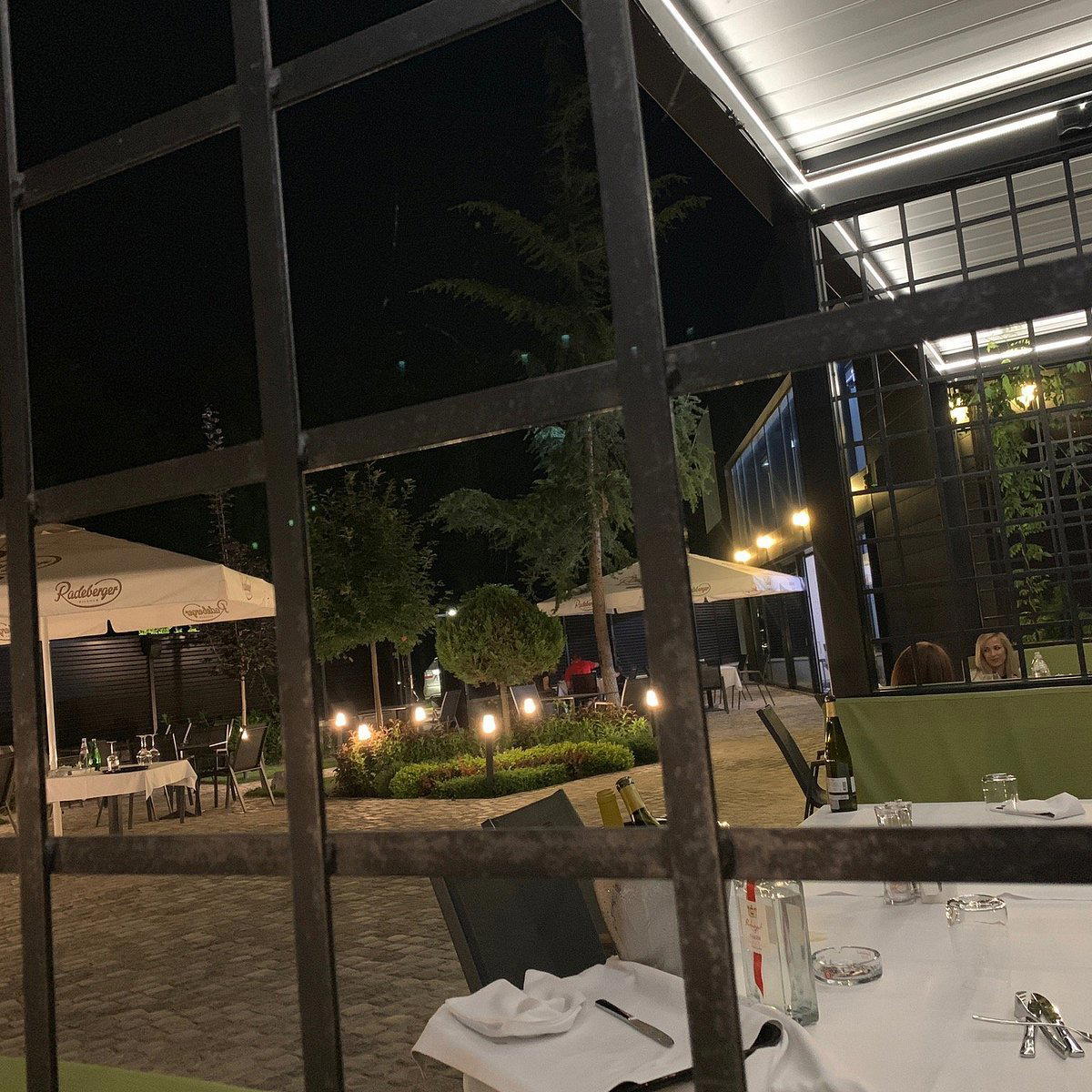
On the Eastern Fringe of Sofia's Dining Scene
The road out toward Kazichene is not where most Sofia restaurant guides tell you to look. The neighbourhood sits on the city's eastern periphery, past the ring road and the light-industrial edges that bracket most European capitals. In that context, Koriata Restaurant is a restaurant in Sofia, Bulgaria, with. Koriata Restaurant, at lane Okolovrasten pat 437, reads as the kind of address locals find through word of mouth rather than review aggregators. Arriving along the outer ring corridor, you are already outside the frame of reference that applies to Divaka in Sofia or the tighter neighbourhood restaurants within the boulevard grid. That geographical remove matters: it shapes the clientele, the pace, and the underlying logic of what a kitchen here needs to do to justify the trip.
Where the Food Comes From: The Sourcing Argument for Periurban Dining
Restaurants that sit on the periphery of a major city occupy an interesting position in the sourcing conversation. Unlike urban kitchens that must route everything through wholesale markets and distribution chains, a location on Sofia's eastern edge places a restaurant within reach of the agricultural belt that supplies the capital. Bulgaria's domestic food culture is grounded in proximity: the Plovdiv plain, the Thracian lowlands, and the villages between Sofia and the Balkan mountains have supplied the city's tables for generations. A kitchen operating in Kazichene, physically closer to that supply chain than any address inside the ring road, has a structural advantage in freshness and seasonality that is not available to restaurants in the centre paying city-centre logistics costs.
This sourcing geography is precisely what elevates periurban Bulgarian dining as a category. Institutions like Aestivum in Melnik and Zornitza Family Estate have demonstrated, in different regional settings, that tethering a menu to immediate agricultural context produces a distinct register of Bulgarian cooking, one that city-centre restaurants with fixed wholesale arrangements find difficult to replicate. The pattern is consistent enough to constitute a category: ingredient-led Bulgarian cooking works well when the kitchen is close to the source.
For a reader considering the Sofia metro dining circuit alongside peers such as Bistro 55 in Zornitsa or Cinecittà in Boyana, Koriata sits in a comparable tier of periurban addresses where the draw is context and rootedness rather than the trappings of a formal city-centre dining room.
Bulgarian Cooking at the Neighbourhood Level
Bulgarian cuisine at the neighbourhood restaurant level is a more specific thing than tourism marketing tends to suggest. The kavarma tradition, slow-cooked meat and vegetables in a clay dish, is the format against which local restaurants are informally measured. So is the quality of the shopska salad, which in Sofia's better peripheral restaurants arrives with tomatoes sourced within a fifty-kilometre radius rather than from a national wholesaler. Bean soups, grilled kebapche, and fermented dairy appear across every price tier, but the differentiating variable is always provenance: who grew it, how close it came from, and whether the kitchen is tracking seasonality or running a fixed card year-round.
Across the broader Bulgarian dining spectrum, the restaurants that generate the sustained local respect tend to be those that resist the pressure to modernise the format in ways that detach the food from its agricultural base. Secret by Chef Petrov works in a different register entirely, at the technique-forward end of Bulgarian modern cooking, while Paşa Restaurant draws on the Ottoman-inflected traditions that run through Bulgarian food history. Koriata, based on its location and neighbourhood function, sits closer to the tradition-rooted end of that spectrum.
Planning Your Visit to Kazichene
Reaching Kazichene from central Sofia means following the E80 or the ring road east, and the address at Okolovrasten pat 437 is more accessible by car than by public transport. The neighbourhood sits roughly on the outer edge of Sofia municipality, which means peak-hour traffic on the ring road can extend travel time from the city centre. Visitors exploring Sofia's periurban dining circuit might reasonably combine a trip here with other eastern or southeastern addresses rather than treating it as a standalone urban detour. For context on how Kazichene sits within the wider Sofia dining map, provides neighbourhood-level orientation.
Those whose Sofia dining interests extend to the wine-forward end of the spectrum will find that Dieci Boutique Restaurant in Devino covers different regional ground, as does the seafood register at Sushi Box Vinitsa in Varna for readers who are circling the wider Bulgarian geography.
Where Koriata Sits in the Broader Picture
Periurban neighbourhood restaurants in eastern European capitals often occupy an underexamined tier in the critical conversation. The attention flows to city-centre addresses with PR operations, Michelin aspirations, and the kind of visible clientele that generates coverage. The result is that a significant portion of ingredient-honest cooking in any given city happens in restaurants that remain outside the critical frame almost by design. Sofia is not notable in this regard. The same dynamic plays out in Warsaw, Bucharest, and Budapest, where periurban addresses serving locally sourced, tradition-rooted food operate for years below the threshold of international editorial attention.
This reflects geography and visibility. For reference, the globally recognised tier of restaurant ambition, from Le Bernardin in New York City to Alléno Paris au Pavillon Ledoyen or Alinea in Chicago, operates in a different category of urban positioning, institutional backing, and international media infrastructure. Periurban Bulgarian neighbourhood dining exists in a different conversation entirely, and that conversation is worth having on its own terms.
Comparable Spots, Quickly
Comparable venues nearby, for context on price, style, and recognition.
| Venue | Cuisine | Price | Notes |
|---|---|---|---|
| Koriata RestaurantThis venue — the venue you are viewing | International European Grill | $$ | Not listed |
| Chef's | Modern Bulgarian Fusion | $$$ | Lozenets |
| 33 Gastronauts | Modern Mediterranean Fusion | $$ | Oborishte |
| The Happy Pig - Food & Cocktails | Modern Bulgarian-Asian Fusion | $$ | Oborishte |
| Pri Orlite | Contemporary Bulgarian | $$$ | Sofia Center |
| Boom! Burgers | Gourmet American Burgers | $$ | Sofia Center |
Continue exploring
More in Kazichene
Restaurants in Kazichene
Browse all →

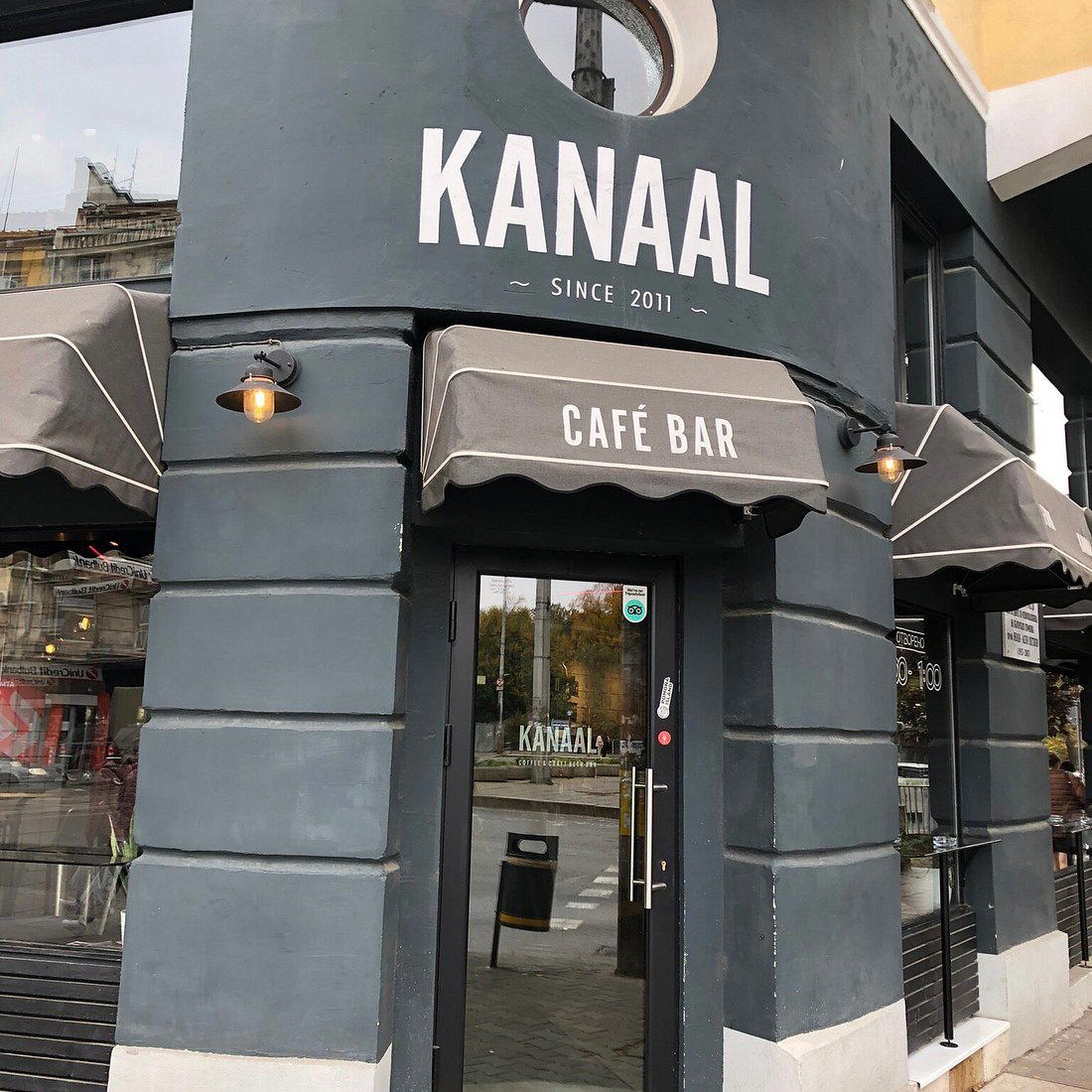
Bars in Kazichene
Browse all →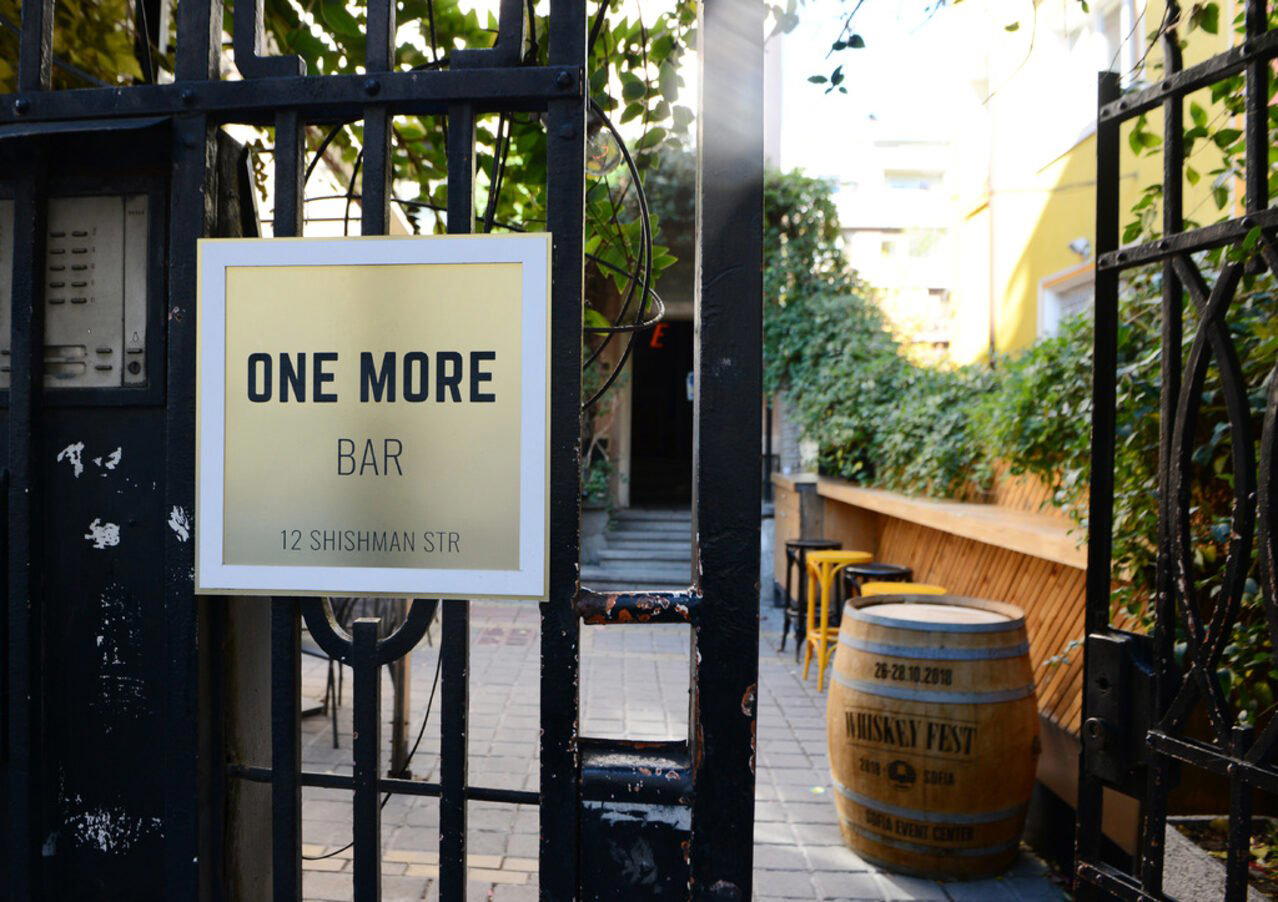
At a Glance
- Elegant
- Cozy
- Modern
- Family
- Group Dining
- Special Occasion
- Garden
- Private Dining
- Organic
- Local Sourcing
- Garden
Current opening hours
- Monday
- 12 PM–12 AM
- Tuesday
- 12 PM–12 AM
- Wednesday
- 12 PM–12 AM
- Thursday
- 12 PM–12 AM
- Friday
- 12 PM–12 AM
- Saturday
- 12 PM–12 AM
- Sunday
- 12 PM–12 AM
Hours can change for holidays and private events. Last verified .
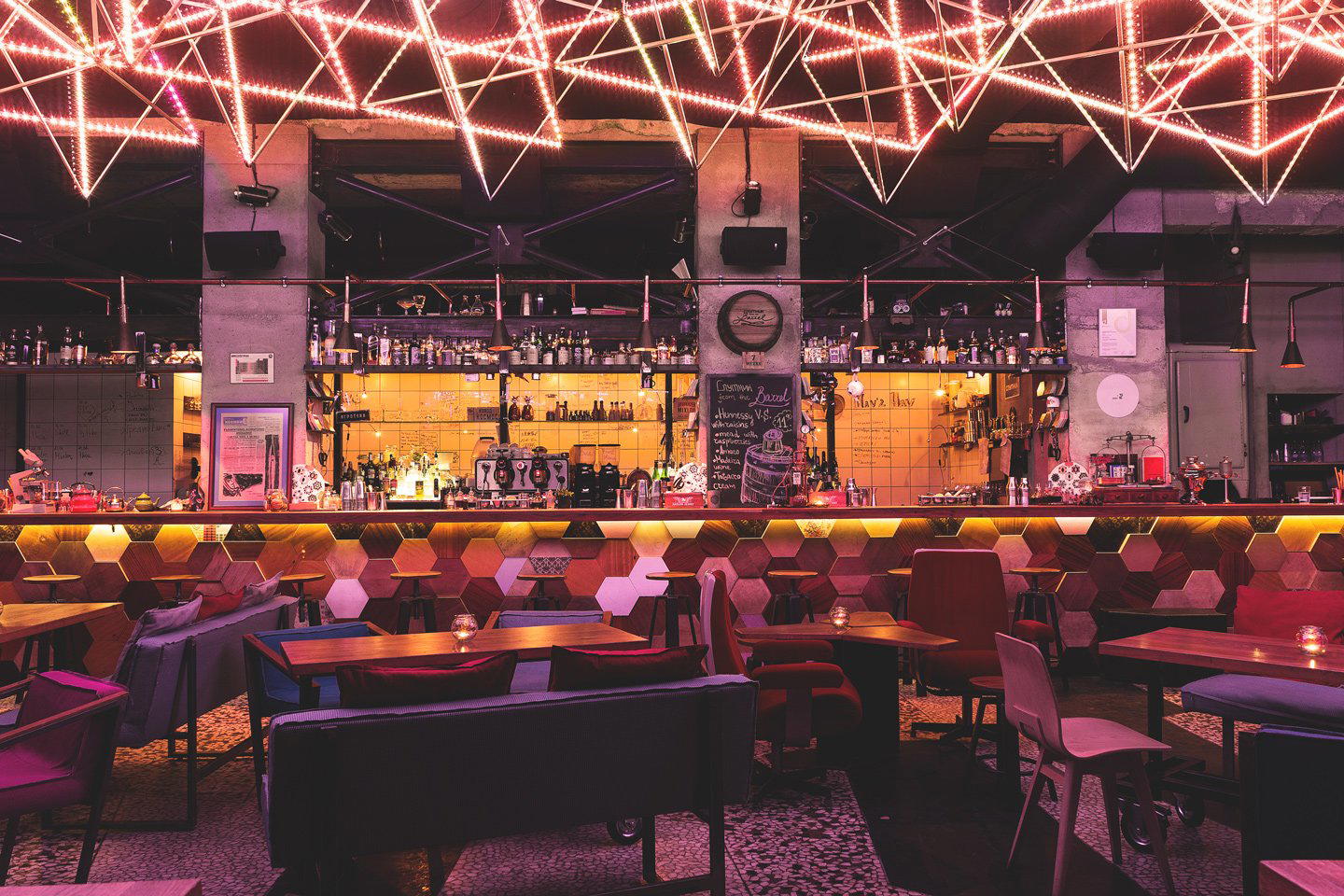
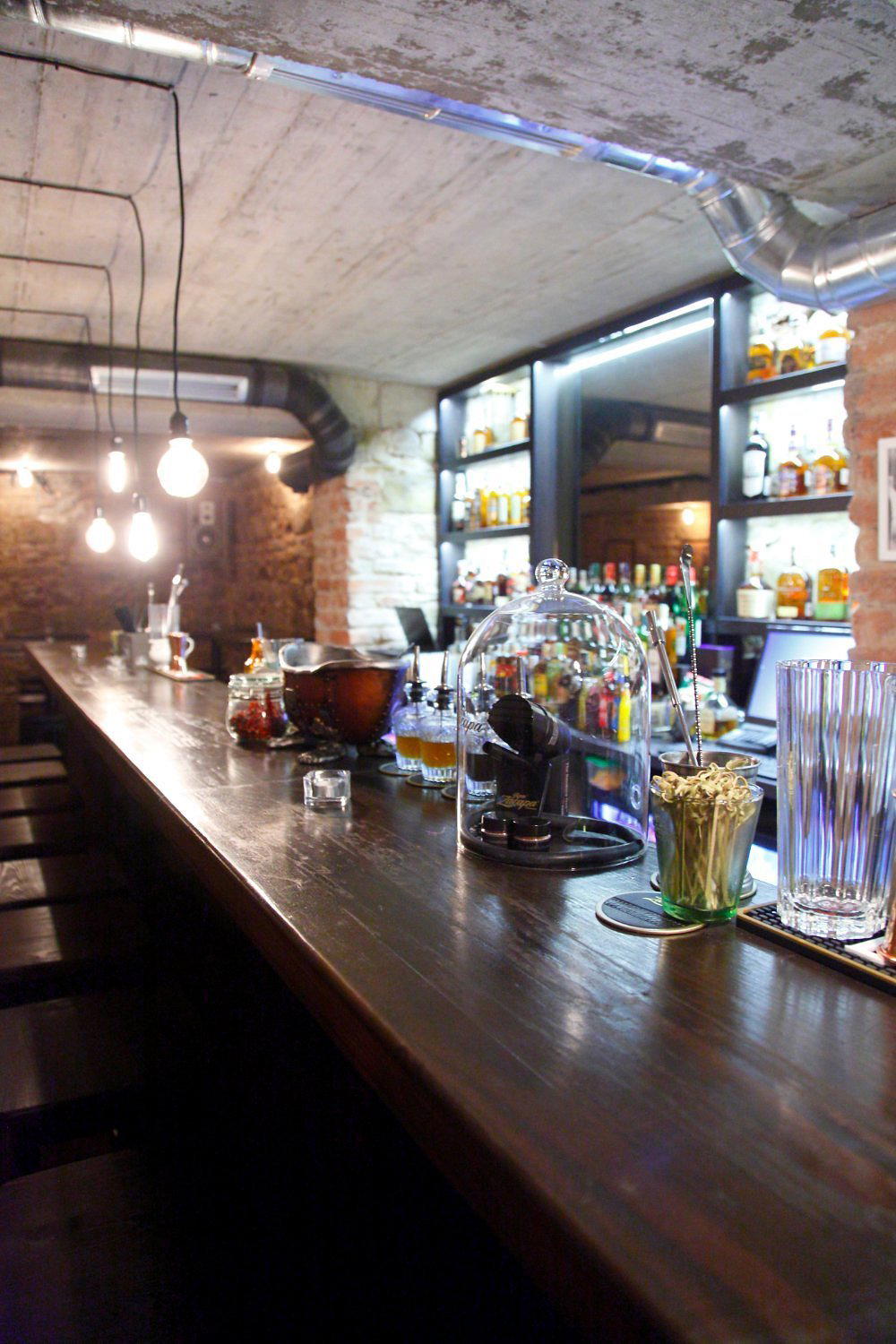
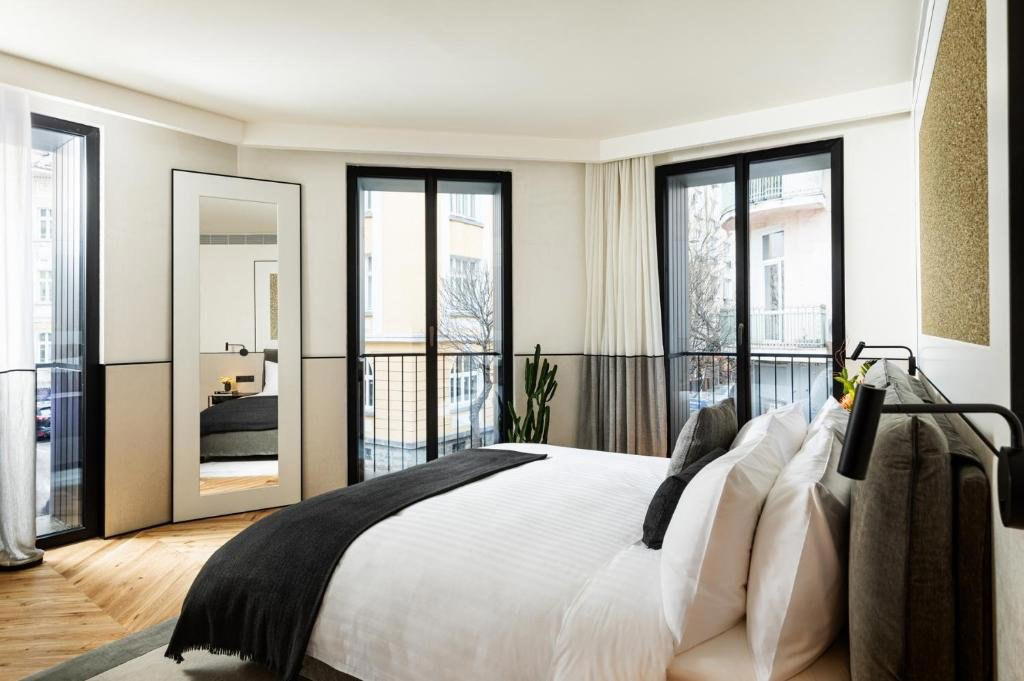
Elegant décor and individual architectural details create an atmosphere of uniqueness and coziness.