
A 500-acre Relais & Châteaux wine estate in Bulgaria's Melnik region, Zornitza Family Estate operates from a farm-to-table premise where the kitchen draws directly from its own land. it occupies a distinct tier among Bulgarian estate dining experiences. Reservations are handled through zornitza@relaischateaux.com or +359 87 776 2217.
Pearl is the En Primeur Club membership app — saves, bookings, and concierge access live there. Same editors, same standards.
- Address
- Staria Grad, ul. "Mesembrija" 28Б, 8231 Nessebar, Bulgaria
- Phone
- +359 55 445 231
- Website
- zornitza.info
- Directions
- Get directions
 Saves & bookings on Pearl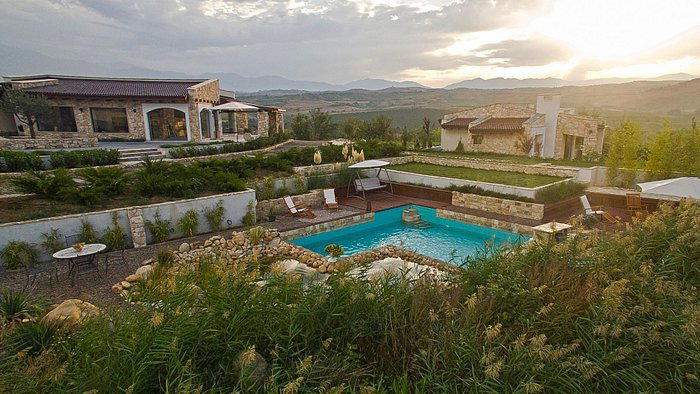
Where the Land Sets the Menu
Arriving at Zornitza Family Estate, the 500 acres announce themselves before any building does. The Melnik region of southwestern Bulgaria is vine country, defined by the sandy pyramidal rock formations that give the area its particular microclimate, and by the Melnik grape variety that has been cultivated here longer than most European wine appellations have existed. An estate of this scale, operating under the Relais & Châteaux banner with a working farm supplying its kitchen, positions the dining experience inside a specific tradition: one where the distance between field and plate is measured in walking minutes, not supply-chain logistics.
Farm-to-table as a category has been diluted by overuse, but the version practiced at estate properties like Zornitza operates differently from a city restaurant with a farmers' market relationship. When the estate's 500 acres include productive land, the kitchen is not selecting from a supplier catalogue. The season dictates the menu in a more direct sense, and the ingredients carry a traceability that sourcing partnerships at urban restaurants can only approximate. This matters particularly in Bulgarian farmhouse cooking, where the integrity of primary ingredients, fermented dairy, cured meats, garden vegetables, and indigenous grape varieties, has historically been the point of the cuisine rather than a supporting element.
Bulgarian Farmhouse Cooking in Its Natural Context
Bulgarian farmhouse cuisine is not the same animal as the modernist interpretations appearing at venues like Nikolas 0/360 in Sofia or the contemporary Bulgarian approaches emerging in urban dining rooms. The farmhouse register is direct and seasonal, built on clay-pot braises, slow-fermented cheeses, wood-fired breads, and preserved vegetables that reflect the Bulgarian winter pantry. At an estate property in the Melnik region, these techniques connect to a landscape that still produces the raw materials in traditional ways.
The Melnik region itself adds a layer of specificity that matters to anyone paying attention to provenance. The local Shiroka Melnishka Loza grape produces wines with structure and tannin that have earned international recognition since at least the nineteenth century, when the Melnik wine trade was a significant Balkan commercial enterprise. A kitchen operating inside a working winery estate has access to grape must, wine-based reductions, and the agricultural calendar of viticulture in ways that city restaurants approximating the same cuisine cannot replicate. For context on how estate-integrated dining works at different scales globally, the model has precedent at properties like Atelier Moessmer Norbert Niederkofler in Brunico, where regional sourcing is similarly non-negotiable rather than aspirational.
Chef Andrey Shmakov and the Kitchen's Frame of Reference
Chef Andrey Shmakov leads the kitchen at Zornitza. Within the broader context of estate dining, the chef's role at a property of this type is shaped by the estate itself: the kitchen's parameters are set by what the land produces each season, which tends to produce menus that change with more fidelity to the agricultural calendar than tasting menus at standalone city restaurants. Shmakov works within the Bulgarian farmhouse register, and the estate context means that the sourcing argument is built into the operation structurally rather than communicated as a marketing position.
For comparison, Aestivum, the other dining destination in Zornitza Village, represents the same regional approach from a different angle, making the village itself an interesting point of reference for understanding how Bulgarian farmhouse traditions are being interpreted at the current moment. The contrast between the two operations reflects a broader pattern in premium regional dining: the same ingredient base interpreted through different formats and price points, with the estate model typically anchoring the experience more firmly to a single place and its agricultural output.
The Relais & Châteaux Context
Relais & Châteaux membership carries specific weight in the hospitality tier where Zornitza operates. The association, founded in 1954, accepts properties on criteria including culinary standards, architectural character, and service consistency, and membership functions as a signal to a particular international traveller. 2 out of 5, a score that holds reasonably well across a significant sample size.
The property’s recognition comes through its hospitality positioning rather than through Michelin or the 50 Best lists. Travellers calibrated to those urban metrics will need to adjust their reference points when considering what membership and a 4.8 network rating actually signals here.
Ingredient Sourcing as the Organizing Principle
The sourcing argument at Zornitza is not decorative. A 500-acre estate in the Melnik region, operating within the Relais & Châteaux framework, implies a level of investment in land management and agricultural continuity that smaller farm-to-table operations rarely sustain. The Bulgarian farmhouse tradition already privileges preservation techniques, seasonal eating, and the use of whole animals and full harvests, so the estate model maps naturally onto those existing culinary habits rather than imposing a foreign concept onto local cooking.
The Melnik wine production that runs alongside the kitchen operation creates a natural pairing logic: food grown in the same soil as the wine, matched at the table without the interpretive distance that applies when a sommelier is selecting from a wine list assembled from multiple regions. This kind of vertical integration is comparatively rare in European estate dining, and it distinguishes the Zornitza model from a restaurant that simply sources locally but has no agricultural stake in the outcome. Properties at different scales achieve similar effects, from Aponiente in El Puerto de Santa María, where the marine ecosystem is the sourcing logic, to Arzak in San Sebastián, where Basque ingredient identity is the organizing principle of the kitchen, but the estate model in a wine region adds a specificity of terroir that few dining formats can match.
Planning a Visit
Estate is located at Staria Grad, ul. "Mesembrija" 28Б, 8231 Nessebar, Bulgaria, in the Melnik region of southwestern Bulgaria, accessible by road from Sofia in approximately three to four hours. Reservations and enquiries are handled by email at zornitza@relaischateaux.com or by phone at +359 87 776 2217. Given the estate's family-friendly positioning and its role as an overnight destination within the Relais & Châteaux network, combining the dining experience with a stay is the standard approach for international visitors rather than arriving solely for a meal. The Melnik wine region has a distinct peak season in autumn, when harvest activity adds a layer of direct engagement with the winemaking calendar that aligns naturally with the kitchen's seasonal programming.
Urban Bulgarian dining alternatives for comparison include Dieci Boutique Restaurant in Devino, which approaches Bulgarian cuisine from a different price point and urban format.
What to Order at Zornitza Family Estate
The menu at Zornitza follows the estate's agricultural calendar, so the specific dishes available at any given visit will reflect what the 500-acre property and the surrounding Melnik region are producing in that season. The Bulgarian farmhouse register that anchors the kitchen means that clay-pot preparations, estate-grown vegetables, fermented and preserved ingredients, and local meat cuts are the structural components of what appears on the plate. Wine pairings from the estate's own Melnik-region production are the logical choice, given the sourcing coherence between the vineyard and the kitchen. Visiting in autumn aligns the meal with harvest-season ingredients and the freshest vintage, which tends to produce one direct expression of what estate dining in this region can deliver.
Cost and Credentials
Comparable venues nearby, for context on price, style, and recognition.
| Venue | Cuisine | Price | Notes |
|---|---|---|---|
| Zornitza Family EstateThis venue — the venue you are viewing | Zornitza Village, Terroir Cuisine | $$$$ | Not listed |
| Корейски ресторант Юн | Izgrev, Authentic Korean BBQ | $$ | Not listed |
| Secret by Chef Petrov | Not listed | $$$$ | City Center, Modern Bulgarian Historical Tasting Menu |
| Dieci Boutique Restaurant | Not listed | $$$$ | Devino village, Modern Bulgarian-Italian Fusion Fine Dining |
| Shades of Red Restaurant | Not listed | $$$$ | Sofia Center, International with Royal Bulgarian Specialties |
| Bistro 55 | Not listed | $$$ | Zornitza Village, Melnik Area, Bulgarian, Asian & American Fusion Bistro |
Recognition history
Dated appearances from independent guides and award organizations, with the underlying list record or original source where available.
Relais Chateaux Award
Relais Chateaux
Continue exploring
More in Nessebar
Restaurants in Nessebar
Browse all →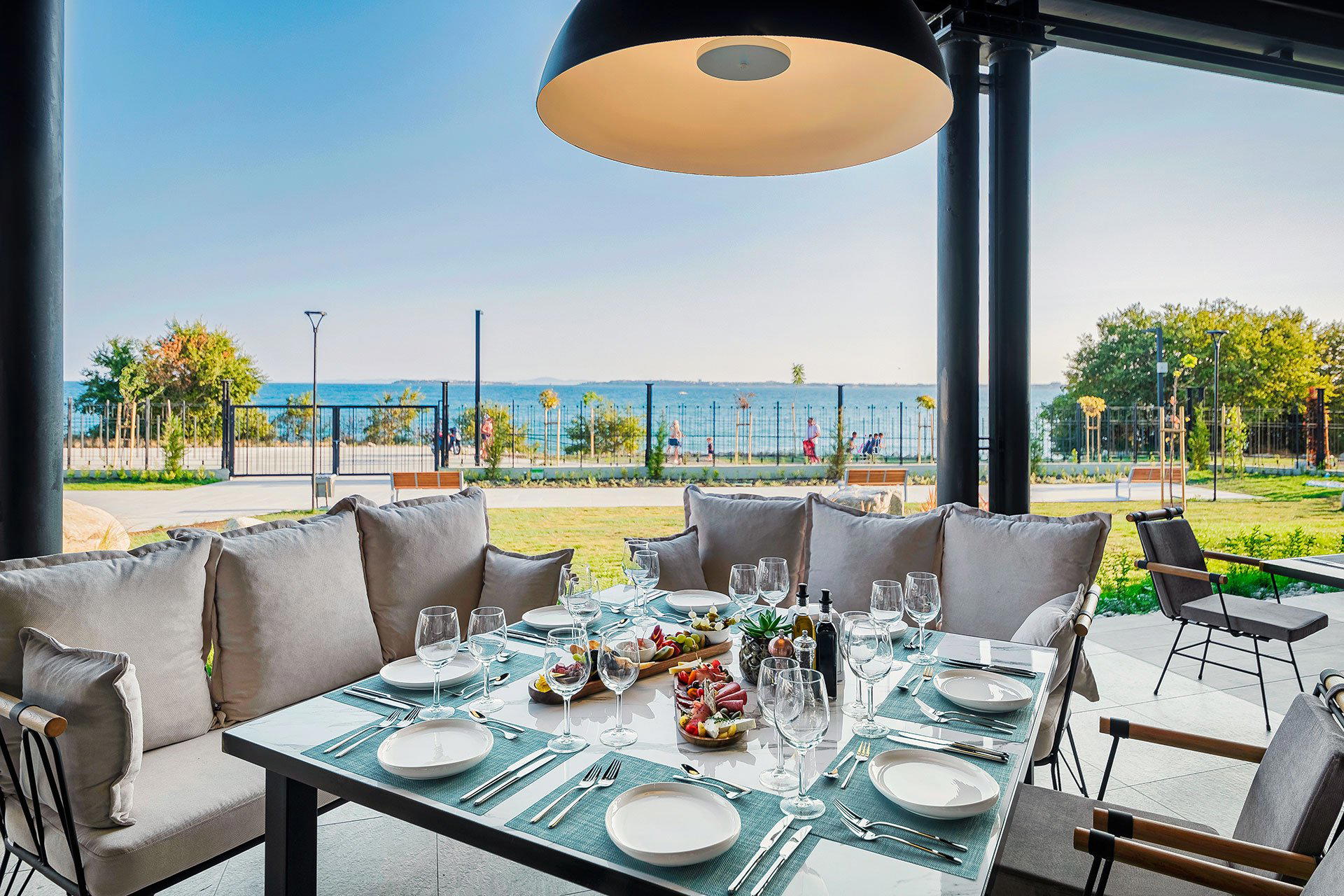
Bars in Nessebar
Browse all →
Hotels in Nessebar
Browse all →
At a Glance
- Romantic
- Elegant
- Cozy
- Scenic
- Sophisticated
- Rustic
- Date Night
- Special Occasion
- Celebration
- Wine Cellar
- Terrace
- Historic Building
- Extensive Wine List
- Sommelier Led
- Farm To Table
- Local Sourcing
- Vineyard
- Mountain
- Garden
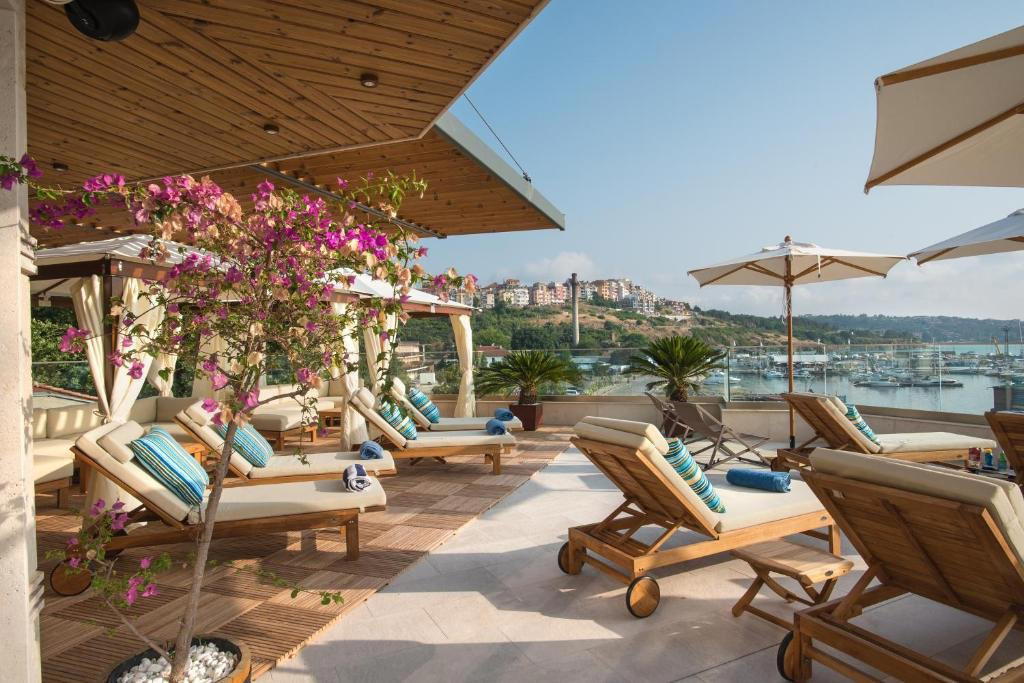
Stylish interiors with tall windows framing panoramic vineyard and mountain views, quiet music, cozy lighting, and a serene, luxurious atmosphere.