Our verdict
Altitude and Appetite: Dining at the top of Hanoi's Skyline Hanoi's restaurant geography has traditionally been horizontal, organised around the French Quarter's colonial arcades, the Old Quarter's 36 guild streets, and the lake-flanked terraces of Hoan Kiem. The city's vertical dining tier is smaller and more recent, a product of the high-rise residential and commercial towers that have reshaped the western districts over the past decade. At 62 floors above Cau Giay, 3 Spoons sits at the top of that vertical tier, inside Keangnam Hanoi Landmark Tower — a structure that, when it completed, ranked among the tallest buildings in Southeast Asia. The context matters: this is not simply a restaurant with a view, but a dining address embedded in the architectural moment that announced Hanoi's westward, upward ambitions. What the Keangnam Setting Tells You About the Meal The Landmark Tower complex occupies the Cau Giay New Urban Area, a zone that reads very differently from the compact, layered historicism of the Old Quarter. Wide boulevards, glass facades, and a dense concentration of international corporate offices create a neighbourhood whose dining culture skews toward business hospitality rather than the street-food spontaneity that defines Hanoi's older districts. Restaurants at this address in comparable cities — think the upper floors of Seoul's trade towers or the skyscraper dining rooms of Shanghai's Pudong, typically function as both food venue and meeting backdrop, where the view anchors the experience and the menu is calibrated to suit a broad, internationally mobile clientele. That context shapes what 3 Spoons is likely to offer: a setting where occasion and atmosphere are as deliberate as any dish on the plate. For visitors accustomed to Hanoi's street-level dining culture, which runs from single-dish phở shops to the more composed Vietnamese contemporary menus at places like Gia, a 62nd-floor dining room represents a structural departure. The tradeoff is conscious: you sacrifice the neighbourhood grain and the proximity to markets and producers that ground the city's leading ground-level kitchens, and you gain a spatial drama that few addresses anywhere in Vietnam can offer. Vietnamese Dining Traditions in a High-Rise Frame Vietnamese culinary culture is rooted in produce proximity. The country's regional cooking traditions, whether the herb-heavy broths of the north, the turmeric-bright dishes of the centre, or the coconut-inflected preparations of the south, all developed in close relationship with local markets, seasonal availability, and shared street-side rituals. Translating that culture into a tower-leading setting is a challenge that Hanoi's skyline restaurants have approached in different ways. Some opt for international or pan-Asian formats that sidestep the tension entirely. Others attempt to bring northern Vietnamese cooking into a more formal register, in the way that places like Tầm Vị or 1946 Cua Bac have done at street level with carefully sourced regional menus. High-altitude dining rooms across Vietnam have increasingly leaned into the country's talent for multi-course formats that borrow structural logic from tasting menus while keeping the flavour references distinctly local. This is the same impulse visible in venues like La Maison 1888 in Da Nang, where French-trained technique meets Vietnamese ingredient vocabulary, or in the more experimental directions taken by Akuna in Ho Chi Minh City. The Old Quarter Comparison and Why It Matters Hanoi's most celebrated food addresses tend to cluster around Hoan Kiem Lake and the Old Quarter's dense street grid. Venues like 19 P. Ngũ Xã operate in that tradition, where the address itself carries cultural weight and the food arrives in a context layered with neighbourhood history. Teppanyaki counters such as Hibana by Koki represent the city's appetite for international premium formats at serious price points, currently among the higher brackets in the Hanoi dining market. 3 Spoons, by contrast, occupies a position defined less by culinary lineage and more by location capital: the Keangnam tower address signals access to a particular kind of Hanoi experience that is less about historical depth and more about the city's contemporary, outward-facing identity. That is not a criticism. Cities are not monolithic, and the same Hanoi that maintains its phở rituals in 6am shophouses also operates an increasingly sophisticated tier of destination dining aimed at business travellers, expatriates, and domestic diners marking occasions. 3 Spoons sits in the latter category by geography alone, regardless of what the menu ultimately delivers. Planning Your Visit The Keangnam Hanoi Landmark Tower is located in the Yên Hòa ward of Cau Giay District, in Hanoi's western expansion zone. The address is a significant distance from the Old Quarter, and visitors staying in the historic centre should factor in travel time, particularly during Hanoi's peak evening traffic hours between 5pm and 7pm when the arterial roads through Cau Giay can slow considerably. The tower is a major landmark with clear signage, accessible by taxi or ride-hailing services without difficulty. Given the building's corporate-residential profile, arriving by private vehicle or app-based car is the most practical approach. For a broader map of where 3 Spoons fits within Hanoi's dining options, our full Hanoi restaurants guide places it alongside the city's other key dining tiers. Visitors building a multi-day Hanoi food itinerary might reasonably use 3 Spoons for one evening defined by setting and occasion, then balance it with the more ingredient-focused, street-level dining that gives the city its culinary character. That rotation, between the spectacular and the specific, between altitude and neighbourhood grain, is how experienced Hanoi diners tend to navigate a stay in a city that now operates across both registers simultaneously. For context on how Vietnam's dining culture extends across regions, venues from White Rose in Hoi An to Bún Bò Cẩm in Hue illustrate the country's regional breadth, while international reference points like Le Bernardin in New York and Lazy Bear in San Francisco frame what destination dining looks like at its most considered. Frequently Asked Questions Is 3 Spoons okay with children? A 62nd-floor setting in a commercial tower generally suits older children and adults comfortable with heights and a more formal dining environment. Hanoi's mid-range family dining options, available at lower price points across the city's residential districts, are likely a better fit for young children or large family groups. If the occasion calls for a special meal with older children or teenagers, the setting at Keangnam is inherently engaging in a way that few addresses in the city can replicate. What kind of setting is 3 Spoons? 3 Spoons occupies the 62nd floor of Keangnam Hanoi Landmark Tower in the Cau Giay district, placing it in Hanoi's small tier of high-altitude dining rooms. The setting skews toward occasion dining and business hospitality rather than the neighbourhood-embedded, street-level character that defines most of Hanoi's celebrated food addresses. In that respect, it is closer in format logic to hotel rooftop restaurants in comparable Southeast Asian capitals than to the Old Quarter's culinary institutions. What's the signature dish at 3 Spoons? Vietnamese cooking at this altitude and in this kind of tower-adjacent setting tends toward multi-course or buffet formats that draw on a range of regional traditions rather than a single defining dish. For venues with documented menus and confirmed culinary identities in Hanoi, Gia and Tầm Vị both offer more detailed culinary profiles. Other Vietnamese regional specialists worth noting include Mi Quang Ba Vi in Thanh Khe and Nhà hàng Madame Lân in Hai Chau. How does 3 Spoons compare to other rooftop or high-floor dining in Hanoi? Hanoi's rooftop and high-floor dining tier is small relative to cities like Bangkok or Ho Chi Minh City, which gives any 62nd-floor address a degree of scarcity value. 3 Spoons at Keangnam sits at the upper end of the city's vertical dining options by raw elevation. For comparison, most of Hanoi's celebrated hotel rooftop bars operate between the 18th and 30th floors. does not confirm pricing or awards for 3 Spoons, so direct comparison with confirmed premium venues like Hibana by Koki at the ₫₫₫₫ tier is not possible from the available record.

Pearl is the En Primeur Club membership app — saves, bookings, and concierge access live there. Same editors, same standards.
- Address
- New Urban Area, 62nd Floor, Keangnam Hanoi Landmark Tower, Plot E6 Cau Giay, Yên Hòa, Hà Nội, Vietnam
- Phone
- +84 24 3698 8888
- Hours
- Mon–Fri 6 AM–10 PMSat 6 AM–10:30 PMSun 6 AM–10 PM
- Directions
- Get directions
- Booking
- Book on OpenTable
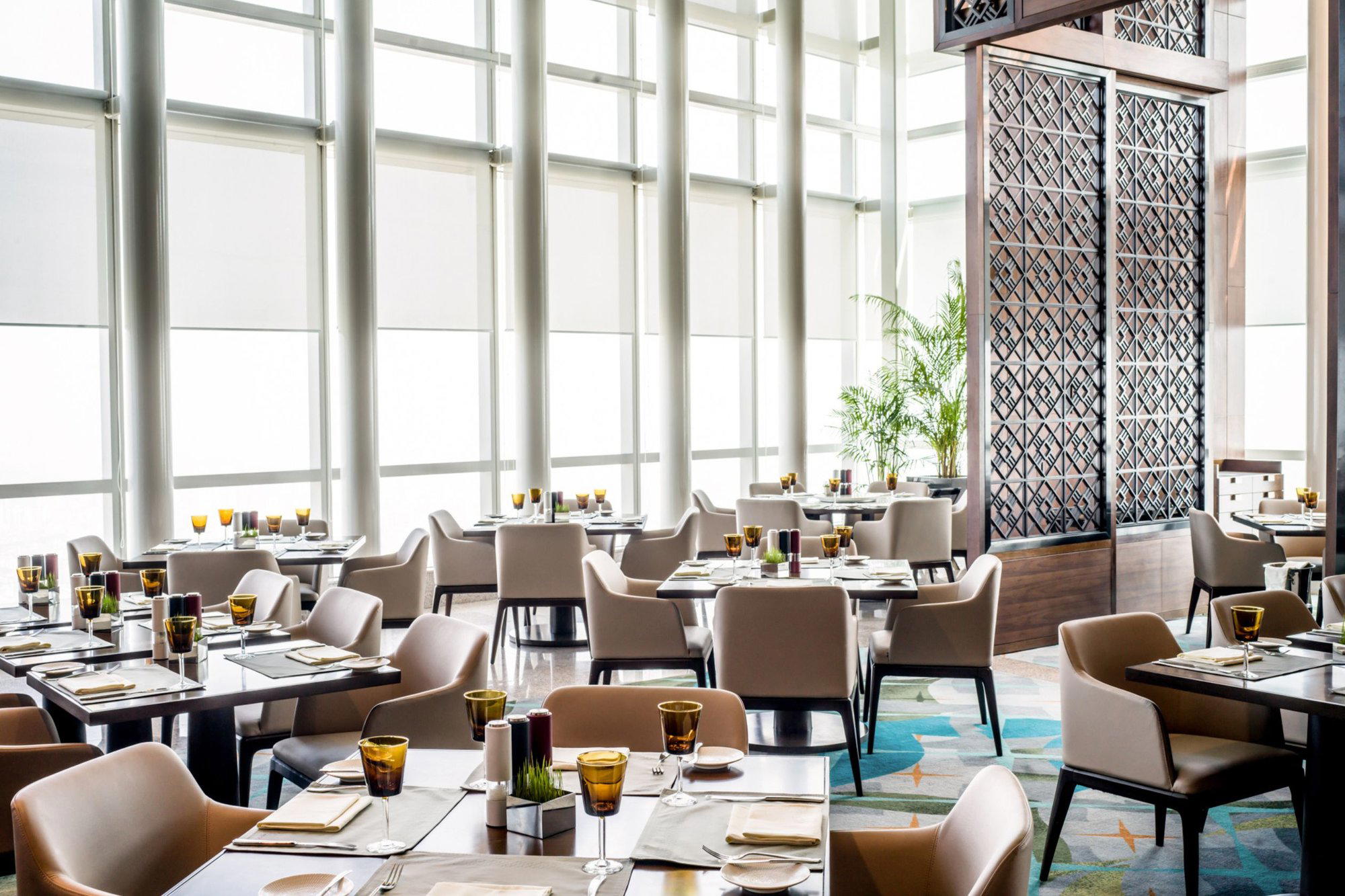
Altitude and Appetite: Dining at the top of Hanoi's Skyline
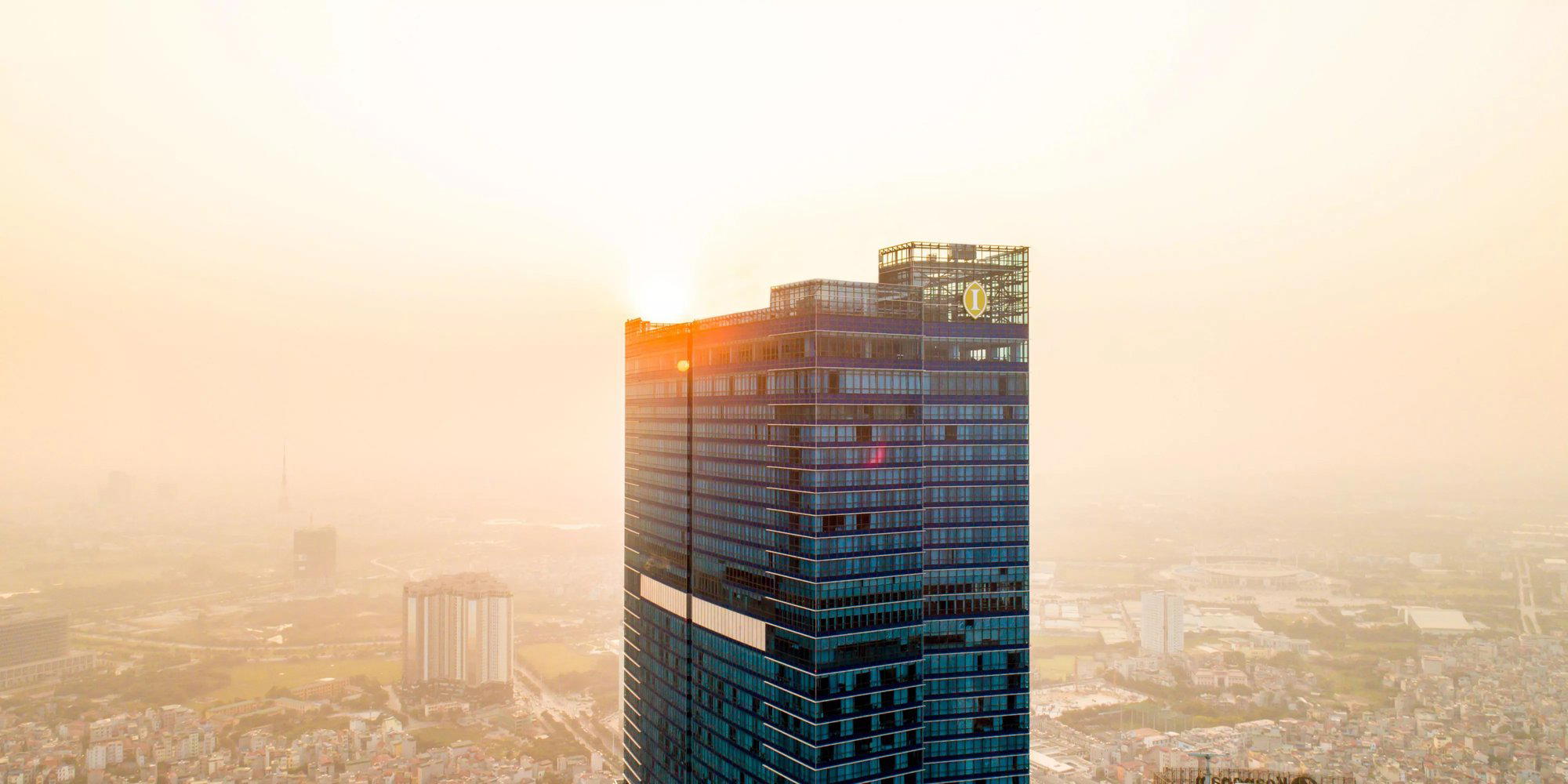
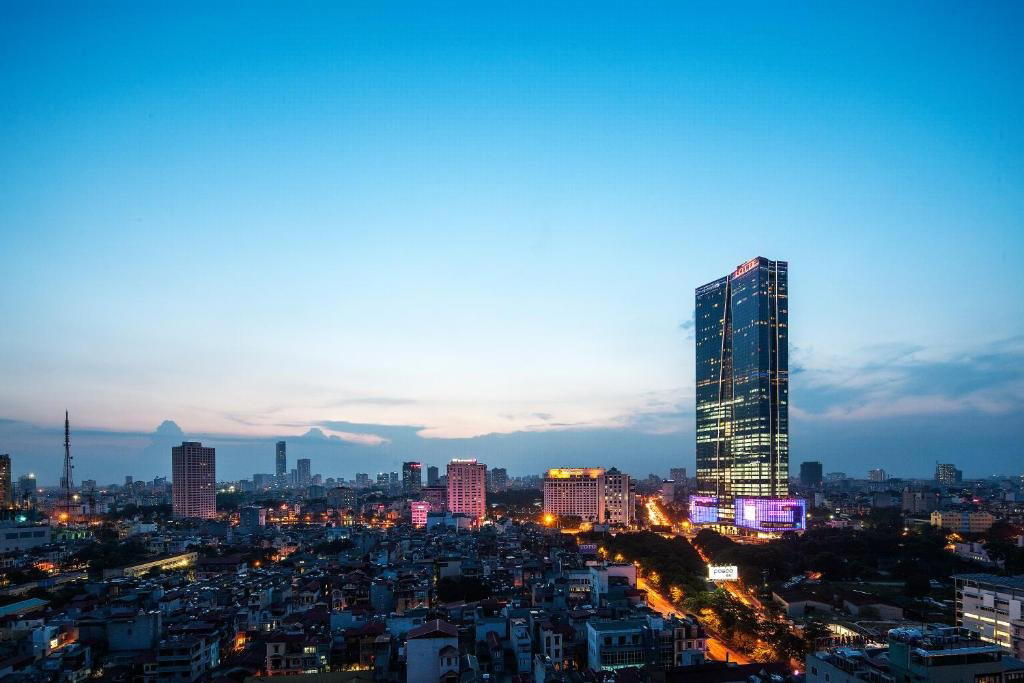
Hanoi's restaurant geography has traditionally been horizontal, organised around the French Quarter's colonial arcades, the Old Quarter's 36 guild streets, and the lake-flanked terraces of Hoan Kiem. The city's vertical dining tier is smaller and more recent, a product of the high-rise residential and commercial towers that have reshaped the western districts over the past decade. At 62 floors above Cau Giay, 3 Spoons sits at the top of that vertical tier, inside Keangnam Hanoi Landmark Tower — a structure that, when it completed, ranked among the tallest buildings in Southeast Asia. The context matters: this is not simply a restaurant with a view, but a dining address embedded in the architectural moment that announced Hanoi's westward, upward ambitions.
What the Keangnam Setting Tells You About the Meal
The Landmark Tower complex occupies the Cau Giay New Urban Area, a zone that reads very differently from the compact, layered historicism of the Old Quarter. Wide boulevards, glass facades, and a dense concentration of international corporate offices create a neighbourhood whose dining culture skews toward business hospitality rather than the street-food spontaneity that defines Hanoi's older districts. Restaurants at this address in comparable cities — think the upper floors of Seoul's trade towers or the skyscraper dining rooms of Shanghai's Pudong, typically function as both food venue and meeting backdrop, where the view anchors the experience and the menu is calibrated to suit a broad, internationally mobile clientele. That context shapes what 3 Spoons is likely to offer: a setting where occasion and atmosphere are as deliberate as any dish on the plate.
For visitors accustomed to Hanoi's street-level dining culture, which runs from single-dish phở shops to the more composed Vietnamese contemporary menus at places like Gia, a 62nd-floor dining room represents a structural departure. The tradeoff is conscious: you sacrifice the neighbourhood grain and the proximity to markets and producers that ground the city's leading ground-level kitchens, and you gain a spatial drama that few addresses anywhere in Vietnam can offer.
Vietnamese Dining Traditions in a High-Rise Frame
Vietnamese culinary culture is rooted in produce proximity. The country's regional cooking traditions, whether the herb-heavy broths of the north, the turmeric-bright dishes of the centre, or the coconut-inflected preparations of the south, all developed in close relationship with local markets, seasonal availability, and shared street-side rituals. Translating that culture into a tower-leading setting is a challenge that Hanoi's skyline restaurants have approached in different ways. Some opt for international or pan-Asian formats that sidestep the tension entirely. Others attempt to bring northern Vietnamese cooking into a more formal register, in the way that places like Tầm Vị or 1946 Cua Bac have done at street level with carefully sourced regional menus.
High-altitude dining rooms across Vietnam have increasingly leaned into the country's talent for multi-course formats that borrow structural logic from tasting menus while keeping the flavour references distinctly local. This is the same impulse visible in venues like La Maison 1888 in Da Nang, where French-trained technique meets Vietnamese ingredient vocabulary, or in the more experimental directions taken by Akuna in Ho Chi Minh City.
The Old Quarter Comparison and Why It Matters
Hanoi's most celebrated food addresses tend to cluster around Hoan Kiem Lake and the Old Quarter's dense street grid. Venues like 19 P. Ngũ Xã operate in that tradition, where the address itself carries cultural weight and the food arrives in a context layered with neighbourhood history. Teppanyaki counters such as Hibana by Koki represent the city's appetite for international premium formats at serious price points, currently among the higher brackets in the Hanoi dining market. 3 Spoons, by contrast, occupies a position defined less by culinary lineage and more by location capital: the Keangnam tower address signals access to a particular kind of Hanoi experience that is less about historical depth and more about the city's contemporary, outward-facing identity.
That is not a criticism. Cities are not monolithic, and the same Hanoi that maintains its phở rituals in 6am shophouses also operates an increasingly sophisticated tier of destination dining aimed at business travellers, expatriates, and domestic diners marking occasions. 3 Spoons sits in the latter category by geography alone, regardless of what the menu ultimately delivers.
Planning Your Visit
The Keangnam Hanoi Landmark Tower is located in the Yên Hòa ward of Cau Giay District, in Hanoi's western expansion zone. The address is a significant distance from the Old Quarter, and visitors staying in the historic centre should factor in travel time, particularly during Hanoi's peak evening traffic hours between 5pm and 7pm when the arterial roads through Cau Giay can slow considerably. The tower is a major landmark with clear signage, accessible by taxi or ride-hailing services without difficulty. Given the building's corporate-residential profile, arriving by private vehicle or app-based car is the most practical approach. For a broader map of where 3 Spoons fits within Hanoi's dining options, our full Hanoi restaurants guide places it alongside the city's other key dining tiers.
Visitors building a multi-day Hanoi food itinerary might reasonably use 3 Spoons for one evening defined by setting and occasion, then balance it with the more ingredient-focused, street-level dining that gives the city its culinary character. That rotation, between the spectacular and the specific, between altitude and neighbourhood grain, is how experienced Hanoi diners tend to navigate a stay in a city that now operates across both registers simultaneously. For context on how Vietnam's dining culture extends across regions, venues from White Rose in Hoi An to Bún Bò Cẩm in Hue illustrate the country's regional breadth, while international reference points like Le Bernardin in New York and Lazy Bear in San Francisco frame what destination dining looks like at its most considered.
Frequently asked questions
Is 3 Spoons okay with children?
A 62nd-floor setting in a commercial tower generally suits older children and adults comfortable with heights and a more formal dining environment. Hanoi's mid-range family dining options, available at lower price points across the city's residential districts, are likely a better fit for young children or large family groups. If the occasion calls for a special meal with older children or teenagers, the setting at Keangnam is inherently engaging in a way that few addresses in the city can replicate.
What kind of setting is 3 Spoons?
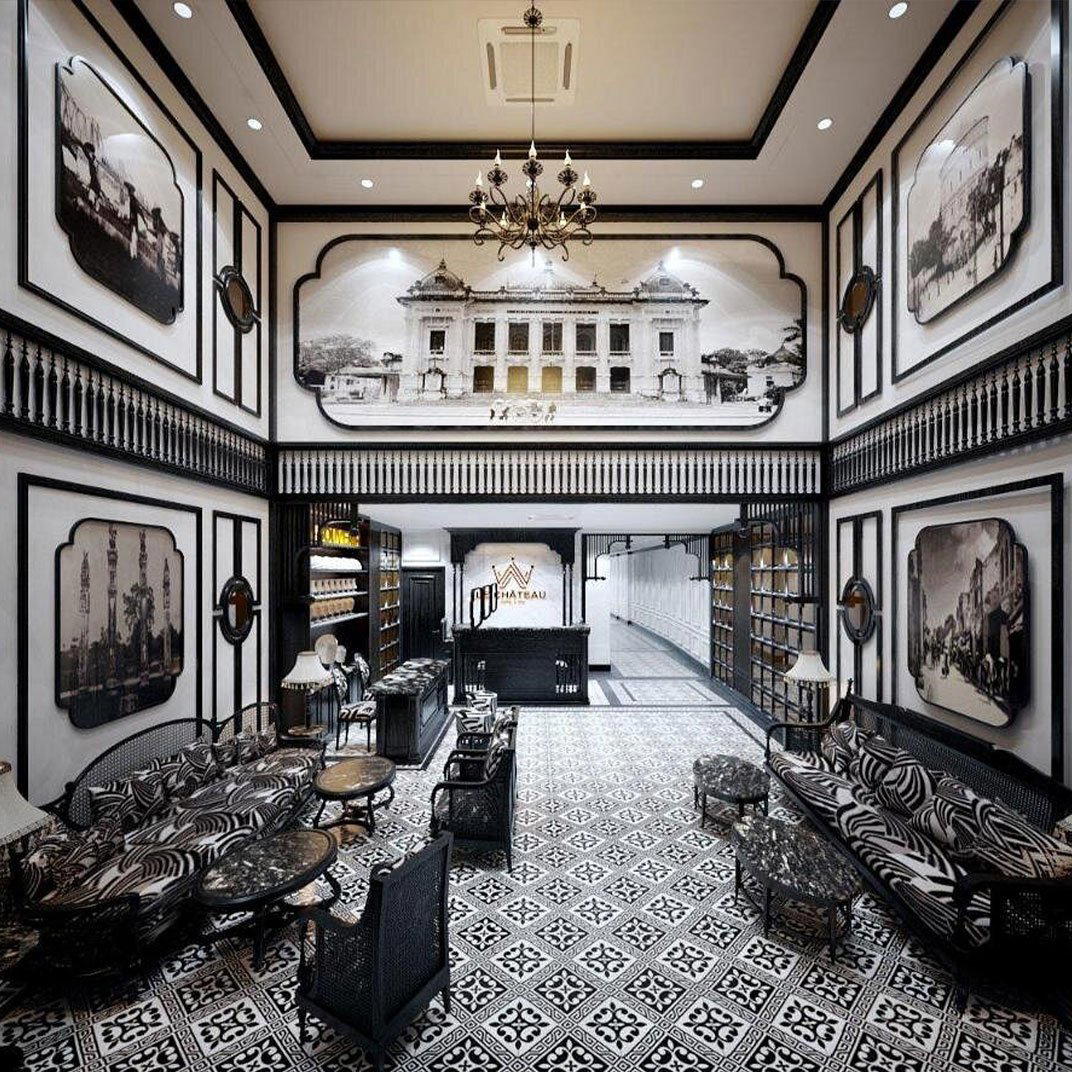
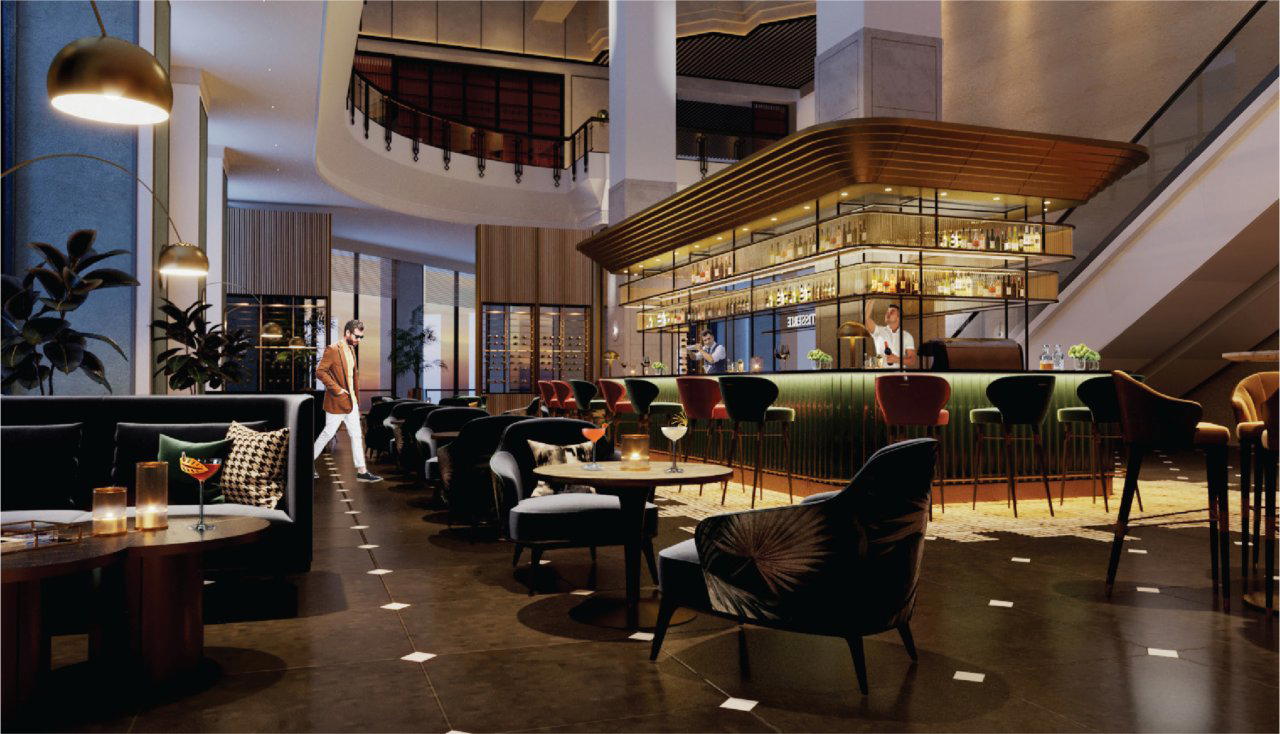
3 Spoons occupies the 62nd floor of Keangnam Hanoi Landmark Tower in the Cau Giay district, placing it in Hanoi's small tier of high-altitude dining rooms. The setting skews toward occasion dining and business hospitality rather than the neighbourhood-embedded, street-level character that defines most of Hanoi's celebrated food addresses. In that respect, it is closer in format logic to hotel rooftop restaurants in comparable Southeast Asian capitals than to the Old Quarter's culinary institutions.
What's the signature dish at 3 Spoons?
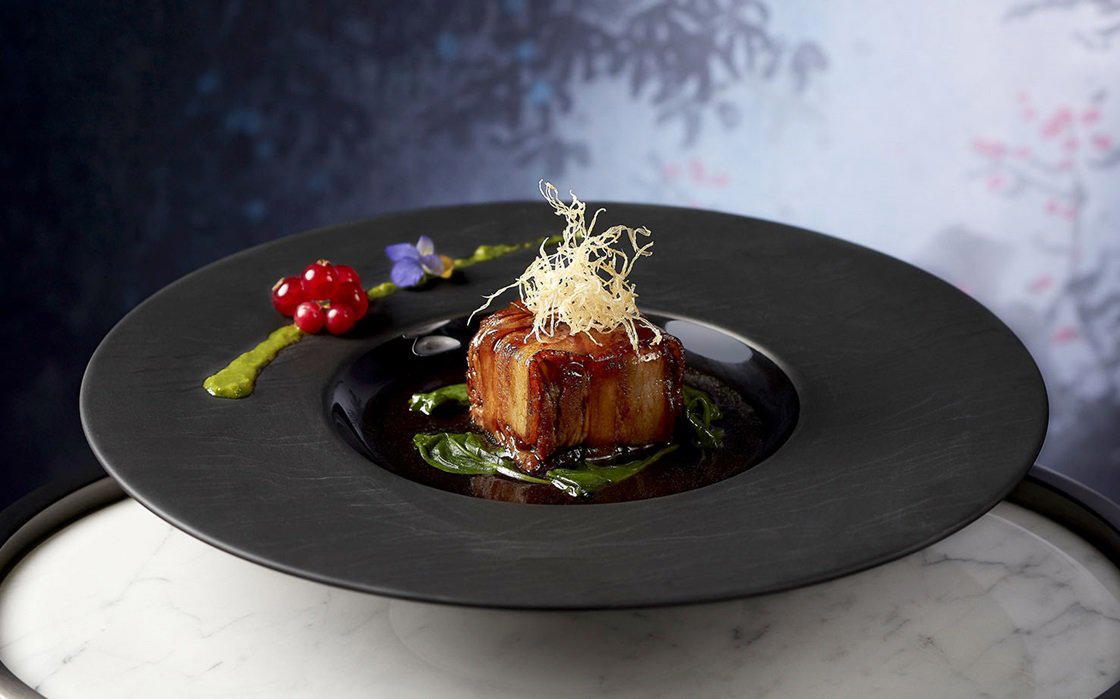
Vietnamese cooking at this altitude and in this kind of tower-adjacent setting tends toward multi-course or buffet formats that draw on a range of regional traditions rather than a single defining dish. For venues with documented menus and confirmed culinary identities in Hanoi, Gia and Tầm Vị both offer more detailed culinary profiles. Other Vietnamese regional specialists worth noting include Mi Quang Ba Vi in Thanh Khe and Nhà hàng Madame Lân in Hai Chau.
How does 3 Spoons compare to other rooftop or high-floor dining in Hanoi?
Hanoi's rooftop and high-floor dining tier is small relative to cities like Bangkok or Ho Chi Minh City, which gives any 62nd-floor address a degree of scarcity value. 3 Spoons at Keangnam sits at the upper end of the city's vertical dining options by raw elevation. For comparison, most of Hanoi's celebrated hotel rooftop bars operate between the 18th and 30th floors. does not confirm pricing or awards for 3 Spoons, so direct comparison with confirmed premium venues like Hibana by Koki at the ₫₫₫₫ tier is not possible from the available record.
Details
- Lively
- Elegant
- Energetic
- Scenic
- Sophisticated
- Brunch
- Family
- Group Dining
- Celebration
- Rooftop
- Open Kitchen
- Panoramic View
- Hotel Restaurant
- Organic
- Local Sourcing
- Skyline
- Buffet
- A La Carte
- Vegetarian Friendly
- Vegan Options
- Gluten Free Options
Current opening hours
- Monday
- 6 AM–10 PM
- Tuesday
- 6 AM–10 PM
- Wednesday
- 6 AM–10 PM
- Thursday
- 6 AM–10 PM
- Friday
- 6 AM–10 PM
- Saturday
- 6 AM–10:30 PM
- Sunday
- 6 AM–10 PM
Hours can change for holidays and private events. Last verified .
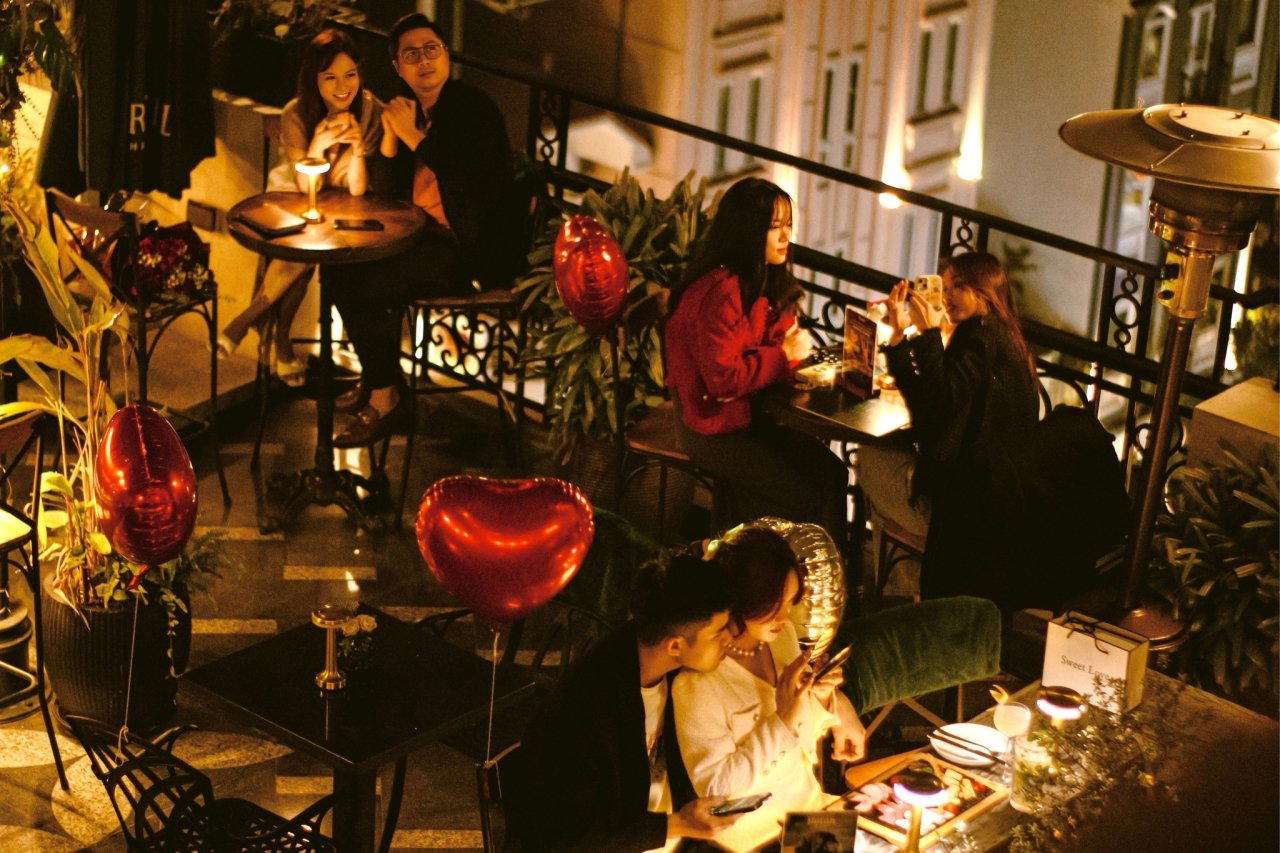
Lively and energetic atmosphere with panoramic city views, open kitchens, and lively buffet service.