
1 Michelin Star
Our verdict
ONVIT brings a Korean tasting-menu lens to Hanoi, using Vietnamese produce as the bridge rather than the backdrop. The room is elegant and quiet, the cooking is anchored by Chef Joon’s Korean heritage, and the signature abalone porridge with ST25 rice gives the experience its clearest cultural argument.

Pearl is the En Primeur Club membership app — saves, bookings, and concierge access live there. Same editors, same standards.
- Address
- 3F, Grand Plaza Hotel, 117 Tran Duy Hung Street, Yen Hoa Ward, Hanoi, Hanoi, 100000, VNM
- Phone
- +84 97 168 81 00
- Website
- onvithanoi.com
- Directions
- Get directions
- Booking
- Book on TableCheck
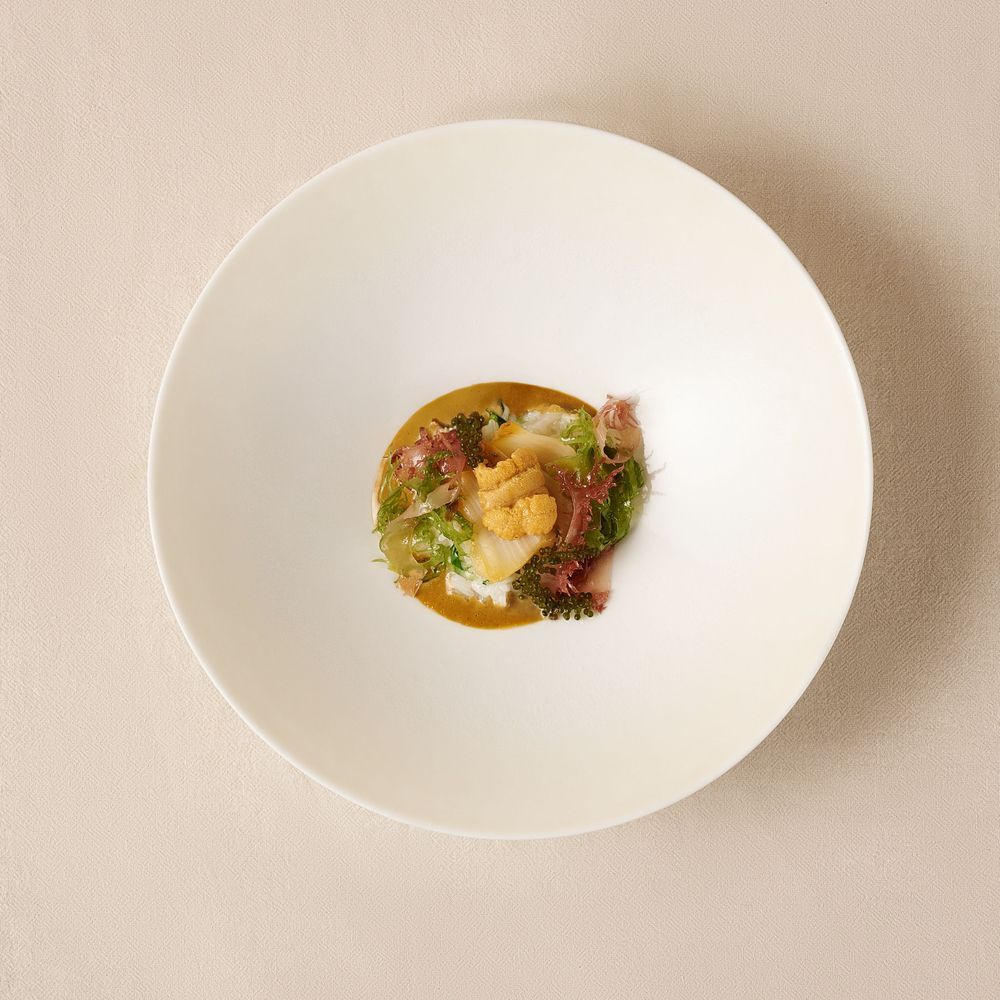
The menu
What to order
- Abalone porridge
- Naengchae
- Hanwoo bulgogi bite
In a city where eating can mean steam, pavement, metal stools, and the quick rhythm of everyday meals, ONVIT offers a different reference point for travelers building a premium itinerary. The appeal is not street-food nostalgia repackaged as a fixed story. It is a MICHELIN-recognised Hanoi restaurant that belongs in a more measured evening of dining.
A composed counterpoint to Hanoi’s everyday dining grammar
Hanoi’s dining identity is still shaped by dishes that reward repetition: phở at breakfast, bún chả at lunch, chả cá in the evening, each tied to a narrow grammar of broth, smoke, herbs, rice noodles, and fish sauce. That makes any more formal restaurant in the city take on a harder task than it would in other major Asian dining capitals. It has to justify ceremony in a place where the strongest food traditions often arrive without ceremony at all.
ONVIT’s answer is best read through its recognition rather than through unsupported claims about a particular menu or chef. The restaurant’s One MICHELIN Star gives it a clear external marker, but the more useful way to read it is as part of Hanoi’s expanding premium restaurant scene, where polished dining ambitions now sit alongside the city’s beloved everyday food culture.
That distinction places the restaurant away from Hanoi’s better-known casual canon. Cha Ca La Vong remains tied to a single-dish tradition, while Phở Bò Gà represents the city’s daily broth economy. French Grill operates in a different fine-dining lane, and JW Café speaks to hotel-scale breadth. ONVIT sits in a narrower category within the city’s premium dining conversation: a restaurant to consider when travelers have already eaten the city’s defining dishes and want to see how Hanoi’s dining scene is absorbing more formal restaurant language without losing sight of the city around it.
The meal is strongest when read as a statement of pace
The clearest idea at ONVIT is not a single documented dish so much as the way a MICHELIN-starred restaurant can change the tempo of eating in Hanoi. Where the city’s most famous meals often depend on speed, repetition, and a direct relationship between vendor and diner, ONVIT asks to be approached with more time. The value is in treating dinner as a planned part of the evening rather than as another quick stop on a food checklist.
That is where ONVIT has a firmer editorial position than many restaurants that simply trade on premium cues. It is not best understood through luxury language alone. Its role is to offer a more considered restaurant experience within Hanoi’s wider range, one that can sit beside casual institutions, hotel dining, and other premium rooms without needing to imitate them. In Vietnam, where high-end dining can move between international technique, large-format hospitality, and modern local interpretation, ONVIT’s One MICHELIN Star gives the restaurant a specific reason to be on a serious dining itinerary.
For a broader read on the city’s range, compare the mood with other Hanoi dining rooms and everyday local formats across the capital. Those points of contrast help frame how wide Hanoi’s restaurant spectrum has become, from direct Vietnamese staples to hotel dining and more polished rooms. ONVIT is not the whole story of eating in the city, but it is a useful chapter for diners who want a quieter, more deliberate counterpoint.
Where ONVIT fits in Hanoi now
The restaurant’s place in Hanoi also says something about contemporary dining geography. The city’s premium tables are no longer confined to a single kind of setting or one narrow idea of what a serious meal should look like. Across Hanoi, more controlled restaurant formats have become a natural home for dinners built around attention, pacing, and a clearer sense of occasion.
ONVIT suits a specific kind of Hanoi meal: one planned for reflection rather than speed. It is less useful as a first dinner in the city, when the sharper education often comes from noodles, grilled pork, turmeric fish, herbs, and market rhythm. It makes more sense later in the trip, after the city’s Vietnamese foundations are already clear. At that point, ONVIT becomes legible as part of a larger dining conversation rather than a substitution for Hanoi itself.
Travelers building a wider Vietnam dining itinerary can use this contrast across the country: resort-led dining, heritage-city restaurants, coastal rooms, and major-city restaurants all show how Vietnam’s premium restaurant scene now runs on several tracks at once. For Hanoi planning beyond dinner, see Our full Hanoi restaurants guide, Our full Hanoi hotels guide, Our full Hanoi bars guide, Our full Hanoi wineries guide, and Our full Hanoi experiences guide. For diners thinking more broadly about Asia’s formal and comfort-driven restaurant formats, ONVIT also raises a useful question: how familiar ways of eating change when they enter a more curated dining frame.
Frequently asked questions
Would ONVIT be comfortable with kids?
ONVIT is a MICHELIN-starred restaurant in Hanoi, so families should check directly with the restaurant about children, booking policies, and the best time to visit.
What is the atmosphere like at ONVIT?
ONVIT is best approached as a One MICHELIN Star restaurant in Hanoi and as part of the city’s more serious dining scene.
Is ONVIT award-winning?
Yes. ONVIT has been awarded One MICHELIN Star by the MICHELIN Guide.
Where is ONVIT in Hanoi?
Hanoi.
Budget and Context
Nearby venues at a similar price tier for orientation.
| Venue | Cuisine | Price | Awards | Notes |
|---|---|---|---|---|
| ONVITThis venue — the venue you are viewing | Korean Fine Dining | Not listed | 1 Michelin Star | Not listed |
| Cha Ca La Vong | Hanoi Grilled Turmeric Fish (Cha Ca La Vong) | $1–10 | Not listed | Vietnamese Street Food |
| Phở Bò Gà | Hanoi Pho Bo & Pho Ga | $1–10 | Not listed | Not listed |
| JW Café | International Buffet | $50–100 | Not listed | Not listed |
| Chinese Restaurant Wong Chi Ming | Traditional Cantonese with Dim Sum | $30–50 | Not listed | Not listed |
| French Grill | Modern French Fine Dining | Not listed | Michelin Plate · Star Wine List | French Contemporary, ₫₫₫₫ |
Recognition history
Dated appearances from independent guides and award organizations, with the underlying list record or original source where available.
Michelin 1 Star
Michelin




Details
- Elegant
- Sophisticated
- Intimate
- Modern
- Date Night
- Business Dinner
- Group Dining
- Special Occasion
- Hotel Restaurant
- Design Destination
- Private Dining
- Local Sourcing
- Tasting Menu
- Prix Fixe
- Wine
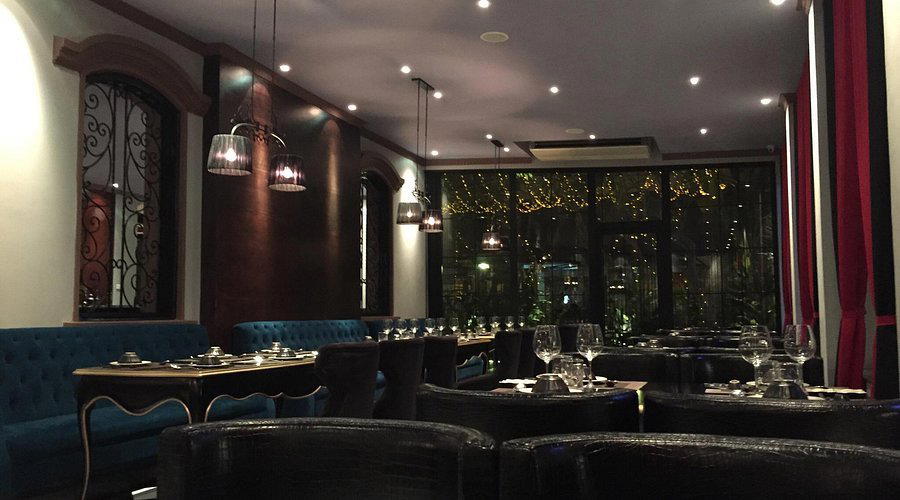
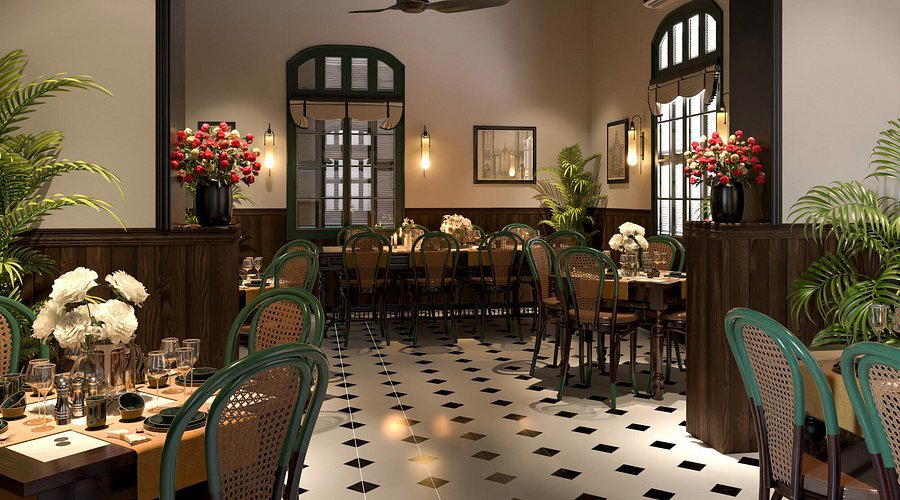
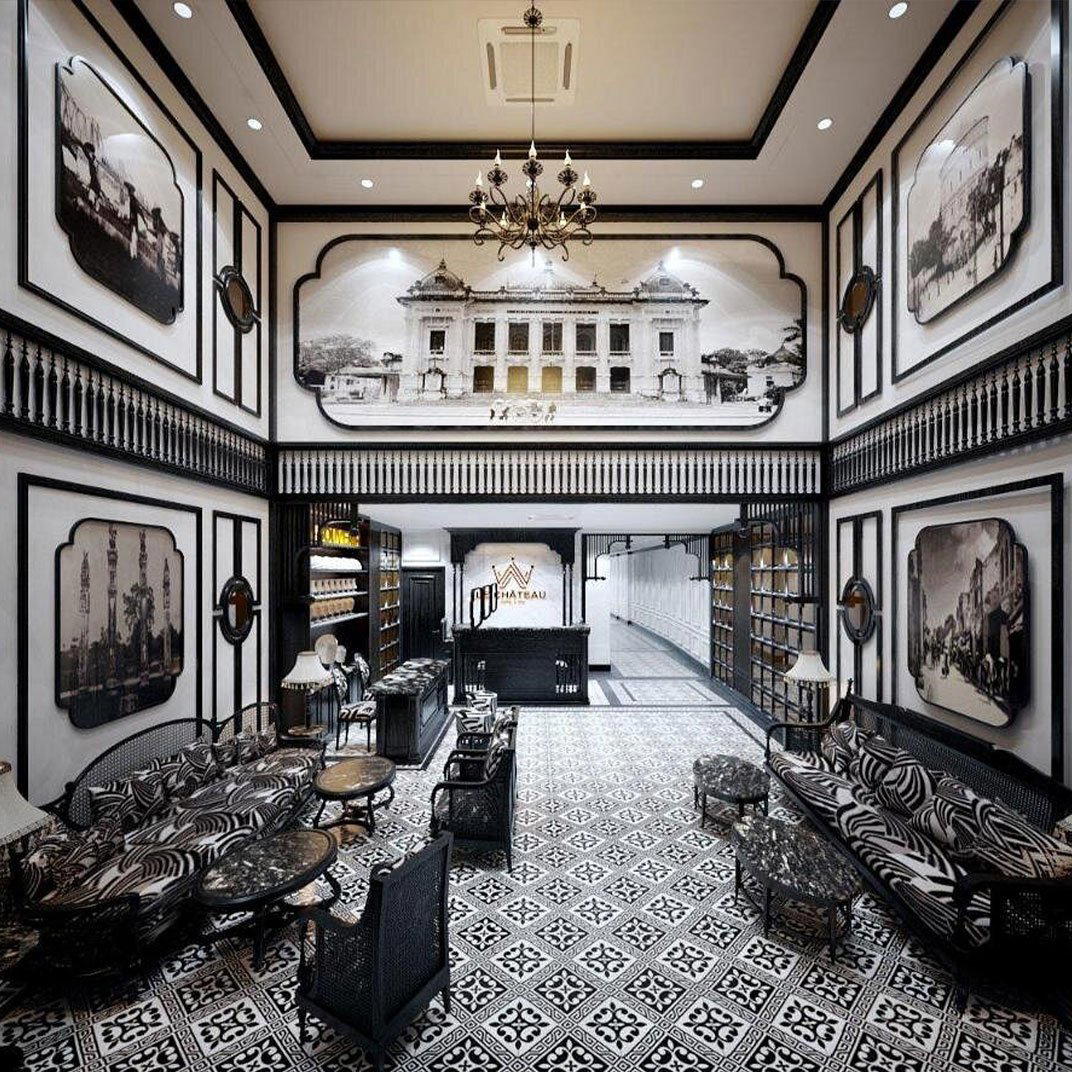
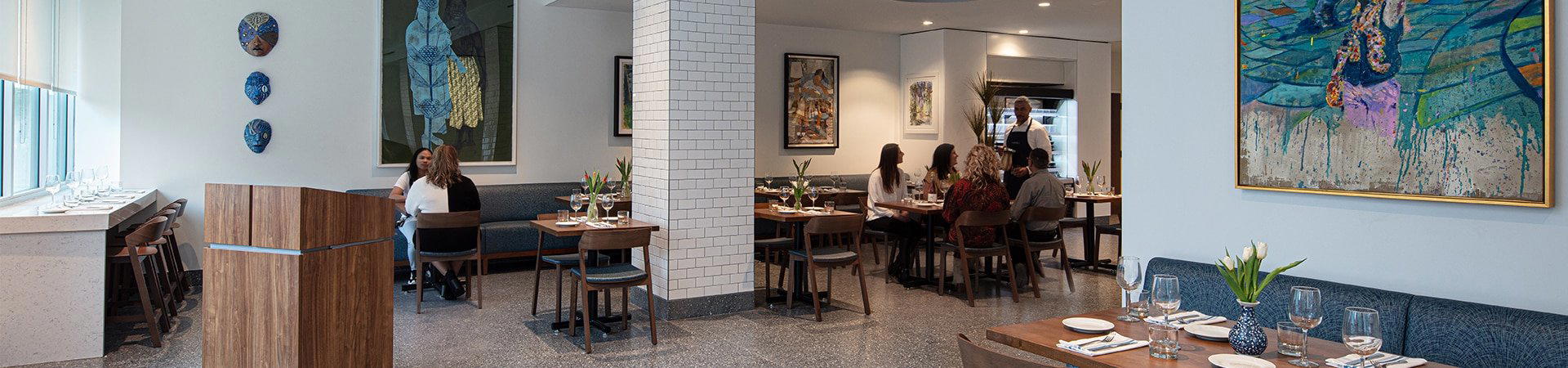
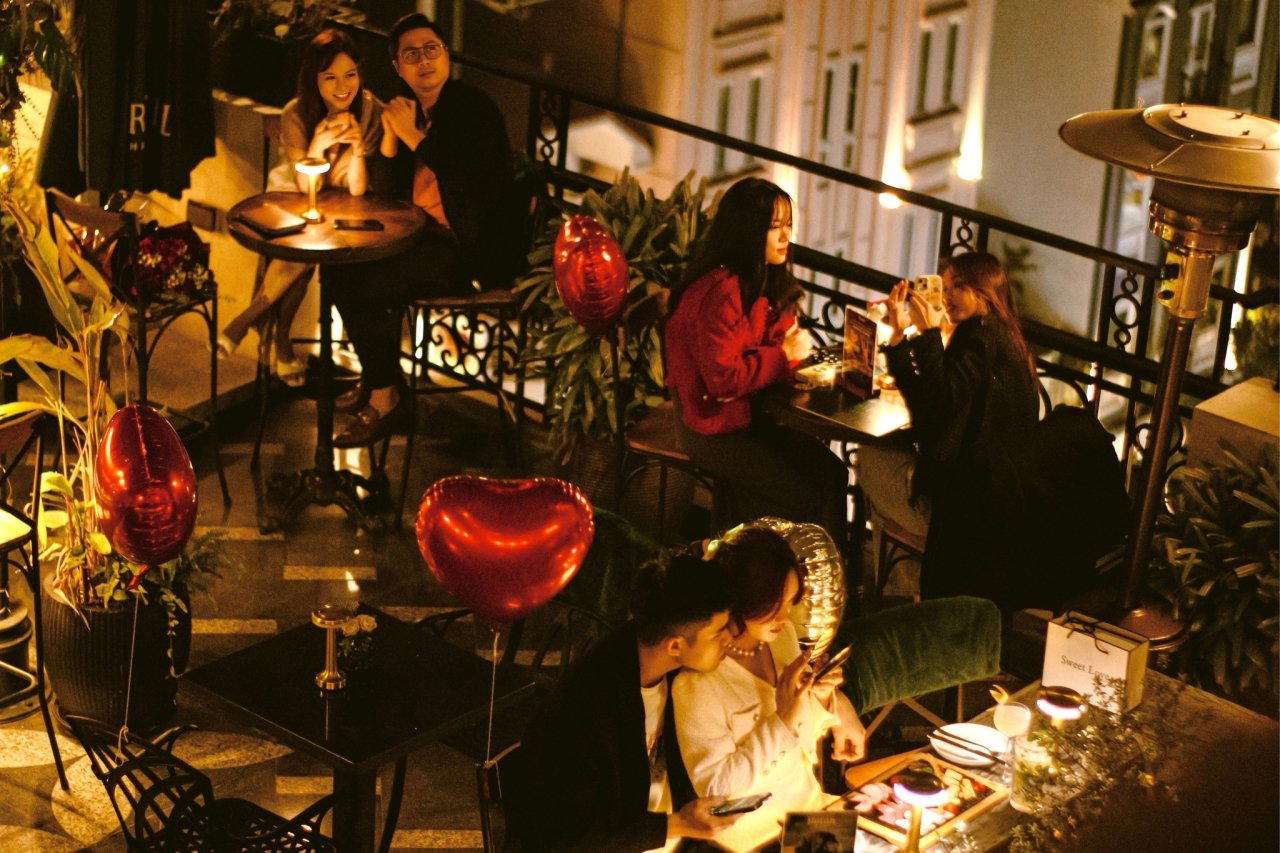
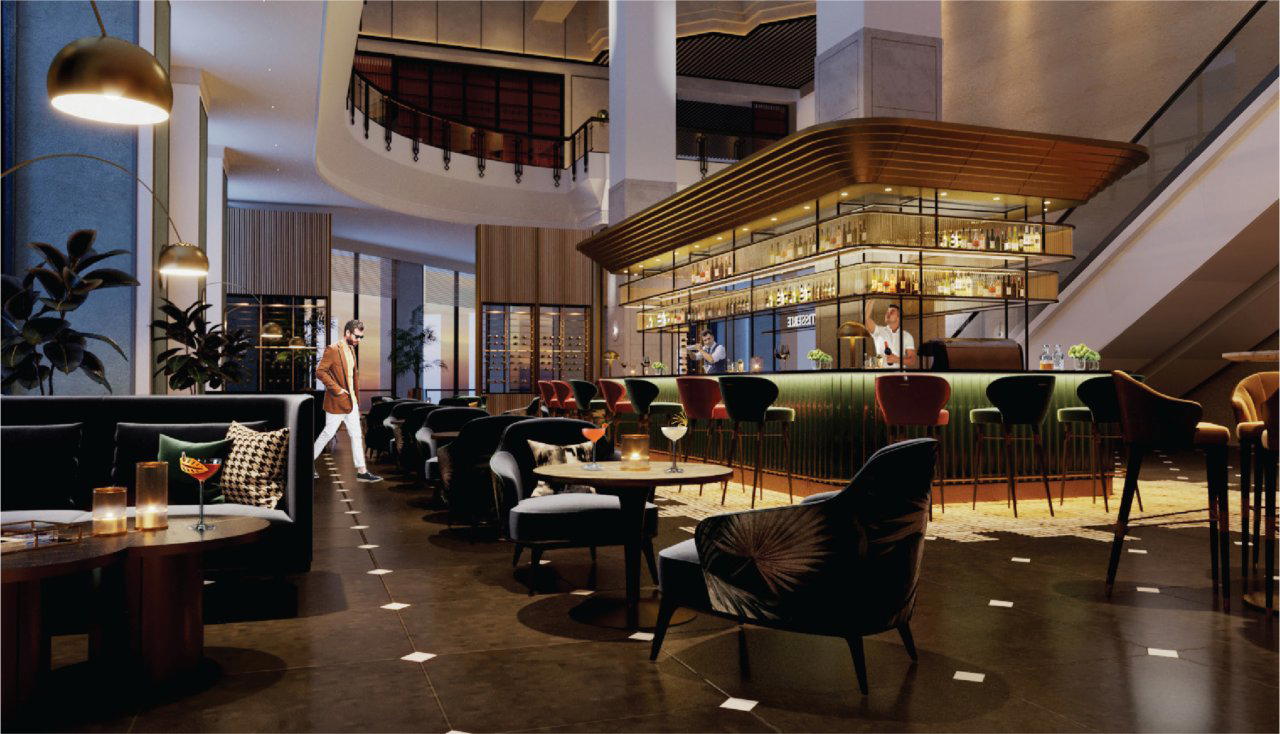
Private, comfortable, and elegant, with an atmosphere of cultural reverence and quiet sophistication.