25 Lusk
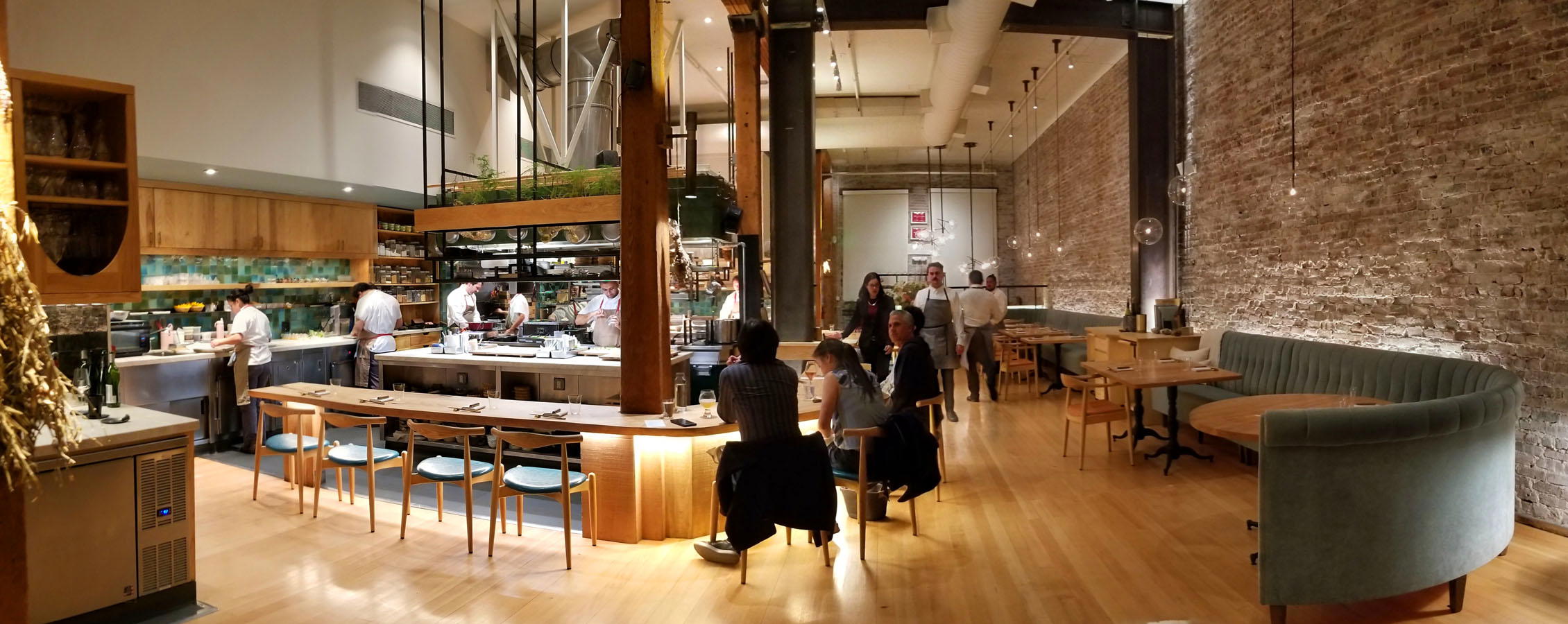
25 Lusk occupies a converted 1917 warehouse in San Francisco's SoMa district, where exposed brick, steel infrastructure, and a subterranean lounge create one of the neighbourhood's most architecturally committed dining rooms. The kitchen works a seasonal American menu that positions the restaurant within SoMa's upper-mid tier, alongside the city's broader wave of design-conscious, ingredient-led dining.
Pearl is the En Primeur Club membership app — saves, bookings, and concierge access live there. Same editors, same standards.
- Address
- 25 Lusk St, San Francisco, CA 94107
- Phone
- (415) 495-5875
- Website
- 25lusk.com
- Directions
- Get directions
 Saves & bookings on Pearl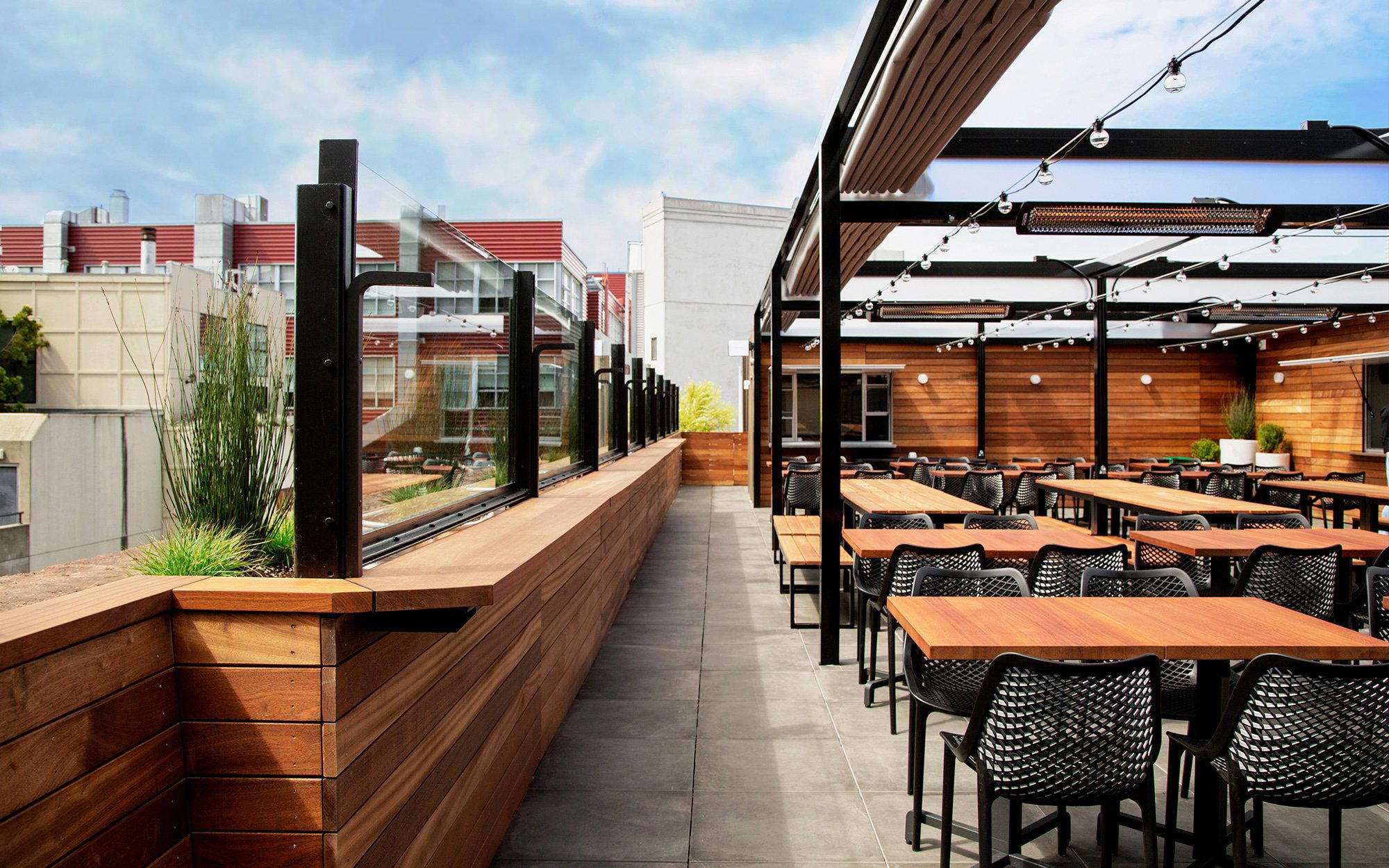
A Warehouse Remade: The Space That Defines the Experience
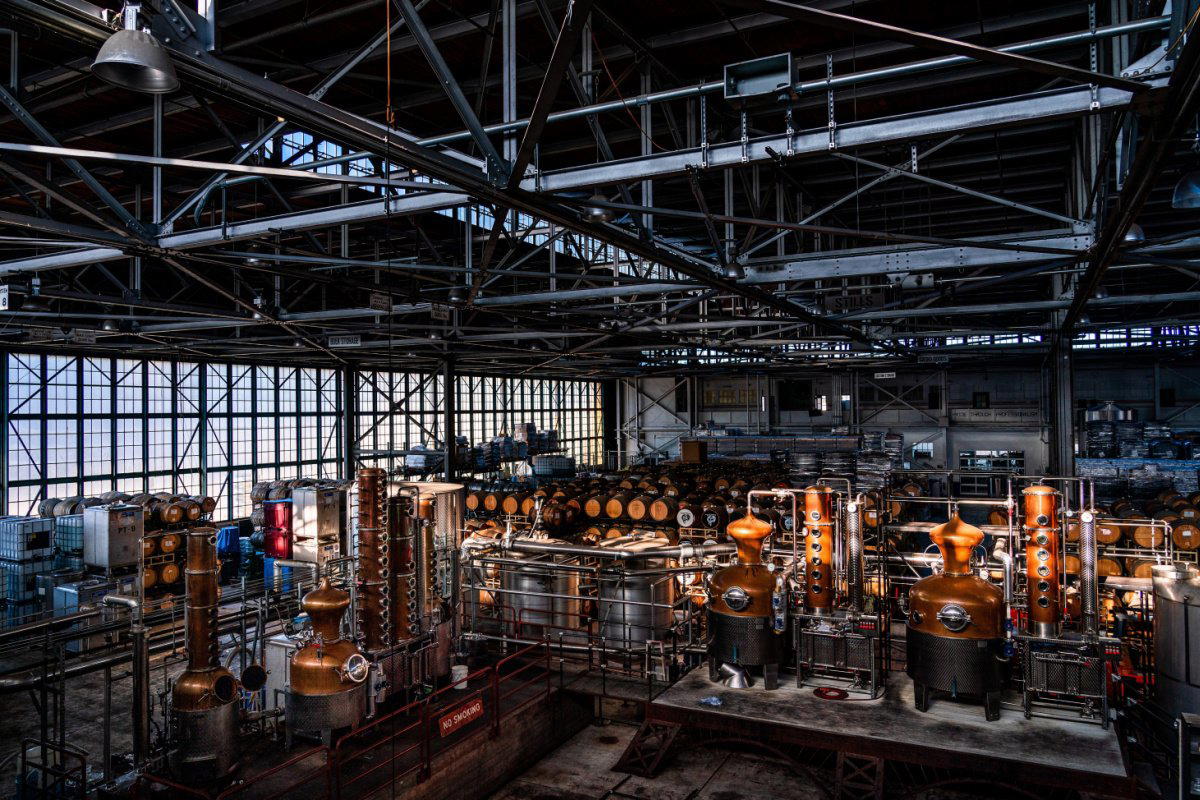
San Francisco's SoMa district has spent two decades converting its industrial stock into dining and drinking rooms, with results that range from perfunctory exposed-brick gestures to genuinely considered spatial transformations. 25 Lusk sits in the latter category. The address is a 1917 warehouse on a quiet stretch of Lusk Street, a block that reads more loading dock than restaurant row, and the building's bones, steel beams, raw concrete, the kind of volume that resisted subdivision, have been preserved rather than softened. What you get is a dining room that reads large without feeling cavernous, where the architecture does interpretive work before the food arrives.
The two-level layout separates the experience in a way that matters operationally. The ground-floor dining room carries the main service, with sightlines across an open kitchen and enough ceiling height to absorb the noise of a full house without forcing table neighbours to shout. Below it, a lounge-bar occupies the building's original subterranean space, lower-lit and more compressed, and suited to the kind of pre-dinner or standalone drink that SoMa's working population demands on weekday evenings. The split format is common to converted industrial spaces in New York and Chicago, but in San Francisco it remains less standard, which gives 25 Lusk a structural identity that most of the city's upper-tier rooms, purpose-built or FiDi conversion, don't share.
For a useful reference point on how San Francisco handles the space-as-statement approach, the contrast with Lazy Bear is instructive. Lazy Bear turns the dining room into a deliberate social architecture, communal tables, a fixed progression, a format that foregrounds the room's choreography. 25 Lusk works differently: the space is present and readable, but service follows a conventional à la carte rhythm that lets the building recede when guests want it to. Both approaches work; they serve different appetites for how much the room should direct the evening.
SoMa's Dining Position and the Competitive Tier
SoMa is not the city's most concentrated fine-dining neighbourhood. That distinction belongs to the blocks around the Financial District and the Ferry Building corridor, where Quince and Benu anchor the highest-price, most-decorated tier. SoMa operates one bracket down in both price and critical intensity, which means its better restaurants, including the restaurant, compete on atmosphere and cooking quality rather than tasting-menu formalism or Michelin accumulation. That is not a criticism; it is a different offer, and for a significant share of San Francisco's dining population, it is a preferable one.
Within SoMa, the restaurant is positioned toward the upper end. The kitchen's seasonal American approach places it alongside the broader California-ingredient wave that runs from Saison at the extreme end of sourcing rigour down through a range of producers-on-the-menu rooms. The format here is less austere than Saison's wood-fire-only programme and less architecturally formal than Atelier Crenn's tasting structure, which puts the restaurant in the category of restaurants where the room and the cooking operate as equals rather than one clearly dominating the other.
For context outside San Francisco, the design-committed converted-industrial model has equivalents across American fine dining. Alinea in Chicago and Blue Hill at Stone Barns in Tarrytown both demonstrate how much the physical container contributes to a meal's perceived value, even when the cuisine styles diverge entirely. The restaurant works with a smaller version of the same logic: the building is an argument for the restaurant, not just a backdrop. West Coast counterparts worth considering include Providence in Los Angeles and Single Thread Farm in Healdsburg, both of which treat spatial design as integral to the dining proposition. Further afield, Le Bernardin in New York, The French Laundry in Napa, Addison in San Diego, Emeril's in New Orleans, Bacchanalia in Atlanta, The Inn at Little Washington, Atomix in New York, and 8½ Otto e Mezzo Bombana in Hong Kong each illustrate how differently the relationship between space and cooking resolves at the summit of the market.
Planning a Visit
The restaurant is on Lusk Street in SoMa, a block south of Folsom and walkable from Caltrain at 4th and King or accessible by rideshare from anywhere in central San Francisco. The neighbourhood's street-level quiet makes arrival feel slightly removed from the city's main currents, which is part of the appeal. The building's address, a short, named alley rather than a numbered arterial, means first-time visitors should allow a few extra minutes to orient. Reservations are advisable for weekend dinner, particularly if the party size is larger than two; weekday evenings at the bar-lounge level tend to be more accessible without advance planning.
At a Glance
Comparable venues nearby, for context on price, style, and recognition.
| Venue | Cuisine | Price | Notes |
|---|---|---|---|
| 25 LuskThis venue — the venue you are viewing | Not listed | $$$ | Not listed |
| The Rotunda | Not listed | $$$ | Financial District/South Beach, Contemporary American |
| Hillstone | Not listed | $$$ | North Beach, Modern American with Asian influences |
| Indigo | Marina, Modern Californian American | $$$ | Not listed |
| Range | Not listed | $$$ | Mission, Modern California-Inspired American |
| Sweet Maple | Not listed | $$$ | Pacific Heights, American Breakfast & Brunch with Asian Fusion |
Continue exploring
More in San Francisco
Restaurants in San Francisco
Browse all →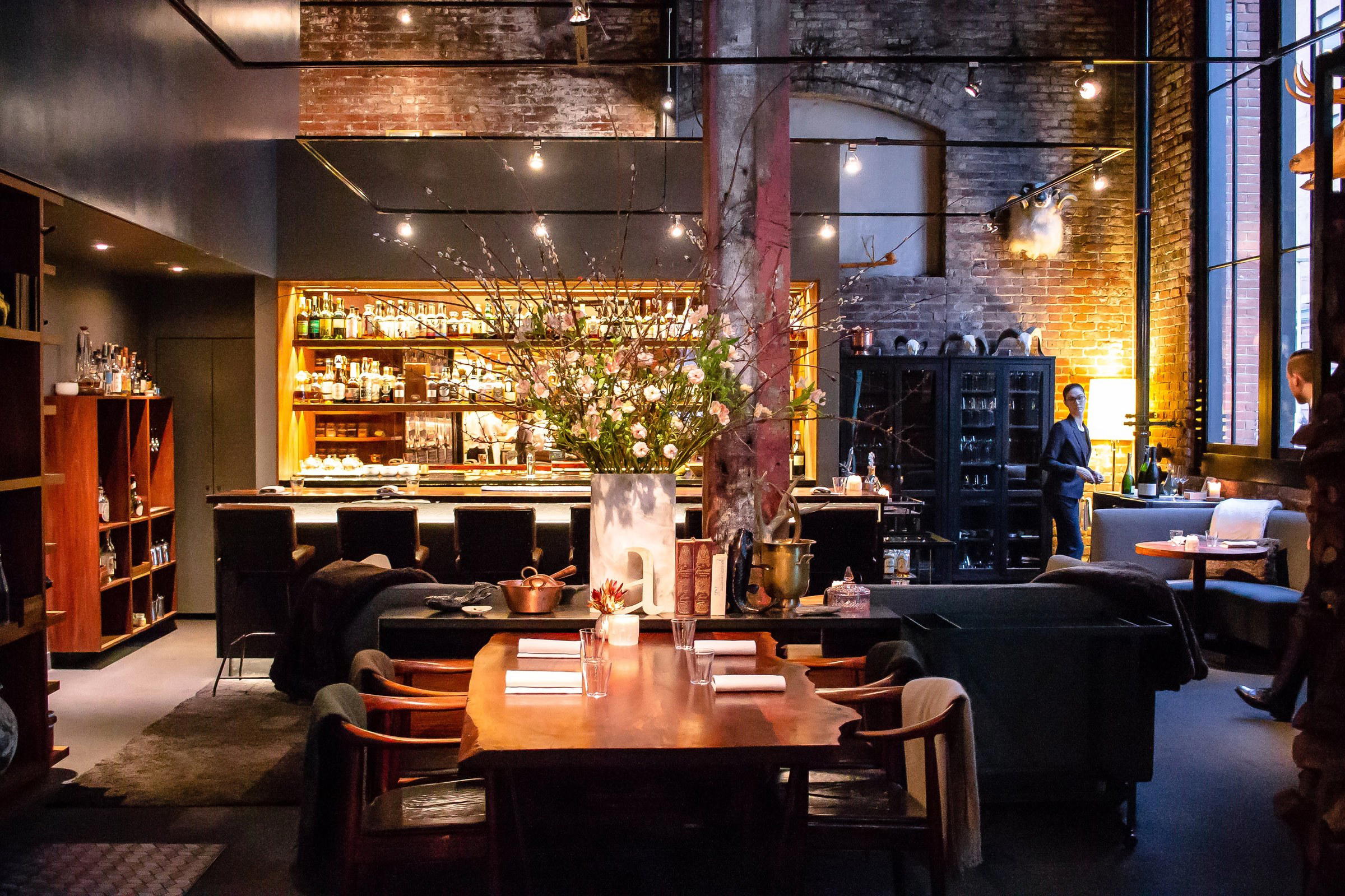
Bars in San Francisco
Browse all →
Hotels in San Francisco
Browse all →
At a Glance
- Sophisticated
- Modern
- Elegant
- Industrial
- Group Dining
- Date Night
- Celebration
- After Work
- Rooftop
- Open Kitchen
- Historic Building
- Design Destination
- Private Dining
- Craft Cocktails
- Beer Program
Current opening hours
- Monday
- Closed
- Tuesday
- 3–8 PM
- Wednesday
- 3–8 PM
- Thursday
- 3–9 PM
- Friday
- 11 AM–10:30 PM
- Saturday
- 11 AM–10:30 PM
- Sunday
- Closed
Hours can change for holidays and private events. Last verified .
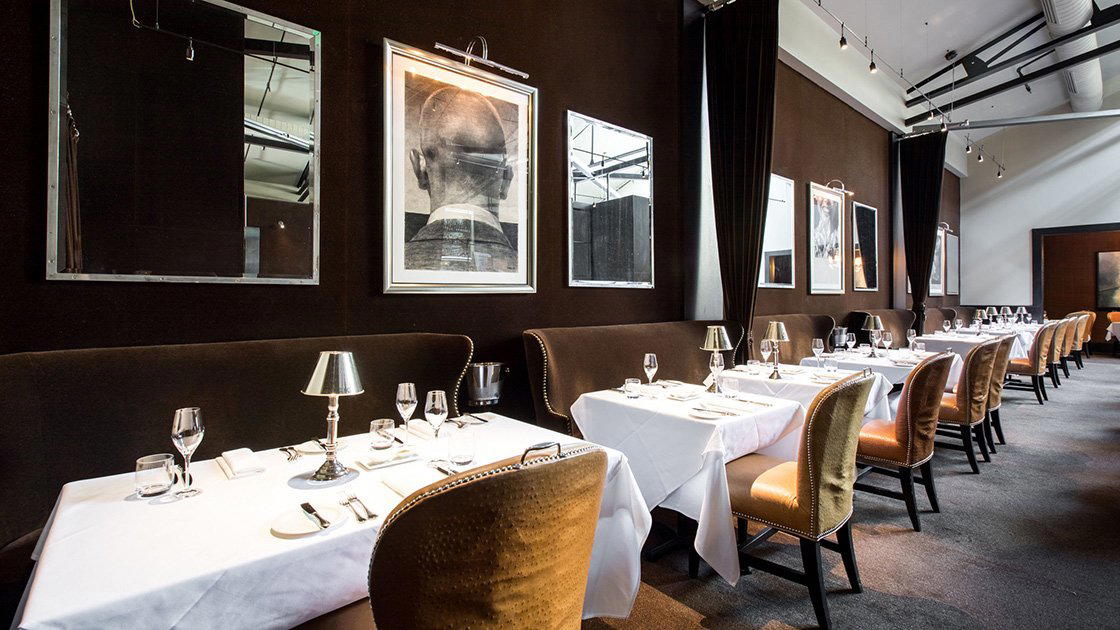
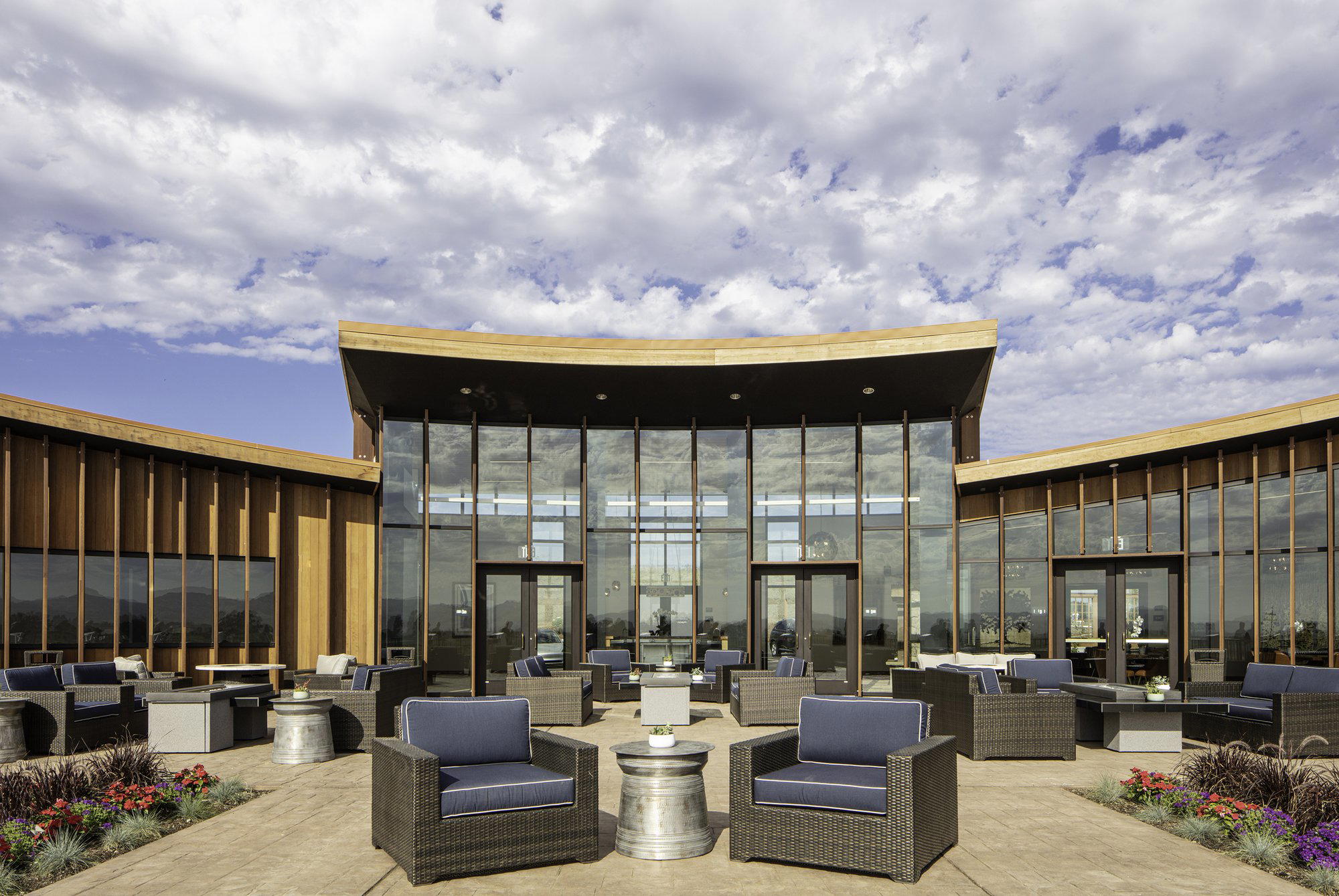
Sophisticated industrial aesthetic with polished stainless steel, glass, white plaster, leather, and mirror contrasting against original brick, concrete, and rough-sawn timber; dramatic vertical spaces with intimate dining areas.