Our verdict
Baitong sits in Siem Reap’s restaurant scene where market produce, rice, freshwater fish, herbs, and hotel-driven dining all compete for attention around Angkor tourism. With few public signals on awards, chef lineage, or pricing, it reads less as a trophy booking than as a local address to weigh against the city’s broader Cambodian and resort-restaurant options.

Pearl is the En Primeur Club membership app — saves, bookings, and concierge access live there. Same editors, same standards.
- Address
- 9V65+257, Oum Khun St, Krong Siem Reap, Cambodia
- Phone
- +855-63-967-885
- Hours
- Daily 6:30 AM–10 PM
- Directions
- Get directions
The menu
What to order
- Fish Amok
- Curry
- Amok
- Ginger chicken
Siem Reap puts a restaurant close to the daily mechanics of the city rather than only the staged grandeur that often surrounds Angkor travel: tuk-tuks moving between hotels, market errands folded into the afternoon, and dining rooms that serve visitors without fully detaching from the place around them. That setting matters for Baitong because Siem Reap’s better meals are often defined less by imported luxury cues than by how confidently a restaurant engages with the everyday expectations of the city and the habits of local dining.
The city’s dining hierarchy is split. Resort restaurants lean on polish and international menus; independent kitchens can make a stronger argument for place; cafés and casual rooms absorb the practical needs of temple days. Baitong belongs in that middle conversation, where a sense of setting may carry more weight than ceremony. It is not a venue to frame through chef mythology or a trophy narrative. The useful question is simpler: does the meal help a visitor feel connected to Siem Reap’s rhythm rather than to a generic resort-town template?
Siem Reap cooking is strongest when the market sets the rhythm
Dining in Siem Reap often starts with proximity and practicality. Local products, seasonal habits, and the cadence of daily shopping are not merely decorative references; they shape much of the way a meal can feel rooted in the city. In a place that receives a constant flow of international visitors, restaurants often soften the experience for broad appeal. The more interesting rooms keep enough local structure in the cooking and service for the meal to remain legible as Siem Reap, even when the format is accessible.
That is the frame in which to read Baitong. Without a published price band, seat count, or named chef profile to lean on in the supplied details, the restaurant has to be judged by category fit: a Siem Reap dining address whose value depends on how it handles the expectations of a tourist-heavy market. For travelers comparing food across the city, other Siem Reap dining rooms may represent a more formal end of the conversation, while hotel restaurants show how the same city can be shaped through a more international lens.
The strongest reason to seek out this tier of Siem Reap restaurant is not rarity. It is calibration. After the temples, many visitors default to air-conditioned menus that could sit in almost any resort town in Southeast Asia. A kitchen grounded in the city gives the meal a clearer address. The difference can be as direct as a sense of local habit rather than generic polish, a practical relationship with the city rather than anonymous luxury, or a dining room that treats place as the center of the experience rather than a side note.
How Baitong fits against Siem Reap's dining choices
Siem Reap rewards diners who separate convenience from intent. The central tourist zones are easy, but ease does not always produce a meal that says much about the city. The more useful comparison is between restaurants that translate local dining for visitors and those that let the experience retain more of its everyday character. Baitong sits in the group to consider when the brief is a grounded local meal rather than a tasting-menu appointment or a resort dining room.
For a wider read on the city, Our full Siem Reap restaurants guide maps the restaurant field, while Our full Siem Reap hotels guide explains why so many dining decisions in town begin with where a traveler is staying. Drinking, touring, and non-restaurant planning sit in Our full Siem Reap bars guide, Our full Siem Reap experiences guide, and Our full Siem Reap wineries guide, though wine culture here remains a thinner category than food, hotels, and temple-adjacent experiences.
Within Cambodia, the useful reference points stretch beyond one address. Embassy, FCC Angkor Restaurant, Kroya by Chef Chanrith, and Wa Gallery show different ways Siem Reap restaurants connect dining with place and audience. Other dining in Siem Reap can point more directly toward local identity or toward the polished convenience of hotel-based meals. The point is to compare formats carefully rather than flatten every restaurant into the same destination-dining category.
The right expectation is a local lens, not a trophy table
Baitong makes sense when treated as part of Siem Reap’s grounded middle ground. The supplied details provide Baitong as a Siem Reap restaurant, without enough verified public specifics here to make awards, chef biography, price, or scale the decision for the diner. This is not a status reservation, and it should not be judged by the codes of a long tasting menu. Its relevance comes from the city’s everyday dining logic: practical ease, local context, and the pleasure of a meal that feels tied to Siem Reap rather than to a hotel brand.
Travelers building a broader Asian dining itinerary can place it beside different categories without confusing the formats: some restaurants serve formal or international briefs, while others work best as simple local anchors. The point is not to rank unlike places against one another. It is to recognize when a restaurant is useful because it helps ground the traveler in the expectations, setting, and rhythms of its city.
Frequently asked questions
Is Baitong child-friendly?
Baitong’s Siem Reap location makes it a practical stop for families moving through the city. Its city setting can help when planning a meal around a day in town with children.
What's the overall feel of Baitong?
Baitong reads as a local Siem Reap address rather than a trophy dining room. That position usually suits a relaxed meal built around convenience and straightforward dining.
What's Baitong's location?
Siem Reap.
What's the best way to book Baitong?
Use Siem Reap as the starting point for planning a visit. No phone number or website is listed in the supplied details, so a direct in-person check is the clearest option from the available information.
What makes Baitong worth seeking out?
Baitong is worth a look because it gives you a named address in Siem Reap without needing a polish-and-prize framing. For diners who want a simpler city stop, the Siem Reap setting is the key draw.
How It Stacks Up
Comparable venues by cuisine and price in the same metro.
| Venue | Cuisine | Price |
|---|---|---|
| BaitongThis venue — the venue you are viewing | Khmer-Asian Hotel Dining | $10–20 |
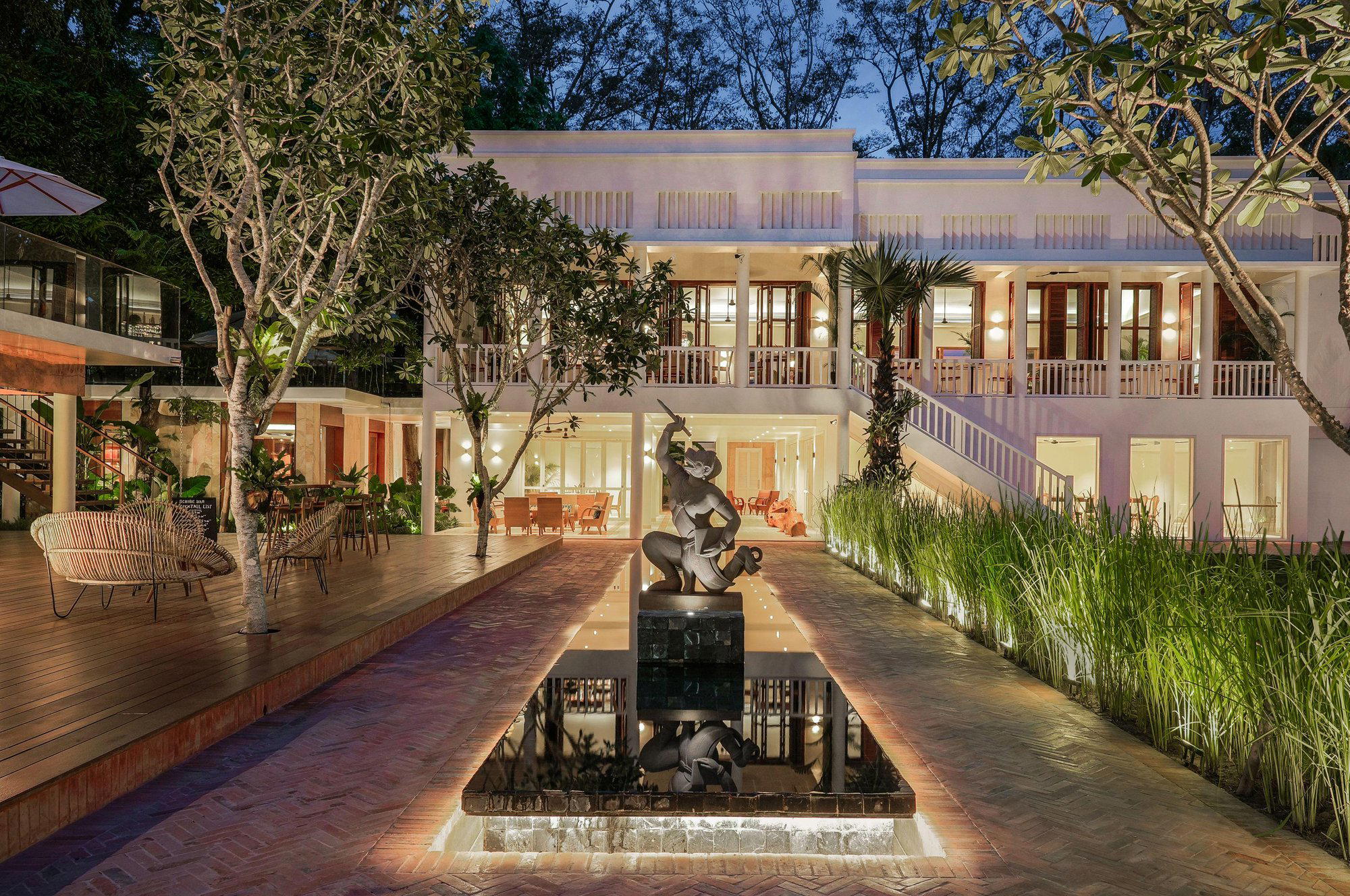
| FCC Angkor Restaurant | Modern Cambodian & Asian fusion in a colonial villa | $20–30 |
Continue exploring
More in Siem Reap
Restaurants in Siem Reap
Browse all →
Bars in Siem Reap
Browse all →
Details
- Quiet
- Modern
- Elegant
- Cozy
- Intimate
- Family
- Casual Hangout
- Special Occasion
- Hotel Restaurant
- Garden
- Local Sourcing
- Garden
- A La Carte
- Set Menu
- Vegetarian Friendly
- Vegan Options
- Gluten Free Options
Current opening hours
- Monday
- 6:30 AM–10 PM
- Tuesday
- 6:30 AM–10 PM
- Wednesday
- 6:30 AM–10 PM
- Thursday
- 6:30 AM–10 PM
- Friday
- 6:30 AM–10 PM
- Saturday
- 6:30 AM–10 PM
- Sunday
- 6:30 AM–10 PM
Hours can change for holidays and private events. Last verified .
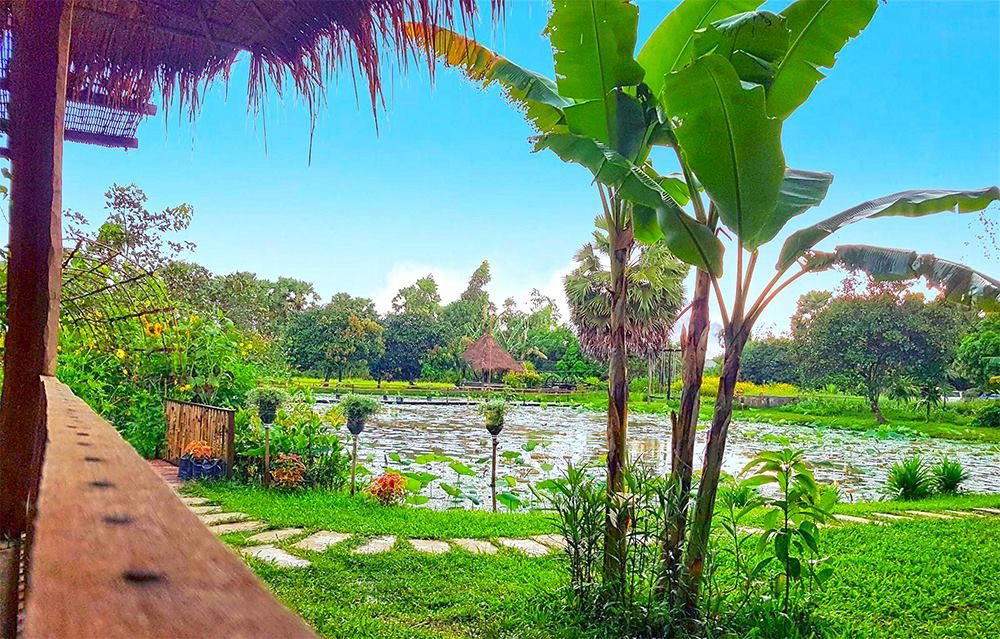
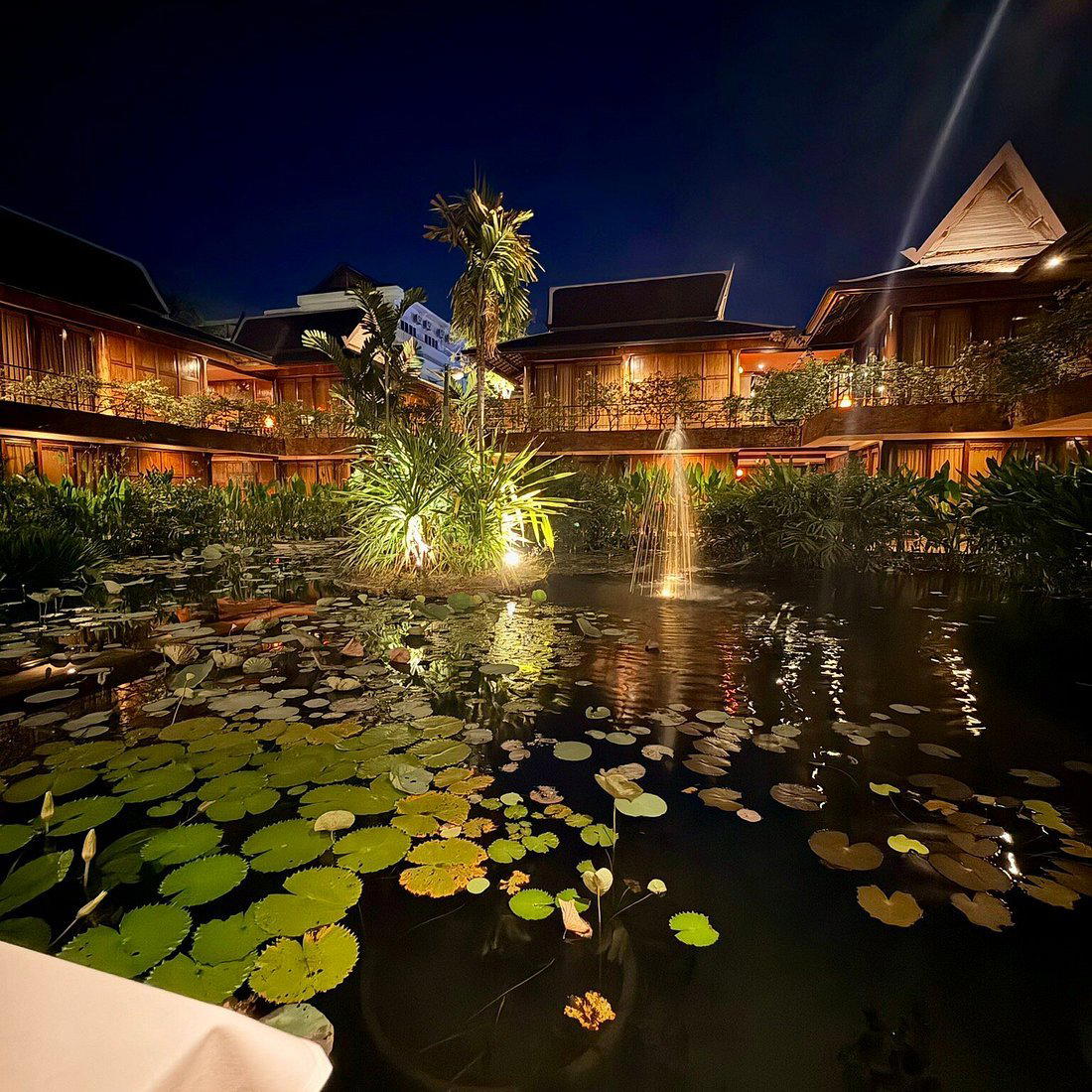
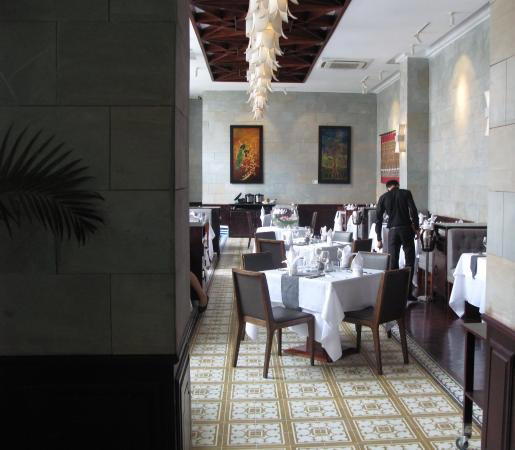
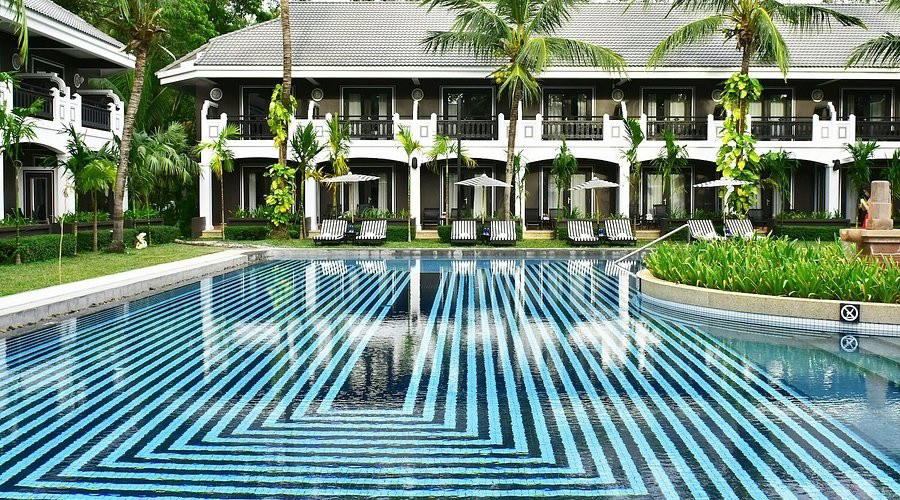
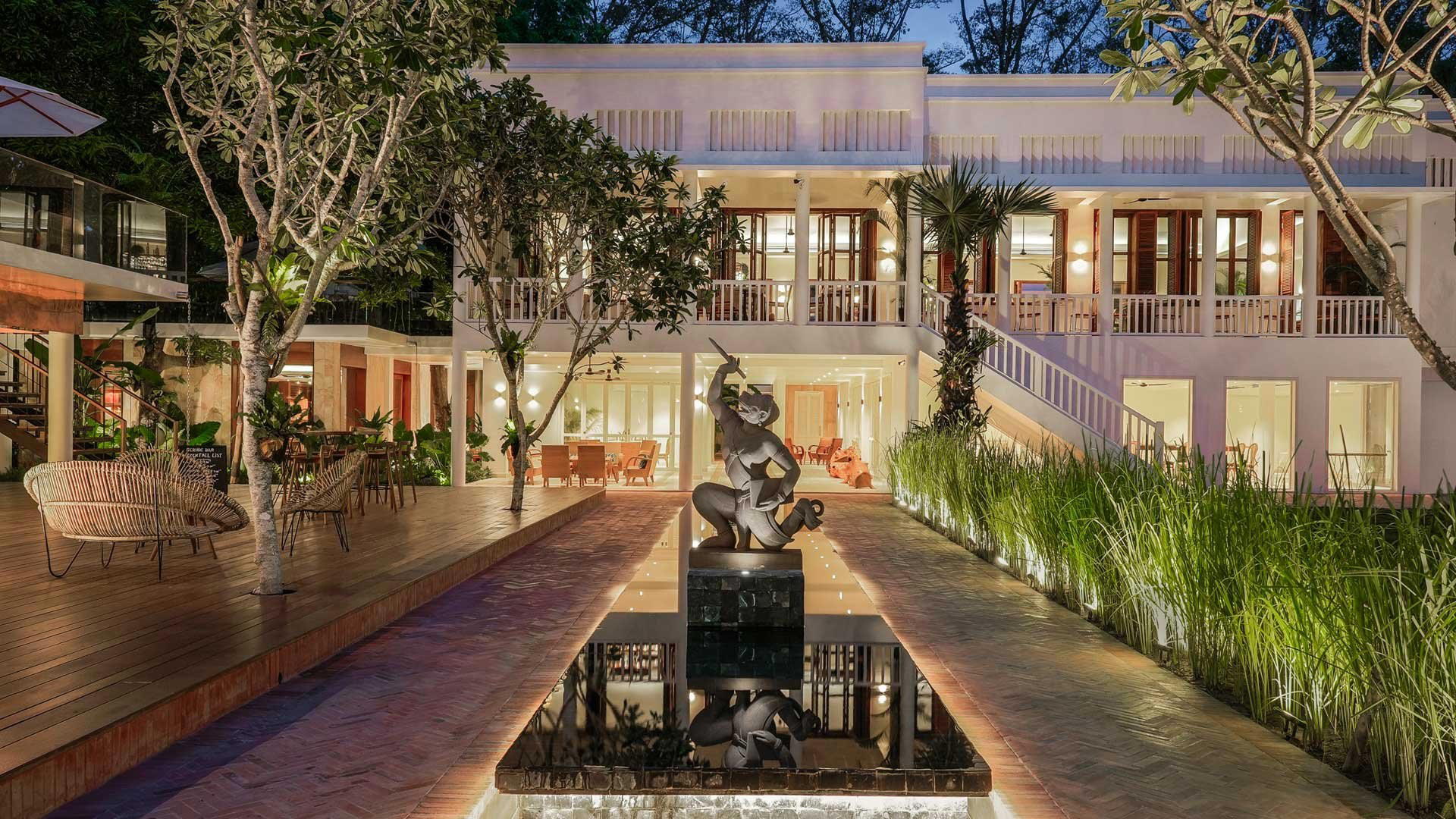
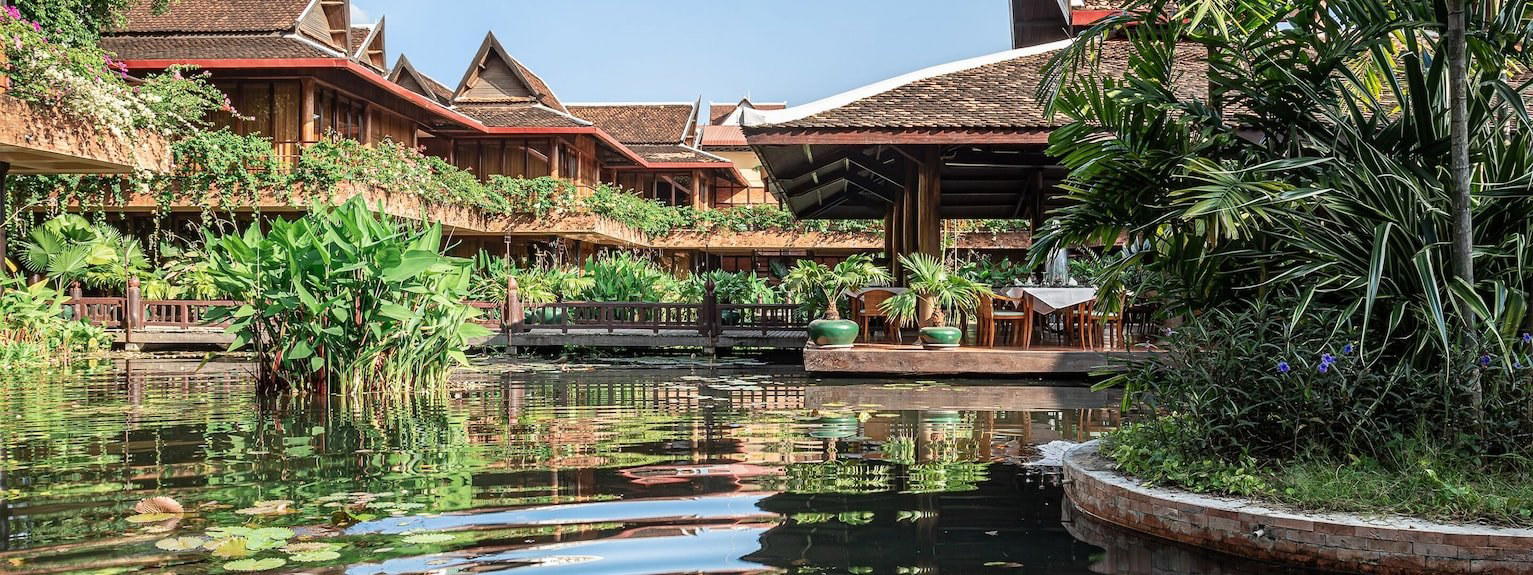
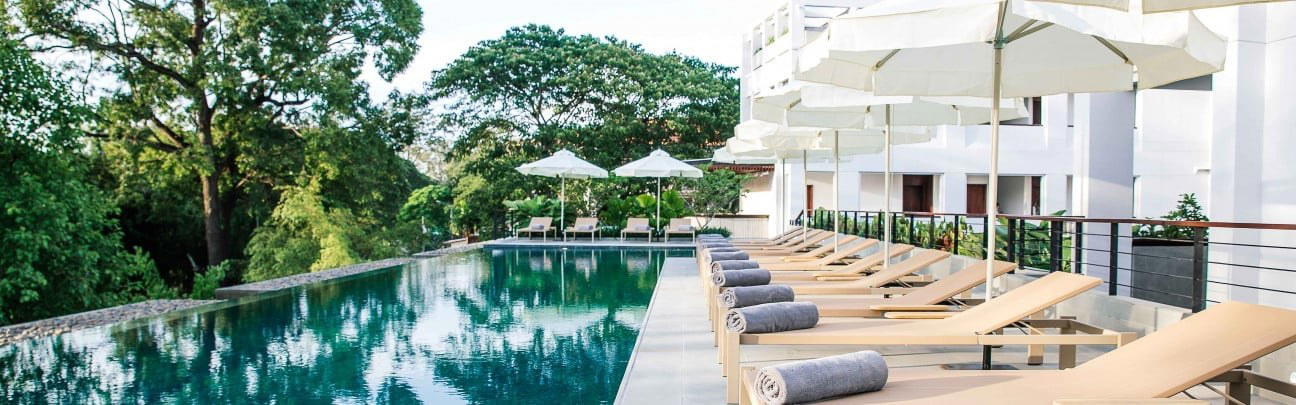
An airy, inviting poolside restaurant atmosphere surrounded by tropical vegetation, with a tranquil setting that blends serene architecture and greenery; some guest commentary describes the dining room as less refined than expected for a luxury hotel.