100 Grad Restaurant occupies a specific address in Ulm's dining scene at Eberhard-Finckh-Straße 17, where the city's appetite for considered, independent restaurants continues to grow. Positioned in a mid-sized German city that punches above its population in gastronomic ambition, it sits alongside a small cohort of venues that take the table seriously. Visitors looking for an alternative to Ulm's more established names will find it worth investigating.
Pearl is the En Primeur Club membership app — saves, bookings, and concierge access live there. Same editors, same standards.
- Address
- Eberhard-Finckh-Straße 17, 89075 Ulm, Germany
- Phone
- +494973192710
- Website
- 100grad-restaurant.de
- Directions
- Get directions
 Saves & bookings on Pearl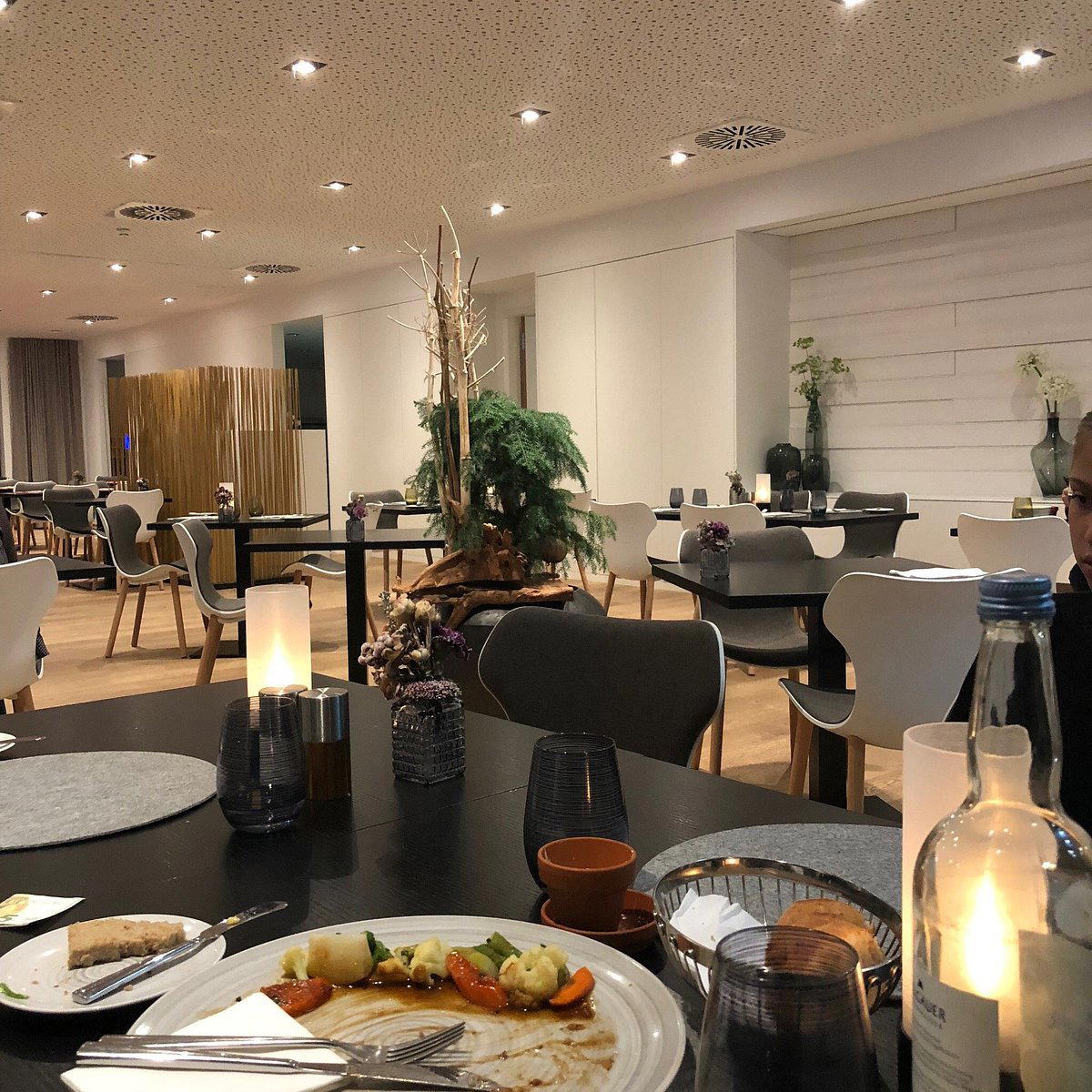
Ulm at the Table: What the City's Independent Dining Scene Tells You
100 Grad Restaurant is a restaurant in Ulm, Germany, serving Modern Regional German cooking and recommended for reservations. That distinction tends to go to Munich, Hamburg, or the Black Forest corridor, where destinations like Schwarzwaldstube in Baiersbronn and Waldhotel Sonnora in Dreis anchor regional reputations built over decades. But mid-sized German cities have been quietly developing their own independent dining cultures, and Ulm is among the more interesting cases. The city's dining room has moved beyond tourist-facing Swabian staples toward a smaller cluster of venues that approach the meal with more deliberate intent.
100 Grad Restaurant, at Eberhard-Finckh-Straße 17 in the 89075 district, is part of that shift. The address places it away from particularly heavily trafficked tourist corridors around the Münster, in a part of the city where restaurants tend to serve a local and returning clientele rather than one-visit visitors. That geographic detail matters: rooms that depend on regulars calibrate differently. The pacing tends to be more considered, the service less transactional, and the expectation on both sides of the table is that the meal will take time.
The Ritual of the Meal in a German Mid-City Context
Germany's dining culture has long maintained a formal relationship with the structure of a meal. Even outside the Michelin-starred rooms, the tradition of distinct courses, attentive but unobtrusive service, and a clear beginning and end to the eating experience persists in independent restaurants that take their craft seriously. This is the tradition 100 Grad Restaurant operates within.
In cities like Ulm, where the restaurant count is smaller than in Frankfurt or Berlin, a venue's reputation is built almost entirely through word of mouth and the quality of its repeat business. There is no anonymity in a city of this scale. A table that feels rushed, a kitchen that cuts corners mid-week, or a wine list assembled without thought tends to circulate through local knowledge quickly. Conversely, a room that gets the ritual right, from the moment a guest is seated to the point at which the bill arrives, accumulates the kind of quiet authority that takes years to build and is difficult to manufacture.
That context places 100 Grad in a competitive set that includes bi:braud, Ulm's contemporary dining address operating at the €€€ price tier, and Seestern, which operates in the Modern French register at €€€€. These are not interchangeable choices. The question of which room suits a given evening depends on what kind of ritual the guest wants to enter: the tighter, technique-forward register of contemporary cooking, or something that sits closer to the regional and the familiar.
Reading the Room: What Independent Restaurants Signal in Secondary Cities
Germany's most decorated tables, venues like Aqua in Wolfsburg, Vendôme in Bergisch Gladbach, and Victor's Fine Dining by Christian Bau in Perl, operate within a formal awards infrastructure that provides external validation. Venues without that infrastructure rely on a different kind of signal: consistency, longevity, and the density of their local following.
Independent restaurants in secondary cities also tend to reflect local eating habits more directly than their capital-city counterparts. A room in Ulm is not calibrating against the expectations of an international food-press circuit. It is calibrating against the expectations of Swabian diners who know what a well-executed meal should feel like and who have strong opinions about value, portion, and hospitality. This is a different and in some ways more demanding jury.
For context on what German dining ambition looks like at its most technically rigorous, JAN in Munich, ES:SENZ in Grassau, and Restaurant Haerlin in Hamburg represent the upper tier of the country's restaurant culture. At the other end of the spectrum internationally, rooms like Le Bernardin in New York City and Atomix in New York City show how different culinary traditions approach the dining ritual with equal seriousness but from entirely different starting points. CODA Dessert Dining in Berlin and Schanz in Piesport fill out the picture of how Germany's independent dining culture operates across different formats and price tiers.
100 Grad sits in the middle of this spectrum by geography and scale, not by ambition. The name itself, referencing the boiling point of water, carries an implicit suggestion of precision and of a kitchen that thinks about process. Whether that intent is carried through in execution is a matter that the table will answer.
Ulm's Broader Dining Map and Where 100 Grad Fits
Anyone building an evening in Ulm will encounter a small but differentiated set of options. Del Tufo covers the Italian register, and Design Hotel Restaurant Löwen Ulm provides a hotel-adjacent dining option for guests staying in the city. For a drink before or after the meal, Dolce Cocktailbar is the obvious pivot.
Within that map, 100 Grad occupies the independent restaurant tier: not a hotel restaurant, not a chain, and not a heritage Swabian gasthaus. It is the kind of address that requires a decision to visit rather than a stumble-upon, which tends to filter the room toward guests who have already made a commitment to the meal before they arrive. That pre-selection shapes the atmosphere. Tables in rooms like this tend to be more attentive, conversations more sustained, and the overall register closer to occasion dining than casual eating.
Planning a Visit
100 Grad Restaurant is located at Eberhard-Finckh-Straße 17, 89075 Ulm. Reservations are recommended, and the restaurant is open Tuesday through Saturday from 6 to 11 PM. For visitors building a longer itinerary around the region's dining options, combining a meal here with exploration of the old town and the Münster makes for a full day at a pace that suits a city of this character.
Questions Guests Ask
- Is the restaurant child-friendly?
- In Ulm's independent restaurant tier, where meal pacing and a quieter atmosphere are part of the offer, 100 Grad is likely better suited to adult diners or older children comfortable with a slower, more structured meal format. The address and dining culture suggest a room calibrated for occasion dining rather than casual family eating.
- What's the overall feel of the restaurant?
- The feel sits in the independent, considered-dining register that has been developing in German mid-sized cities over the past decade. Without the awards infrastructure of Germany's leading rooms, the atmosphere is likely defined by local regulars and a commitment to the ritual of the meal rather than external prestige signals. For direct comparison within Ulm, bi:braud operates at a contemporary €€€ tier and Seestern at a Modern French €€€€ level, which gives a sense of the city's range.
- What should I eat at the restaurant?
- Specific menu information is not available in current records, so arriving with an open approach to the kitchen's current direction is advisable. The name's reference to precision suggests a kitchen that thinks technically about its cooking.
- How does the restaurant position itself within Ulm's dining scene?
- 100 Grad occupies the independent restaurant tier in a city whose dining culture has been moving toward more deliberate, considered cooking over recent years. Its position is defined by its address and its separation from the city's tourist-facing options, placing it in a cohort that includes bi:braud and Seestern as fellow independent Ulm venues with a clear point of view about the meal.
Cuisine Lens
Comparable venues nearby, for context on price, style, and recognition.
| Venue | Cuisine | Price | Notes |
|---|---|---|---|
| 100 Grad RestaurantThis venue — the venue you are viewing | Modern Regional German | $$ | Not listed |
| Del Tufo | Authentic Neapolitan Pizza | $$ | :null |
| KÖFTEM / GEMÜSEKEBAB | Turkish Kebab | $ | Stadtmitte |
| Köz Mangal Ulm | Authentic Turkish Charcoal Grill | $$ | Söflinger Straße |
| SIEDEPUNKT | Creative French with International Influences | $$$$ | Böfingen |
| Gaststätte Krone | Traditional Swabian German | $$ | Altstadt (Old Town) |

At a Glance
- Modern
- Scenic
- Group Dining
- Celebration
- Business Dinner
- Rooftop
- Terrace
- Panoramic View
- Skyline
Current opening hours
- Monday
- Closed
- Tuesday
- 6–11 PM
- Wednesday
- 6–11 PM
- Thursday
- 6–11 PM
- Friday
- 6–11 PM
- Saturday
- 6–11 PM
- Sunday
- Closed
Hours can change for holidays and private events. Last verified .
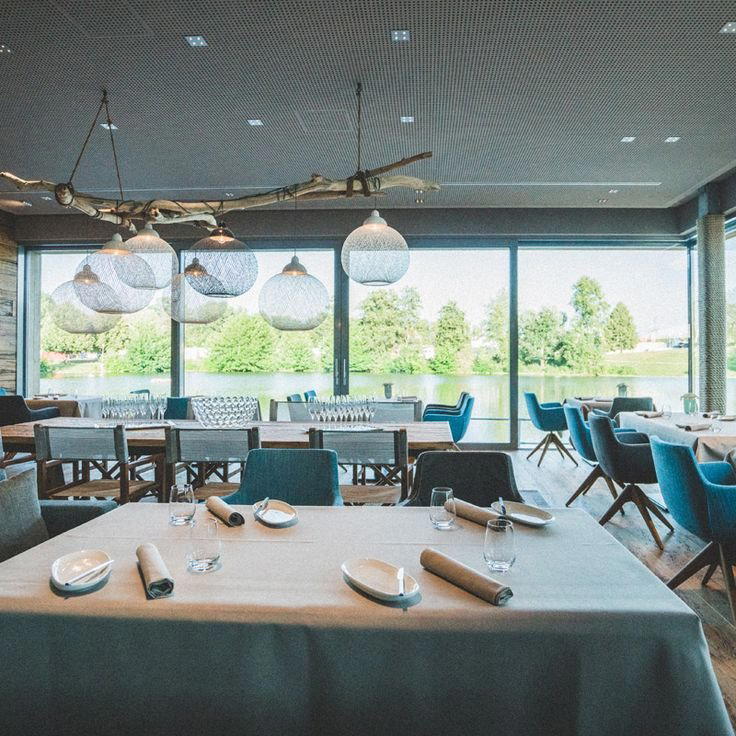
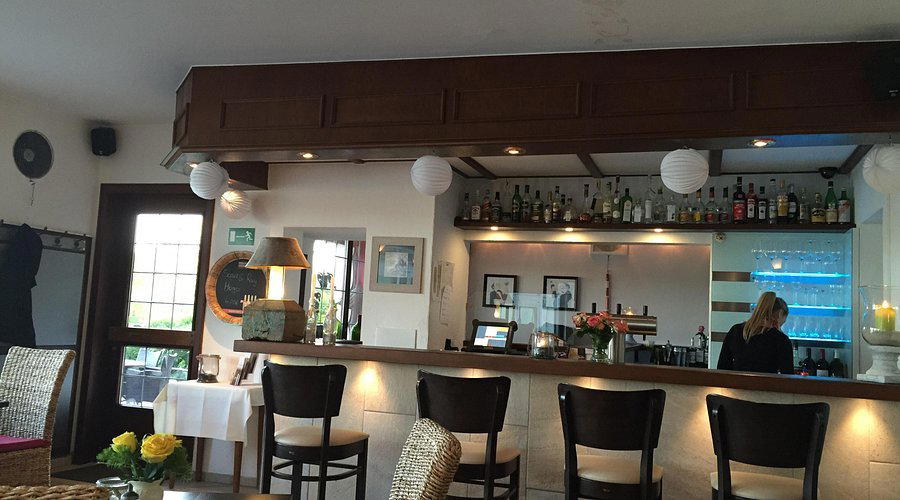
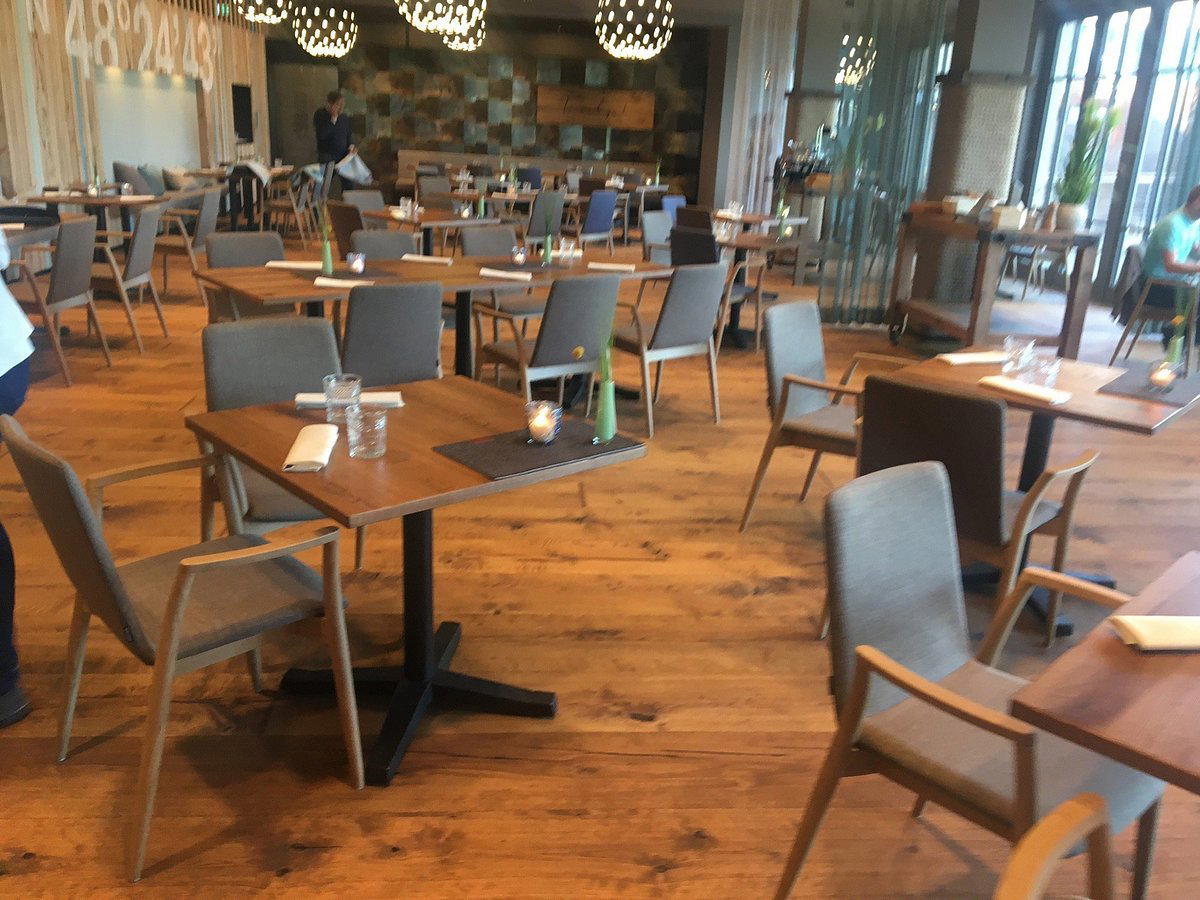
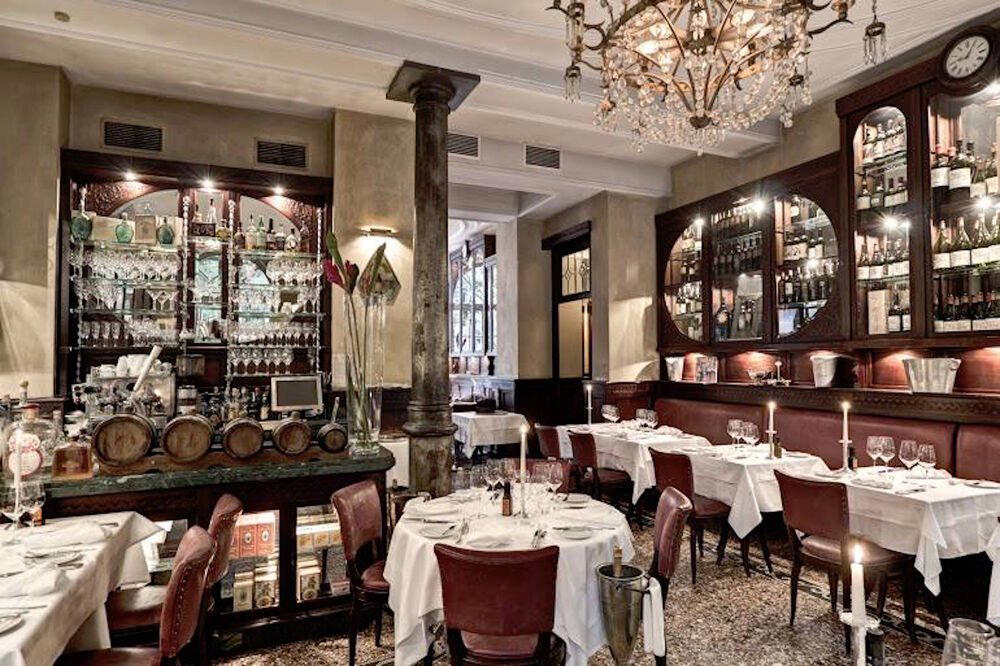
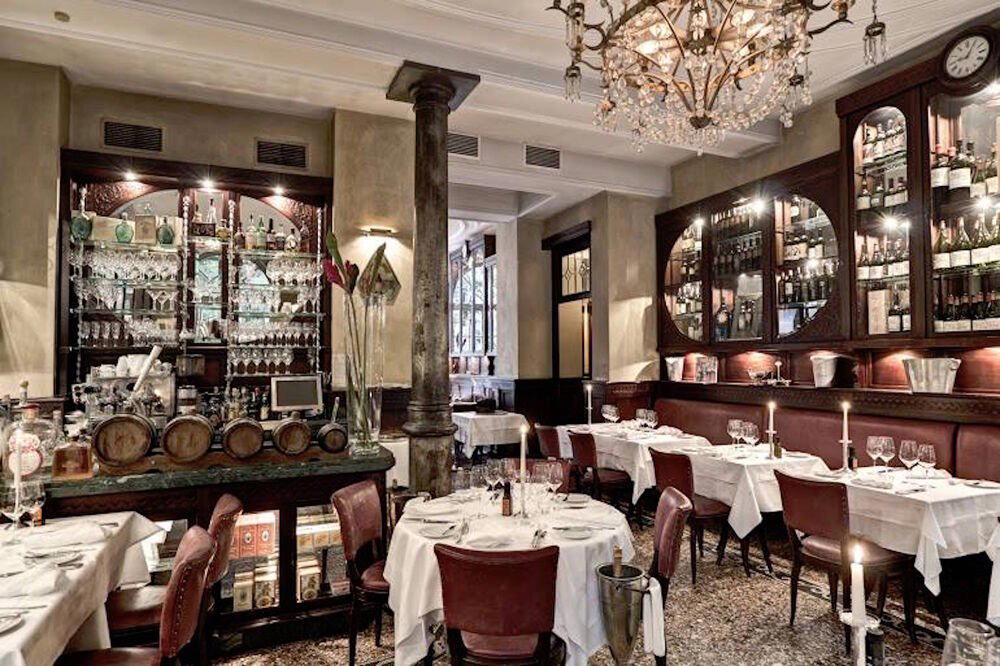
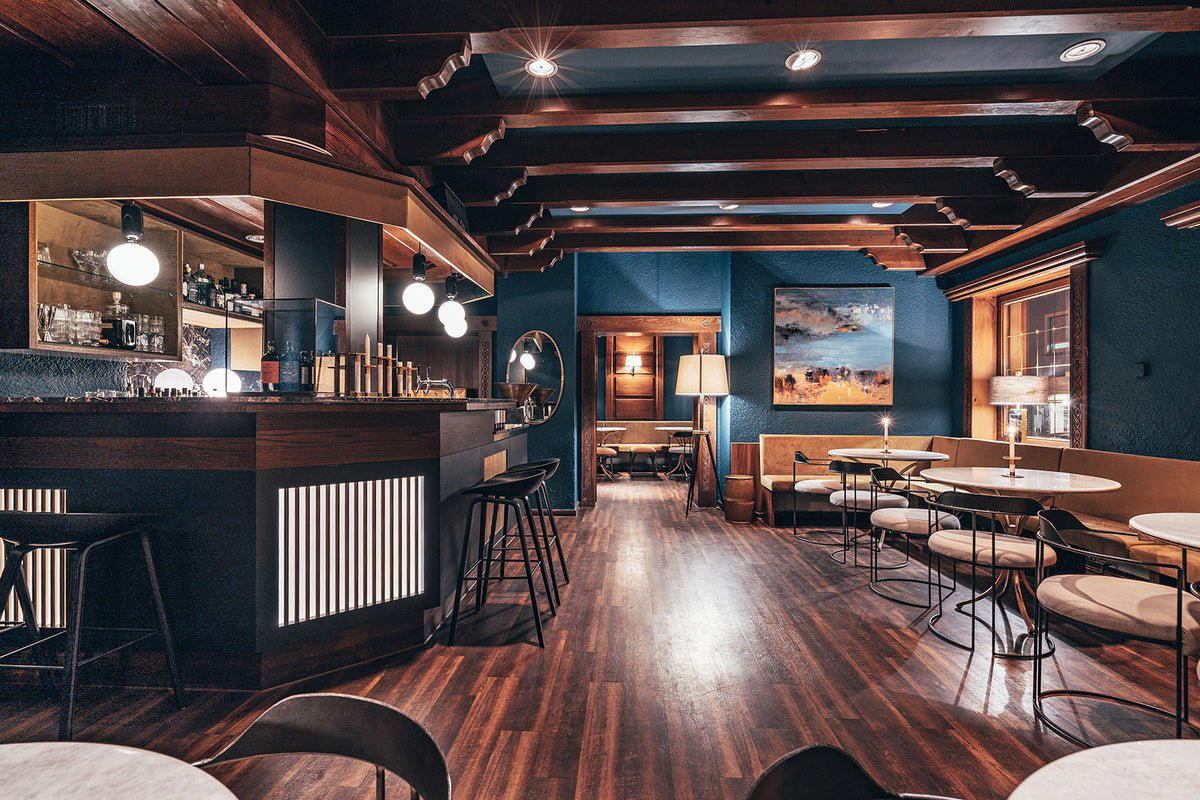
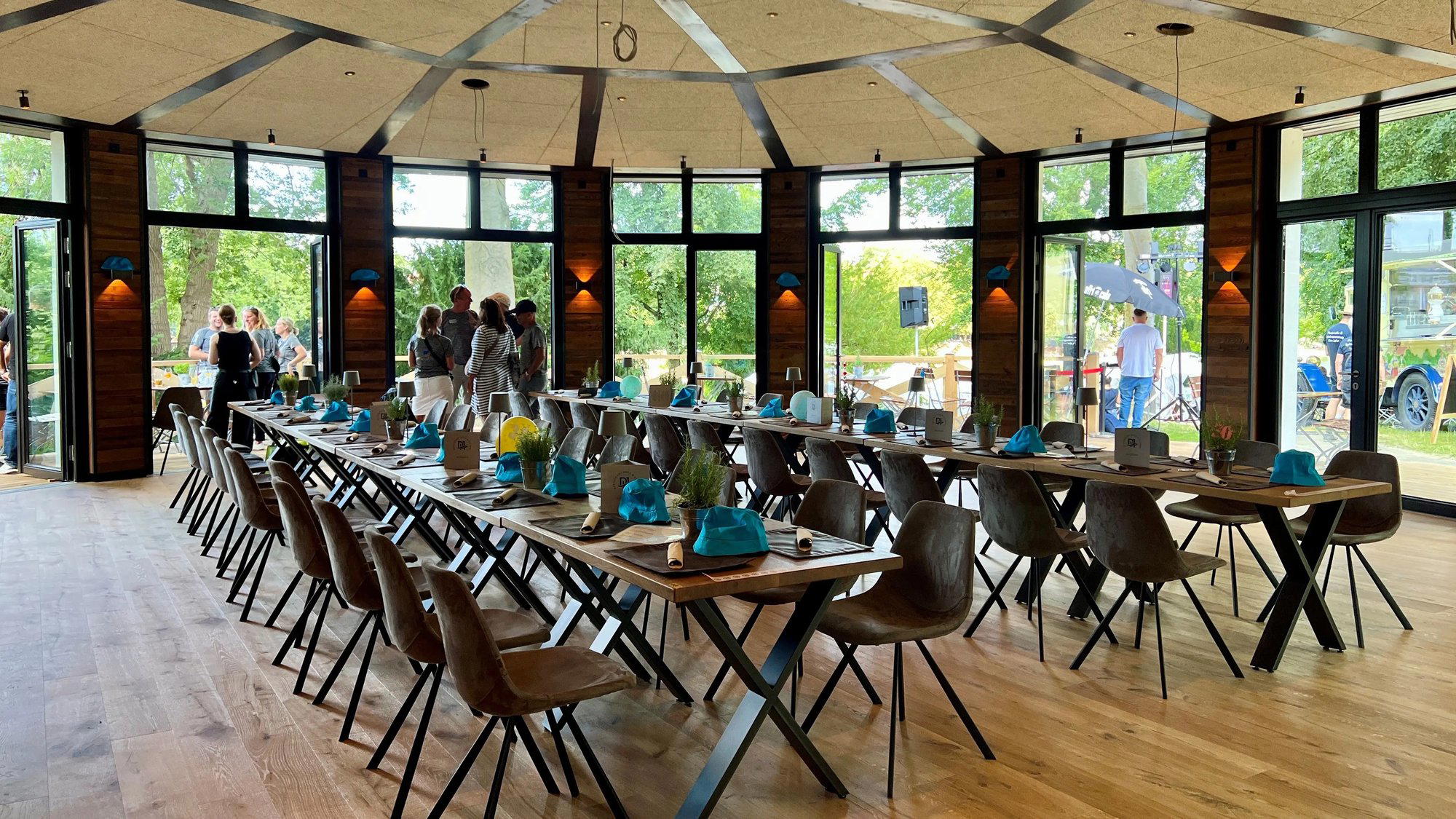
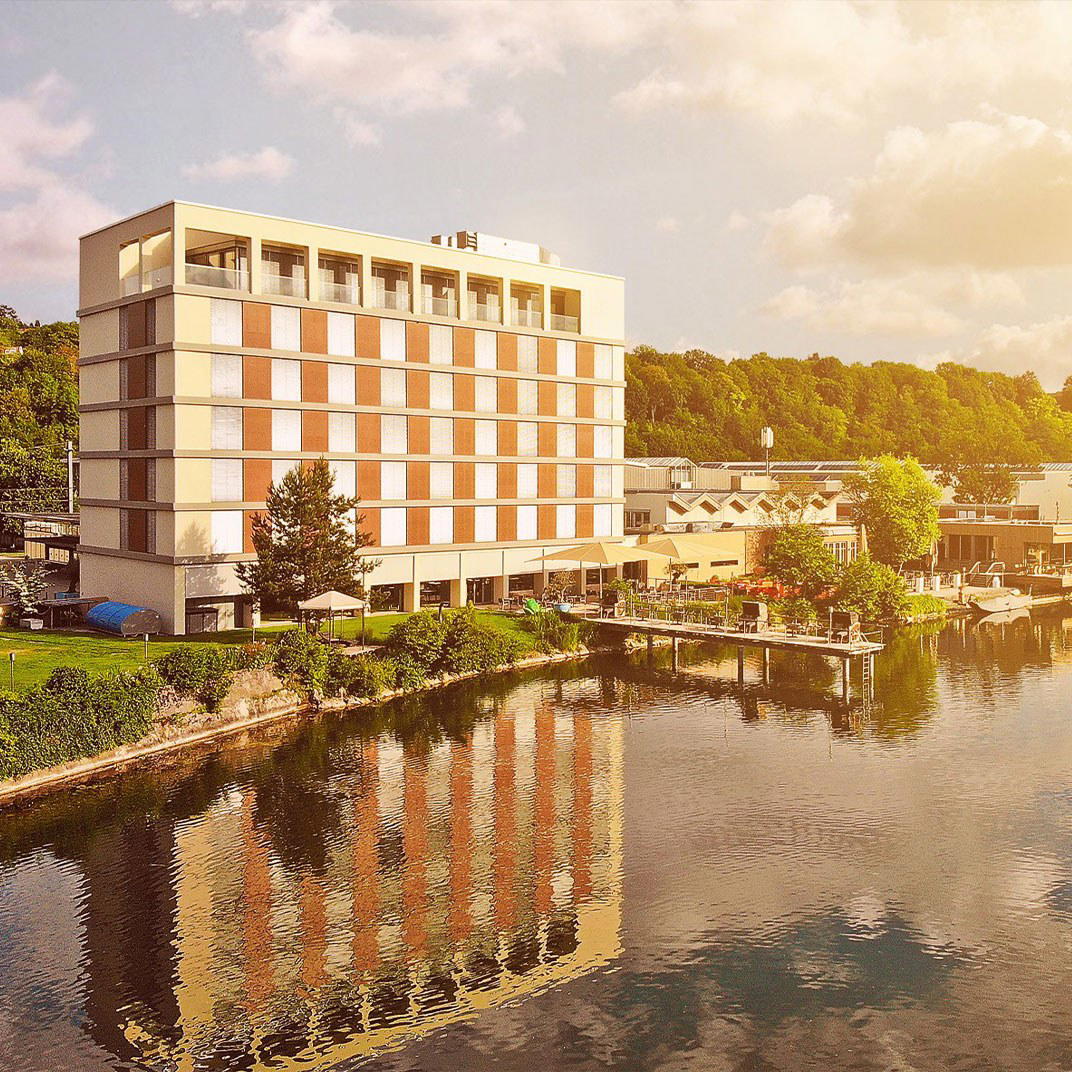
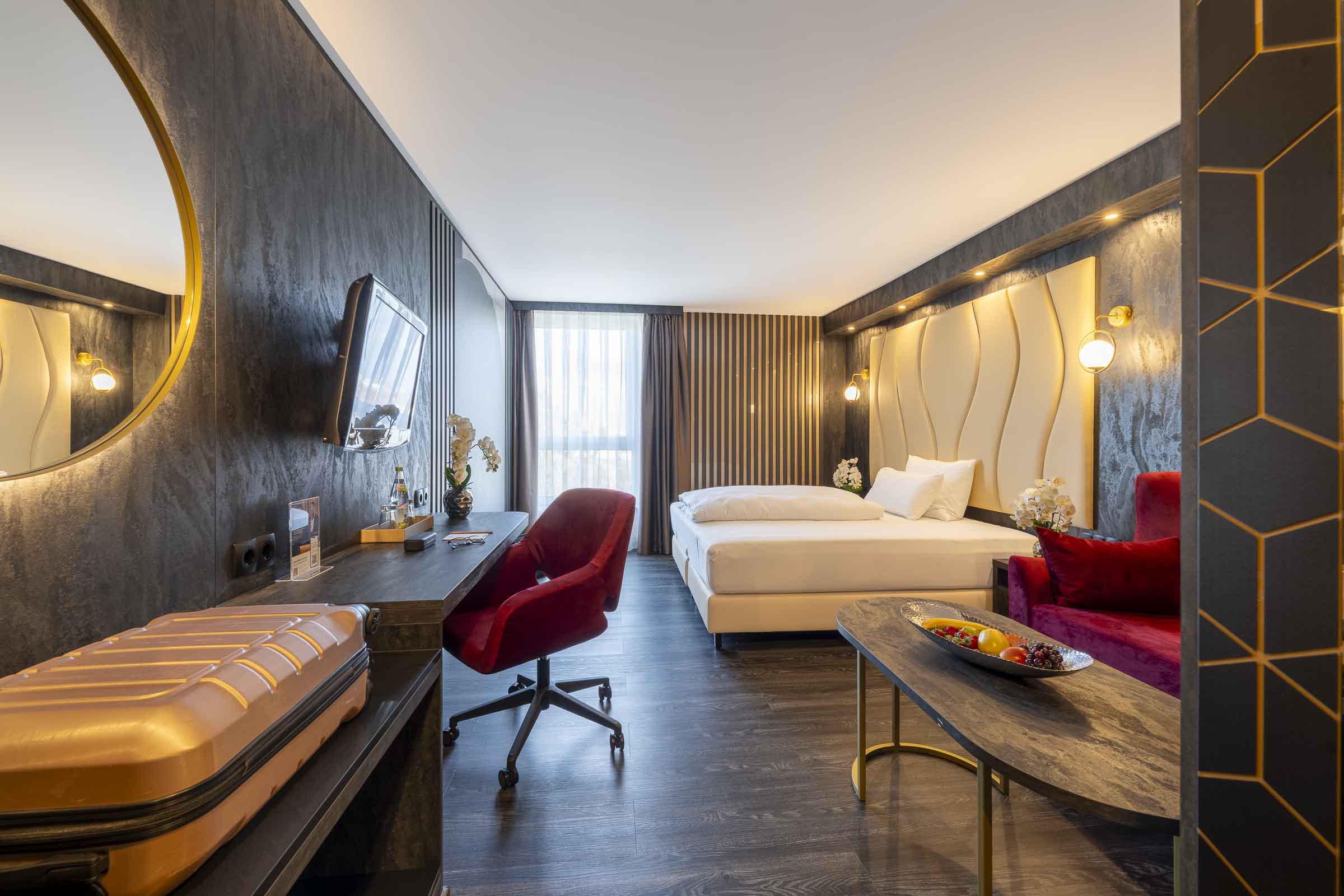
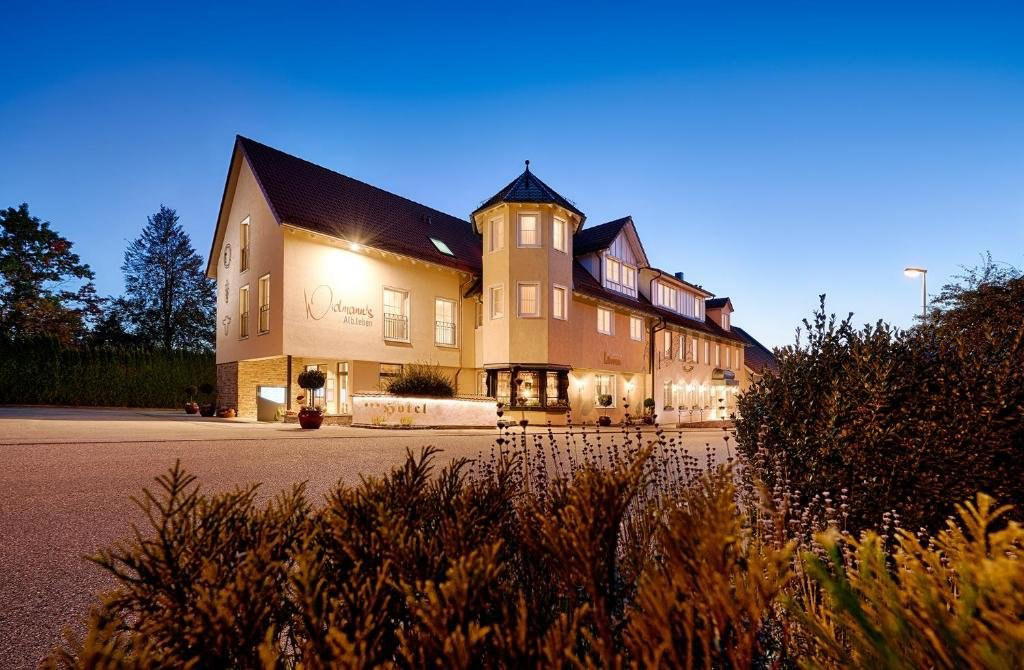
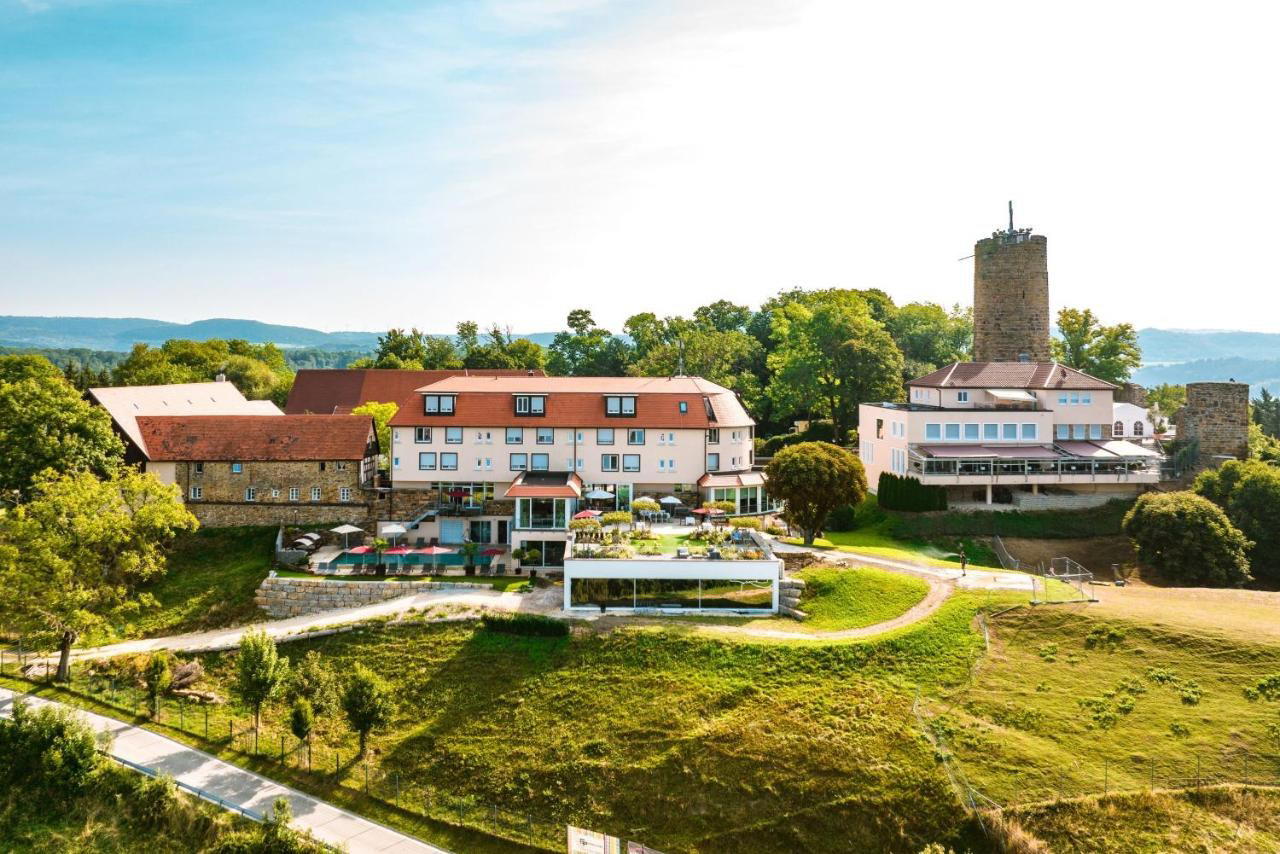
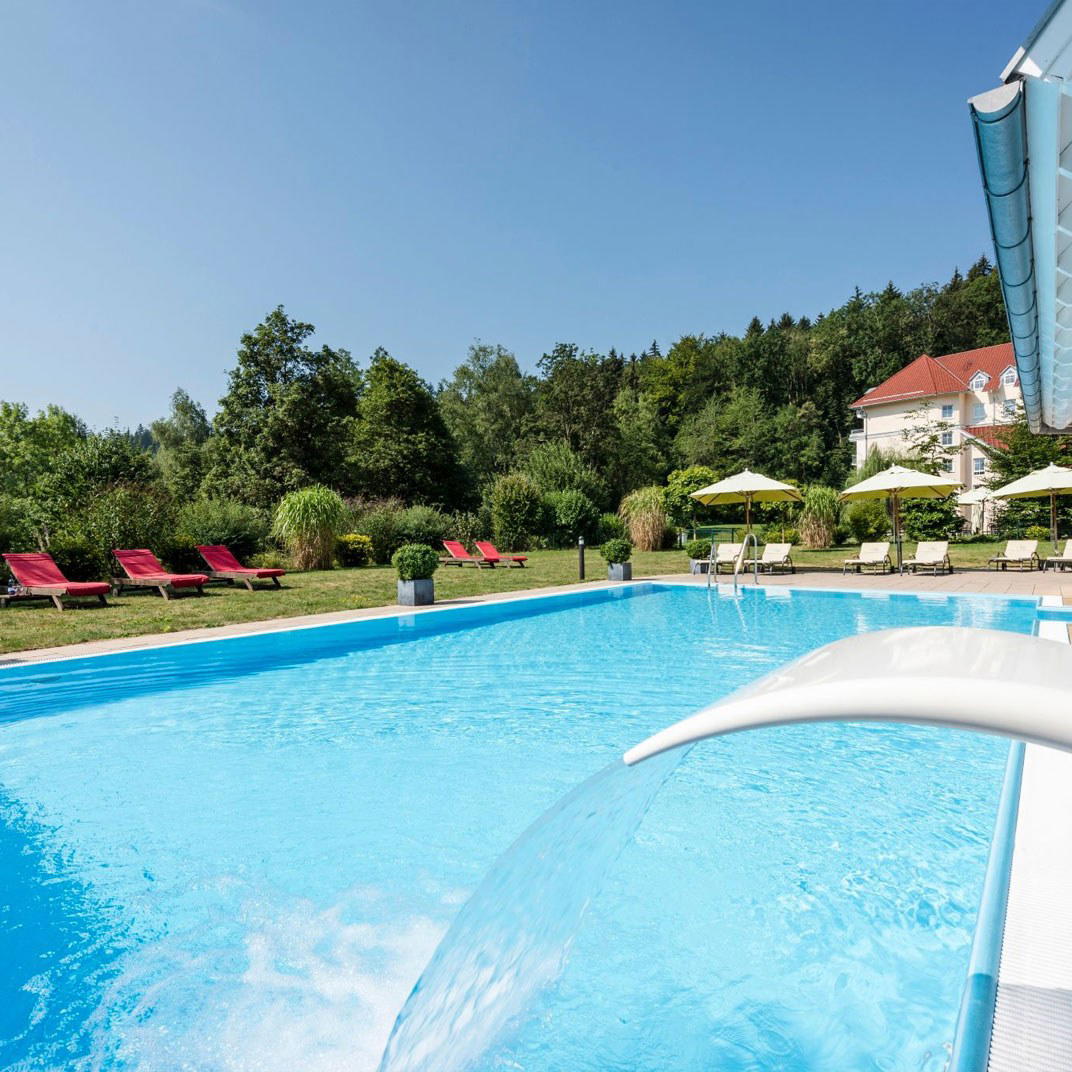
Modern and bright with a simply designed setting and terrace for pleasant atmosphere.