
Michelin Plate
Our verdict
A Michelin Plate-recognised brasserie on Platzgasse in Ulm's old town, Edda Brasserie works a seasonal menu at mid-range prices, placing it firmly in the accessible end of the city's recognised dining tier. It sits a price bracket below Ulm's starred counters, making it a practical entry point into the city's serious seasonal cooking scene.

Pearl is the En Primeur Club membership app — saves, bookings, and concierge access live there. Same editors, same standards.
- Address
- Platzgasse 26, 89073 Ulm, Germany
- Phone
- +49 731 85075790
- Hours
- Mon 5–10 PMTue ClosedWed–Fri 5–11 PMSat 11 AM–11 PMSun Closed
- Website
- edda-brasserie.com
- Directions
- Get directions
- Booking
- Book on OpenTable
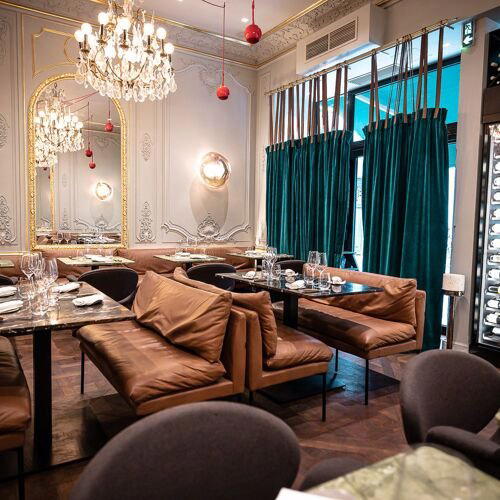
The menu
What to order
- Buffalo tartare
- Wiener schnitzel
- Pilz Maultaschen
Seasonal cooking in a medieval German city
Ulm is not the first city most travellers name when the subject turns to serious German dining. That oversight is becoming harder to sustain. The city that produced the world's tallest cathedral spire has, over the past decade, quietly assembled a dining scene with genuine range: starred Modern French at Seestern, ambitious contemporary work at bi:braud, and a clutch of mid-range addresses earning Michelin recognition without the fine-dining price architecture. Edda Brasserie, on Platzgasse in the old town, belongs to that mid-range tier, holding a Michelin Plate in 2025 and operating at the €€ price point that places it below the starred competition but within the same sphere of intent.
The seasonal cooking format Edda occupies has specific cultural roots in the German-speaking world. The tradition of Saisonküche, cooking tightly aligned to what regional producers are bringing in at a given moment, has long coexisted with the heavier canon of German cuisine. In southwestern Germany particularly, where Baden-Württemberg's agricultural diversity gives chefs genuine material to work with across the calendar, the seasonal brasserie format carries more conviction than it does in regions dependent on longer supply chains. Edda's address in Ulm places it at the eastern edge of Baden-Württemberg, within reach of Swabian producers whose output informs the lighter, more vegetable-forward end of regional cooking.
Where Edda sits in Ulm's dining architecture
Comparing Ulm's recognised restaurants by price tier clarifies the city's structure. Seestern operates at the €€€€ ceiling with a Michelin star, and bi:braud holds a star at €€€. Treibgut and Edda both occupy the €€ bracket, though without starred status, Edda distinguishes itself through the Michelin Plate, a signal that the Guide's inspectors consider the cooking worth recommending even if it has not reached the threshold for a star. That distinction matters in a city this size: a Michelin Plate in Ulm carries more contextual weight than it might in Munich or Hamburg, where the density of recognised addresses is significantly higher.
For broader context on the calibre that Michelin recognition implies across Germany's mid-sized cities, it is worth looking at what the guide has found noteworthy in comparable settings: JAN in Munich, Aqua in Wolfsburg, and Schwarzwaldstube in Baiersbronn each represent different points on the German fine-dining spectrum. Edda operates at the more accessible end of that range, which is precisely its function in the city's dining ecology.
The seasonal format and what it demands
Seasonal cuisine as a restaurant category requires more from both the kitchen and the diner than fixed menus allow. A kitchen committed to genuine seasonality must source continuously, adjust technique to unfamiliar or variable produce, and communicate those changes to a floor team expected to explain the menu with fluency. From the diner's side, it requires accepting that a dish you ate three months ago may not appear again, and that the menu's logic is agricultural rather than brand-driven. This is, in parts of Scandinavia and the Alpine regions, an established expectation. In Germany's mid-sized cities, it represents a more deliberate positioning choice.
The seasonal brasserie format has close equivalents across the region. Kirchenwirt in Leogang operates a similar seasonal-cuisine model in the Austrian Alps, while Fields by René Mathieu in Luxembourg takes the format toward a more foraging-led expression. Edda's brasserie framing positions it as the more casual and accessible iteration of the same underlying philosophy, where seasonal sourcing informs the menu without necessarily demanding the high ceremony of a full tasting experience.
Platzgasse and the old town setting
Platzgasse 26 puts Edda in the heart of Ulm's medieval centre, a neighbourhood whose compressed street plan and mix of restored half-timbered buildings and postwar reconstruction gives it a texture distinct from the glass-and-steel restaurant quarters of larger German cities. Dining in the old town here means navigating narrow lanes and limited parking, which in practice means most guests arrive on foot from the nearby Hauptbahnhof or by bicycle. The address is walkable from the Münster and from the cluster of cultural institutions along the Danube bank. For anyone spending a day in Ulm before or after visiting the Kunsthalle or the Museum der Brotkultur, Edda sits in a logical position for a midday or early-evening meal without requiring a taxi or additional planning. Those staying in the city can check our full Ulm hotels guide for nearby accommodation options, and our full Ulm bars guide for where to continue the evening after dinner.
How Edda compares across Germany's seasonal dining tier
German seasonal cooking at the Michelin-recognised level has a wide geographic spread. In the dessert-led experimental space, CODA Dessert Dining in Berlin demonstrates how far seasonal technique can be pushed within a single format. At the classical French-inflected end, Vendôme in Bergisch Gladbach and Restaurant Haerlin in Hamburg represent the upper tier. ES:SENZ in Grassau and Schanz in Piesport show how the seasonal-produce-led approach has taken hold in the country's smaller resort and wine-region towns. Edda occupies a different position in this map: a city-centre brasserie in a historically significant but relatively compact urban setting, with a price point and recognition level that make it a practical choice rather than a destination meal.
Planning a visit
Edda Brasserie sits at Platzgasse 26, 89073 Ulm, in the old town. The €€ pricing places it at a level where a full meal including drinks sits comfortably below what the city's starred options require. Booking specifics and current hours are best confirmed directly, as seasonal kitchens frequently adjust their schedules around produce availability and staffing. For anyone building a broader Ulm itinerary, our full Ulm restaurants guide maps the complete dining picture, while our full Ulm experiences guide and our full Ulm wineries guide cover the wider cultural and drinks programming in the city.
Frequently asked questions
Is Edda Brasserie more mid-range or high-end?
Pricing at Edda Brasserie is listed as €€.
Where is Edda Brasserie located?
Edda Brasserie is located at Platzgasse 26, 89073 Ulm, Germany, Ulm.
Price and Recognition
Comparable venues nearby, for context on price, style, and recognition.
| Venue | Cuisine | Price | Awards | Notes |
|---|---|---|---|---|
| Edda BrasserieThis venue — the venue you are viewing | Modern German-French Brasserie | $30–50 | Michelin Plate | Not listed |
| Gaststätte Krone | Traditional Swabian German | $20–30 | Not listed | Altstadt (Old Town), Traditional Swabian German |
| Treibgut | Modern European with German Influences | $50–100 | Michelin Plate | Friedrichsau, Modern European with German Influences |
| Dolce Cocktailbar | Cocktail Bar | Not listed | Not listed | Ulm city center, Cocktail Bar |
| bi:braud | Modern German Fine Dining | $100–150 | 1 Michelin Star | old town, Modern German Fine Dining |
| KÖFTEM / GEMÜSEKEBAB | Turkish Kebab | $1–10 | Not listed | Stadtmitte, Turkish Kebab |
Recognition history
Dated appearances from independent guides and award organizations, with the underlying list record or original source where available.
Michelin Plate
Michelin · 2026 Michelin Plate
Full recognition history (2 entries)
Michelin Plate
Michelin

Details
- Modern
- Cozy
- Elegant
- Date Night
- Casual Hangout
- Terrace
- Extensive Wine List
- Farm To Table
- Street Scene
- A La Carte
- Small Plates
- Fine Wines
Current opening hours
- Monday
- 5–10 PM
- Tuesday
- Closed
- Wednesday
- 5–11 PM
- Thursday
- 5–11 PM
- Friday
- 5–11 PM
- Saturday
- 11 AM–11 PM
- Sunday
- Closed
Hours can change for holidays and private events. Last verified .
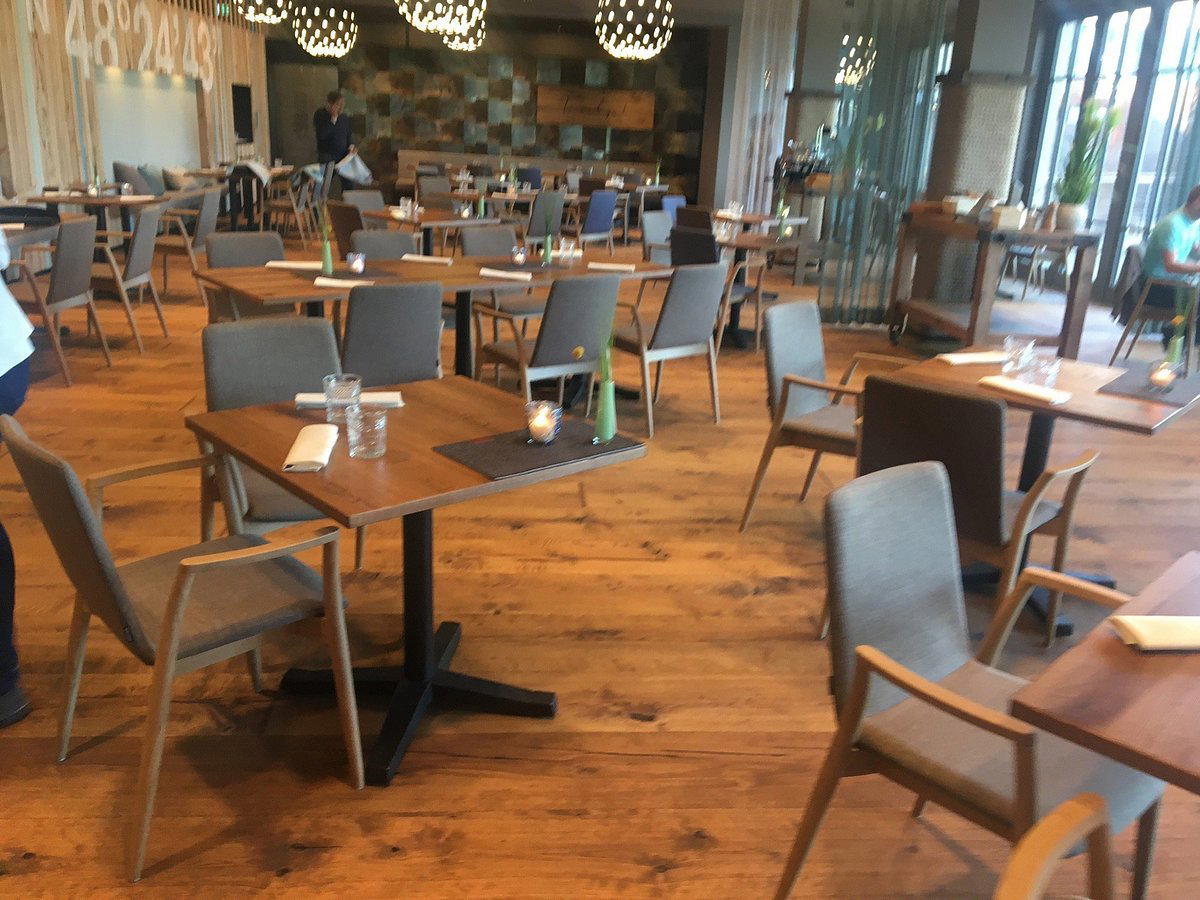
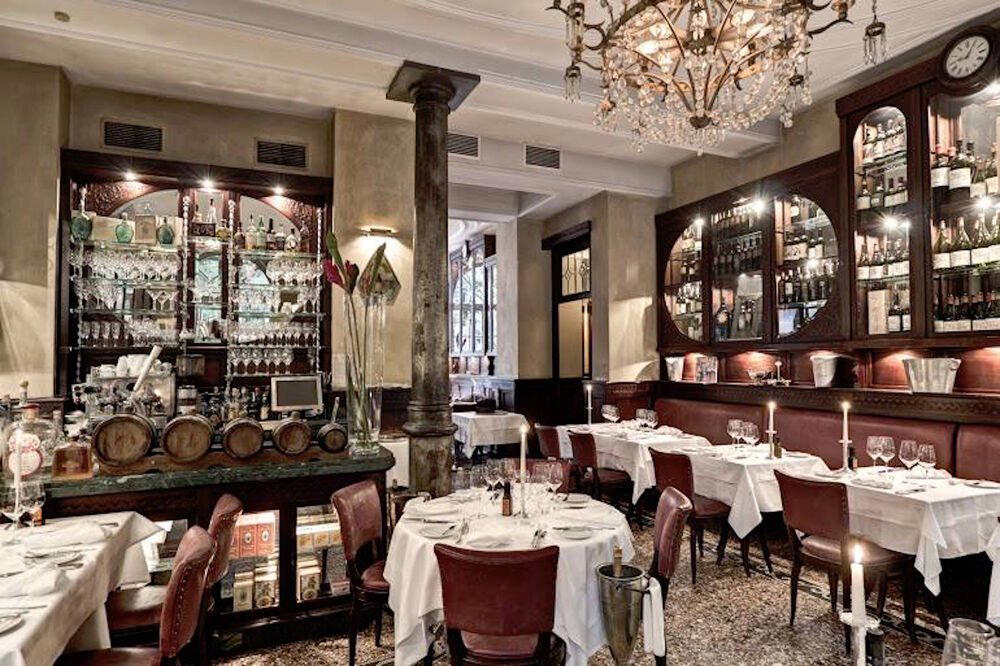
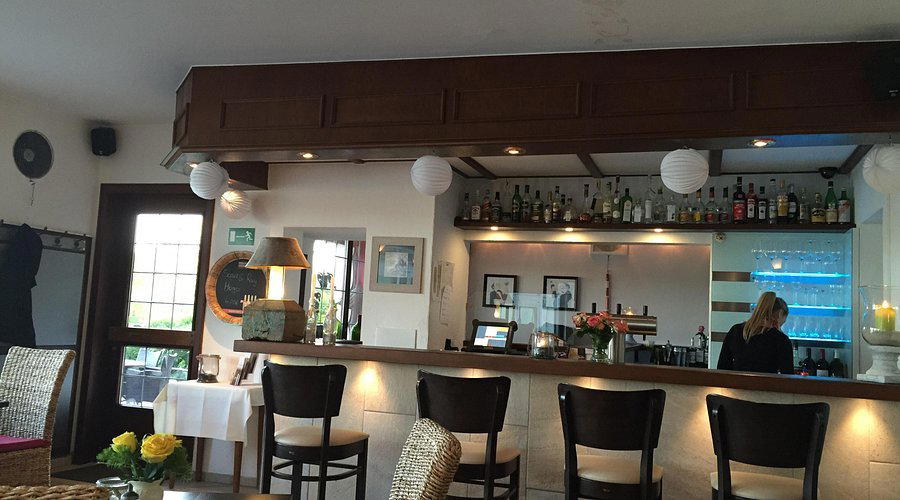
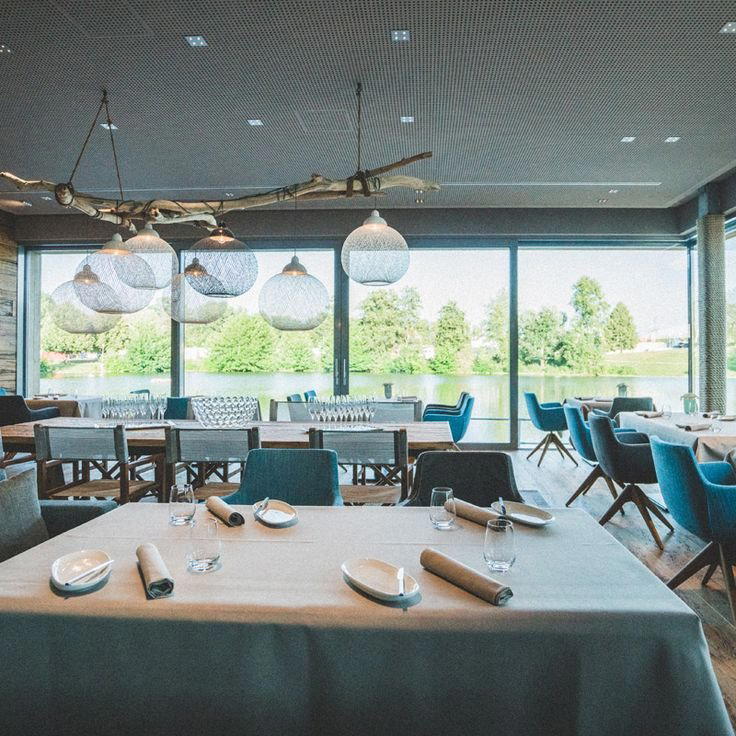
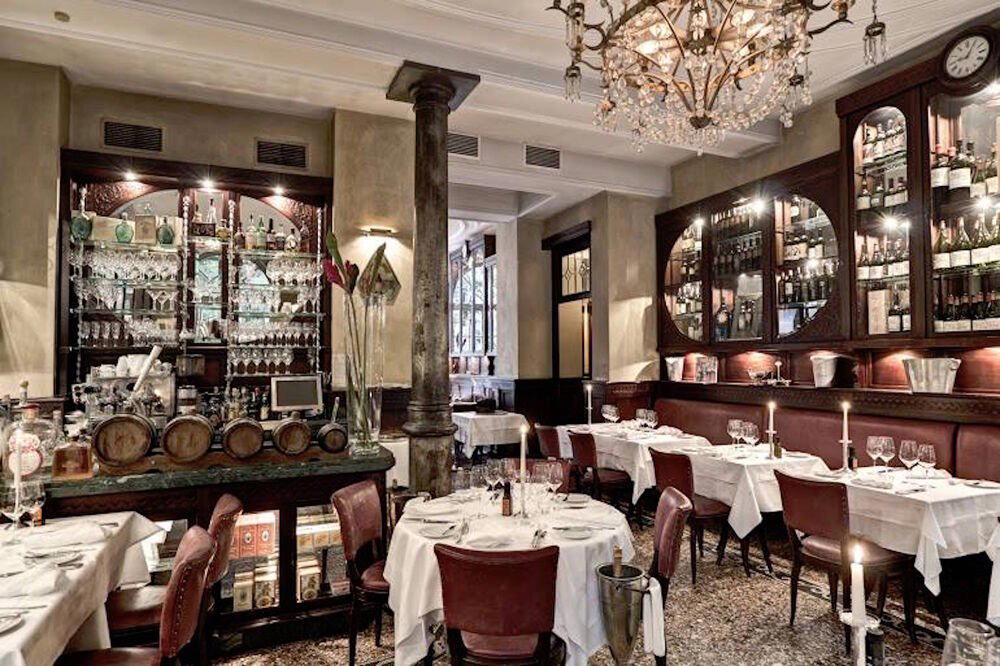
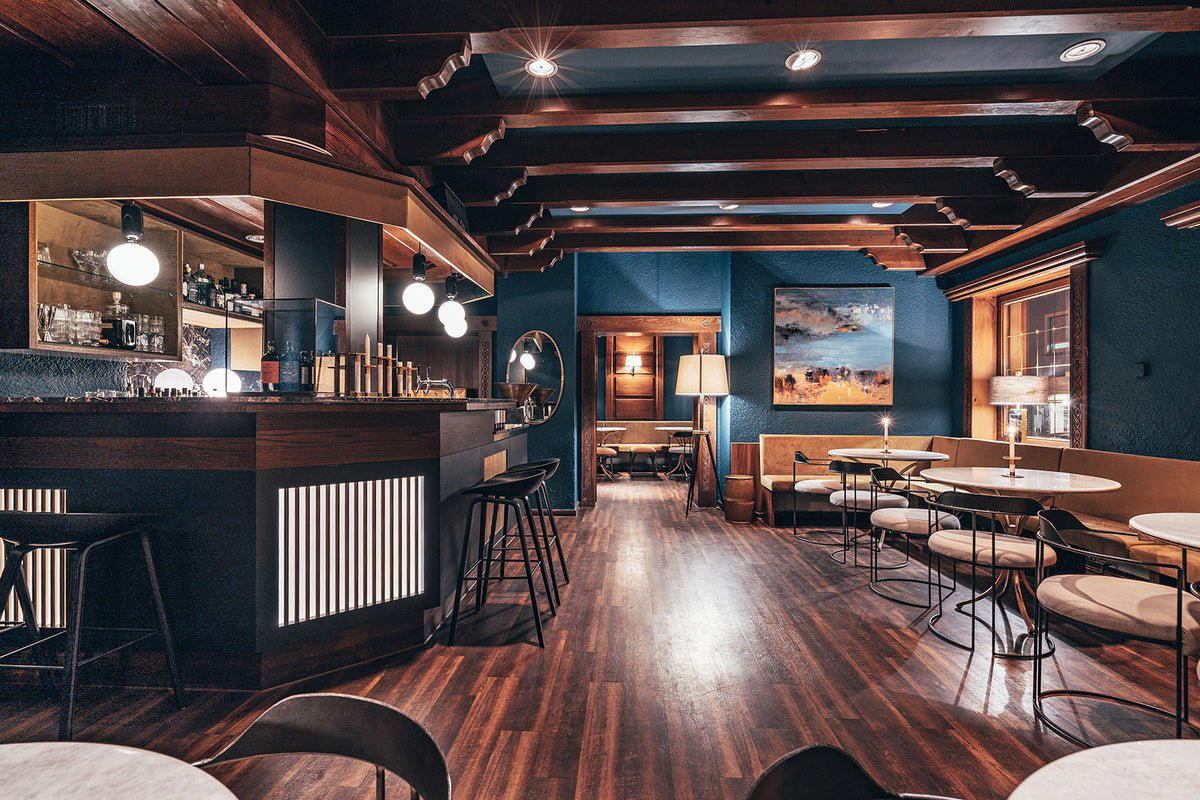
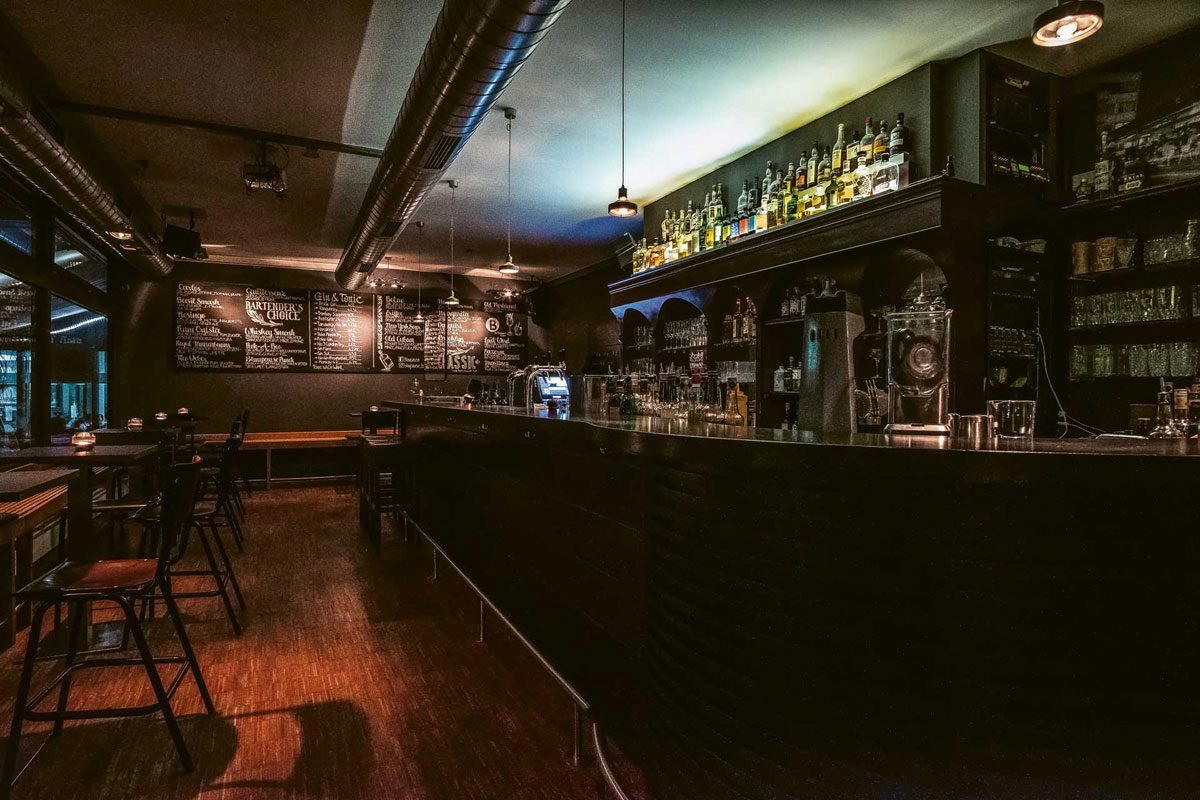
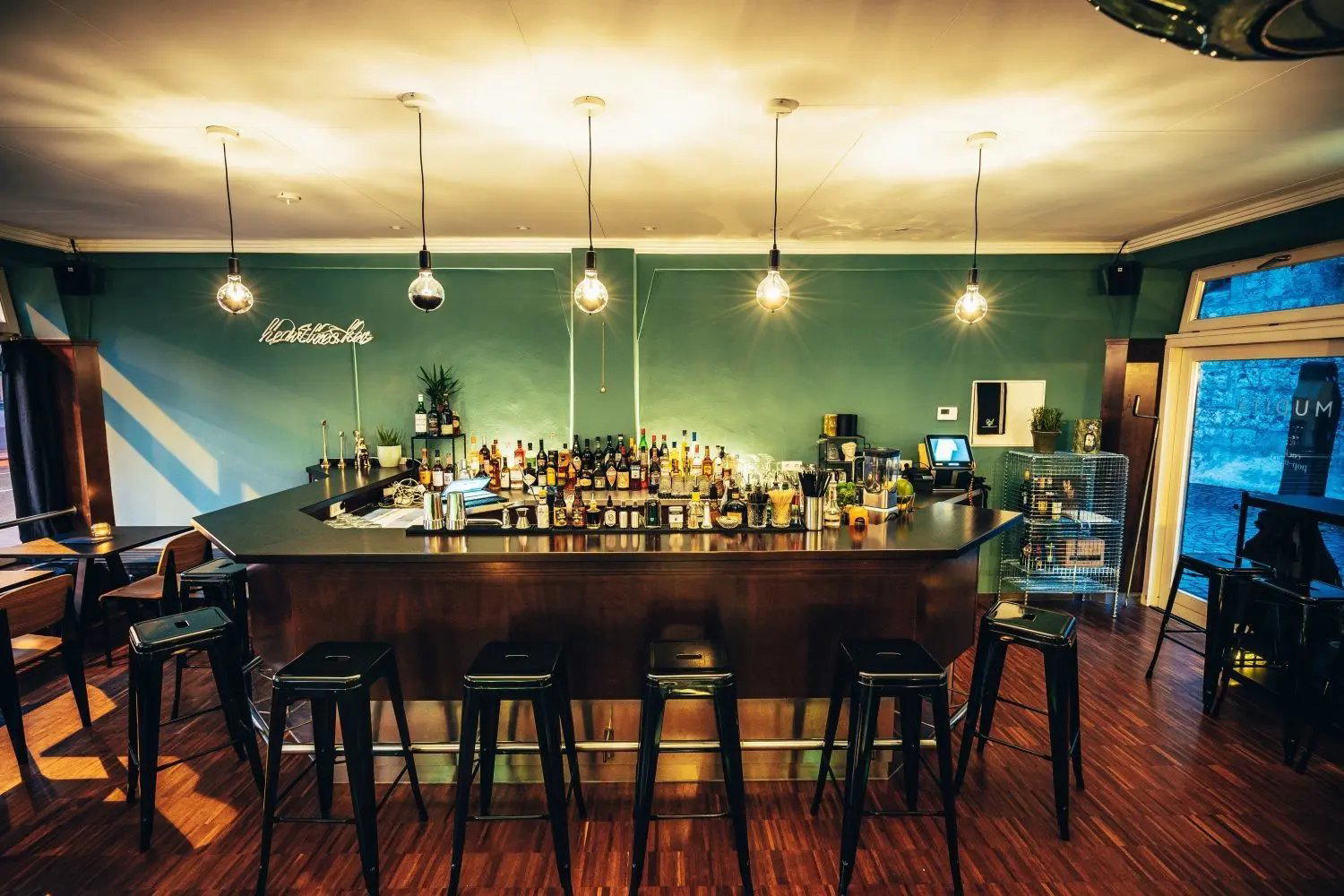
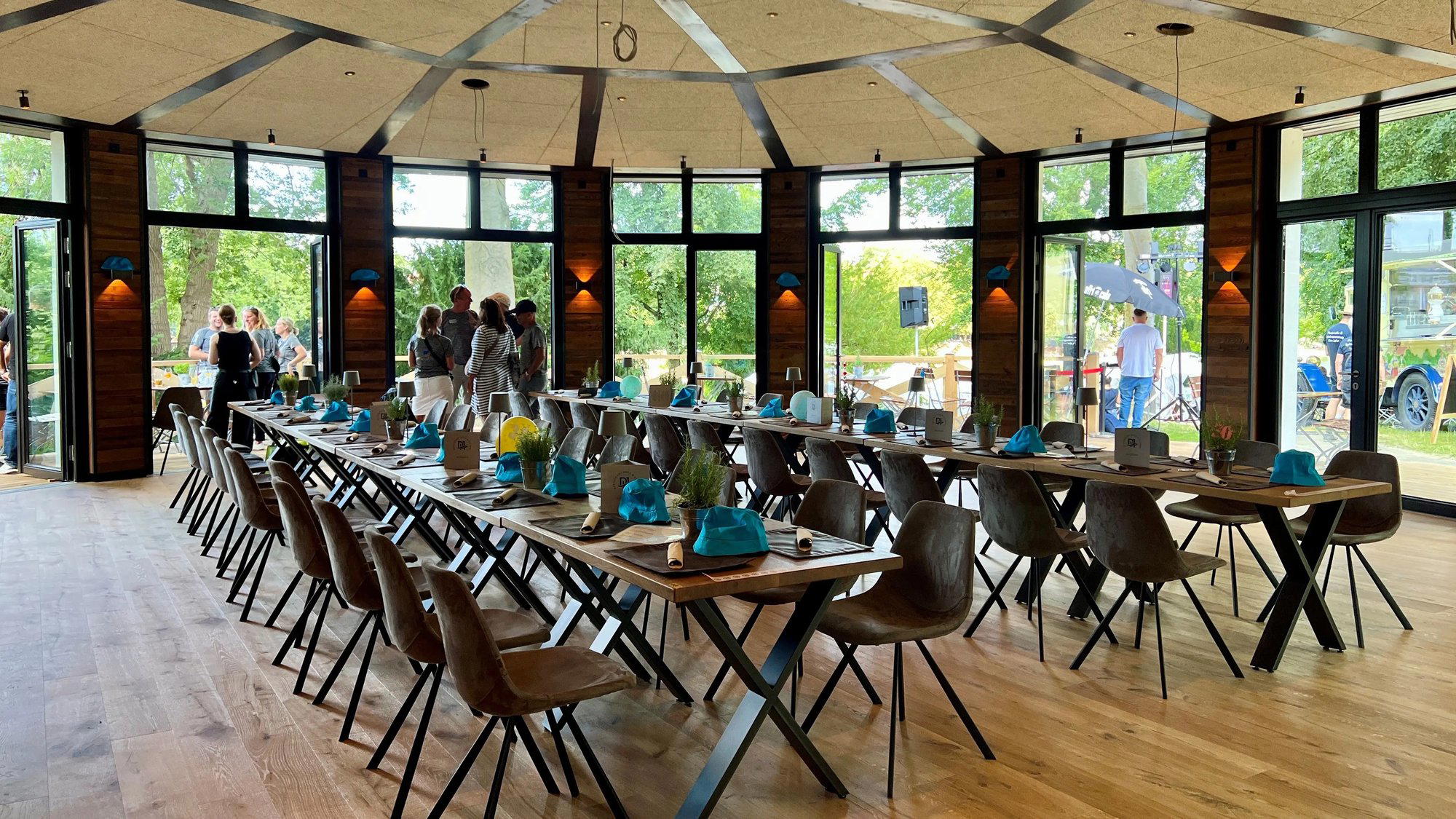
Inviting and laid-back atmosphere with energetic noise levels and terrace overlooking pedestrian zone.