
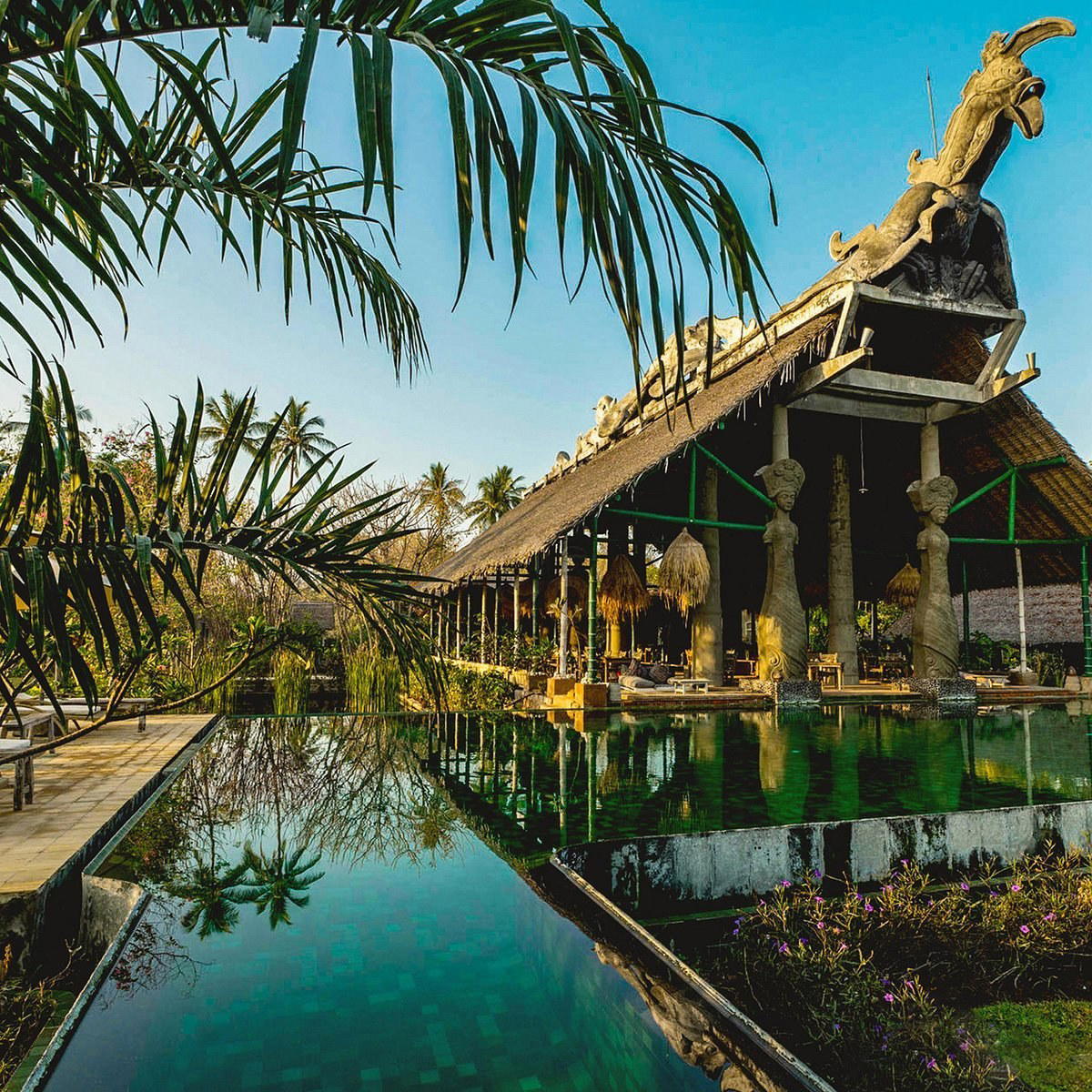
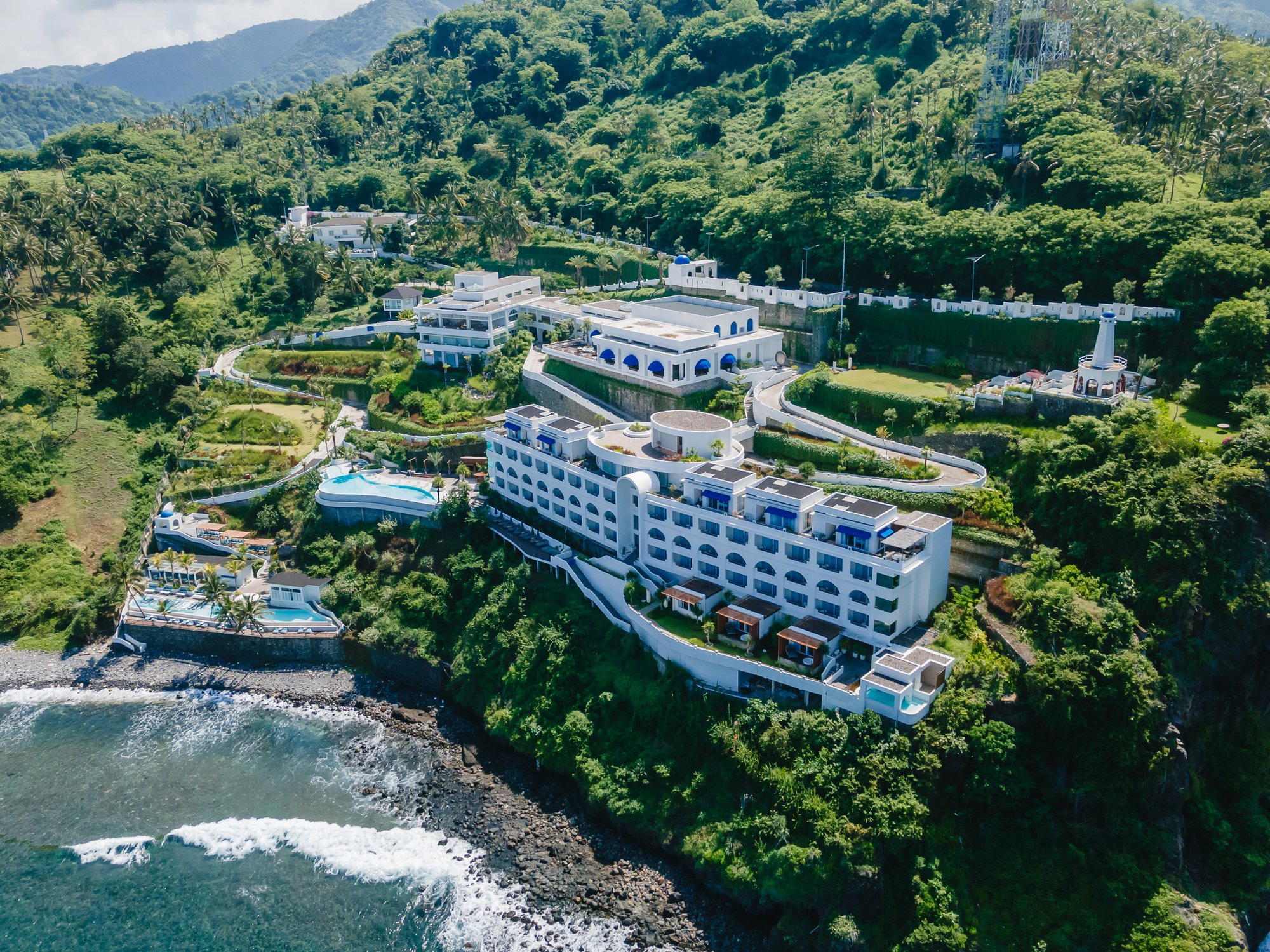
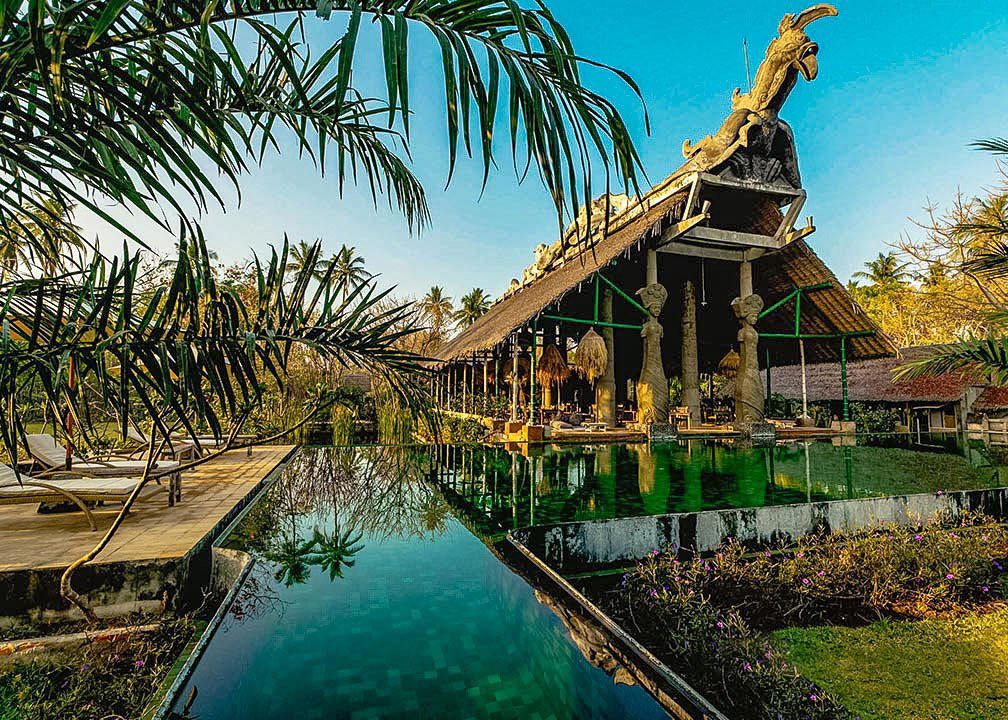
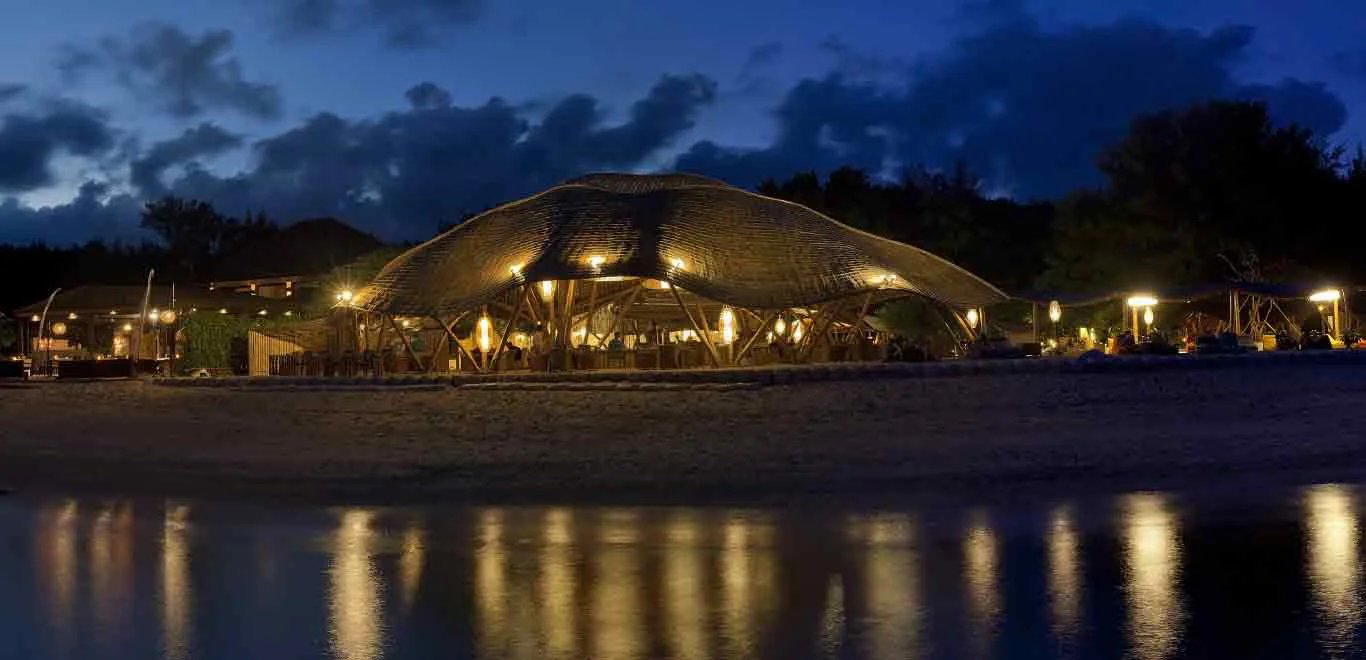
Villa Tokay occupies among the more deliberate addresses in the Indonesian archipelago: Gili Air, the smallest and quietest of the three Gili Islands off Lombok's northwest coast. The property is a collection of private villas designed around open boundaries between interior and exterior space, positioning it in the specialist, design-led tier of island accommodation rather than the resort-block mainstream.
Pearl is the En Primeur Club membership app — saves, bookings, and concierge access live there. Same editors, same standards.
- Address
- Gili Air, Dusun Gili Air, Gili Indah, Kec. Pemenang, Kabupaten Lombok Utara, Nusa Tenggara Bar. 83355
- Phone
- +62 821-8216-1541
- Website
- villatokay.com
- Directions
- Get directions
 Saves & bookings on Pearl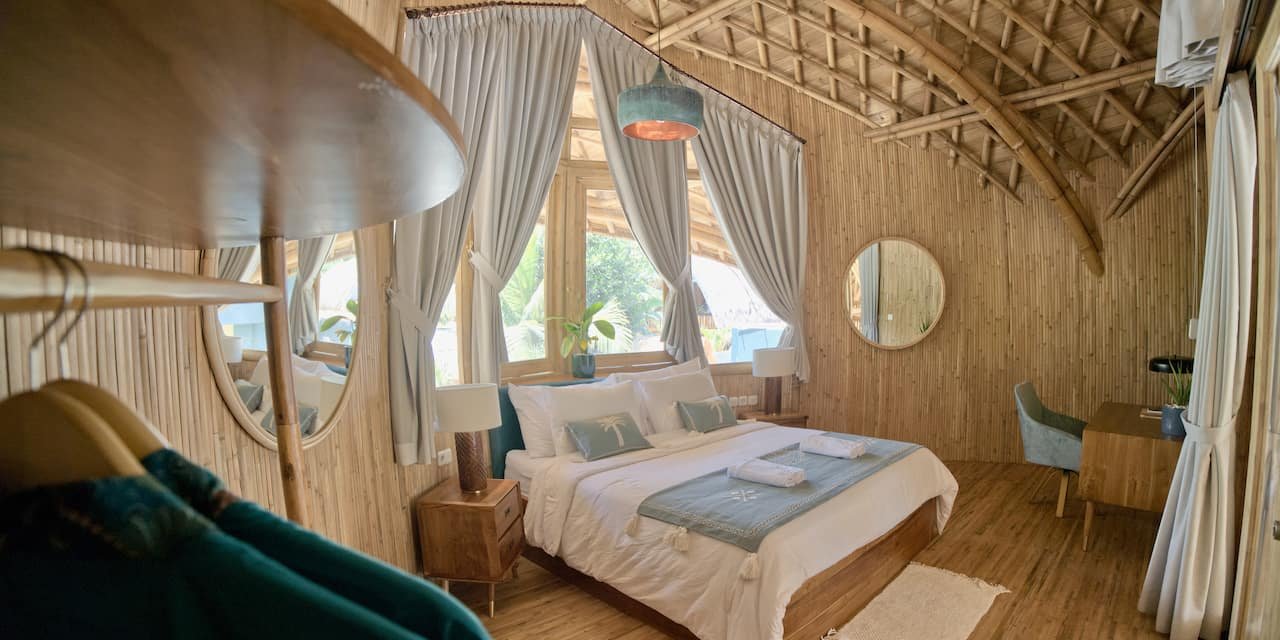
An Address That Does the Work
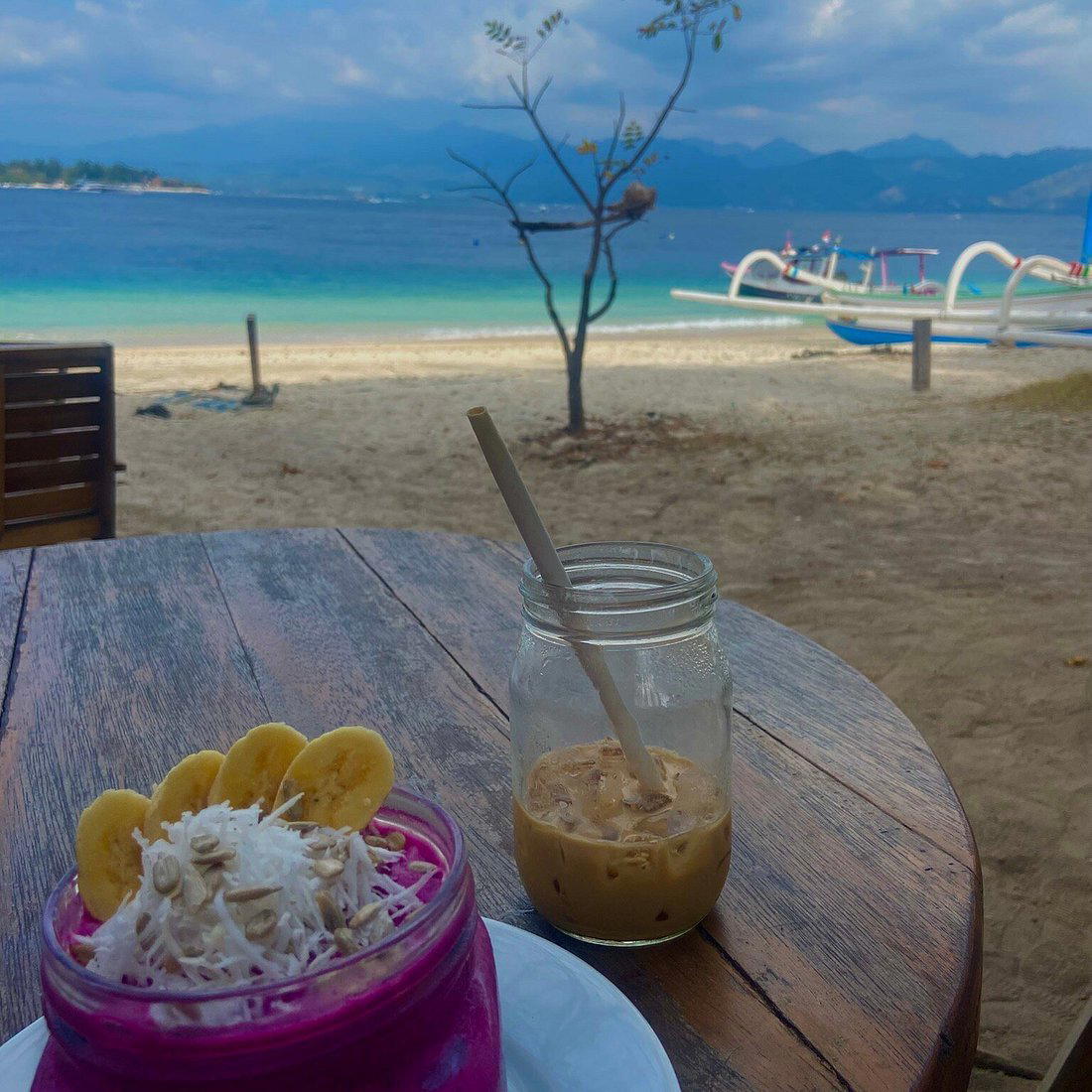
Among the three Gili Islands strung off Lombok's northwest coast, Gili Air occupies a particular niche. Gili Trawangan draws the volume crowd; Gili Meno tilts toward honeymoon seclusion; Gili Air sits between them, with enough reef and beach access to satisfy serious divers and snorkellers but a pace that never tips into the noisy festival-weekend register of its larger neighbour. Motorised vehicles are banned across all three islands, which means the acoustic environment on Gili Air is defined by the sea, the cicadas, and the soft crunch of sand underfoot. For a property whose architecture erases the line between inside and out, that backdrop is not incidental, it is structural.
Villa Tokay is built on this logic. The collection of private retreats on Gili Air represents a category of Indonesian island accommodation that has grown quietly alongside the larger resort operators: bespoke, low-density, and deliberately calibrated to the specific character of its location. Where properties like Pullman Lombok Merujani Mandalika Beach Resort and Hotel Tugu Lombok operate at the scale and format of conventional resort hospitality on the mainland, Villa Tokay is part of a smaller, villa-centric tier that prizes privacy and environmental integration over amenity breadth.
What the Location Provides
Gili Air is reachable by fast boat from Lombok's Bangsal harbour, a crossing that typically runs under thirty minutes. From Bali, the fast-boat services from Padang Bai and Serangan make the Gilis accessible as a multi-island trip, which is why the guest profile across the island tends to combine travellers arriving from both Lombok and Bali itineraries. The island's compact scale, walkable end to end in roughly forty minutes, means the address itself provides a navigational advantage: everything on Gili Air is close.
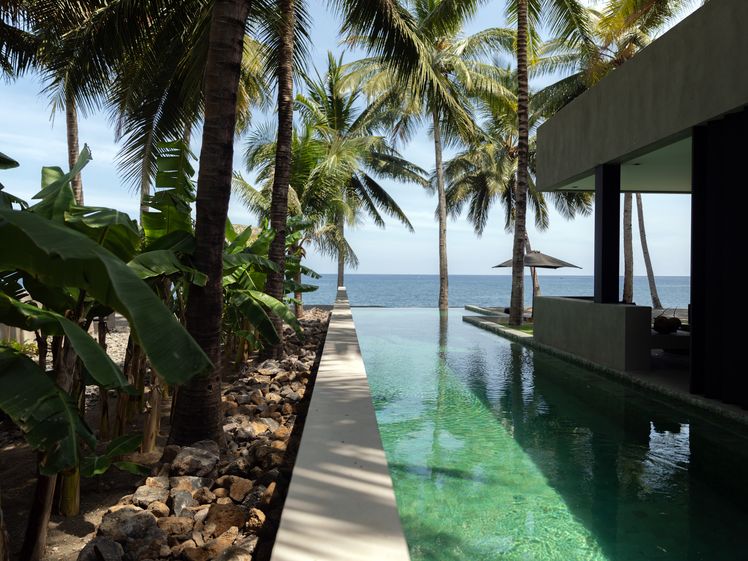
That proximity to the water defines the physical experience of staying in a villa like those at Villa Tokay. The crystal-clear shallows around Gili Air have made the island among the more reliably accessible snorkelling and diving sites in western Indonesia, with sea turtle sightings on the reef among the more commonly reported encounters. Design that opens fully to the outside only works when the outside is worth opening to.
For Indonesian island accommodation in this format, the comparative frame matters. Properties like Nihi Sumba in Sumba or Alila Villas Uluwatu in Uluwatu demonstrate what the top end of design-led villa hospitality looks like when the address is genuinely remote and the architecture responds to it. The hotel operates in a different register, smaller island, more accessible location, less infrastructure between the guest and the reef, but the underlying instinct is similar: let the geography do most of the heavy lifting, and design the built environment to stay out of its way.
The Villa Format in Regional Context
Private villa collections as an accommodation format have expanded significantly across the Indonesian archipelago over the past decade. The model tends to attract guests who find the communal pool-and-restaurant rhythm of conventional resorts less appealing than the autonomy of a self-contained space. On an island like Gili Air, that preference is reinforced by the island's own logic: there is no mass-tourism infrastructure here, no shopping mall or convention centre, and the dining and nightlife options are mostly small, independent operations fronting the beach. A private villa is not an upgrade from the resort format in this context, it is a different way of being on the island entirely.
That distinction separates the Gili villa experience from what properties like Royal Avila Boutique Resort or Somewhere Lombok offer on the Lombok mainland, where the resort format has more supporting infrastructure around it. Elsewhere in the broader Indonesian region, design-led properties such as Bambu Indah in Banjar Badung and Desa Seni Baturiti in Tabanan have built reputations around open-air architecture and local-materials sensibility. The Gili villa category sits in that broader tradition without being defined by any single flagship aesthetic.
For guests approaching from Bali, the comparison set naturally includes properties in Seminyak and Ubud. Potato Head Suites and Studios in Seminyak and Mandapa, a Ritz-Carlton Reserve in Ubud occupy the upper end of Bali's design-hotel spectrum. Gili Air villa accommodation is not competing in that tier by amenity count or brand weight, but it offers something those properties cannot: the particular stillness of a car-free island with reef access a short walk from the door.
Planning the Stay
The Gili Islands sit within Lombok's high season, which runs broadly from May through September when the dry weather and calmer seas make beach and water activity most reliable. The wet season between November and March brings shorter periods of rain and occasionally rougher boat crossings, though the island remains operational year-round. Booking direct or through a dedicated Indonesia travel operator is the standard approach for private villa properties in this format, and advance planning becomes more important during peak school-holiday windows when the fast boats from Bali and Lombok fill quickly. For the broader Lombok context and surrounding properties, our full Lombok restaurants and hotels guide covers the region across price points and formats.
Travellers combining Gili Air with a wider Indonesia itinerary often route through Bali, and the range of Bali properties at EP Club covers everything from the design-led (Villa Waru Nusa Lembongan in Lembongan Kawan, Hotel Komune and Beach Club Bali in Gianyar) to the landmark resort (Amankila in Manggis). Those extending further into the archipelago might consider Tunak Resort Luxury Escape on Lombok's southern peninsula, where the terrain and mood shift considerably from the flat, reef-rimmed character of the Gilis.
The Minimal Set
Comparable venues nearby, for context on price, style, and recognition.
| Venue | Cuisine | Price | Notes |
|---|---|---|---|
| Villa TokayThis venue — the venue you are viewing | Not listed | $$$$ | Not listed |
| Pullman Lombok Merujani Mandalika Beach Resort | Not listed | $$$$ | Kuta Mandalika, Contemporary beachfront resort blending island tradition with luxury. |
| Lombok Private Villa Estate | Gondang, luxury beachfront villa estate | $$$$ | Not listed |
| Seven Secrets by Hanging Gardens | Not listed | $$$$ | Malaka Pemenang, contemporary tropical fusion with indoor-outdoor living |
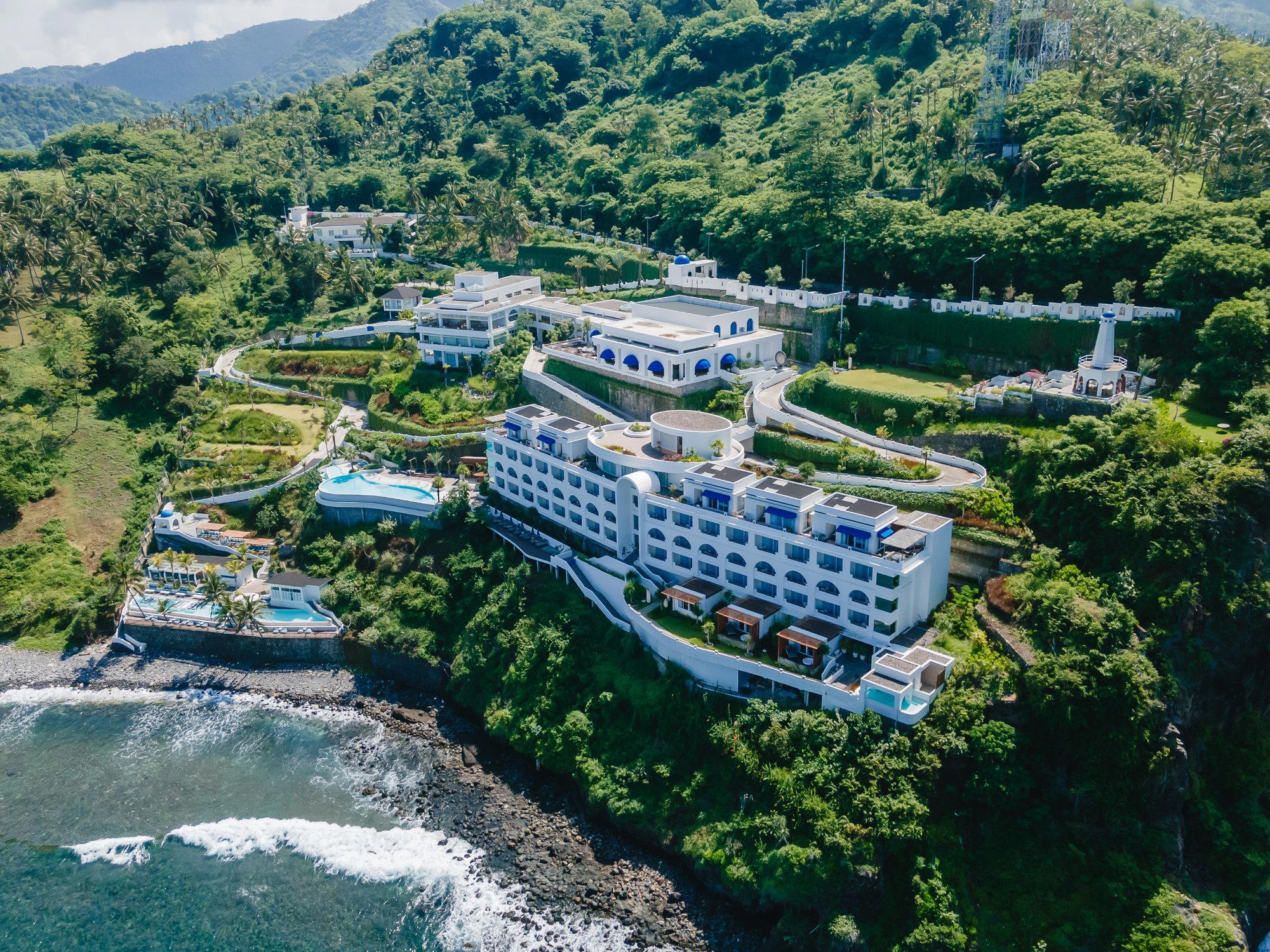
| Royal Avila Boutique Resort | Not listed | $$$$ | Malaka, Pemenang, Modern Mediterranean-inspired luxury boutique resort blending authentic Indonesian hospitality with international sensibilities on a clifftop tropical setting. |
| Somewhere Lombok | Not listed | $$$$ | Pujut, Beach-chic luxury boutique resort with bohemian minimalism, featuring standalone villas carved into a jungle-caressed cliffside with handcrafted local materials and contemporary Indonesian design. |
Recognition history
Dated appearances from independent guides and award organizations, with the underlying list record or original source where available.
Small Luxury Hotels of the World Member
Small Luxury Hotels of the World
At a Glance
- Romantic
- Quiet
- Elegant
- Intimate
- Sophisticated
- Whimsical
- Honeymoon
- Romantic Getaway
- Anniversary
- Wellness Retreat
- Celebration
- Private Villa
- Infinity Pool
- Destination Spa
- Garden
- Terrace
- Private Dining
- Beachfront
- Wi Fi
- Spa
- Room Service
- Concierge
- Restaurant
- Bar
- Bicycle Rental
- Butler Service
- Sauna
- Hot Tub
- Garden
- Waterfront
- Wi Fi
- Spa
- Room Service
- Concierge
- Restaurant
- Bar
- Bicycle Rental
- Butler Service
- Sauna
- Hot Tub
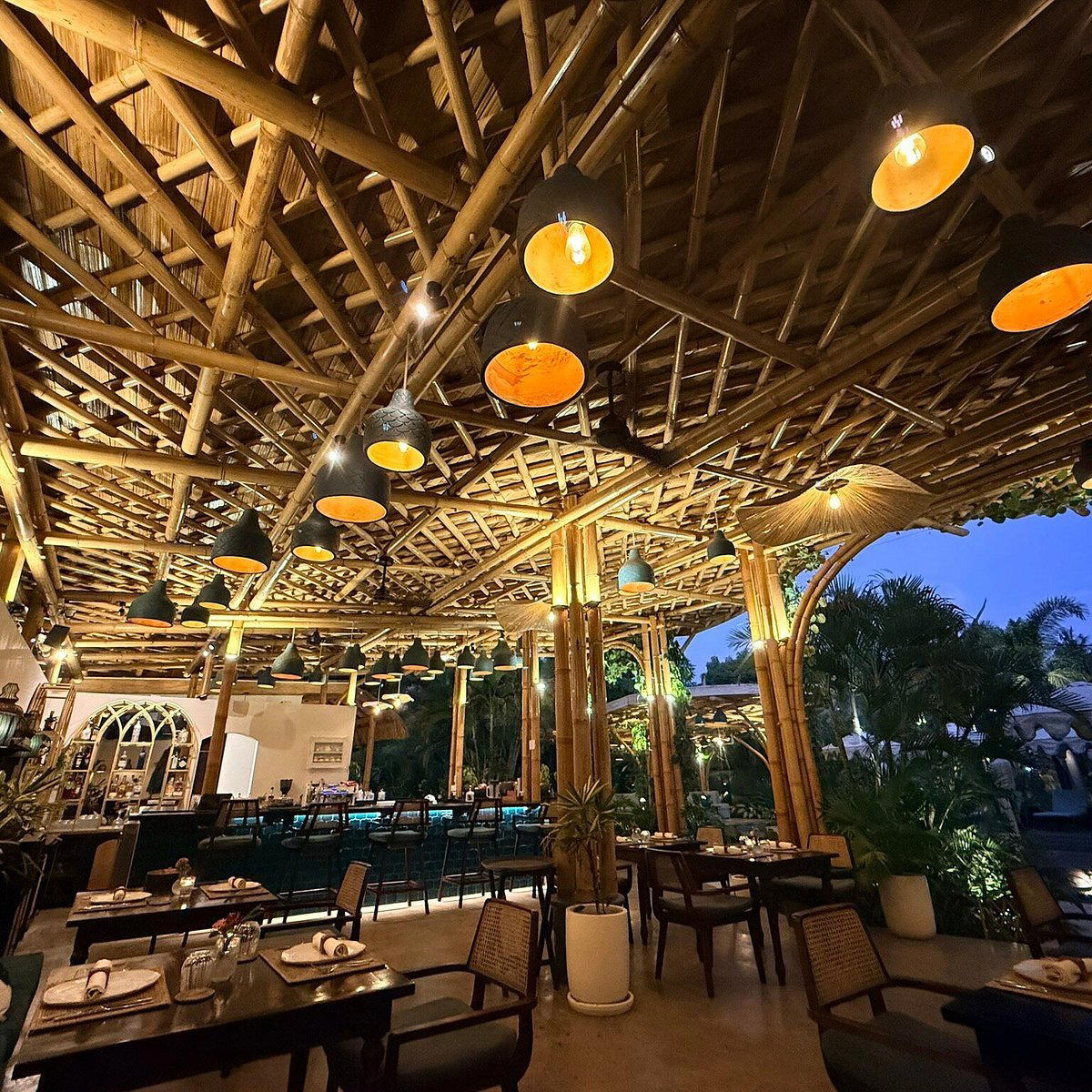
Serene and tranquil with natural light filtering through tropical gardens, open-air spaces, and minimalist interiors that blend indoor-outdoor living.