
1 Michelin Key
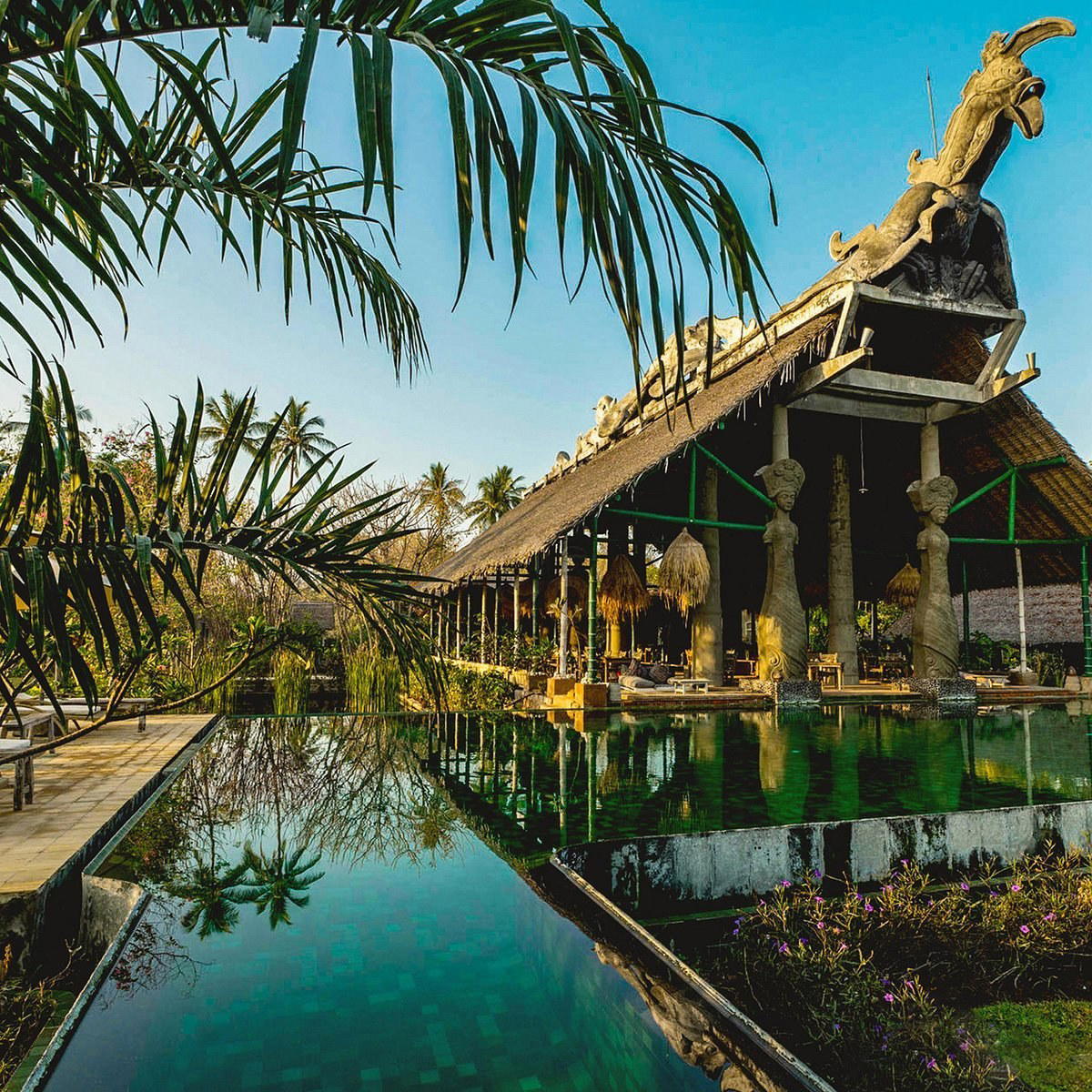
Hotel Tugu Lombok occupies the northwest coast of Lombok with 36 rooms and villas anchored in Majapahit-era aesthetics — think antique-laden interiors, boulder-carved bathtubs, and a giant rooster sculpture crowning the open-air restaurant. Where Bali trades on recognition, Lombok offers seclusion, and Tugu leans into that contrast with a deliberate, culturally dense design language that places it in a different category from the island's sparse, minimalist competitors.

Pearl is the En Primeur Club membership app — saves, bookings, and concierge access live there. Same editors, same standards.
- Address
- Jl. Pantai Sire No. Desa, Sigar Penjalin, Kec. Tj., Kabupaten Lombok Utara, Nusa Tenggara Bar. 83352
- Phone
- +62 819-3799-5566
- Website
- tuguhotels.com
- Directions
- Get directions
A Different Kind of Beach Hotel
Lombok's northwest coast has avoided the resort density that defines Bali's southern shoreline, and that geographic restraint shapes what kind of property can succeed here. The island attracts travellers who have already done Seminyak, already navigated Ubud, and are looking for something that doesn't arrive pre-packaged. Hotel Tugu Lombok operates in that gap, not by stripping back to minimalism, but by doing the opposite: it commits, visually and philosophically, to the pre-colonial Majapahit period that once made this island a seat of Hindu cultural power.
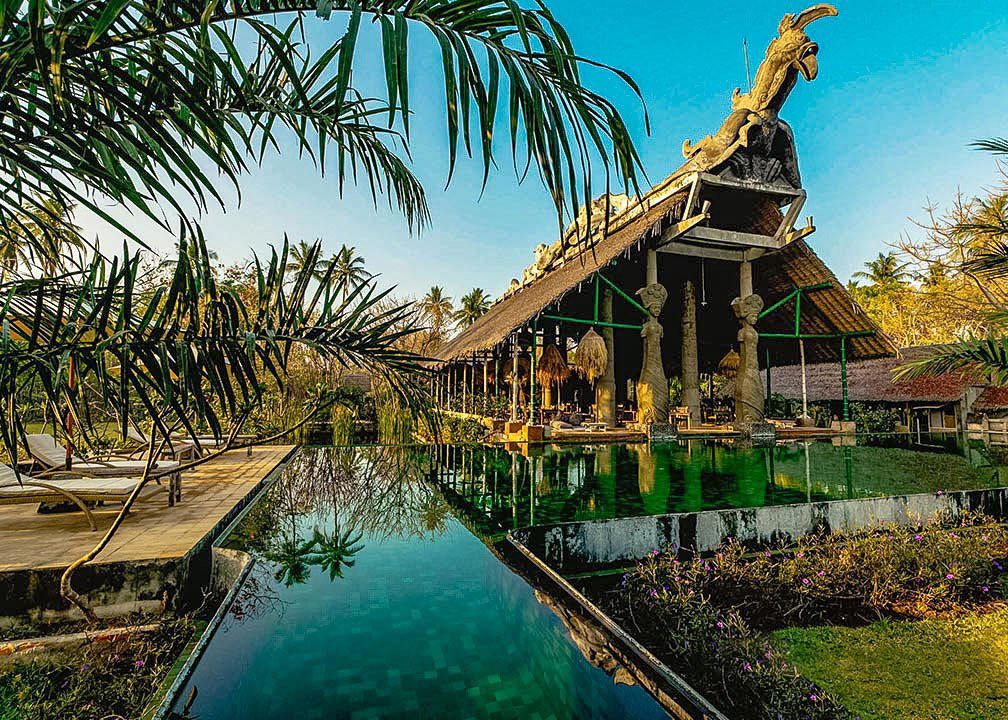
The first thing most guests notice is the rooster. A giant sculpture, dramatically lit at night, sits atop the open-air restaurant, visible from considerable distance along the coastal road. In a region where most beach properties use the standard vocabulary of sand tones, linen, and receding sightlines to water, Tugu's opening gesture is a deliberate aesthetic provocation. This is not a hotel that wants to disappear into its surroundings.
Architecture as Cultural Argument
Across Indonesia's premium hospitality tier, the dominant design conversation tends to split between two camps: international-brand sleekness, as seen at properties like the Pullman Lombok Merujani Mandalika Beach Resort, and the locally rooted, materials-led approach pursued by smaller independents. Tugu belongs to the second camp, but at a register of density and ornamentation that few properties attempt. The reference point is not contemporary Indonesian design but ancient Indonesian history.
The 36-room property contains a 200-year-old temple within its grounds, a fact that does more to establish design credibility than any architectural brief could. Rather than treating the temple as a backdrop feature, the property's aesthetic vocabulary extends outward from it: antiques sourced from across the Indonesian archipelago appear throughout the rooms and public spaces, and the Villa Puri Dadap Merah is explicitly framed around the architectural structure of an ancient temple. Guests who stay there are, in effect, sleeping inside a curated collection of Indonesian material culture. It is the kind of accommodation concept that properties like Bambu Indah in Banjar Badung and Desa Seni Baturiti in Tabanan gesture toward through craft and natural materials, but Tugu achieves through accumulated historical objects.
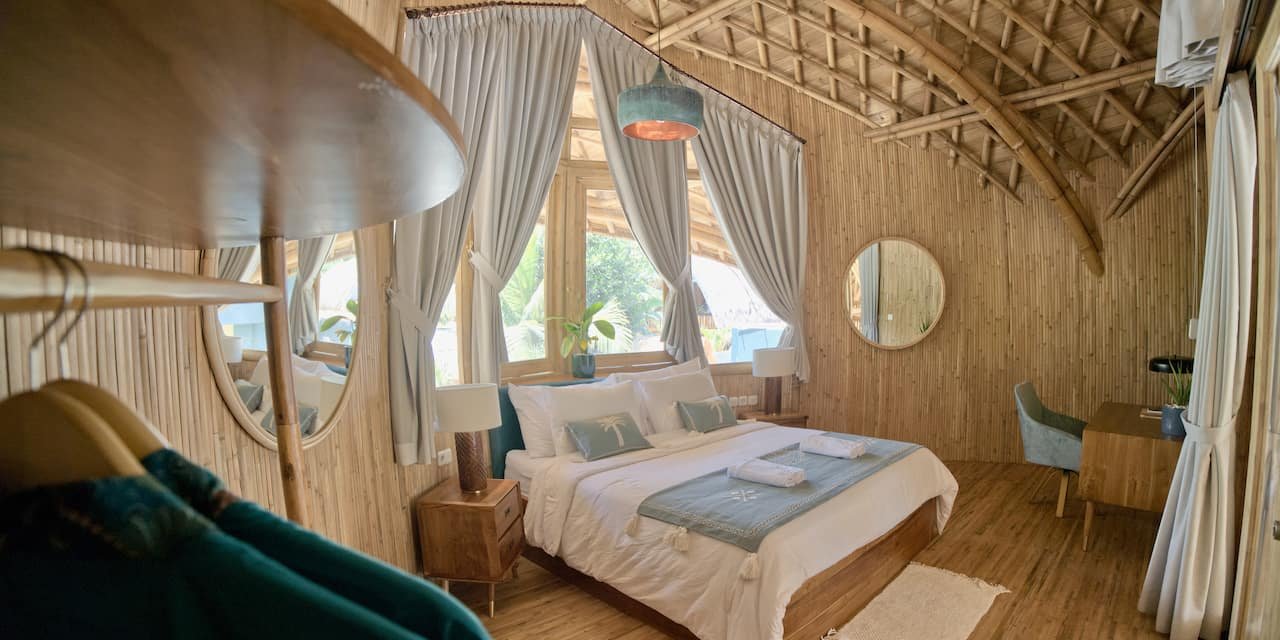
The Bhagavat Gita suites sit at a different price point within the property's range but maintain the same visual intensity: thatched ceilings at height, beds framed by white canopies, bathtubs carved from boulders, and private oceanfront plunge pools. These are not design choices made for a mood board. They are choices made by a property that has a specific visual argument to make about where it comes from.
The Property in Its Northwest Lombok Context
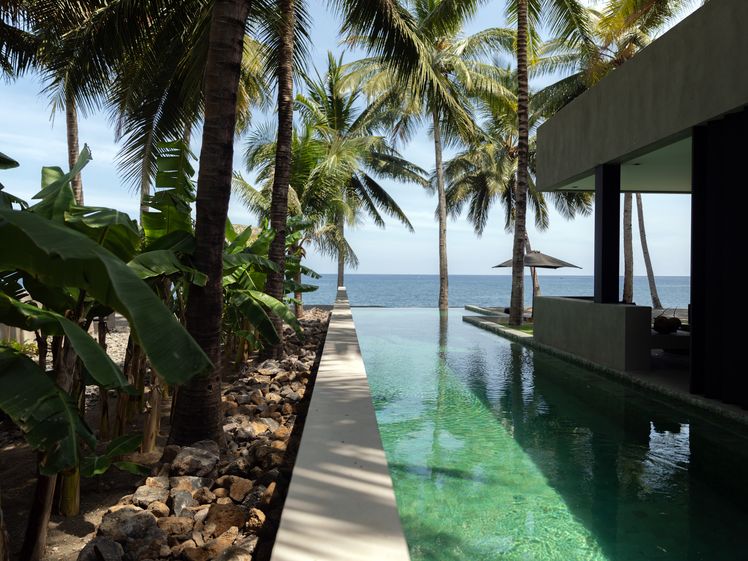
Lombok lacks the airport-to-resort infrastructure that feeds Bali's volume. That structural fact keeps the northwest coast genuinely quiet, which is exactly what Tugu's positioning requires. The hotel's palm-lined beachfront sits on a stretch of coastline where the tourist economy has not caught up with the island's reputation. Guests who compare the experience to Bali's Seminyak corridor, where properties like Potato Head Suites and Studios compete for the same high-design, high-footfall traveller, will find the contrast instructive: Lombok's northwest operates at a fundamentally lower density, and Tugu prices and programs itself accordingly.
The comparison to Bali's heritage-luxury tier is also relevant. Properties like Mandapa, a Ritz-Carlton Reserve in Ubud, and Amankila in Manggis occupy the space where Balinese cultural reference meets international luxury standards. Tugu Lombok makes a related argument but in a more emphatic key: where those properties tend toward serenity and restraint, Tugu opts for accumulation and spectacle. Both strategies are defensible. They appeal to different readers.
For those looking at Lombok alternatives within a similar design-led framework, Royal Avila Boutique Resort, Somewhere Lombok, and Tunak Resort Luxury Escape each occupy a different position on the design-versus-seclusion axis. Villa Tokay represents the private-villa end of the spectrum. Tugu is the loudest architectural statement in that peer group, which will make it either the obvious choice or a clear non-fit depending on the traveller.
Dining and Evening Programming
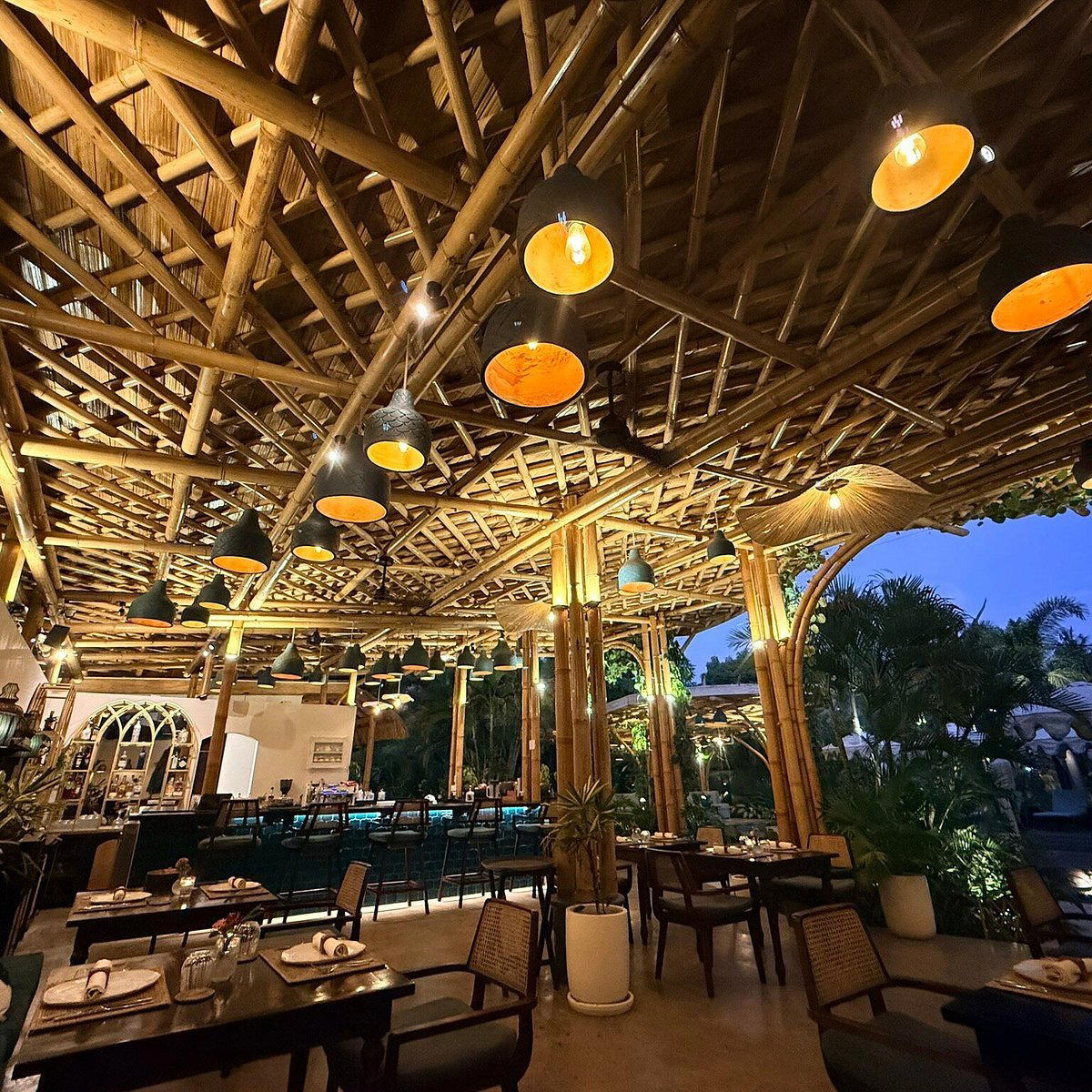
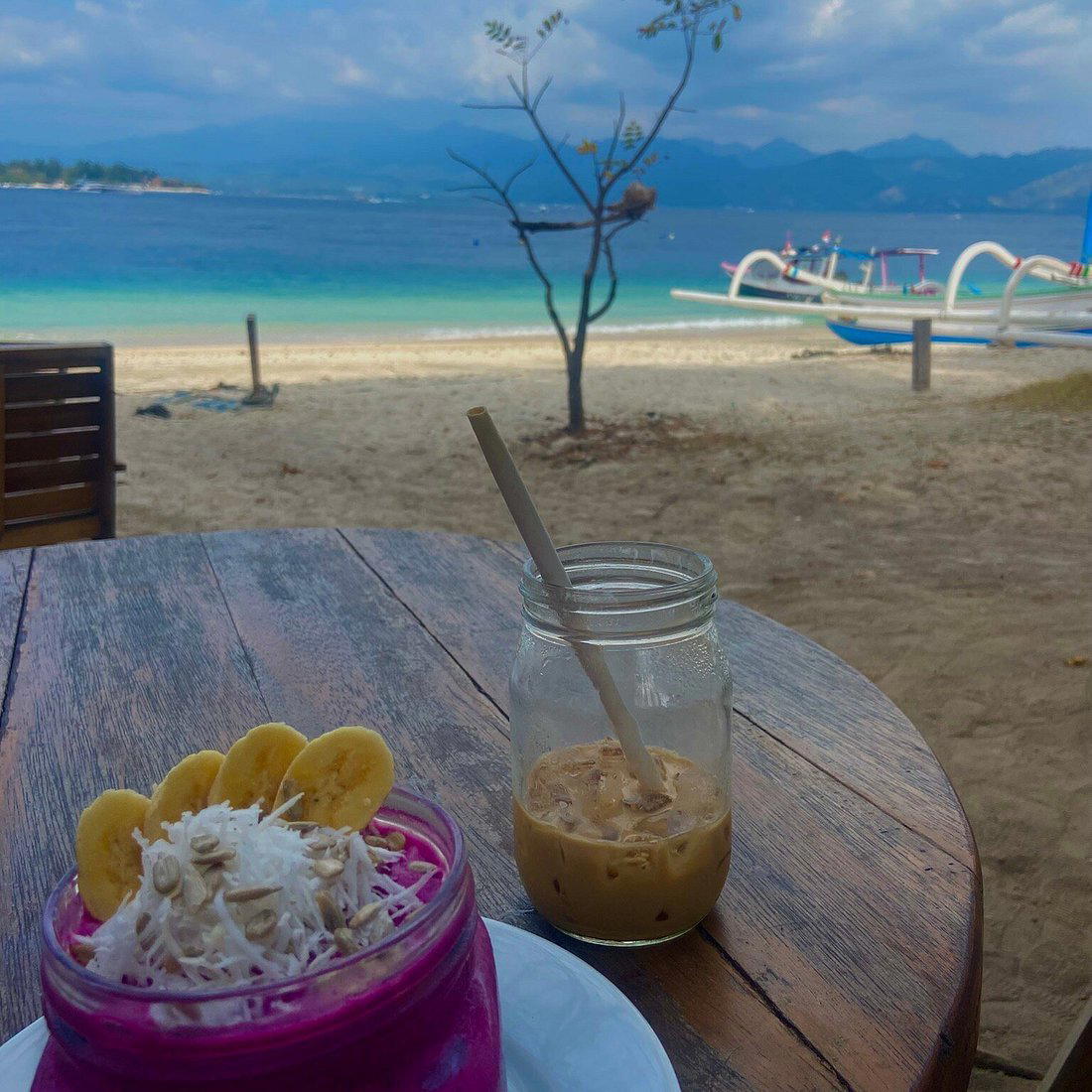
The food and beverage program at Tugu Lombok extends the design logic into the guest's entire stay. Seafood served on the beach, lit by bamboo torches, functions as an immersive dining context that few properties along this coastline can replicate given the beach infrastructure required. The Lara Djonggrang bar, modeled on a traditional Balinese hut and built around an old teak bar, positions evening drinks as an architectural experience rather than a hotel amenity. These are not incidental details: the property is built so that every transition between activities reinforces the same Majapahit-era aesthetic argument.
The open-air restaurant beneath the rooster sculpture is the most visually assertive of the dining venues, and for guests arriving for the first time, it sets the interpretive frame for everything that follows. This is a property that wants you to understand where you are before you've ordered anything.
Practical Notes for Planning
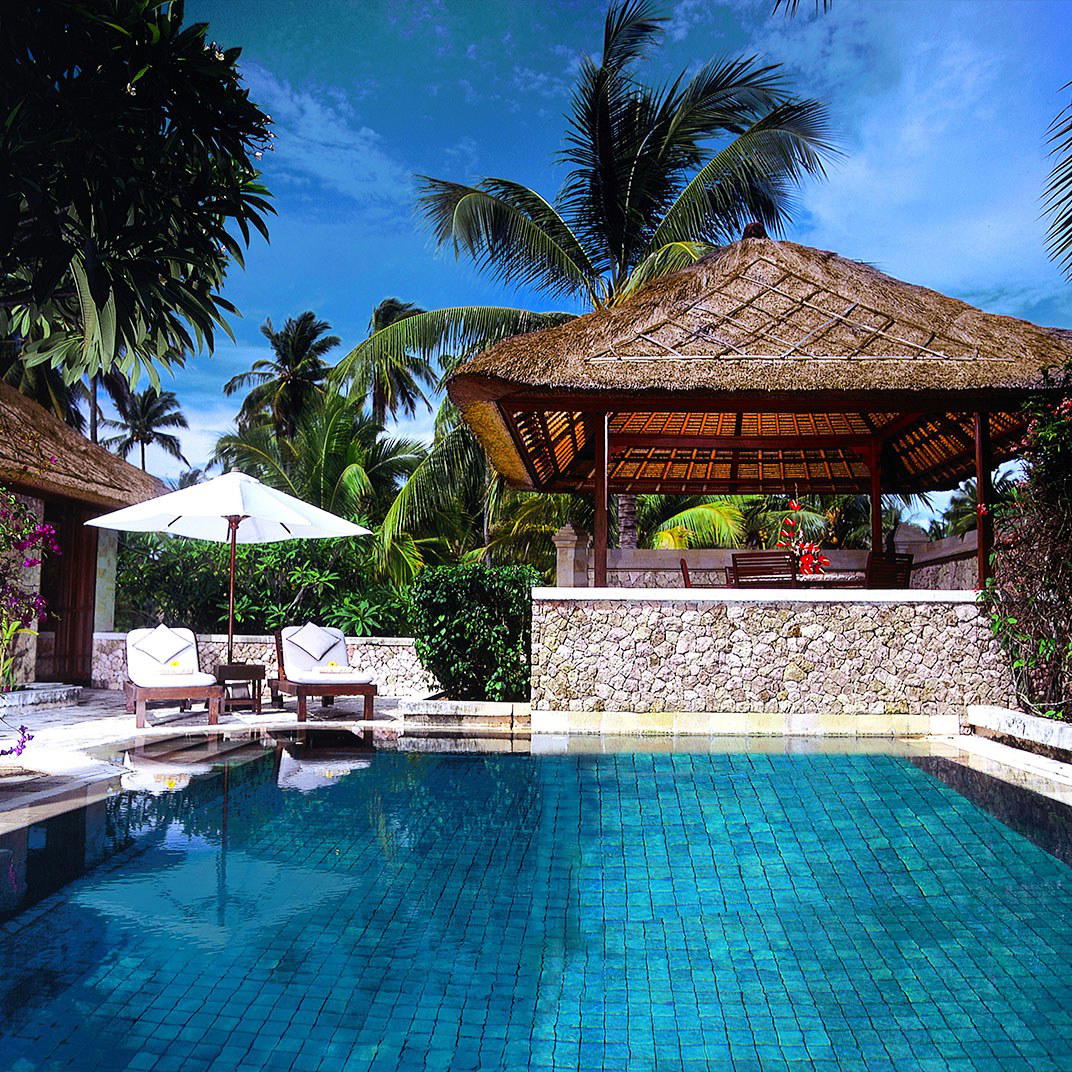
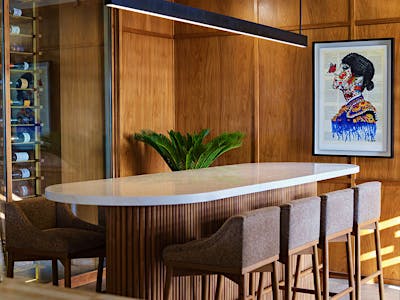
Hotel's 36 keys span private villas, suites, and bungalows, with the Villa Puri Dadap Merah at the upper end of the accommodation hierarchy. The property includes a freshwater swimming pool, a wine cellar, an indoor-outdoor spa, yoga programming, and bicycle rental. A complimentary foot and shoulder massage is provided on arrival. Standard amenities across room categories include rain showers, flat-screen TVs with home theatres, and private lotus ponds. Guests in the villa tier gain access to a private rooftop terrace for al fresco dining under open sky.
Lombok's northwest coast is accessible from Bali by fast boat or short flight into Lombok International Airport, followed by a transfer to the Sire beach area on the island's northwest tip. The drive from the airport takes roughly an hour depending on traffic. Prospective guests should contact the property directly for current pricing and availability, as room rates fluctuate with season and availability windows. Our full Lombok restaurants and hotels guide covers the broader island context for those planning a longer stay.
Travellers considering Indonesia's wider premium-property circuit might also look at Nihi Sumba in Sumba for remote-beach positioning, Amanjiwo in Magelang for archaeological-site adjacency, or Alila Villas Uluwatu for Balinese clifftop design. Each represents a different way of embedding a luxury property in Indonesian cultural geography. Tugu Lombok's particular answer to that question is more maximalist than most, and that is precisely its appeal to the traveller who finds restraint-led luxury interchangeable.
Comparison Snapshot
| Venue | Cuisine | Price | Awards |
|---|---|---|---|
| Hotel Tugu LombokThis venue — the venue you are viewing | This venue | $100–200 | 1 Michelin Key |
| Pullman Lombok Merujani Mandalika Beach Resort | Not listed | Not listed | Michelin Selected · World Luxury Hotel Awards WLHA Regional Winner |
| Tunak Resort Luxury Escape | Not listed | $200–300 | World Luxury Hotel Awards WLHA Regional Winner |
| Villa Tokay | Not listed | $300–500 | Michelin Selected · Small Luxury Hotels of the World Member |
| Royal Avila Boutique Resort | Not listed | $200–300 | World Luxury Hotel Awards WLHA Global Winner |
| Somewhere Lombok | Not listed | $300–500 | Michelin Selected · Mr & Mrs Smith Seal of Approval |
Recognition history
Dated appearances from independent guides and award organizations, with the underlying list record or original source where available.
Michelin 1 Key
Michelin
Full recognition history (2 entries)
Michelin 1 Key
Michelin
Details
- Romantic
- Scenic
- Rustic
- Cozy
- Elegant
- Intimate
- Honeymoon
- Romantic Getaway
- Wellness Retreat
- Anniversary
- Beachfront
- Private Villa
- Infinity Pool
- Pool
- Spa
- Wi Fi
- Room Service
- Concierge
- Beach Access
- Waterfront
- Garden
Serene and tranquil with lush tropical gardens, colonial-style antique decor, and relaxing beachfront atmosphere praised in guest reviews.