North Lombok and the Beach Club Format Bali absorbed the beach club concept so thoroughly that it became its own genre. Sprawling day-clubs with imported DJ sets, tiered pools, and cocktail lists priced to match Singapore are now a standard expectation in Seminyak and Canggu. The island next door, Lombok, has taken a different trajectory. Visitor numbers remain a fraction of Bali's, infrastructure in the north is still catching up, and the properties that have opened along its coastline tend toward the smaller and more atmosphere-dependent end of the format. Amavi Beach Club, situated in the Malaka area of Pemenang in North Lombok Regency, belongs to that quieter tier. Pemenang sits on the northwestern coast, serving as one of the main transit points for travelers heading to the Gili Islands. That geographic position gives any venue here an unusual guest mix: day-trippers resting before or after the ferry crossing, longer-stay visitors based on the mainland, and the smaller but growing cohort choosing Lombok specifically over Bali for its relative calm. A beach club in this location is dealing with a different energy than its Bali counterparts, and the leading ones in the region have learned to let the environment carry what expensive production design tries to manufacture elsewhere. What Draws People Here The north Lombok coastline offers one of the cleaner ocean outlooks in the Indonesian archipelago at this price tier. The Gili Islands are visible from the shore on clear days, and the reef systems offshore mean the water color runs toward the kind of turquoise that Lombok's more developed south coast has traded away for convenience. For a beach club, that setting functions as the primary asset. The design of the space, the furniture, the shade structures, and the arrival experience all serve to frame it rather than compete with it. Beach clubs across Southeast Asia have broadly separated into two operating philosophies over the past decade. The first chases volume through events programming, bottle service, and large-capacity pools. Potato Head Beach Club in Seminyak is the clearest regional expression of that model, with its architecture and cultural programming operating at a scale that no north Lombok venue currently attempts. The second philosophy prioritizes a lower-intensity version of the same format, where the bar tab is the main economic engine and the guest experience depends more on where you're sitting than what's happening on a stage. Amavi operates closer to that second model, which is consistent with what the north Lombok market can currently sustain and with what its guest profile tends to want. The Bar at the Center of It In the beach club format, the cocktail program is the product. Food menus exist, and they matter for pacing a long afternoon, but the bar defines the commercial and experiential core of the operation. The tropical beach club setting creates a specific cocktail brief that is harder to execute well than it looks: drinks need to hold up in heat and humidity, they need to photograph against a coastal backdrop, and they need to suit guests who are often combining sun exposure with alcohol in conditions that demand some restraint in ABV or structure. The strongest cocktail programs in this format draw on the same regional ingredients that have defined Indonesian and broader Southeast Asian drinking culture: fresh coconut, tropical fruit, local spirits where available, and the kind of botanical-forward builds that work well when served long and cold. Bars operating at a higher technical level in the region, from The Night Rooster in Ubud to Mamasan Bali, have demonstrated that Indonesian venues can compete with the precision programs found at places like Bar Leather Apron in Honolulu or Café La Trova in Miami. The distance between a technically serious tropical bar and a serviceable one is mostly a question of sourcing discipline and staff training. The beach club context at Amavi does not demand the former, but the better operations in this format tend to close that gap wherever they can. For comparison within the Indonesian bar scene, Carrots Bar in Jakarta and [Berawa Village in Badung]() illustrate how different venue formats handle the cocktail brief across the archipelago. Jakarta's bar culture skews toward the urbane and spirit-forward; Badung's beach-adjacent venues play with the same tropical palette as Lombok but in a denser, more competitive market. North Lombok's relative isolation from that competitive pressure can work in a venue's favor, allowing for a more stripped-back drink list that performs at its own pace rather than racing to match Bali's output. Jl. Raya Sebali in Gianyar represents a mid-register take on the same dynamic in a Balinese context. Planning a Visit Amavi Beach Club's address places it in Malaka, Pemenang, in North Lombok Regency, West Nusa Tenggara. The nearest main transport hub is Lombok International Airport, which handles regular domestic connections and some international routes via Bali. Pemenang is approximately a one-hour drive from the airport along the coastal road north. The Bangsal Harbor in Pemenang serves as the main departure point for public boats to the Gili Islands, so the area is a logical stopping point regardless of whether a guest is Lombok-based or island-hopping. No current booking phone or website data is available for Amavi, which is consistent with the way many smaller north Lombok operators run: walk-in capacity tends to be reasonable outside of the high-season weekends that cluster around July, August, and the lead-up to the Lebaran holiday period. Arriving mid-morning to secure a good position is the standard approach at beach clubs in this format. Visitors combining Amavi with a Gili trip should factor the Bangsal boat schedule into their timing, as the harbor gets congested in the early afternoon peak. For those building a broader Indonesian bar itinerary, the contrast between north Lombok's pace and the intensity of Bali's leading drinking venues is worth noting. Jewel of the South in New Orleans, Superbueno in New York City, and Julep in Houston each represent cocktail programs operating at a different register entirely, where the drink is the primary reason for the visit rather than the setting. Amavi inverts that priority. The setting is the primary reason; the bar program is what keeps you there through the afternoon. That is a legitimate and often preferable version of the beach club format, particularly on a coast that still delivers on its environmental promise. See our full Lombok restaurants guide for broader coverage of the island's eating and drinking options. Frequently Asked Questions How would you describe the overall feel of Amavi Beach Club?North Lombok runs at a lower intensity than Bali's beach club corridor, and Amavi reflects that. The Malaka-Pemenang coastline is less developed than Seminyak or Canggu, which means the physical environment does more of the work that production budgets handle in larger venues. The crowd skews toward travelers who have specifically chosen Lombok over Bali, which tends to produce a quieter, more settled atmosphere across the day.What do regulars order at Amavi Beach Club? Beach clubs at this latitude and format type typically anchor their bar program around tropical builds, fresh coconut presentations, and long drinks suited to extended outdoor sessions. For verified menu details, contacting the venue directly or checking current guest reviews closer to your visit date is the practical approach.Why do people go to Amavi Beach Club?The north Lombok coastline offers a version of the beach club experience without the scale and noise of Bali's main circuit. Pemenang's position near the Gili Island ferry routes makes Amavi a natural rest stop for island-hopping travelers, while those based on Lombok's mainland use it as a reliable afternoon anchor. The ocean outlook in this part of the island, with the Gili Islands visible on the horizon, provides the setting that most guests come for.Should I book Amavi Beach Club in advance?No current booking website or phone number is publicly available for Amavi. Walk-in access is generally practical outside of peak weekends in July and August and the Lebaran holiday window. Arriving in the late morning gives you the leading choice of position. If confirmed reservation options become important, checking recent traveler platforms for updated contact information is the most reliable fallback.What makes Amavi Beach Club different from Bali's beach club scene?The key difference is scale and density. Bali's established beach clubs, particularly in Seminyak, compete on programming, capacity, and design investment in a way that north Lombok venues do not attempt. Amavi sits in a part of the island where the coastline itself is still the main draw rather than the venue built on top of it, which suits travelers whose preference runs toward the quieter end of the beach club format. North Lombok also has significantly lower visitor density than Bali's main tourist corridors, which changes the character of an afternoon spent at any beach club in the region.

Pearl is the En Primeur Club membership app — saves, bookings, and concierge access live there. Same editors, same standards.
- Address
- H23M+95J, Malaka, Pemenang, North Lombok Regency, West Nusa Tenggara, Indonesia
- Directions
- Get directions
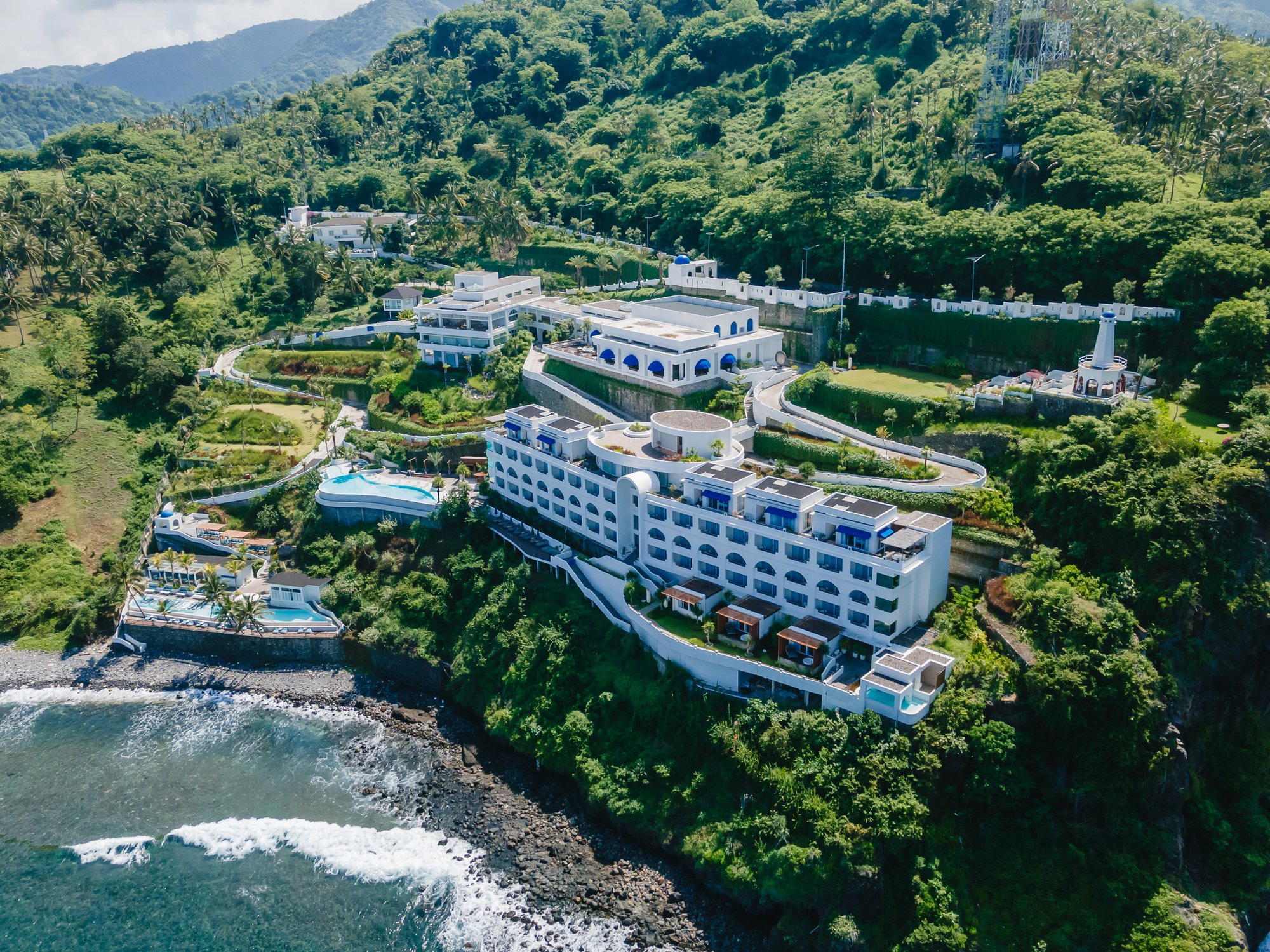
North Lombok and the Beach Club Format
Bali absorbed the beach club concept so thoroughly that it became its own genre. Sprawling day-clubs with imported DJ sets, tiered pools, and cocktail lists priced to match Singapore are now a standard expectation in Seminyak and Canggu. The island next door, Lombok, has taken a different trajectory. Visitor numbers remain a fraction of Bali's, infrastructure in the north is still catching up, and the properties that have opened along its coastline tend toward the smaller and more atmosphere-dependent end of the format. Amavi Beach Club, situated in the Malaka area of Pemenang in North Lombok Regency, belongs to that quieter tier.
Pemenang sits on the northwestern coast, serving as one of the main transit points for travelers heading to the Gili Islands. That geographic position gives any venue here an unusual guest mix: day-trippers resting before or after the ferry crossing, longer-stay visitors based on the mainland, and the smaller but growing cohort choosing Lombok specifically over Bali for its relative calm. A beach club in this location is dealing with a different energy than its Bali counterparts, and the leading ones in the region have learned to let the environment carry what expensive production design tries to manufacture elsewhere.
What Draws People Here
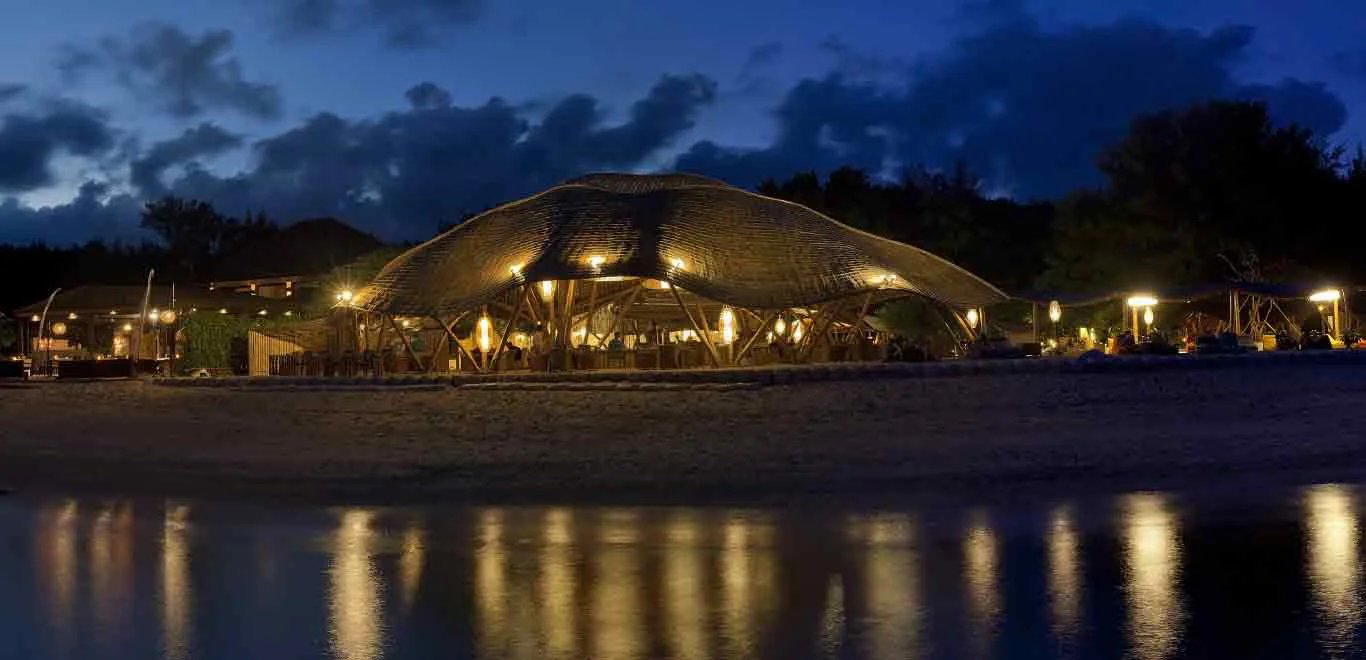
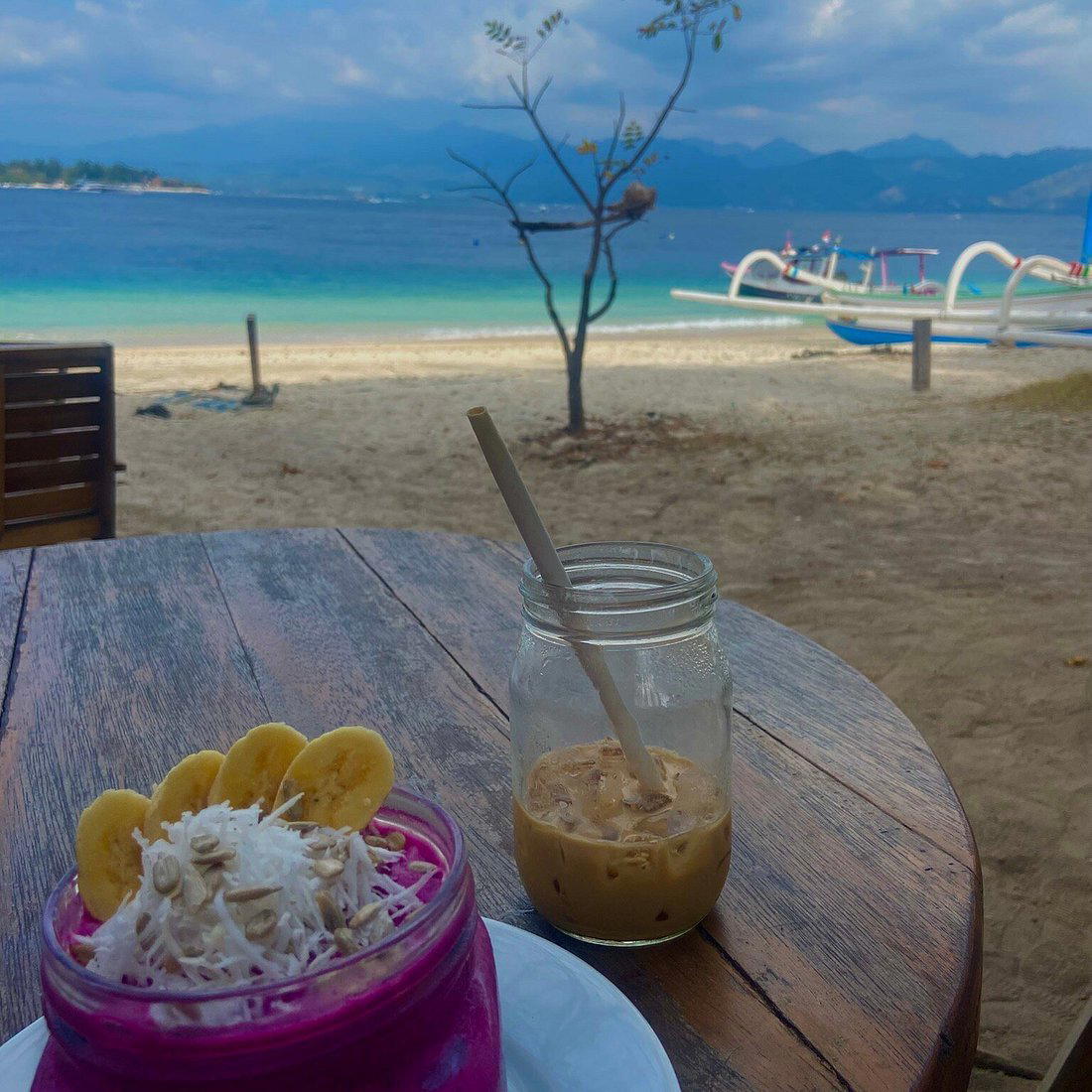
The north Lombok coastline offers one of the cleaner ocean outlooks in the Indonesian archipelago at this price tier. The Gili Islands are visible from the shore on clear days, and the reef systems offshore mean the water color runs toward the kind of turquoise that Lombok's more developed south coast has traded away for convenience. For a beach club, that setting functions as the primary asset. The design of the space, the furniture, the shade structures, and the arrival experience all serve to frame it rather than compete with it.
Beach clubs across Southeast Asia have broadly separated into two operating philosophies over the past decade. The first chases volume through events programming, bottle service, and large-capacity pools. Potato Head Beach Club in Seminyak is the clearest regional expression of that model, with its architecture and cultural programming operating at a scale that no north Lombok venue currently attempts. The second philosophy prioritizes a lower-intensity version of the same format, where the bar tab is the main economic engine and the guest experience depends more on where you're sitting than what's happening on a stage. Amavi operates closer to that second model, which is consistent with what the north Lombok market can currently sustain and with what its guest profile tends to want.
The Bar at the Center of It
In the beach club format, the cocktail program is the product. Food menus exist, and they matter for pacing a long afternoon, but the bar defines the commercial and experiential core of the operation. The tropical beach club setting creates a specific cocktail brief that is harder to execute well than it looks: drinks need to hold up in heat and humidity, they need to photograph against a coastal backdrop, and they need to suit guests who are often combining sun exposure with alcohol in conditions that demand some restraint in ABV or structure.
The strongest cocktail programs in this format draw on the same regional ingredients that have defined Indonesian and broader Southeast Asian drinking culture: fresh coconut, tropical fruit, local spirits where available, and the kind of botanical-forward builds that work well when served long and cold. Bars operating at a higher technical level in the region, from The Night Rooster in Ubud to Mamasan Bali, have demonstrated that Indonesian venues can compete with the precision programs found at places like Bar Leather Apron in Honolulu or Café La Trova in Miami. The distance between a technically serious tropical bar and a serviceable one is mostly a question of sourcing discipline and staff training. The beach club context at Amavi does not demand the former, but the better operations in this format tend to close that gap wherever they can.
For comparison within the Indonesian bar scene, Carrots Bar in Jakarta and [Berawa Village in Badung]() illustrate how different venue formats handle the cocktail brief across the archipelago. Jakarta's bar culture skews toward the urbane and spirit-forward; Badung's beach-adjacent venues play with the same tropical palette as Lombok but in a denser, more competitive market. North Lombok's relative isolation from that competitive pressure can work in a venue's favor, allowing for a more stripped-back drink list that performs at its own pace rather than racing to match Bali's output. Jl. Raya Sebali in Gianyar represents a mid-register take on the same dynamic in a Balinese context.
Planning a Visit
Amavi Beach Club's address places it in Malaka, Pemenang, in North Lombok Regency, West Nusa Tenggara. The nearest main transport hub is Lombok International Airport, which handles regular domestic connections and some international routes via Bali. Pemenang is approximately a one-hour drive from the airport along the coastal road north. The Bangsal Harbor in Pemenang serves as the main departure point for public boats to the Gili Islands, so the area is a logical stopping point regardless of whether a guest is Lombok-based or island-hopping.
No current booking phone or website data is available for Amavi, which is consistent with the way many smaller north Lombok operators run: walk-in capacity tends to be reasonable outside of the high-season weekends that cluster around July, August, and the lead-up to the Lebaran holiday period. Arriving mid-morning to secure a good position is the standard approach at beach clubs in this format. Visitors combining Amavi with a Gili trip should factor the Bangsal boat schedule into their timing, as the harbor gets congested in the early afternoon peak.
For those building a broader Indonesian bar itinerary, the contrast between north Lombok's pace and the intensity of Bali's leading drinking venues is worth noting. Jewel of the South in New Orleans, Superbueno in New York City, and Julep in Houston each represent cocktail programs operating at a different register entirely, where the drink is the primary reason for the visit rather than the setting. Amavi inverts that priority. The setting is the primary reason; the bar program is what keeps you there through the afternoon. That is a legitimate and often preferable version of the beach club format, particularly on a coast that still delivers on its environmental promise. See our full Lombok restaurants guide for broader coverage of the island's eating and drinking options.
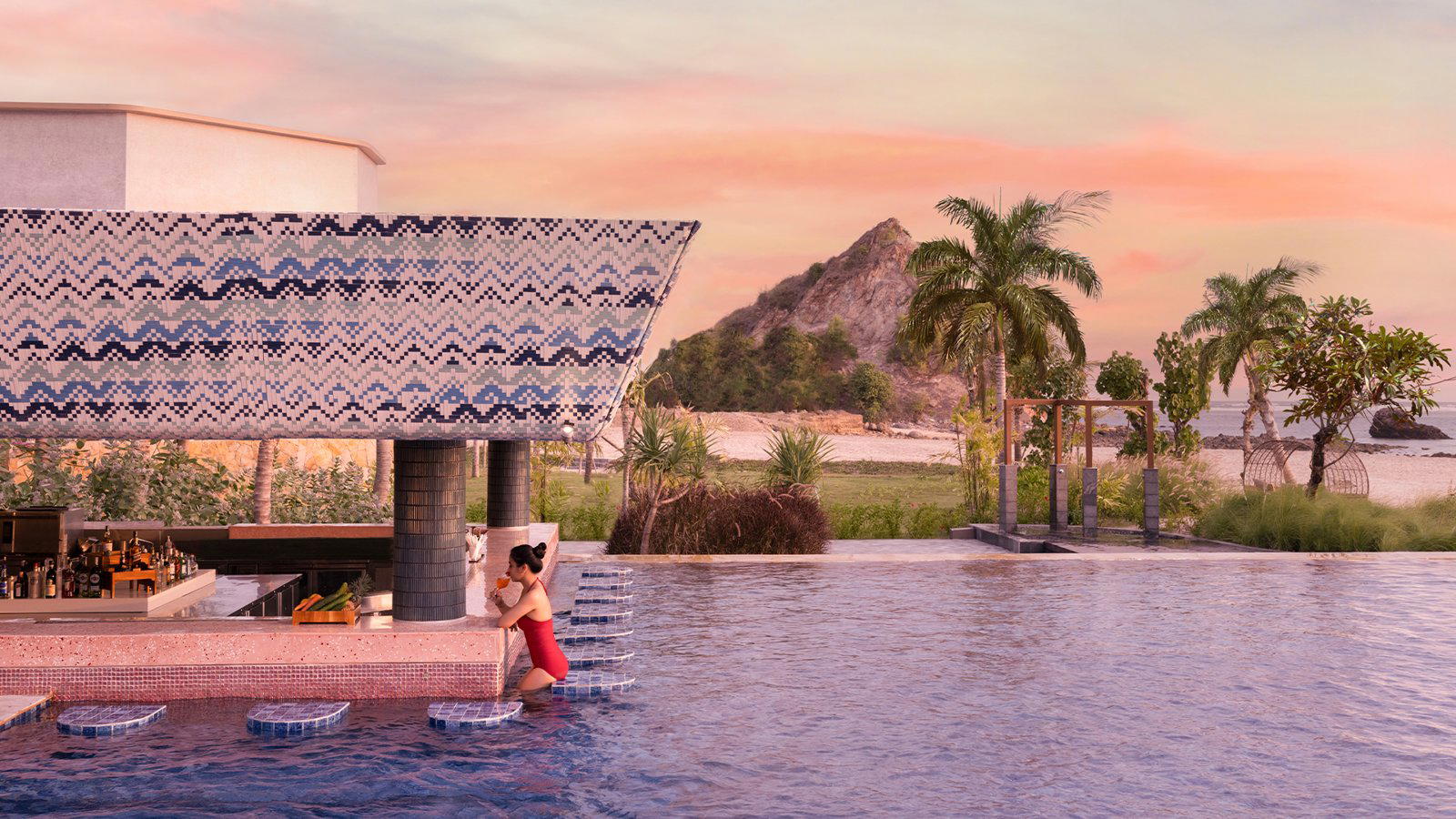
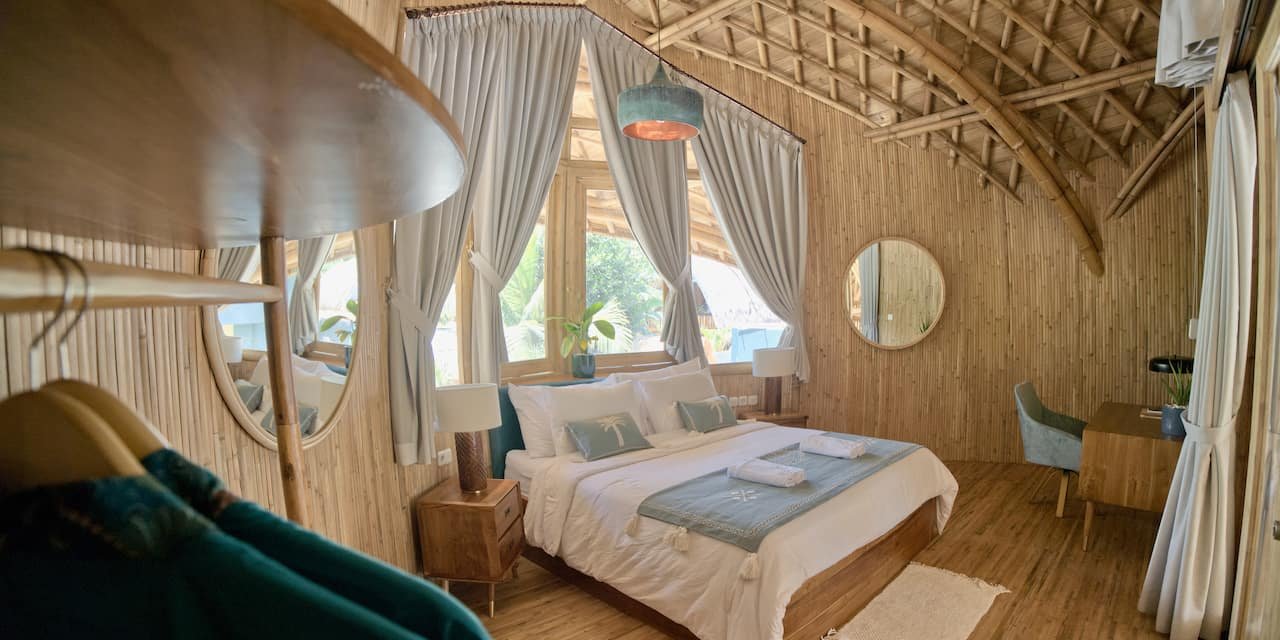
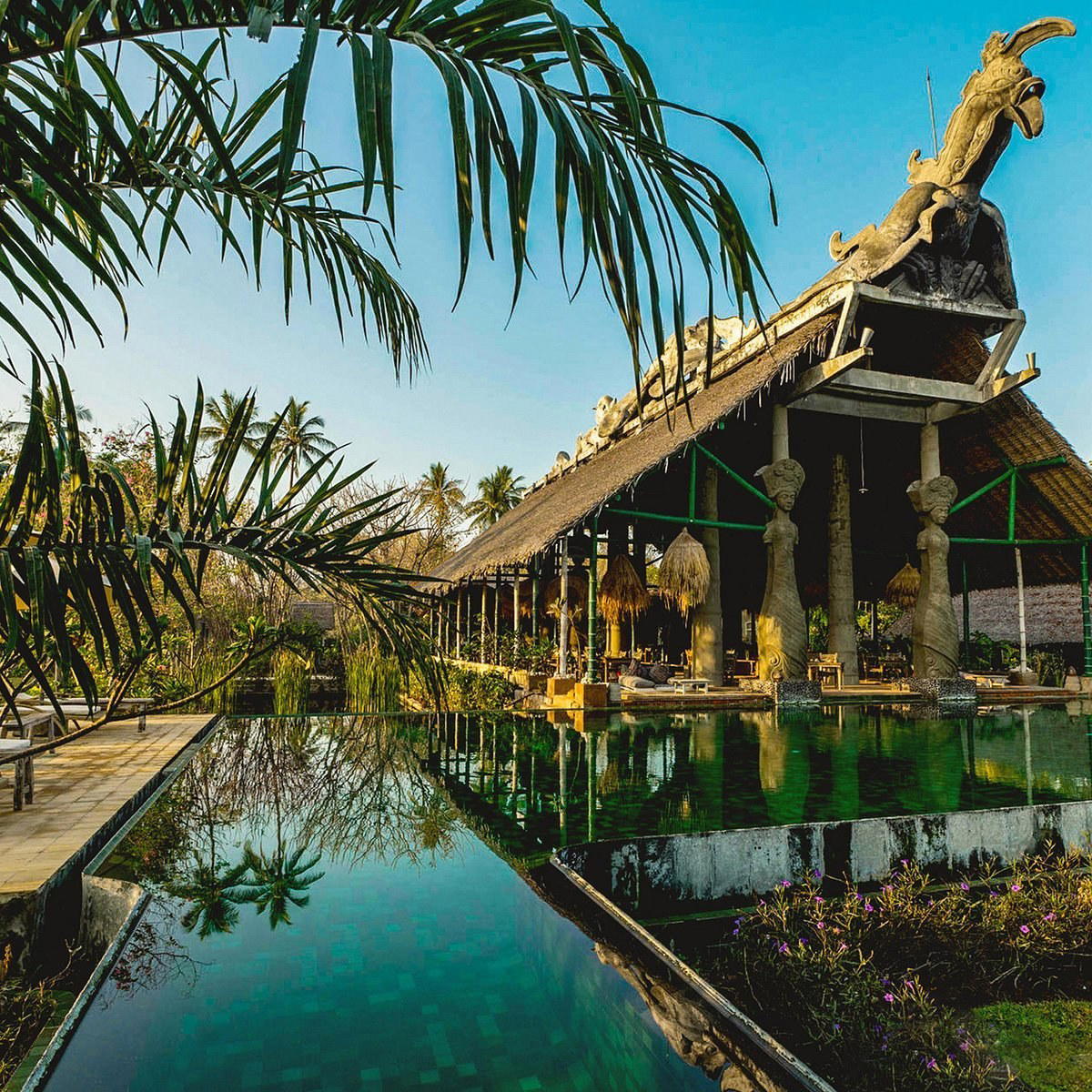
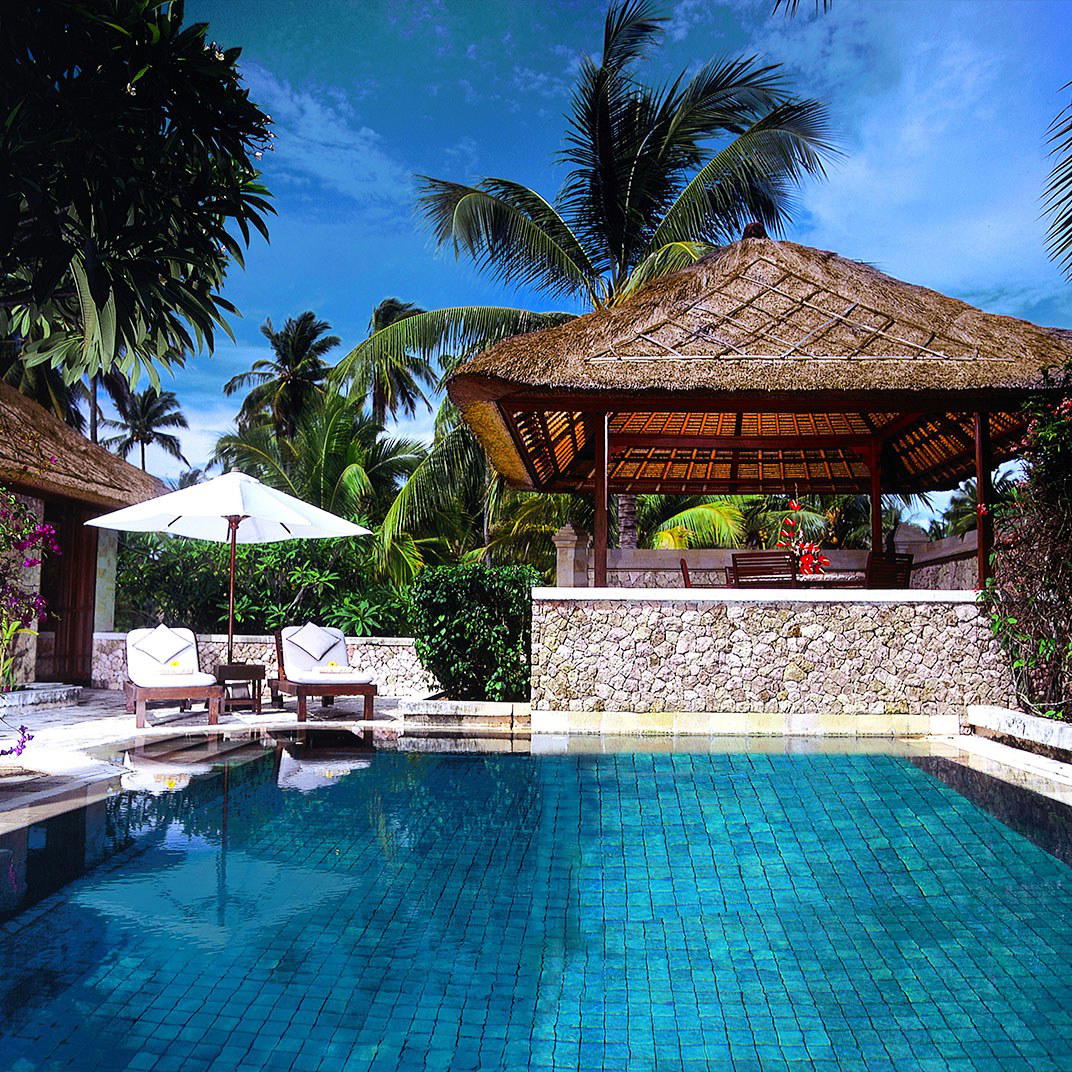
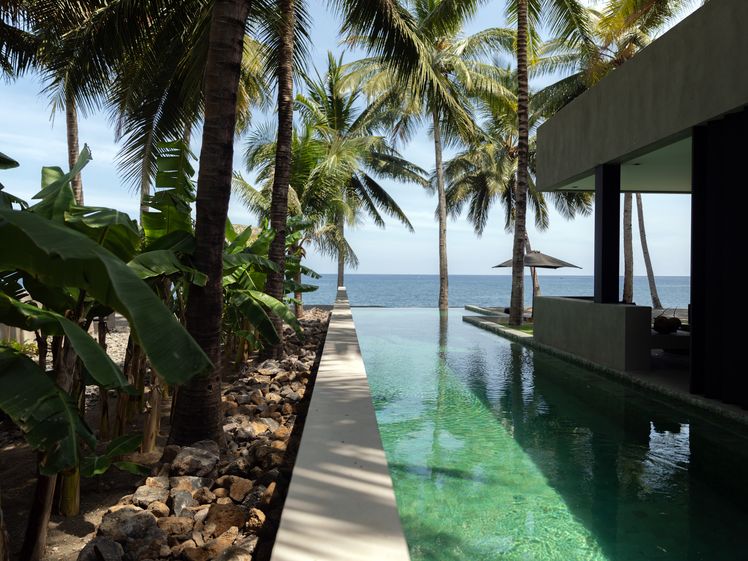
Amavi Beach Club
The drinks
- Craft cocktails
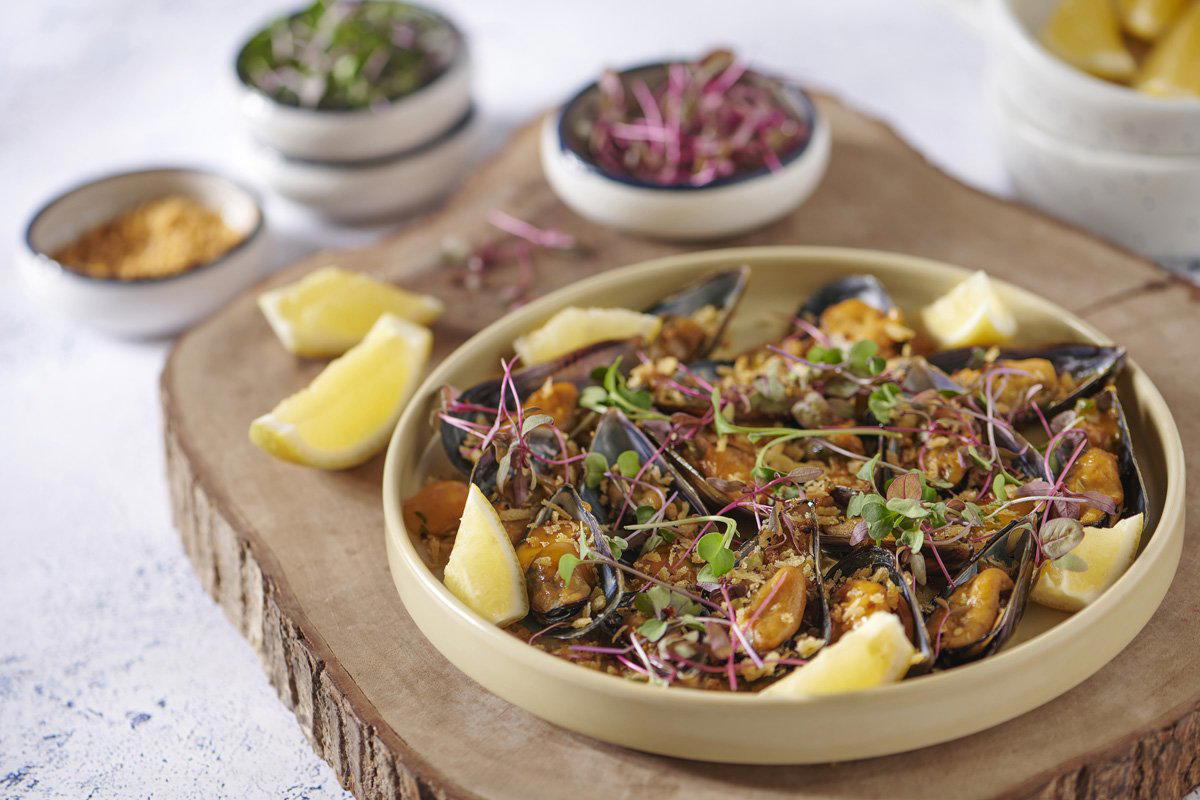
Signature drinks: Dolce Vento mezcal cocktail.
Details
- Scenic
- Relaxed
- Lively
- Date Night
- Group Outing
- Casual Hangout
- Special Occasion
- Waterfront
- Panoramic View
- Standalone
- Lounge Seating
- Outdoor Terrace
- Seated Bar
- Craft Cocktails
- Waterfront
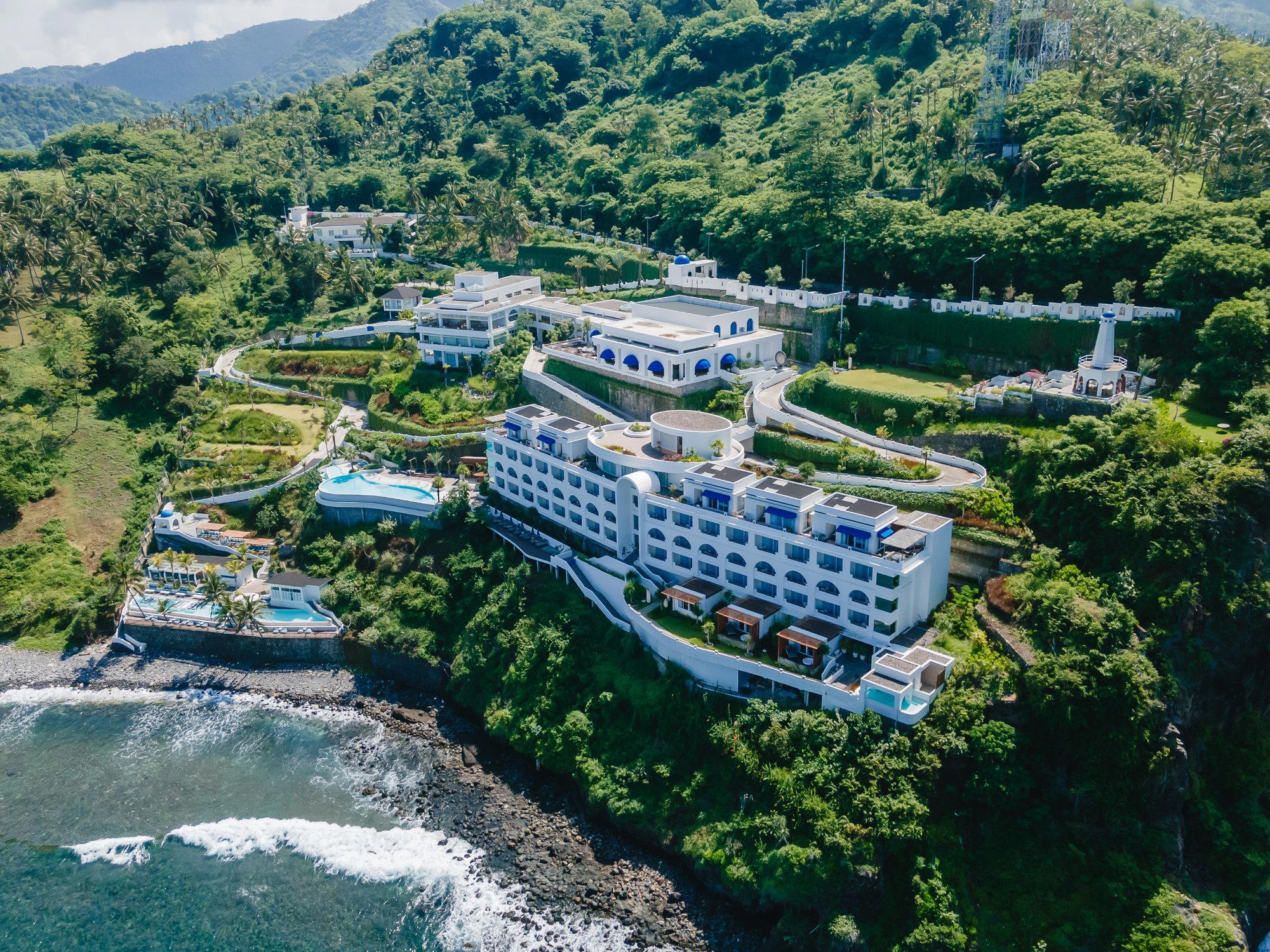
Scenic, relaxed, and sunset-focused, with poolside seating, direct ocean views, plush loungers and sofas, and chill DJ beats in the background.