
Michelin Selected
Selected by the Michelin Guide Hotels 2025, Seven Secrets by Hanging Gardens sits on Lombok's northwest coast at KM 10 Jalan Raya Pemenang, positioning it well away from the island's more crowded southern resort strip. The property belongs to the design-led, low-capacity tier of Indonesian luxury that prioritises architectural drama over amenity volume. It is the kind of address that rewards guests who plan around the destination rather than the pool deck.

Pearl is the En Primeur Club membership app, where members save venues, book tables and use the concierge.
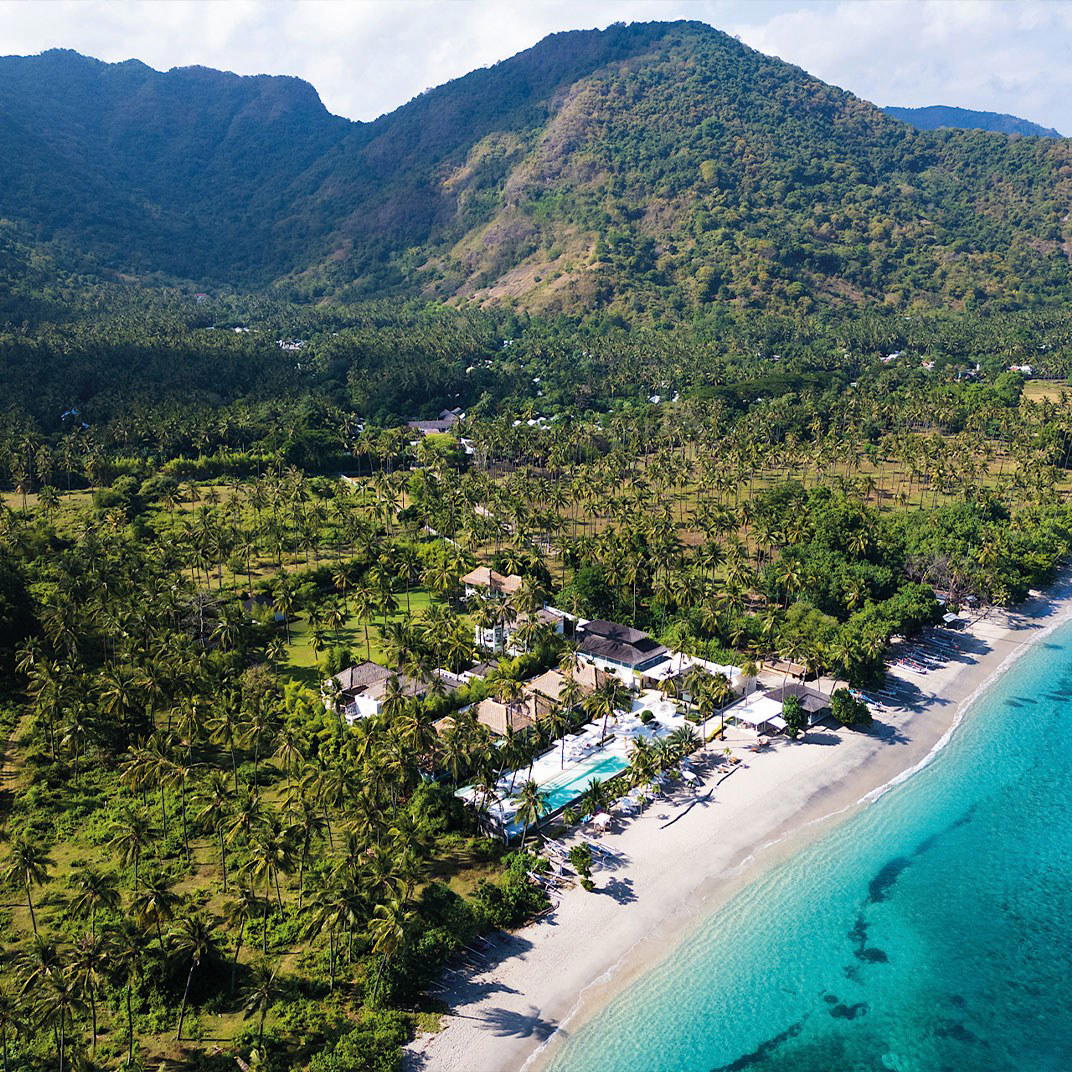
Where Lombok's Coastline Meets Considered Design
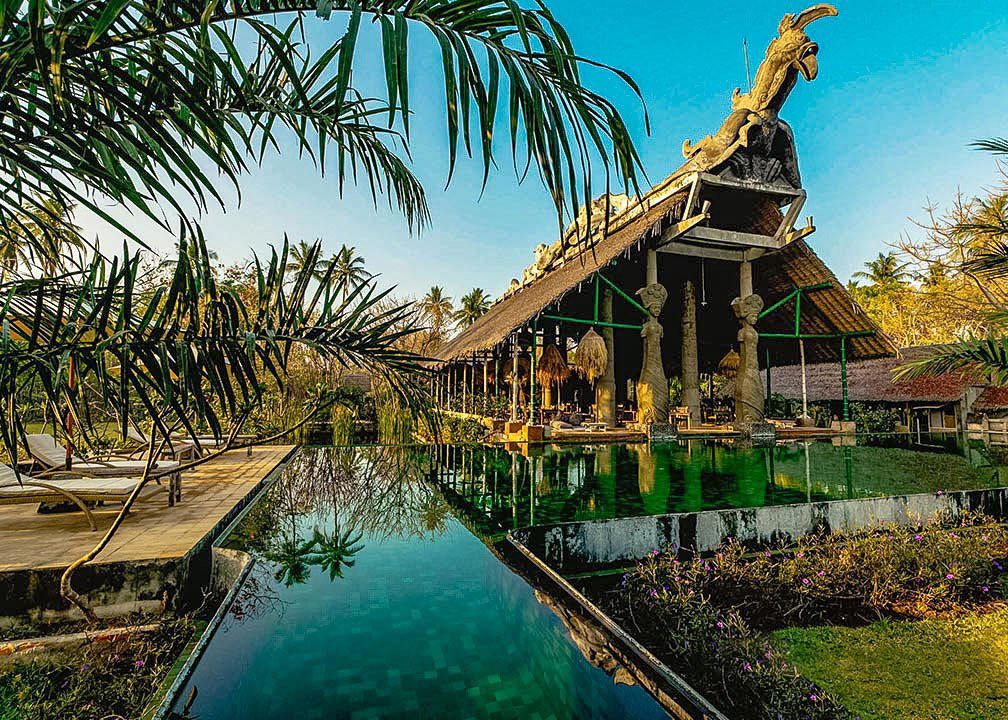
Lombok's luxury hotel market has never consolidated around a single district the way Bali's has. Properties here are spread across the island's distinct coastal characters: the surf-oriented south, the Gili-facing northwest, and the remote southeast peninsula. Seven Secrets by Hanging Gardens occupies the northwest corridor along Jalan Raya Pemenang, a stretch that looks across toward the Gili Islands and keeps Rinjani's volcanic profile in the middle distance. Arriving along that road, the property announces itself through its relationship to the terrain rather than through gates and forecourts. That approach is consistent with what the Hanging Gardens group has developed across Indonesia: architecture that uses topography as a design material rather than an obstacle to flatten.
The Michelin Guide's 2025 hotel selection, which recognises Seven Secrets by Hanging Gardens on its curated hotels and stays list, applies criteria that weigh design coherence, service calibre, and a property's ability to express its location. Michelin Selected status in that context functions as confirmation that the property reads as a coherent hospitality experience rather than simply a collection of facilities. For Lombok, where the accommodation market runs from basic surf hostels to full-service international beach resorts, that kind of independent verification helps place Seven Secrets in the smaller tier of properties where design and location specificity carry the argument.
Architecture as the Primary Experience
The Hanging Gardens name carries a specific architectural signature across the group's properties: structures built into steep, vegetated slopes, with accommodation units that look outward and downward rather than inward toward a central courtyard. At the Ubud property, the group's most documented address, that approach produces the vertiginous infinity pool image that has circulated widely in travel media. The Lombok iteration applies similar spatial thinking to a coastal rather than jungle site. The result is accommodation geometry oriented around views that change character through the day, from the flat light of morning across the strait to the orange-register sunsets that the northwest coastline collects reliably through the dry season.
Indonesian resort architecture at this tier has split between two dominant approaches: the international-brand template that imports a consistent global grammar regardless of site, and the locally-anchored design model that treats Balinese or Sasak craft traditions as the starting vocabulary. Seven Secrets by Hanging Gardens sits in the second category. The Sasak people are Lombok's indigenous majority, and their building traditions, including steep-pitched alang-alang thatched roofs, carved timber, and woven bamboo screens, provide a design language that differentiates northwest Lombok properties from their Bali counterparts, even within the same hotel group. For guests comparing properties across the Indonesian archipelago, that distinction is material: staying here is not the same spatial experience as Mandapa, a Ritz-Carlton Reserve in Ubud or COMO Uma Canggu, despite those properties occupying a comparable price and prestige tier.
Understanding where Seven Secrets by Hanging Gardens sits within Lombok's accommodation market requires mapping the island's competitive tiers with some precision. The southern coast, around Kuta and the Mandalika development zone, has attracted large-format resort investment including Pullman Lombok Merujani Mandalika Beach Resort, which operates at international brand scale with correspondingly high amenity counts. The northwest, by contrast, has attracted a smaller number of properties that trade amenity volume for positioning acuity. Hotel Tugu Lombok works in this register, as does The Oberoi Lombok further up the Sire peninsula.
Further out on the design-led spectrum, properties like Somewhere Lombok and Royal Avila Boutique Resort demonstrate that Lombok's boutique sector is active enough to sustain genuine variety. Tunak Resort Luxury Escape and Villa Tokay push further into remote peninsula territory where the trade-off between access difficulty and landscape exclusivity becomes the explicit proposition. Seven Secrets by Hanging Gardens sits between these poles: accessible from Lombok International Airport without the road-time penalty of the southeast peninsula, but positioned far enough from the Senggigi tourist strip to read as genuinely separated from the island's higher-traffic zones.
The Lombok accommodation market also invites comparison to Indonesia's broader luxury archipelago. Nihi Sumba has demonstrated that remote island positioning with design rigour can build a globally recognised property. Desa Potato Head in Denpasar and Potato Head Suites and Studios in Seminyak show a different model, where cultural programming and brand identity carry as much weight as physical setting. Seven Secrets by Hanging Gardens reads against neither of those models; its argument is spatial and topographical, grounded in what the site offers rather than what the brand constructs around it. That places it closer in spirit to Innit Lombok in Ekas or Lombok Private Villa Estate, where the land itself is the primary amenity.
Planning Your Stay
The KM 10 Jalan Raya Pemenang address places the property in the northwest corridor that connects the airport road system to the Gili Island ferry terminals at Bangsal. Lombok International Airport (LOP) handles direct connections from Singapore, Kuala Lumpur, and Jakarta, as well as domestic routes from Bali. The drive from the airport to the northwest coast runs approximately 60 to 90 minutes depending on traffic through the Mataram urban area. Lombok's dry season runs from May through September, when the Gili-facing views carry the sharpest clarity and northwest coastal conditions are most settled. The wet season (November through March) brings heavier rainfall and humidity but also lower room rates and noticeably thinner crowds. For properties in the Hanging Gardens group, direct booking through official channels typically offers the most flexible rate and cancellation terms; given the Michelin Selected profile and the limited-key format that characterises this tier of property, advance planning of three to six months is sensible for peak dry-season dates. Guests who want broader Lombok context before arrival can consult our full Lombok restaurants guide for the island's dining picture.
A Quick Peer Check
Comparable venues nearby, for context on price, style, and recognition.
| Venue | Cuisine | Price | Awards | Notes |
|---|---|---|---|---|
| Seven Secrets by Hanging GardensThis venue (the venue you are viewing) | contemporary tropical fusion with indoor-outdoor living | Not listed | Michelin Selected | Not listed |
| Villa Tokay | Contemporary art deco with sustainable luxury positioning, merging minimalist design with tropical elegance and eco-conscious operations. | $300–500 | Michelin Selected · Small Luxury Hotels of the World Member | Gili Air |
| Somewhere Lombok | Beach-chic luxury boutique resort with bohemian minimalism, featuring standalone villas carved into a jungle-caressed cliffside with handcrafted local materials and contemporary Indonesian design. | $300–500 | Michelin Selected · Mr & Mrs Smith Seal of Approval | Pujut |
| Tunak Resort Luxury Escape | Rugged luxury villas blending into wilderness | $200–300 | World Luxury Hotel Awards WLHA Regional Winner | Gunung Tunak Nature Reserve |
| Pullman Lombok Merujani Mandalika Beach Resort | Contemporary beachfront resort blending island tradition with luxury. | Not listed | Michelin Selected · World Luxury Hotel Awards WLHA Regional Winner | Kuta Mandalika |
| Lombok Private Villa Estate | luxury beachfront villa estate | Not listed | Conde Nast Hot List Hotels | Gondang |
Recognition history
Dated appearances from independent guides and award organizations, with the underlying list record or original source where available.
Michelin Selected
Michelin
Continue exploring
More in Lombok
Hotels in Lombok
All hotels in Lombok →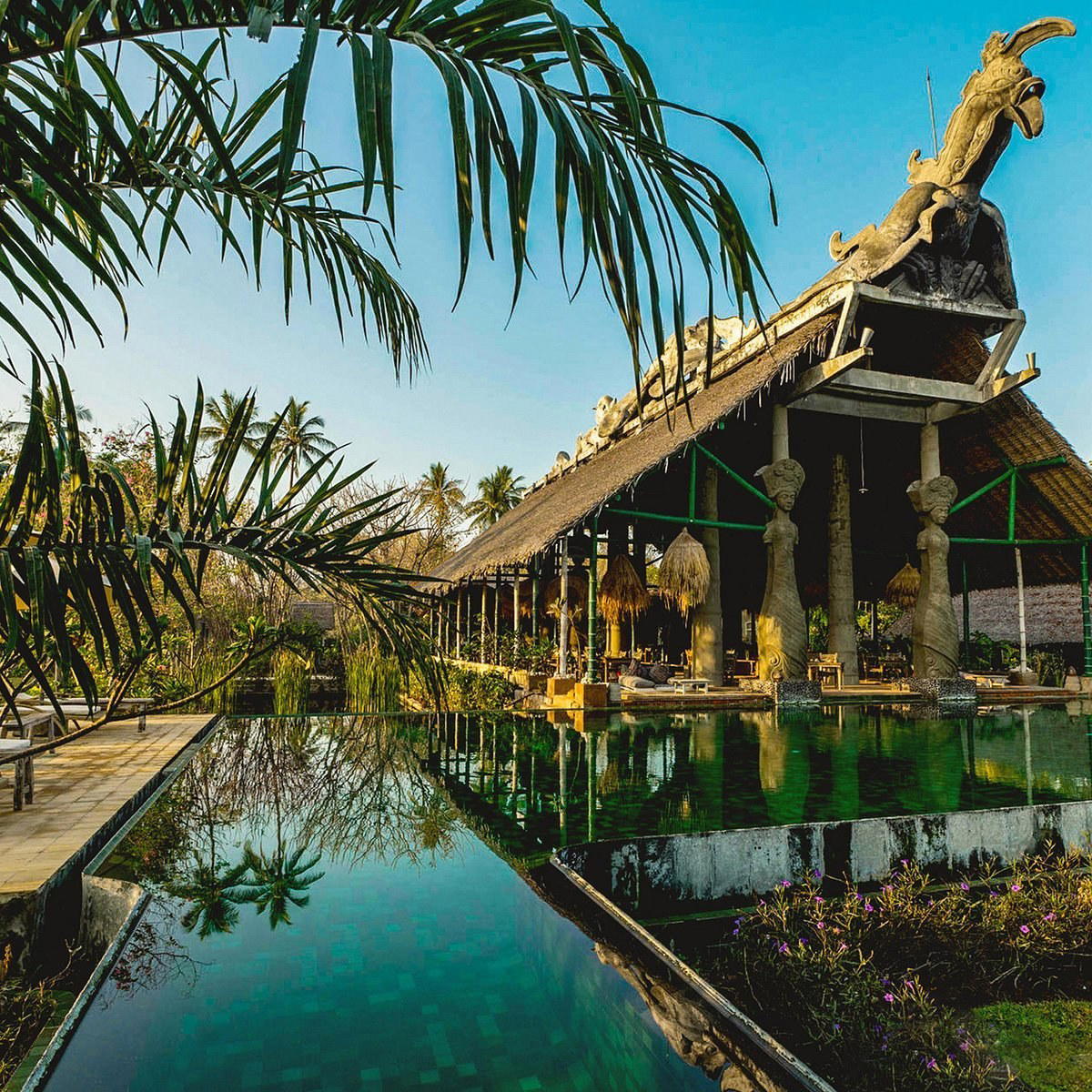
Bars in Lombok
All bars in Lombok →
Details
- Romantic
- Elegant
- Scenic
- Intimate
- Sophisticated
- Honeymoon
- Romantic Getaway
- Wellness Retreat
- Anniversary
- Beachfront
- Infinity Pool
- Private Villa
- Pool
- Spa
- Fitness Center
- Room Service
- Concierge
- Private Beach
- Wi Fi
- Garden
- Mountain
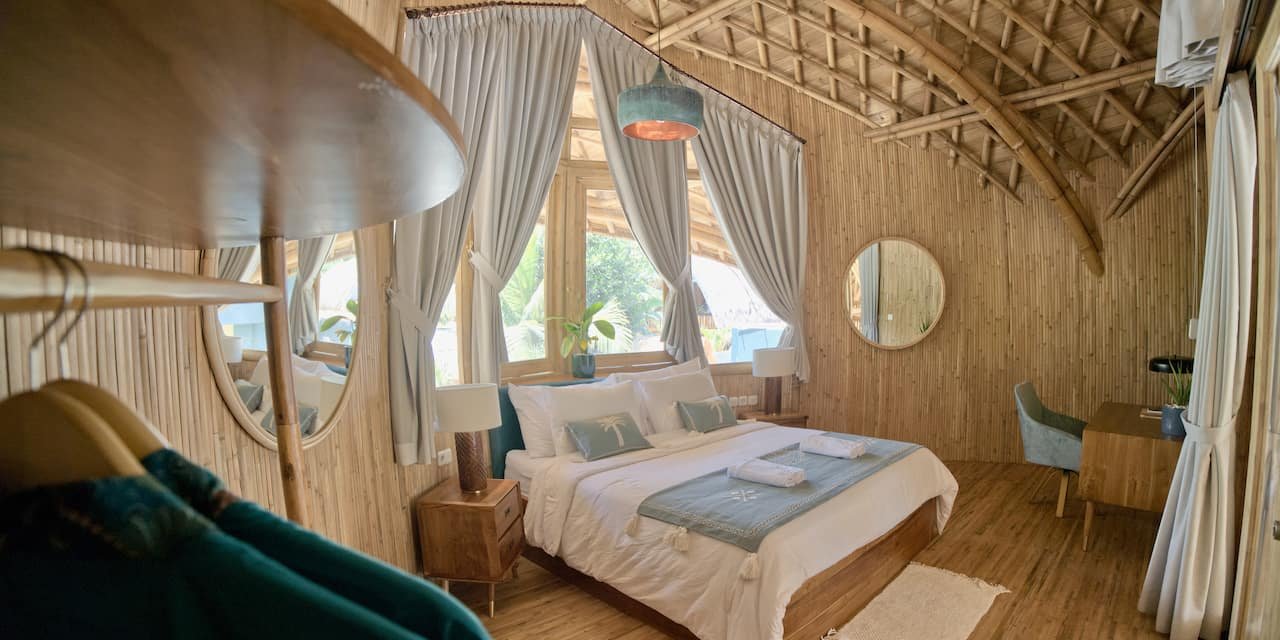
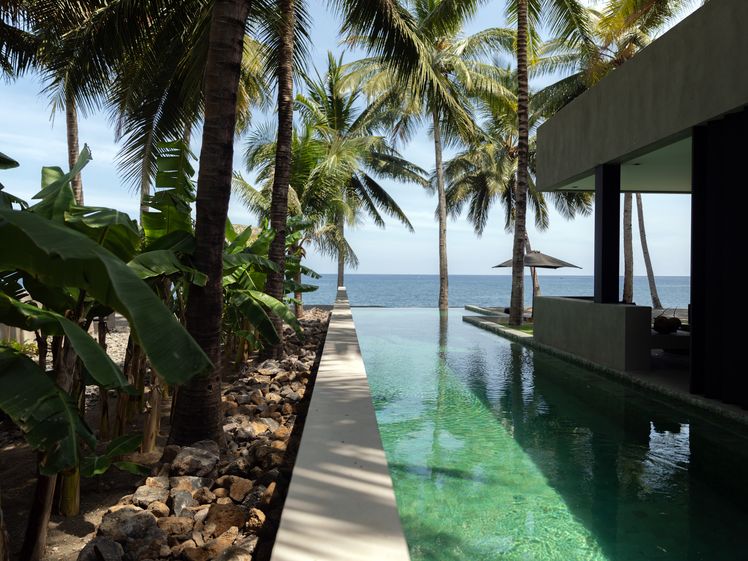
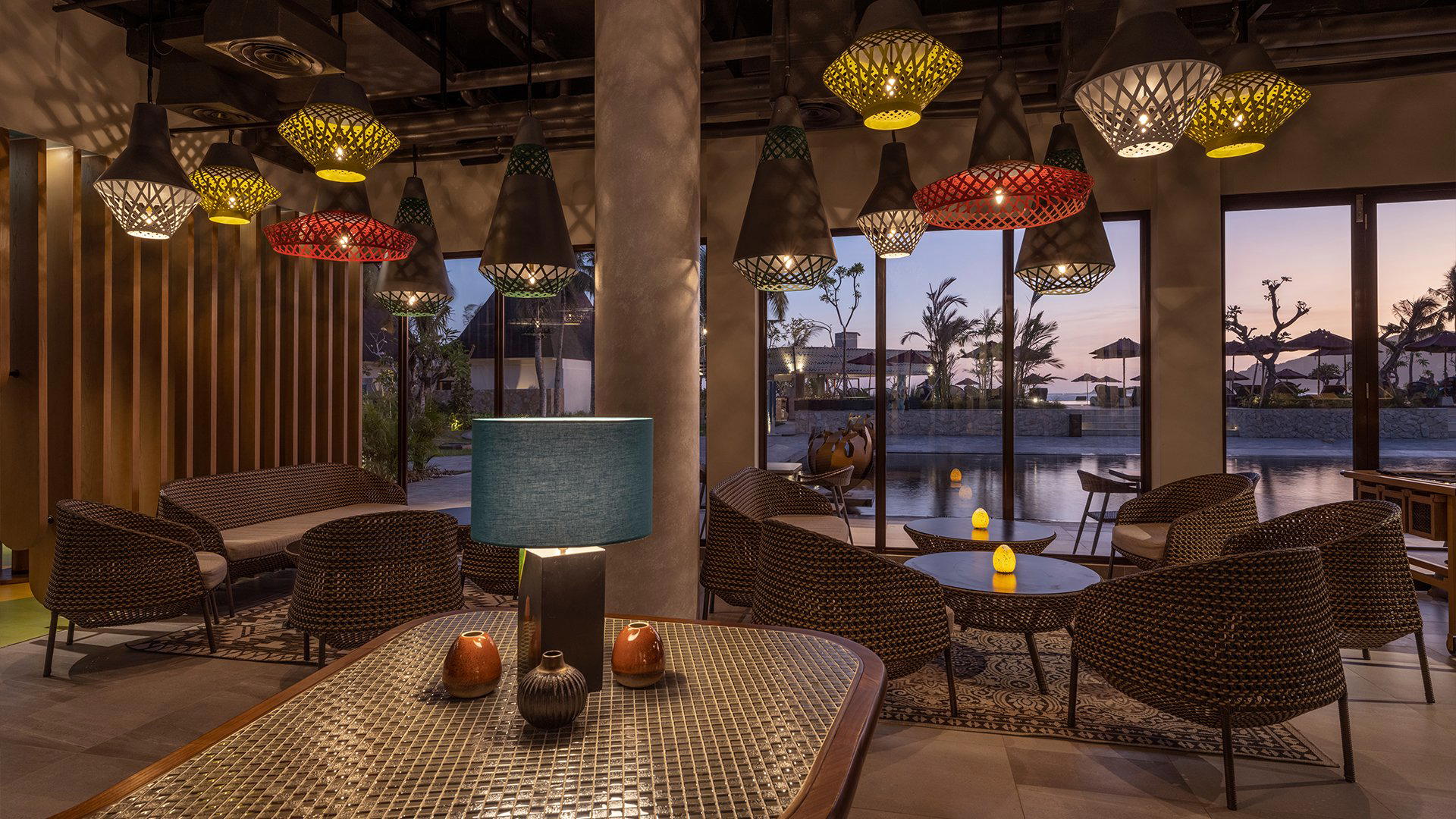
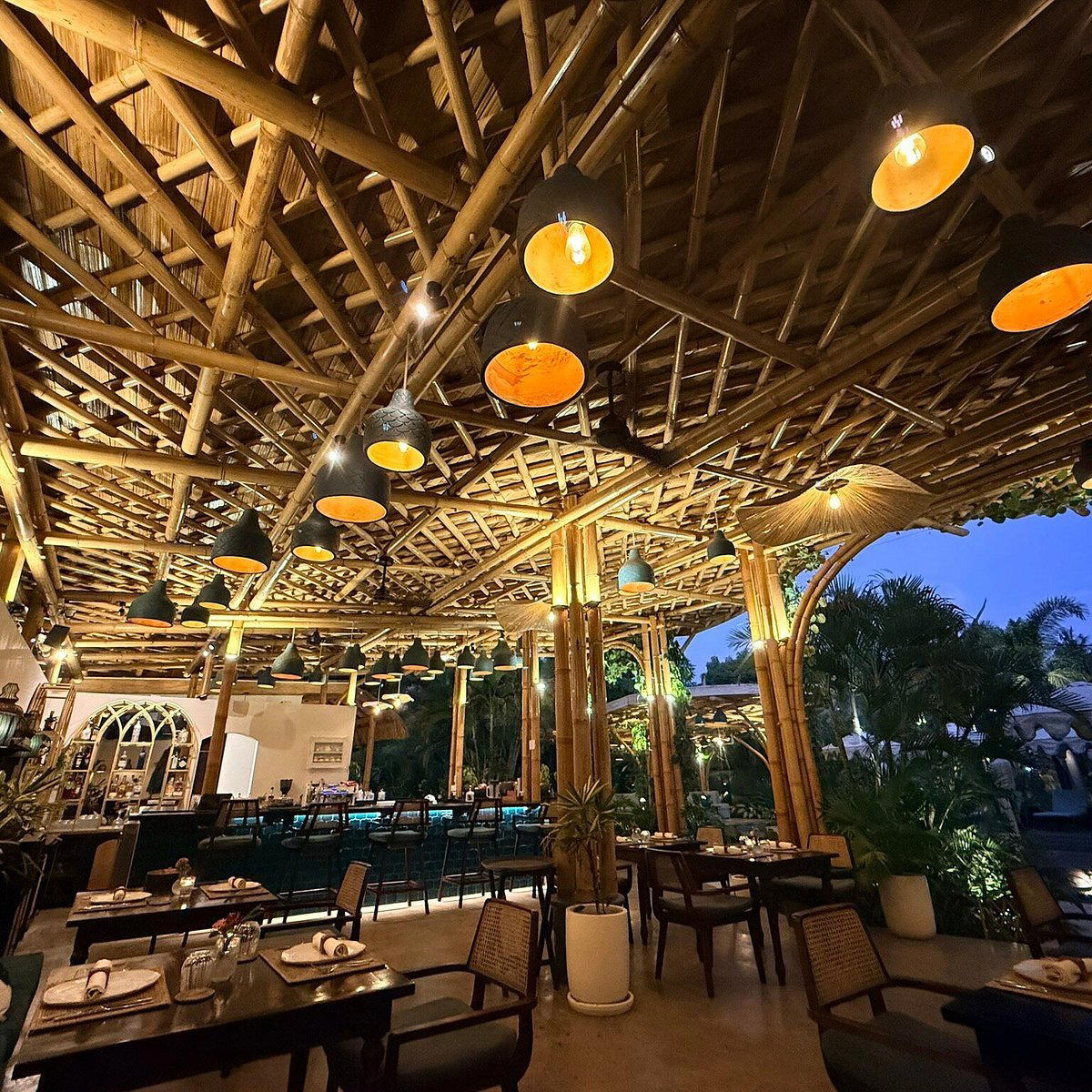
Serene and luxurious with lush green vistas, spacious cool interiors, and a contemporary tropical atmosphere enhanced by natural light through oversized windows.