Uga Chena Huts

Uga Chena Huts sits inside Yala's wildlife tourism zone near Tissamaharama, placing guests within the buffer of one of Sri Lanka's most active leopard habitats. Recognised by La Liste's Top Hotels ranking with 90.5 points in 2026, the property operates as a camp-style retreat where the surrounding ecosystem sets the daily rhythm. Logistics, dining, and activity are shaped entirely by what moves outside the huts.
Pearl is the En Primeur Club membership app — saves, bookings, and concierge access live there. Same editors, same standards.
- Address
- Tala-Palatupana, Wildlife tourism zone, Yala, Tissamarama 82000
- Phone
- +94 472 117 100
- Website
- ugaresorts.com
- Directions
- Get directions
 Saves & bookings on Pearl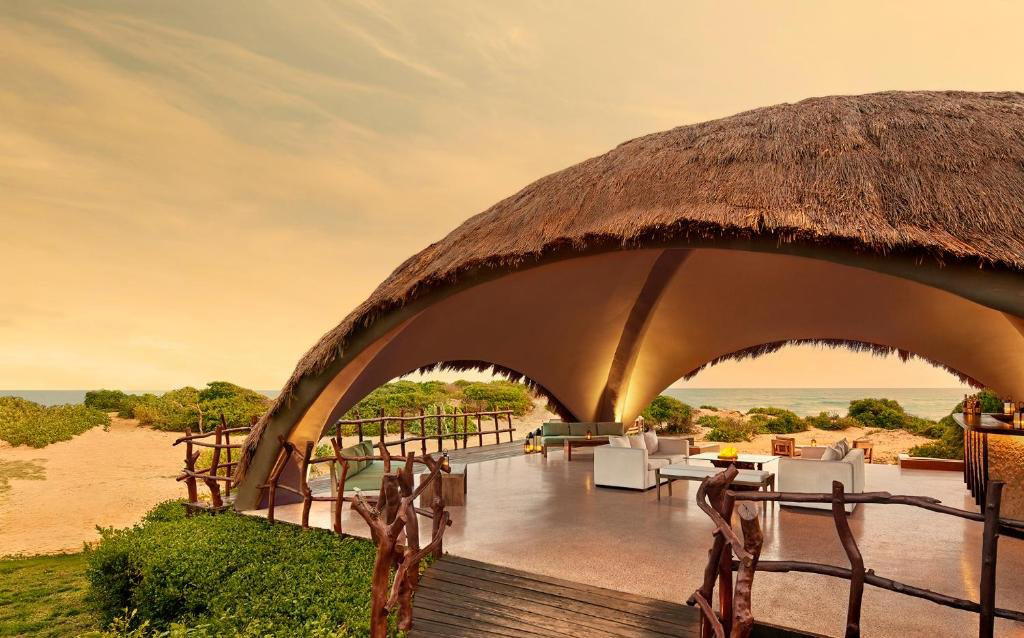
Where the Park Sets the Agenda
Sri Lanka's southern safari corridor has developed a clear tier structure over the past decade. At the entry level, guesthouses in Tissamaharama serve as transit stops before early-morning Yala gates. At the leading, a small cluster of properties have staked positions inside or directly adjacent to the national park's wildlife tourism zone itself, where proximity to habitat replaces proximity to town as the primary asset. Uga Chena Huts operates in that upper tier, addressed to Tala-Palatupana within the wildlife zone, which means the park is not a day trip, it is the immediate context of every hour spent at the property. Uga Chena Huts is a five-star hotel in Yala's wildlife tourism zone near Tissamaharama, with 18 rooms.
That positioning has a practical consequence: guests are not choosing a hotel that happens to be near Yala. They are choosing an immersive format where the timetable of wildlife activity, dawn drives, dusk returns, the midday quiet, structures the day more reliably than any amenity list. The Hilton Yala Resort and the Wild Coast Tented Lodge in Yala occupy adjacent points on this spectrum; understanding which format suits the visit is a more useful exercise than comparing room categories in isolation.
La Liste Recognition and What It Signals
La Liste's 2026 Leading Hotels ranking placed Uga Chena Huts at 90.5 points, a score that positions it among properties recognised for quality rather than scale. La Liste's methodology aggregates data from international guides and specialist sources, so a score at this level reflects consistent recognition across multiple assessment channels rather than a single publication's endorsement. For a property operating in a remote wildlife zone rather than a capital or coastal resort corridor, that kind of cross-source validation carries more weight than it might for a city hotel with automatic media visibility.
Sri Lanka's hotel scene has produced a growing number of properties that earn international recognition without the infrastructure of major groups behind them. Amangalla in Galle and Amanwella in Tangalle represent the Aman model, heritage and coastal luxury respectively, while properties like Gal Oya Lodge in Gal Oya National Park and Nine Skies in Demodara define the specialist wilderness and hill-country niche. Uga Chena Huts belongs to the wildlife-zone specialist grouping, where the La Liste score functions as confirmation of format execution rather than luxury volume.
Dining Inside the Wildlife Zone
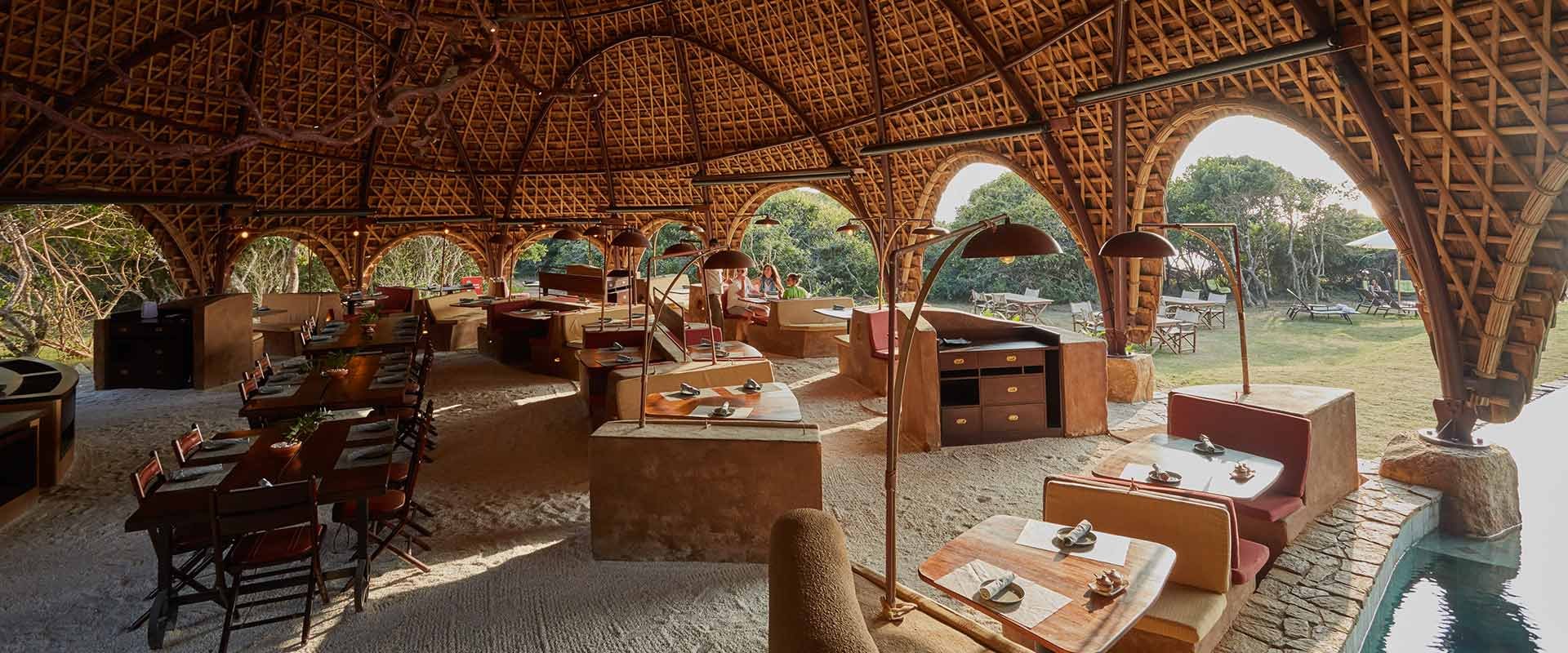
Eating at properties set inside or adjacent to national parks involves a different logic than resort dining. The kitchen cannot rely on fresh market deliveries at commercial frequency, produce selection is shaped by supply constraints, and the dining room's character is determined more by what is outside the window than by what is on the plate. In Sri Lanka's wildlife corridor, this tends to produce cooking that draws on southern Sri Lankan pantry staples: coconut-rich curries, lentil preparations, fresh fish from the southern coast, and the kind of rice-and-accompaniment structures that hold well under camp-kitchen conditions.
The editorial point here is about format, not a specific menu. What the Yala zone consistently produces, across its better properties, is an approach where communal meal timings align with safari schedules, early breakfasts before gate opening, substantial lunches during the midday heat when wildlife retreats from open ground, and dinners timed to allow guests to wind down after dusk drives. The rhythm of eating becomes part of the rhythm of the visit, which is a form of hospitality design that no amount of kitchen talent can manufacture in a disconnected resort context.
For travellers whose Yala trip is part of a longer southern Sri Lanka circuit, properties elsewhere on the route offer contrasting dining registers. Cape Weligama in Weligama and Kurulu Bay in Ahangama sit in the coastal southern stretch where fresh seafood and ocean-facing dining rooms define the offer. The hill-country alternative runs through Ceylon Tea Trails and Heritance Tea Factory in Kandapola, where the kitchen draws on different ingredients and a cooler-climate pantry. Each register is coherent on its own terms; the decision about which to prioritise depends on what the traveller wants the food experience to do.
The Broader Yala Context
Yala National Park holds one of the highest recorded leopard densities of any protected area in the world, a fact that has made the southern zone the anchor destination for Sri Lanka wildlife travel. The park's Block 1, the visited section, operates on a permit system, and entry numbers during peak season from October through January can affect wildlife encounter quality regardless of where a guest stays. Properties positioned closer to the park boundary, like Uga Chena Huts with its wildlife zone address, have a structural timing advantage: shorter transfer to gate, faster exit after dusk, and reduced exposure to the queue dynamics that affect vehicles travelling from town-based accommodation.
The southern Sri Lanka circuit has expanded considerably, and travellers now have more accommodation options than at any previous point. DoubleTree by Hilton Weerawila Rajawarna Resort in Weerawila addresses the market segment that wants international-brand consistency near the park. Kumu Beach in Balapitiya and Karpaha Sands in Kalkudah Beach anchor the coastal and east-coast alternatives for those building longer Sri Lanka routes. For the Tissamaharama and Yala zone specifically, see our full Tissamaharama restaurants and hotels guide for a comparative view of the area's options.
Planning the Visit
Reaching Tissamaharama typically means a drive from Colombo, roughly five to six hours, or a connection through Galle on a southern coastal route. Colombo's travel infrastructure connects to Galle quickly by expressway; the Galle to Tissamaharama leg adds further road time through Hambantota. Visitors combining a Yala stay with hill-country stops might route through Ella, where properties like 9 Arch View Rest Inn serve as useful staging points, or through Water Garden Sigiriya for a north-central circuit.
Peak Yala season runs from October through January, when the park's dry conditions concentrate wildlife around water sources and visibility is generally highest. The park closes for part of September. Booking accommodation at wildlife-zone properties well in advance of any October through December travel is advisable, as capacity at this tier is limited and demand from international visitors has grown steadily since 2022. The La Liste 90.5-point recognition has increased the hotel' visibility.
For context on other Sri Lanka properties across different price tiers and formats, Malabar Hill in Weligama Bay, Kahanda Kanda Galle in Angulugaha, W15 Hanthana Estate Kandy, and Heritance Ahungalla in Ahungalla represent different nodes of the island's accommodation range. For those extending travel internationally, Galle Face Hotel in Colombo remains a logical first or last night given its position near Bandaranaike International Airport's city connections.
Booking and Cost Snapshot
Comparable venues nearby, for context on price, style, and recognition.
| Venue | Price | Awards | Notes |
|---|---|---|---|
| Uga Chena HutsThis venue — the venue you are viewing | $$$$ | 5-Star | Not listed |
| Hilton Yala Resort | $$$$ | 5-Star | Palatupana, Modern luxury safari resort harmoniously blended with jungle wilderness |
| Tekanda Lodge | $$$$ | 5-Star | Kathaluwa, Handcrafted eco-lodge blending traditional iluk-thatched architecture with modern luxury on a restored tea and coconut plantation |
| Taru Villas Levita - Kandy | $$$$ | 5-Star | Digana, Eco-luxury boutique villa retreat |
| Aavya Cove Villas | $$$$ | 5-Star | Balapitiya, Intimate luxury boutique resort with private villa accommodations emphasizing personalized service and natural beauty. |
| Aarunya Nature Resort | $$$$ | 5-Star | Kandy, Luxury boutique nature retreat blending Kandyan hospitality with immersive wellness. |
Recognition history
Dated appearances from independent guides and award organizations, with the underlying list record or original source where available.
La Liste Top Hotels
La Liste
Continue exploring
More in Tissamaharama
Hotels in Tissamaharama
Browse all →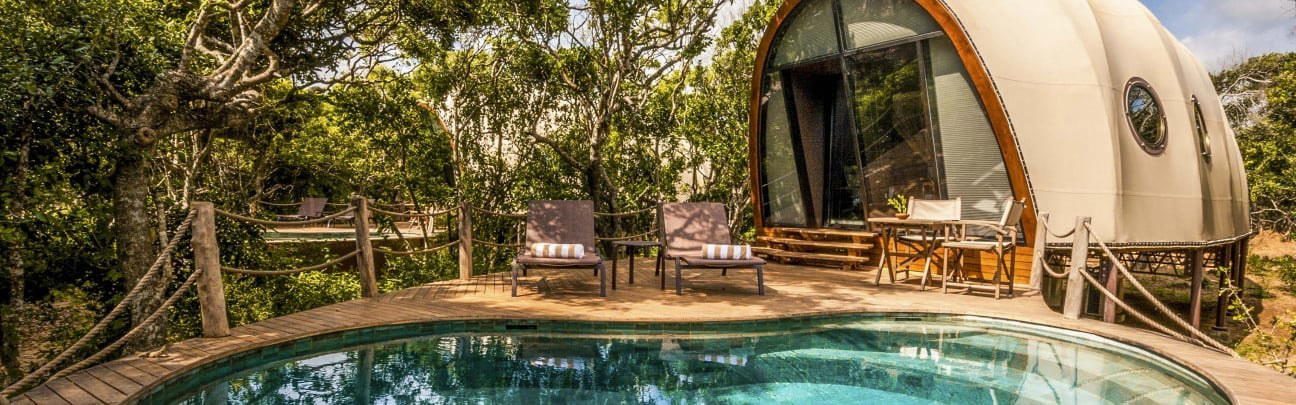
Bars in Tissamaharama
Browse all →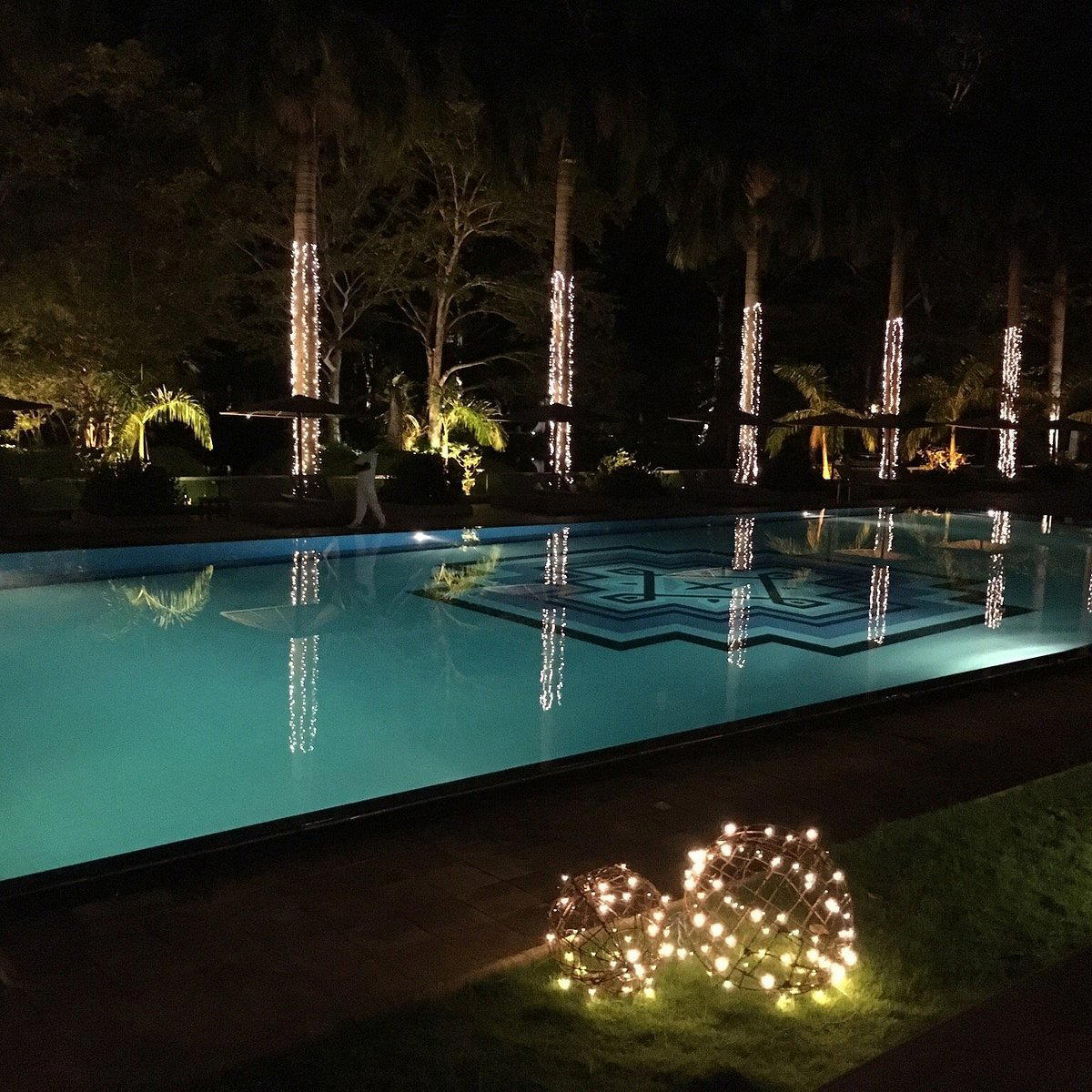
Restaurants in Tissamaharama
Browse all →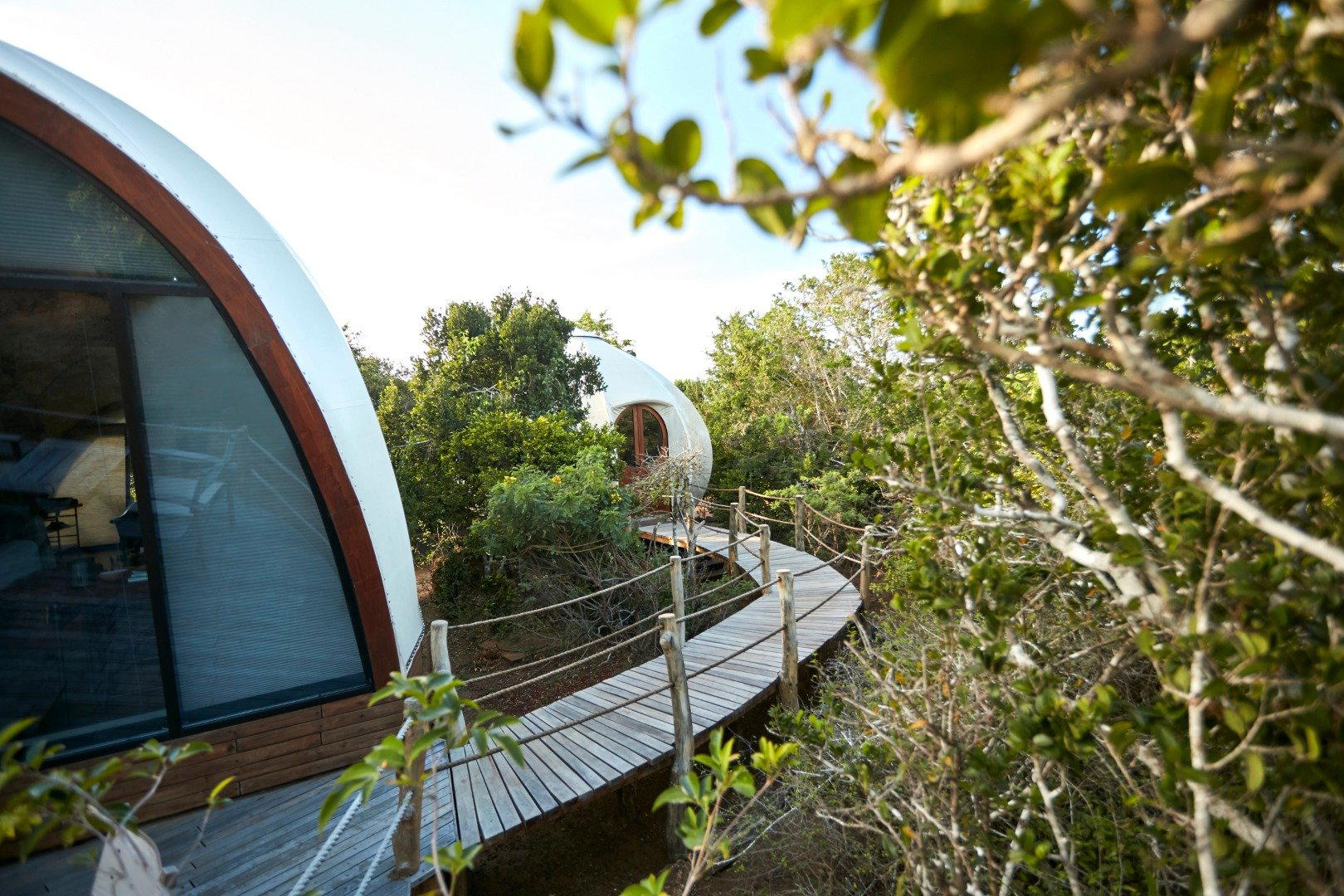
At a Glance
- Scenic
- Rustic
- Intimate
- Elegant
- Honeymoon
- Romantic Getaway
- Wellness Retreat
- Weekend Escape
- Beachfront
- Private Villa
- Panoramic View
- Private Dining
- Pool
- Spa
- Wi Fi
- Room Service
- Concierge
- Restaurant
- Waterfront
- Garden
- Pool
- Spa
- Wi Fi
- Room Service
- Concierge
- Restaurant
Tranquil and peaceful jungle-beach retreat with natural lighting, blending seamlessly into the wilderness for a serene, immersive safari experience.