The Waldorf Hilton, London

The Waldorf Hilton sits on Aldwych in London's Theatreland, a Edwardian landmark that holds dual recognition as both a Country Winner for Luxury City Hotel and a Regional Winner for Luxury Family Hotel. Its position between Covent Garden and the Strand places it at the intersection of cultural London and the City, making it a consistent choice for travellers who want central access without sacrificing period character.
Pearl is the En Primeur Club membership app — saves, bookings, and concierge access live there. Same editors, same standards.
- Address
- Aldwych, London WC2B 4DD, United Kingdom
- Phone
- +44 20 7836 2400
- Website
- hilton.com
- Directions
- Get directions
 Saves & bookings on Pearl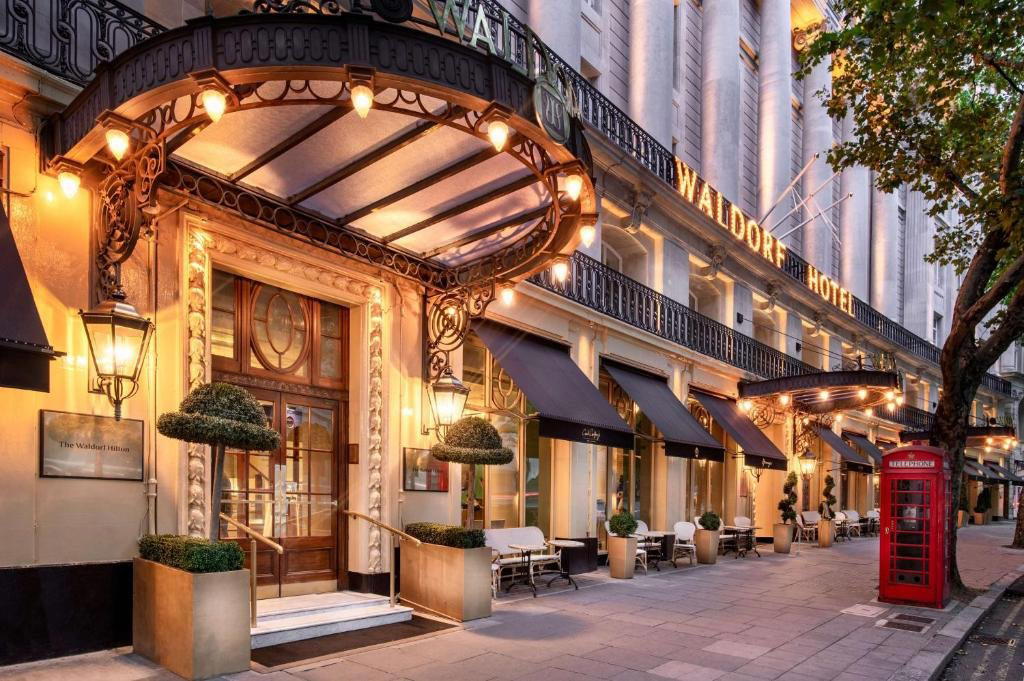
Aldwych and the Architecture of Arrival
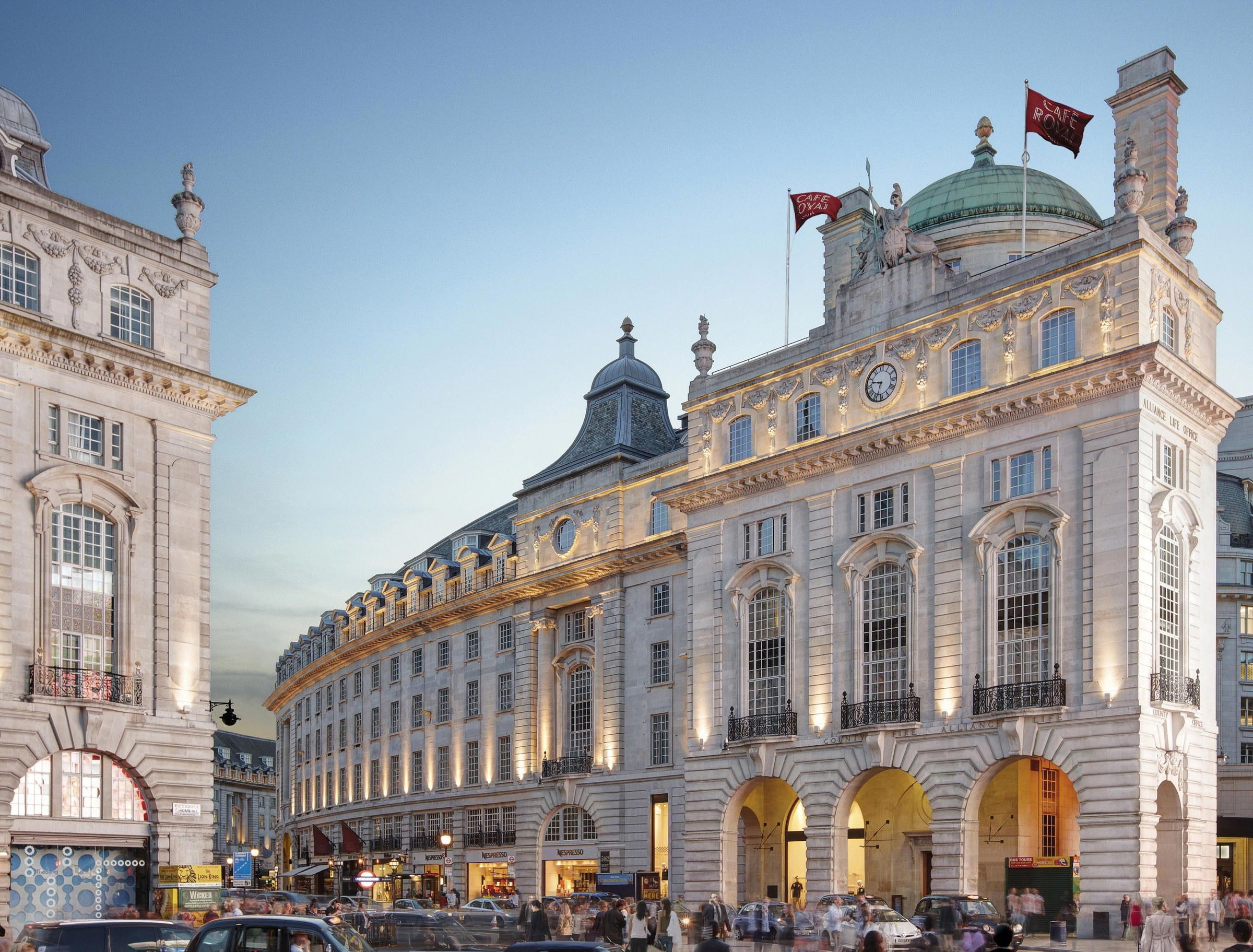
Arriving at Aldwych on a winter evening, when the curve of the street catches the light from the theatre marquees and the stone facade of the building reads almost amber against the dark, is to understand why certain London addresses retain their pull across generations. The Waldorf Hilton occupies a position that most modern hotels cannot manufacture: a corner of the city where the built environment itself does the welcoming. The Edwardian baroque of the exterior, the scale of the lobby, the proportional generosity of the public rooms, these are not design decisions made by a contemporary fit-out team. They are the residue of an era when hotels were civic statements as much as commercial ones.
That context matters because it shapes every subsequent experience inside the building. Theatreland hotels in London occupy a particular niche: close enough to the Strand and Covent Garden to serve as a cultural base, removed enough from the Mayfair axis that the crowd skews toward theatre-goers, legal professionals from the nearby Inns of Court, and families using London as a cultural destination rather than a status exercise. The Waldorf Hilton has held this position for well over a century, and its recognition as both a Regional Winner for Luxury Family Hotel and a Country Winner for Luxury City Hotel reflects a dual-market reality that few central London addresses manage with equal conviction.
The Sequence of a Stay
The useful frame for understanding the Waldorf Hilton experience is progressive: what the hotel delivers accumulates across the length of a stay rather than concentrating into a single set-piece moment. This is consistent with how Edwardian grand hotels were conceived, as environments that rewarded continued habitation, where the rhythm of morning coffee, afternoon return, and evening departure created a relationship with the space.
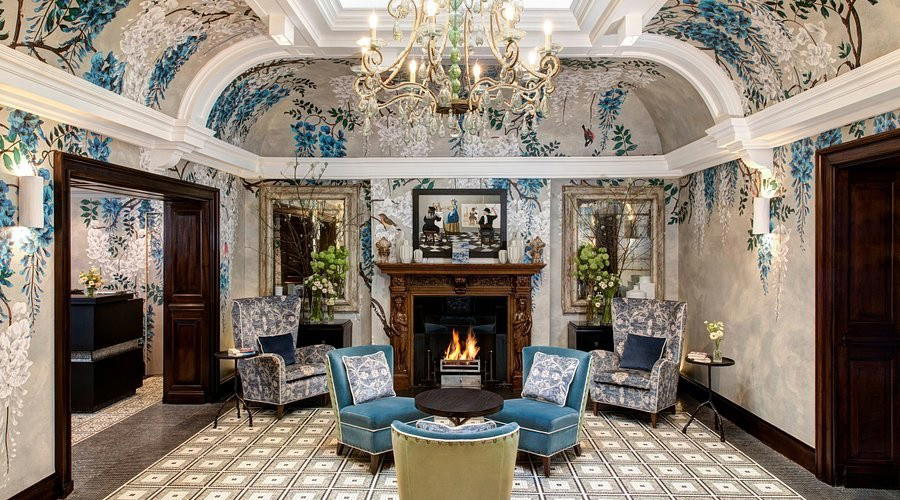
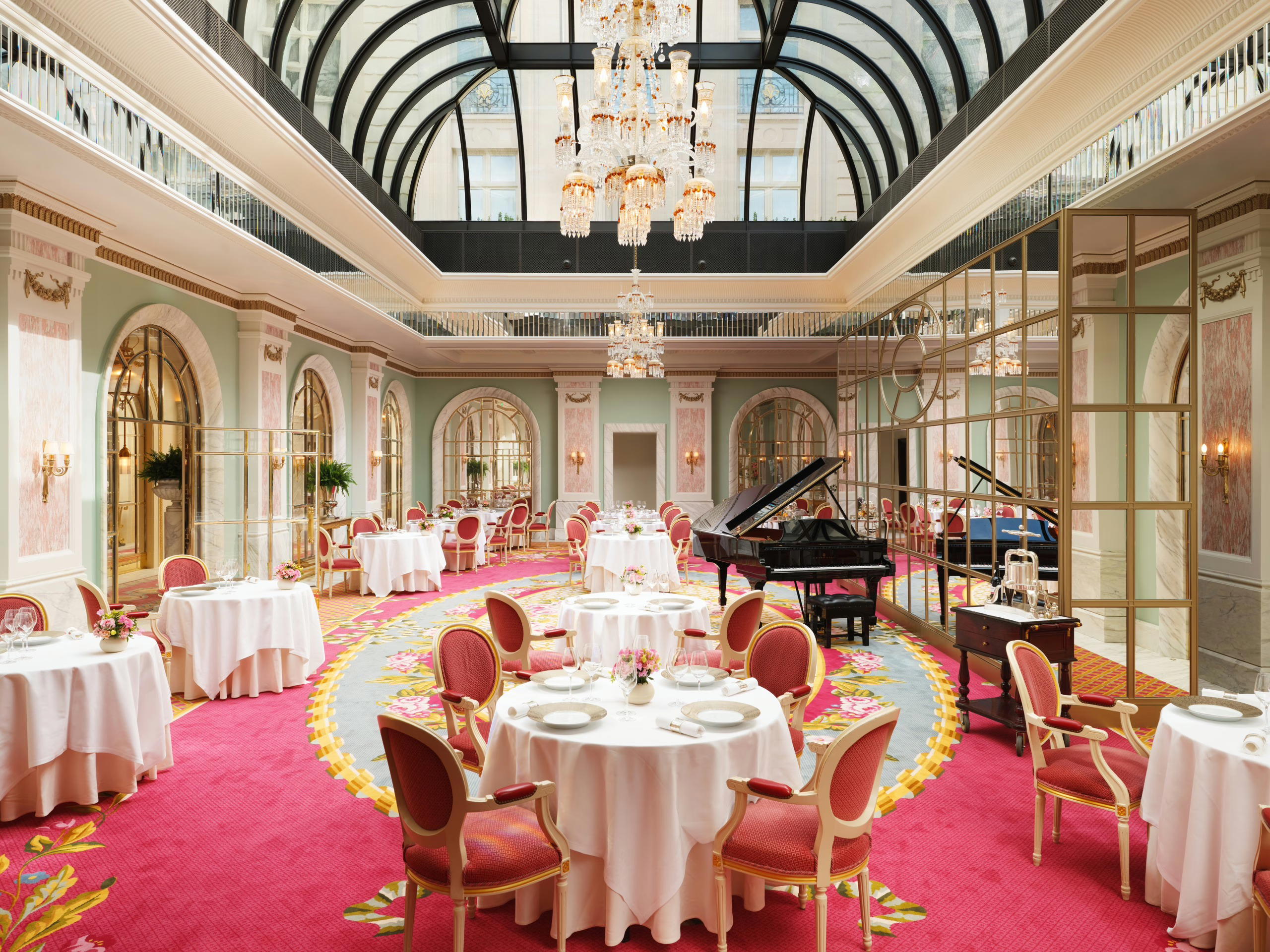
Check-in positions guests inside a lobby that reads as generously proportioned by any current London standard. The Palm Court, a room with a documented history as a London tea and dancing venue, represents the kind of intermediate social space, between the guest room and the street, that the post-boutique-hotel era tends to eliminate in favour of either minimalist lobbies or maximalist bars. Its survival and continued function is a minor architectural argument for what grand hotels were designed to do.
The middle register of a stay, the hours between sightseeing and theatre, or between conference sessions, is where the hotel's Theatreland location becomes logistically meaningful. Covent Garden's covered market and the Royal Opera House sit within comfortable walking distance. The Strand connects westward toward the Savoy and eastward toward the City. The Inns of Court are minutes away on foot. For a city as transport-complicated as London, this centrality is a genuine functional asset, not merely a marketing claim.
Evenings tend to resolve toward the theatre; the hotel's proximity to Drury Lane, the Lyceum, and the Novello puts it inside a cluster of major West End venues that few other central addresses can match by distance. The return after a performance, back through the lobby and into the scale of the Palm Court, completes a sequence that is specific to this part of London and this type of building.
Where It Sits in London's Hotel Range
London's luxury hotel market has stratified considerably over the past decade. At one end, a small group of independent or collection properties, Claridge's, The Connaught, The Savoy, command premium rates and sustain their positioning through heritage, service depth, and consistent critical recognition. At another end, newer arrivals like NoMad London, Raffles London at The OWO, and The Emory have entered the market with design-forward propositions and high opening rates. Between these cohorts sits a tier of historic properties that carry legitimate period credentials without the sustained PR machinery of the leading independents.
The Waldorf Hilton operates within that middle-to-upper band, where its award credentials, Country Winner for Luxury City Hotel and Regional Winner for Luxury Family Hotel, are more meaningful as signals than they might first appear. They indicate a hotel that performs well across two quite different evaluation frameworks: the expectation of a London city hotel (location, service continuity, facilities) and the more operationally demanding criteria of family suitability (spatial generosity, flexibility, non-adult programming). Properties that score well on both tend to offer a structural confidence that single-market hotels often lack.
For comparison across the wider UK market, the award signals here align with properties that occupy similar dual-market positions: Lime Wood in Lyndhurst and The Newt in Somerset in Castle Cary hold comparable family-and-luxury recognition in country house contexts, while urban properties like King Street Townhouse Hotel in Manchester and Hope Street Hotel in Liverpool serve analogous roles in their respective cities. The pattern, period building, central location, credentialed for both leisure and family, is a reliable format across the UK's major urban centres. Further afield, Gleneagles in Auchterarder and Estelle Manor in North Leigh represent the country-estate end of the same family-luxury spectrum. Properties like 1 Hotel Mayfair and 11 Cadogan Gardens sit in London's other postcode clusters, serving different neighbourhood contexts entirely.
Internationally, the structural parallel holds with hotels like Aman New York in New York City and The Fifth Avenue Hotel in New York City, where period architecture and central positioning are the primary differentiators within a congested luxury tier.
Know Before You Go
- Address: Aldwych, London WC2B 4DD, United Kingdom
- Location: Theatreland, between Covent Garden and the Strand
- Awards: Country Winner, Luxury City Hotel; Regional Winner, Luxury Family Hotel
- Nearest Theatre District: Drury Lane, Lyceum, Novello, all within short walking distance
- Leading season: Spring and autumn offer the leading balance of West End programming depth and manageable visitor volumes; summer brings peak family travel and school holiday occupancy
Comparable Spots
Comparable venues nearby, for context on price, style, and recognition.
| Venue | Cuisine | Price | Notes |
|---|---|---|---|
| The Waldorf Hilton, LondonThis venue — the venue you are viewing | Historic Edwardian luxury hotel | $$$$ | Not listed |
| At Sloane | Intimate luxury serviced home-like boutique | $$$$ | Belgravia |
| St. Pancras London | Victorian Gothic Revival heritage hotel blending historical grandeur with modern luxury | $$$$ | King's Cross |
| The Whiteley | Mixed-use luxury development in restored historic building | $$$$ | Bayswater |
| The Chancery Rosewood | Contemporary luxury all-suite hotel with residential design, blending historic preservation with modern refinement in London's prestigious Mayfair district. | $$$$ | Mayfair |
| COMO The Halkin | Contemporary luxury boutique with Georgian heritage facade, designed as a residential sanctuary emphasizing discretion and understated elegance. | $$$$ | Belgravia |
Recognition history
Dated appearances from independent guides and award organizations, with the underlying list record or original source where available.
World Luxury Hotel Awards WLHA Country Winner
World Luxury Hotel Awards
World Luxury Hotel Awards WLHA Regional Winner
World Luxury Hotel Awards
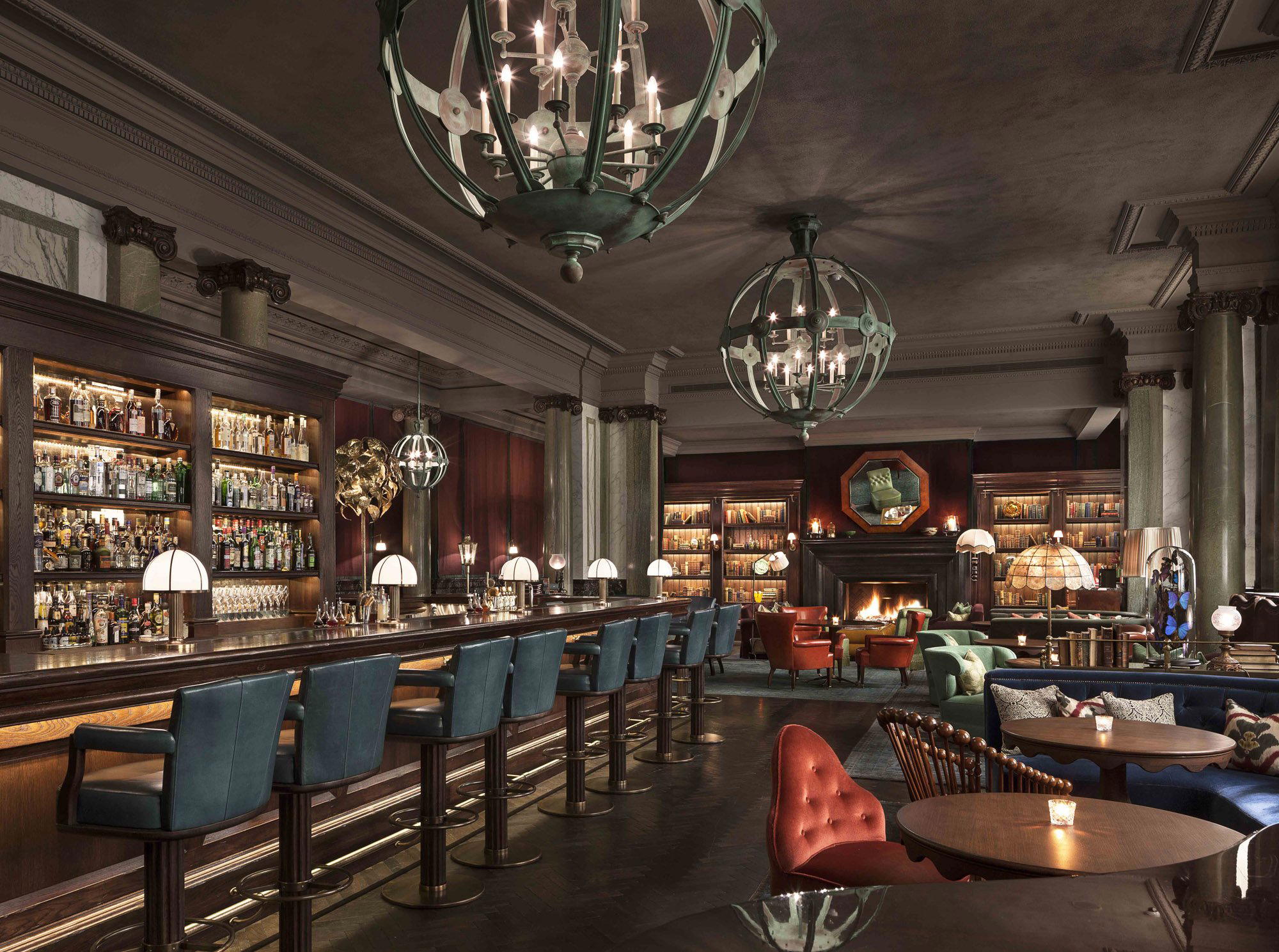
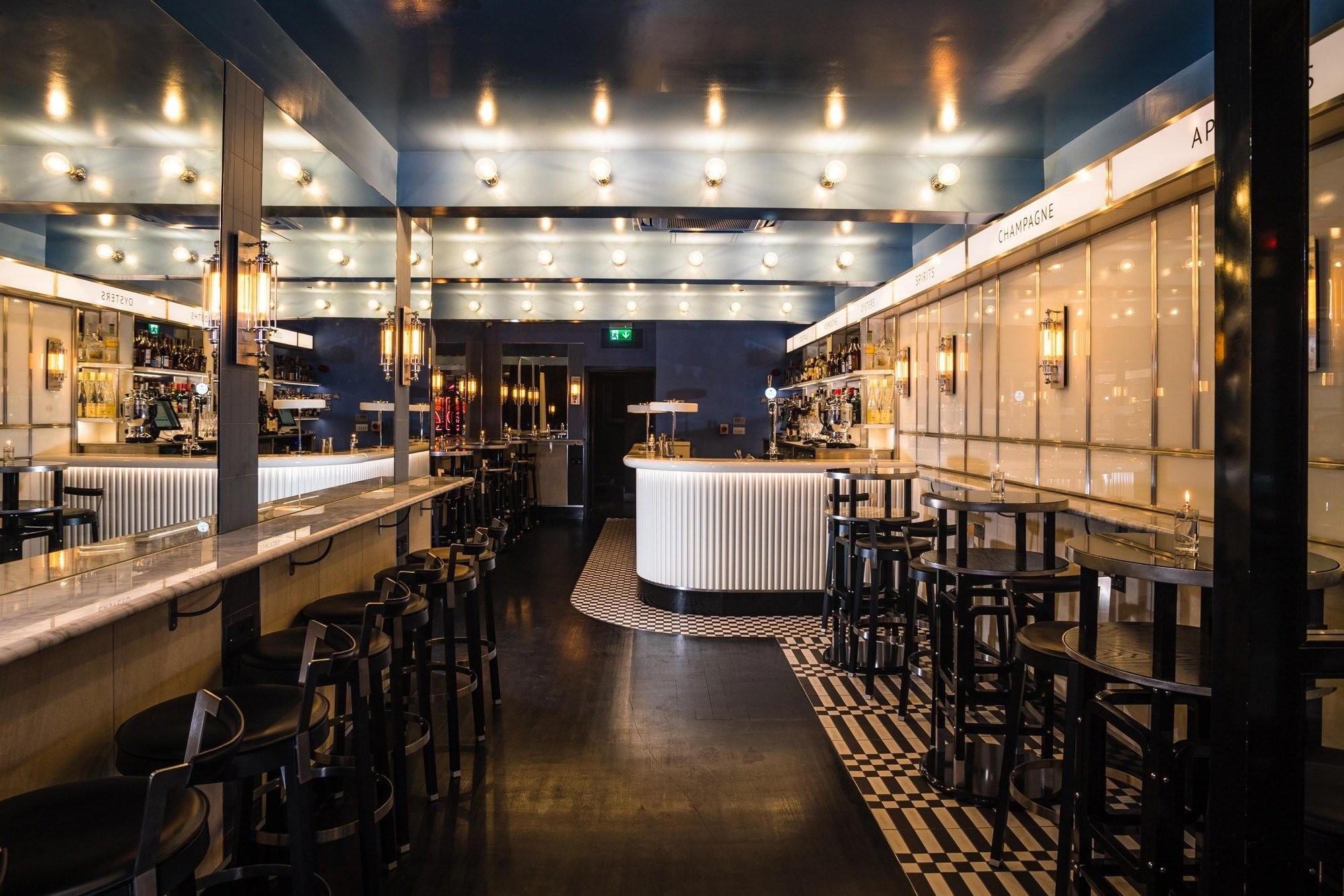
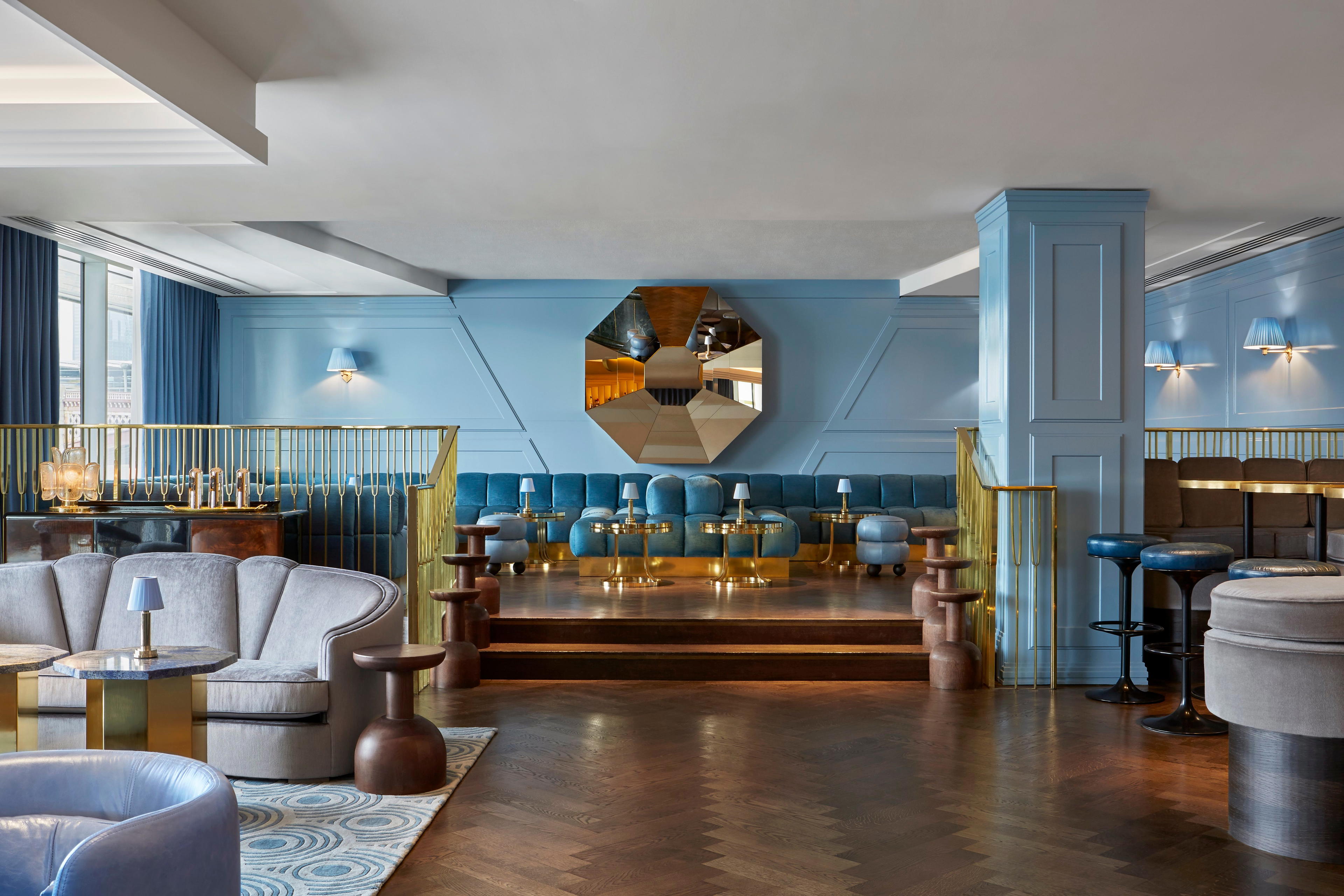
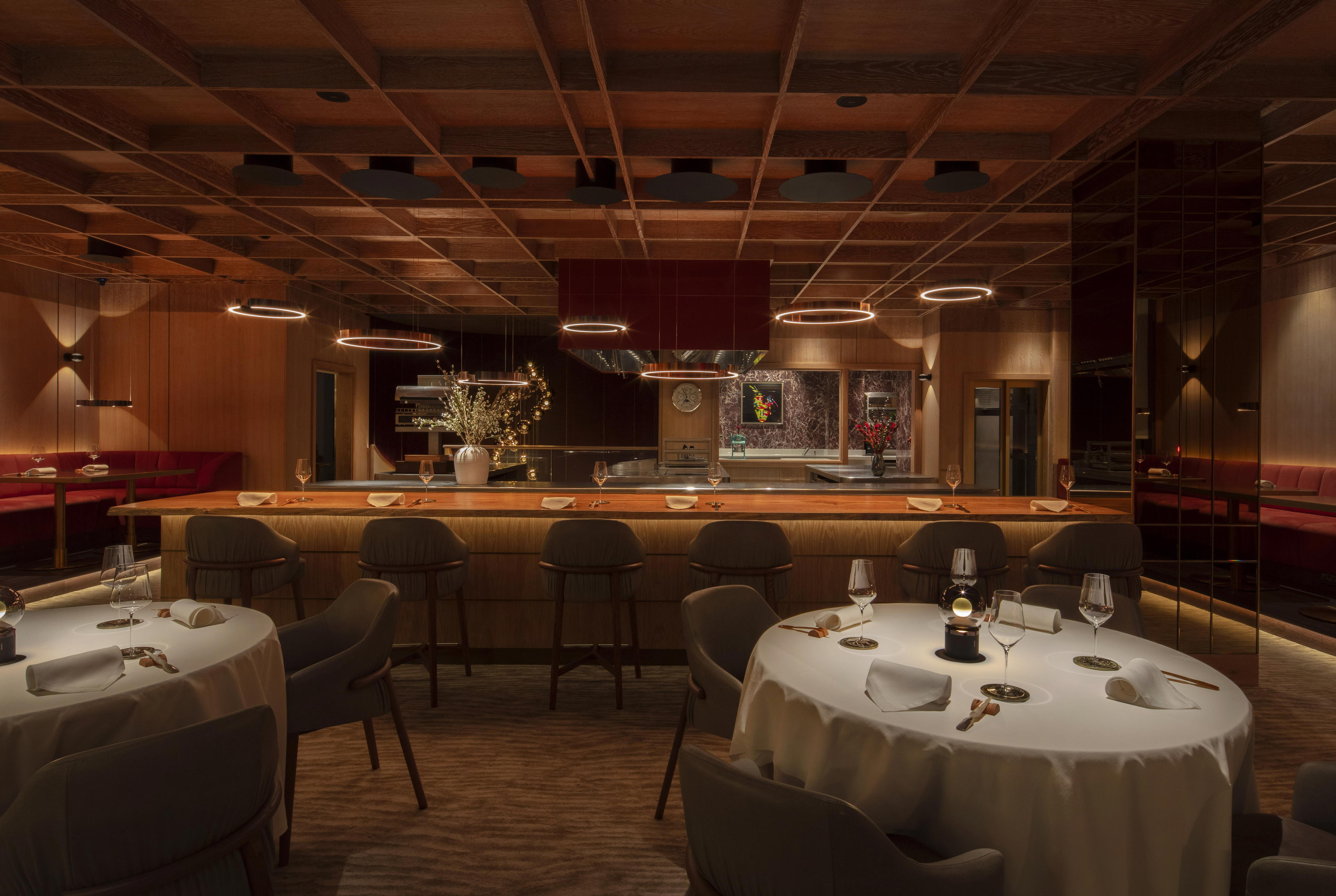



At a Glance
- Elegant
- Classic
- Sophisticated
- Ornate
- Well Known
- Romantic Getaway
- Business Trip
- Anniversary
- Celebration
- Historic Building
- Terrace
- Wi Fi
- Pool
- Spa
- Fitness Center
- Room Service
- Concierge
- Business Center
- Valet Parking
- Wi Fi
- Pool
- Spa
- Fitness Center
- Room Service
- Concierge
- Business Center
- Valet Parking
Elegant and sophisticated with preserved Edwardian grandeur, featuring lavish marble baths and premium furnishings.