At Sloane



1 Michelin Key · Mr & Mrs Smith Seal of Approval
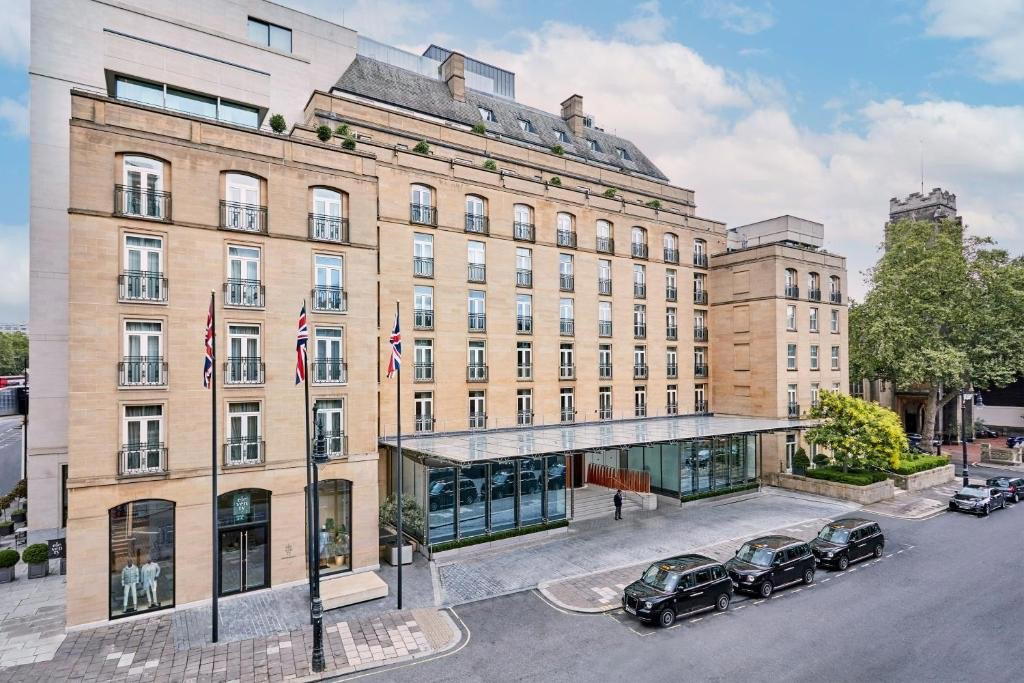
At Sloane occupies a Chelsea townhouse at 1 Sloane Gardens, bringing a distinctly Parisian sensibility to one of London's most residential luxury addresses. Jean-Louis Costes and designer François-Joseph Graf give the 30-room property a character that sits apart from the grand-hotel tradition: intimate in scale, precise in decoration, and positioned squarely in the SW1 pocket between Sloane Square and the King's Road.

Pearl is the En Primeur Club membership app, where members save venues, book tables and use the concierge.
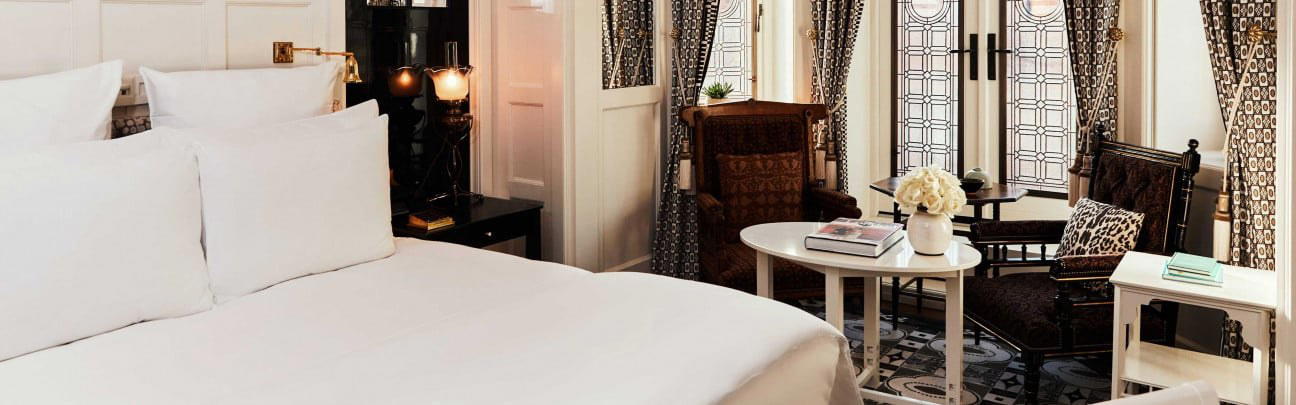
Chelsea After Dark, and in the Afternoon Light
The stretch of London between Sloane Square and the King's Road has long occupied a particular register in the city's social geography: residential in feel, quietly expensive, and resistant to the kind of obvious spectacle that defines Mayfair or Knightsbridge. Hotels in this pocket tend to mirror their surroundings. At Sloane, sitting at 1 Sloane Gardens just off the square itself, fits the Chelsea model in architecture and address, but its interior references run to Paris as much as to SW1. The involvement of hotelier Jean-Louis Costes and designer Francois-Joseph Graf pulls the property toward a French sensibility, one that sits in productive tension with the English townhouse shell around it.
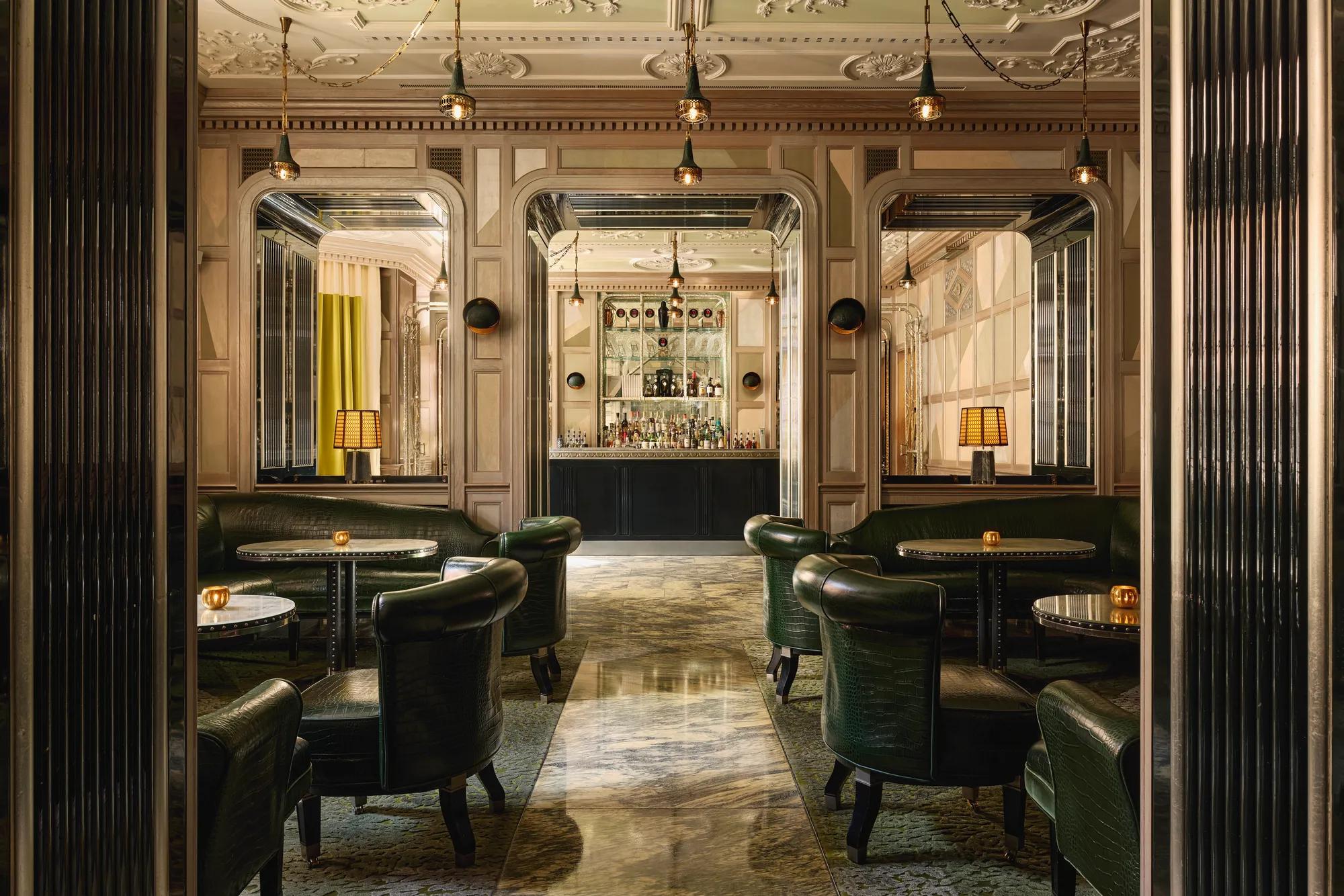
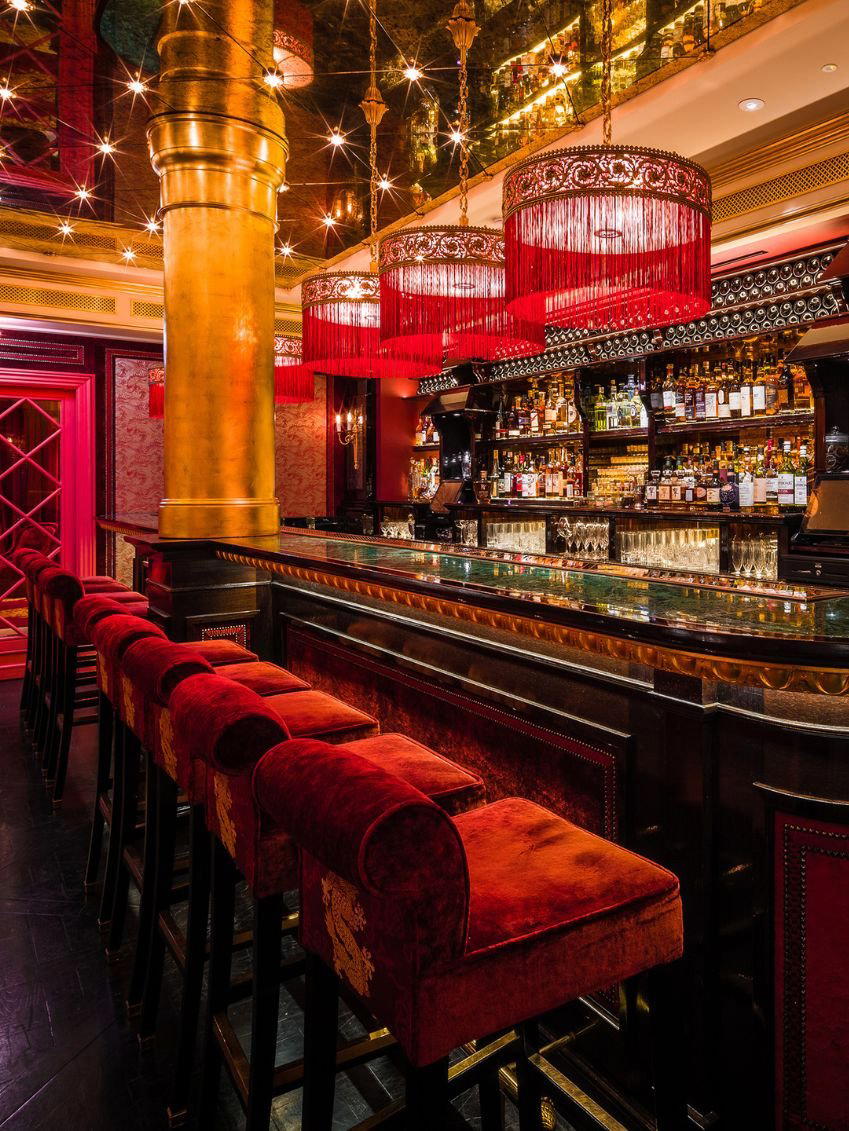
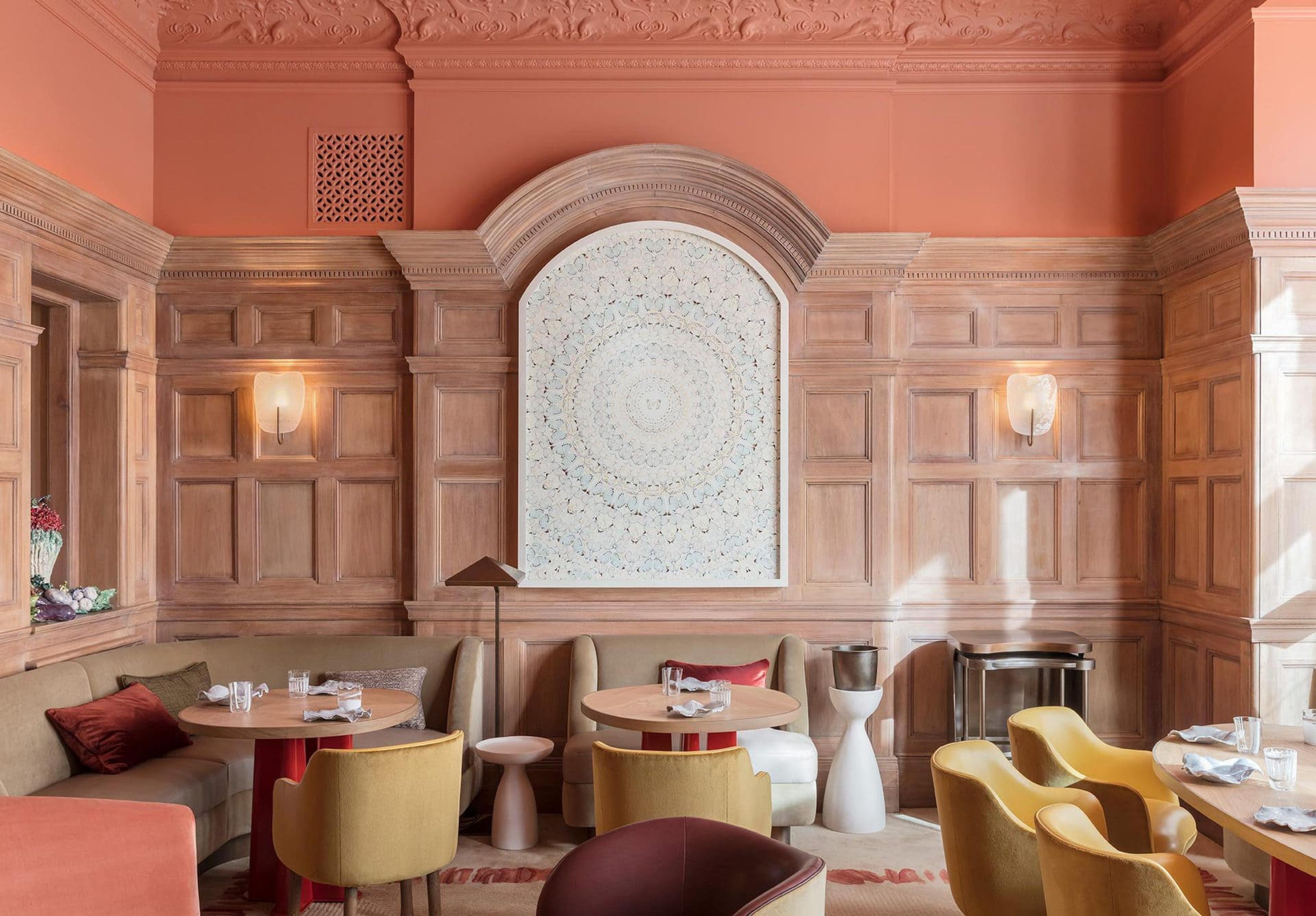
That duality shapes how the hotel reads at different hours. In the afternoon, natural light softens the detail-heavy interiors, and the public spaces take on the quality of a well-appointed private house rather than a destination in their own right. By evening, the same rooms shift register. The cocktail bar, conceived along speakeasy lines, becomes the focal point, and the top-floor restaurant acquires a different social gravity. This is not unusual in boutique London hotels, but the gap between At Sloane's daytime composure and its evening character is more pronounced than at comparably scaled properties in the area.
The Daytime Case: Quiet Authority on the Chelsea Side Streets
London's premium townhouse hotels occupy a recognisable niche. They are not the grand institutions of Mayfair, with their doormen and chandelier-lit lobbies, and they are not the design-driven boutiques of Shoreditch. Properties like 11 Cadogan Gardens a few minutes away occupy similar territory: Georgian or Victorian fronts, 30-odd rooms, a design register that suggests inheritance rather than investment, and a guest profile that comes for the address as much as the amenities. At Sloane's 30 rooms place it squarely in this company.
During the day, the value of this format is most legible. Guests using the hotel as a base for Chelsea and the wider South Kensington corridor, with the Saatchi Gallery close by and the Natural History Museum within reasonable walking distance, benefit from a property that doesn't demand attention. The public spaces are available without theatre. The design, described as detailed in its original briefing notes, functions as backdrop rather than performance during daylight hours. For a room rate at the $670 level, that composure is part of what you are paying for.
Among townhouse properties of similar scale in London, this positions At Sloane differently from the grand-hotel tier occupied by Claridge's, The Connaught, or The Savoy. Those properties trade on institutional gravity; At Sloane's French-accented interiors and boutique scale trade on a different kind of authority, closer in character to NoMad London in its attention to designed intimacy, though not in its sector or price architecture.
Evening: The Bar, the Restaurant, and the Tonal Shift
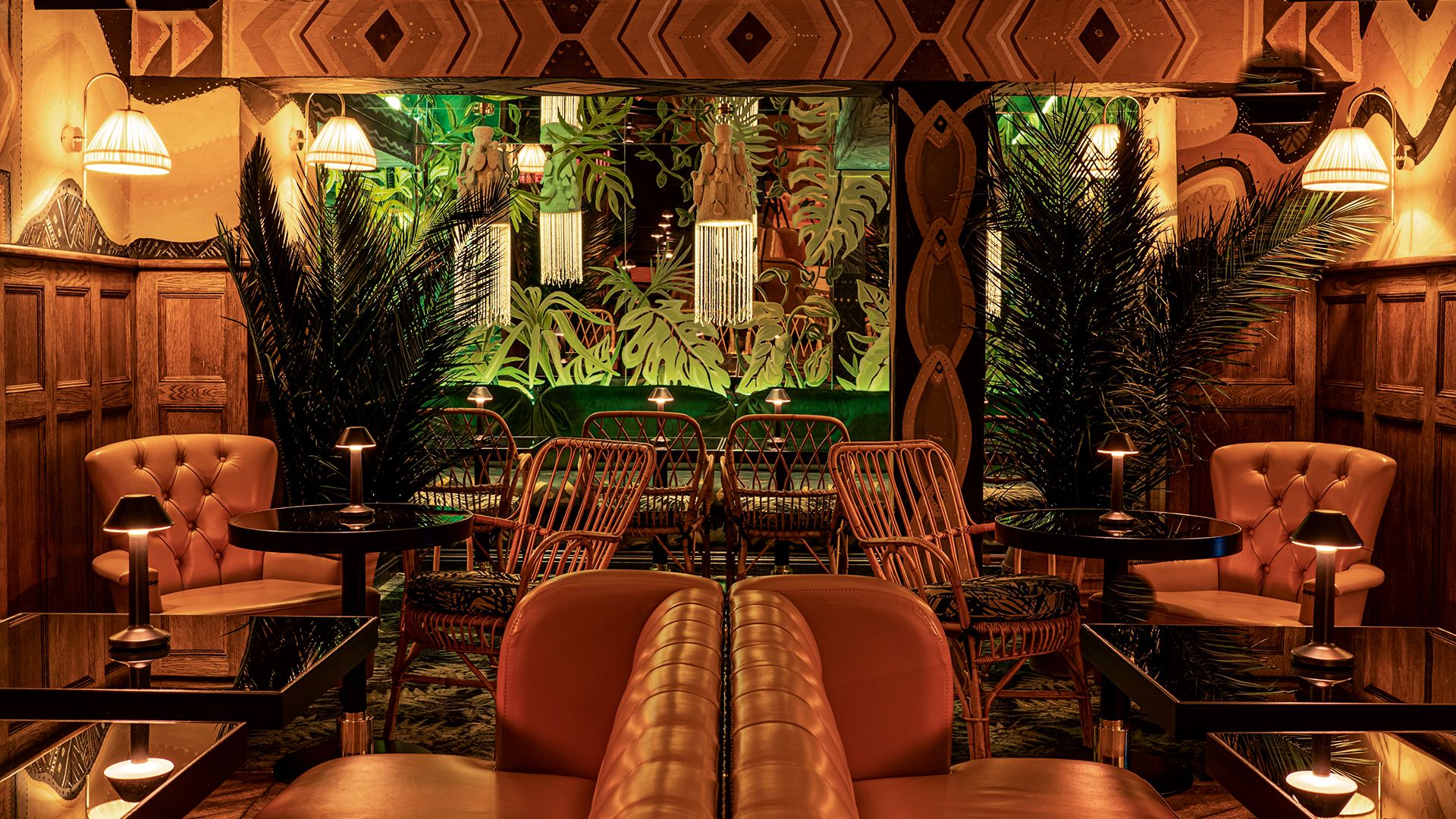
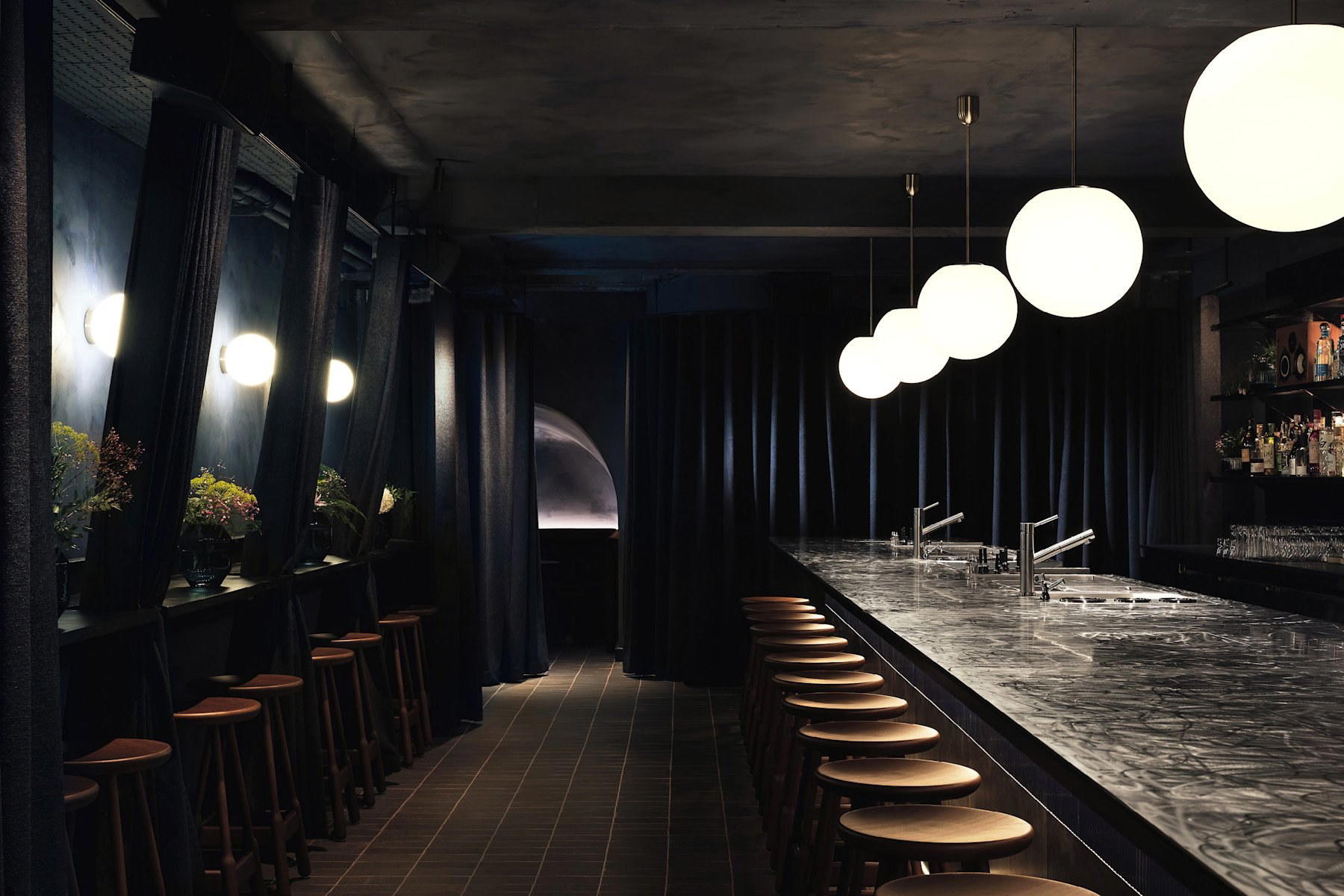
The hotel's speakeasy-style cocktail bar is the clearest evidence of how much At Sloane recalibrates for evening. London's cocktail bar scene has largely moved away from hidden-door theatrics and toward transparent technical programs, but the speakeasy format retains currency in hotel contexts, where it provides a sense of discovery for guests who might not seek it out independently. Within a 30-room hotel, a bar with this kind of tonal ambition functions as an internal destination: it gives the property an evening rhythm that a simple drawing room would not.
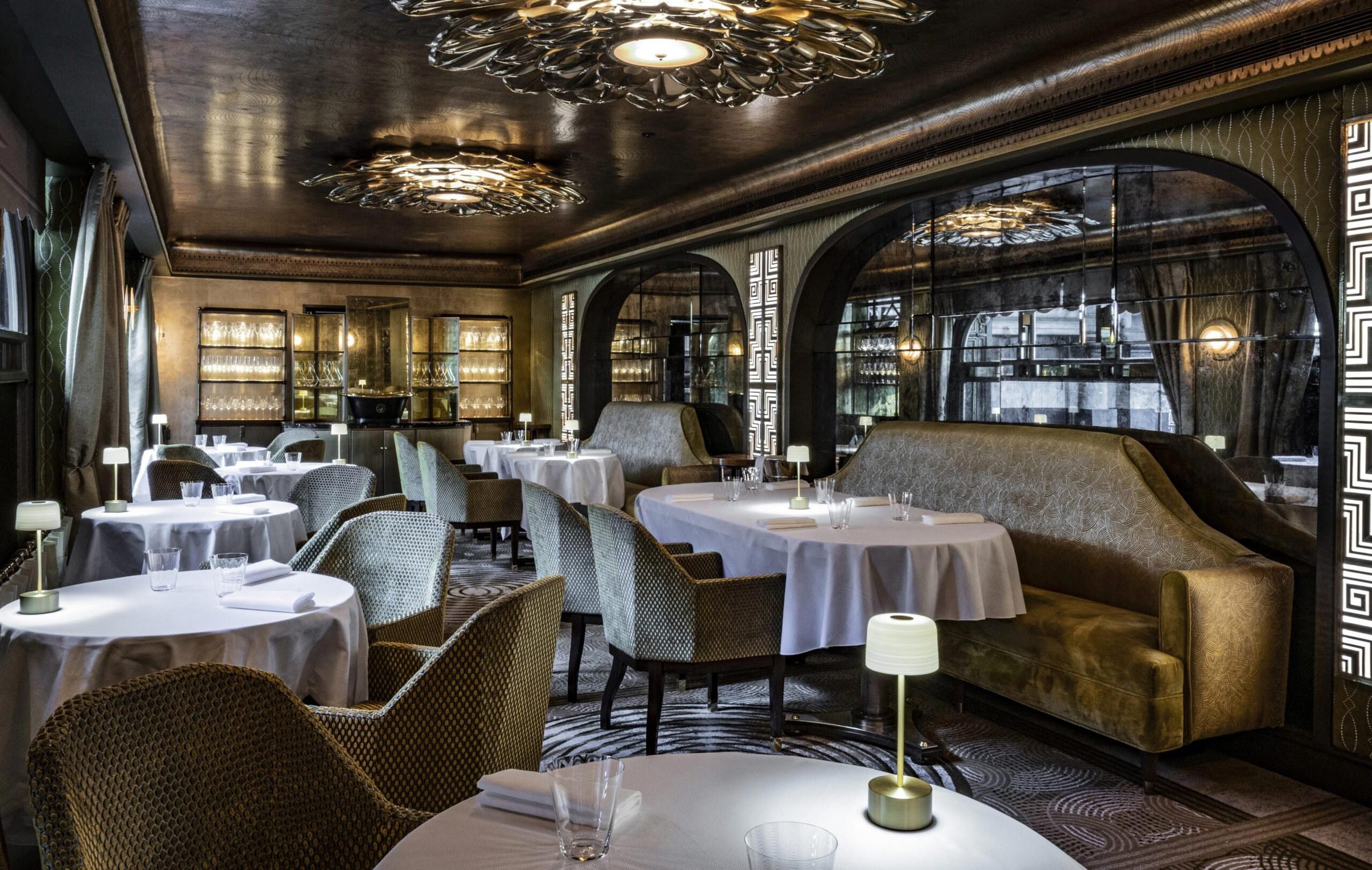
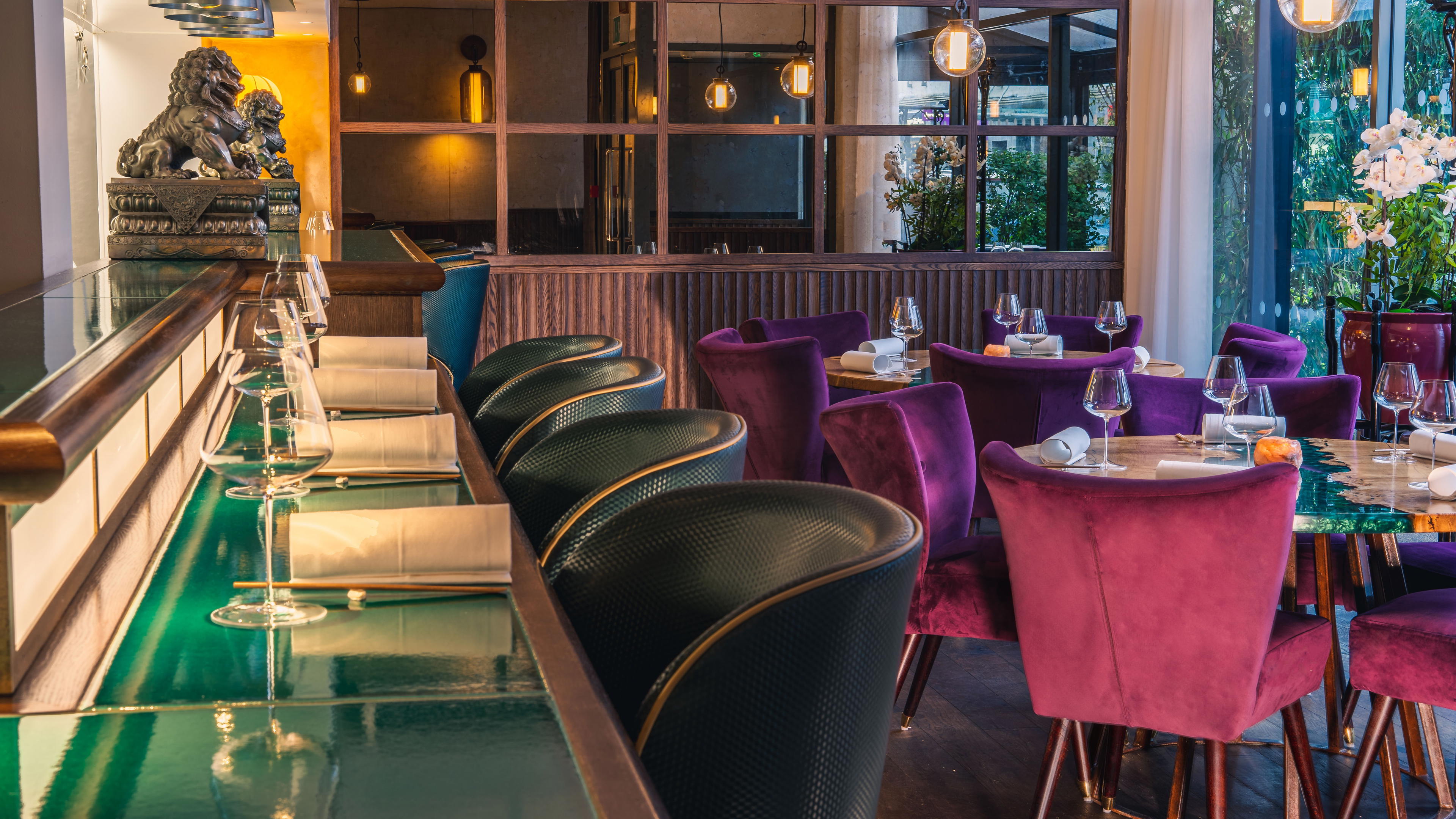
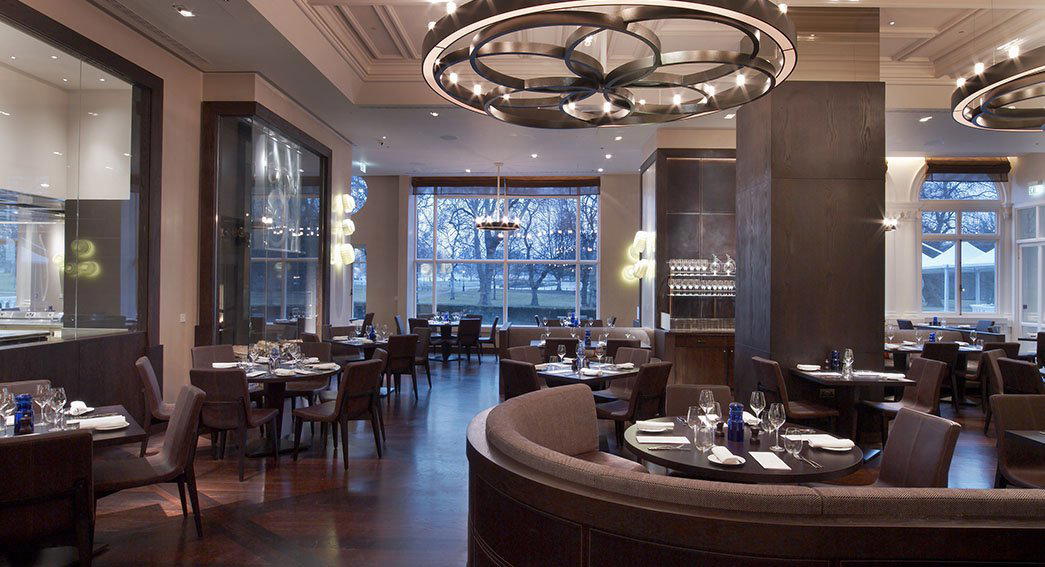
The top-floor restaurant adds a vertical dimension. Roof or upper-floor dining in London carries specific associations: light during summer months, a sense of remove from the street, and a slight formality that ground-floor spaces rarely achieve.
By comparison, properties like Raffles London at The OWO or The Emory invest in food and beverage programs that function as public-facing destinations in their own right, drawing non-resident diners and generating press attention independently of the rooms. At Sloane's food and beverage offering appears calibrated for its own guests rather than for the wider Chelsea dining public, which is a sensible choice at 30 rooms but means the property's evening reputation is more contained.
The French-English Question
The involvement of Jean-Louis Costes and Francois-Joseph Graf gives At Sloane a provenance that carries meaning in a London context. Costes hotels in Paris occupy a specific position: theatrically designed, socially legible, detail-intensive in their interiors, and aimed at a guest who appreciates the hotel as a stage. Bringing that sensibility to Chelsea, rather than to Mayfair, which is the more obvious landing zone for Franco-European luxury hotel aesthetics in London, is a positioning choice. Chelsea's relative residential quiet makes the Costes-influenced atmosphere more conspicuous, and arguably more useful, than it would be surrounded by the denser luxury hotel competition north of Hyde Park.
For travellers comparing the Chelsea and Mayfair options, the distinction matters. 1 Hotel Mayfair operates a different philosophy, sustainability-led and contemporary. Raffles London at The OWO operates at grander scale with a heritage location. At Sloane's claim is specifically about a Parisian design register applied to an English residential neighbourhood, and the 30-room intimacy that keeps it out of the institutional bracket entirely.
Planning a Stay: What to Know Before You Book
At Sloane sits on Sloane Gardens, SW1W 8EA, a quiet residential address that connects easily to Sloane Square Underground (District and Circle lines) and to the King's Road on foot. The rate structure, at approximately $670 per night, places it in the premium townhouse bracket for London, where comparable properties in the same postcode and scale range similarly. The 30 rooms mean availability is a genuine constraint, particularly in the late spring and summer months when Chelsea's garden squares and the proximity to the Royal Hospital Chelsea grounds make the area particularly sought-after. Booking with reasonable lead time during peak season is advisable.
The speakeasy bar and top-floor restaurant make the property self-contained enough for an evening without leaving the building, but the location also puts guests within reach of the broader London hotel and dining scene. For those who want to range further, our full London restaurants guide covers the wider landscape. For stays elsewhere in the UK, Lime Wood in Lyndhurst, Estelle Manor in North Leigh, and The Newt in Somerset represent the country house end of the premium spectrum, with a very different scale and setting from the Chelsea townhouse model.
Similar Picks
Comparable venues nearby, for context on price, style, and recognition.
| Venue | Cuisine | Price | Awards | Notes |
|---|---|---|---|---|
| At SloaneThis venue (the venue you are viewing) | Intimate luxury serviced home-like boutique | Not listed | 1 Michelin Key · Mr & Mrs Smith Seal of Approval | Not listed |
| Six Senses London | Historic Art Deco building restored with modern wellness focus | Not listed | 1 Michelin Key · Michelin Guide New Hotels New Hotel | Queensway |
| Shoreditch House | converted warehouse members' club with hotel rooms | $300–500 | Michelin Selected · Mr & Mrs Smith Seal of Approval | Shoreditch |
| The Beaumont Hotel | Art Deco modernist boutique hotel with old-world aesthetic and modern technology. | Not listed | 2 Michelin Keys · La Liste Top Hotels | Mayfair |
| Taj 51 Buckingham Gate, Suites and Residences London | Historic Victorian townhouses restored with Indian craftsmanship and luxury residential feel | Not listed | Not listed | Victoria |
| Chiltern Firehouse | Converted historic fire station with Gothic architecture and courtyard. | $750–1,000 | Not listed | Marylebone |
Recognition history
Dated appearances from independent guides and award organizations, with the underlying list record or original source where available.
Michelin 1 Key
Michelin
House & Garden 2026 House & Garden Best Hotels in London
House & Garden
Mr & Mrs Smith Seal of Approval
Mr & Mrs Smith
Full recognition history (4 entries)
Michelin 1 Key
Michelin
Continue exploring
More in London
Hotels in London
All hotels in London →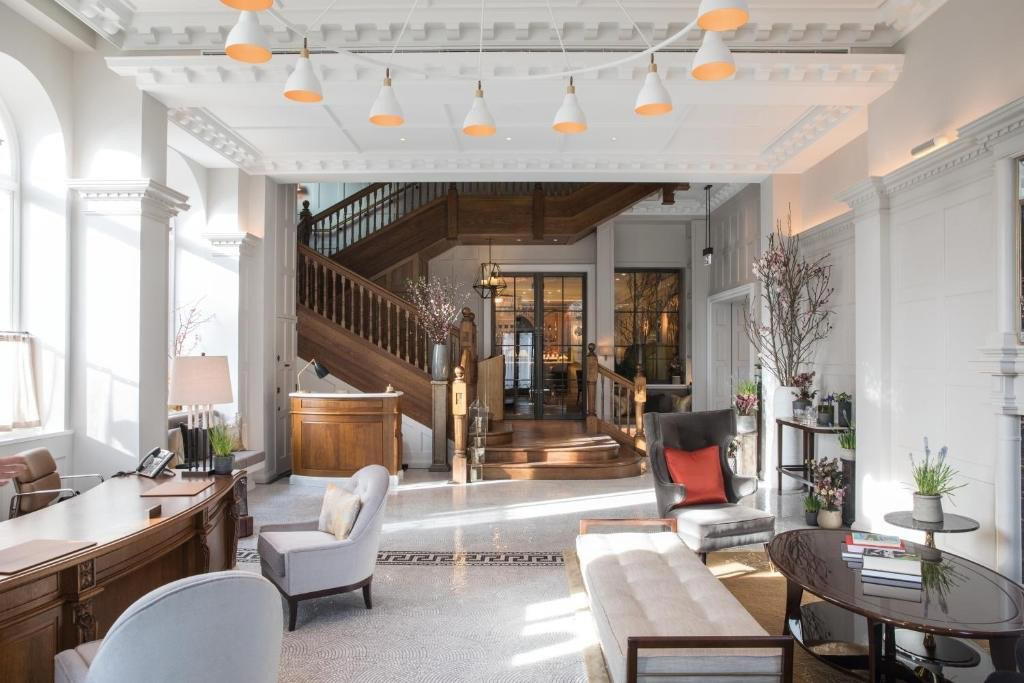
Bars in London
All bars in London →



Details
- Elegant
- Sophisticated
- Intimate
- Modern
- Ornate
- Romantic Getaway
- Anniversary
- Weekend Escape
- Terrace
- Wi Fi
- Room Service
- Concierge
- Restaurant
- Street Scene
- Elevator
Soft flattering lighting, elegant and welcoming atmosphere with lit candelabras in reception and cozy, peaceful rooms.