The Travancore Heritage

The 2025 World Travel Awards winner for Kerala's Leading Heritage Hotel, The Travancore Heritage sits along the Chowara coastline south of Thiruvananthapuram, where Kerala's vernacular architecture meets the Arabian Sea. The property occupies a stretch of Kerala's southern shore where traditional wooden construction and sloped laterite structures define the visual language of hospitality in this region.
Pearl is the En Primeur Club membership app — saves, bookings, and concierge access live there. Same editors, same standards.
- Address
- Poovar - Vizhinjam Rd, Adimalathura, Chowara, Kottukal, Kerala 695501, India
- Website
- thetravancoreheritage.com
- Directions
- Get directions
 Saves & bookings on Pearl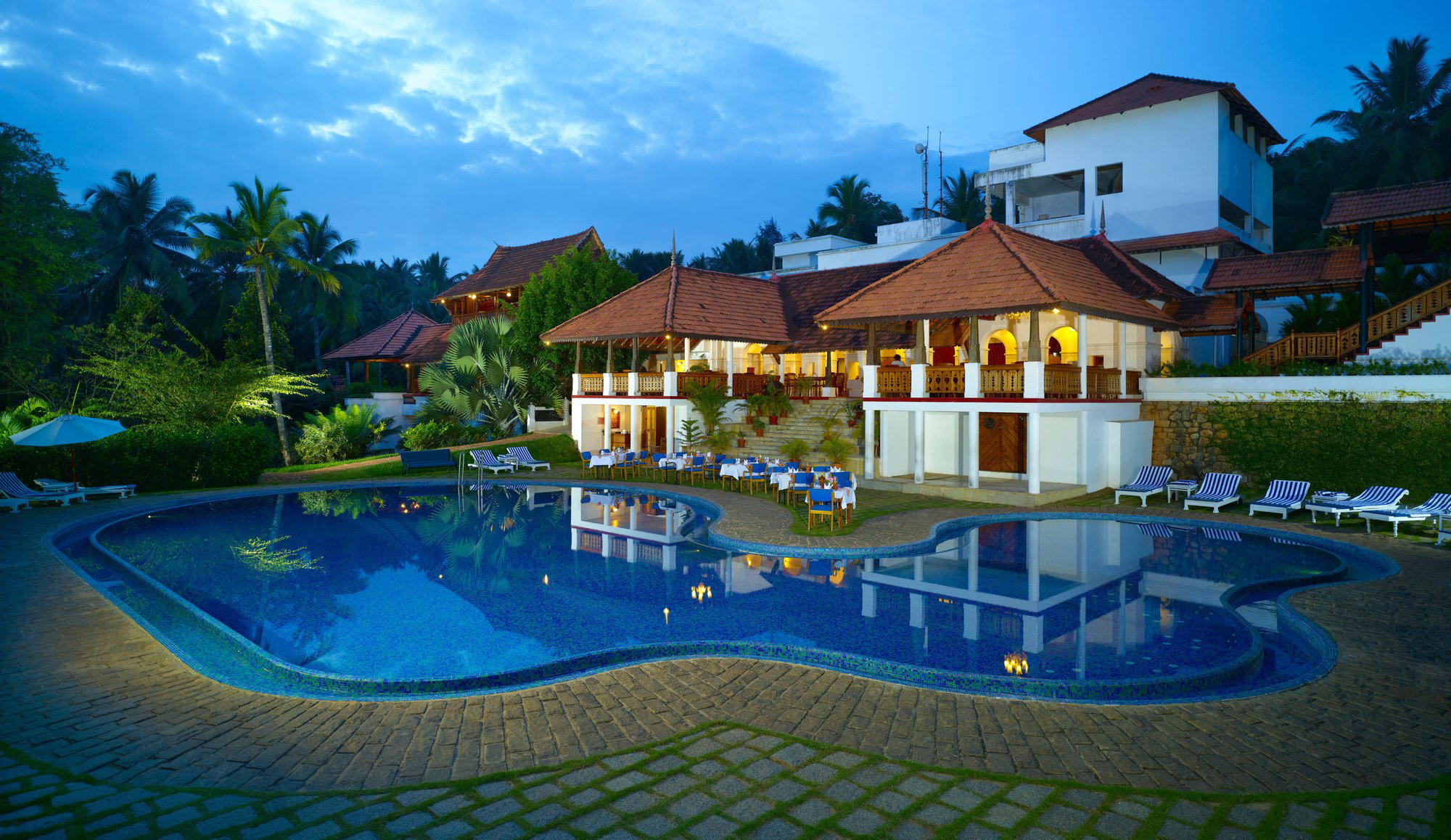
Kerala's Vernacular Architecture and the Southern Shore
The stretch of Kerala coastline running south from Thiruvananthapuram toward Poovar represents one of the state's most architecturally coherent settings for heritage hospitality. Here, the proximity of backwaters, sea cliffs, and dense coconut cover has historically shaped a built environment distinct from the inland hill stations or the Malabar coast to the north. Properties along this corridor, particularly those in Chowara and Kovalam, have drawn from a regional architectural vocabulary defined by sloped terracotta tiling, dark timber columns, laterite stonework, and open verandas oriented to catch the coastal breeze. The Travancore Heritage, located on the Poovar–Vizhinjam Road in Adimalathura, sits squarely within that tradition. As the 2025 World Travel Awards winner for Kerala's Leading Heritage Hotel, it holds a position that places it at the upper tier of properties making a sustained argument for vernacular architecture as a primary design language rather than decorative overlay. The hotel has 90 rooms and a 4-star rating.
The Design Logic of Travancore Heritage Structures
What distinguishes authentic Travancore-style construction from its more commercial imitations is largely a question of material hierarchy and structural logic. In the Travancore tradition, timber is not cladding, it is the frame. Columns, brackets, and ceiling panels in this style carry load and define space simultaneously, which produces interiors where the structural and the aesthetic are inseparable. Sloped roofs with deep overhangs serve a functional purpose in a climate defined by heavy monsoon rainfall, but the proportions chosen historically also created shade patterns and interior light quality that contemporary resort design rarely replicates. The Travancore Heritage, positioned within this tradition, occupies a category of property where the architectural choices communicate more than aesthetic preference, they signal a relationship with regional building history that guests at heritage-category hotels are specifically seeking. For readers exploring the wider Indian heritage hotel spectrum, properties like Haveli Dharampura in Delhi or Chapslee in Shimla illustrate how different regional traditions, Mughal courtyard architecture in the north, colonial hill-station design in Himachal, produce entirely different spatial experiences from the same broad category of heritage hospitality.
Placing The Travancore Heritage in Its Competitive Set
Kerala's heritage hotel market divides broadly between properties in the hill country around Munnar and Wayanad, houseboat-centric experiences on the Alleppey backwaters, and coastal properties along the Thiruvananthapuram corridor. The Chowara stretch is a smaller, more specific sub-market where scale tends to remain limited and the emphasis falls on landscape integration rather than resort-scale amenities. In that context, winning the World Travel Awards designation for Kerala's Leading Heritage Hotel in 2025 places The Travancore Heritage at the summit of a field that includes both large-footprint competitors and smaller boutique properties. For Indian heritage hotel comparisons at the national tier, Amanbagh in Ajabgarh, Alila Fort Bishangarh in Manoharpur, and Aman-i-Khas in Ranthambore represent the Rajasthan cluster that dominates the country's heritage conversation, while Kerala sits in a distinct register, less fortress-and-palace, more landscape-embedded and climate-responsive.
Approaching the Property: What the Setting Establishes
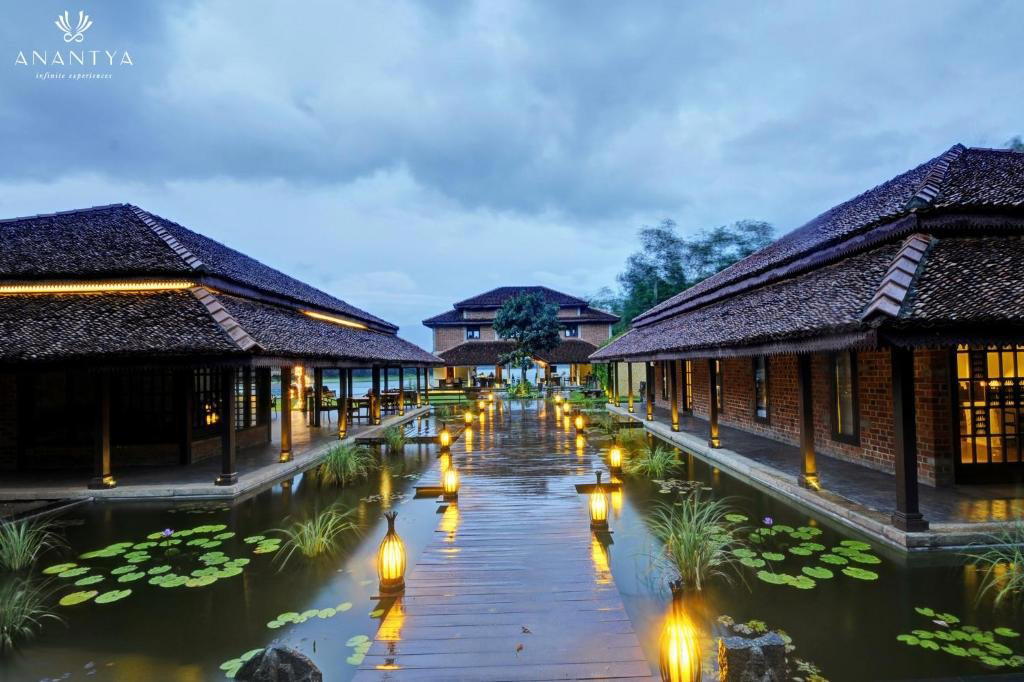
The Poovar–Vizhinjam Road runs close to the sea at several points, with the backwater estuary at Poovar to the south and the Vizhinjam fishing harbour to the north. This corridor frames a coastal zone where the Arabian Sea and the inland waterway system come into closest proximity, creating an environment of considerable natural density. Properties along this stretch tend to present themselves through gates set into walls of laterite or through canopied driveways where coconut palms define the arrival sequence rather than manicured formal gardens. The sensory register shifts markedly from central Thiruvananthapuram, the urban noise recedes, replaced by coastal wind and the sound patterns typical of a working fishing coast. The address in Adimalathura, Chowara, places the property within a community that has sustained fishing traditions across generations, and the visual presence of that coastal working life is part of the context in which any heritage property here must be understood. That specificity of location is increasingly valued in a travel market where guests at properties like Anantya By The Lake in Kaliyal or Baale Resort Goa are explicitly seeking landscape integration over generic resort uniformity.
Heritage Hotels in Kerala: The Broader Pattern
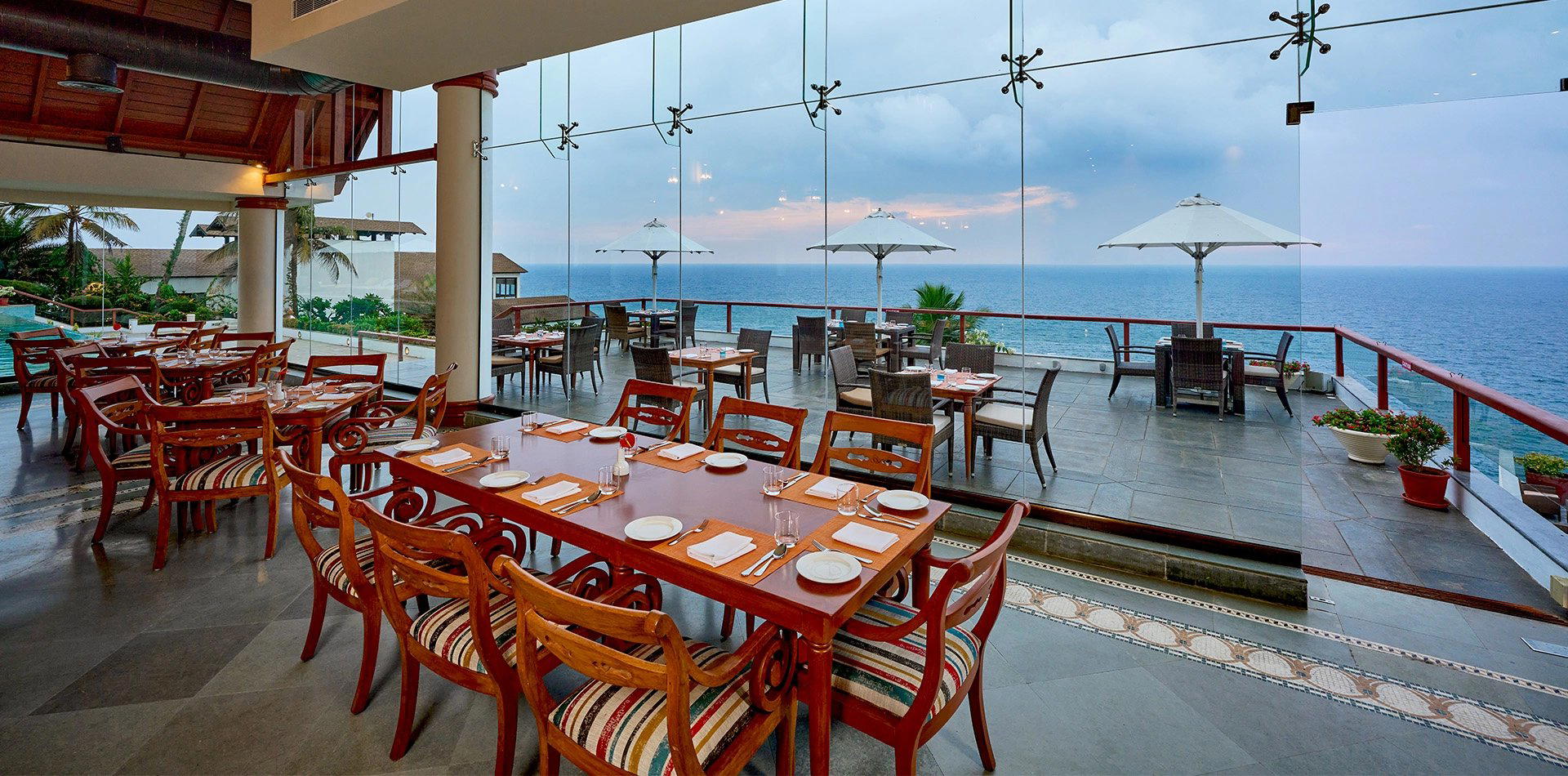
Kerala's approach to heritage hospitality has evolved differently from the Rajasthan model that international visitors often default to when thinking about Indian heritage stays. Where Rajasthan's landmark properties, including The Leela Palace Jaipur and the palace conversions around Udaipur, draw on a tradition of courtly architecture with formal geometry, Kerala's heritage register is softer in its massing, more porous in its relationship to the outdoors, and more directly tied to vernacular domestic construction rather than royal or aristocratic commissions. This produces properties where open-sided dining areas, natural ventilation, and direct views of water or vegetation are primary rather than incidental. The leading heritage properties in this southern corridor do not present heritage as museumified or static, they treat it as a living building method adapted to a contemporary hospitality programme. For guests who have stayed at palace-scale properties in Rajasthan or the grand urban hotels like The Taj Mahal Palace, Mumbai or The Leela Palace New Delhi, Kerala's heritage format offers a materially and atmospherically distinct experience.
Planning a Stay: What to Know
Thiruvananthapuram International Airport serves the region with direct connections from major Indian cities and a growing number of international routes, particularly via the Gulf. The Chowara area is approximately a 30 to 40 minute drive south of the city centre, depending on traffic along the coastal road. Kerala's primary travel seasons are the cooler, drier months running from October through March, when humidity drops and the coastal light acquires the clarity that makes the region's landscape particularly legible. The monsoon months from June to September bring intense rainfall that transforms the backwater environment but also closes some coastal access routes intermittently. Heritage hotel demand along this corridor peaks during the winter months, and forward planning, particularly for stays over the Christmas and New Year period, is advisable. Readers assembling multi-destination India itineraries may also find value in comparing Kerala's coastal heritage tier with Himalayan wellness properties like Ananda in the Himalayas or hill country options like Amaya in Solan, which occupy different ends of India's premium heritage and nature-stay spectrum.
Quick Comparison
Comparable venues nearby, for context on price, style, and recognition.
| Venue | Cuisine | Price | Awards | Notes |
|---|---|---|---|---|
| The Travancore HeritageThis venue — the venue you are viewing | Traditional Kerala architecture with modern luxury; quaint tile-roofed timber houses integrated into natural landscape on clifftop setting. | $$$$ | 4-Star | Not listed |
| Kaav Safari Lodge, Kabini | Intimate eco-friendly jungle villa with luxury tents. | $$$$ | 4-Star | Begur |
| Taj Bengal | Classic luxury with timeless charm | $$$$ | 5-Star | Alipore |
| Roswyn, A Morgans Originals Hotel | Lifestyle, all‑suite design hotel positioned as a modern cultural address near Mumbai Airport. | $$$$ | 5-Star | Chhatrapati Shivaji Maharaj International Airport T2 |
| The Oberoi Rajgarh Palace, Khajuraho | Restored 350-year-old royal Bundelkhand palace with British colonial influences and contemporary elegance. | $$$$ | 5-Star | Chandranagar |
| Taj Santacruz Mumbai | Art Deco-inspired luxury with spacious rooms | $$$$ | 5-Star | Santacruz East |
Recognition history
Dated appearances from independent guides and award organizations, with the underlying list record or original source where available.
World Travel Awards
World Travel Awards
Continue exploring
More in Thiruvananthapuram
Hotels in Thiruvananthapuram
Browse all →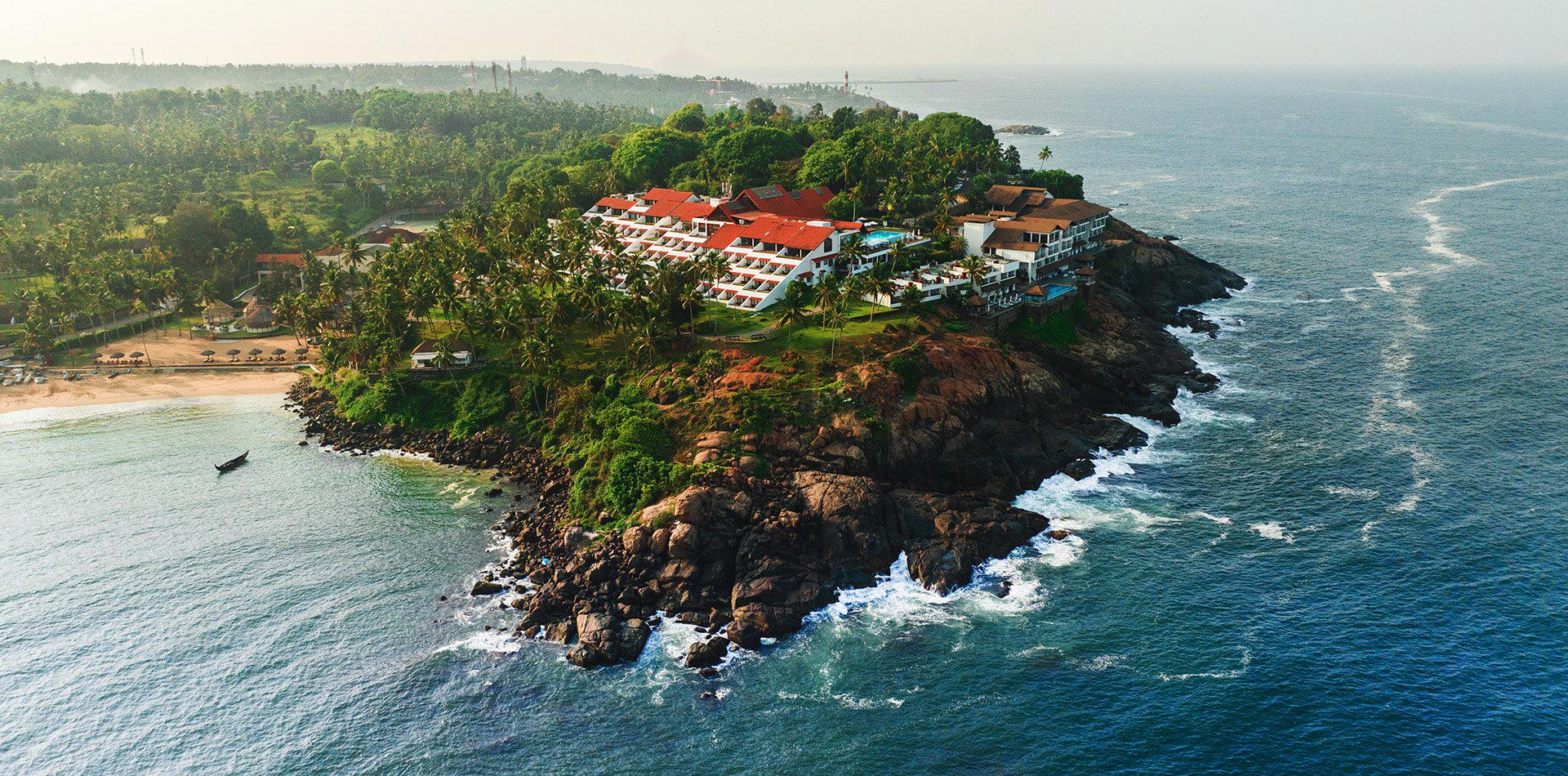
Bars in Thiruvananthapuram
Browse all →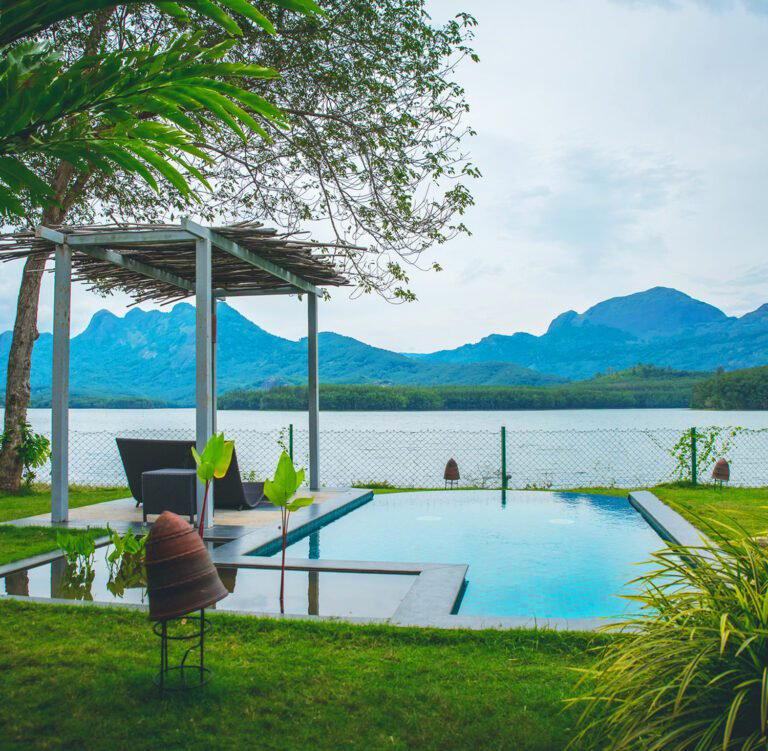
Restaurants in Thiruvananthapuram
Browse all →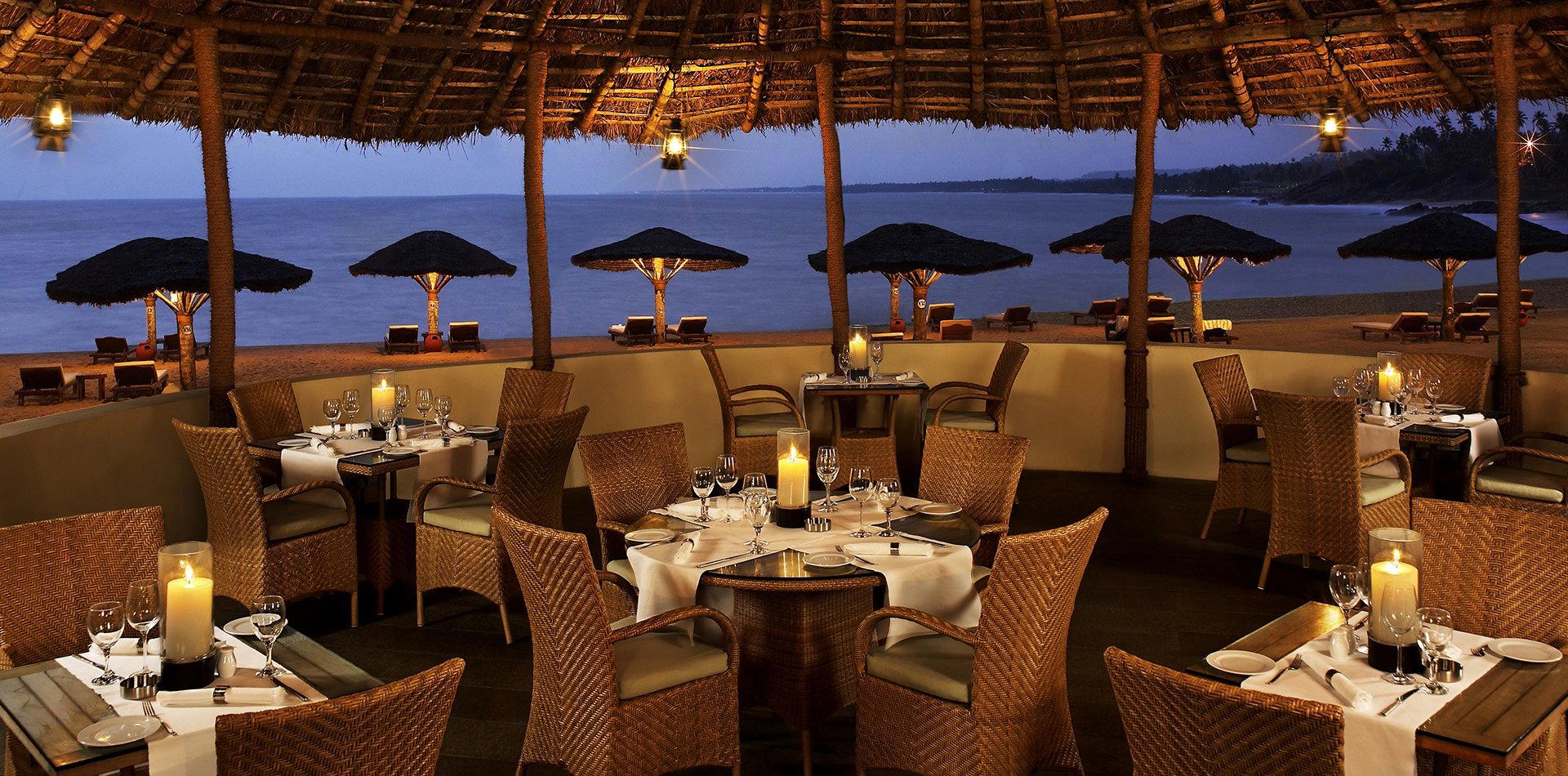
At a Glance
- Scenic
- Romantic
- Elegant
- Classic
- Romantic Getaway
- Wellness Retreat
- Family Vacation
- Anniversary
- Beachfront
- Destination Spa
- Panoramic View
- Garden
- Terrace
- Historic Building
- Private Dining
- Wi Fi
- Pool
- Spa
- Fitness Center
- Room Service
- Concierge
- Valet Parking
- Kids Club
- Beach Access
- Restaurant
- Waterfront
- Garden
- Wi Fi
- Pool
- Spa
- Fitness Center
- Room Service
- Concierge
- Valet Parking
- Kids Club
- Beach Access
- Restaurant
Serene and peaceful with well-maintained gardens, natural materials, and ocean views; guests describe it as a tranquil escape where time moves slowly, enhanced by evening entertainment and soft lighting from terraces overlooking pools and gardens.