Leela Kerala Tides
Our verdict
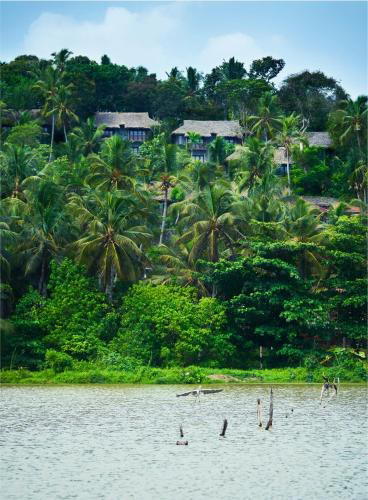
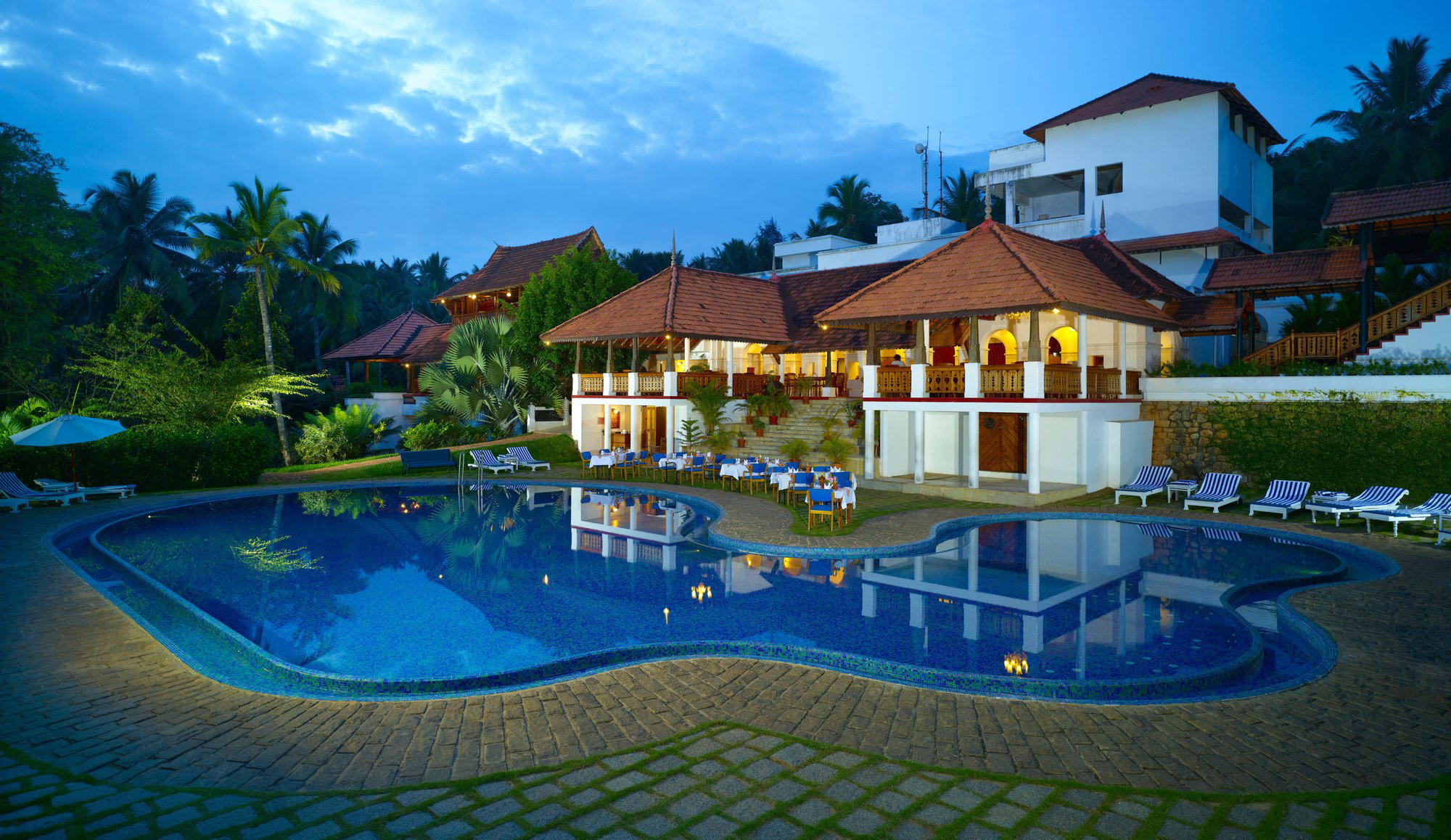
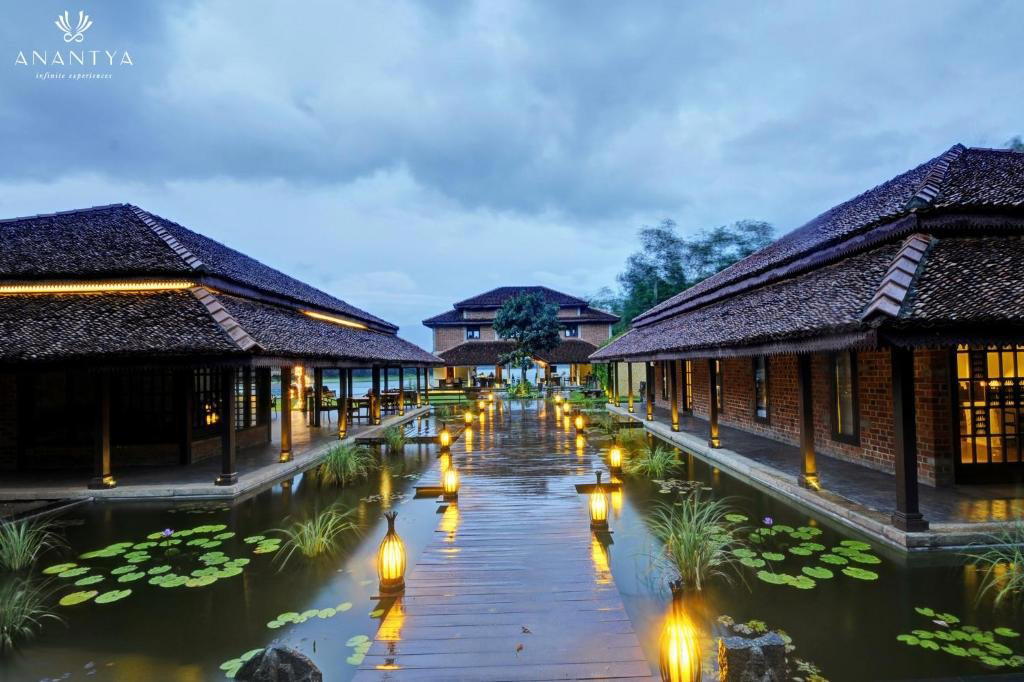
Leela Kerala Tides sits on the Kovalam coastline in Trivandrum, placing guests within the arc of a culinary tradition that predates most of the country's celebrated restaurant culture. The dining experience here is shaped by the rhythms of the Malabar coast: coconut-tempered curries, coastal seafood, and the spice routes that once made Kerala the most fought-over geography on the subcontinent.

Pearl is the En Primeur Club membership app, where members save venues, book tables and use the concierge.
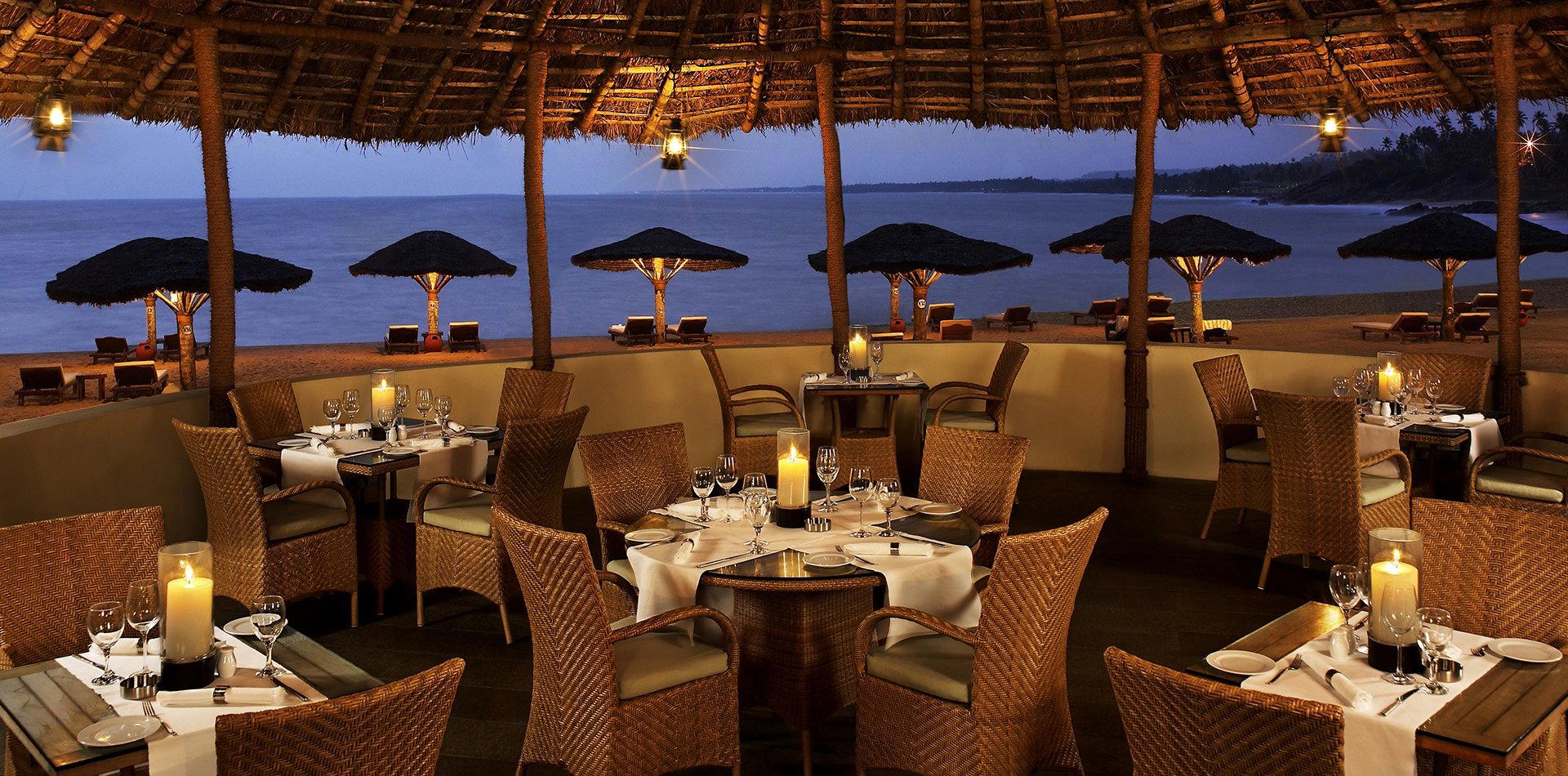
Where the Arabian Sea Sets the Table
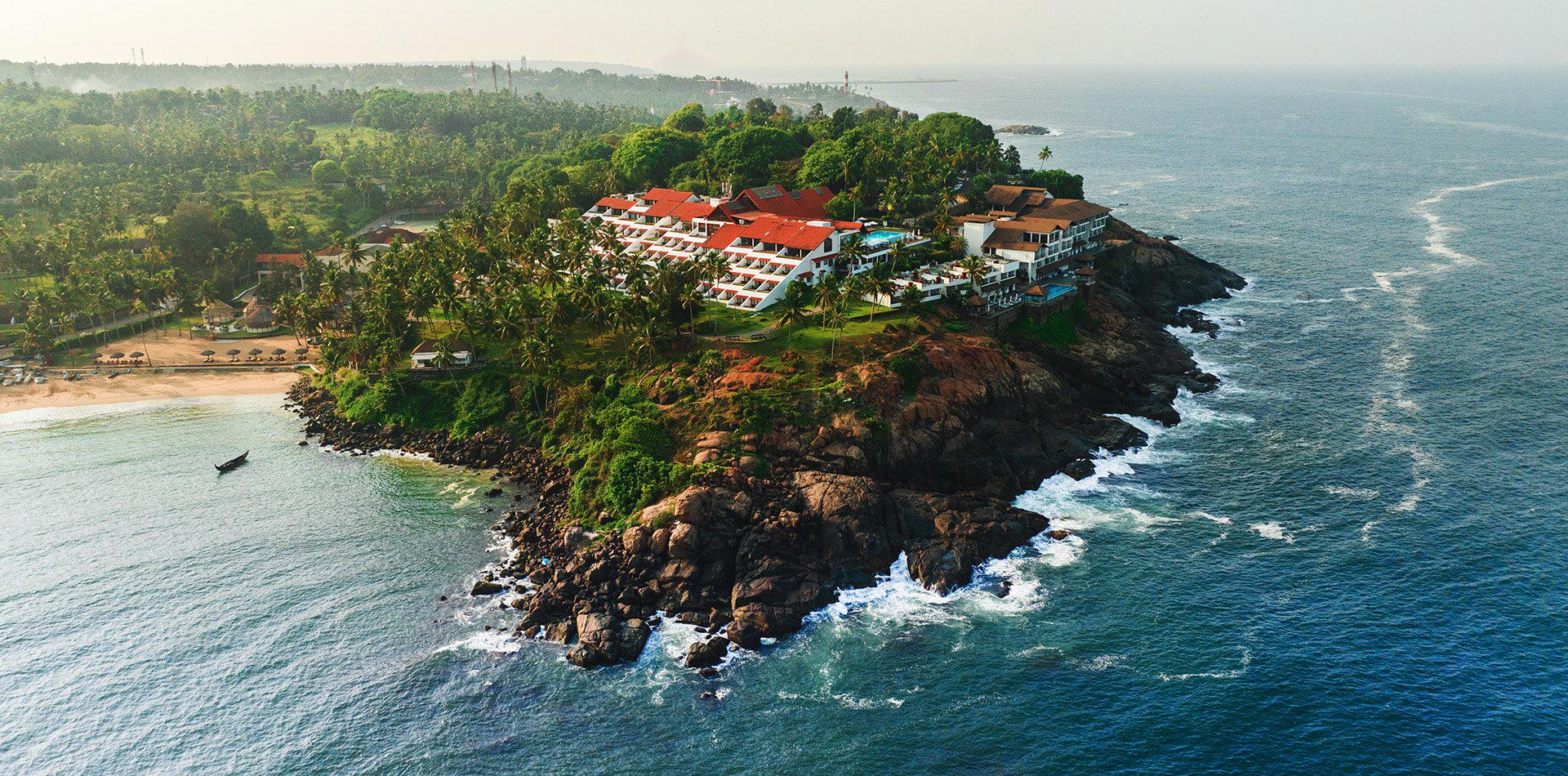
The approach to Kovalam's headland tells you something before you've ordered a dish. The air carries cardamom and salt in roughly equal measure, the kind of sensory signal that happens when a coast has been a spice-trading hub for two millennia. Leela Kerala Tides occupies Beach Road in Kovalam, Thiruvananthapuram, on the southwestern tip of India where the Arabian Sea meets a shoreline that once hosted Phoenician, Arab, Chinese, and Portuguese traders. That history is not incidental to what ends up on the plate.
Kerala's position on the pepper and cardamom routes fundamentally shaped its cuisine in ways that distinguish it from every other Indian regional tradition. Unlike the cream-heavy Mughal-influenced kitchens of the north, explored at venues like Dum Pukht in New Delhi, or the fusion-forward contemporary registers found at The Table in Mumbai, the Keralan kitchen works with coconut milk, curry leaf, black pepper, and tamarind as its foundational grammar. The result is lighter, more acidic, and more genuinely coastal than the inland Indian dining that dominates international perception of the cuisine.
The Keralan Kitchen in Cultural Context
To understand what a property like Leela Kerala Tides represents within Indian hospitality, it helps to understand how rare serious Keralan regional dining remains outside the state itself. The cuisine occupies a smaller and less commercially dominant niche than Punjabi or Mughlai cooking in the national restaurant market, which means the most authentic expressions of it are found precisely here, on the coast where the ingredients are sourced and the techniques are native. Dishes like Karimeen pollichathu, the pearl spot fish wrapped in banana leaf and roasted over charcoal, or Meen Moilee, a coconut milk-based fish curry delicate enough to read as almost broth-like, are the product of a specific ecology: backwaters, tropical climate, and centuries of trade-driven spice cultivation.
The prominence of seafood in Kerala's culinary identity reflects geography as much as preference. The state's 580-kilometre coastline gives it access to fish varieties that rarely travel inland fresh, and the traditional cooking techniques, including smoking, fermenting in brine, and slow-cooking in sealed clay pots, were developed to preserve that bounty before refrigeration. This is a cooking tradition built around place, season, and availability in ways that align more closely with what contemporary restaurants like Farmlore in Bangalore now pursue philosophically, but which Keralan home and temple kitchens have practised for generations as a matter of cultural necessity.
The sadya, Kerala's ceremonial feast served on a banana leaf, represents perhaps the clearest expression of the cuisine's depth. A full sadya can run to twenty-eight dishes arranged in a prescribed order, progressing from rice and ghee through multiple curries, pickles, and payasam desserts made with jaggery and coconut milk. The logic is Ayurvedic: the sequence is designed to aid digestion and balance the six tastes. This is not folk wisdom retrofitted for wellness tourism; it is a codified gastronomic system documented in texts that predate most of Europe's culinary literature.
Kovalam as a Dining Destination
Kovalam itself has occupied a complicated position in Indian tourism since the 1970s, when it attracted the kind of international backpacker traffic that tends to flatten local culinary culture in favour of banana pancakes and instant coffee. What has survived and in some quarters been strengthened by that period is the presence of serious hospitality infrastructure, including beach properties that serve as platforms for preserving and presenting the regional kitchen at a higher register than street-side shacks can manage. The Leela group's presence in this geography signals a specific positioning: luxury-tier beach hospitality in a state where Ayurvedic wellness, coastal scenery, and regional cuisine are understood to operate as a coherent offer rather than three separate products.
For context on the broader Trivandrum dining scene, our full Trivandrum restaurants guide maps the city's range from neighbourhood toddy shops to formal hotel dining. The city sits at the southern anchor of the state's tourism corridor, and the dining culture reflects that position: it is more local, less tourist-polished than Kochi, and correspondingly more interesting for visitors who want to track the cuisine to its source rather than encounter a curated version of it.
Across India's restaurant scene, regional kitchens are gaining critical recognition in ways they hadn't a decade ago. The attentiveness to local sourcing and indigenous technique visible at Naar in Kasauli in the Himalayan north, or the courtly precision applied to Hyderabadi traditions at Adaa at Falaknuma Palace in Hyderabad, reflects a national reappraisal of what Indian fine dining can be when it stops borrowing its template from European tasting-menu formats. Kerala's contribution to that shift is a cooking tradition so specific to its geography that it resists simplification. You can name-drop it in Delhi, but you cannot fully replicate it there.
Planning Your Visit
Leela Kerala Tides is located on Beach Road, Kovalam, Thiruvananthapuram, Kerala 695527. Kovalam sits approximately 16 kilometres south of Trivandrum city centre, accessible by taxi from Trivandrum International Airport, which connects to major Indian cities and several Gulf destinations. For those extending into the city itself, our full Trivandrum hotels guide covers the range of accommodation options across the city and coastline. Visitors planning a broader cultural itinerary can cross-reference our full Trivandrum experiences guide and our full Trivandrum bars guide for a fuller picture of what the region offers.
The optimal window for visiting the Kovalam coast runs from November through February, when the southwest monsoon has cleared and temperatures are manageable. The monsoon season itself, June through September, transforms the coast, and while some restaurants in the area scale back operations during peak rain months, the Leela group's properties tend to maintain consistent year-round service. Visitors with an interest in the sadya experience should note that the feast format is traditionally associated with Onam, the harvest festival that falls in August or September, though hotel properties on this circuit typically offer versions of it outside the festival calendar on request.
For those building a broader South Indian dining itinerary, the coast-to-city corridor between Kovalam and Trivandrum city is worth treating as a single cultural unit. Kerala's cooking tradition, from the temple prasadam offered at Padmanabhaswamy to the seafood counters at Chalai market, is most legible when experienced across multiple registers rather than at a single table. Leela Kerala Tides represents one point on that spectrum, the luxury-tier coastal version of a cuisine that runs deeper and wider than any single property can express.
Those interested in comparable hotel dining experiences across India might also look at Leela Kerala Terrace for a different format within the same property's dining offer. Elsewhere in the country, the courtly register of Chandni in Udaipur and the coastal Goan approach at Bomras in Anjuna offer useful points of comparison for how Indian regional traditions are being handled at premium hospitality venues. For wine in Trivandrum and across the wider Kerala dining circuit, the category remains nascent, with beer and toddy, the mildly fermented coconut palm drink, serving as the more culturally coherent local accompaniments to the food.
Frequently asked questions
What's Leela Kerala Tides's location?
Leela Kerala Tides is located at Beach Rd, Kovalam, Thiruvananthapuram, Kerala 695527, India, Trivandrum.
Is Leela Kerala Tides a good base for exploring Trivandrum's food scene?
The property sits on Beach Road, Kovalam, approximately 16 kilometres from Trivandrum city centre, placing it within reach of both the capital's restaurant circuit and the coastal village eating along the headland. Kovalam itself has a layered food history stretching back to the 1970s backpacker era, with a more considered regional dining offer having developed since. Using Leela Kerala Tides as a base gives access to both registers, the city's Keralan cuisine and the seafront's more immediate coastal cooking.
What's the signature dish at Leela Kerala Tides?
What the kitchen at Kovalam is positioned to do, given the property's location on Beach Road, Thiruvananthapuram, with direct access to Arabian Sea catch and Kerala's inland spice supply, is serious regional cooking rather than a pan-Indian hotel menu. check the venue's official channels for current menu details before visiting.
Should I book Leela Kerala Tides in advance?
Kovalam sits roughly 16 kilometres south of Trivandrum city, making it a destination rather than a drop-in stop. Peak season on Kerala's southwest coast runs October through March, when demand at beach properties along Beach Road, Kovalam concentrates sharply. Reserving ahead is advisable during that window, particularly for dinner facing the Arabian Sea.
What makes Leela Kerala Tides worth seeking out?
Serious Keralan regional cooking in a hotel context is rarer than the state's culinary reputation suggests, most large properties default to a broad Indian menu that flattens the distinctions between Kerala's coastal, hill, and community traditions. Leela Kerala Tides is positioned on the Kovalam headland, where geography, salt air, proximity to the catch, cardamom country an hour inland, makes a case for cooking that reflects place. That specificity of location is the argument for the visit.
A Pricing-First Comparison
Comparable venues nearby, for context on price, style, and recognition.
| Venue | Cuisine | Price | Awards | Notes |
|---|---|---|---|---|
| Leela Kerala TidesThis venue (the venue you are viewing) | Thai and Chinese | Not listed | Not listed | Not listed |
| Leela Kerala Terrace | Kerala & Multi-Cuisine Terrace Dining | Not listed | Not listed | Kovalam, Kerala & Multi-Cuisine Terrace Dining |
| Avatara Mumbai | Not listed | Not listed | Not listed | Santacruz West, Modern Indian Vegetarian Fine Dining |
| The Pillars | Not listed | Not listed | Not listed | Cantt Area, Contemporary European Fine Dining |
| The Fig Tree Place | Continental and Multi-Cuisine | $10–20 | Not listed | Sengadu, Continental and Multi-Cuisine |
| Bukhara Restaurant | North West Frontier Tandoori | $30–50 | World's 50 Best #37 · La Liste Top Restaurants | Diplomatic Enclave, North West Frontier Indian |
Continue exploring
More in Trivandrum
Restaurants in Trivandrum
All restaurants in Trivandrum →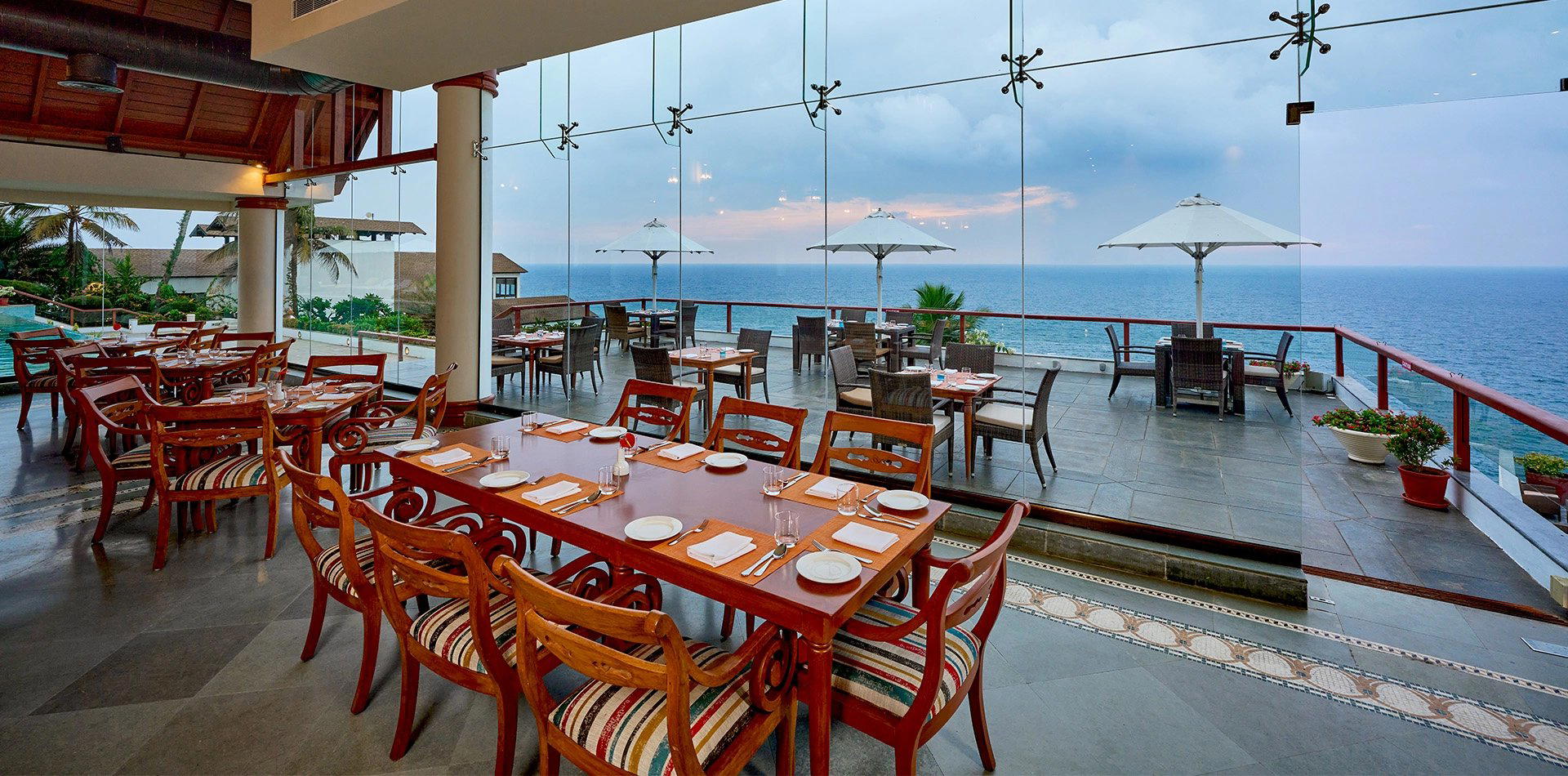
Details
- Casual
- Scenic
- Elegant
- Casual Hangout
- Waterfront
- Hotel Restaurant
- Waterfront
- A La Carte
Current opening hours
- Monday
- 12:30–3 PM, 7–10:30 PM
- Tuesday
- 12:30–3 PM, 7–10:30 PM
- Wednesday
- 12:30–3 PM, 7–10:30 PM
- Thursday
- 12:30–3 PM, 7–10:30 PM
- Friday
- 12:30–3 PM, 7–10:30 PM
- Saturday
- 12:30–3 PM, 7–10:30 PM
- Sunday
- 12:30–3 PM, 7–10:30 PM
Hours can change for holidays and private events. Hours as of .
Casual beach-side setting with dramatic sea views and relaxed atmosphere.