The Leela Kovalam A Raviz Hotel

Preferred Hotels L.V.X. Collection
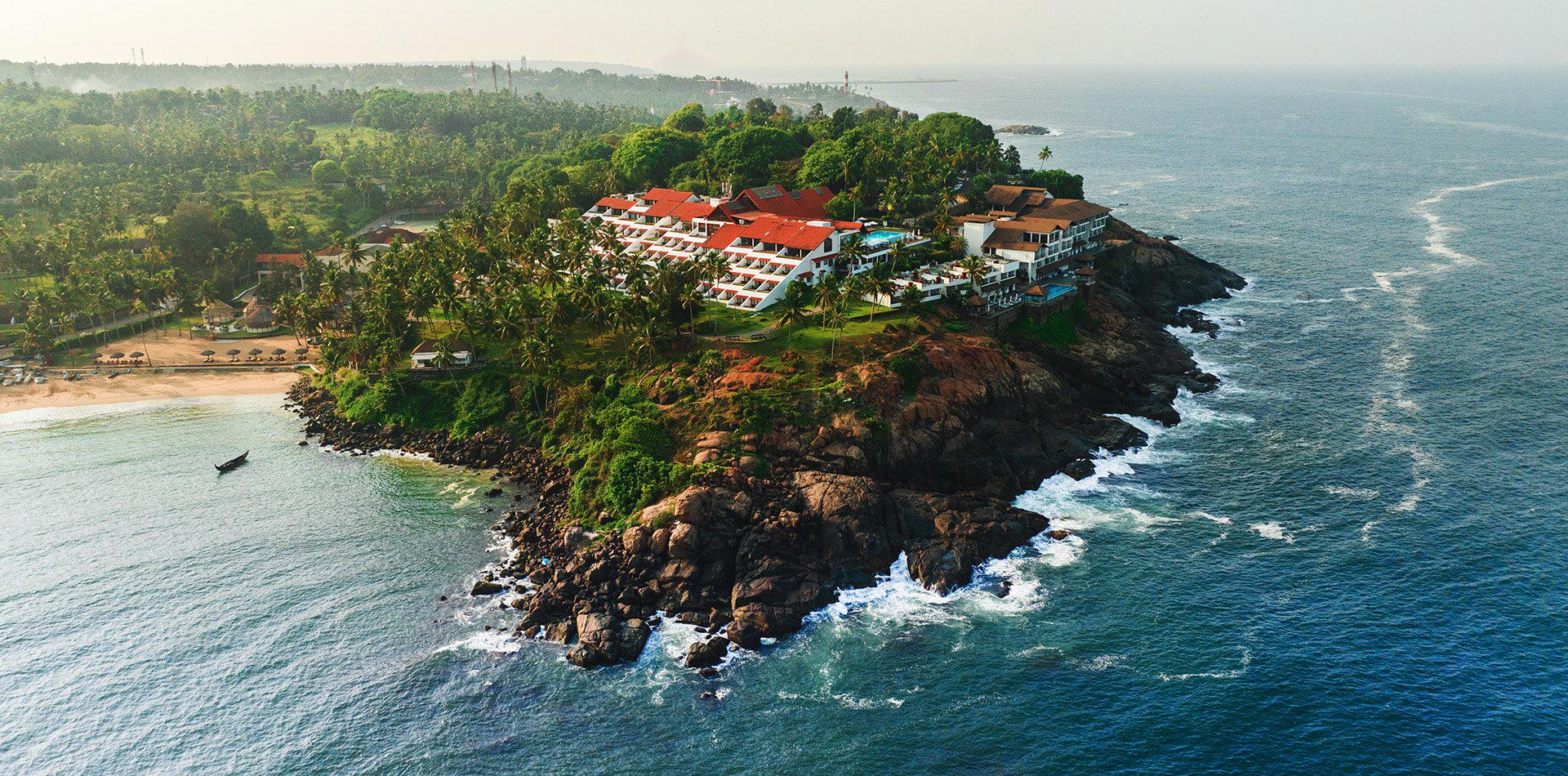
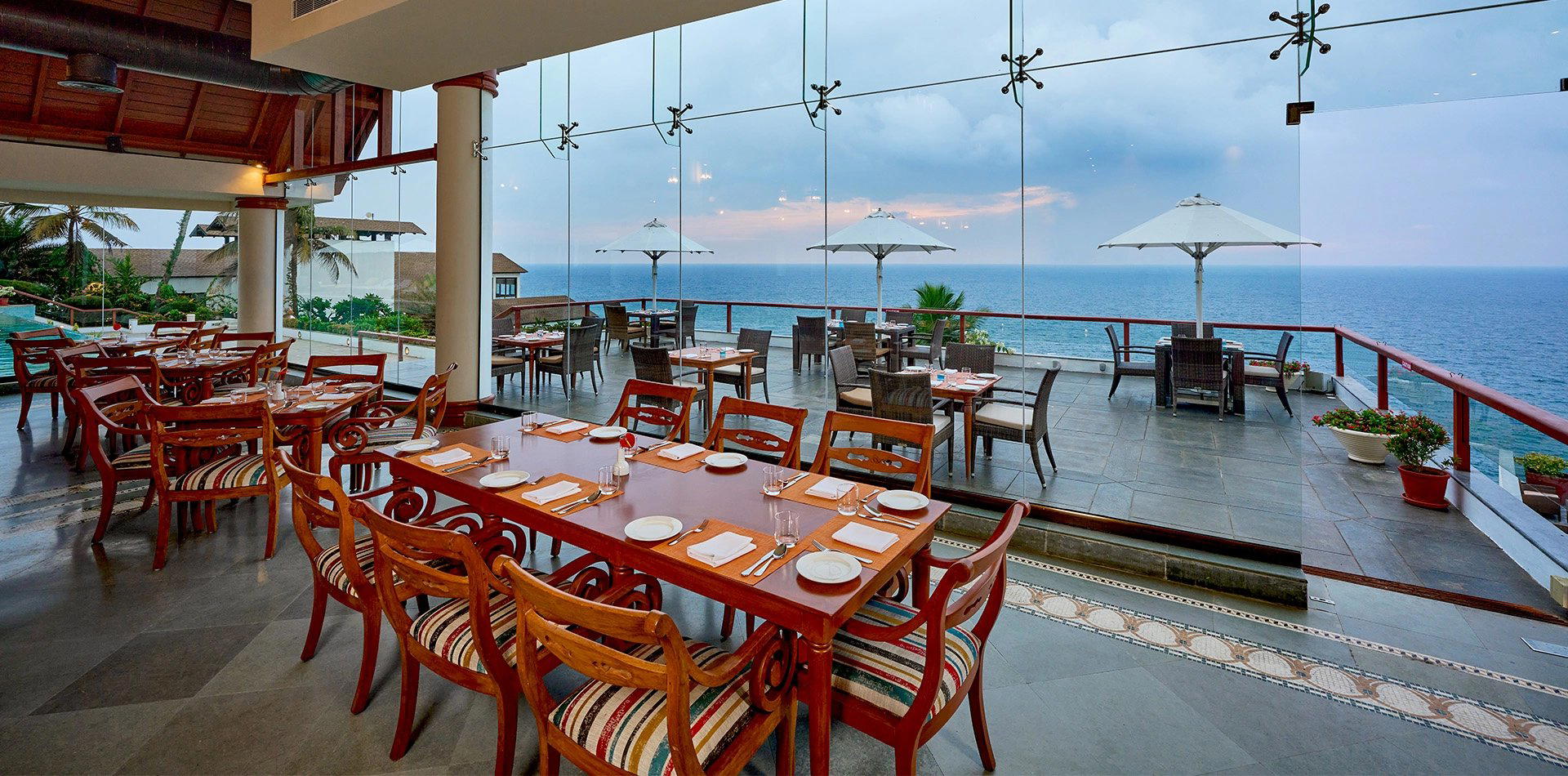
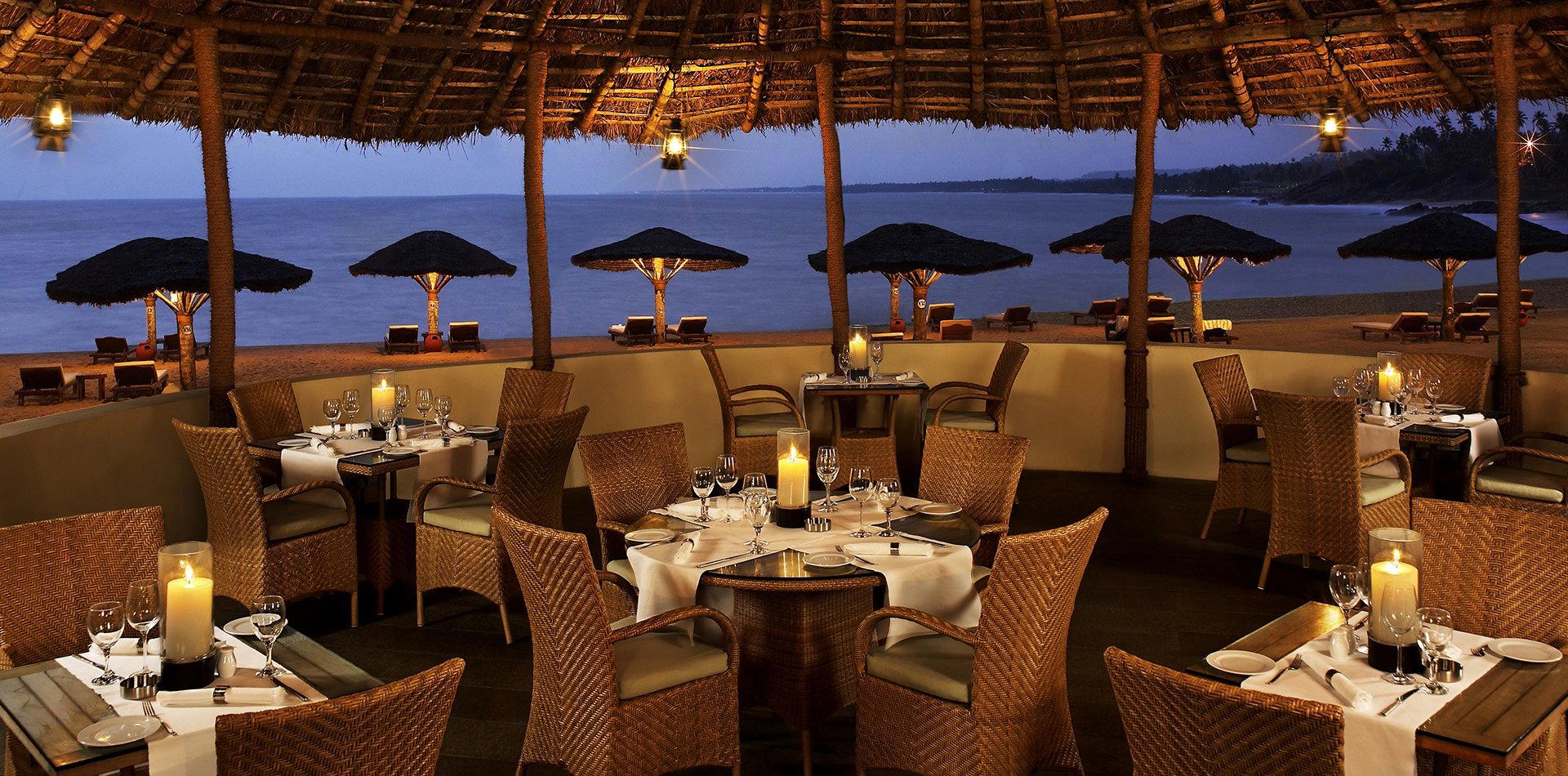
Positioned on the cliff edge above Kovalam's lighthouse beach, The Leela Kovalam A Raviz Hotel occupies one of coastal Kerala's most architecturally commanding sites. Across 188 rooms, the property translates the geometry of Kerala's temple architecture into a contemporary resort format, placing guests within direct sight of the Arabian Sea. It reads less as a beach hotel and more as a statement about where Dravidian design tradition meets the Indian Ocean.

Pearl is the En Primeur Club membership app, where members save venues, book tables and use the concierge.
Cliff, Shore, and the Architecture of Arrival
Kovalam sits roughly 16 kilometres south of Thiruvananthapuram, where Kerala's Western Ghats taper toward the coast and the Arabian Sea curves into the arc of lighthouse beach. Properties in this stretch face a fundamental design challenge: how do you build on a laterite cliff face without erasing what makes the site worth building on at all? The Leela Kovalam A Raviz Hotel answers that question through terracing rather than imposing, working the natural gradient of the promontory so that rooms step down toward the water rather than rising against the sky. The result is a property whose architecture reads differently depending on where you stand, from the beach it appears embedded in the rock; from the upper pool terraces, the Arabian Sea occupies the full field of vision.
That approach to site-responsive design places the property in a distinct category among Kerala's clifftop hotels. Where some competitors in the state's luxury tier default to generic resort vernacular, the Kovalam property draws on the formal vocabulary of Kerala's temple gopurams and courtyard traditions, translating steep gabled rooflines and teak detailing into a hospitality format without tipping into pastiche. The 188-room scale is large by boutique standards but compact enough against the sprawling footprints of India's urban palace hotels that the cliff setting never feels overwhelmed.
The Physical Relationship Between Structure and Landscape
Kerala's resort architecture has spent the past two decades working through a tension between international luxury expectations and regional material traditions. The better properties resolve this by treating local craft not as decoration but as structure: carved laterite, hand-laid tile work, timber joinery that appears in the bones of a building rather than applied as finish. At Kovalam, the terraced layout means that most rooms orient toward a specific sightline, either the sea itself or one of the cascading garden levels that buffer the cliff edge.
This architectural grammar matters because Kovalam's beach geography is not direct. The lighthouse beach, the longest of the three coves, runs in a rough crescent below the property. The rocky outcrops that interrupt the shoreline at intervals create natural viewing frames, and a property positioned correctly on the cliff captures multiple compositions simultaneously: the lighthouse itself to the south, the fishing boats that work the northern waters at dawn, and the long westward horizon where the sun drops into the Arabian Sea on a clear evening. The building's terraced structure turns those compositions into something guests engage with across different times of day rather than from a single fixed vantage.
Travellers comparing coastal Kerala options against destinations elsewhere in India will find that the Kovalam cliff position is difficult to replicate in the north. The Oberoi Amarvilas in Agra achieves a comparable relationship between architecture and a landmark view, but through formal Mughal symmetry rather than topographic response. The Kerala model is more about working with irregular natural terrain than imposing a geometric order on it.
Kovalam in the Kerala Luxury Context
The broader Kerala luxury market has bifurcated in a pattern familiar across South and Southeast Asian destinations. On one side sit the smaller, design-led properties, often converted heritage houses or purpose-built boutique operations with under 30 keys, that have found international audiences through Condé Nast and Tatler coverage. On the other sit the full-service resort properties with pools, spa infrastructure, multiple dining outlets, and the kind of 188-room scale that supports conference groups and leisure travellers simultaneously. The Leela Kovalam operates in that second tier, which means the infrastructure depth is different: the question is not intimacy but whether the larger footprint compromises the sense of place. Here, the terracing and cliff siting do meaningful work in keeping the resort feeling connected to its location rather than self-contained against it.
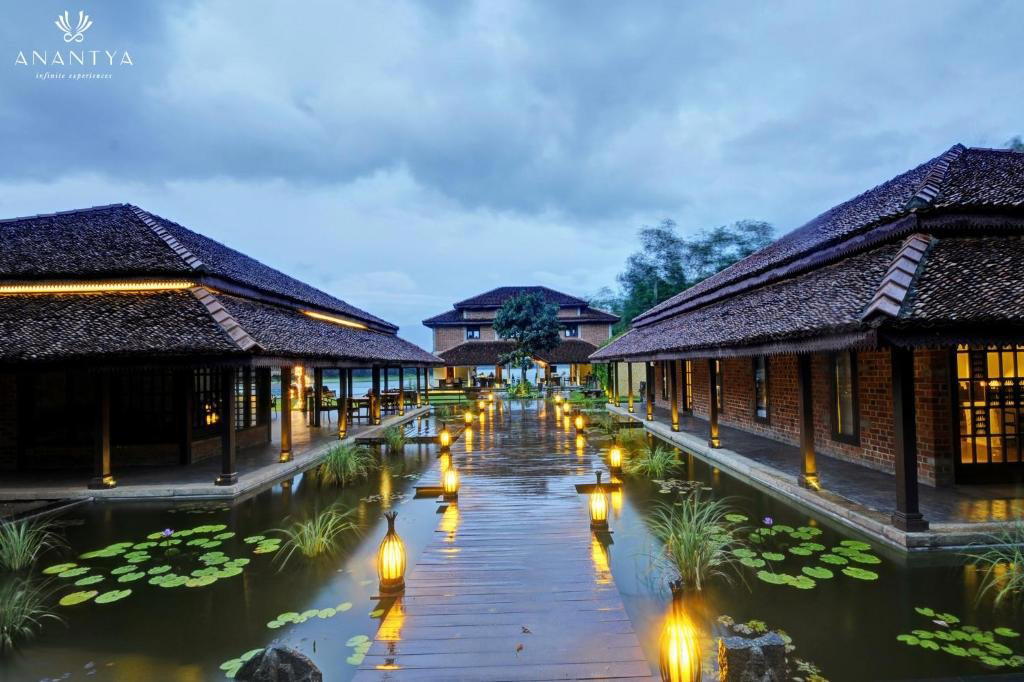
For travellers building a Kerala itinerary, the geographic logic is worth considering. Thiruvananthapuram's international airport, the nearest major gateway, serves direct routes from the Gulf, Singapore, and Colombo, with connections to major Indian hubs. Kovalam itself is a 30-to-40-minute transfer from the terminal depending on traffic, which makes the property accessible as both a standalone beach destination and a first or final night stop on a longer Kerala circuit that might include the backwaters at Kumarakom or the highland tea country around Munnar. Anantya By The Lake in Kaliyal represents the quieter, more interior end of that circuit.
Those researching India's broader palace and luxury hotel tier will find useful comparison points across our coverage. The Leela Palace New Delhi and The Leela Palace Jaipur sit in the same group but operate through an entirely different design register, urban palace grandeur rather than coastal topographic response. The Kovalam property is the group's coastal argument, and the site does most of the persuading. Our full Trivandrum restaurants guide covers the dining scene in the wider city for those planning time in the capital alongside a Kovalam stay.
What the Architecture Communicates About the Stay
Properties that use their site this deliberately tend to shape the rhythm of a guest's day around it. At Kovalam, the stepped layout means that movement through the property is itself an experience of the landscape, descending toward the beach, ascending toward the upper pool decks, pausing at intermediate terraces where the cliff vegetation and the sea horizon compete for attention. That physical experience of arriving at and moving through a building is what separates site-responsive design from properties that happen to have a sea view.
The 188-room count places the hotel in a range where both honeymooners and corporate groups book simultaneously, which affects atmosphere in the common areas. Kerala's peak season runs from October through March, when the southwest monsoon has cleared and the Arabian Sea settles into the calm, pale conditions that make Kovalam's beaches accessible. Arrivals during the shoulder months of September and April encounter a different property: fewer guests, lush post-monsoon vegetation, and the kind of dramatic cloud formations over the water that justify the cliff position most vividly.
The Taj Mahal Palace in Mumbai remains the benchmark for Indian grand hotel heritage if the circuit includes the west coast.
Practical Planning Notes
The property address on Beach Road, Kovalam, places it on the lighthouse beach promontory, the southernmost and most sheltered of Kovalam's three coves. Thiruvananthapuram International Airport is the nearest gateway. Kerala's October-to-March window is the period when sea conditions, temperatures, and humidity align most favourably for a cliff-facing beach property. Booking lead times during the December-January peak, when both domestic leisure travel and international arrivals from Gulf countries intensify, follow the pattern seen across Kerala's larger resort properties: advance planning of six to eight weeks is advisable for preferred room categories.
Comparison Snapshot
Comparable venues nearby, for context on price, style, and recognition.
| Venue | Cuisine | Price | Awards | Notes |
|---|---|---|---|---|
| The Leela Kovalam A Raviz HotelThis venue (the venue you are viewing) | Luxury beachfront palace resort blending modern technology with traditional Kerala grandeur and colonial-era charm. | $300–500 | Preferred Hotels L.V.X. Collection | Not listed |
| Taj Taal Kutir | Urban lakeside sanctuary fusing colonial elegance with modern luxury | $200–300 | Michelin Selected | New Town |
| Aurika, Nehru Place, New Delhi | Large upper-upscale urban lifestyle hotel with extensive event and leisure facilities in a major commercial district. | Not listed | Not listed | Nehru Place |
| Shakti Prana | remote eco-luxury mountain retreat | Not listed | 5-Star | Kasar Devi |
| Taj City Centre Gurugram | Contemporary luxury hotel with Indian accents | $1–100 | Michelin Selected | Sector 44 |
| The Oberoi Rajgarh Palace, Khajuraho | Restored 350-year-old royal Bundelkhand palace with British colonial influences and contemporary elegance. | Not listed | Travel + Leisure It List Hotels · Conde Nast Hot List Hotels | Chandranagar |
Recognition history
Dated appearances from independent guides and award organizations, with the underlying list record or original source where available.
Preferred Hotels L.V.X. Collection
Preferred Hotels
Continue exploring
More in Trivandrum
Hotels in Trivandrum
All hotels in Trivandrum →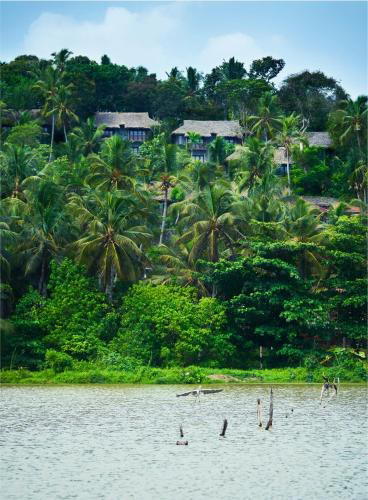
Details
- Romantic
- Scenic
- Elegant
- Sophisticated
- Honeymoon
- Romantic Getaway
- Family Vacation
- Wellness Retreat
- Anniversary
- Destination Wedding
- Beachfront
- Infinity Pool
- Butler Service
- Destination Spa
- Panoramic View
- Private Dining
- Terrace
- Wi Fi
- Pool
- Spa
- Fitness Center
- Room Service
- Concierge
- Valet Parking
- Kids Club
- Beach Access
- Restaurant
- Bar
- Waterfront
- Elevator
- Accessible Restroom
- Accessible Parking
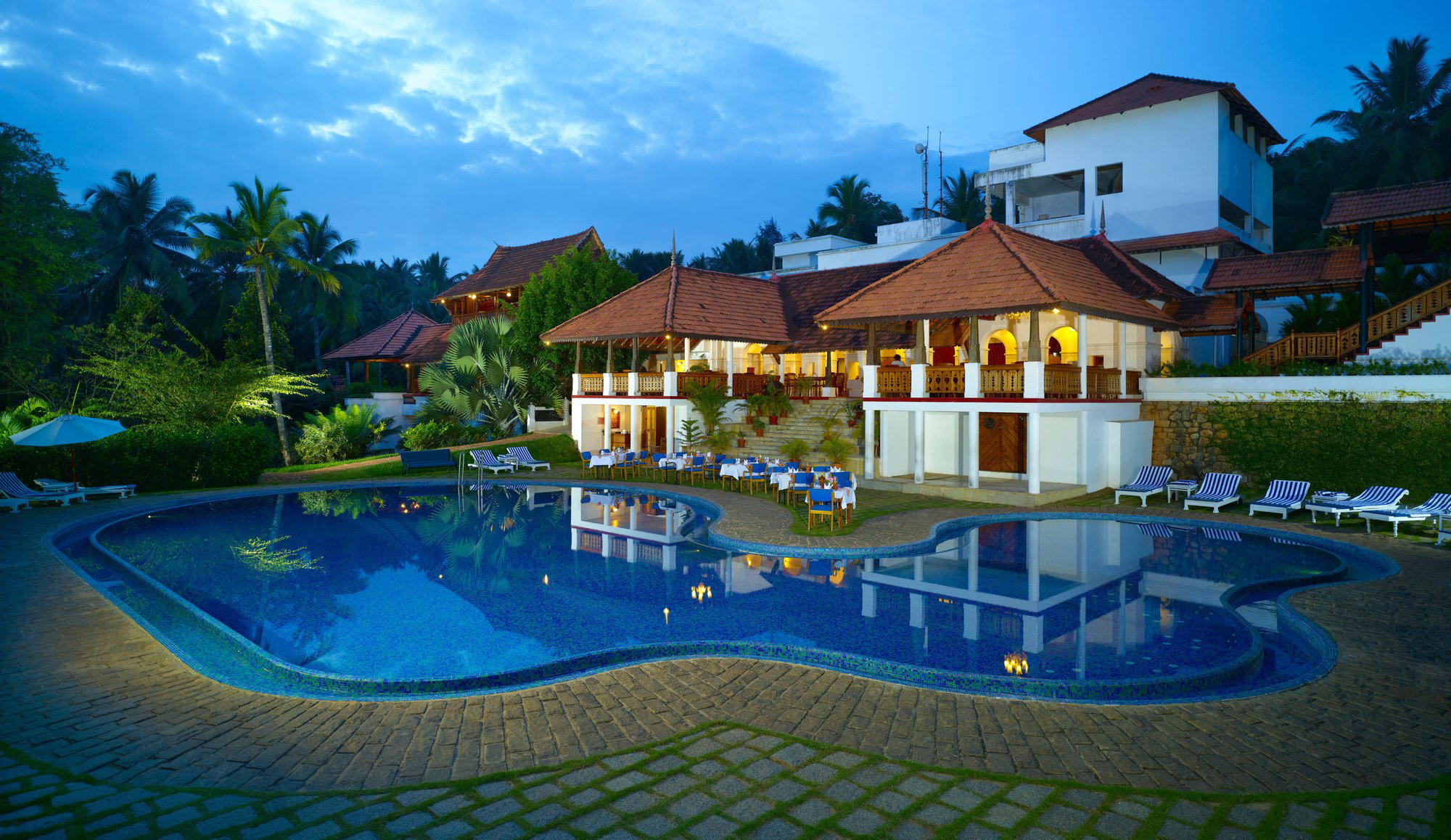
Serene and tranquil with bright, airy spaces; whitewashed walls and red-tiled roofs frame panoramic ocean vistas; rhythmic waves and sea breeze create a symphony of serenity.