
The Standard Bangkok on Naradhiwas Rajanagarindra Road brings the brand's design-forward, counterculture hotel sensibility to Bangkok's Silom district. Selected by the Michelin Hotel Guide 2025, it positions itself as a distinct alternative to the river-facing grande dame properties that define Bangkok's upper hotel tier, younger in energy, more programmatic in its social spaces, and deliberately urban in its orientation.
Pearl is the En Primeur Club membership app — saves, bookings, and concierge access live there. Same editors, same standards.
- Address
- 114 Naradhiwas Rajanagarindra Road, Si Lom, Bangkok, Thailand
- Phone
- +66 2 085 8888
 Saves & bookings on Pearl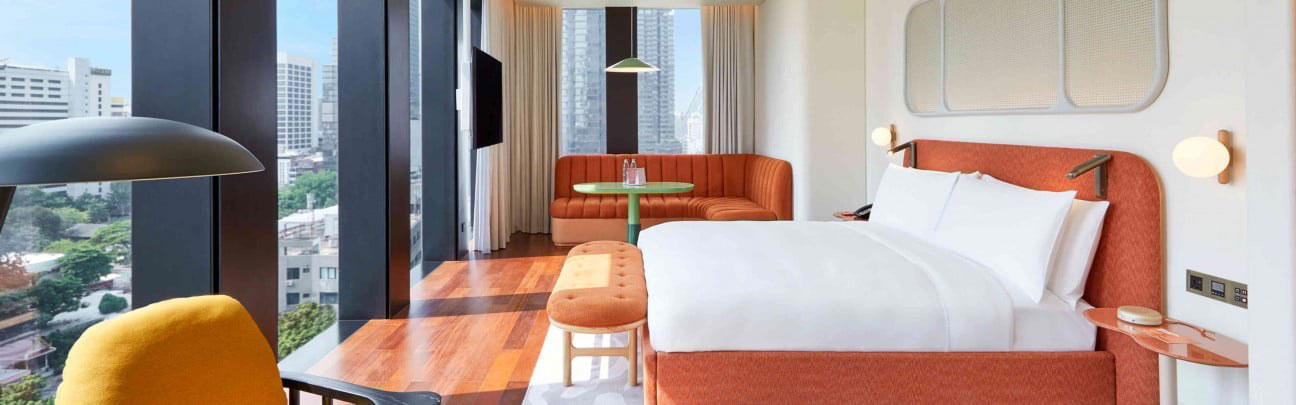
A Different Register of Bangkok Luxury
Bangkok's upper hotel market has, for decades, been organised around a clear hierarchy: river-facing palaces with colonial-era heritage, a second tier of polished international towers above Sukhumvit, and a growing cohort of design-led independents. The Standard Bangkok, at 114 Naradhiwas Rajanagarindra Road in Silom, occupies a position that doesn't fit neatly into any of those categories. The brand, which built its reputation across New York, Los Angeles, and Miami on a mix of social programming, considered design, and deliberate irreverence, brings that same framework to a city that usually rewards either heritage gravitas or quiet opulence. The result is a property that reads as Bangkok's most explicitly metropolitan hotel, urban without apology, social by design, and oriented toward the city rather than away from it.
Its Michelin Selected status in the 2025 Michelin Hotel Guide places it within a recognised peer tier, alongside properties such as Rosewood Bangkok, Park Hyatt Bangkok, and The Okura Prestige Bangkok. But where those properties signal prestige through restraint and service formality, The Standard signals it through curation and scene. The distinction matters when choosing which Bangkok experience you're actually after.
Silom as Context
The Silom district shapes the hotel's character as much as the property itself. Unlike the Chao Phraya riverbank, where Mandarin Oriental Bangkok, Capella Bangkok, and Four Seasons Bangkok at Chao Phraya River offer a kind of insulated Bangkok, mediated by river breezes and private jetties, Silom puts guests inside the city's working texture. The neighbourhood runs as Bangkok's financial centre by day and transitions into one of its more concentrated entertainment districts by night. This is not a hotel that encourages guests to stay on-property. The street-level energy is part of the offering.
For travellers who have done the river-hotel circuit and want a Bangkok that feels more contemporary and less ceremonial, the Silom location is the correct choice. For those seeking the full grande dame ritual, white-gloved arrivals, afternoon teas overlooking the Chao Phraya, properties like The Peninsula Bangkok or The Siam will be a better match.
The Social Architecture of the Stay
The Standard brand has always been as much hospitality concept as hotel company. The properties are designed around communal spaces that generate friction between guests, rooftop bars, lobby programming, pool scenes, rather than around the privatised comfort of individual rooms. This approach imports directly to Bangkok, where the hotel's social spaces function as the main event and the rooms as retreat from them.
This is a materially different model from the ritual-heavy hospitality of Bangkok's established luxury properties. At Mandarin Oriental Bangkok, the experience is organised around service choreography: the arrival, the tea, the room reveal. At The Standard, the experience is organised around who else is in the building and what's happening that evening. Neither model is superior; they are calibrated for different travellers and different trip purposes.
For the reader deciding between them: if the meal, the poolside morning, and the lobby atmosphere matter more than the room itself, The Standard's format rewards that priority. If the room and the service arc are central to why you travel in this category, a property like Rosewood Bangkok or Capella Bangkok will deliver more of what you're paying for.
Dining and Ritual at The Standard
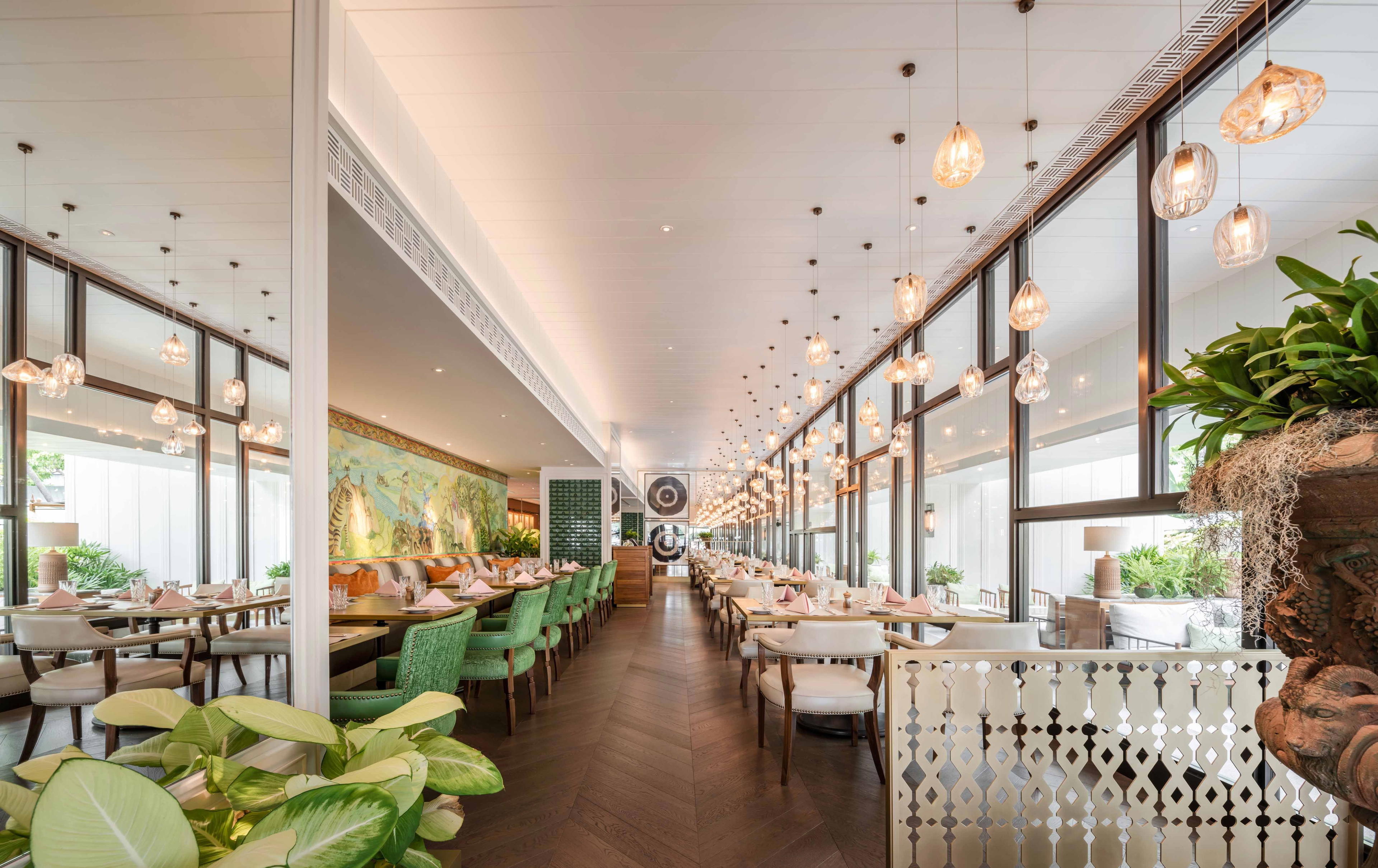
Thai hotel dining has historically split between in-house Thai restaurants designed for foreign guests, safe, slightly flattened, photographable, and the genuinely serious Thai-cuisine programs that have emerged at a small number of properties over the past decade. The Standard Bangkok's dining format follows the brand's global playbook: food and beverage spaces conceived as destinations in their own right rather than hotel amenities. In Bangkok's hotel dining context, this means competing not just with other in-house restaurants but with the city's extraordinary street-food culture and its growing population of chef-driven independents.
The pacing of a meal here reflects the brand's cosmopolitan bias. The Standard's properties globally have favoured all-day dining rhythms, late-night bar programs, and spaces that blur the line between restaurant and social venue. In a city where eating is already a near-continuous activity across multiple registers, market breakfast, midday hawker, rooftop sundowner, late-night noodle, that format connects naturally with how Bangkok actually operates, if not always how luxury hotels have tried to package it.
Where It Sits in the Bangkok Hotel Picture
Bangkok's Michelin Selected hotel tier in 2025 covers a wide range of property types, from the heritage riverbank landmarks to newer design-forward entrants. The Standard sits in the latter group, alongside a broader trend in Southeast Asian luxury hospitality toward properties that trade scale and formality for a more specific social and design identity. This positions it differently from the large international footprint hotels that dominate the Sukhumvit corridor and from the established river-palace tier.
For Thailand more broadly, the country's premium hotel market extends well beyond Bangkok. Travellers planning longer itineraries might consider Phulay Bay, A Ritz-Carlton Reserve in Krabi or Keemala in Phuket for a resort counterpoint to the Bangkok urban experience. In the north, Four Seasons Resort Chiang Mai or Anantara Golden Triangle Elephant Camp and Resort in Chiang Rai offer a landscape-driven alternative. Island travellers have options including Samujana Villas in Koh Samui, Cape Fahn Hotel, Koh Samui, and Soneva Kiri in Trat. Gulf coast options include InterContinental Hua Hin Resort and VALA Hua Hin. Further south, Pimalai Resort and Spa in Koh Lanta, The Sarojin in Phang Nga, and Sri Panwa Phuket Luxury Pool Villa Hotel extend the range further. For near-Bangkok escapes, Veranda Pattaya MGallery is a short drive southeast. See our full Bangkok restaurants and hotels guide for the broader picture.
Planning a Stay
The Standard Bangkok is at 114 Naradhiwas Rajanagarindra Road, Si Lom, a practical base for guests who want to move around the city independently. Silom's density means taxis, tuk-tuks, and the BTS are all immediately accessible, making this a more transit-connected option than the river properties, which typically require boat or road transfer for every movement. Booking should be made directly through the property or via a reputable travel programme.
Recognition Snapshot
Comparable venues nearby, for context on price, style, and recognition.
| Venue | Cuisine | Price | Awards | Notes |
|---|---|---|---|---|
| The Standard BangkokThis venue — the venue you are viewing | Lifestyle hotel in well-known skyscraper with bold, whimsical design | $$$$ | Not listed | Not listed |
| Chakrabongse Villas | Historic royal family estate transformed into an exclusive boutique hotel. | $$$$ | Not listed | Sanam Luang |
| Colbert Collection | Independent premium hotels emphasizing local culture and storytelling | $$$ | Not listed | Not listed |
| The StandardX, Bangkok Phra Arthit | raw minimalist boutique with cultural programming | $$$ | Not listed | Banglam Phoo |
| Shangri-La Hotel, Bangkok | Hotel | Not listed | Not listed | Khanna Yao |
| sala rattanakosin Bangkok | Contemporary boutique in converted riverfront warehouse | $$$ | 4-Star | Rattanakosin Island |
Recognition history
Dated appearances from independent guides and award organizations, with the underlying list record or original source where available.
Mr & Mrs Smith Smith Seal of Approval
Mr & Mrs Smith
Michelin Selected
Michelin
Continue exploring
More in Bangkok
Hotels in Bangkok
Browse all →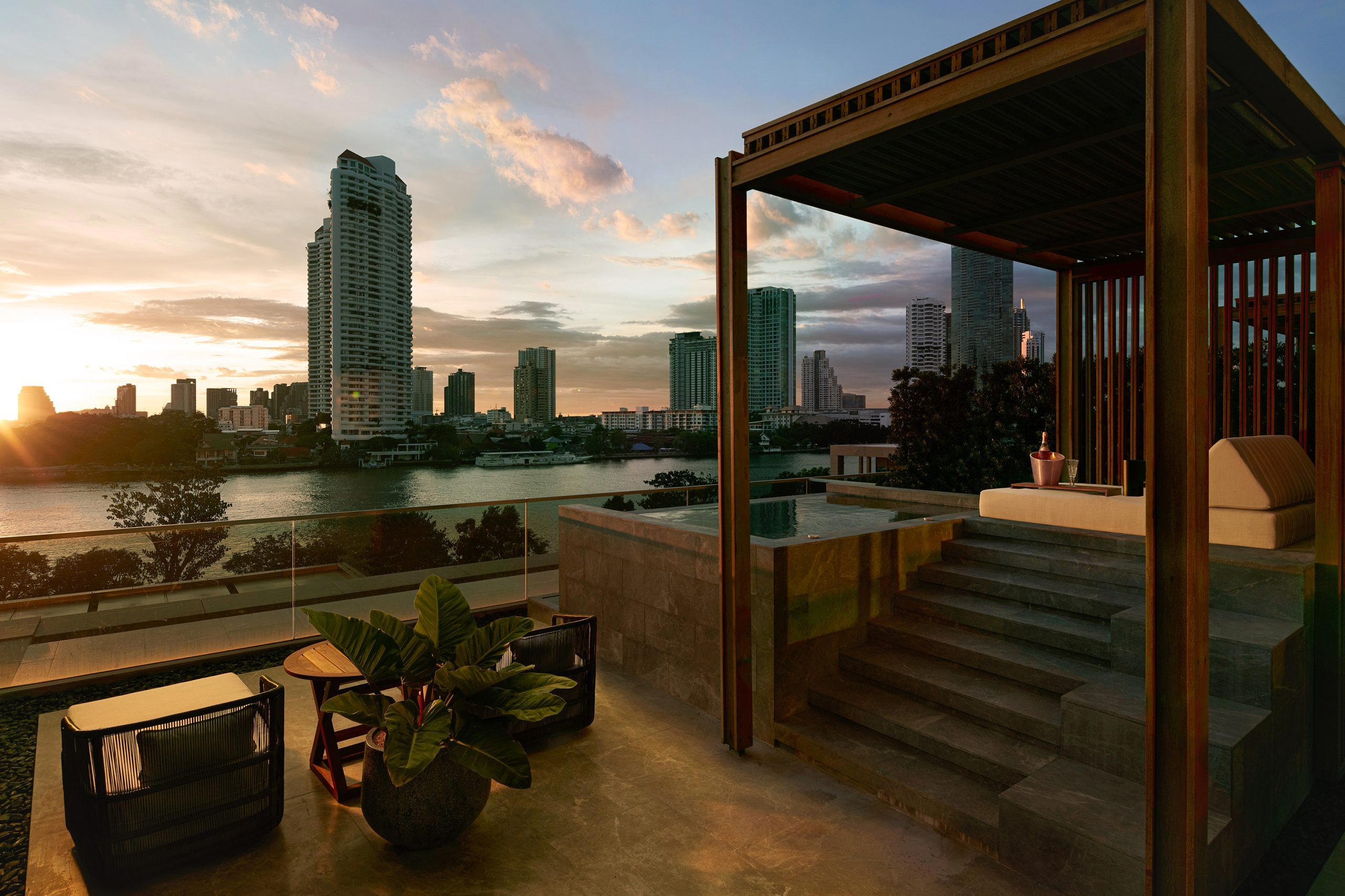
Bars in Bangkok
Browse all →
Restaurants in Bangkok
Browse all →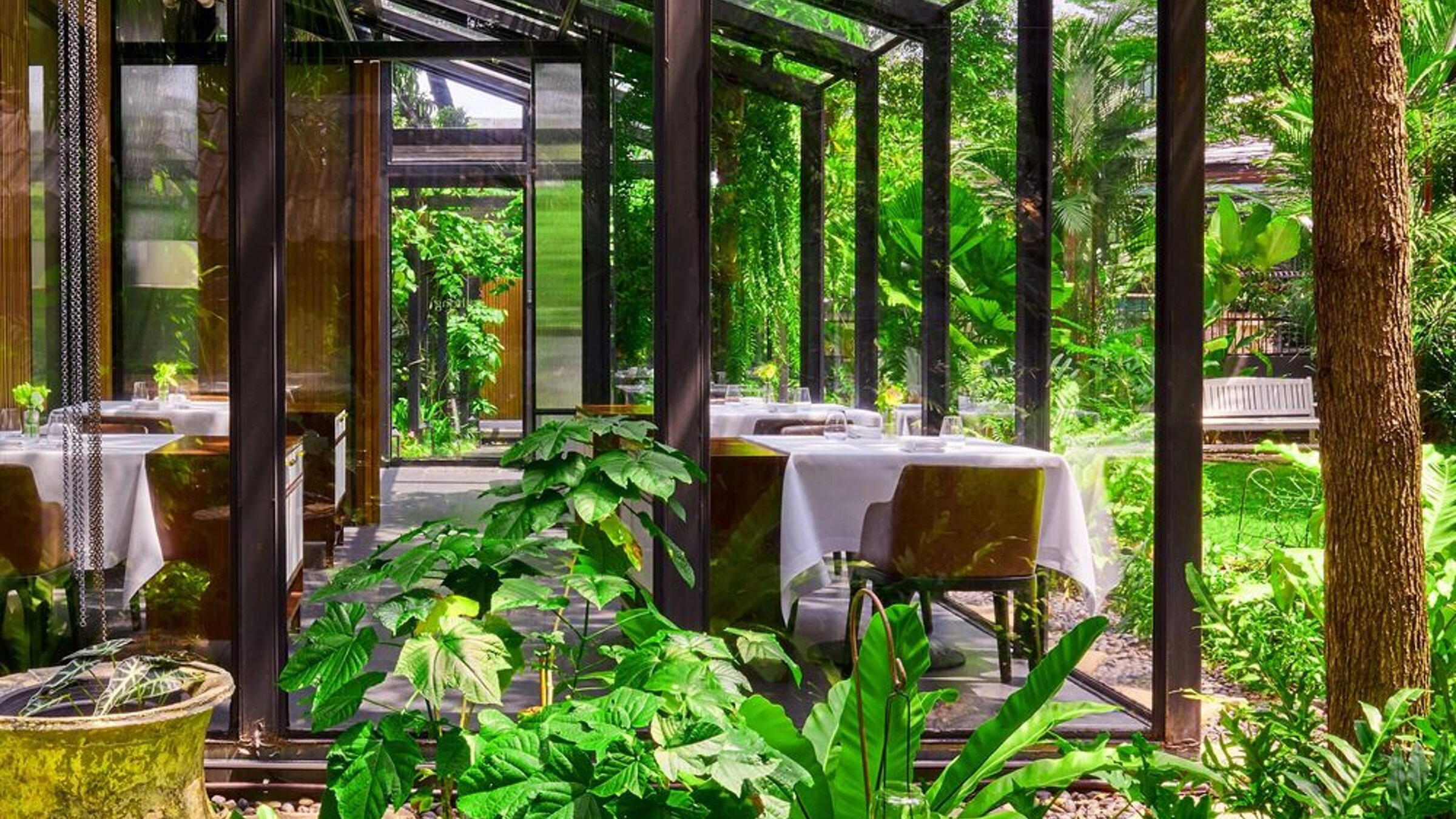
At a Glance
- Trendy
- Modern
- Lively
- Energetic
- Sophisticated
- Romantic Getaway
- Business Trip
- Weekend Escape
- Celebration
- Rooftop Pool
- Panoramic View
- Pool
- Fitness Center
- Wi Fi
- Room Service
- Concierge
- Skyline
- Pool
- Fitness Center
- Wi Fi
- Room Service
- Concierge
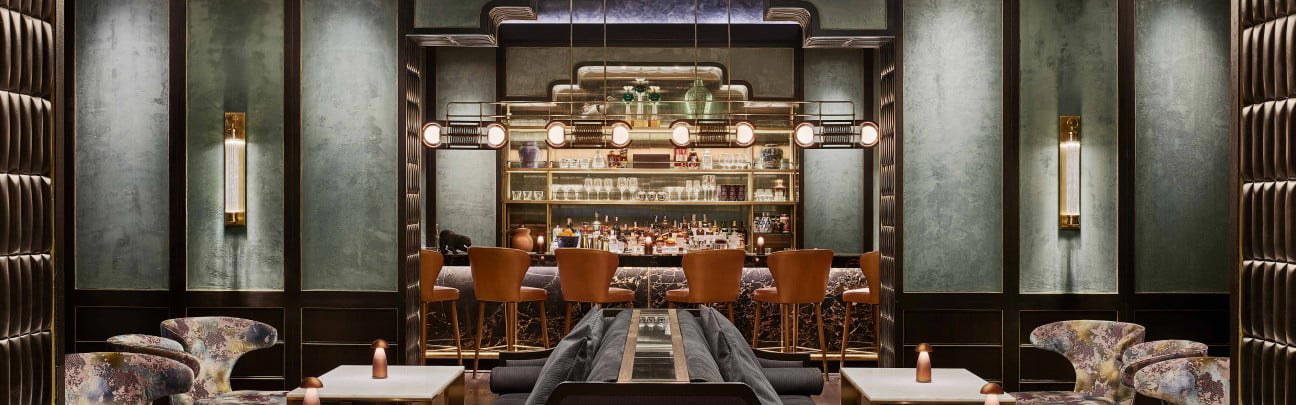
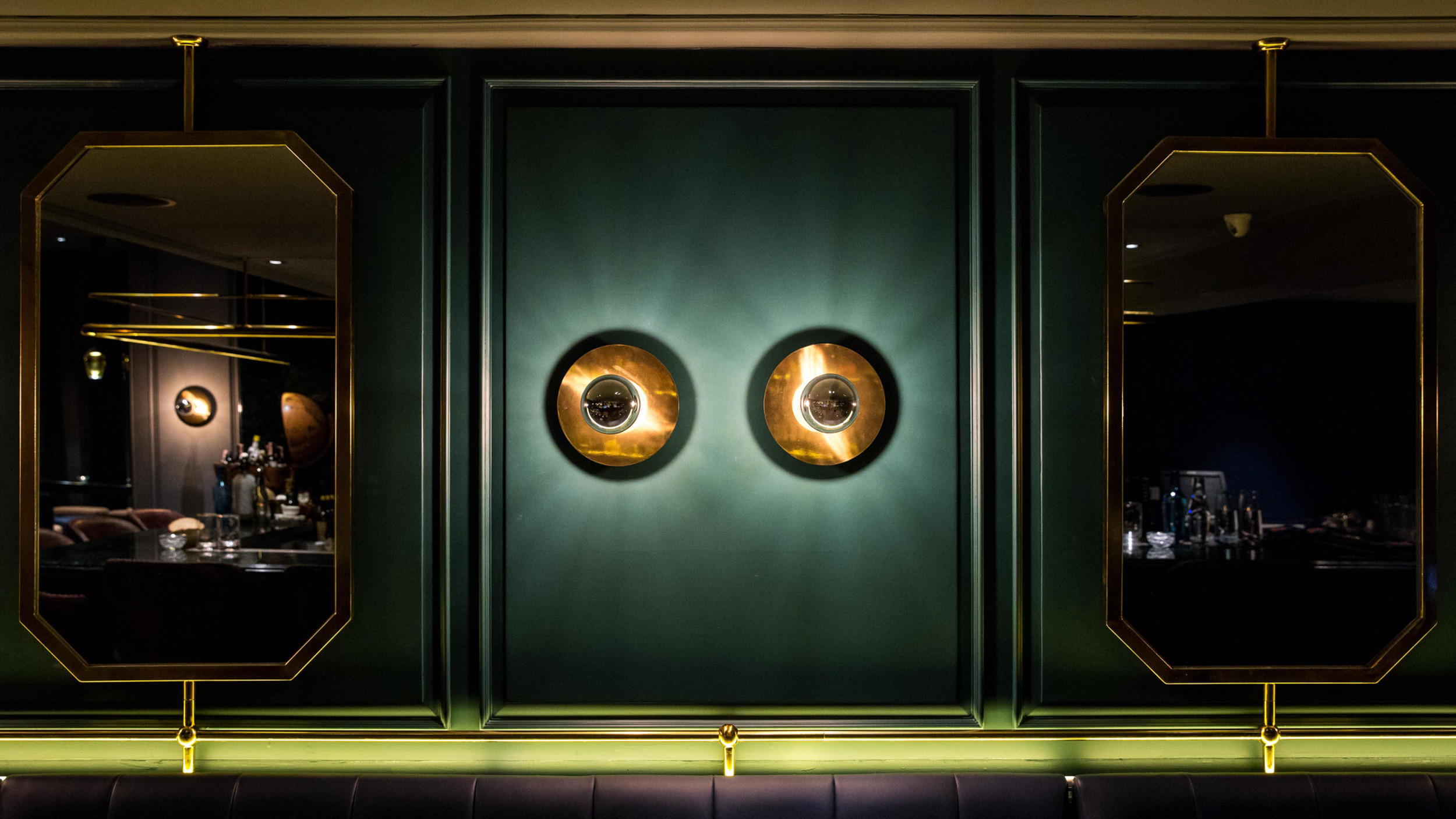
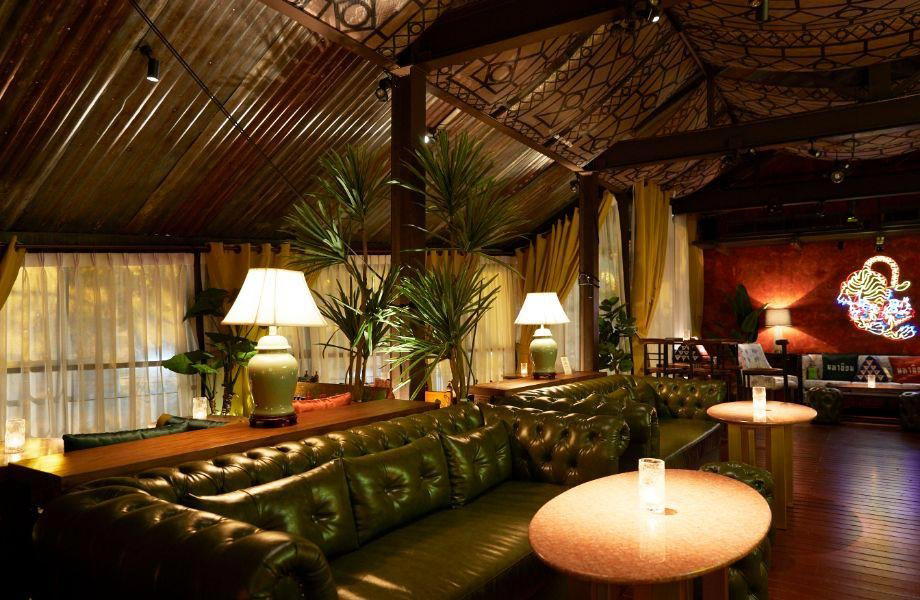
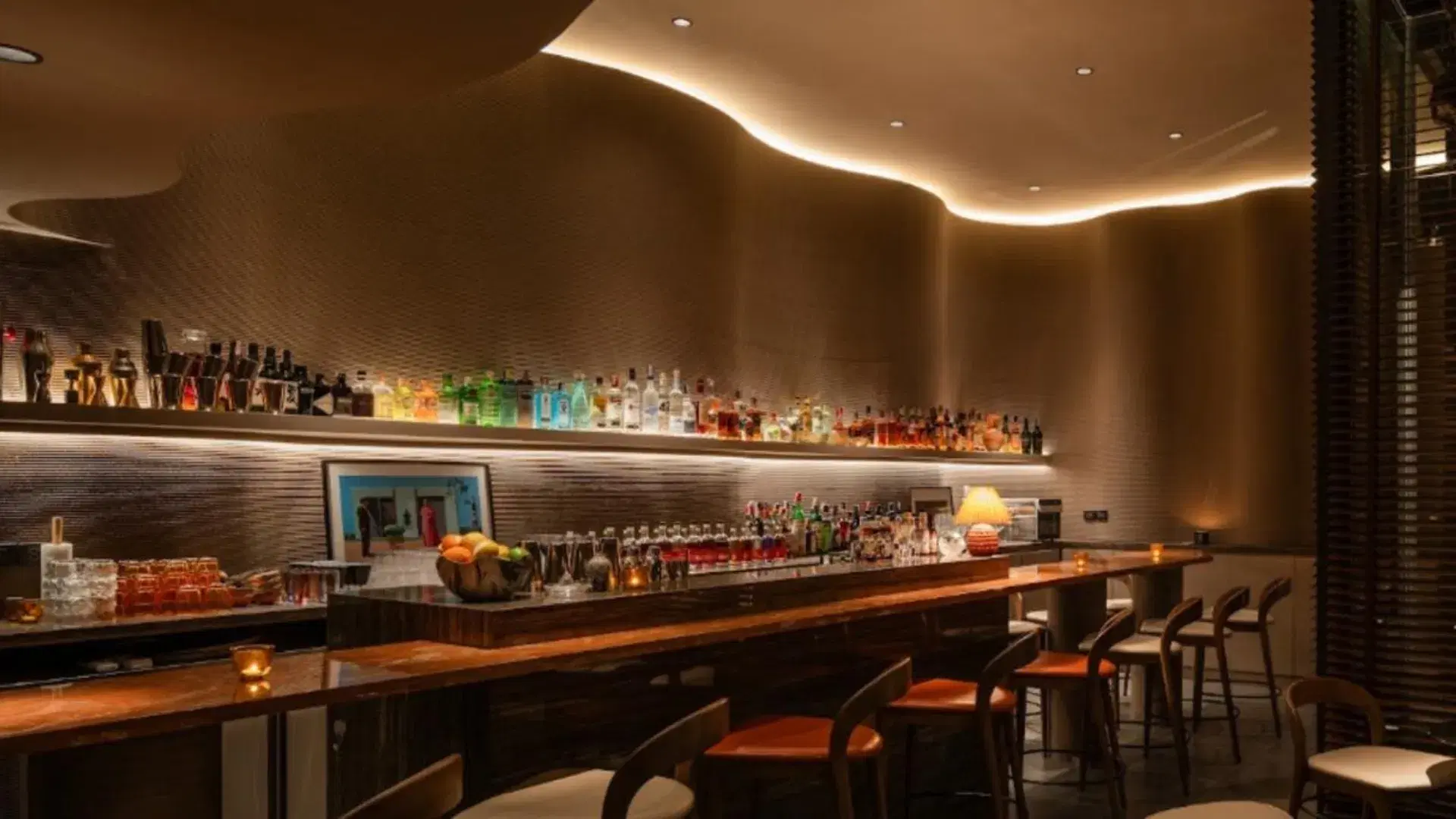
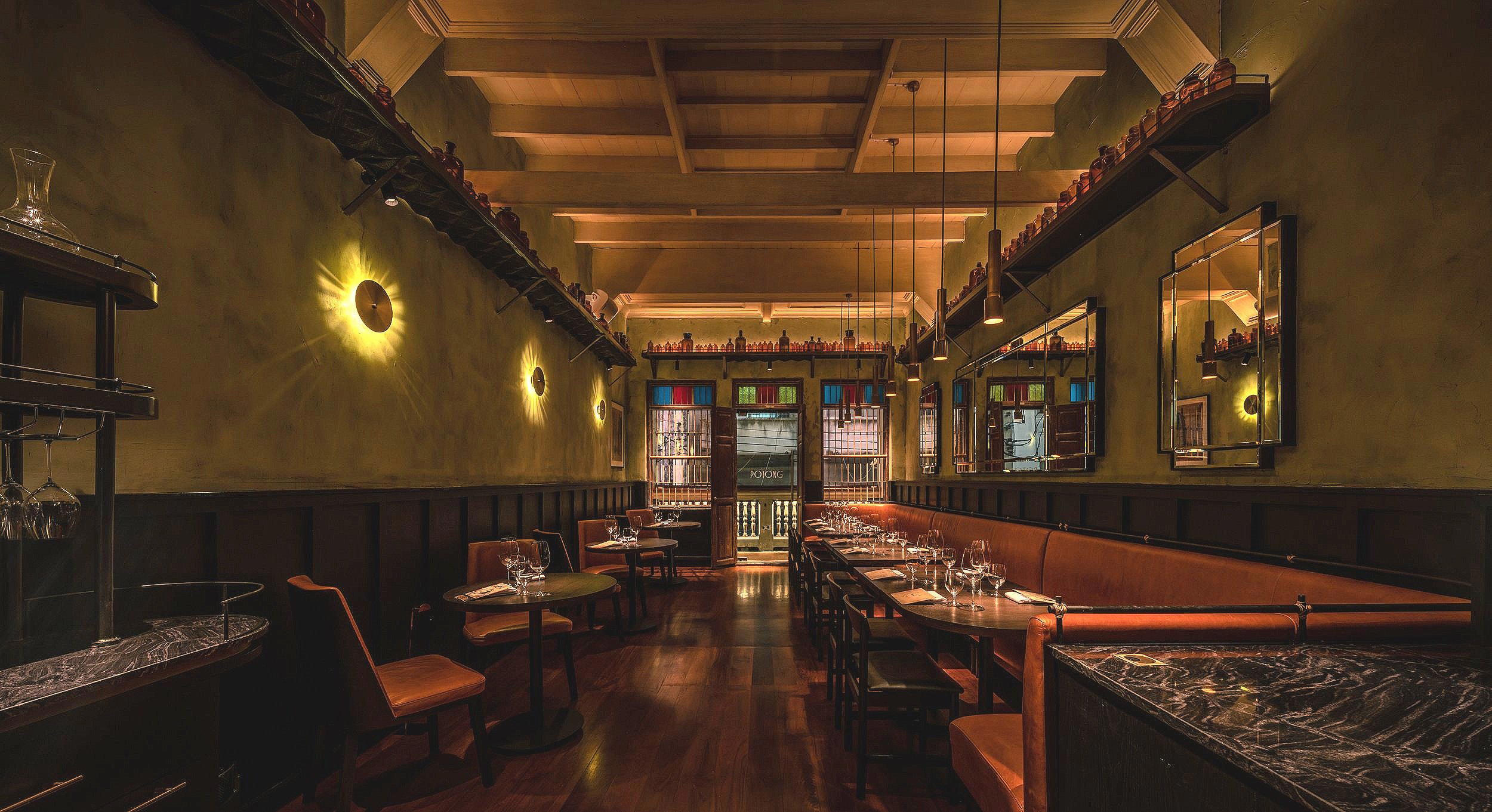
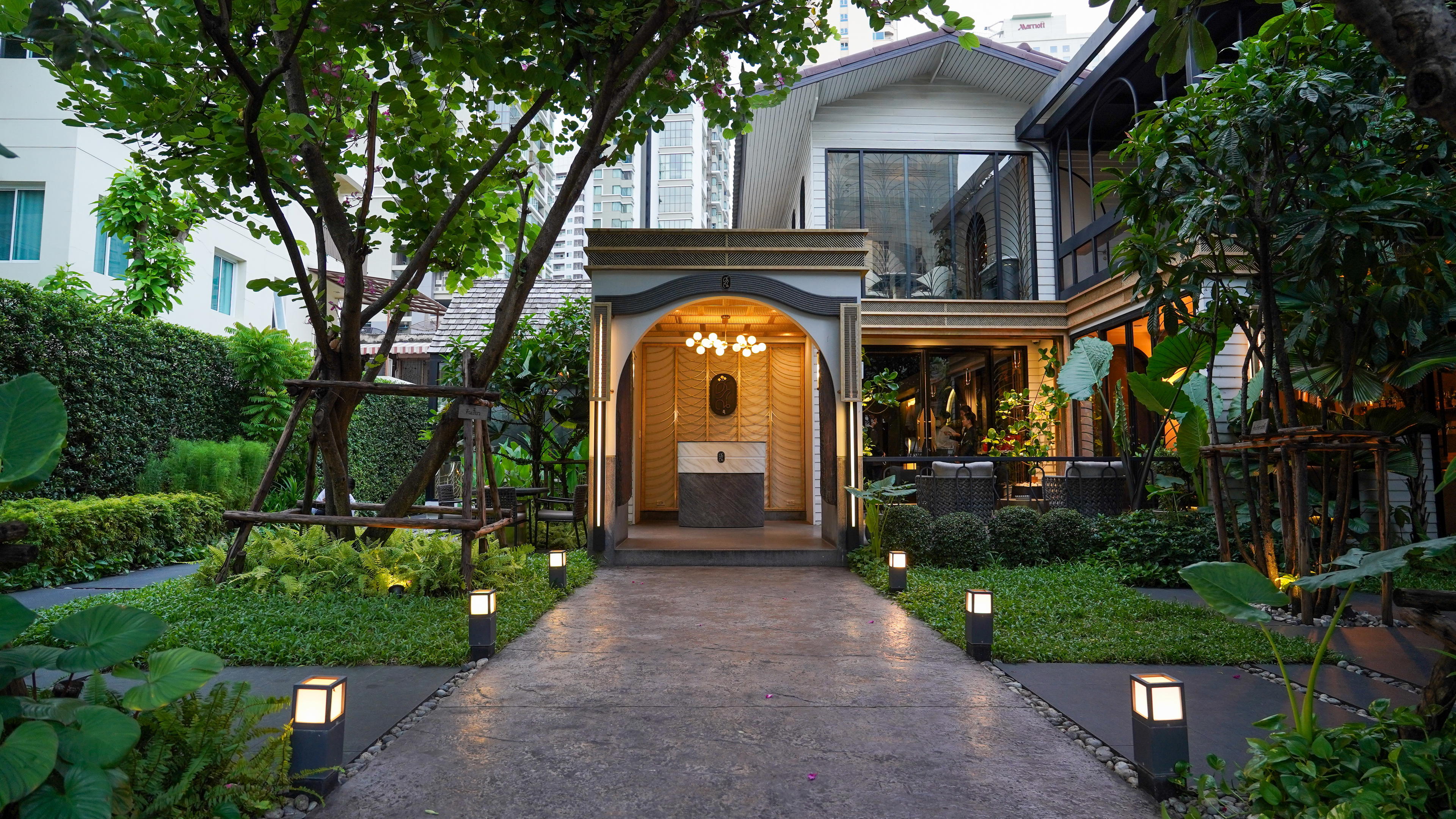
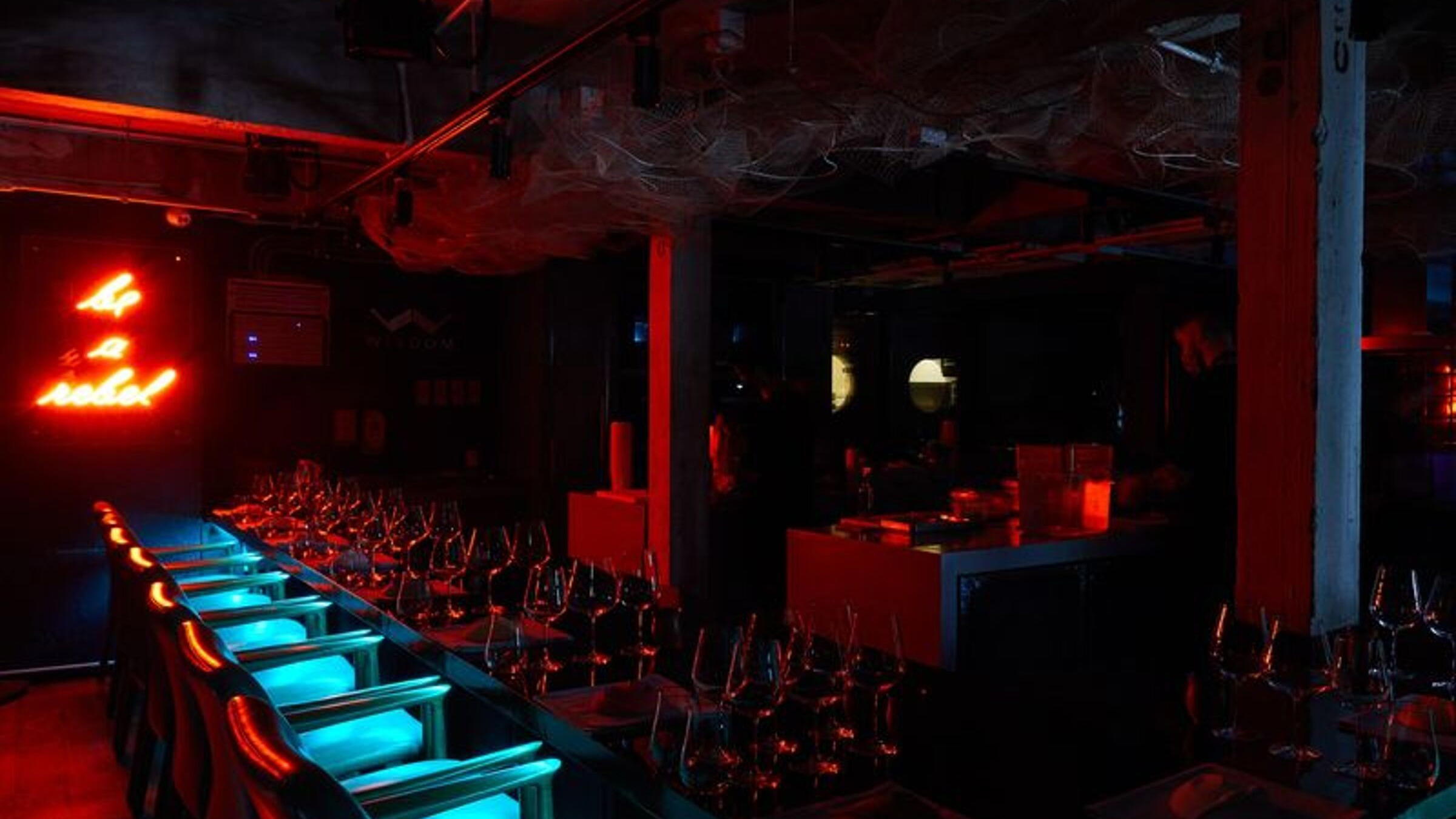
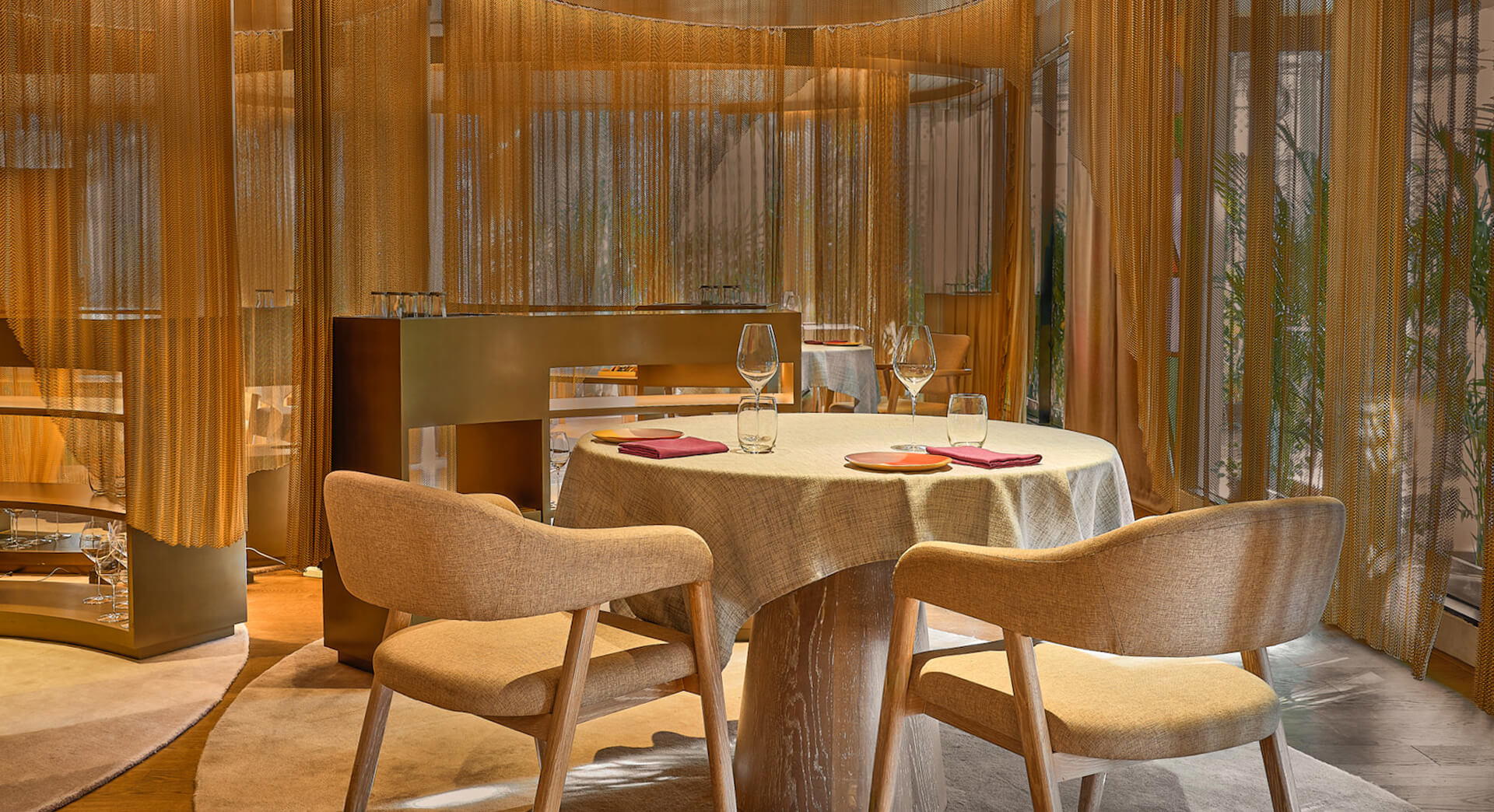
Bright, bold interiors with lively colors, curved lines, lush greenery, and a funky, energetic atmosphere blending retro styles with contemporary hues.